
Nickolas Gurtler
Nickolas Gurtler is an Australian interior designer and the founder and principal of Nickolas Gurtler Office, a boutique practice established in 2015. Over more than a decade in interior design and decoration, he has developed a distinctive approach spanning residential, multi-residential and commercial projects across Australia and the United States. His work is defined by a discerning and thoughtfully edited sensibility, with each project conceived around the experience of inhabiting a space rather than its visual impact alone.
Drawing from a wide field of references encompassing history, film, fashion and product design, Gurtler brings together different cultural and creative influences to form interiors with a strong sense of identity and atmosphere. His practice is also closely connected to contemporary Australian design, with an ongoing commitment to supporting emerging makers, local artisans and locally produced work. Through Nickolas Gurtler Office, he continues to develop a body of work that reflects both an international outlook and a strong connection to Australia’s creative community. In 2025, Gurtler was shortlisted for Designer of the Year at the IDEA Awards.
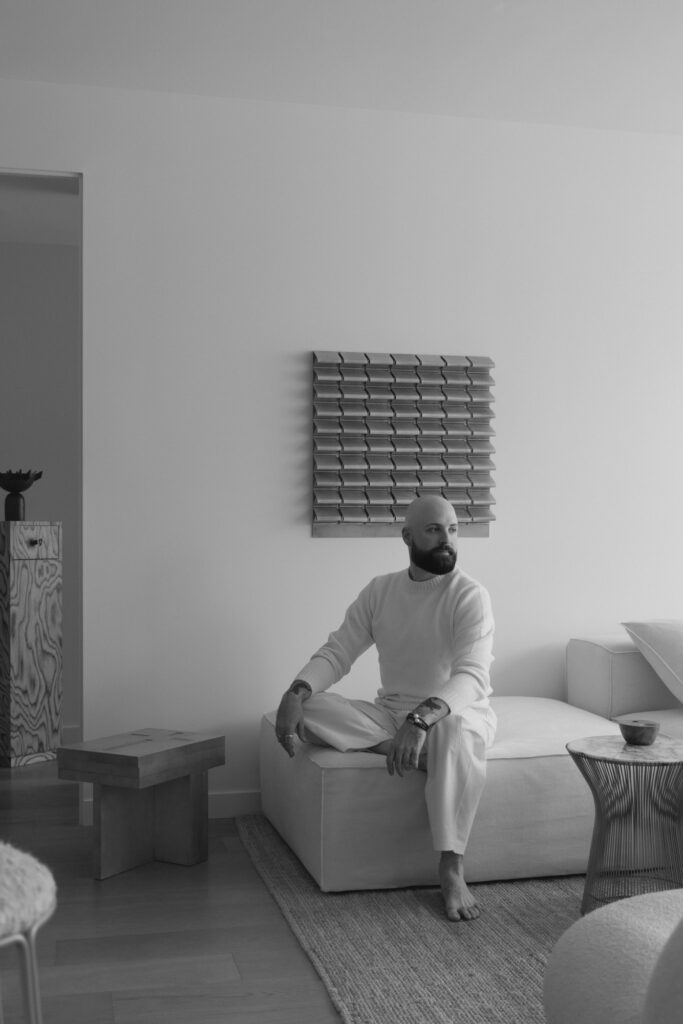
“Ultimately, the feeling of a space is the most critical part of what we do. How someone feels in a space is, in my opinion, a major marker of success.”
INTERVIEW

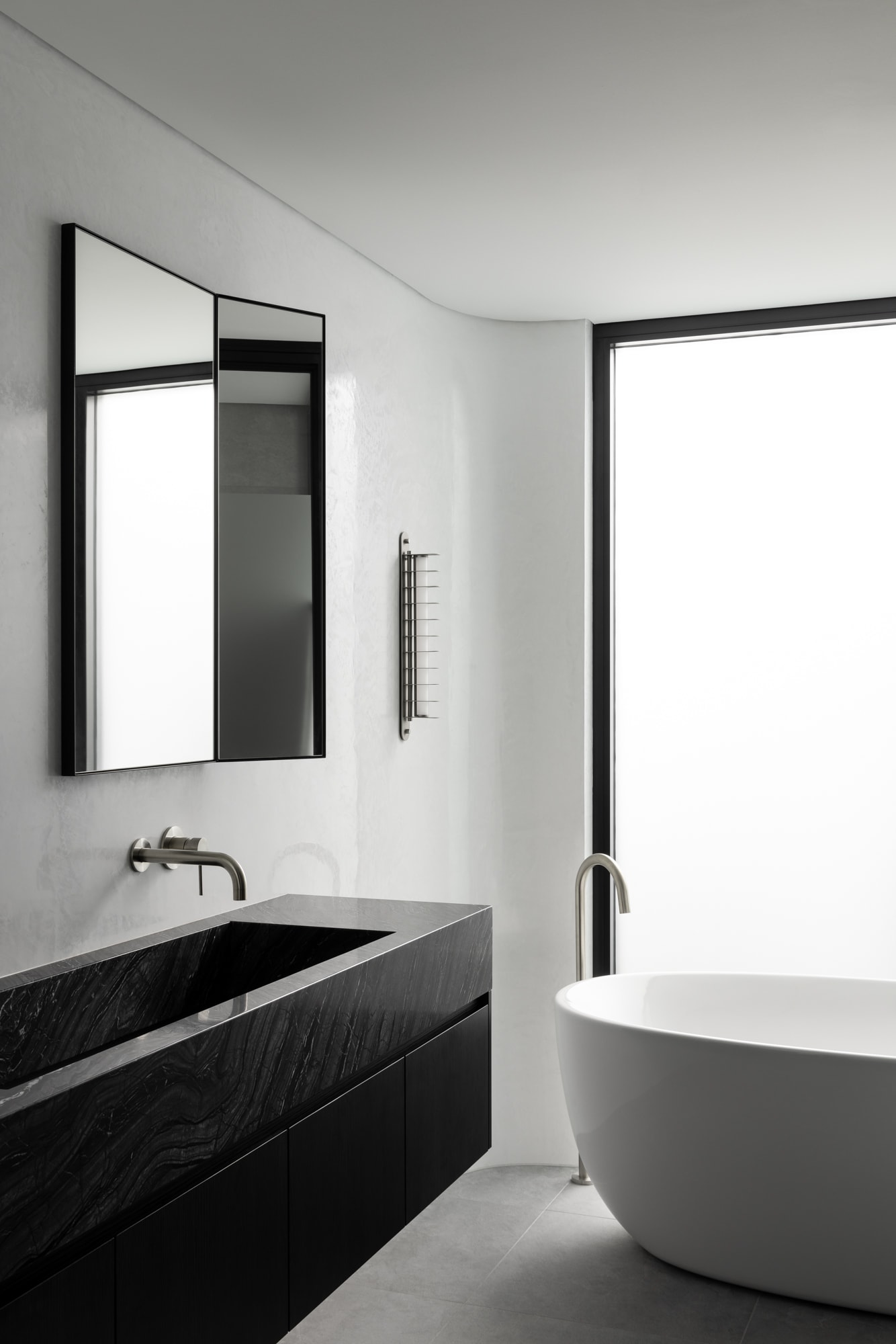
© Timothy Kaye
I actually left school to pursue design. It was always in my blood. We moved house a lot when I was a child, and I always loved moving day, setting up a new home and configuring the furniture. I got a little sidetracked after leaving school in the fashion world, working in luxury fashion for Gucci, Tiffany & Co. and Chanel in visual merchandising roles.
I think this gave me a strong education in design more broadly, particularly when it came to shape and form, colour and texture and, of course, luxury. I decided during this time to return to my studies, ultimately completing my education in interior design and subsequently starting my own practice.
I think I’ve had a few defining moments. One was a project we did called Ocean Cosmetics, which was hyper-conceptual and inspired by the Thierry Mugler Angel perfume bottle. It was really well received and won several awards. It really put the office on the map in a way we hadn’t experienced before.
Another came from our work for menopause specialist Dr Fatima Khan. This project was so important in a sociological sense as well as from a design point of view, and really contributed to the conversation around how design and medicine can interact, particularly in women’s health. It has led to a lot more work for us in that space.
I think without a unique perspective, it’s hard to achieve anything in this industry. That doesn’t necessarily mean you need to reinvent the wheel with every decision, but the way you see design and your point of view need to be unique and expressed in each iteration of your work.
I think being open to sources of inspiration, and to how people live and work around the world, across different cultures and different times, is incredibly useful. Ultimately, the feeling of a space is the most critical part of what we do. How someone feels in a space is, in my opinion, a major marker of success.
I always start from a rather esoteric point of view. I’ll become fixated on a source of inspiration that has nothing to do with interiors. For example, we are working on something at the moment that was inspired by the iconic Jean Paul Gaultier corset made for Madonna, with its conical shapes and soft pink tones.
It’s not always a direct correlation or an obvious manifestation, but in my mind it becomes a feeling or a central point of focus. From there, it’s a lot of experimenting and distilling ideas down. There is a lot of trial and error before finessing the design.

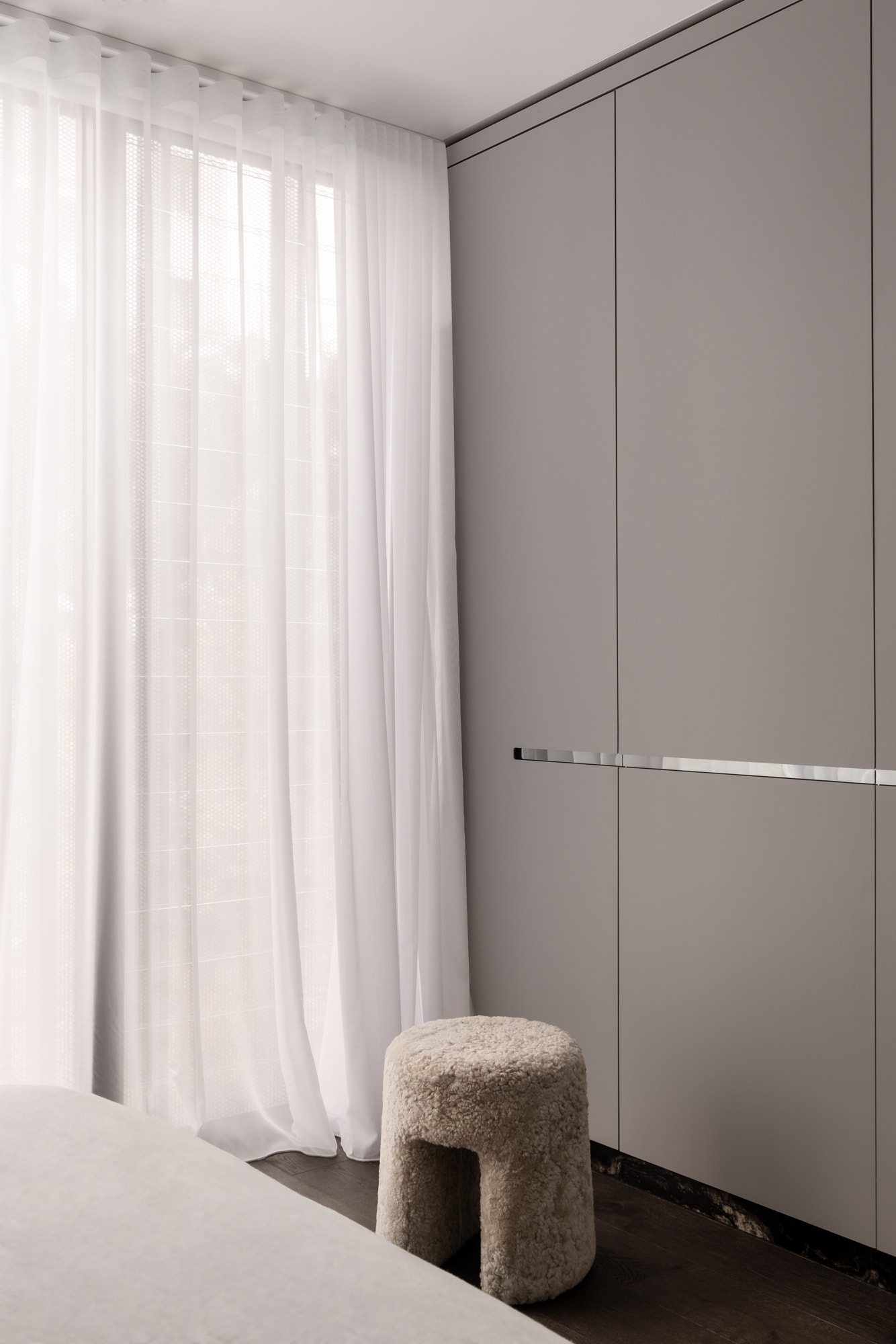
© Timothy Kaye
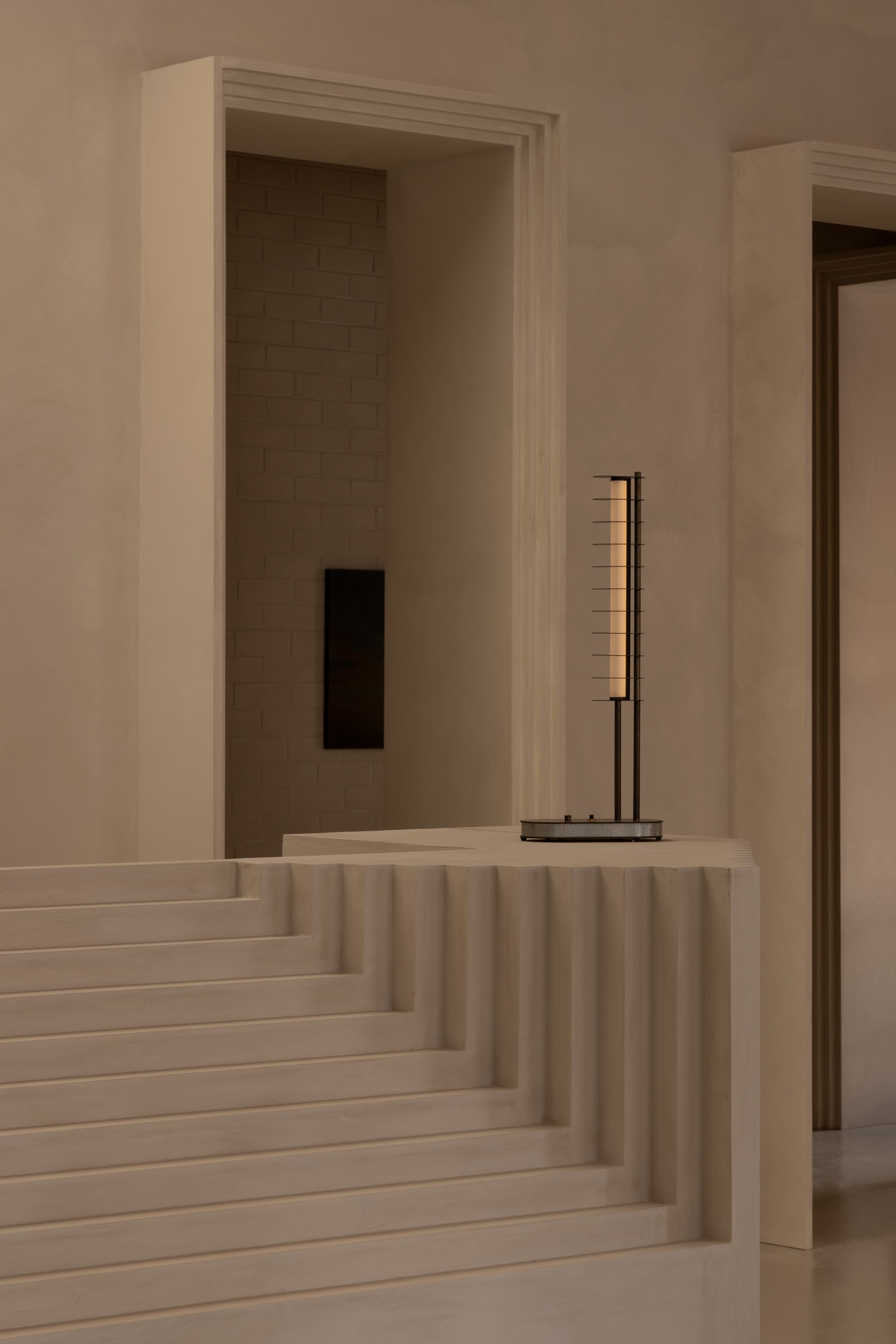
© Timothy Kaye
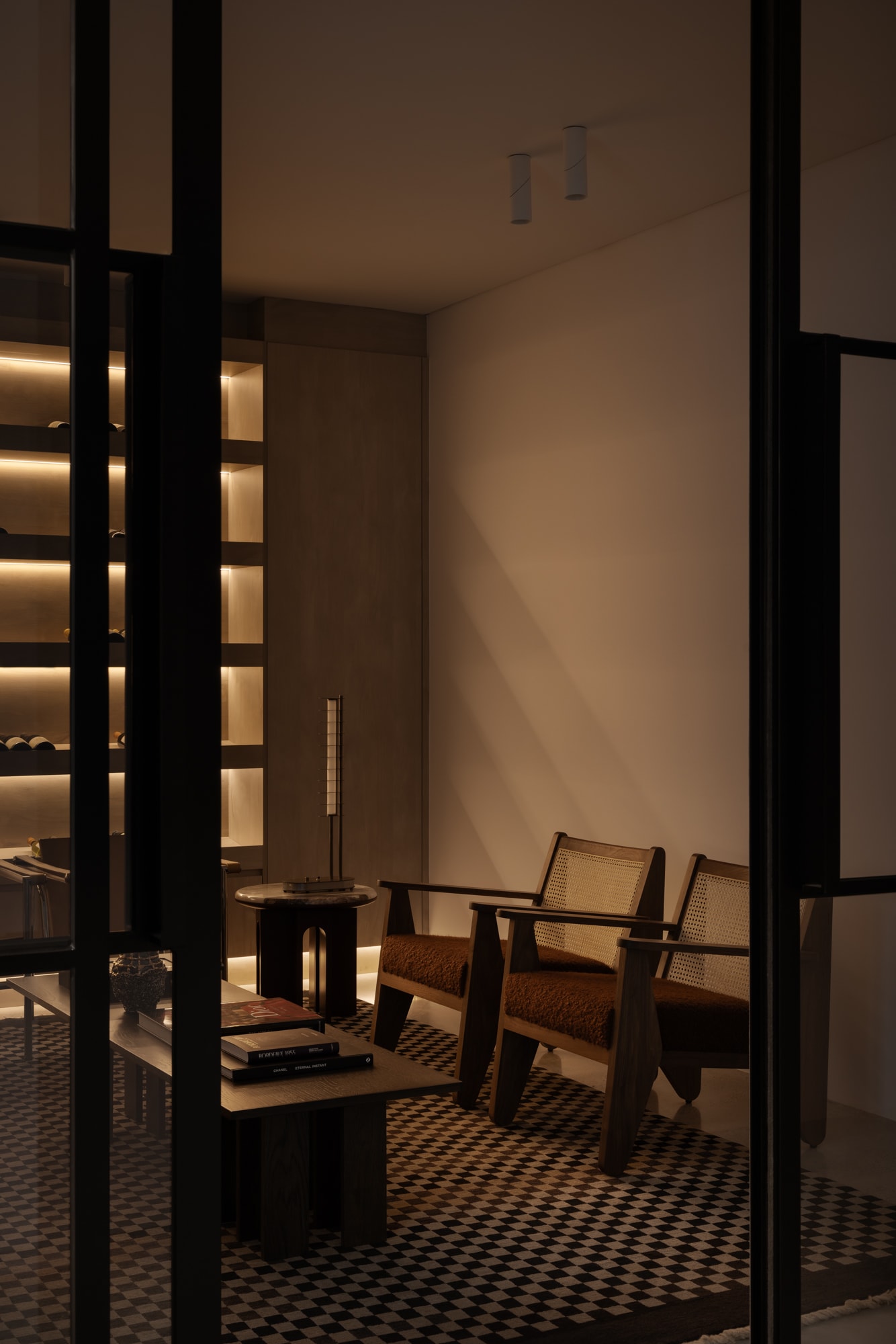
This is the question all interior designers get asked at dinner parties, and it has always been a hard one for me to answer. I think my signature style is very formulaic in the way we apply materials and shapes in particular. There is a style that permeates all of our work, but each project is entirely different. We see each project through our lens.
We recently spent some time trying to articulate this and refer to it internally as our “interior alchemy”, our formulaic design language and philosophy where we balance exuberance with restraint. We have a reverence for history, architecture, cinema and product that informs our work.
We take an elemental approach to our projects, with a focus on natural materials that are both raw and refined. We also consider ourselves advocates for local and independent design, particularly from Australia.
It’s hard to pick a favourite. Some projects have had particularly lovely clients, while others have resulted in something especially meaningful.
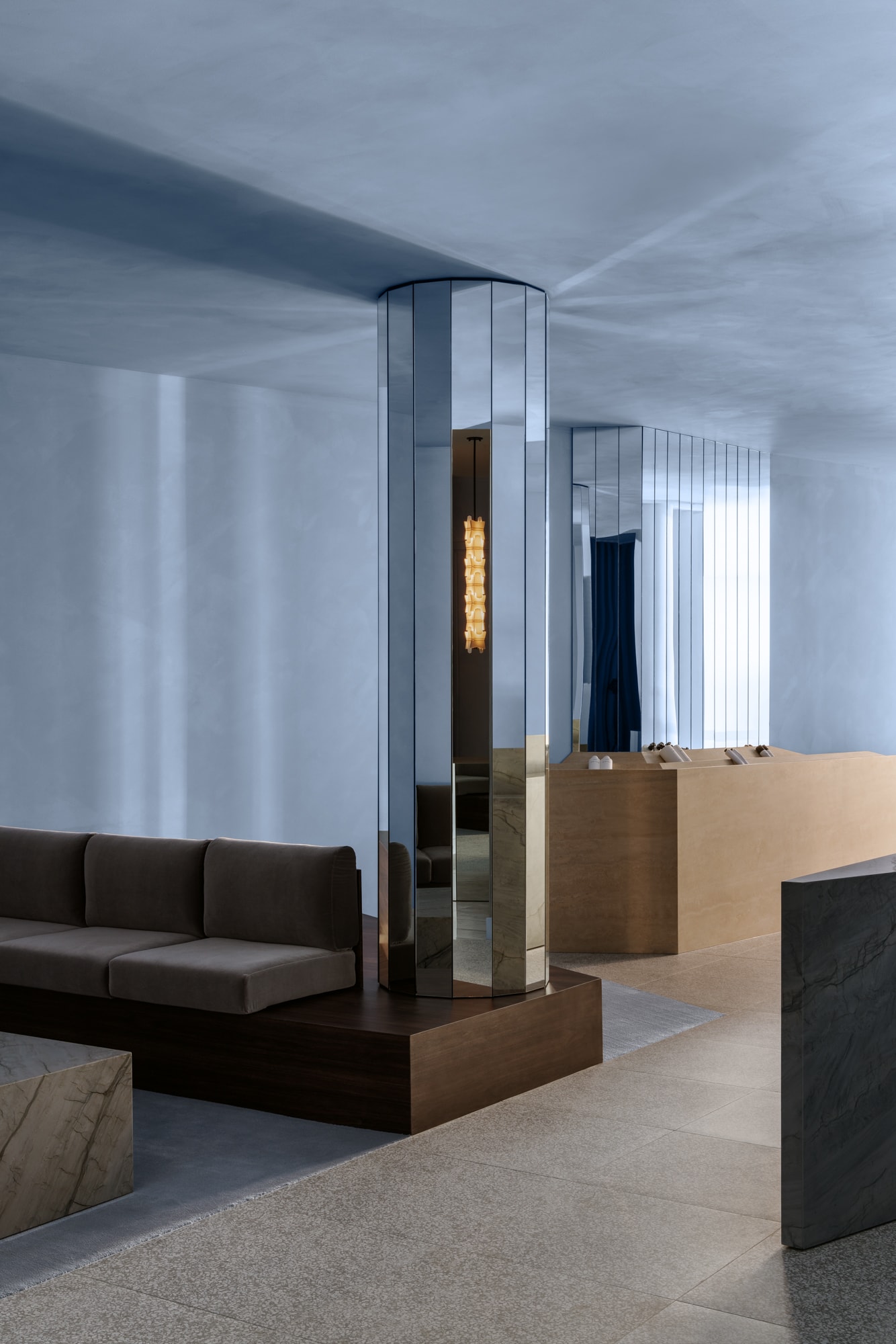
I think I’d have to say our Lost Profile Gallery project, which we completed last year. It was highly conceptual, ethereal and spiritual. I think it is the type of project that comes along only a handful of times in a career, and it really is such a special space.
I have learned many hard lessons, but I think one of the hardest is that creativity and business are not always in alignment.
It’s hard to make a living, and it’s hard to design within financial realities. I’ve learned over the years to let go of an idea if it’s not working or not achievable, which was really difficult at the beginning.
Trust your instincts. It might seem trivial, but it’s so applicable in all aspects of life. If something doesn’t feel right, it’s probably because it isn’t.
Travel the world if you can. Be inspired by what was, what has been, and by other cultures. Get out of the algorithm for inspiration.
Also, learn some customer service. So much of our business is selling our ideas, so knowing how to do that and how to interact with people is a really important skill.
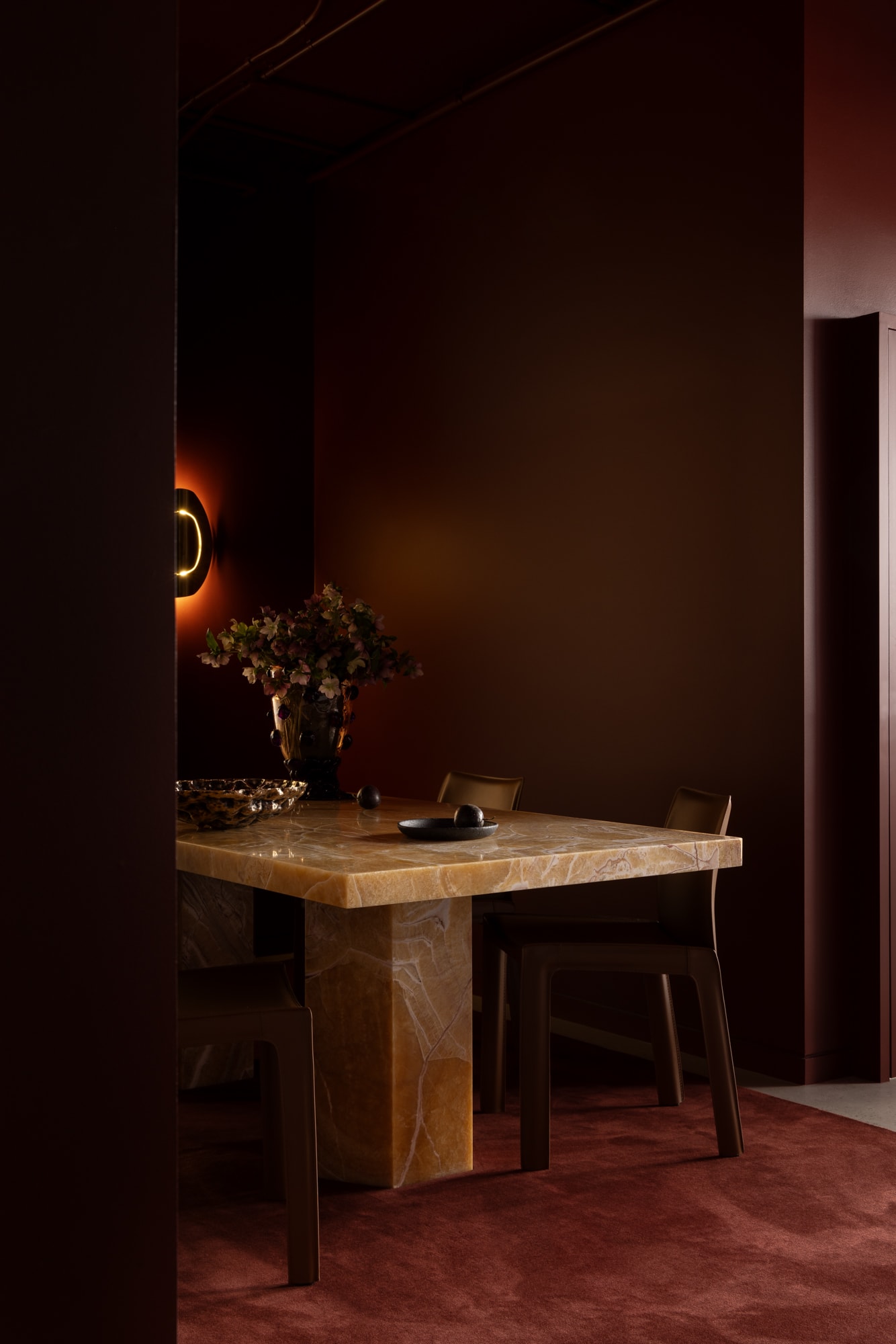
© Timothy Kaye
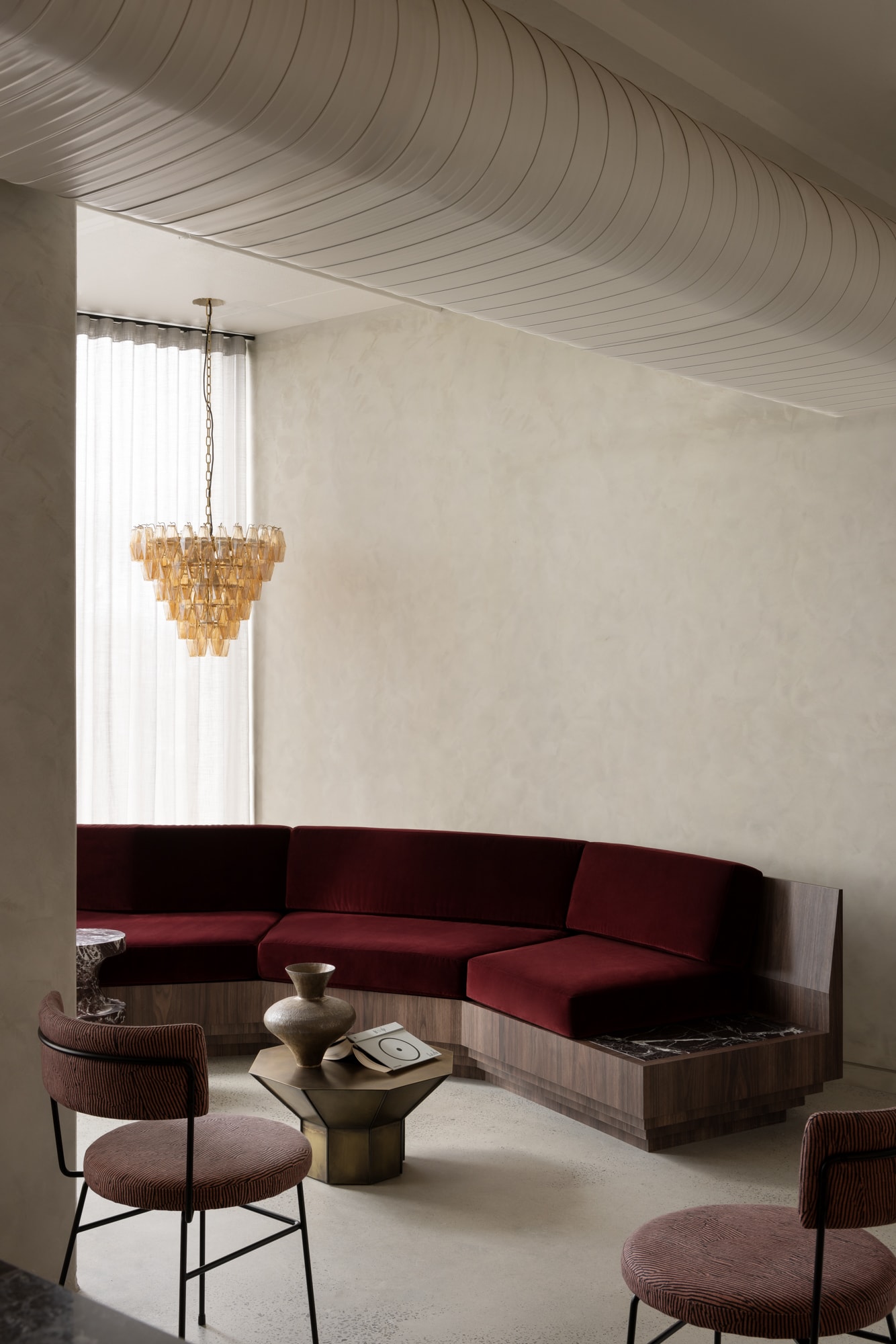

© Timothy Kaye
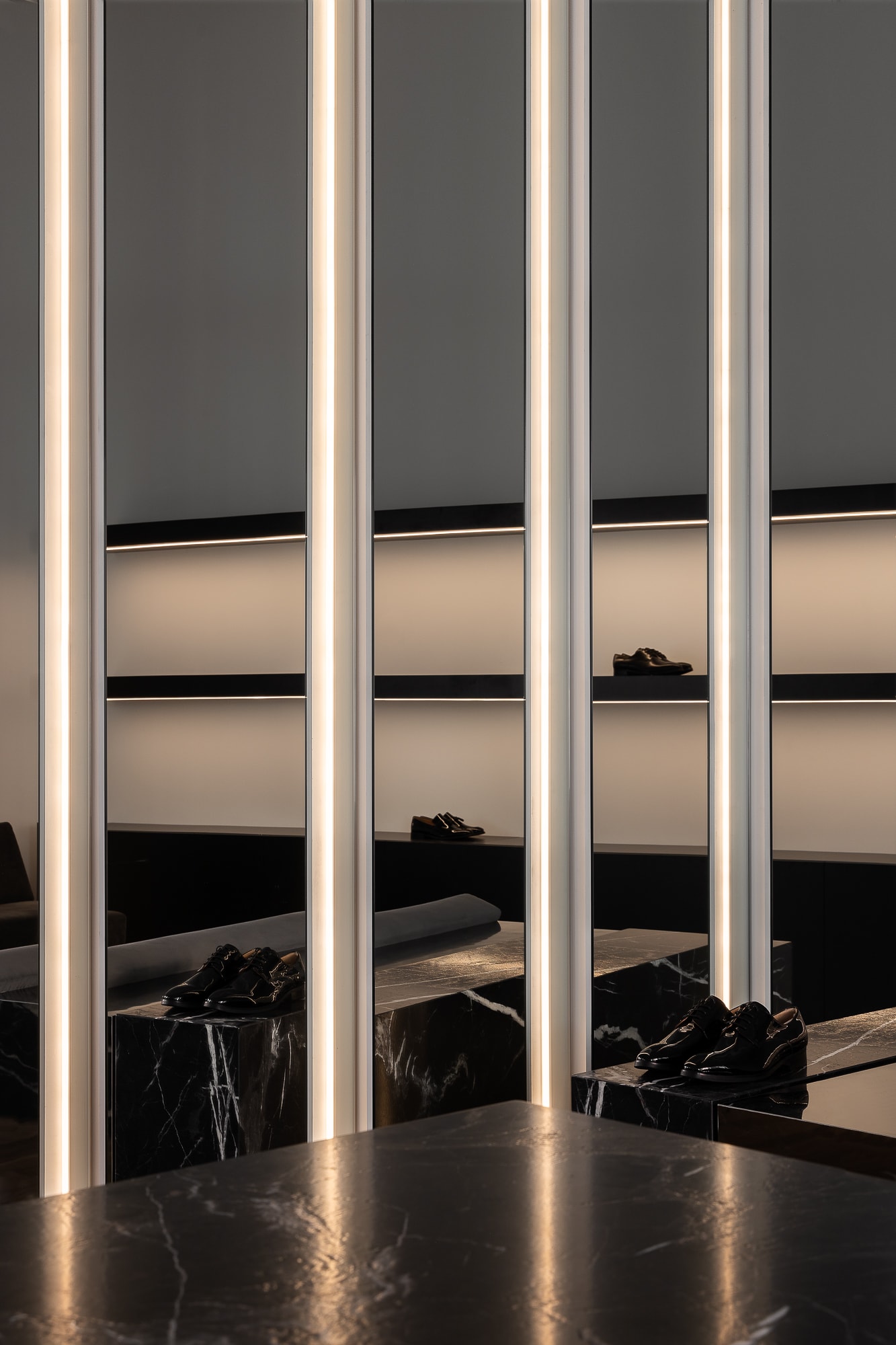
I collect coffee table books. I have hundreds upon hundreds on all kinds of things. My current favourite is Entryways of Milan. It’s a fantastic tome. I also received the book Steven Klein as a gift, and it’s full of incredible photography and has become a staple of my coffee table.
As for podcasts, I love The Daily by The New York Times. I listen every day.
Lighting is critical in a space. It shapes everything. Always invest in it, shape it, and manipulate it.
We’re working on a number of exciting things. We have a large perinatal psychiatry project due for completion in the near future that is really conceptual and merges design and patient care in new ways. We’re also working on a number of homes across the country.
One in Perth that I’m particularly excited about is inspired by Parisian architecture, and as a Francophile, it’s very exciting to me personally. It’s a very different look for us, but nonetheless something really special.
favorite pieces from the Philia Collection
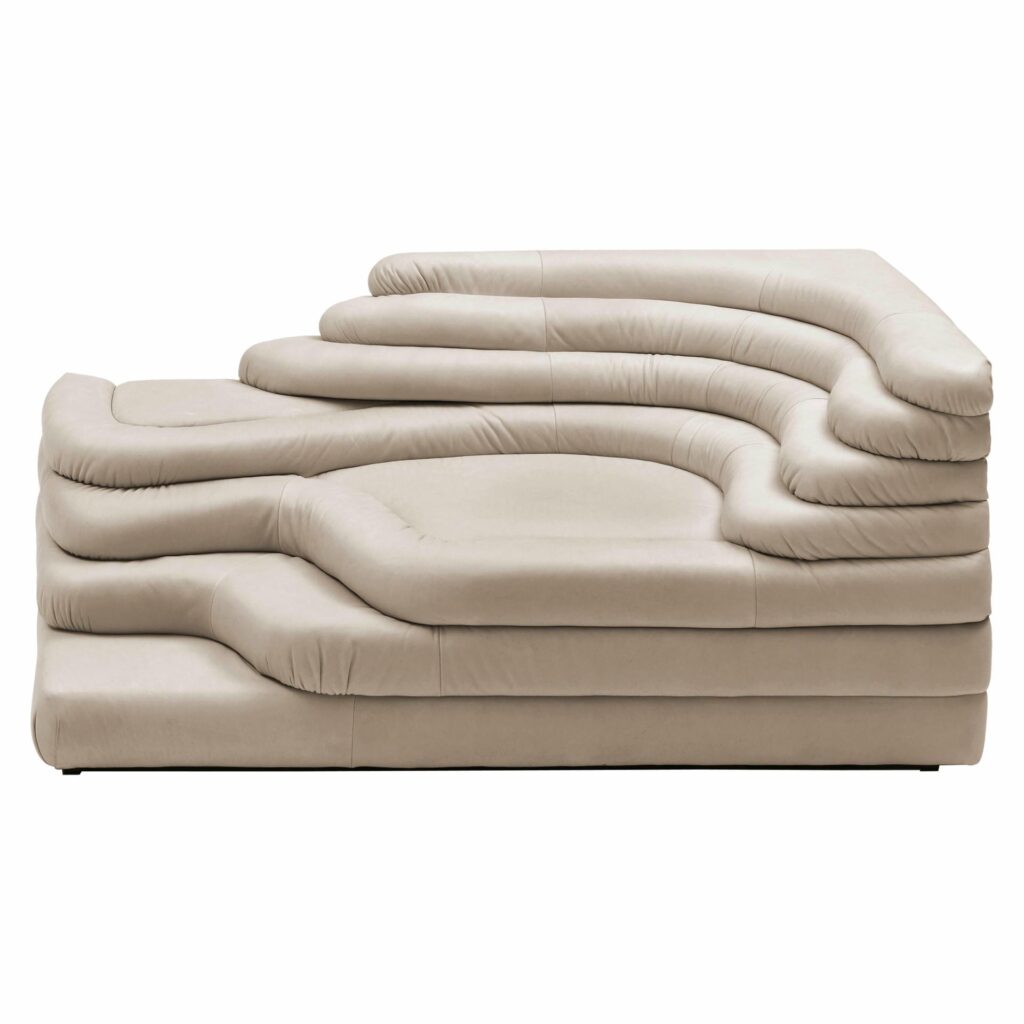
DS-1025 Sofa by De Sede
I’ve always loved the DS-1025 sofas from De Sede. They’re so alien, but also timeless and really unique.
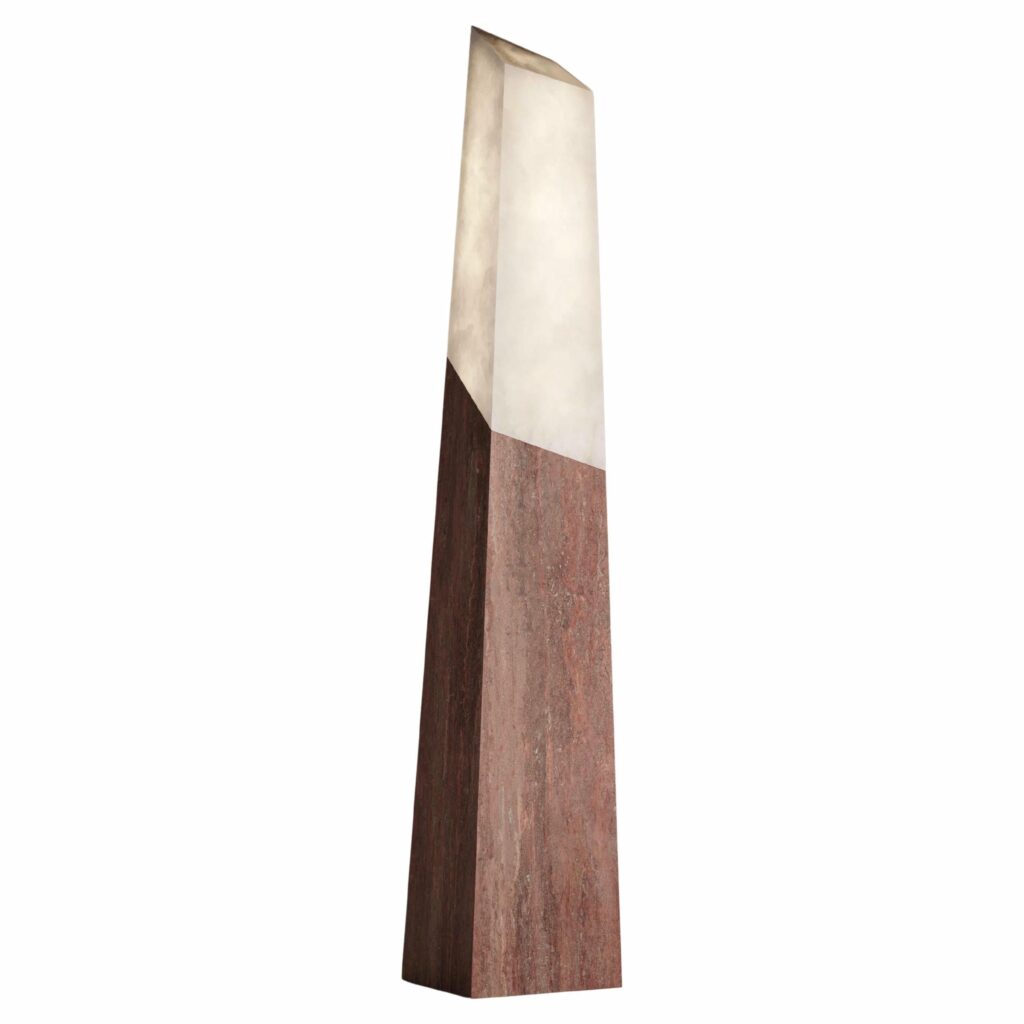
Tecton Floor Lamp in Travertine by Félix Millory for Monitillo 1980
I also love the Tecton floor lamp by Felix Millory. It is so architectural. It reminds me of the Shard in London, which is one of my favourite buildings in the world.
Thank you so much Nickolas, for this lovely interview!
Share article :
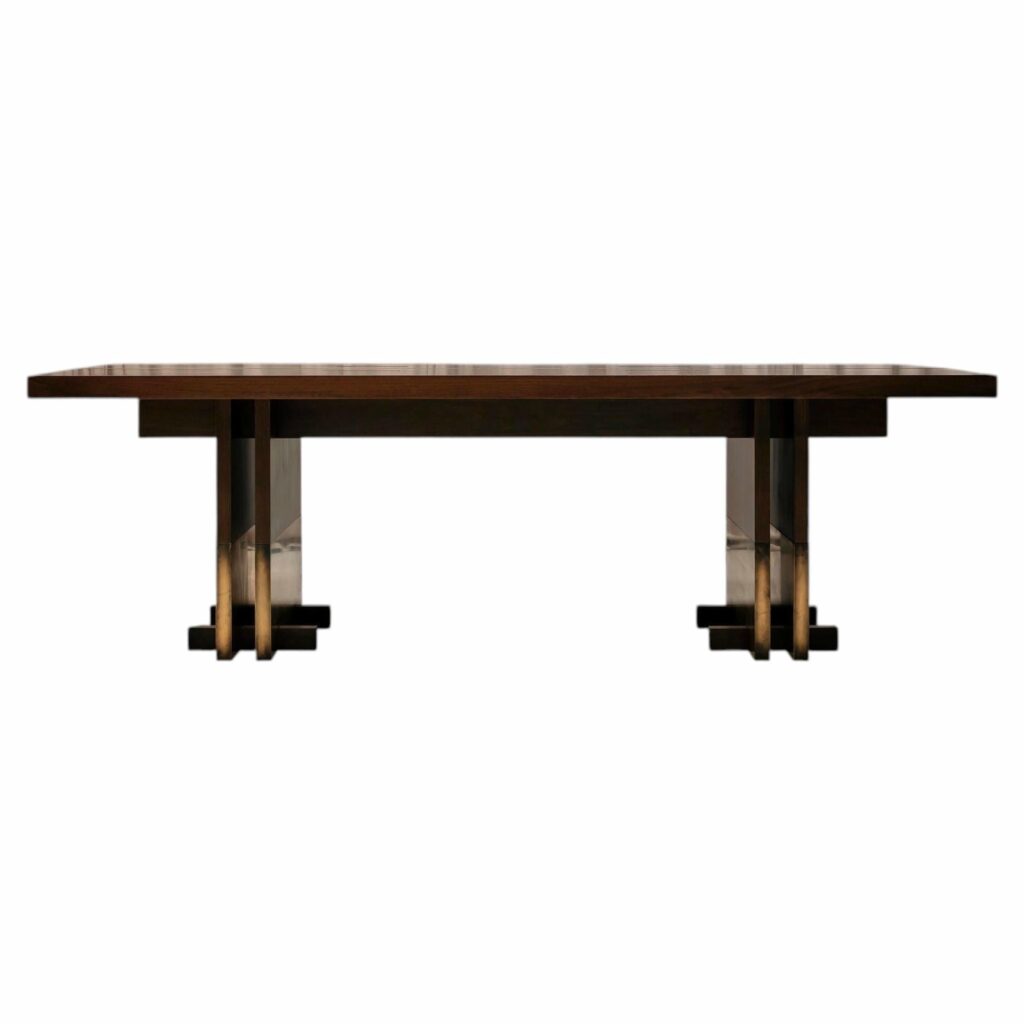
The Rift table by Andy Kerstens is one of my all-time favourite pieces. It’s such an incredible piece of design.