
Félix Millory
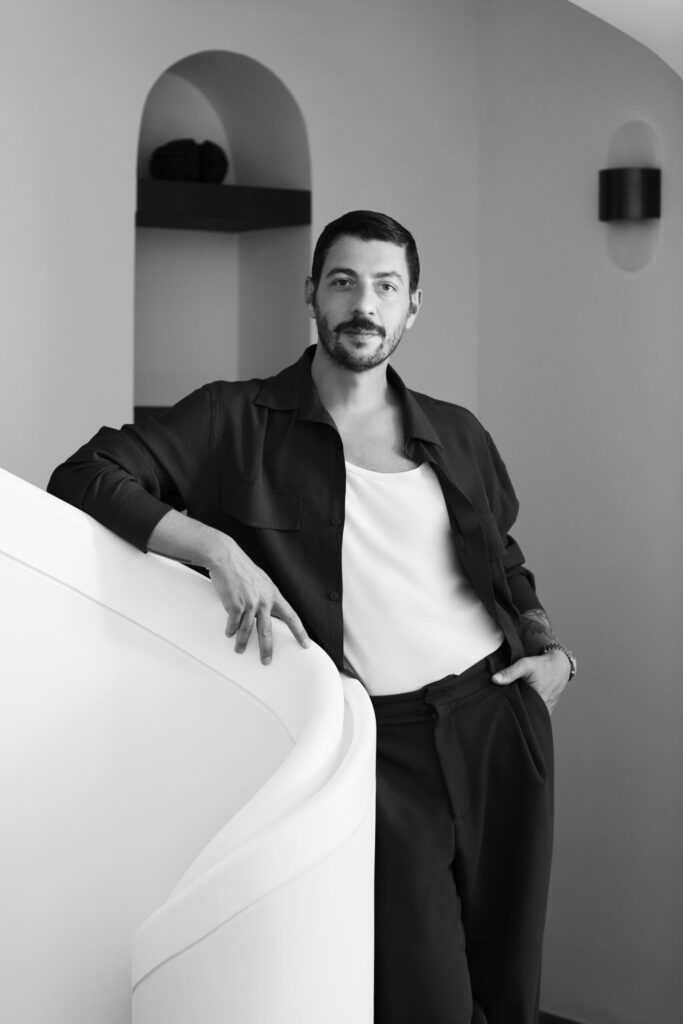
“The beauty already exists. Our magic is simply to reveal it.”
INTERVIEW

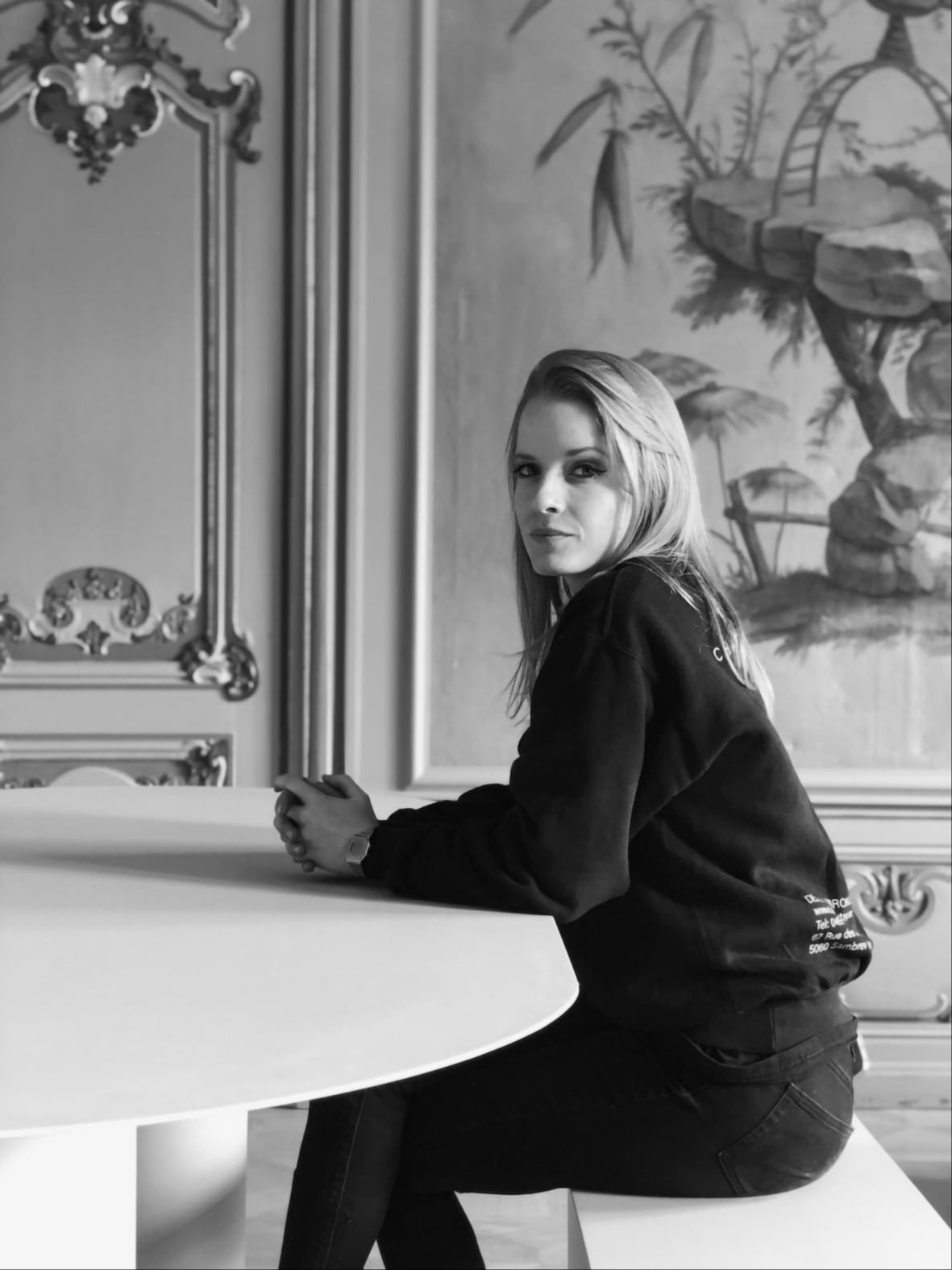
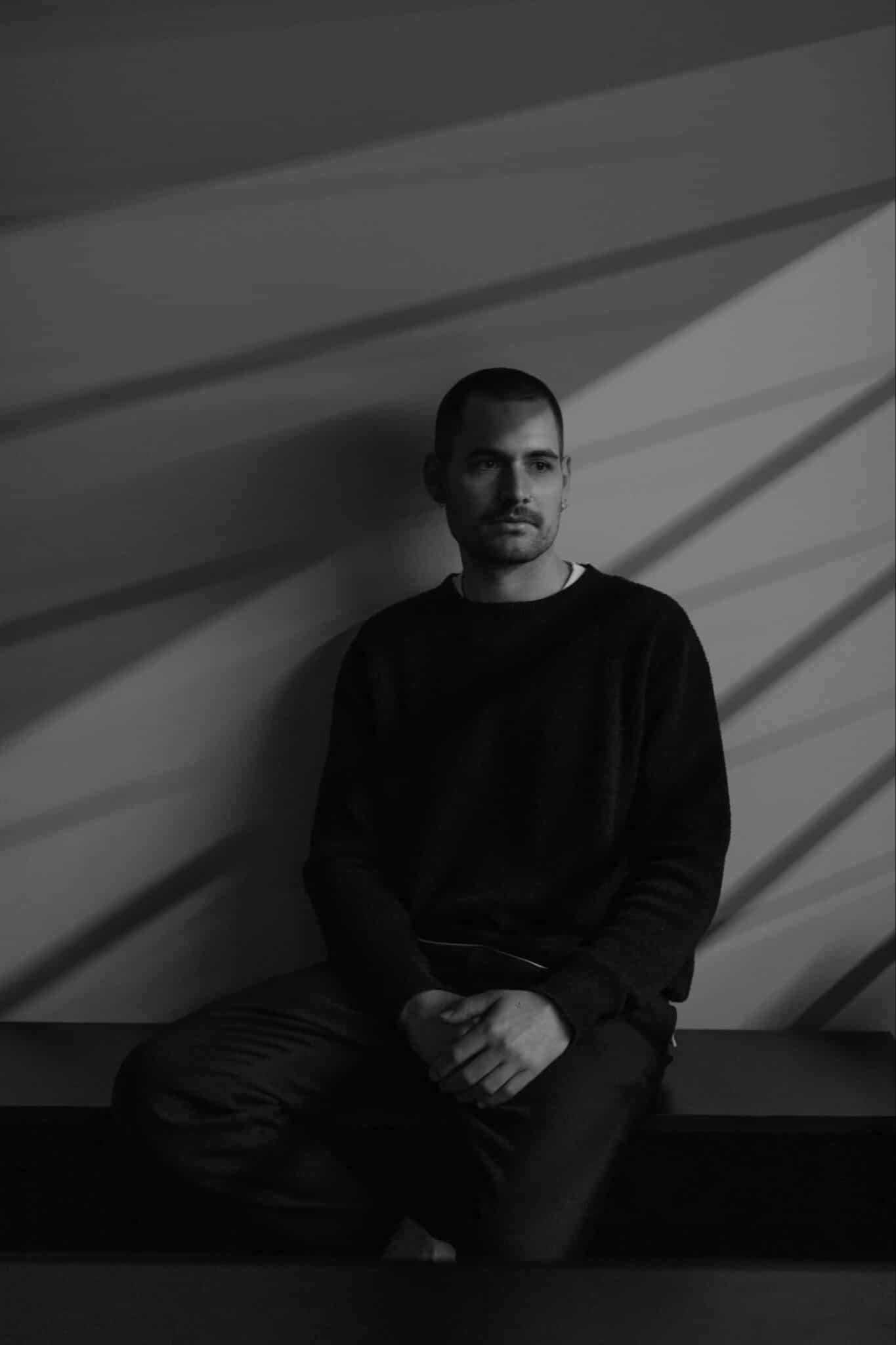
© Stephan Julliard
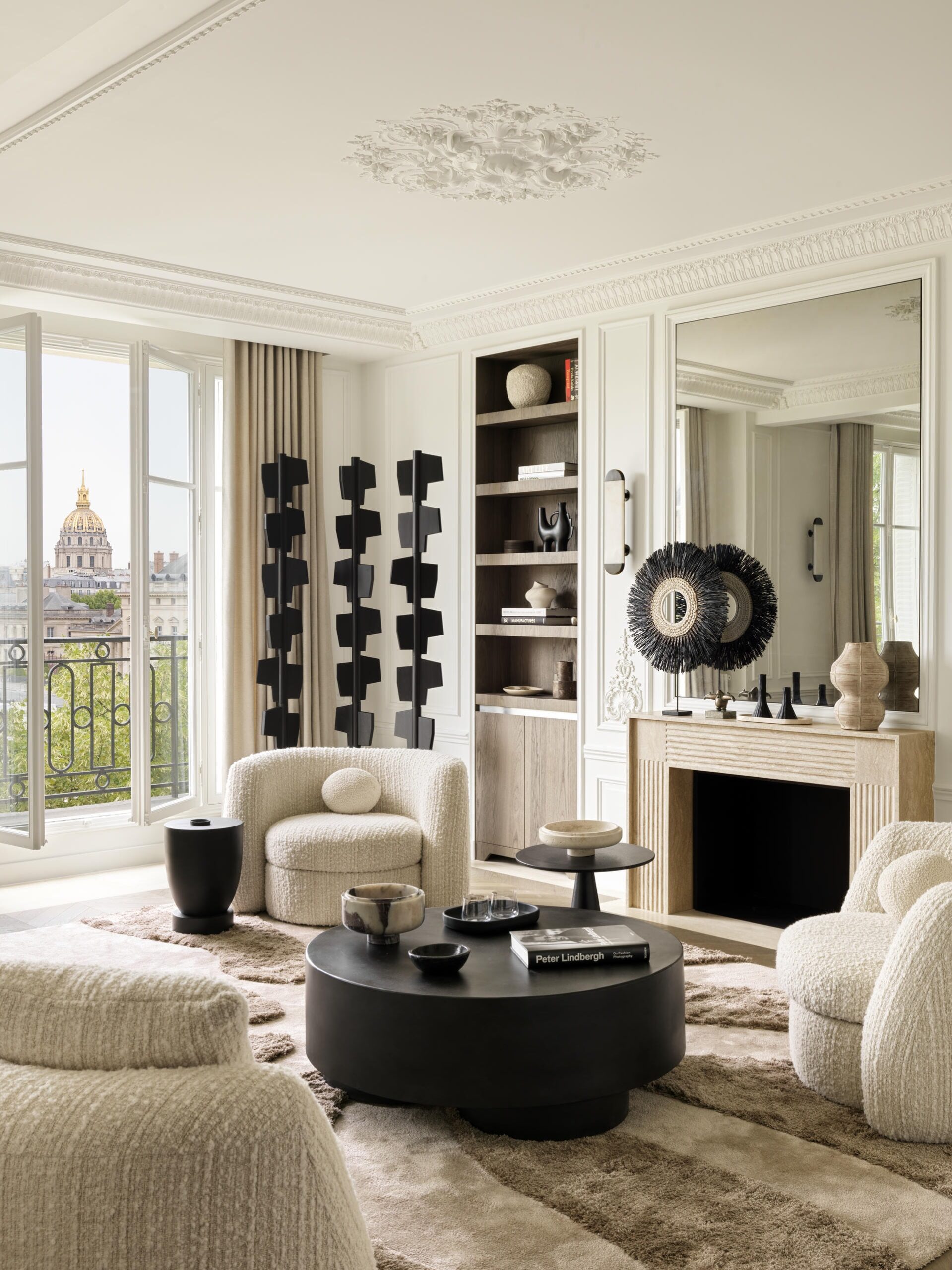
I always begin with listening — not only to the client, but also to the place. A project already contains many answers: its light, proportions, history, constraints, and sometimes its defects.
Then I try to understand how the client wants to live, not only what they want to see. My role is not to literally translate a brief, but to interpret it and give it form, coherence, and emotion.
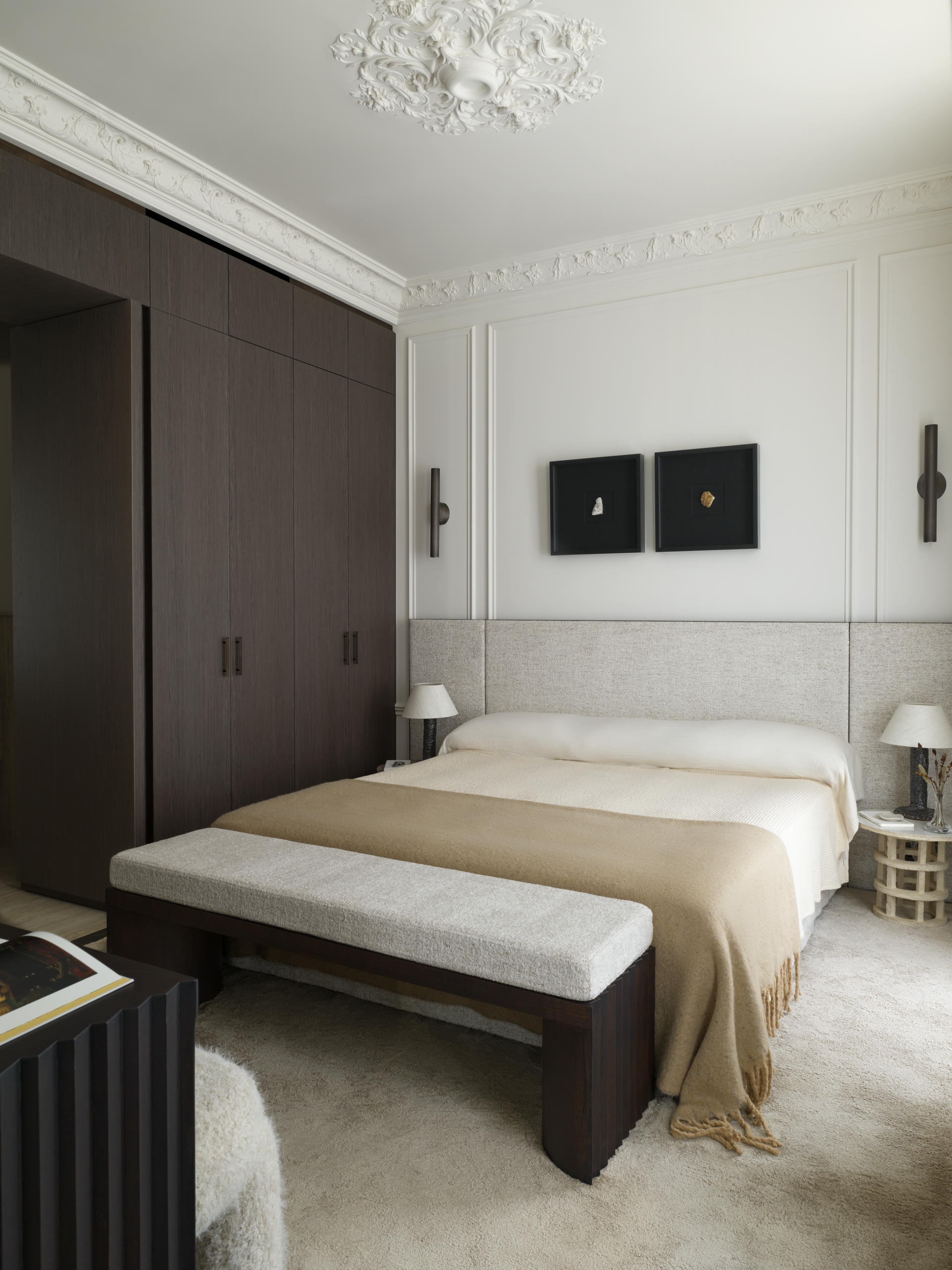
For me, refinement without comfort has no meaning. A space can be visually impressive, but if you do not feel calm, protected or naturally drawn to stay there, then something is missing. I never approach architecture as a purely aesthetic exercise. I think about how a space is experienced emotionally and physically throughout the day.
I think part of this sensibility also comes from my studies. My graduation thesis focused on traditional Japanese architecture, and I believe it deeply shaped the way I perceive space and emotional balance within architecture. What fascinates me about Japanese architecture is not a formal aesthetic, but the psychology of space: the importance of transitions, rhythm, silence, proportions, shadow and the relationship between emptiness and presence. Even today, I think this influence unconsciously informs many of my projects.
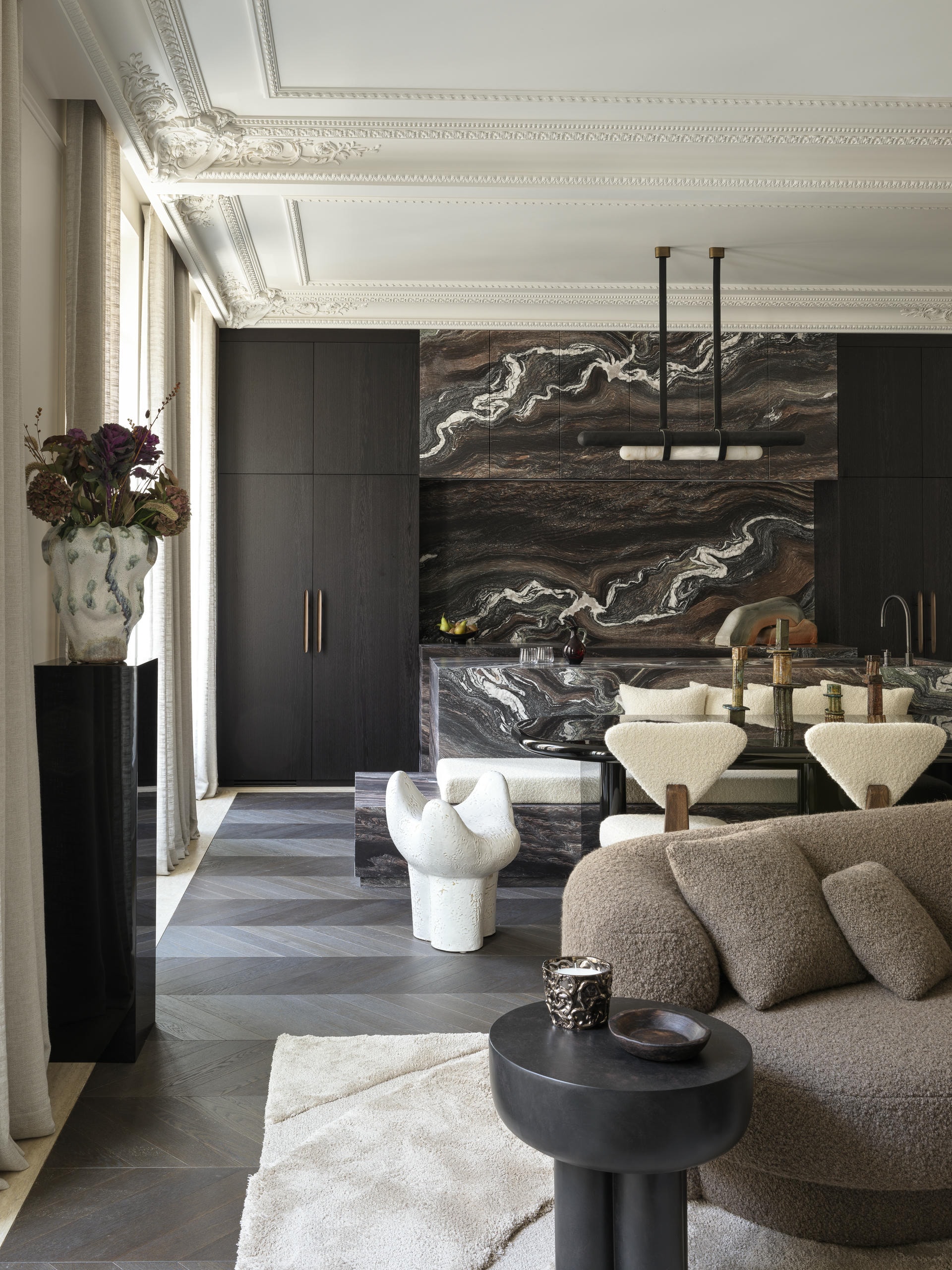
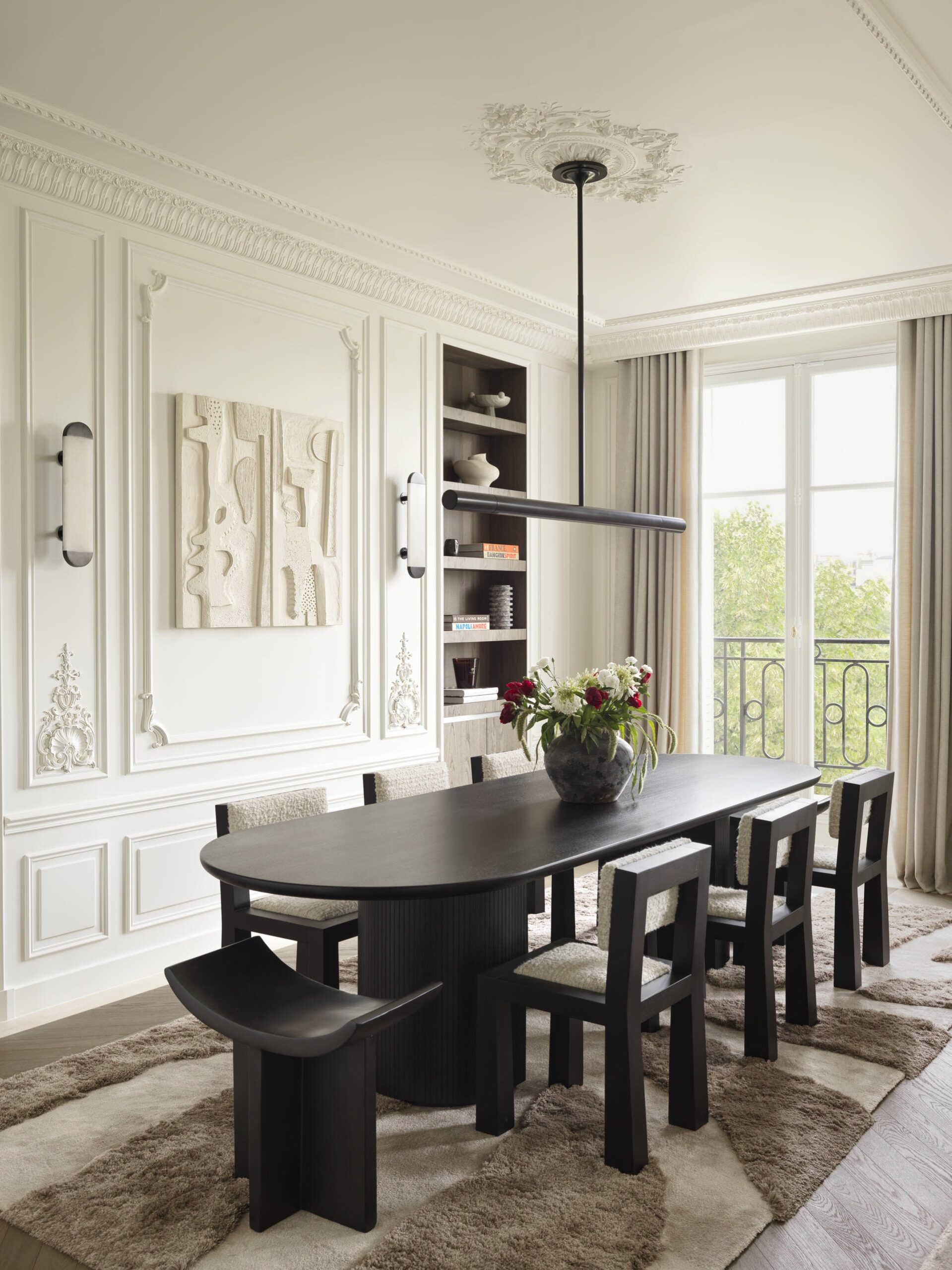
This balance often comes from subtle decisions rather than obvious gestures. I work a lot on proportions, circulation, the relationship between openness and intimacy, and the way light evolves within a room. Warmth is also deeply connected to materiality. I like noble materials that age beautifully and carry depth — smoked woods, natural stone, linen, plaster, patinated metals. They bring texture, softness and imperfection, which prevents spaces from feeling sterile or overly designed. I am also very attentive to transitions and atmosphere. I believe comfort comes from rhythm — the way you move from one feeling to another, from shadow to light, from compression to openness. Even in very minimal interiors, I try to create moments of tension and release, so the space feels alive and emotionally balanced.
Ultimately, I think true luxury today is not excess. It is the feeling that everything has been carefully considered, and yet nothing feels forced. The most refined spaces are often the ones that feel effortless, natural and deeply personal.

© Stephan Julliard
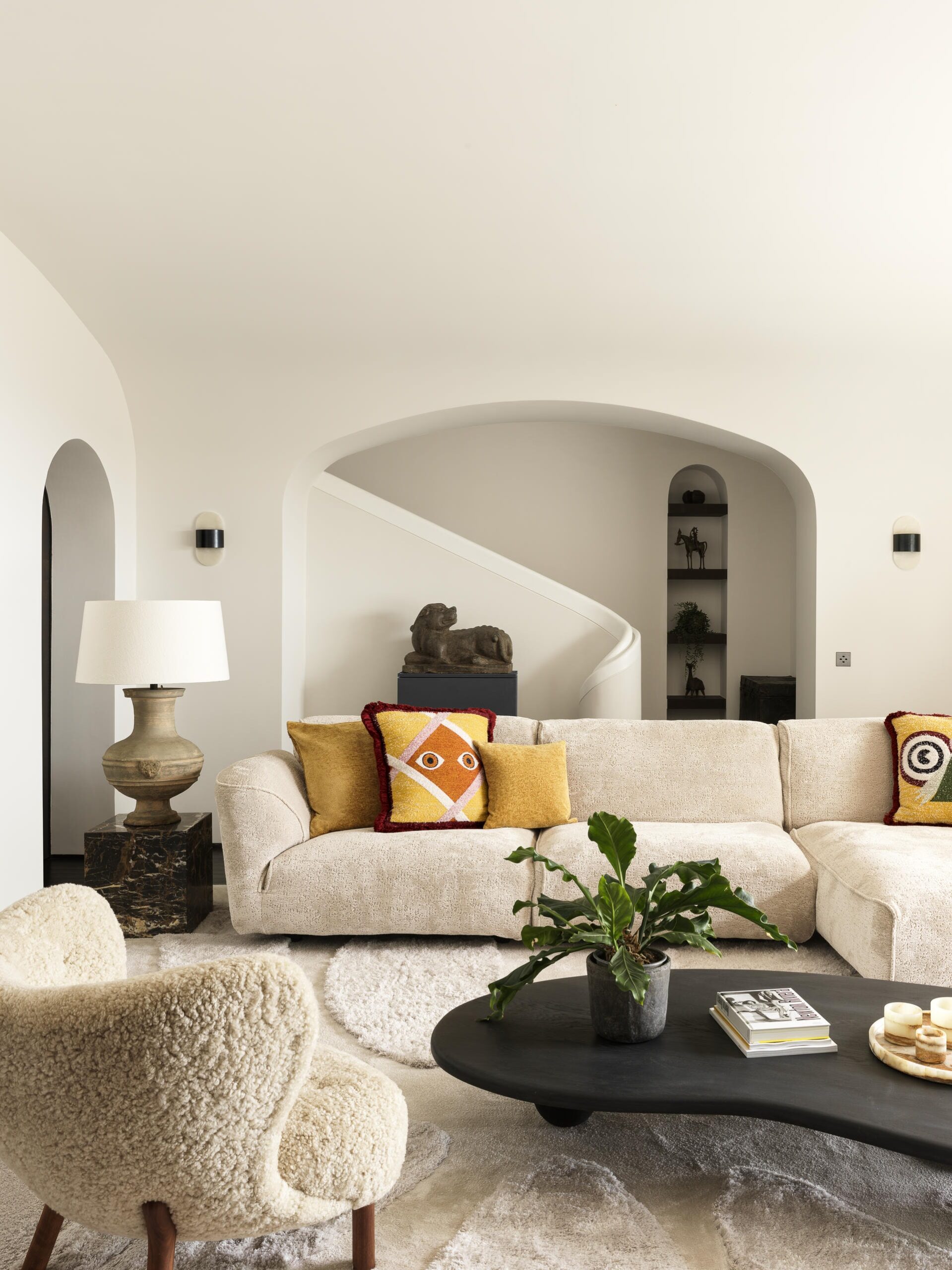
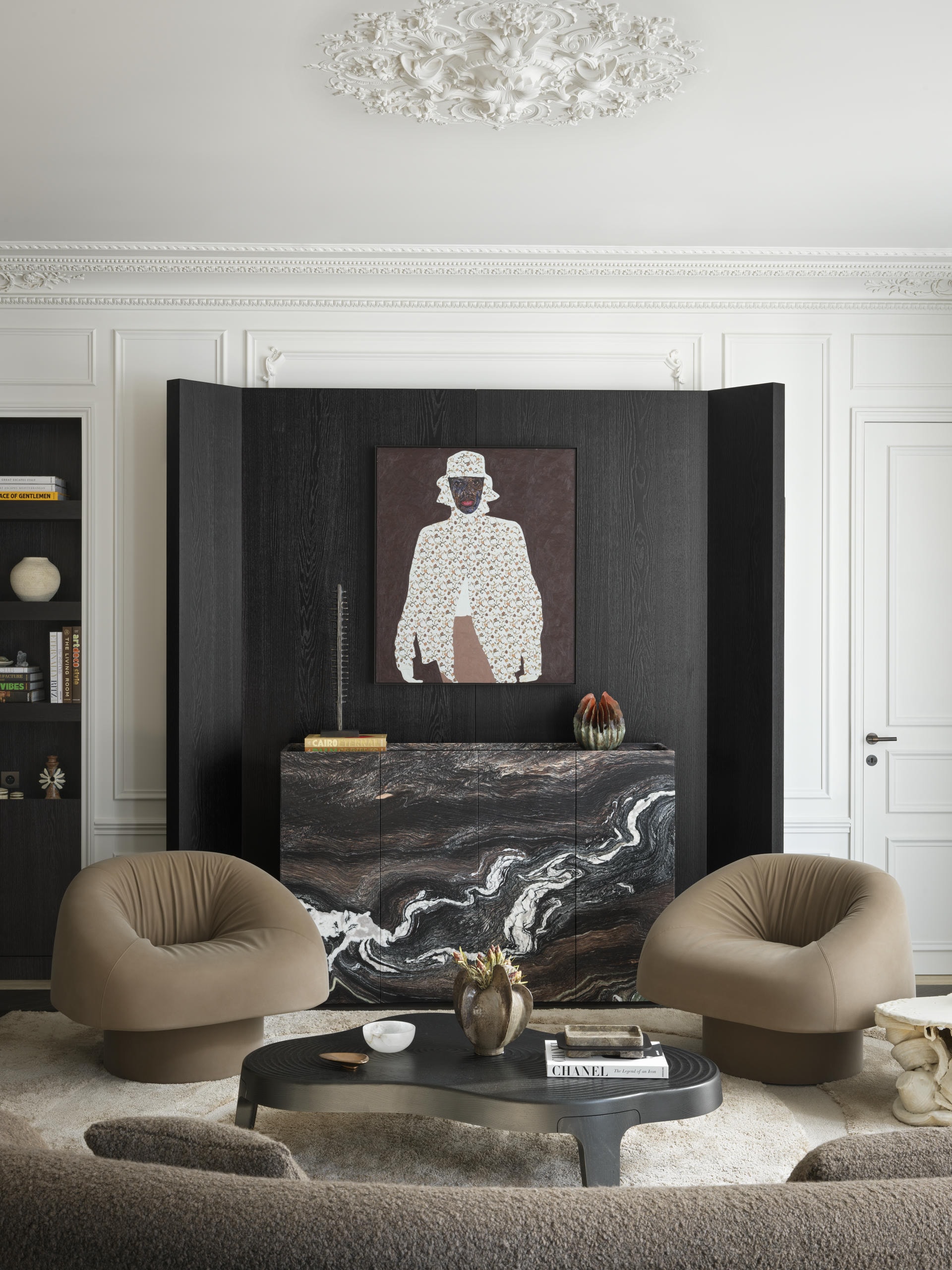
I see collectible design as an additional layer within architecture — almost like a new emotional dimension added to the space. It is not something decorative that arrives at the end of a project, but rather a way to deepen the atmosphere, enrich the narrative and bring another level of sensitivity into the interior.
In many of our projects, collectible pieces allow us to introduce a certain tension or unexpected emotion. They can bring craftsmanship, singularity, texture, colour or even a touch of madness into a very controlled architectural environment. I think they help elevate a space and make it feel denser, more complex and ultimately more alive.
What interests me most is the dialogue that emerges between architecture, furniture, art and object. A collectible piece can completely shift the perception of a room. Sometimes it creates contrast, sometimes continuity, but it always adds depth. In that sense, I often compare interiors to paintings: the strongest compositions are rarely flat or immediate. They are built through layers, backgrounds, foregrounds, rhythms and successive planes that gradually reveal themselves and enrich the overall narration.
I also think collectible design introduces a more human and emotional dimension into architecture. Architecture can sometimes become too rational or too perfect. Collectible objects often carry the trace of the hand, of experimentation, of imperfection. They create intimacy and personality within the space.
Ultimately, I believe the most successful interiors are the ones where everything feels connected — where architecture, materials, lighting, collectible pieces and artworks all participate in the same story and emotional language.
It is honestly very difficult to single out one project, because every project we work on comes with its own level of complexity, constraints and emotional investment, which ultimately makes it unique and very personal to me. I tend to become deeply attached to each one for very different reasons.
A few years ago, I probably would have mentioned a Parisian triplex on Avenue Iéna that we completely restructured. It was an incredibly complex apartment, almost labyrinthine at first, and we had to rethink everything: the circulation, the proportions, the spatial hierarchy and the overall way of living within the space. What I loved about this project was the transformation itself — revealing the potential hidden behind the constraints and creating something that felt both deeply Parisian and entirely contemporary.
But today, I would probably speak about a house we have just completed in Knokke-Heist, in Belgium. The project lasted almost six years in total, including around three and a half years of construction. Beyond its scale — nearly 1,300 square meters — what makes this project so special is the extraordinary level of detail and craftsmanship that went into it. My client and I share the same passion for stone, materials and joinery craftsmanship, which pushed the project incredibly far. We explored a very demanding level of custom work, particularly in natural stone assemblies, wood detailing and architectural integration. Every junction, every proportion, every transition was carefully considered.
For a long time, working in Belgium was also extremely challenging from a technical and construction standpoint. It required enormous patience, resilience and precision from everyone involved. But I think these difficulties ultimately strengthened the project and pushed it to another level. Today, the final result feels incredibly powerful to me because it embodies years of dialogue, obsession, refinement and collaboration. It is a project where architecture, craftsmanship and emotion truly came together. And honestly, I cannot wait to finally share it publicly very soon.

© Gregory Copitet
© Stephan Julliard
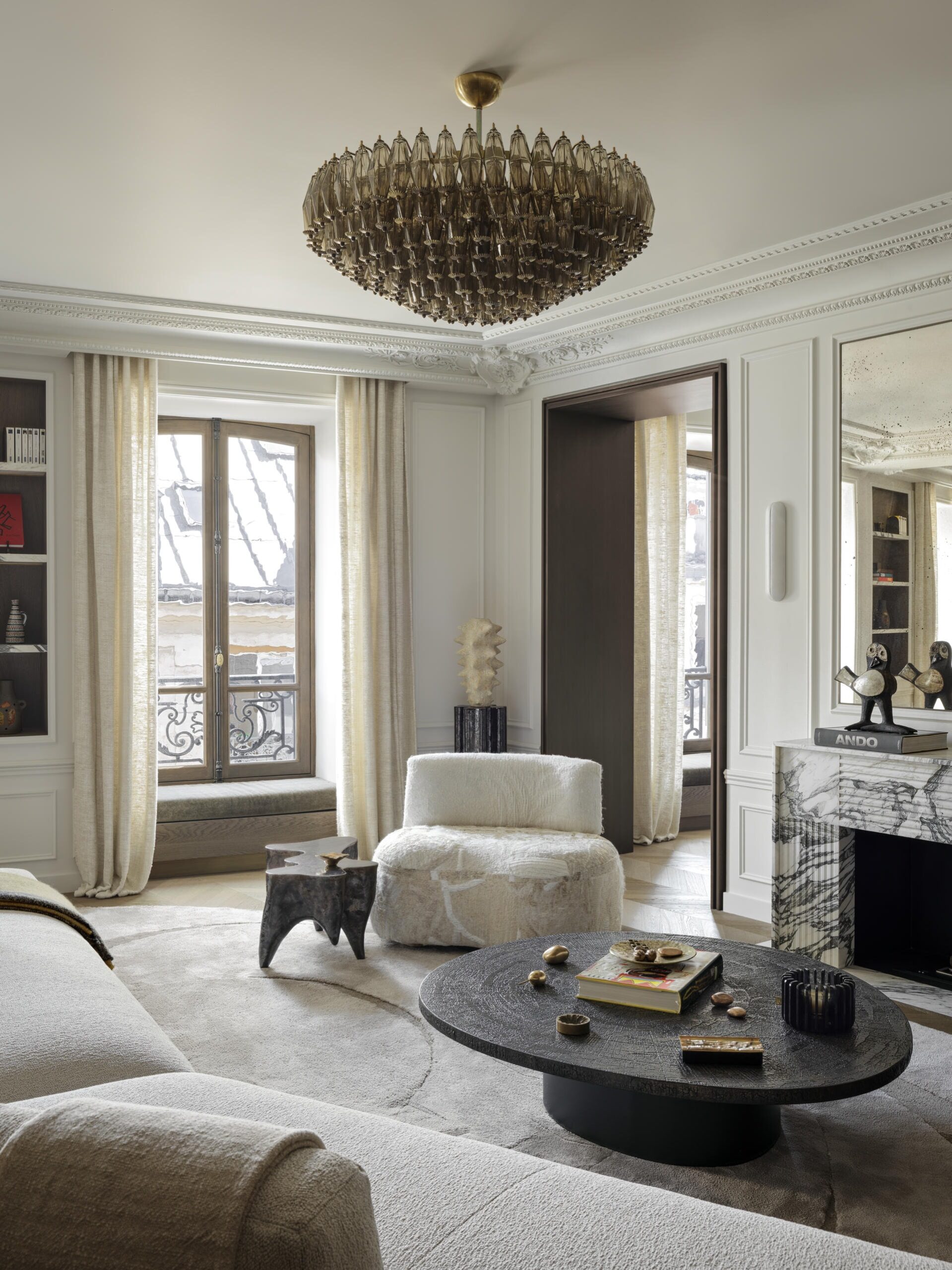
Honestly, I think architecture today often lacks three essential things: time, money and culture.
We live in a period where everything has to go faster and become immediately profitable or visually impactful. Projects are often developed under enormous pressure, with reduced timelines, constrained budgets and an obsession with instant image production. But architecture is a discipline that fundamentally requires time — time to think, to test, to refine, to understand proportions, materials, light and the way people will actually inhabit a space.
I also think many projects suffer from a lack of investment in craftsmanship and material quality. Architecture cannot become meaningful, durable or emotionally powerful if everything is constantly optimized at the minimum possible cost. Of course budgets are a reality, but when value engineering systematically removes texture, depth, detail and craftsmanship, spaces inevitably lose part of their soul and permanence.
And then there is culture, which I believe is perhaps the most important aspect. By culture, I do not only mean historical knowledge or references, but a broader architectural sensitivity — an understanding of beauty, proportions, materials, heritage, atmosphere and human emotion. Many contemporary projects are designed to be consumed quickly through images rather than truly experienced physically over time.
To me, architecture should not only be efficient or photogenic. It should create emotion, improve daily life, age beautifully and establish a relationship with memory and time. Some of the most powerful spaces in the world are not necessarily the most spectacular ones — they are the ones that carry depth, intention and humanity.
I think what we need today is a return to a more thoughtful and sensitive form of architecture, where durability is not only technical or ecological, but also emotional and cultural.
On a very personal level, I think I find inspiration almost everywhere — while travelling, of course, but also in everyday life, which is honestly never boring in this profession. I am constantly observing things around me. I take a lot of photographs, and interestingly, I crop them a lot as well. I am often less interested in the full picture than in a fragment, a tension, a detail or a texture.
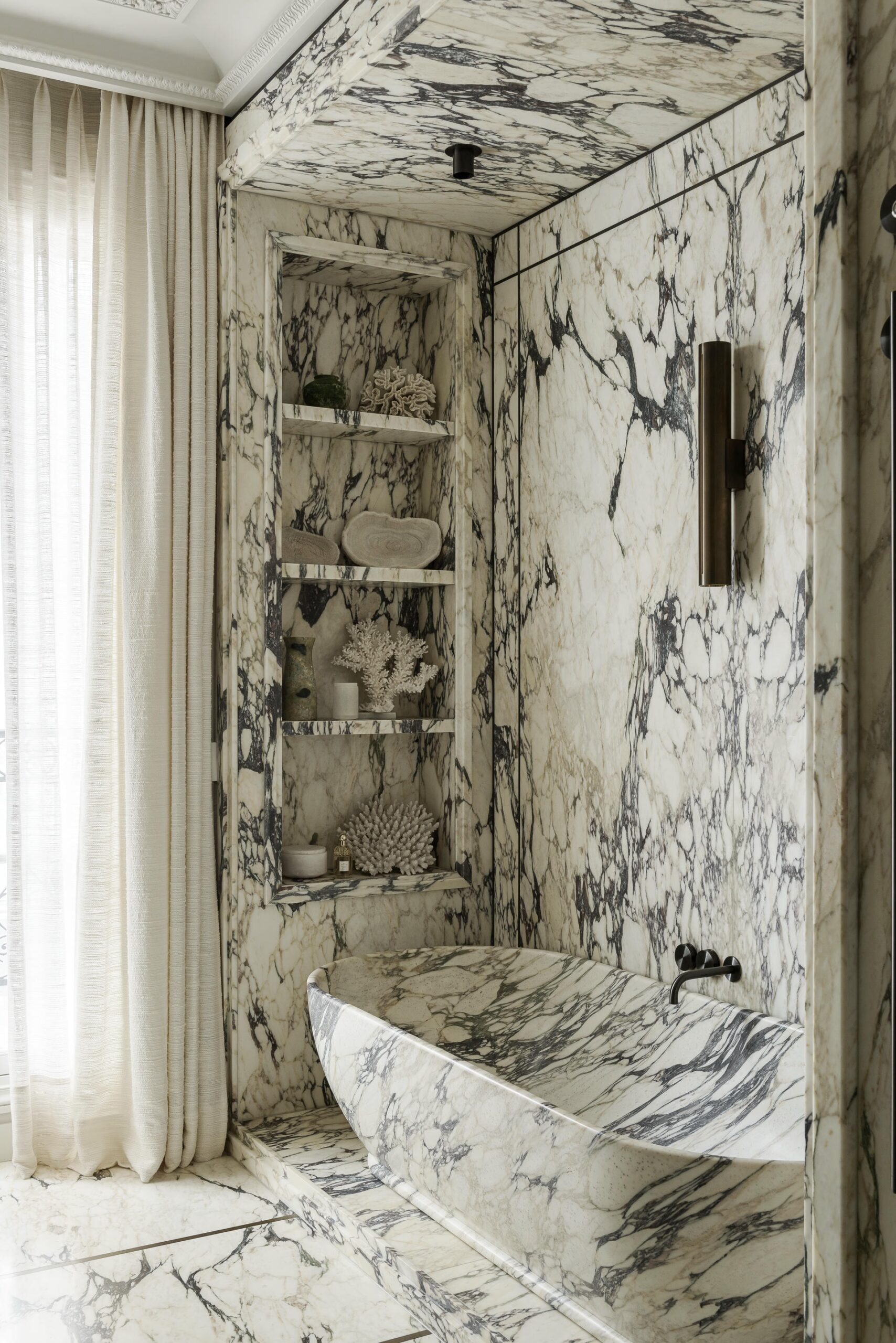
I am very attracted to parts of buildings, parts of objects, stone textures, shadows on facades, material junctions, reflections, imperfections… My phone is completely filled with these kinds of images. I think this obsession with detail can be felt in my work. We focus a lot on close perspectives, on atmospheres and materiality rather than on only showing complete views of spaces. Sometimes a detail can express the soul of a project more strongly than a global image. Materials themselves are also an endless source of inspiration for me. I spend a huge amount of time researching stones, woods, finishes, patinas and craftsmanship techniques. I am fascinated by how materials evolve under light, how they age, how they create emotion and depth within architecture. I think materiality is one of the most powerful narrative tools in design.
And when it comes to re-centering myself, it is definitely my country house near Paris. It is a true green sanctuary for me. I love gardening — probably because it is one of the rare moments where I can fully disconnect from work, from screens and from the endless flow of details and responsibilities that usually follow me home. There is something incredibly grounding about taking care of plants, trees and landscapes.
I love spending time there with my husband, simply enjoying the calm and taking care of our garden. In a way, gardening is not so different from architecture: it requires patience, sensitivity, anticipation and an understanding that beautiful things take time to grow.
“There is always a solution.”
It may sound simple, but this idea has become extremely important to me over the years, both professionally and personally. Architecture is a discipline filled with constraints, technical challenges, pressure, delays, unexpected problems and moments of doubt. You are constantly confronted with situations that can generate stress and anxiety. It actually took me years to fully stand by this mindset. But once I truly embraced it, it completely changed the way I approach projects and difficulties. It helped me maintain a healthier form of stress — one that keeps you focused and sharp without becoming destructive — while also preserving a more positive and creative attitude.
Then I would say: “Make it abstract.” I believe that to create a truly successful space, you have to fully commit to the technical complexity of architecture in order to ultimately make it disappear. Our work is to manage all the constraints, details and invisible layers so that the final result feels effortless, natural and emotionally clear. The abstraction of the space should never be compromised by the technical challenges behind it.
That is why this mindset matters so much to me. When facing a problem, instead of immediately accepting a compromise, I try to approach it as part of the creative process. Sometimes the solution requires more time, more precision or a completely different perspective — but there is almost always a way to preserve the strength of the original idea.
In the end, I think architecture is very much about resilience and optimism: the ability to continue searching until the project reaches the level of coherence and emotion it deserves.
Probably two things.
First: “There is always an answer.” I had to learn this the hard way through years of stress, anxiety and difficult situations. When you begin in architecture, every problem can feel overwhelming because the level of responsibility is enormous and the amount of unknowns is constant. Over time, I realized that almost every challenge — technical, human, financial or creative — can eventually be resolved if you stay calm, focused and persistent enough. I was 25 when I started my company. I’ll let you imagine.
This mindset completely changed my relationship to the profession. It allowed me to approach difficulties with more distance, less panic and a healthier form of stress. Architecture is already intense enough; learning how to protect your mental clarity is essential if you want to remain creative over the long term.
The second piece of advice would be: “Trust your gut.” I think developing taste takes a very long time because it requires stripping away external noise and learning to truly listen to your own sensibility. For me, it is almost physiological. I often have a very physical feeling in my stomach when something is right — or when something is not resolved enough yet. It acts almost like a barometer for my level of satisfaction and coherence within a project.
Sometimes this instinct pushes me to completely revisit parts of a project that objectively already looked “good,” but that did not feel fully accurate or emotionally balanced to me. It can be frustrating and demanding, but I think this constant search for coherence is what ultimately shapes strong projects and personal identity as a designer. I had to discover this over time, through mistakes and experience. But today, I trust that intuition enormously.

© Vincent Leroux
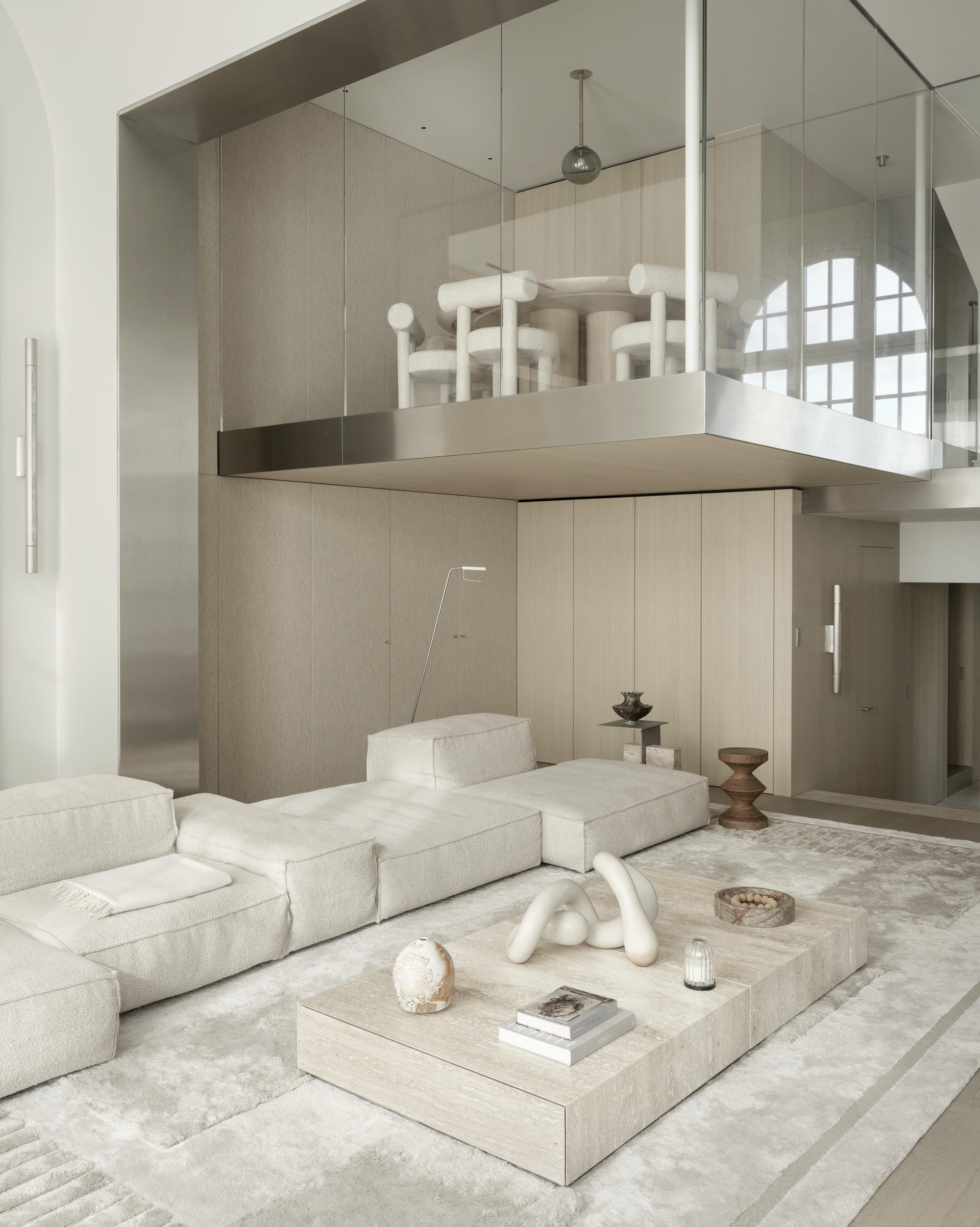
favorite pieces from the Philia Collection
It is very hard to choose because so many pieces genuinely speak to me in different ways. But I think I would naturally gravitate toward objects that have both a strong sculptural presence and what I would call an architectural silence — pieces that are powerful without needing to be demonstrative.
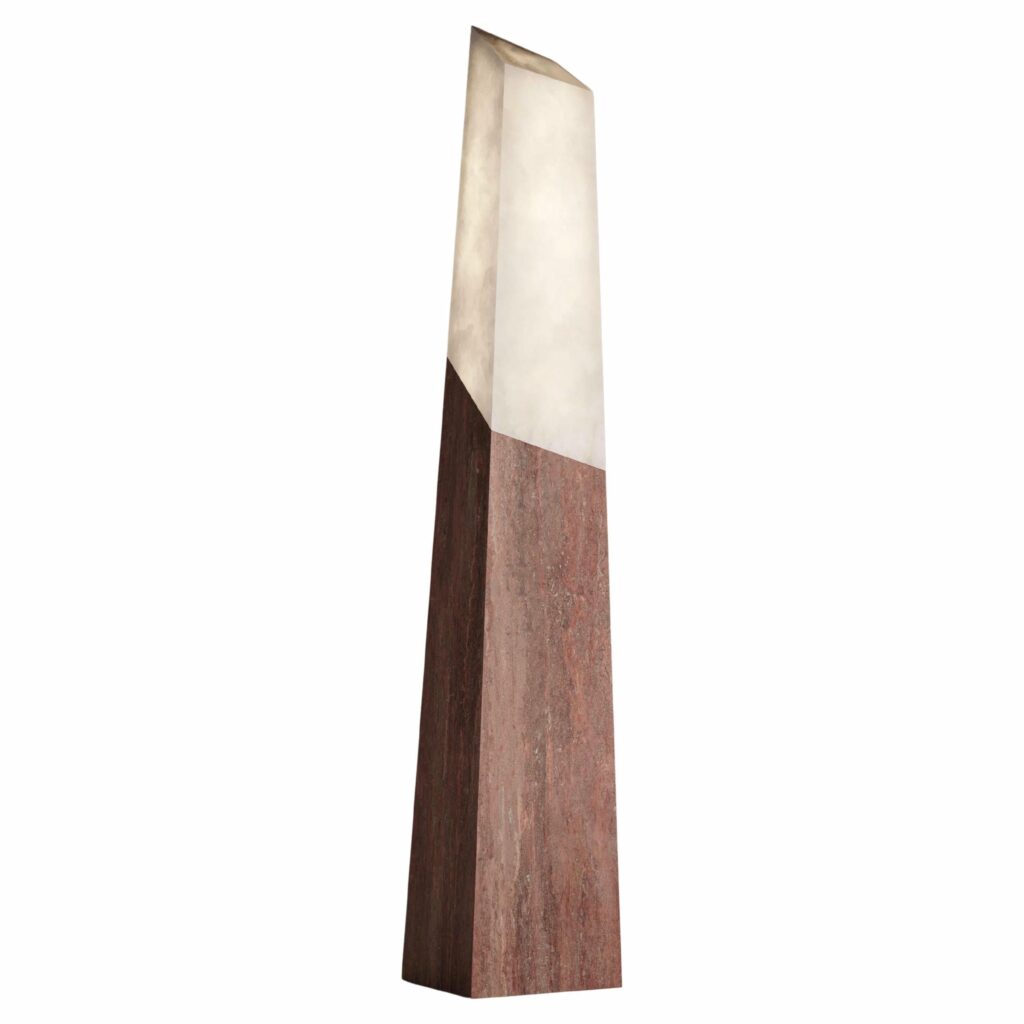
Tecton Floor Lamp in Travertine by Félix Millory for Monitillo 1980
Then I would choose the Tecton Floor Lamp. I think it embodies a beautiful balance between form, texture, simplicity and atmosphere. The way it interacts with light is extremely subtle and architectural. Pieces like this are very important in interior design because they help create emotion without overwhelming the space.
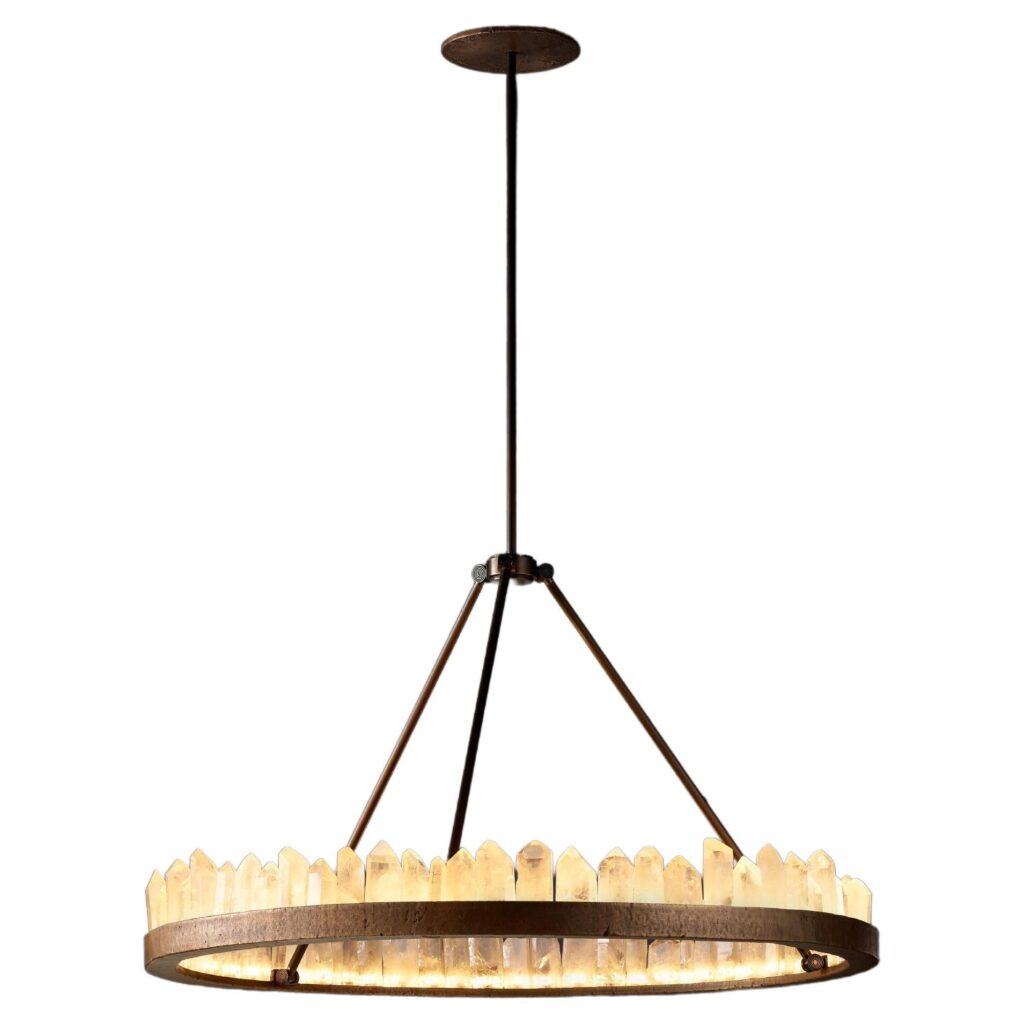
Upward Circular Ring Natural Quartz Crystal Pendant Light by Christopher Boots
And finally, I would definitely mention the Prometheus Chandelier by Christopher Boots. I find this piece absolutely stunning, both in terms of design and craftsmanship. There is something almost mystical about it. I admire the way it combines material experimentation, sculptural intensity, and an extraordinary level of handcrafted detail while still maintaining elegance and balance.
Thank you so much Félix, for this lovely interview!
Share article :
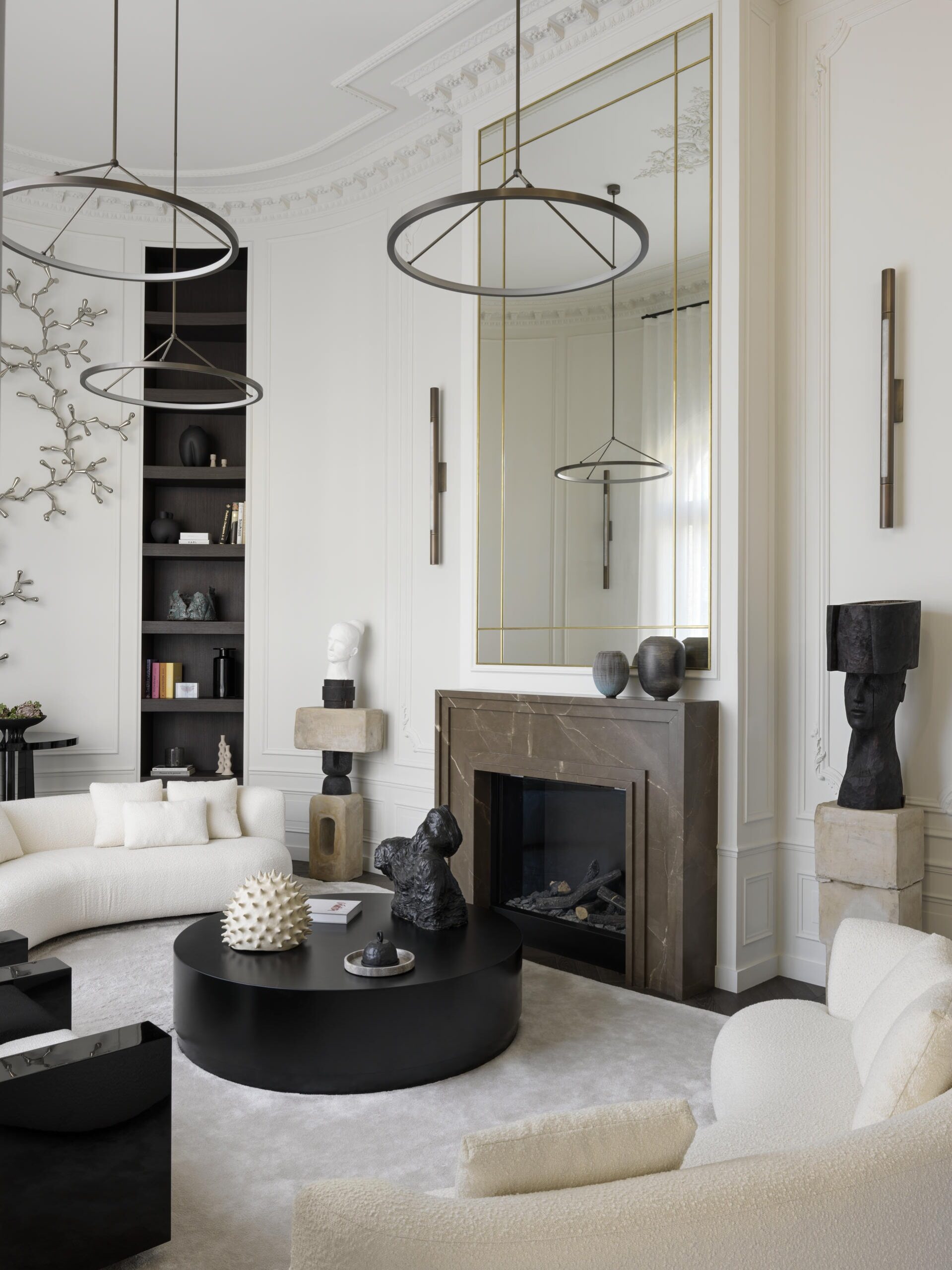
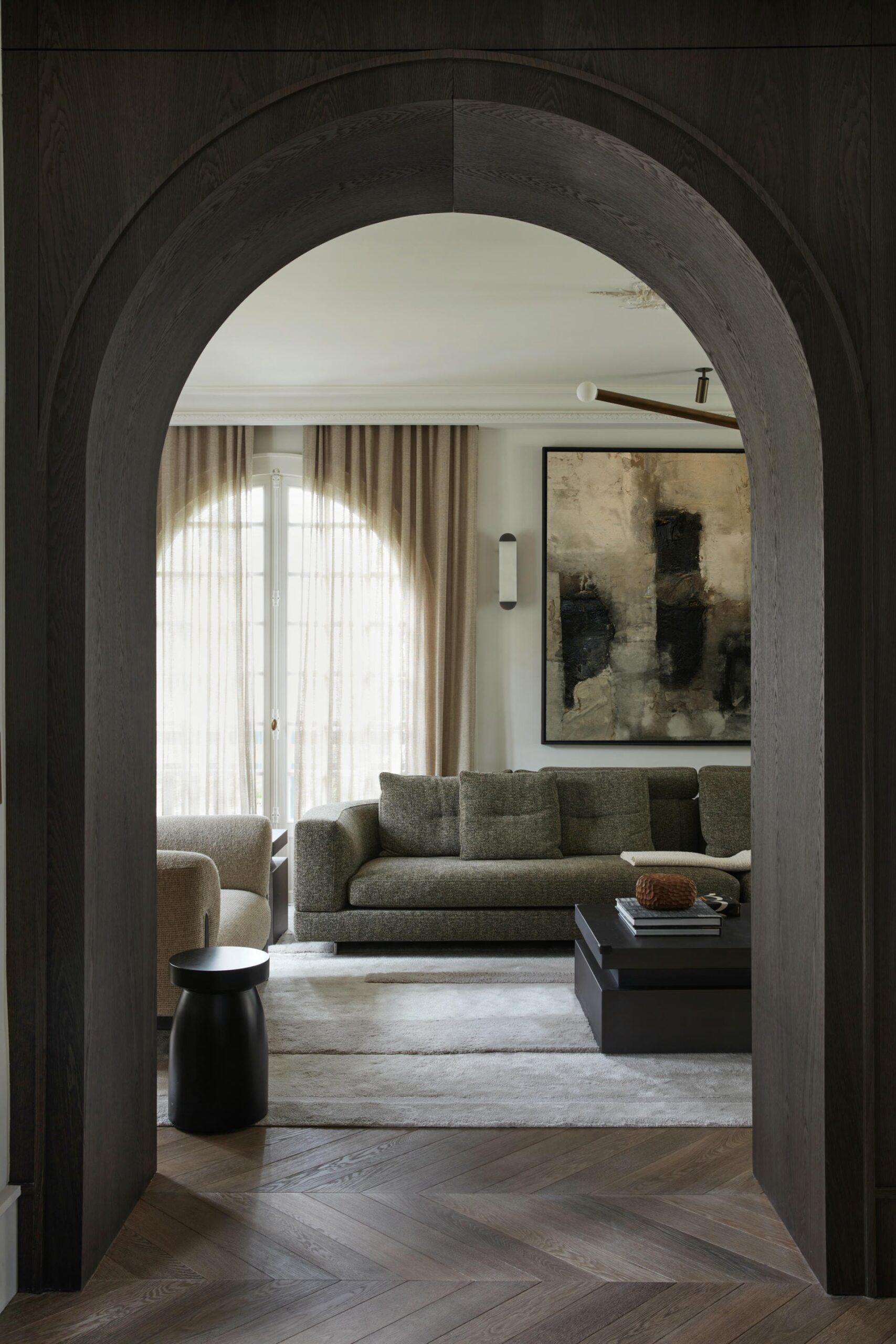
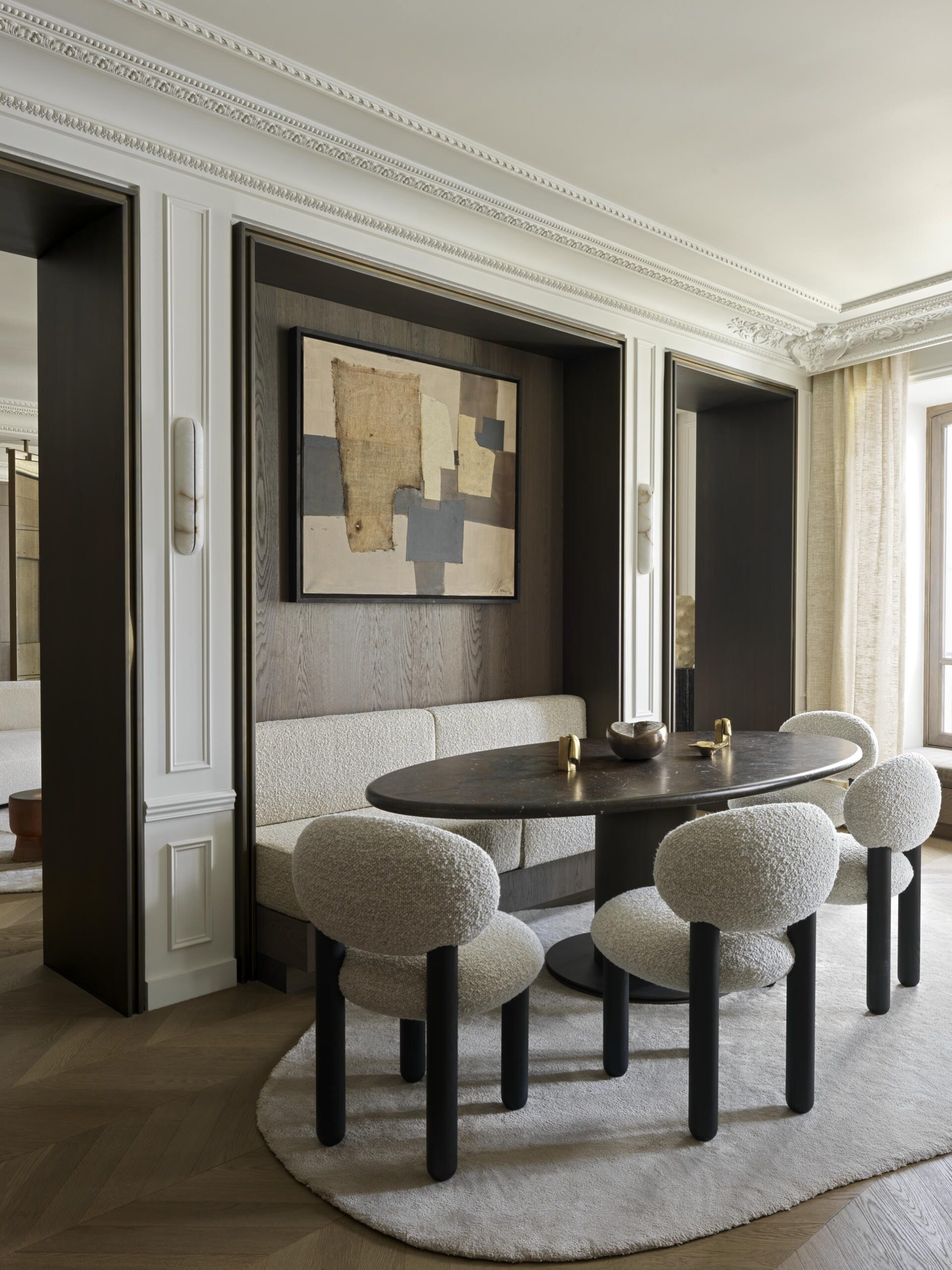
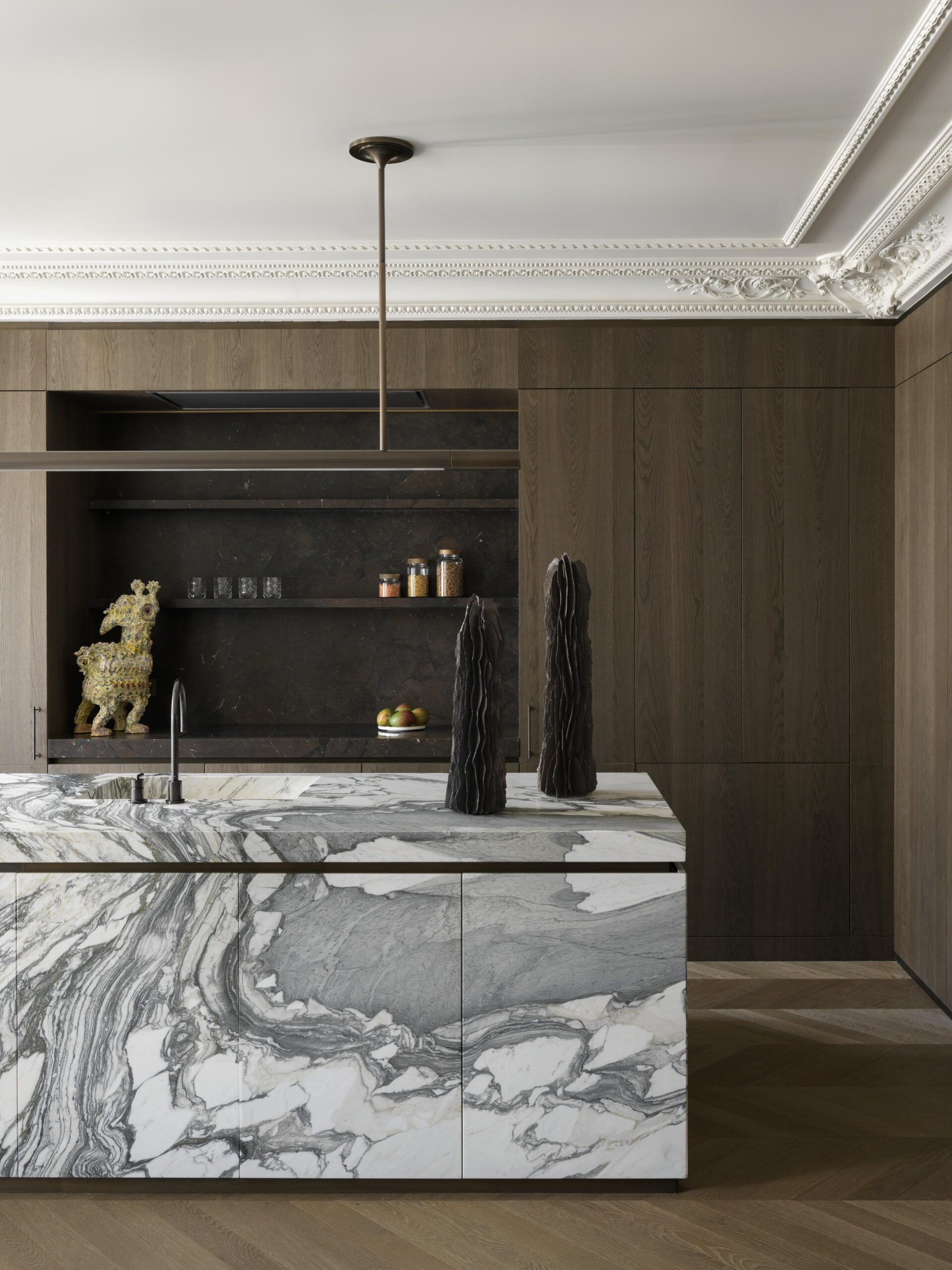
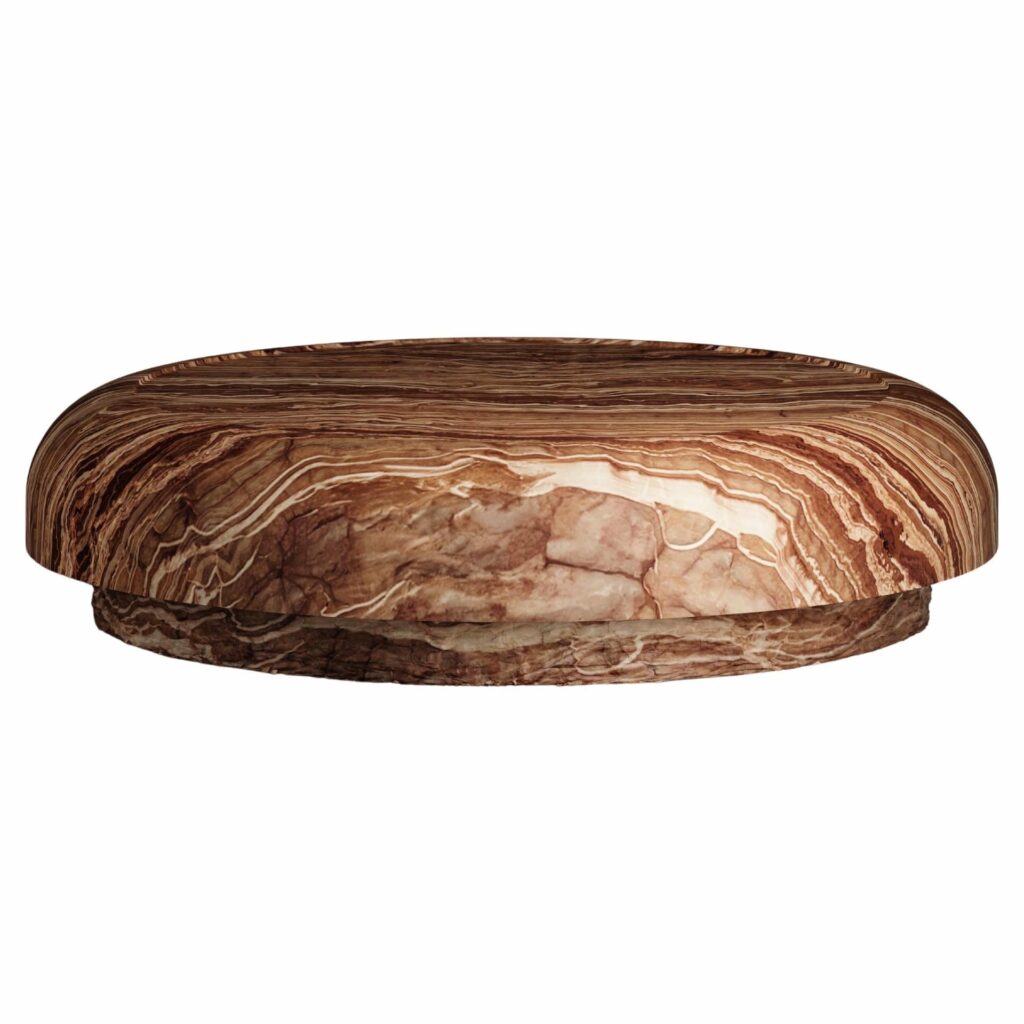
First, I would choose the Tecton Coffee Table in Red Alabaster. It perfectly reflects my fascination with stone as both mass and softness. I love the tension between the monolithic aspect of the piece and the delicacy created by translucency, texture and proportions. It has a very primitive presence while remaining extremely refined.