Kodai Suga
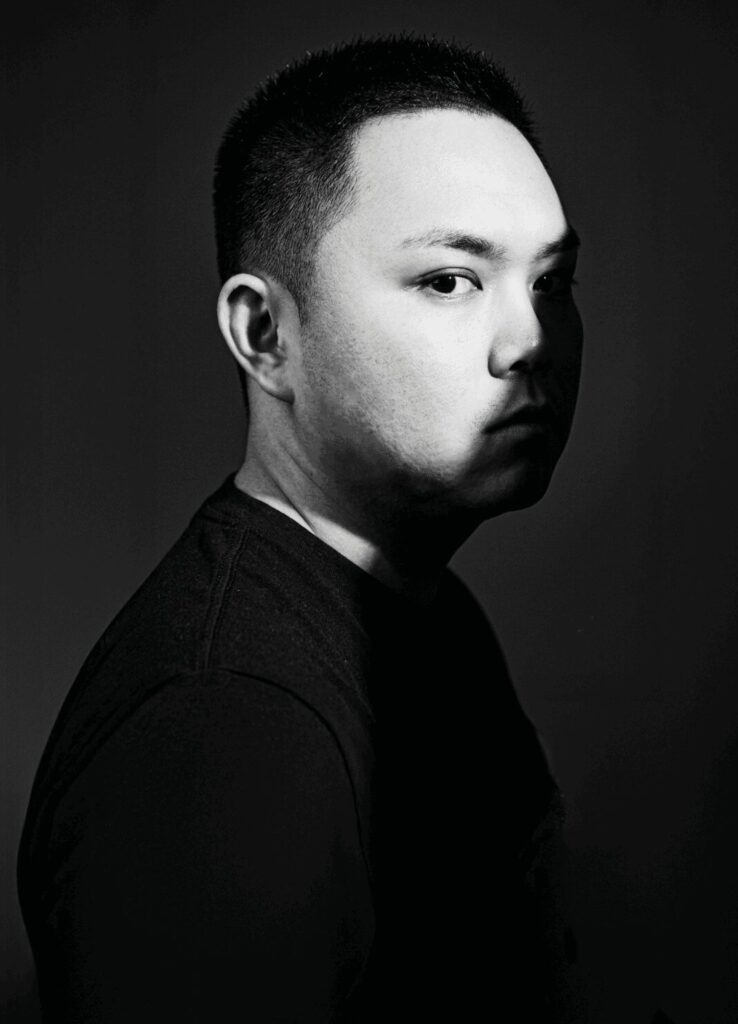
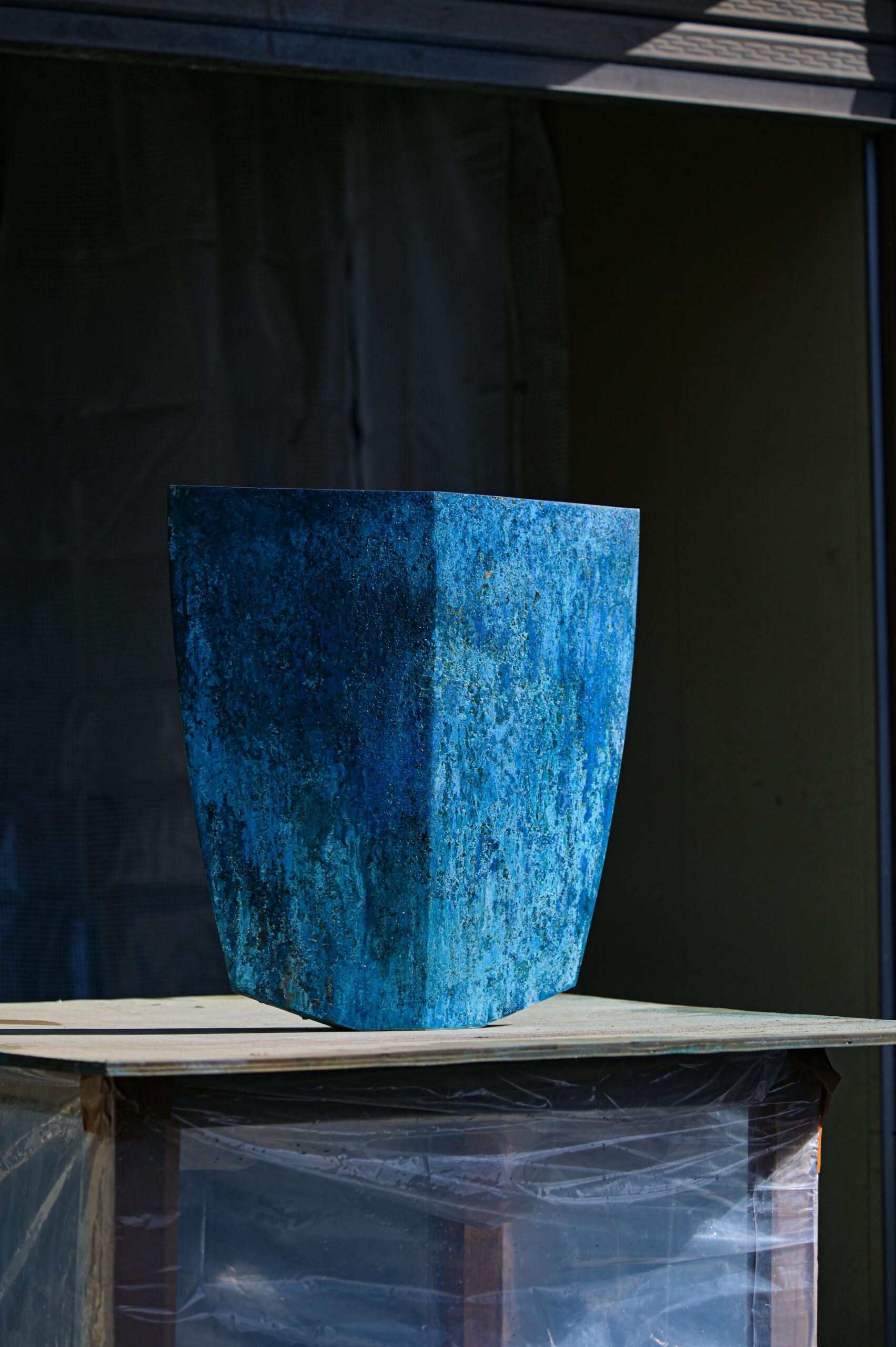
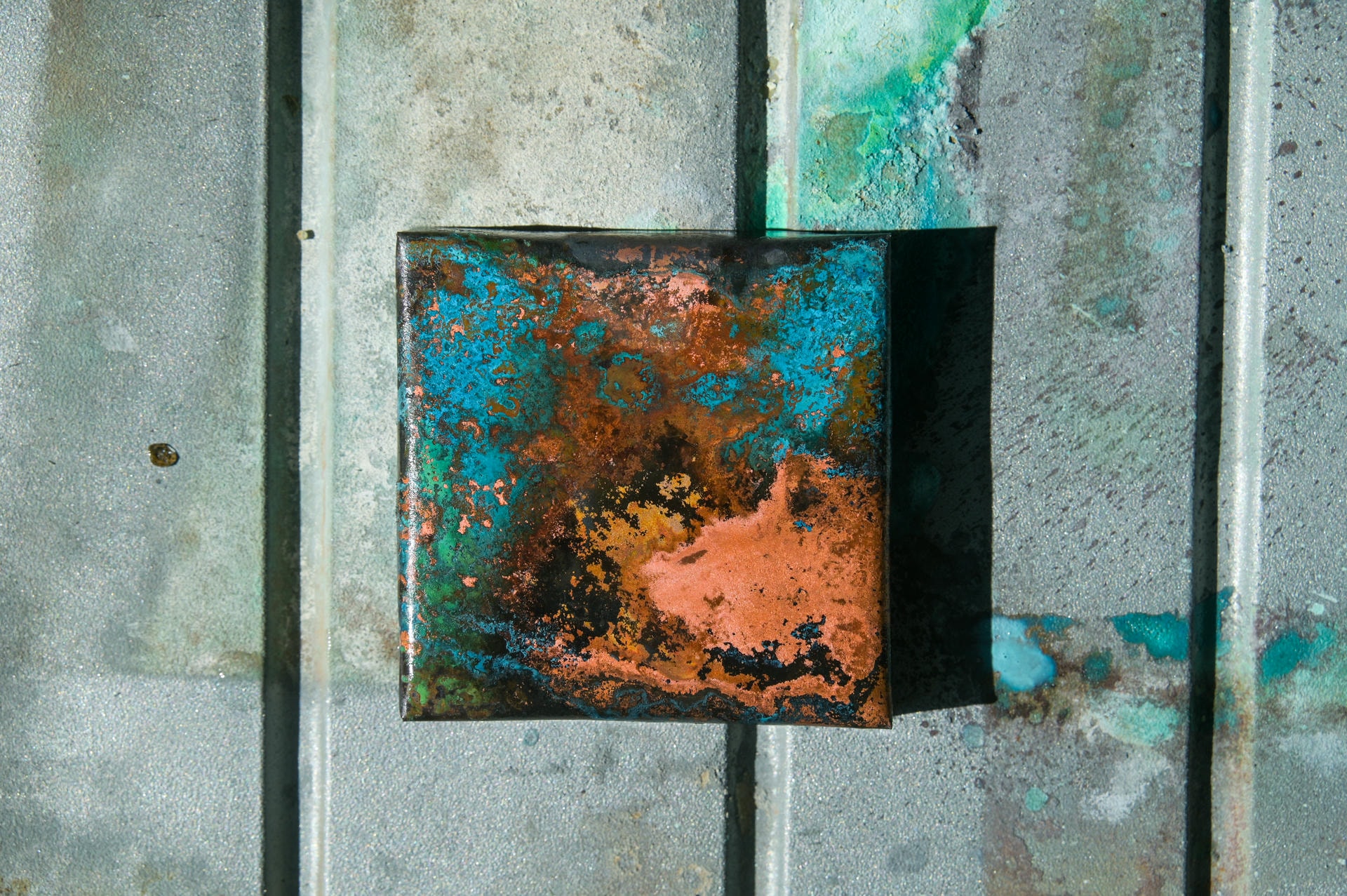
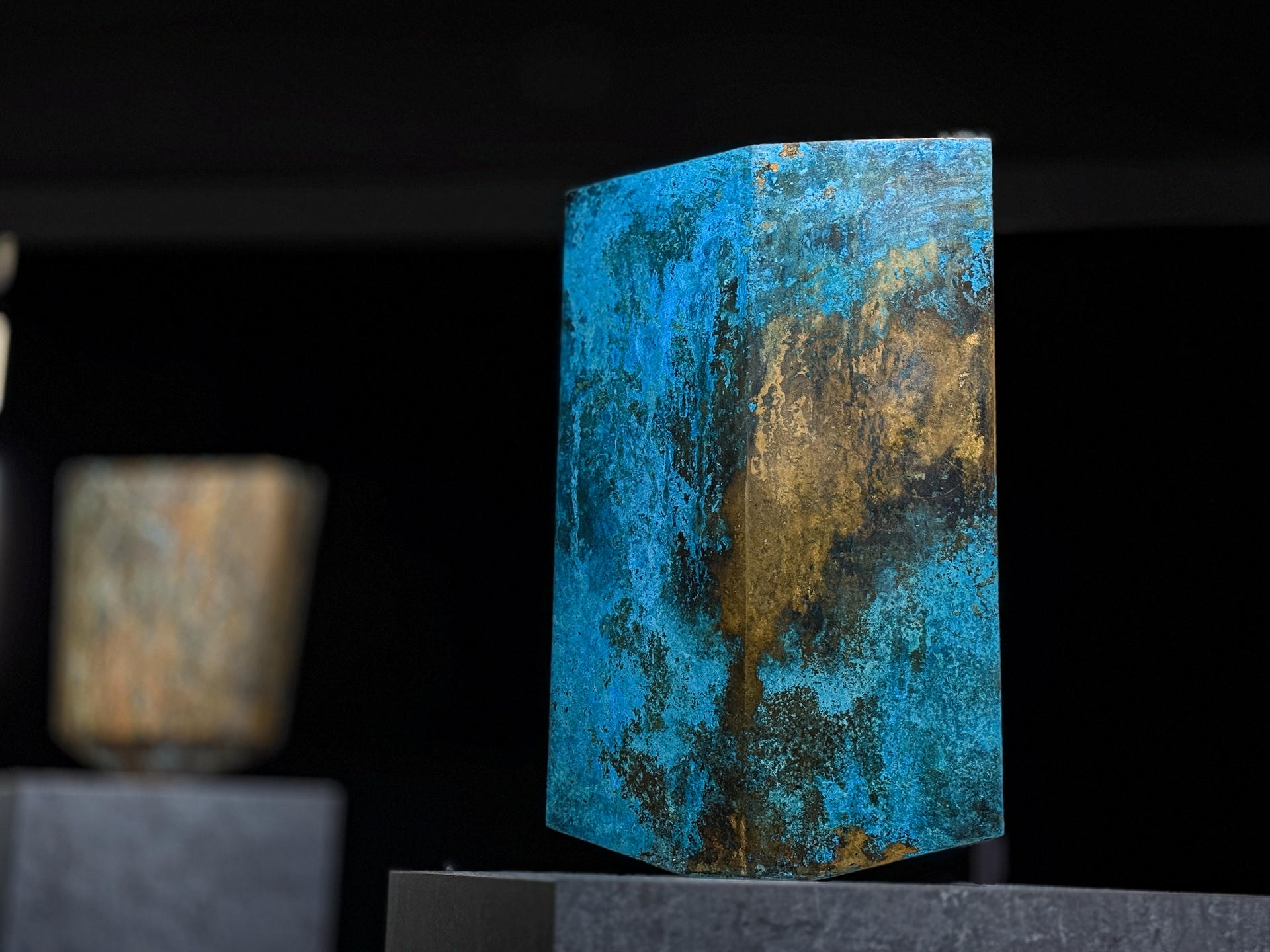
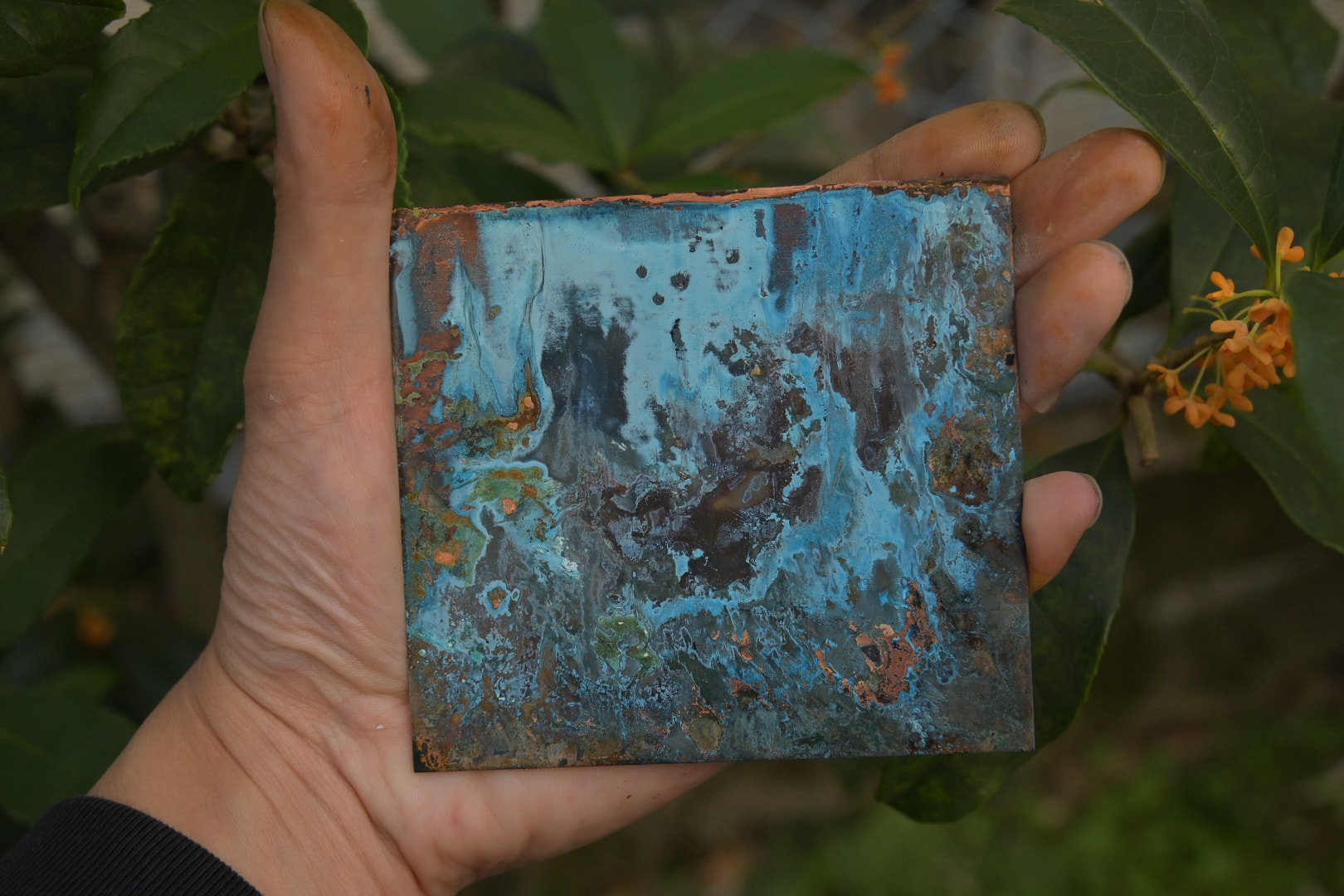
Kodai Suga is a Japanese metal artist and sculptor whose practice explores the expressive possibilities of metal through sculptural form and patination. After completing his Master’s degree in Arts and Crafts at Kanazawa College of Art in 2020, he developed an approach to bronze that combines precise, minimal forms with richly varied surfaces, using chemical reactions to create distinctive colours and textures.
Working with bronze casting and self-developed patination techniques, Suga embraces the changing and unpredictable qualities of metal as an integral part of his process. His works often balance a sense of strength and delicacy, exploring the relationship between material, form and perception. His work has been presented internationally at fairs including TEFAF Maastricht, Treasure House Fair, FAB Paris, Art SG, and ZONAMACO, as well as in exhibitions with A Lighthouse called Kanata in Tokyo.
Interview
I was born in Nagoya City, Aichi Prefecture, Japan. My family was not involved in art or design; they ran a small plumbing installation business. Nagoya is an industrial hub, home to companies like Toyota, and lacks deep roots in contemporary art or design.
I cannot pinpoint a single turning point, but I have loved creating things since elementary school art classes. My earliest “art” memory is simply enjoying doodling in my notebooks and sharing those drawings with friends. Although I attended a high-achieving academic high school and planned for a national university, my desire to study what I loved led me to beg my parents to let me attend art preparatory classes. Surprisingly, my interest in contemporary art and design came later, in my late 20s, after joining a domestic gallery. I was deeply impressed by the diversity of artists when I first attended Art Collaboration Kyoto (ACK). Recently, however, I have stopped attending art fairs as I feel many of the works have begun to look the same.
Including my time as a student, I have been active in creation for about ten years. However, my career has not always been smooth. Due to the high costs of large-scale works, I haven’t always been able to produce them. In university, I made cast metal works and sold small painted test pieces as pins for 500 yen at festivals. After graduating, lacking the environment for metal casting, I took a job and lived in a standard apartment, making brooches and panels on my balcony to sell at department stores. Gradually, this led to commissions for signage from architectural firms and opportunities to create objects for galleries. A period of severe mental distress followed a conflict with a former mentor and a lack of support from my then-gallery, leading me to consider retirement. Thanks to the dedicated support of Ygael, I have decided to try again.
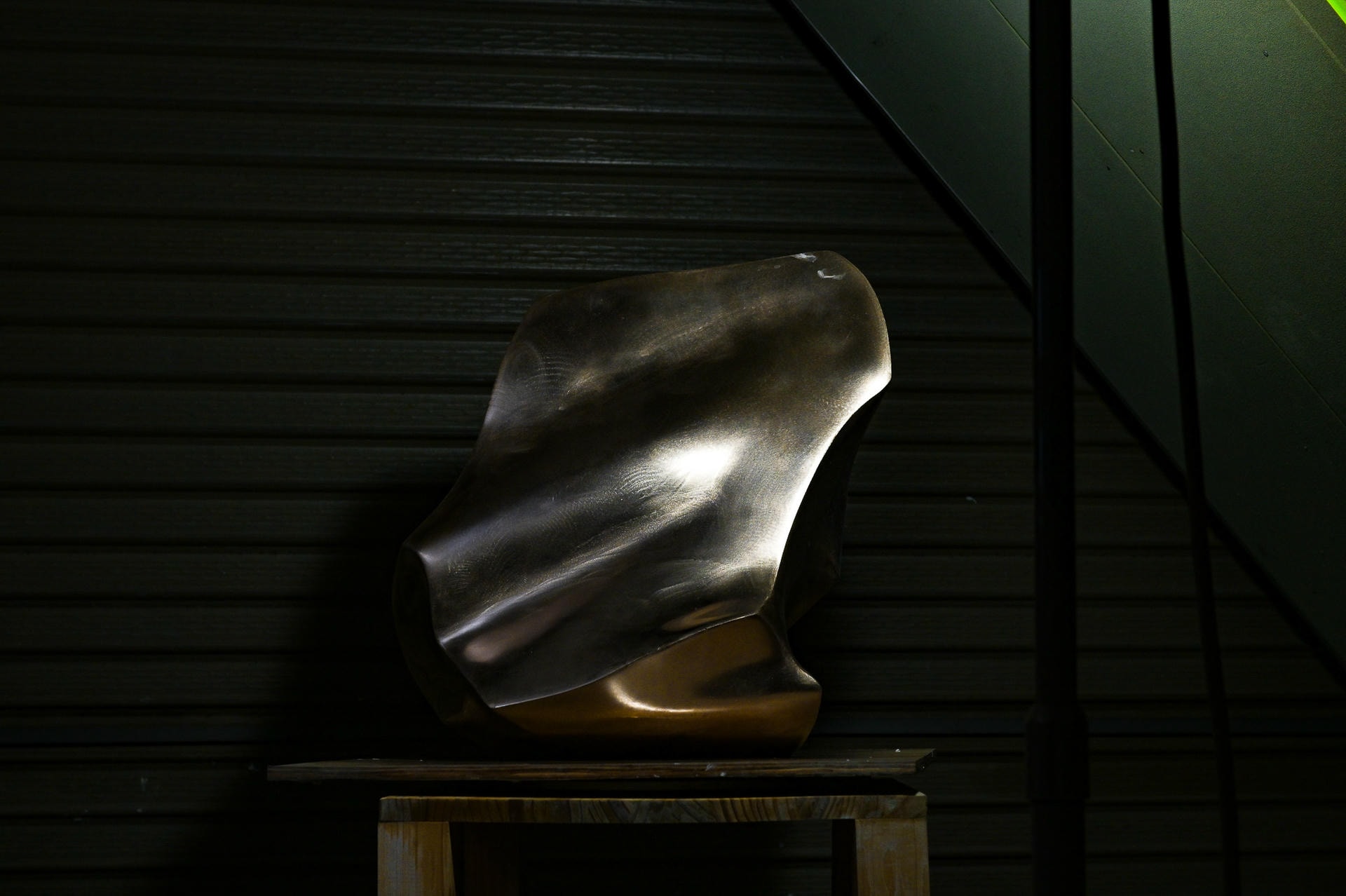
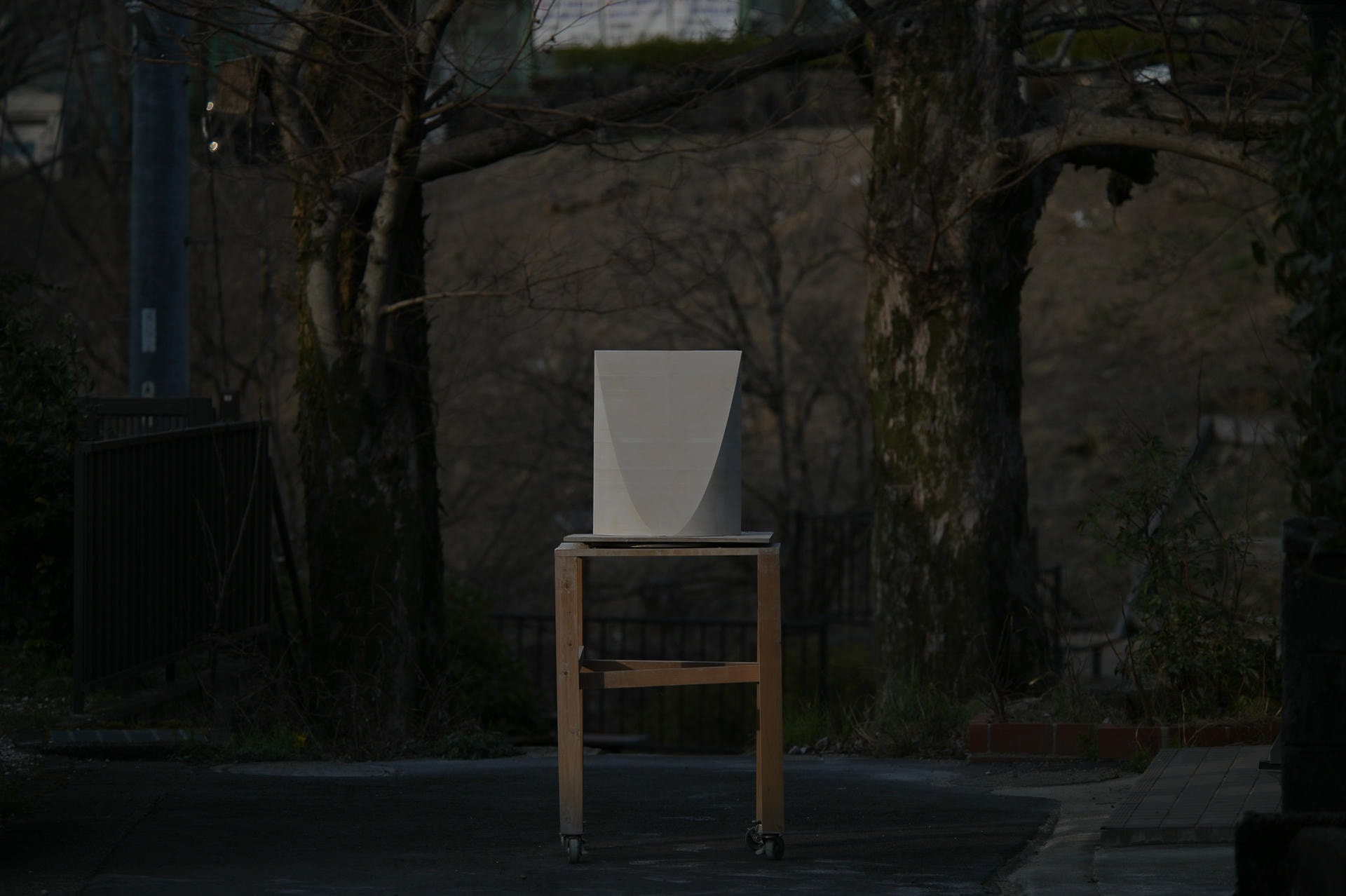
My interest began with a love for Sci-Fi; I wanted to create grand objects like those in Star Wars, which led me to contemplate abstract forms. I was originally inspired by the grain of burl wood used in guitars and wanted to express something even more beautiful using my preferred medium: metal. I only learned about Modernism and Minimalism later, after others began applying those labels to my work, which prompted me to study those histories.
My method is largely self-taught, sparked by an English technical book on metal coloring that I studied from scratch during my third year of university. At the time, there were no specialized instructors or advanced translation services, so I translated it page by page with a dictionary. This required me to test every process myself and judge the results. I believe my work comes entirely from within. Rather than being inspired by existing artists, I combine elements I like with landscapes I’ve experienced to imagine things that do not yet exist in the world.
I limit my creation time to daylight hours, being most active in the morning. Working at night is inefficient as colors and shapes become harder to discern, so I use that time to relax. For economic reasons, I also work part-time at a second-hand shop. Dealing with international customers and pricing items based on their value is a refreshing change of pace. I also make a point to travel regularly to refresh my perspective and avoid the negative thinking that can arise from intense focus on creation.
I have found metal to be “cool” since I was a child. Also, as a fan of heavy metal music, I felt a natural sympathy for the material. While the initial reason was simple, I chose casting because I felt hammering or repetitive casting tasks didn’t suit me. Now, I find other materials and techniques interesting as well, and I believe I could have become a different type of artist under different circumstances.
My focus is on surface treatment techniques known as metal coloring. While these have historical roots in both the East and West for decoration and protection, I emphasize a contemporary and improvisational approach to mixing and catalysts. In terms of process, I actively use 3D CAD and 3D printing. I previously used clay or styrofoam, but shifted to digital modeling to achieve sharper, more sophisticated forms. I advocate for these tools because they allow anyone with the necessary skills and knowledge to create, regardless of manual dexterity (which I personally lack).
I believe only those who truly must do this should enter this specialized industry. In my country, being an artist is often misunderstood and lacks social standing. Securing enough funding to sustain a long-term career is extremely difficult. Conversely, a regular job offers stability and ease. Therefore, I only encourage those who feel that art and design are their only path to persevere in this world.
Labels like “art” or “design” are often just terms the public or authorities fixate on. I have no interest in trends or rules, but I hope my work can become a new seed for the industry.
I don’t know many designers by name, but Ron Arad’s column in the book Savoir & Faire: Metal had a profound impact on me. While those around me focused on craftsmanship and manual techniques, Arad wrote from a detached, third-party perspective. I was impressed to find someone who shared my view. Conversely, I find many columns by Japanese metalworkers tedious, as they often focus on subjective traditional values, the deification of materials, or university education. It seems nonsensical to cling to existing values without progressing, despite humans using metal for thousands of years.
Coming from a non-design background, I am not very familiar with contemporary designers. However, having worked at an industrial metal parts company, I find the design of industrial products wonderful due to their rational and efficient forms. Just as some respect one-of-a-kind pieces, I see beauty in the systems and forms required to mass-produce millions of identical products.
I find Richard Serra’s work powerful and grand. While a previous gallery labeled my work as Modernist, that didn’t quite resonate with me. Instead, I became very interested in the lineage of Minimalism, starting with Brancusi, specifically the ability to convey impressions through minimal symbols.
To me, my work and activities have been both a source of excitement and pleasure, as well as distress and tragedy. Recently, however, I want to move beyond that and create from a state of “selflessness” (mushin). It may be a form of enlightenment, but that is what I aim for.
“I have nothing left to lose. I will overcome the pain and suffering to see the light of possibility once again.”
The Questions
(The Proust Questionnaire is a set of questions answered by the French writer Marcel Proust.
Other historical figures who have answered confession albums are Oscar Wilde,
Karl Marx, Arthur Conan Doyle, Stéphane Mallarmé, Paul Cézanne…)
A prosperous life.
Betrayal and distrust.
Suspiciousness.
Hypocrisy.
No one in particular.
A peaceful day surrounded only by things I love.
I once prepared for death, but I have recently been recovering.
Conservative craft values.
Bravery.
Benevolence.
“I’ll do my best” (Ganbaru).
Dexterity.
My weakness of heart.
I feel I haven’t achieved anything yet.
A cat.
A remote area with a good climate and rich nature.
A stuffed panda I bought at a second-hand shop.
Unsalvageable loneliness.
Traveling.
A passion intense enough to burn myself out.
The kindness to reach out specifically when I am in trouble.
I don’t read many books.
Escanor from the manga The Seven Deadly Sins.
Nikola Tesla.
I have never met a hero.
My own name. I prefer the spelling “Kodai” over “Koudai”.
Japanese art and craft education.
I used to have countless regrets, but now I feel they don’t matter.
Along with a magnificent view.
“The present is theirs; the future, for which I really worked, is mine.”
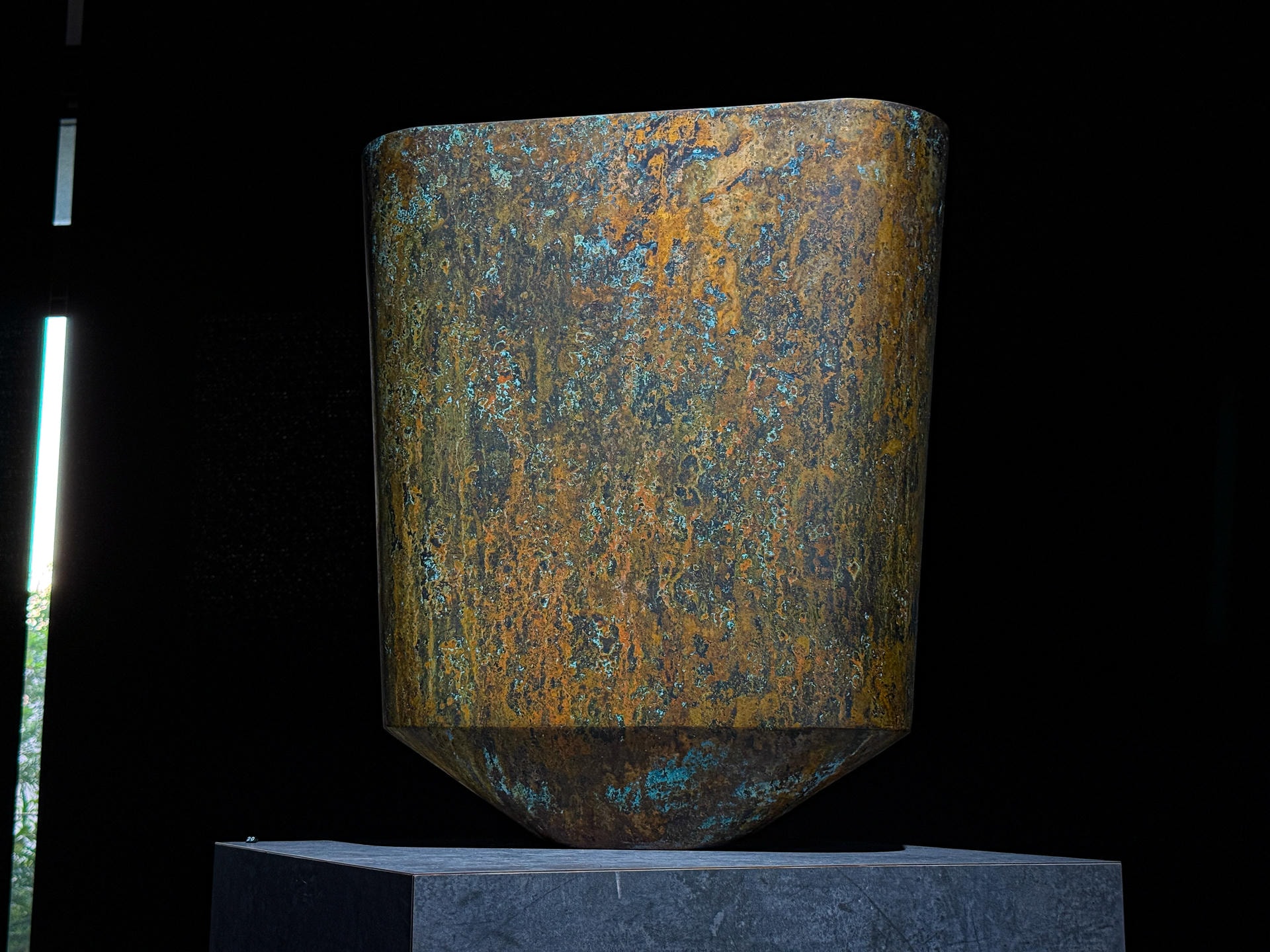
“I see beauty in the systems and forms required to mass-produce millions of identical products.”
SHARE :