Eilidh Izat
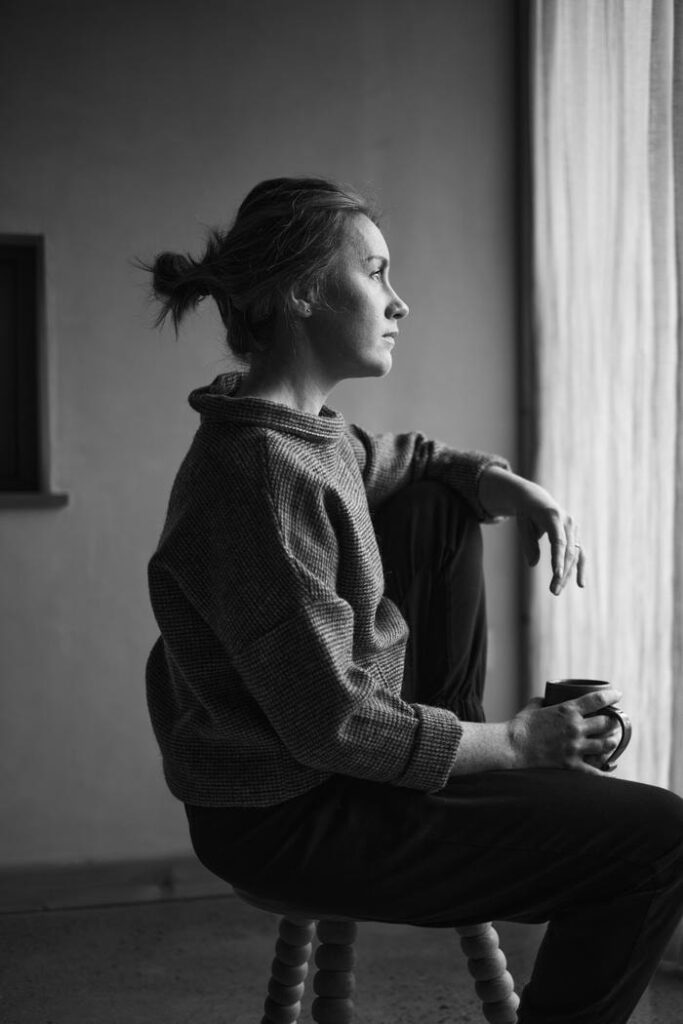
Eilidh Izat is a Scottish architect and co-founder of Izat Arundell, an architectural practice rooted in a deep respect for landscape, craftsmanship, and the relationship between buildings and the communities they serve. Her early interest in architecture was shaped by her grandfather, fostering an appreciation for materials, making, and the role of architecture in everyday life. After studying architecture and gaining experience with international practices, she co-founded Izat Arundell with a focus on thoughtful, context-driven design.
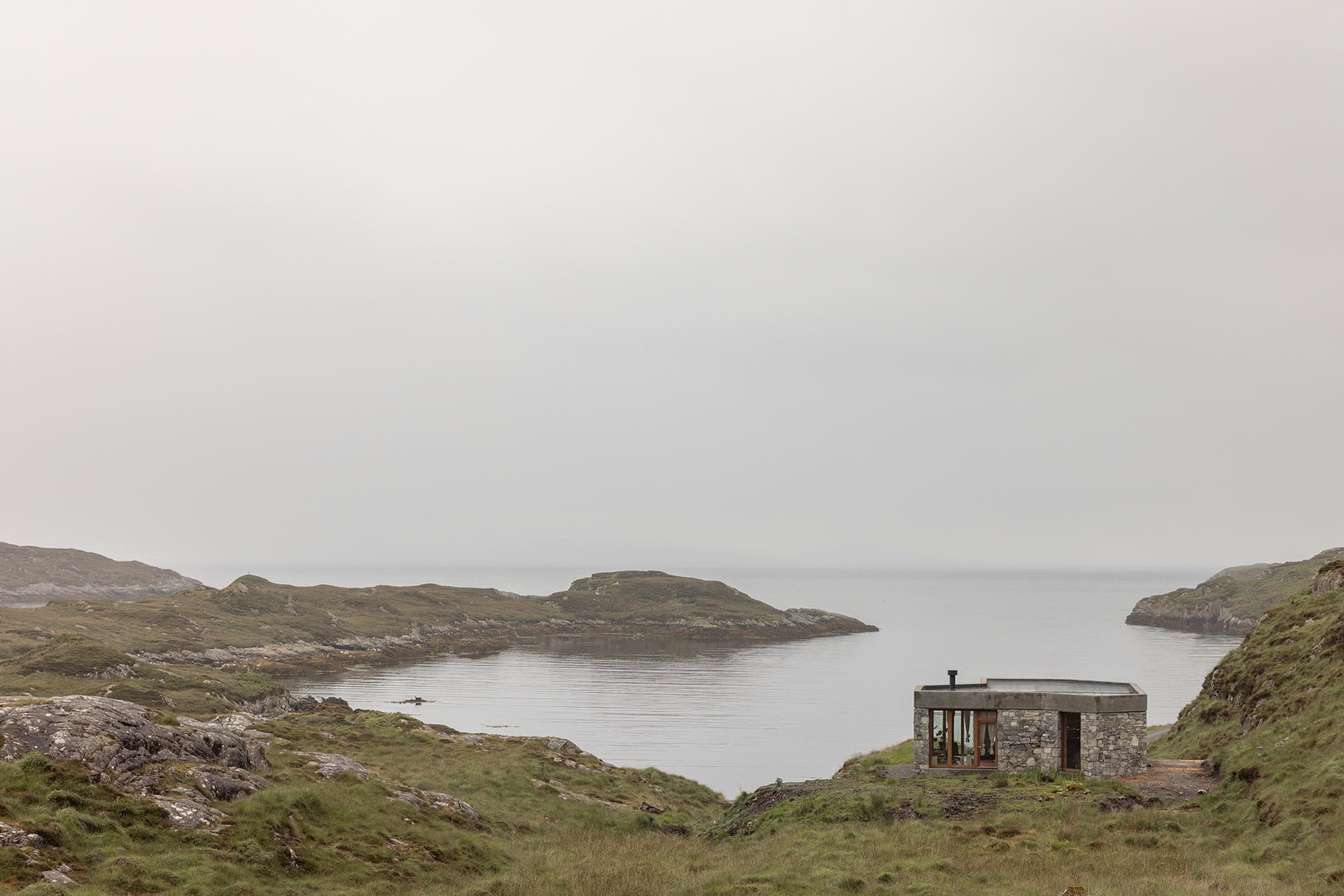
Her approach brings together contemporary architecture, local materials, and traditional craftsmanship, with an emphasis on creating buildings that respond sensitively to their surroundings. Through close collaboration with craftspeople, she explores how architecture can foster a lasting connection between people and place. Her own home, Caochan na Creige, on the Isle of Harris, embodies this philosophy and was awarded the RIBA House of the Year 2025, recognising its considered relationship with the landscape and local craftsmanship.
“A building should feel as though it has always belonged there – and still feel loved a hundred years from now.”
INTERVIEW

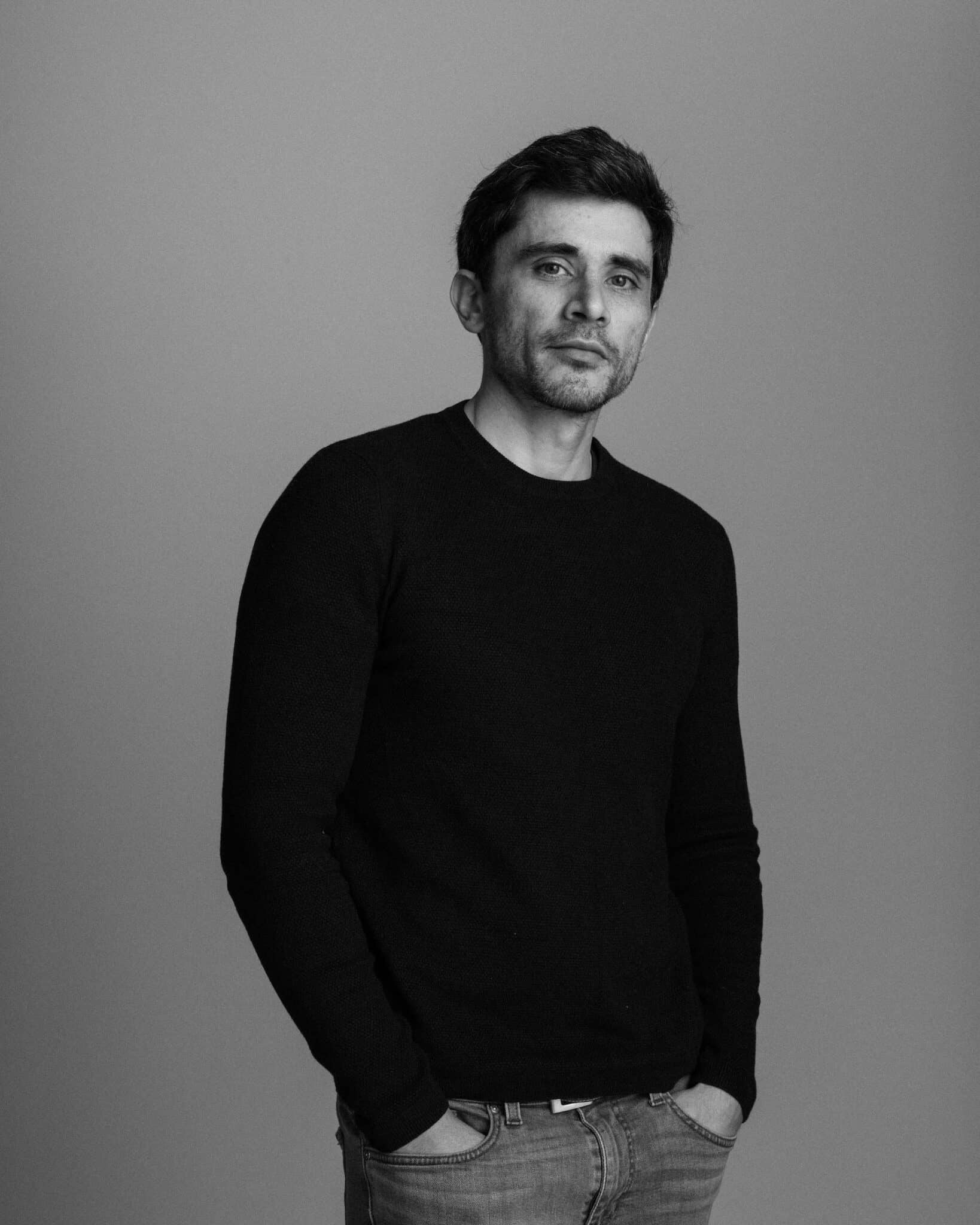
© Jack Arundell
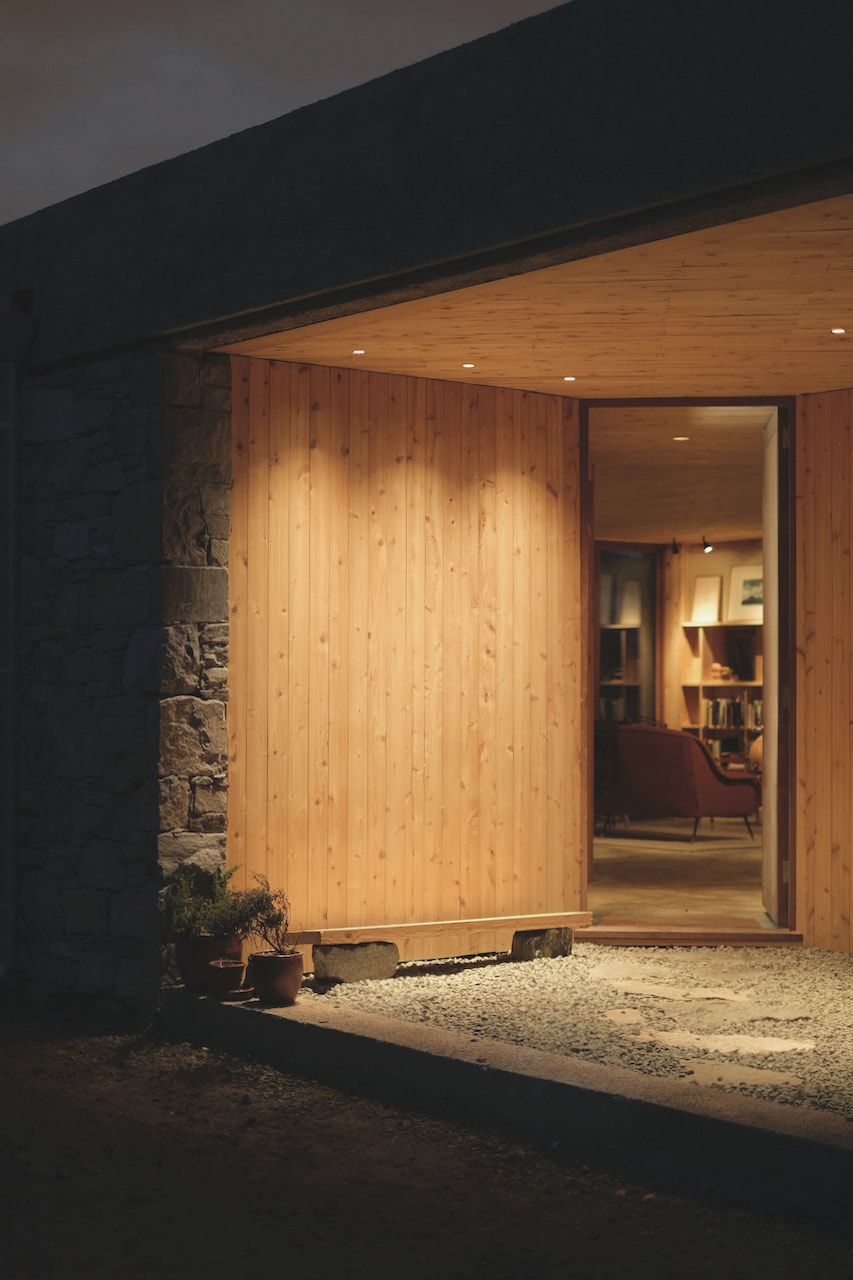
I would like to think of my approach as timeless and full of character. I want my buildings to feel as though they have always belonged, and to become richer with age – looking better in 100 years than they did on the day they were completed. Time will tell, I guess.
In a strange way, I’ve always known I was going to be an architect — it feels like it’s in my bones. My parents always encouraged freedom of imagination, and I was aware of the profession from a very early age because my grandfather was an architect.
Even so, it took a long time to truly believe in myself. I went through university and worked in some incredible practices around the world, but it wasn’t until years later, when I was about to buy my first flat with a truly dreadful kitchen, that everything clicked. I was on the verge of pulling out of the purchase when a good friend simply asked, “Why don’t you just design a new kitchen? Isn’t that what you do?”
It was such a simple question, but it completely changed my perspective. In that moment, I realised I could trust my own talent. It gave me confidence to see myself not just as someone working in architecture, but as an architect. This also led to me meeting Jack, who is now my husband, so it was a very good piece of advice indeed!
Design is, frustratingly, quite a slow and organic process for me. It always begins with listening — understanding the client, the site and the wider context before thinking about form or materials. Every project starts with a conversation about how people live, what they value and what they hope the building will become. A site also has its own voice, though it can be a little harder to hear — it speaks through its landscape, materials and history. The best architecture emerges when the client’s aspirations and the character of a place come together. Sometimes, this requires a willingness from a client to rethink ambitions in response to what the site can truly achieve, but I work exceptionally hard to get the balance right every time.
Ultimately, a building will feel natural in its setting when it responds honestly to its place. The use of local materials, thoughtful design, and craftsmanship goes a long way, but it is also about scale, massing, and proportions.
Even a building made from local materials can feel disconnected if its size or form overwhelms its surroundings. There are always exceptions, but the most timeless buildings are those that understand their context and find a natural relationship with the landscape around them.
Without a doubt. Craftsmanship has shaped my approach to architecture in a profound way.
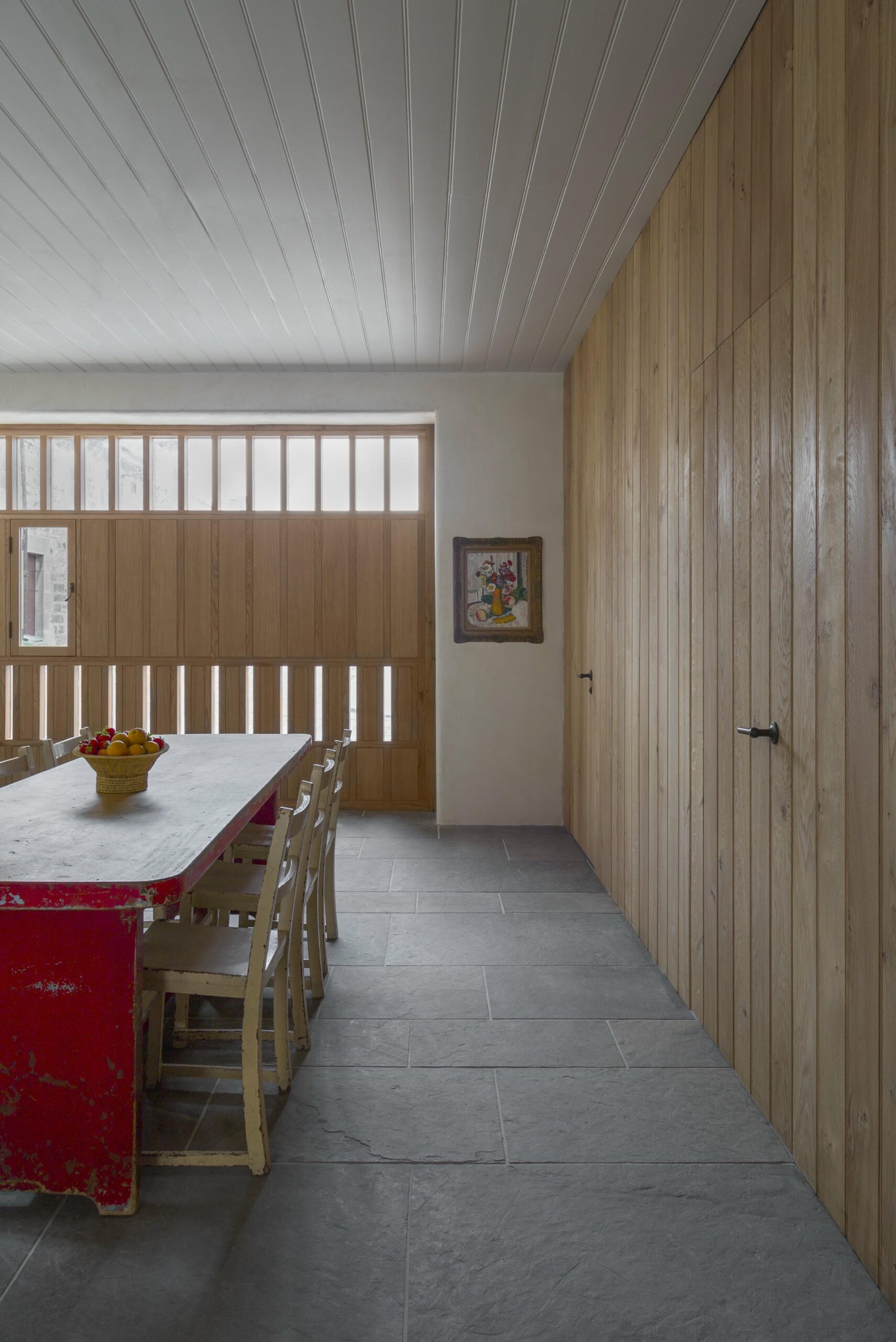
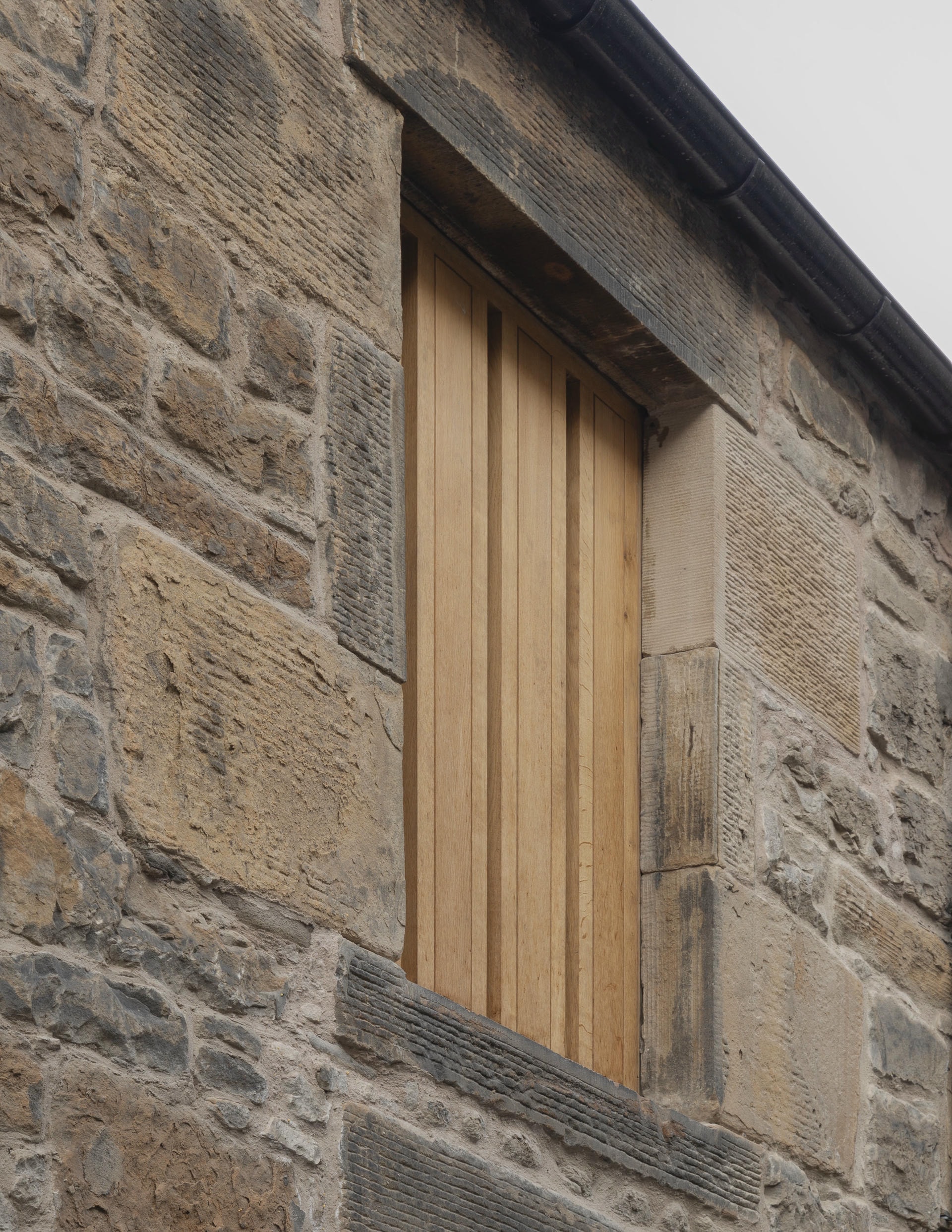
The use of Lewisian Gneiss (in a traditional manner) in our own house, for example, was directly influenced by our friendship with stonemason Dan Macaulay. Those relationships with craftspeople often unlock possibilities that would never emerge through drawings alone.
Some of my most memorable conversations with my architect grandfather were about trades and making. Much of his career was post-war, when architects were more free to realise their ideas and worked more directly with trades and craftspeople on site. He spoke very highly of these collaborations, and I think this was passed down to me.
Although we now work within a more technical and procurement-led industry, I try to hold onto the essence of architecture and our craft — the understanding that our buildings are made by people. The real magic often happens on site, through the skill, knowledge and care of those who bring our designs to life.

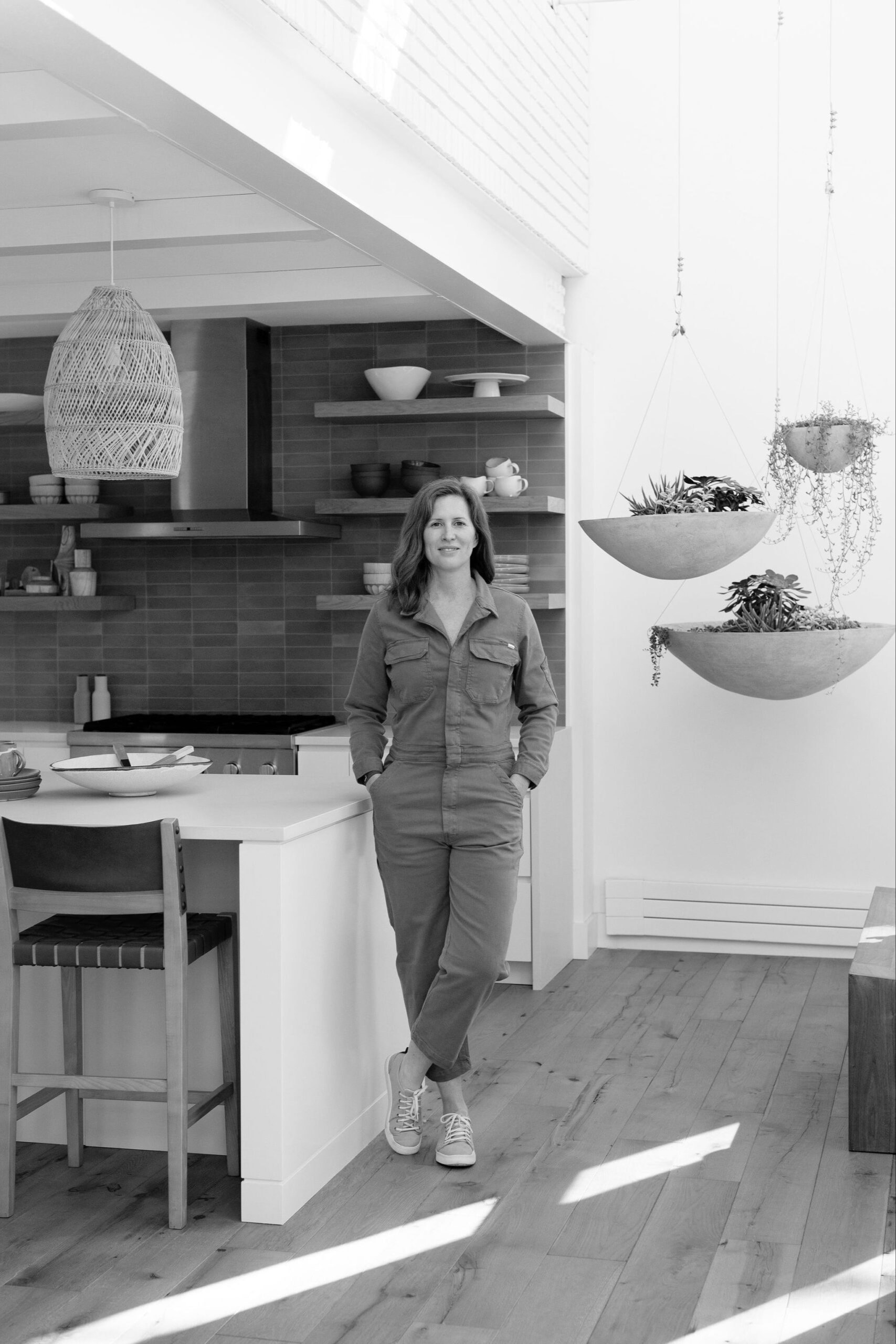
© Fiona Burrage
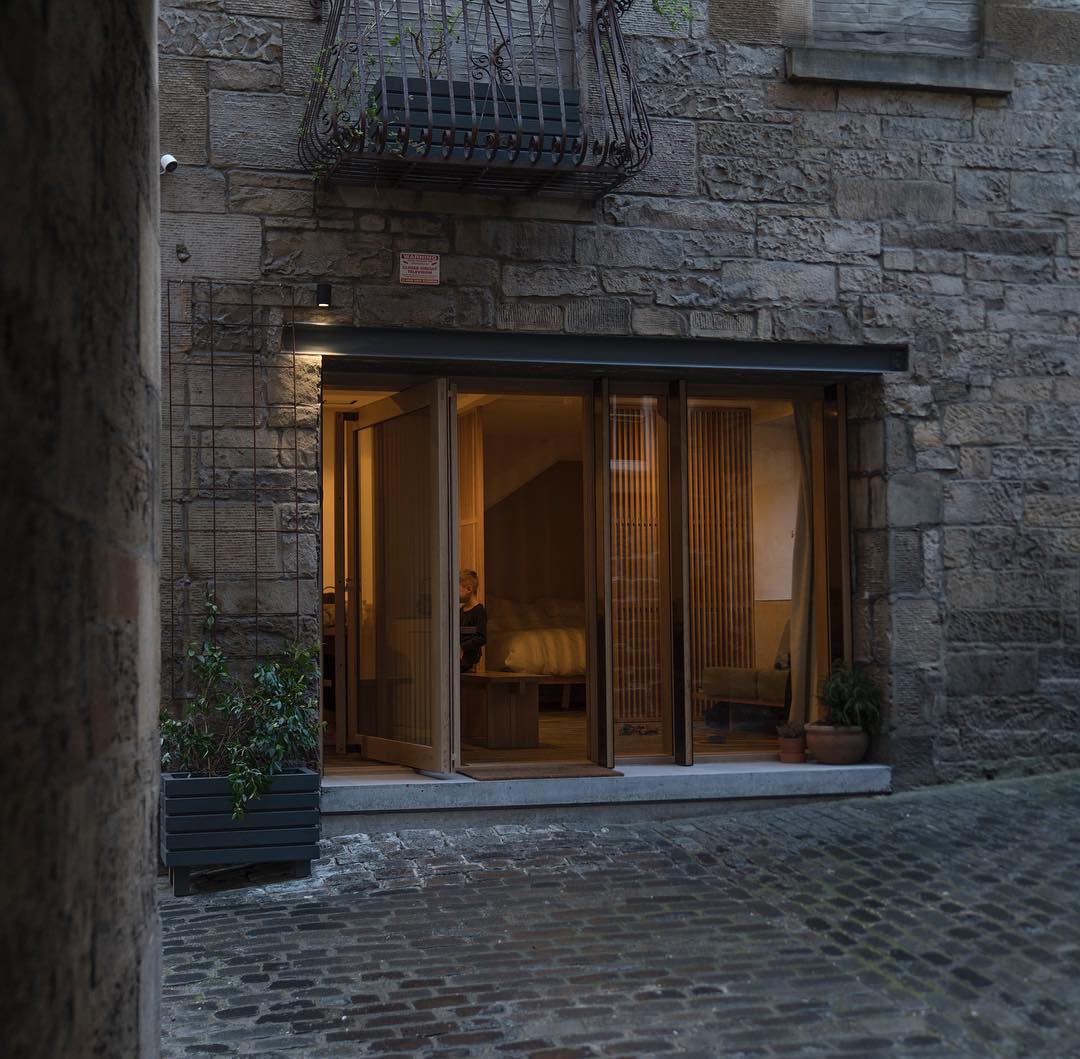
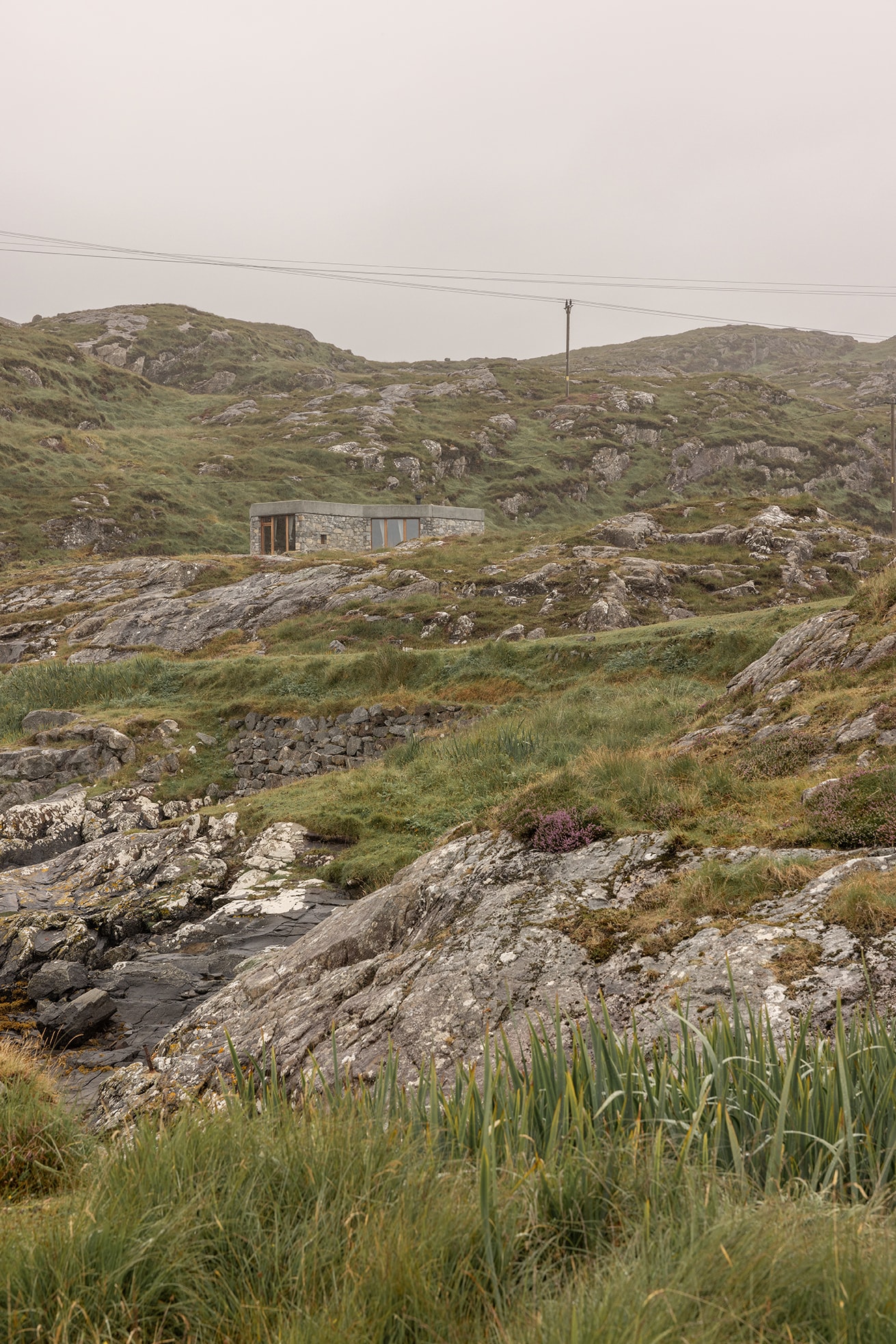
I’m proud of every project that makes it to site, but our own home, Caochan na Creige, is really special to me. It is a rare privilege to design and build your own house, and while it was challenging (very challenging) at times, we love living here every single day. Moving from Edinburgh to what many would consider a remote Scottish island was a leap of faith, but we trusted our instincts and have been rewarded by the experience. The house was also never about making a statement — it was about creating a home that reflected our values: one that was affordable, rooted in its place and built through collaboration with the people we love. The house brought everything together for us, and winning RIBA House of the Year was the cherry on top.

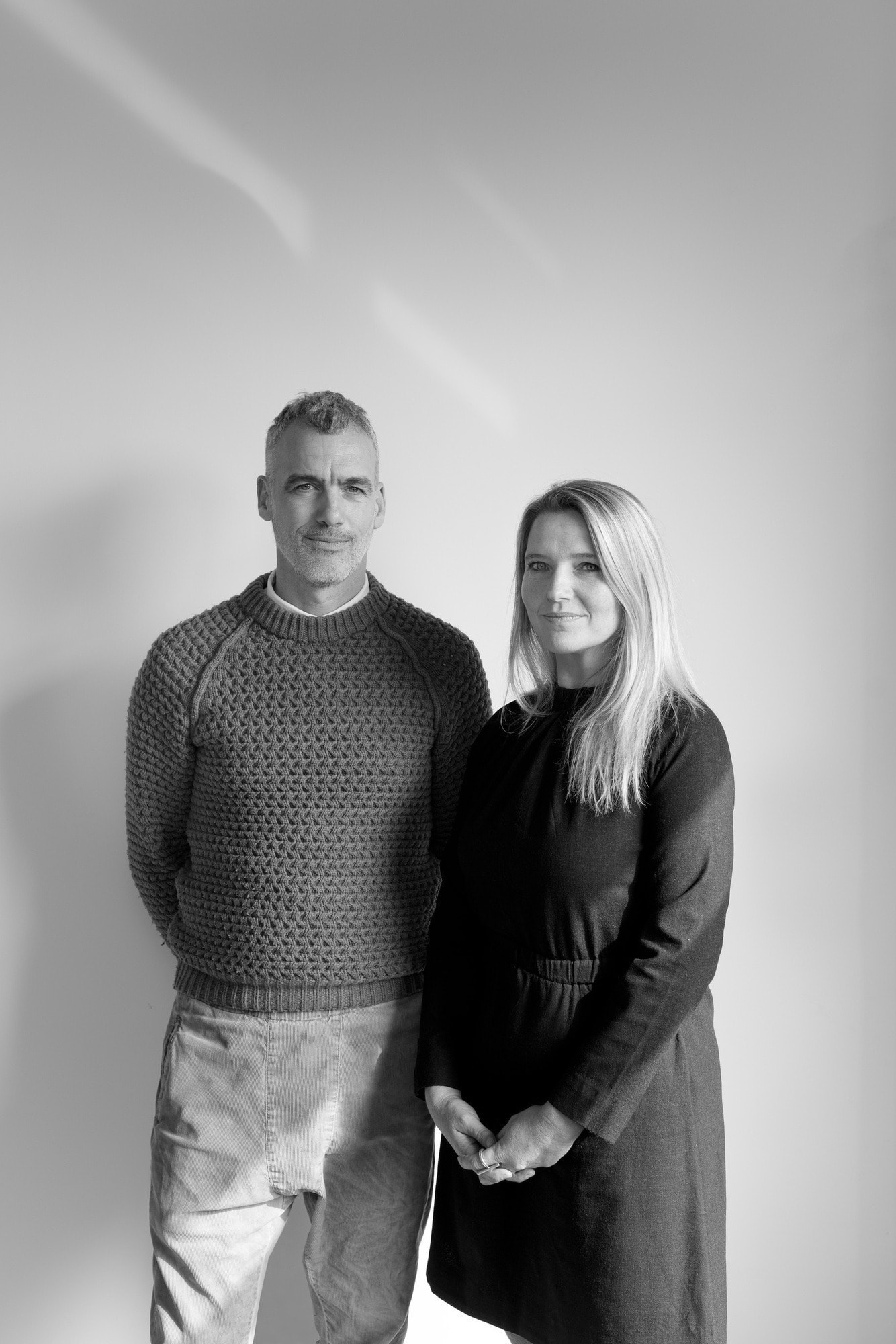
© Richard Gaston
Where to start? At the beginning of my career, I was interested in buildings in distant or unfamiliar locations — Japanese temples and their gardens, for example, are full of raw beauty and restraint, or Grundtvigs Kirke in Copenhagen, which is extraordinary for its use of brick, proportions, and diffuse light. The work of Glenn Murcutt and Wenche Selmer is always a great inspiration, but I’m yet to experience any of their buildings in person.
As I grow older, I find myself increasingly inspired by places closer to home — buildings that carry a sense of time in cultures which I deeply understand. Castle Drogo, England’s last castle, has long been a favourite for its ambition, its relationship with the landscape and its sense of permanence. I’m also drawn to domestic architecture, particularly High Sunderland by Womersley and Turn End by Aldington, for their intimacy, craftsmanship and complete vision.
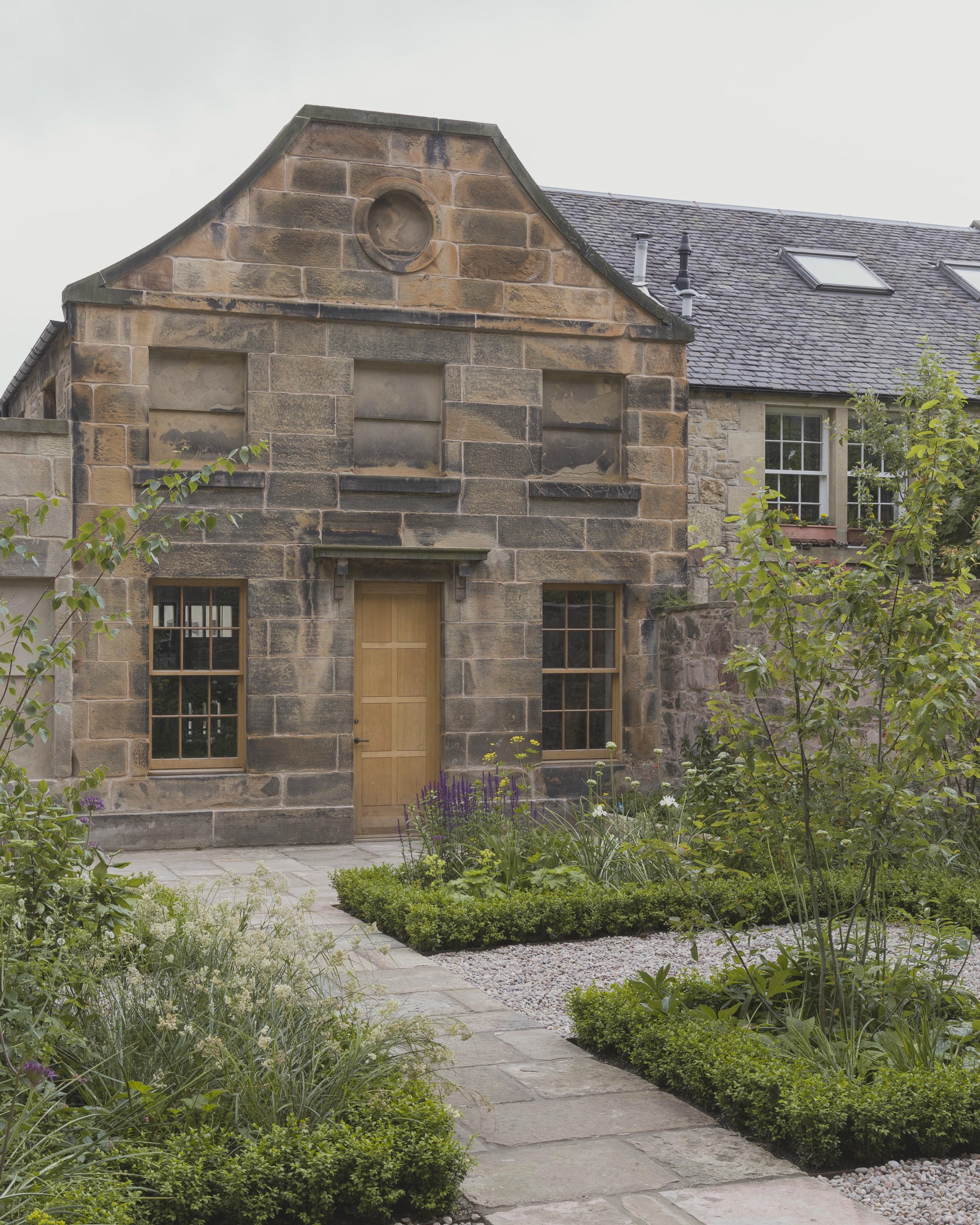
On a more personal level, my grandfather’s house and my parents’ house are hugely meaningful to me. My grandfather’s home, which my aunt now lives in, still feels like a conversation with him every time I return. My parents’ house, which I designed and which was built with the help of my husband Jack and my brother Alasdair, holds a similar sense of belonging.
Ultimately, the places I love the most are those that feel deeply cared for — where architecture becomes intertwined with memory.
The part I enjoy the least is when the creative process becomes restricted before ideas have had the chance to develop. I need space to explore, test, and question ideas, and I’ve realised how important that freedom is to making meaningful architecture.
As a result, I’m increasingly drawn to self-initiated projects and to working with clients who share a similar ambition and trust in the process. I’m not interested in designing lots of buildings for the sake of it, and have decided not to start a ‘commercial’ practice for this reason.
If, by the end of my career, I have a small number of projects that I am genuinely proud of and that have been thoughtfully realised, I would consider that a success.
Luis Barragán’s 1987 Pritzker Prize acceptance speech is something I return to often because it brings me back to the essence of what architecture is about.
He speaks from the soul about the importance of beauty, emotion, and spirituality in the built environment — reminding us that architecture is not only about solving problems, but about creating places that move and enrich people’s lives.

© Fredrik Frendin

© Melody Joy
Be patient and stay curious.
Architecture is a profession where experience genuinely matters. Every project teaches something new, and there is enormous value in taking time to observe, listen and learn from the people around you — clients, craftspeople, the postman. Everyone.
I would also say not to chase trends. Develop a way of working that is rooted in your own values and in careful observation. This won’t happen overnight, but don’t try to rush it or get a quick bit of marketing. Buildings last much longer than fashions, and the most meaningful architecture comes from authenticity rather than novelty, so stay strong and work slow!
These are some great questions, and I think I’m guided by a belief that architecture should belong before it impresses. Buildings have a lasting impact on their surroundings — they will be part of a landscape for generations, so they carry a responsibility to their place and the people who live there.
Living and working in an island community has strengthened my sense of purpose as an architect. I want to create buildings that I am proud of, but equally, buildings that my neighbours — the people who understand and have cared for these landscapes for generations — can be proud of too.
I think we need to place greater value on longevity. This is the aspect of sustainability that interests me the most — the idea that buildings should be beautifully made and capable of ageing with dignity.
Without sounding like I’m quoting my grandfather too much (perhaps the profession could do with more grandfather architects!), he often spoke about Vitruvius’ principles of commodity, firmness, and delight. He believed that delight was the quality most overlooked, but always the most important.
Today, I think we risk losing the joy of making. We work in a time where BIM is used more often than sketching and physical models, where low cost is awarded more points than good design in public procurement, and where buildings are delivered by colossal teams who often have more interaction with project managers than with the architects behind the design.
I think we need to reconnect with the care, skill and creativity that make architecture meaningful.
Thank you so much Eilidh, for this lovely interview!
Share article :