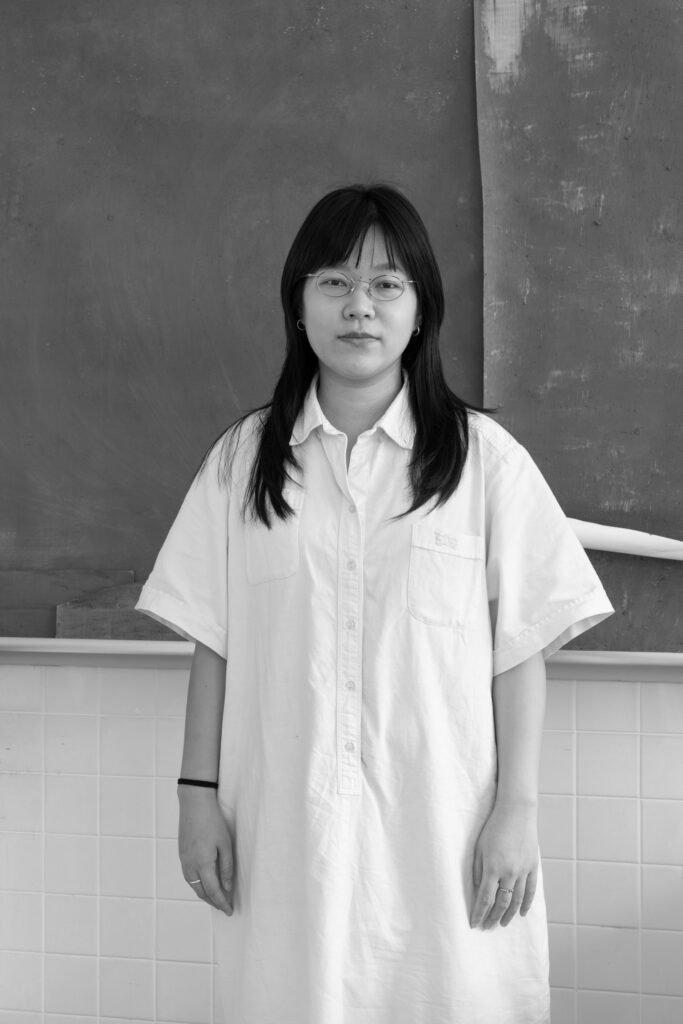
Hang Hang
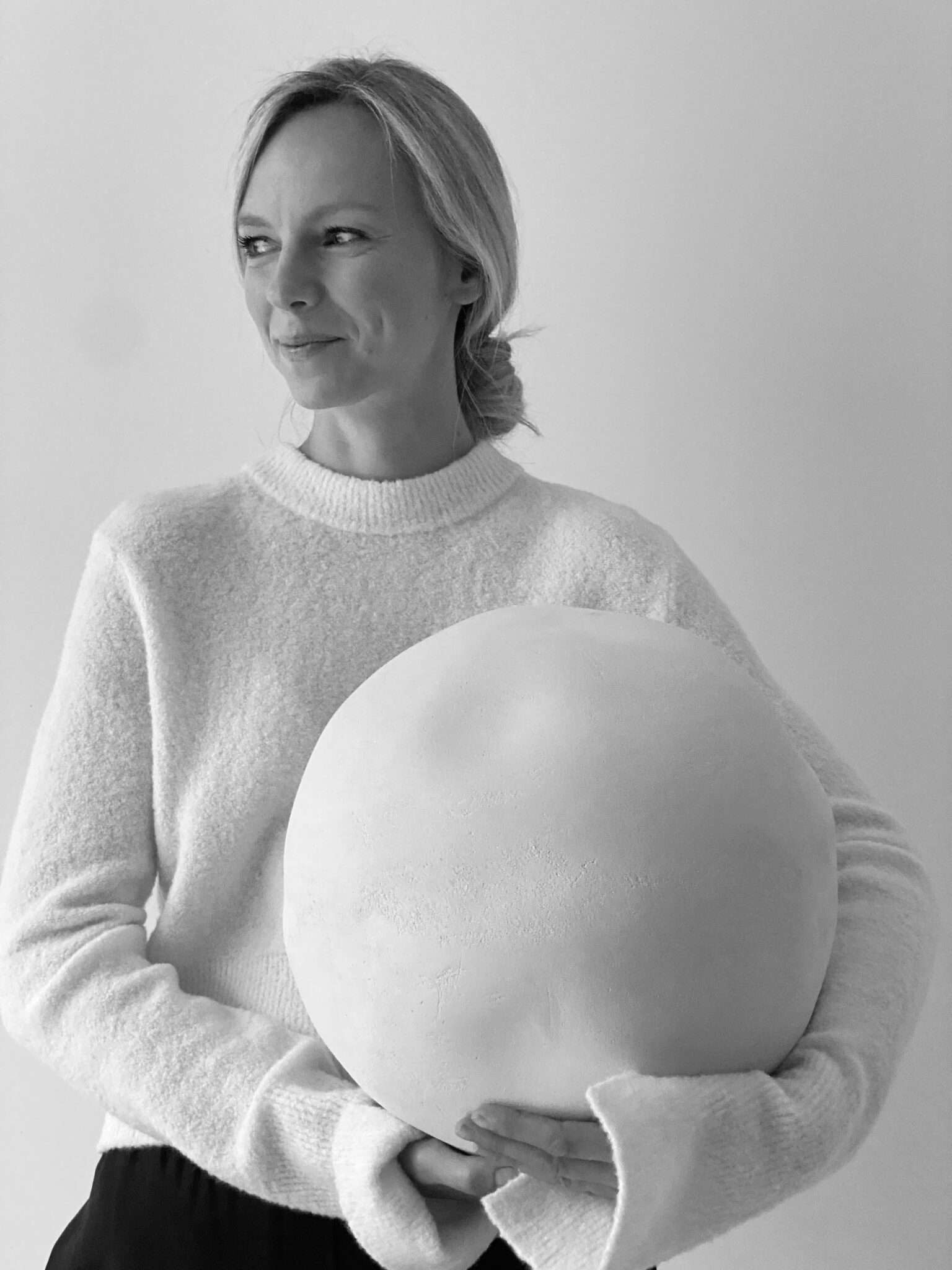
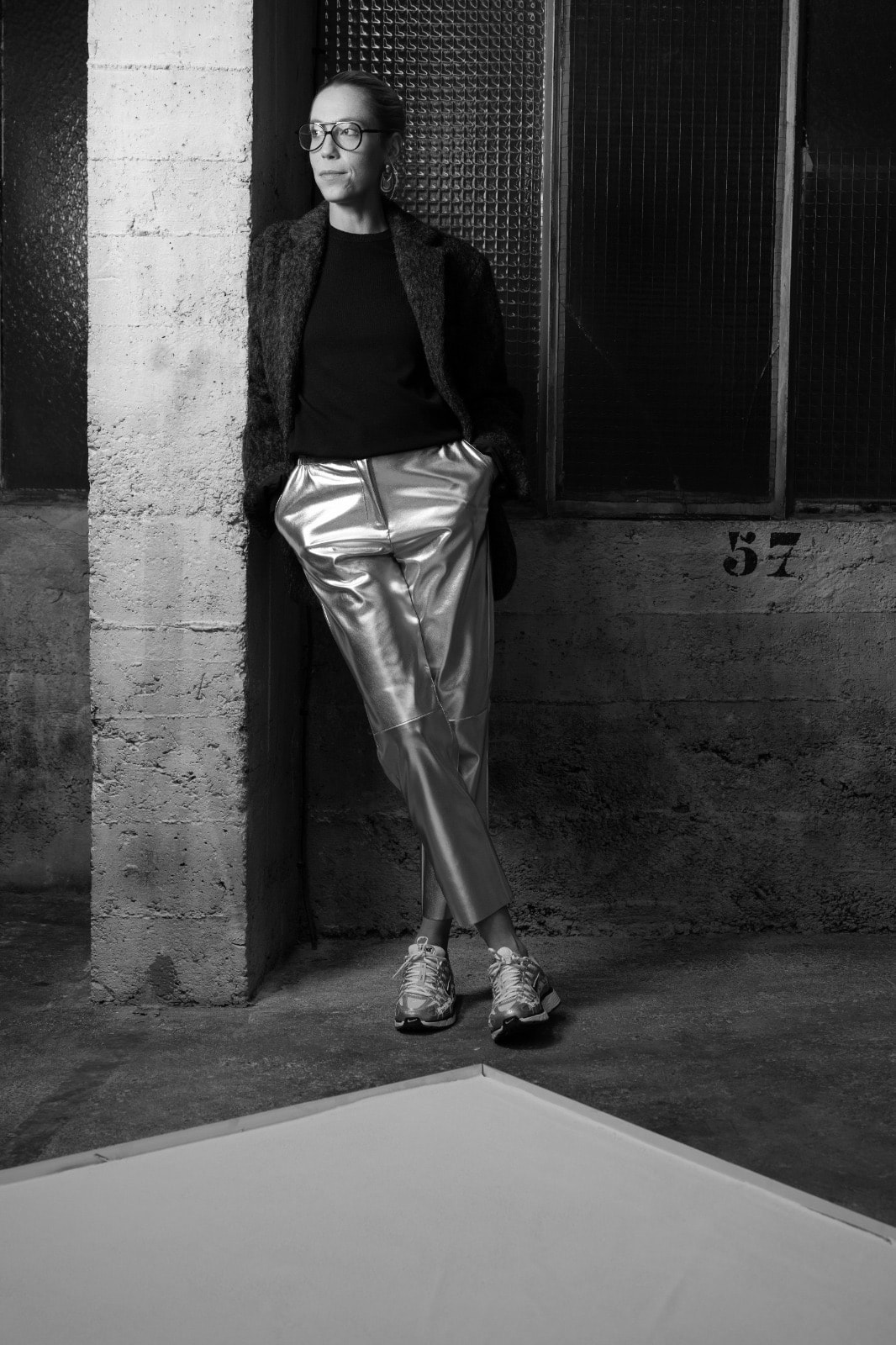
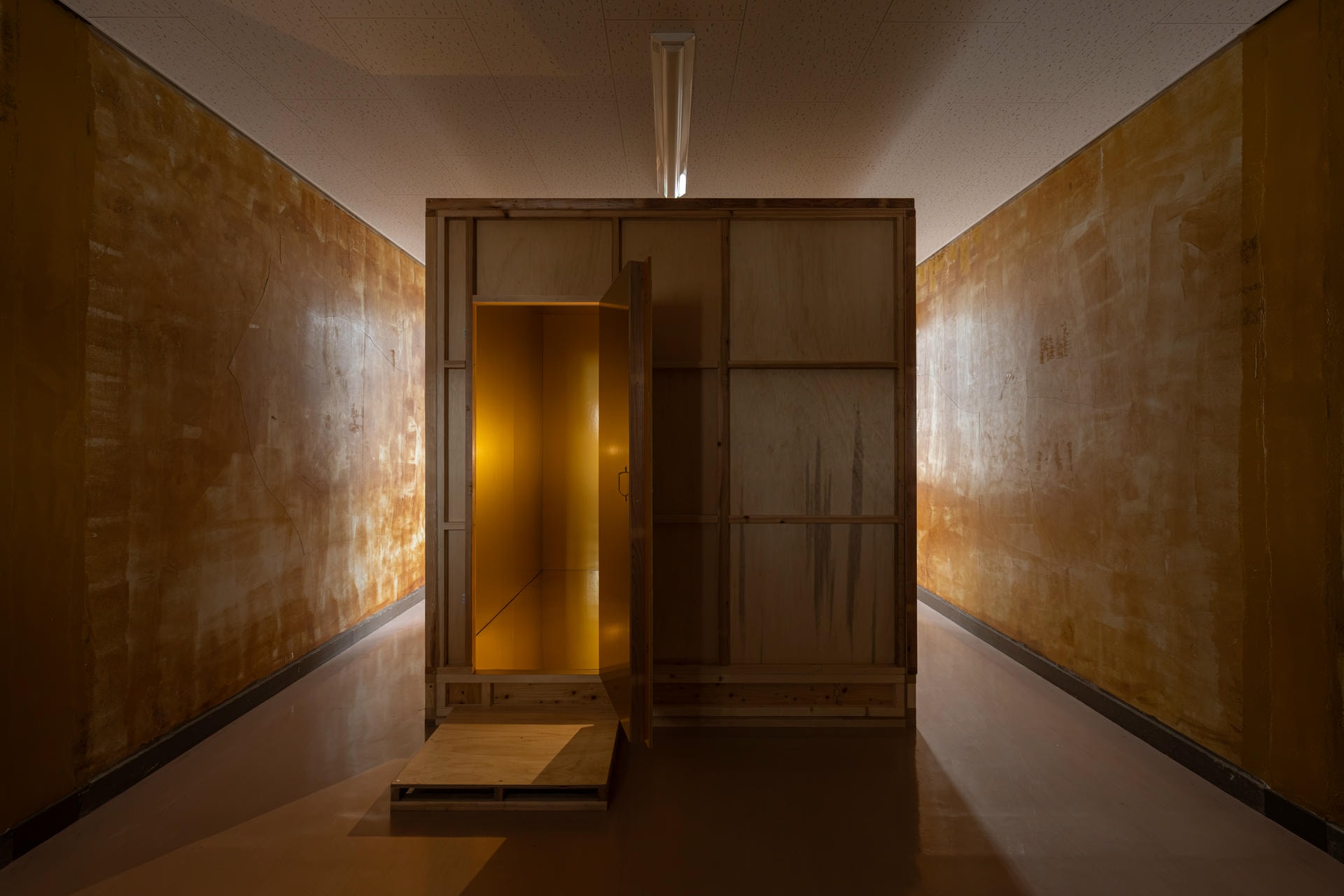
Hang Hang is a Vietnamese interdisciplinary artist and scenographer based in Paris. She holds a Master’s degree in Scenography from the École des Arts Décoratifs in Paris, where she received scholarships from International Flavors & Fragrances and the Fondation Odon Vallet. In 2025, she was awarded the Dogma Prize by Dogma Collection in Ho Chi Minh City. Her practice spans artistic installations, exhibition design and theatre scenography, exploring memory and the relationship between fiction, reality and spatial experience.
Her work has been presented internationally at institutions and cultural events including the Linden Museum in Stuttgart, the Setouchi Triennale 2025 in Japan, Documenta 15 in Kassel as part of Nha San Collective’s Emerging Artists programme, POUSH in Aubervilliers and the Fukuoka Asian Art Museum Residency. As part of Atelier Patrick Hoarau, she has contributed to exhibition projects for the Temple of Literature in Hanoi, the Ho Chi Minh City Museum and the Vietnam Museum of Ethnology. In 2027, she will continue developing her artistic practice at the Rijksakademie van Beeldende Kunsten, exploring the relationships between personal narratives, materials and space.
INTERVIEW
Ephemerality is one of the elements that attracted me to scenography in the first place. I can constantly work on new projects and new stories, and collaborate with different teams. Each project brings new problems, contexts, and ways of working. I have to adapt to new situations and continuously learn new things. No two projects are ever the same, and this is what keeps my curiosity alive.
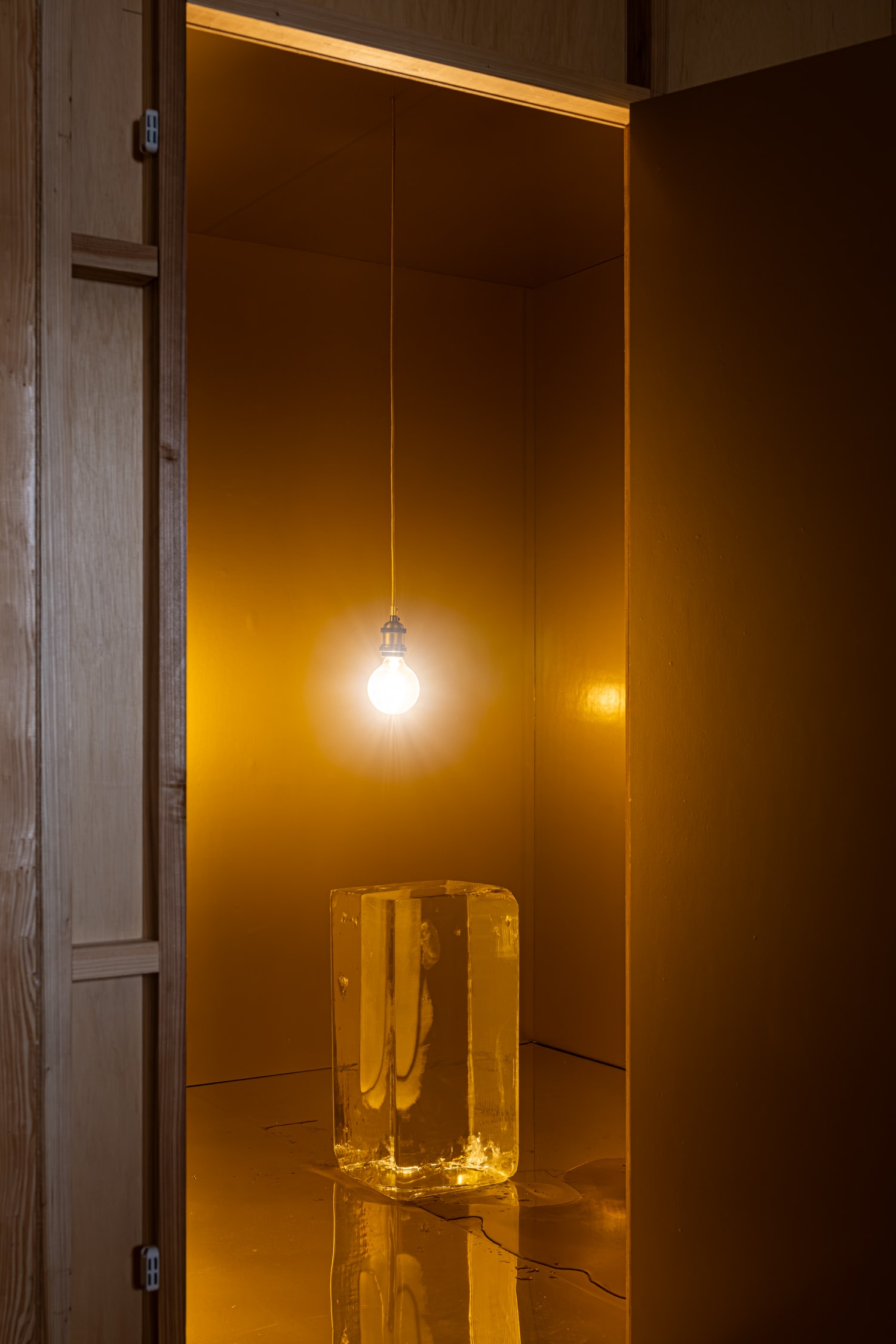
However, I also think about the durability of scenography. This shapes the materials and resources I choose, as well as how I treat them after the exhibition, especially when the scenography is only shown for a short period of time. I think about whether the materials can be reused, transformed, or given another life.
I always start by discussing the project with the curator or artistic director. It is a collaborative process, so communication is key. I try to understand their curatorial perspective, the direction of the exhibition, and what they expect from me as a scenographer. I also look at the character and specific conditions of the space by reading the documents provided and visiting the site.
Then, I move on to digging into the content of the exhibition. For me, the scenography should emerge from the content, context, and narrative of the exhibition, allowing the spatial language to respond to the works and ideas through rigorous analysis.
I trained as a scenographer at the École des Arts Décoratifs in Paris, where I learned about scenography as a professional practice. However, I believe my first experience of scenography began much earlier, during my childhood in Dong Anh, a suburb of Hanoi, near the ancient Co Loa Citadel.
There were no Western-style theatres or museums. Instead, I encountered traditional festivals and community performances. In the village, I was first introduced to Vietnamese performing arts such as Cheo, traditional theatre, Cai Luong, reformed theatre, and Quan ho, folk singing. Sometimes, performers would sing from boats on the village pond. I still remember the crowds gathering closely around the performances, everyone pressing forward, eager to see and hear what was happening.
My first immersive experience was in the room dedicated to Princess My Chau at Co Loa Pagoda. I still remember the large stone statue of the princess dressed in colourful clothes, and the atmosphere of people gathered in the enclosed room. Step by step, they moved through the space with a sense of belief and respect, taking their time, moving carefully, and forming a quiet line before the figure.
That is where my understanding of scenography began: not only as the design of a space, but also as the way people move through it, gather together, and experience a situation.
I think we all practice or participate in scenography in our everyday lives: when we are on the road, going shopping, visiting an exhibition, seeing a performance, or even cooking at home. We constantly arrange, navigate, and experience spaces, objects, movements, and relationships around us.
Although it can be difficult to define exactly what scenography is, it is a specific practice that connects with and brings together many different fields and disciplines, while also having its own particular characteristics.
Scenography creates a relationship between two worlds within a specific space and time: the world of the scenographic space that is created, and the lived reality of the visitors. Scenography is often ephemeral and creates a narrative through the spatial arrangement of different elements.
The scenographer defines the boundaries of the space in which an exhibition, performance, event, or other situation takes place. At the same time, they shape how people experience the space, receive information, move through it, and interact with the elements around them.
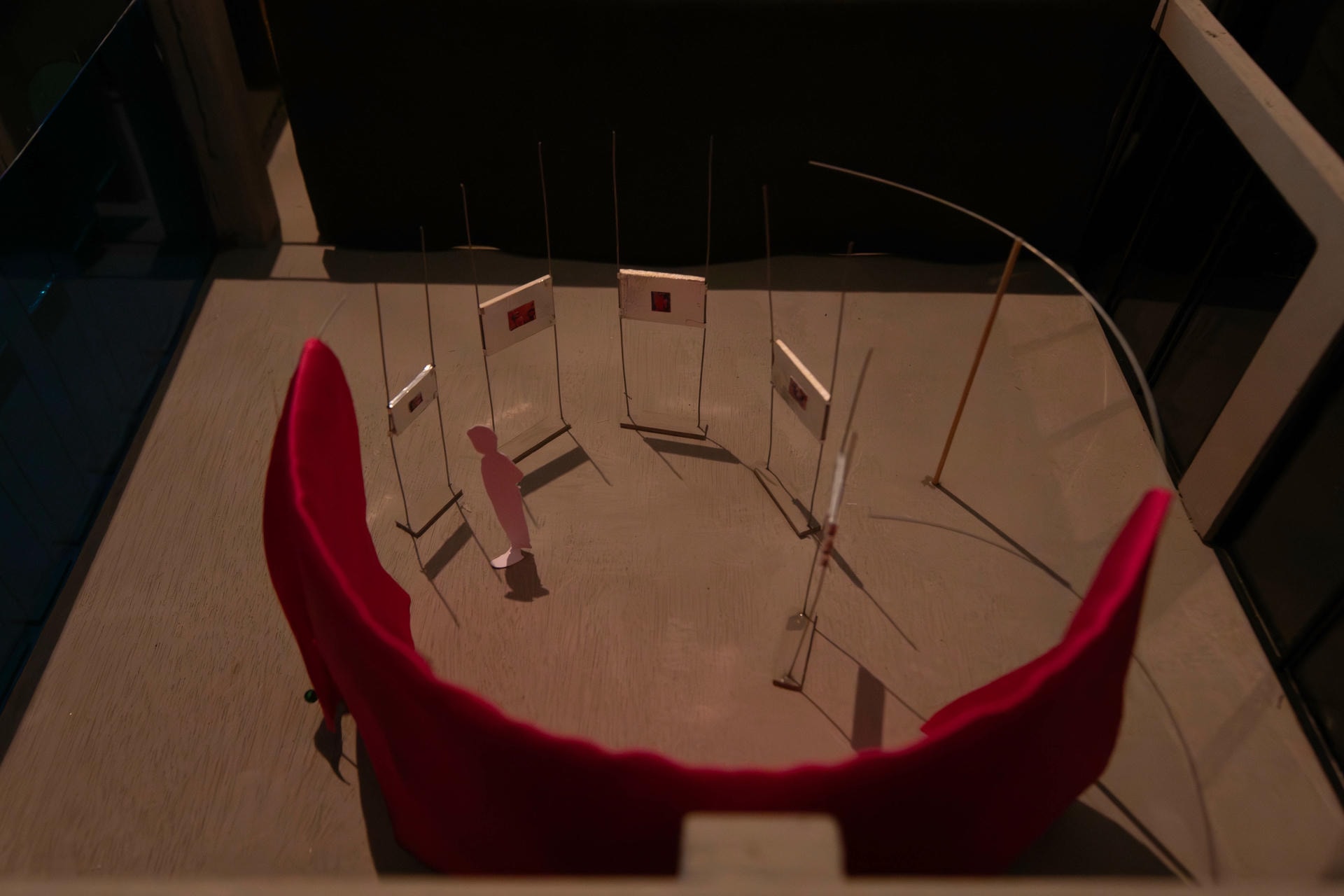
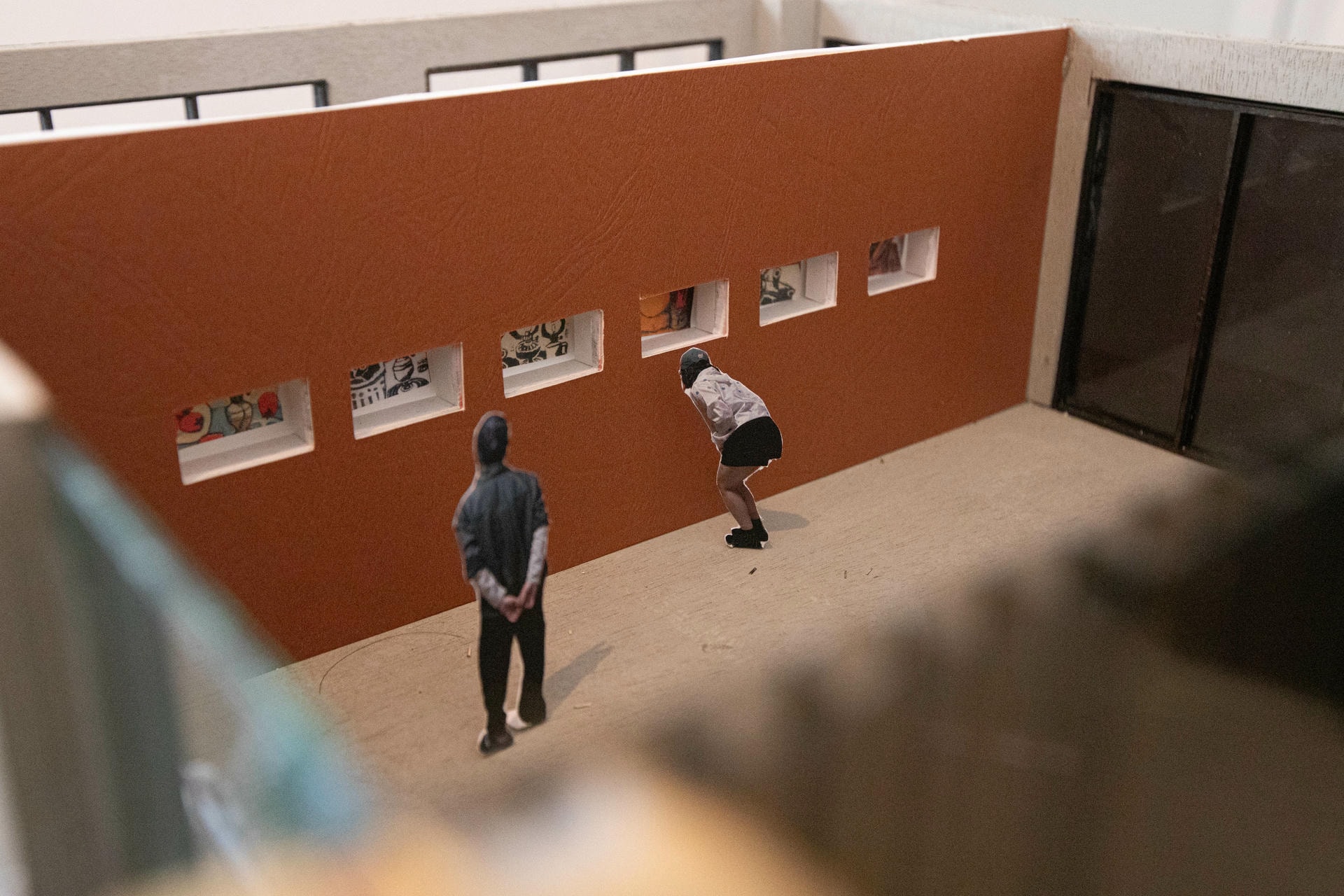
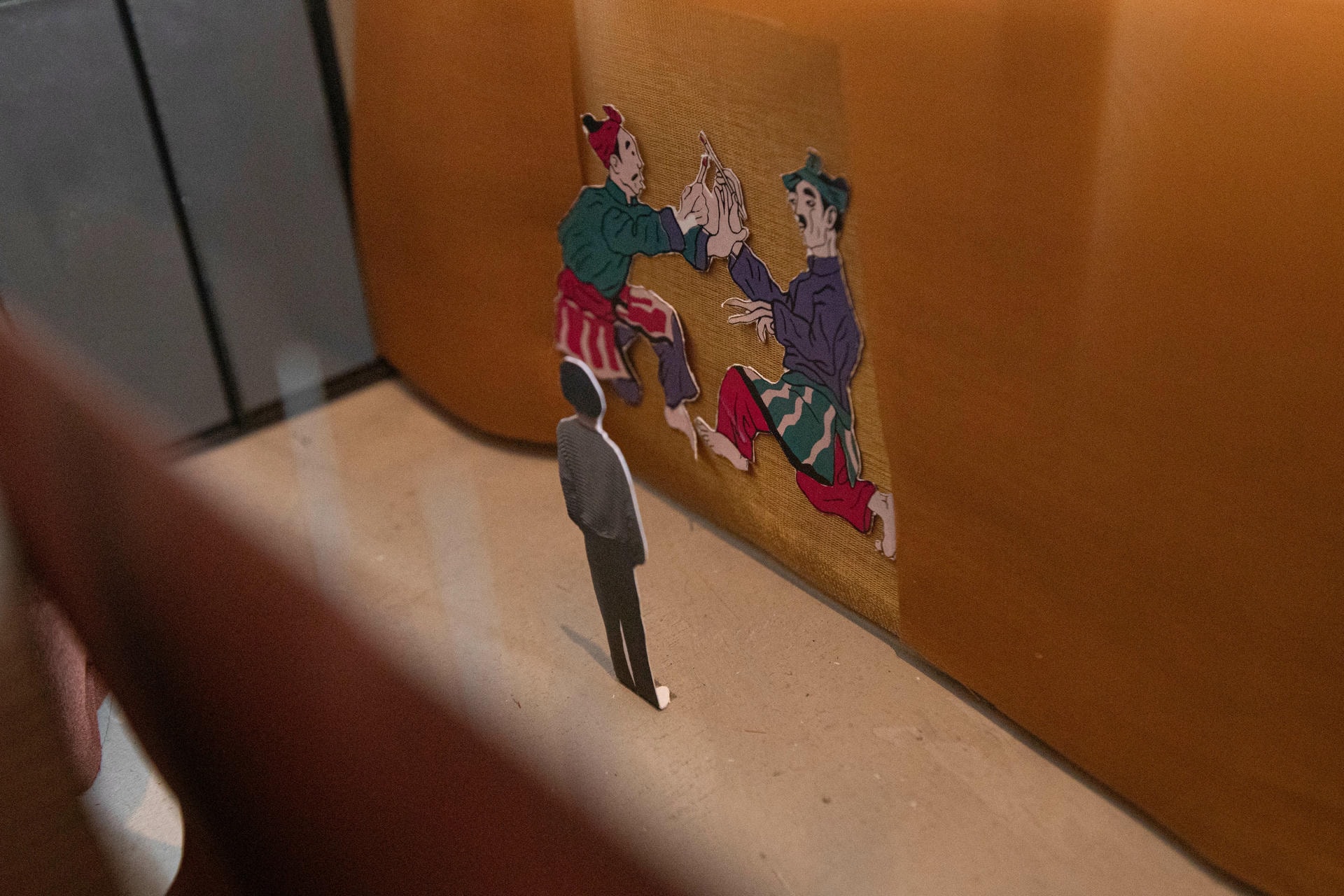
Bui Xuan Phai is well known for his paintings of Hanoi. For this exhibition, curator Le Thuan Uyen wanted to move beyond a conventional format centred only on his paintings or on presenting information and documentation. Instead, the exhibition aimed to offer a broader view of his artistic practice, including his work as an illustrator and scenographer for traditional Vietnamese Cheo theatre, while also evoking the historical context and lived experiences of the artist. This aligns with my approach to scenography: how can we guide people to experience something through different senses, rather than simply providing information?
I received a diverse collection of archival materials and had to think about how to organise them within the space. Usually, a timeline can be used as a guiding thread to structure an exhibition and lead visitors through different periods of an artist’s life. This time, however, I wanted the exhibition to begin with a series of scenes that brought back the context in which the artist lived and how it shaped his artistic perspective: his small studio in the attic, the living room with a wooden table where he would welcome his friends, the small streets of Hanoi that he walked through every day, and the atmosphere of the theatre backstage, where he spent a lot of time observing and drawing. These spaces were placed in dialogue with his paintings and archival materials.
There were two possible ways to enter and experience the exhibition, allowing visitors to follow different paths through the spaces and encounter the artist’s life and work through different situations.
The curator is responsible for the content of the exhibition and sometimes provides the overall direction for the project. They also act as a bridge between the client and the different creative teams involved.
Based on the content and direction provided by the curator, I am responsible for the overall spatial design: organising and distributing the space, defining its boundaries, and developing the spatial structure of the exhibition. I also coordinate and divide the detailed work among other designers and collaborators, such as graphic designers, production teams, and artists involved in the project.
We work closely together throughout the process, both on the content and the design, to develop the most coherent and appropriate solution for the exhibition.
I have never had to completely reconsider a design once I was on site. There may be some changes, but we usually have limited time on site, so it is better to follow the plan we have prepared.
However, sometimes the actual exhibition, scenography, or artwork opens up new directions that I had not imagined before. The physical interaction between the space, the materials, and our bodies can create new possibilities that are difficult to anticipate until everything is brought together and experienced in reality.
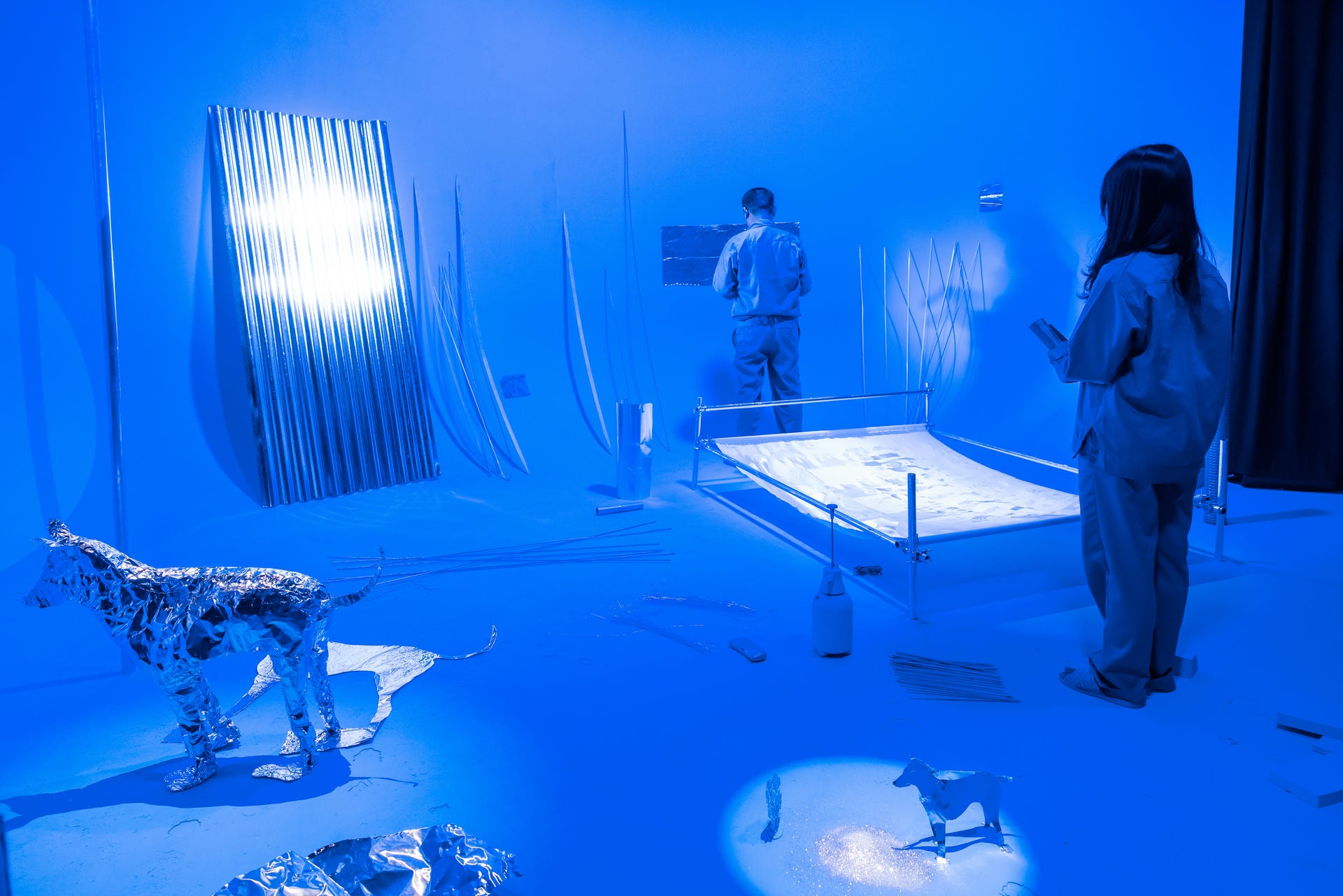
Being an artist changes the way I approach art as a scenographer, and vice versa. I do not only think about creating the artwork itself, but also about the environment around it, how people move through it, and how different elements can interact to create situations.
At the same time, an artist usually builds their own world through their work, so I can bring my own artistic identity and ways of thinking to scenography.
It also means that I collaborate with people from very different worlds: artists, curators, authors, performers, architects, technicians, and other professionals. Working with them exposes me to different ways of thinking and making, expands my artistic vocabulary, and allows me to approach my own work from different perspectives.
The two practices constantly influence each other.
To bring all these elements together, I often start by separating them and looking at each one as an independent element. Then I bring them back together and think about how they interact with one another, and I continue this process throughout the design.
For example, what does the light tell us in this particular space? Should it create a sense of emptiness, or should it draw our attention and create a sense of focus? With graphic elements, I also try to separate the different layers: image, film, text, and so on. Then I think about how these elements can work together.
All of these elements should serve and enhance the artworks, or help tell their stories. Their presence can be adjusted depending on how each artwork needs to exist and be experienced in the space.
There is always a team of technicians and other collaborators involved during the installation. In the final days, we work together to bring the design into the physical space. This is often when we have to coordinate many different things at once: construction, materials, lighting, graphics, artworks, and technical details.
I usually need to be present throughout the installation to make sure that the different elements come together as planned, while also responding to the actual conditions of the space.
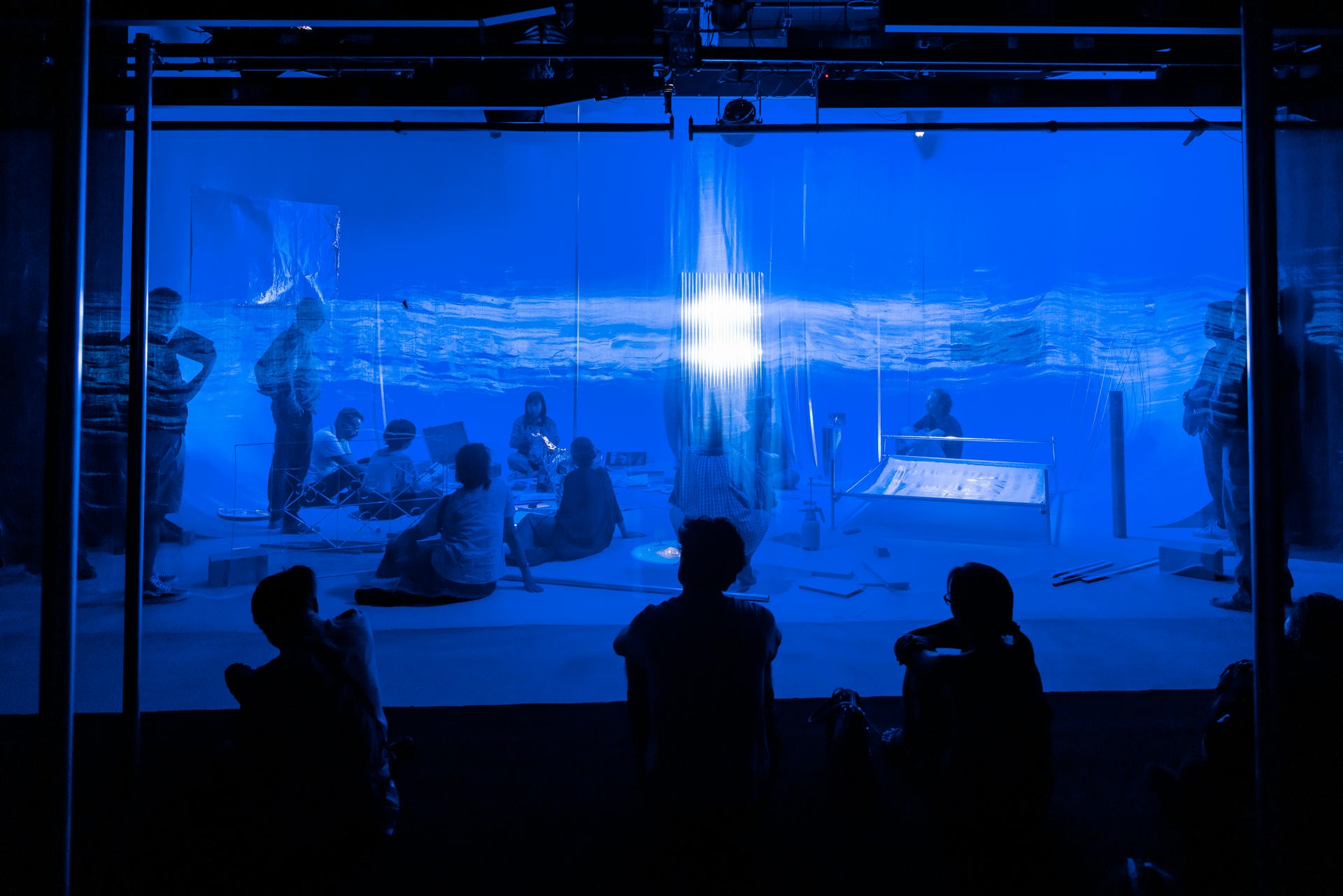
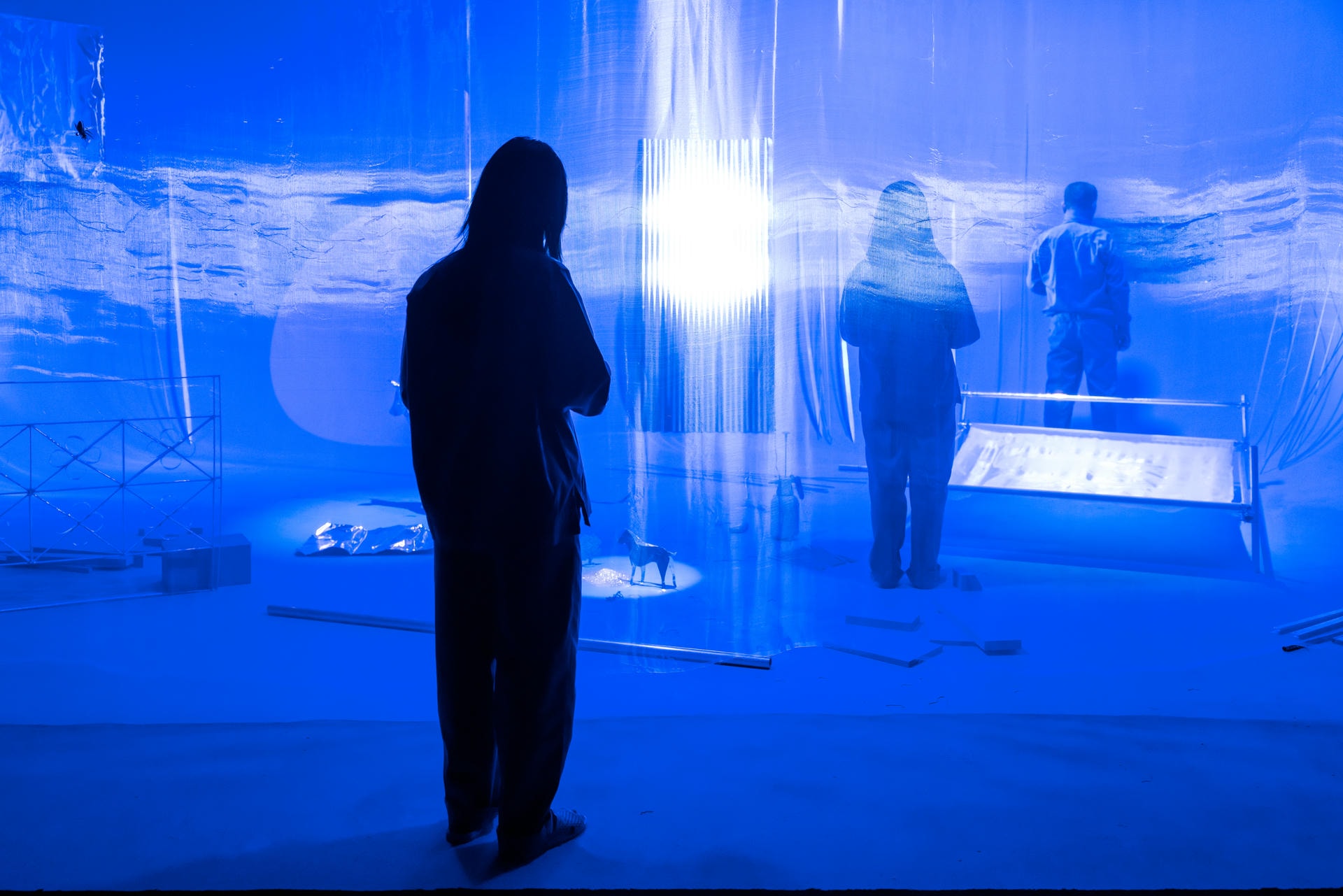
In my first performance, I worked within a complex of theatre spaces and created a situation where the performer moved through different spaces. At that time, I was mainly focused on how the performer would move and circulate through the space I had created.
However, once the performance happened, many people began to interact with the space by following the performer. The performer moved at a slow rhythm, which made people curious about where she was going and encouraged them to follow her. Their movements and interactions created new possibilities that I had not anticipated when designing the space.
It made me realise that there are always new possibilities within a space once it is created and begins to be experienced and interacted with by others.
Thank you so much Hang Hang, for this lovely interview!
Share article :