Cross-pollination of art and design
by Jojo Corväiá
Upon my participation at “Collectible”, the fair for and about the most relevant 21st-century designers hosted in Brussels at the beginning of March 2020, startling pieces stoked me as among the most brilliant and imaginative I have ever seen.
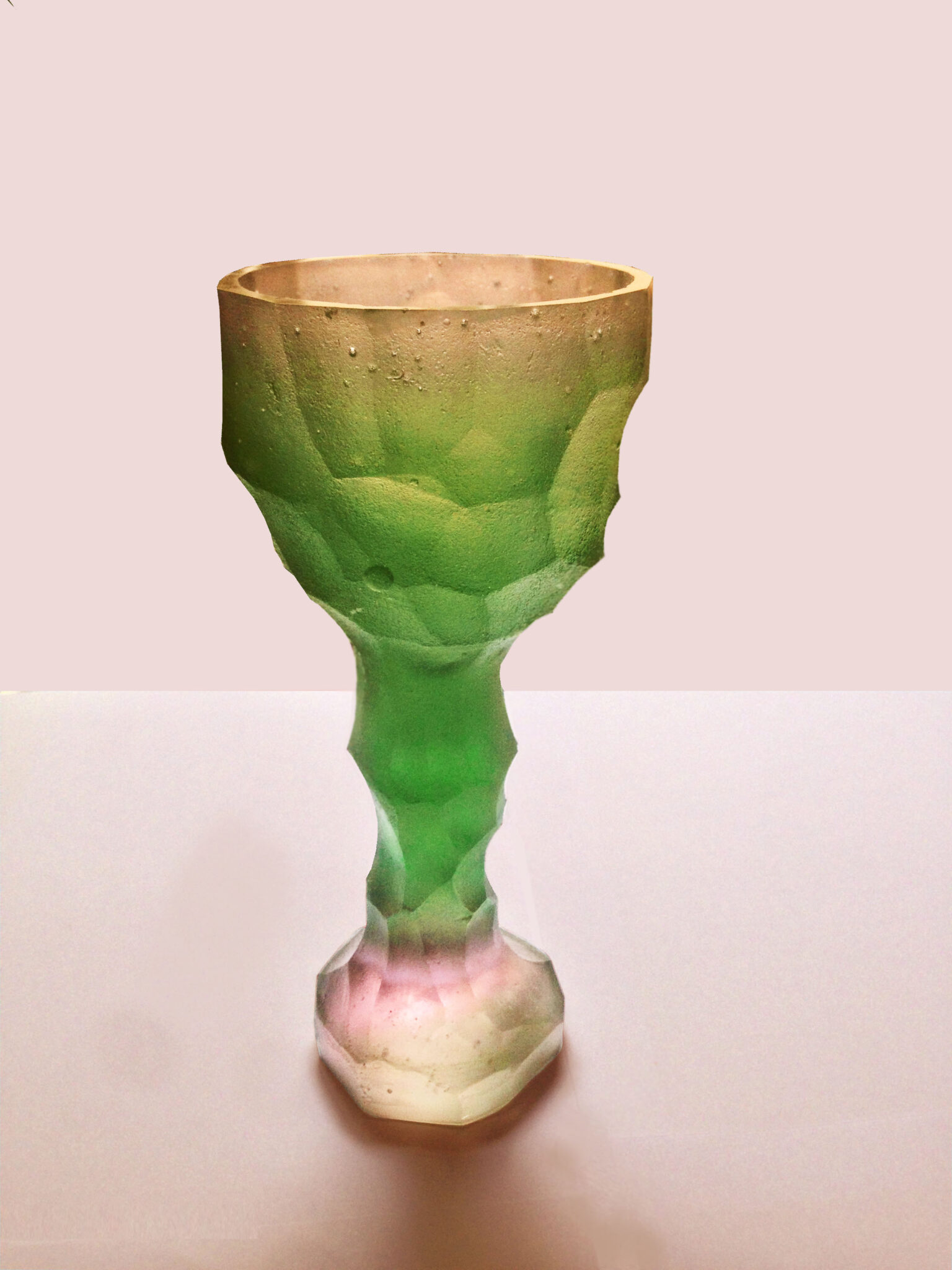
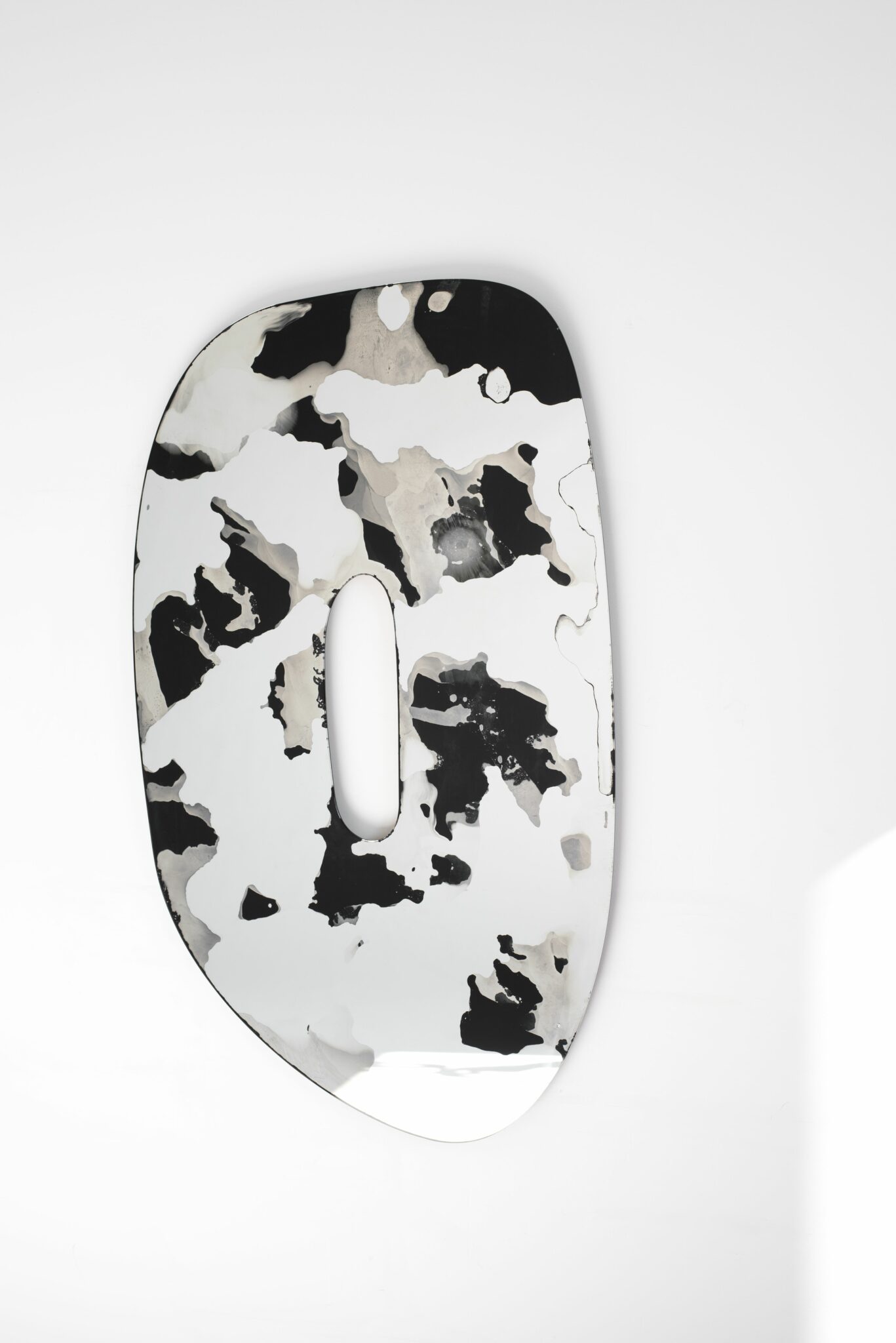
Artists and designers are experimenting with innovative techniques that deliver extreme and unusual shapes, dramatic proportions, and creative new ways of using old and new materials. You could see a montage of techniques layered in a single piece, juxtaposing elements of one technique with the character from another.
Color is a big factor, elongated and distorted shapes, effects, and patinas contributing to an integral part of the design. Although this may sound like a development from any given time since the Bauhaus movement, this current wave is really like any other created in the past.
The fusion between Design and Art is becoming an important force in shaping the future of the new standard: Art into Technology. This fact is fundamental if we believe that art has the power to transform lives on every level.
This is a time of artistic experimentation, a kind of spontaneous combustion caused by a charged socio-political atmosphere, repercussions on the climate from previous ways of working, and the radical changes in art and life.
This exhibition was notable for frequent cases in which fine arts and functional art have converged, giving birth to a new and distinctive group of objects. A cross- pollination of art and design.
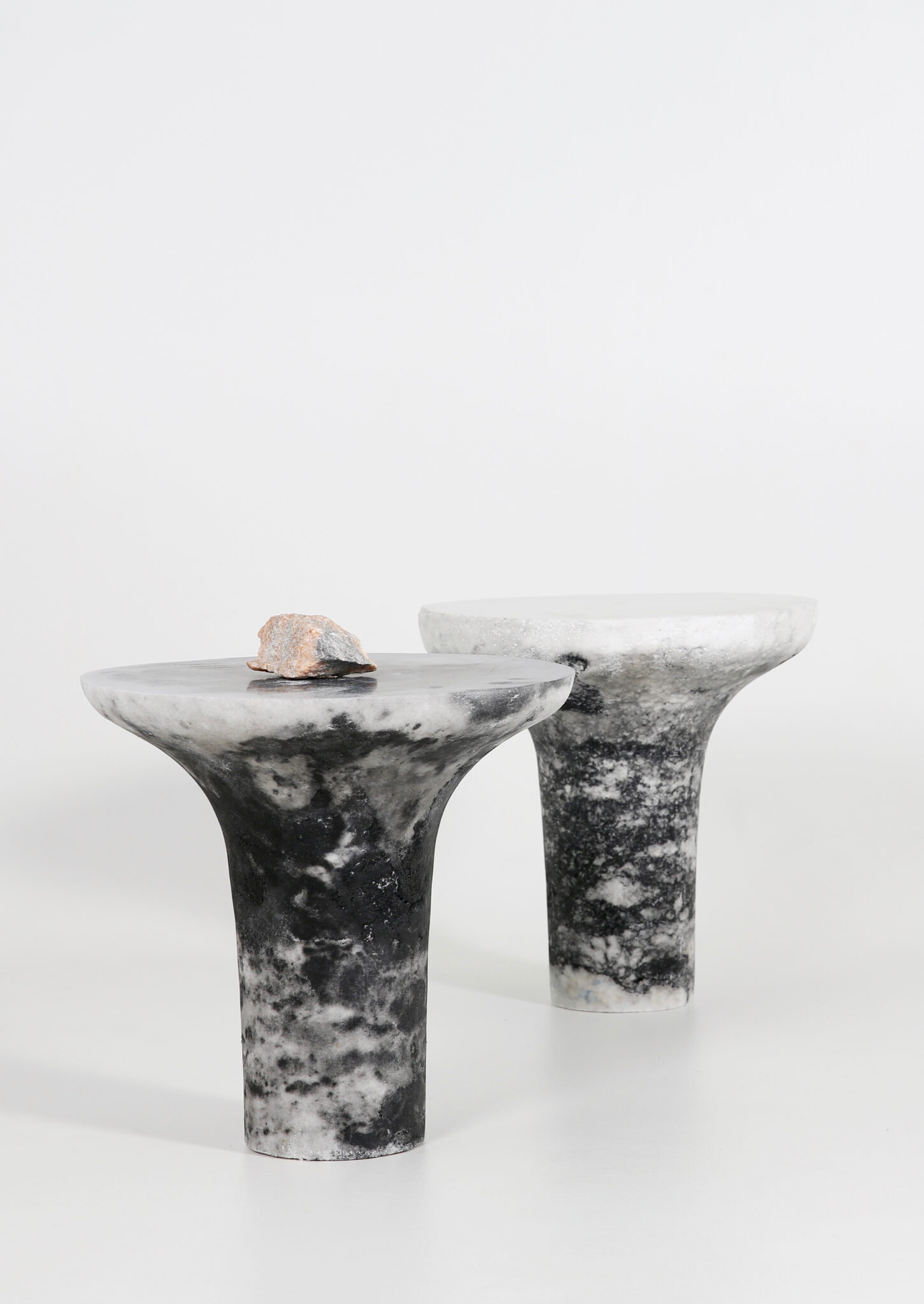
The new political structure created by climate change has produced a profound sense of social responsibility and encouraged artists to experiment in multiple fields, particularly in architecture, industrial design, and applied arts. Consequently, it is not surprising that many of the most prominent designers and artists of the moment apply their skills to the production of innovative solutions.
Part of the experimentation is focused on the study and development of the technical components and the light source itself (LED). The other part is focused on investigating the processes, the shape, and the effect on the space. Starting from commonly used materials such as silicone, fiberglass, or metal sheets and shaping them, we aim to reach new and unexpected results.
In no particular order of importance, and noting that not all the relevant creators I have come across are included, here are just a few artists, designers, and studios I have paid particular attention to: Ben Storms, Yellow Nose Studio, William Guillon, Ben & Aja Blanc, Savvas Laz, Li Dengting, Yang Sengbo, Charlotte Kidger, Adeline Halot, Roxane Lahidji, Sayar Garibeth Design Studio, Cédric Breisacher, Jan Garncarek, Döppel Studio, Merle Flügge and Job Mouwen, Alissa Volchkova, and Alissa Lacoste.
Curiously and furthermore, after my interaction with some of these designers, sometimes even for just a few words, I have felt a new sense of community and solidarity coming out of the current lockdown.
Communication started to occur spontaneously about ideas, possibilities, projects, exhibitions, and collaborations. This strikes me as such a positive and constructive byproduct of the confinement that we may actually be witnessing the beginning of an even more important and memorable creative movement, one that could be a game changer for many industries.
We have been forced to slow down, to observe rather than see, to analyze rather than gaze.
And while we are confined inside, from the windows of our houses and apartments we have been astonished to see the change in the air quality after just a few weeks of reduction of human activity. So this definitely is, and should be, a moment to think, to create, make a difference, leave a mark, and grow. This, more than ever, is our greatest responsibility as creators. And what a great way to move on and reorganize our priorities.
SHARE :