Naama Hofman
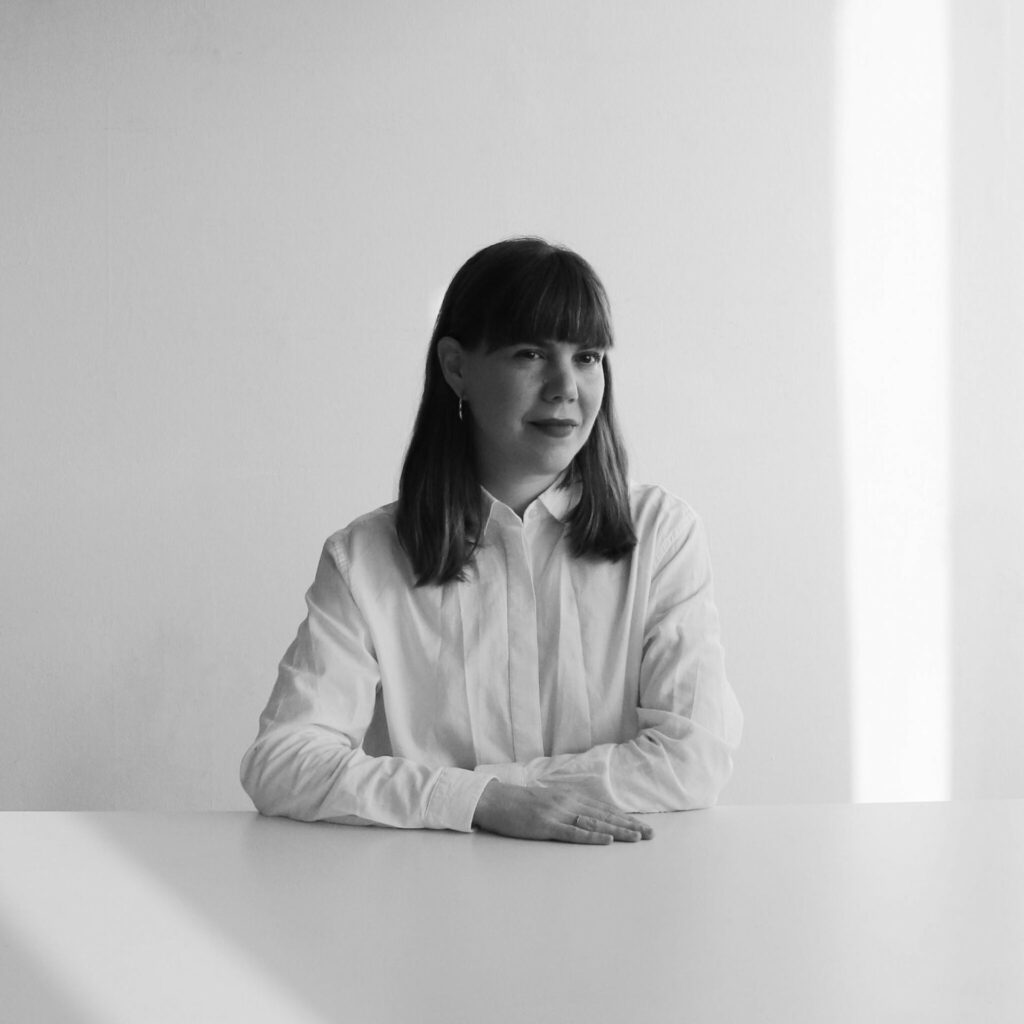
Naama Hofman is an Israeli designer based in Berlin whose practice explores light as a sculptural and architectural medium. Through her studio, founded in 2010, she creates collectible lighting distinguished by geometric forms, refined materiality, and atmospheric presence. Working with glass, brass, stainless steel, and acrylic, Hofman develops handcrafted pieces that balance technical precision with a quiet, timeless aesthetic, transforming light into an integral element of spatial experience.
Interview
I was born in Jerusalem, Israel. I lived most of my life in Tel Aviv-Jaffa, and for the last two years I have been living in Berlin.
My strongest memory is going with my grandmother to the Israel Museum in Jerusalem. I loved going with her and hear talk about art. It made me feel good. It still is one of my favorite places.
I never worked in design; I never had a job as a designer. Immediately after finishing my design degree, I started working as a freelancer.
I started working with LED strips soon after finishing my studies. I was dissatisfied with the looks of lamps and wished that their looks would change with the help of technological development. I wanted to challenge the way we use and design light in our living spaces.
In the early days, my design process started with me taking a lot of pictures of everything that I found interesting, from a street lamp to a tree. I would make an archive of these pictures and pictures I found online. I would have a mental dialogue with these images, and the light object was my last word in this dialogue. This was crucial for me in order to find my voice in light design and to understand what interested me. In the last few years, as my aesthetic language has become more defined, I have used more freehand sketches as I am more comfortable with the materials I use.
I take my son to the daycare, and then I head to the studio. As orders are being prepared and shipped, it’s important that I am in the studio every day. I divide my time between the present orders and working on custom orders and prototypes for future light objects.
I like being in the studio because it’s my own playground.
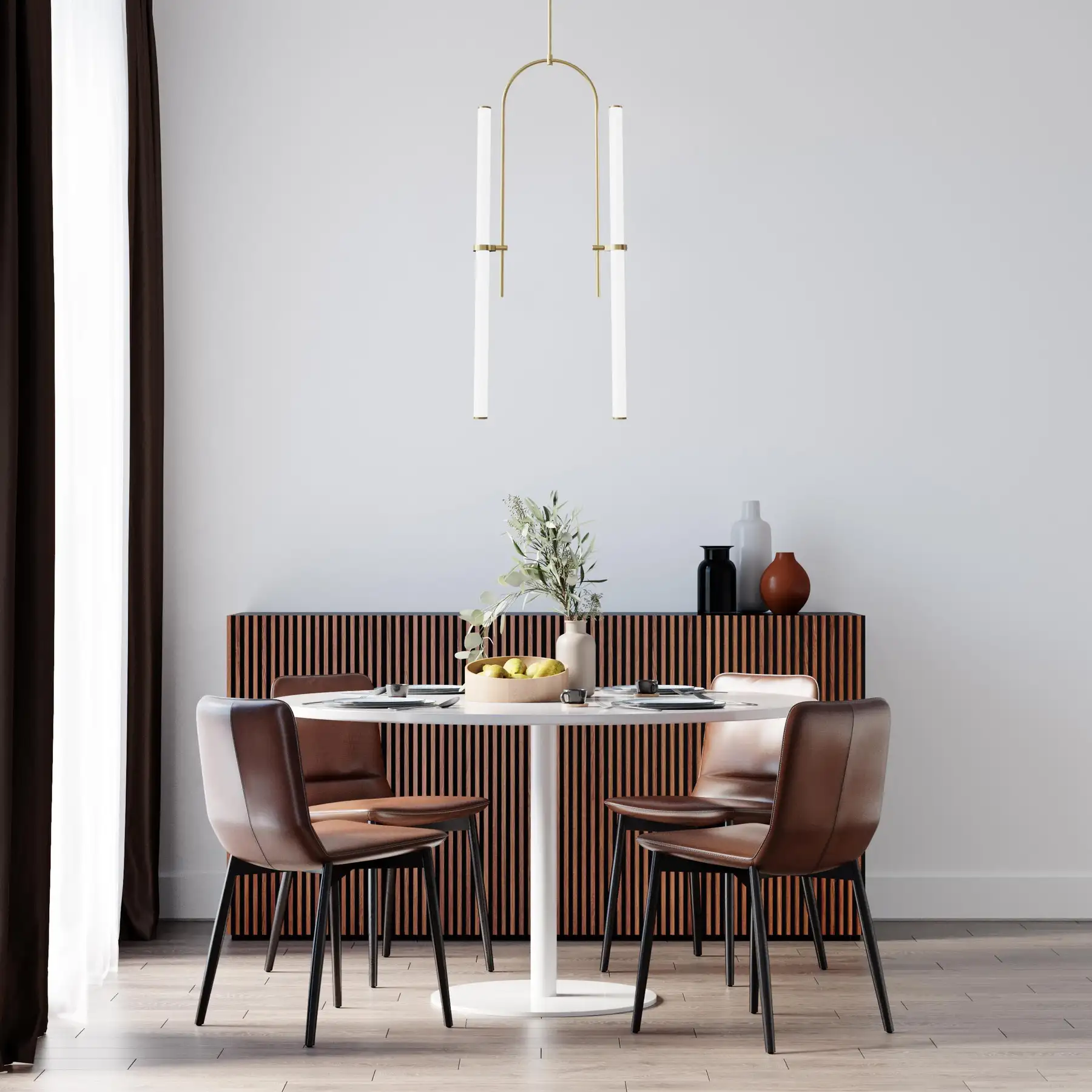
It took me a long time, during which I tried different materials, to finally decide to use acrylic tubes for my light objects. It disperses the light evenly and maintains the light temperature. I found that this material works best for me and can be easily adjusted for my needs. I always feel I can design endless objects with it.

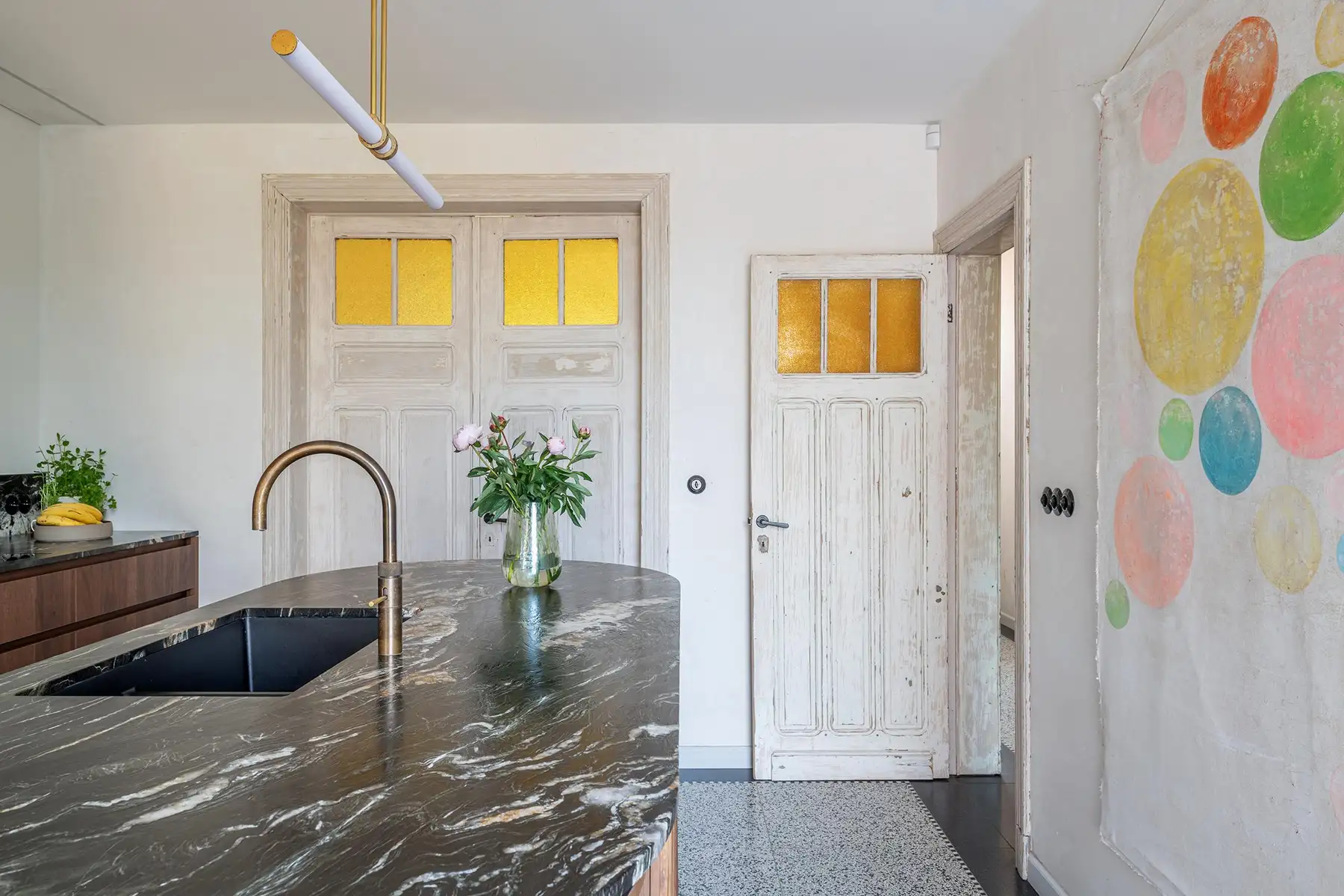
The process of creating a light object is full of technical particularities and is very unique because, in a sense, I create my own ‘light bulb’.
Do it! But know that you need to give yourself time to create your own language, to do your own thing.
I think art deco style with a dash of minimalism.
Kumi Sugai, Tezontle studio, Alexander Calder, and lots and lots of different endless images that I find online.
Ariele Alasko, Michael Anastassiades, Richard Caldicott, Rodger Stevens, Mara Hoffman, Daria Zinovatnaya, to name a few.
Ugo Rondinone, Paul Kremer, Gidi Gilam, and John Nicholson are contemporary artists I am inspired by.
Delicate with an Umph!
“I wanted to challenge the way we use and design light in our living spaces.”
The Questions
(The Proust Questionnaire is a set of questions answered by the French writer Marcel Proust.
Other historical figures who have answered confession albums are Oscar Wilde,
Karl Marx, Arthur Conan Doyle, Stéphane Mallarmé, Paul Cézanne…)
Calm
To give up my studio
I can be impatient sometimes
Disrespect
–
Skincare
Anxious
Being nice
Passion
Curiosity
–
Playing drums
I would like to be calmer
My family
A cat
In a big city
My studio
Being apathetic
Image watching… online… on my mobile…
Funny
Not judgemental
Karl Ove Knausgaard
–
–
My grandmother
My son’s name – Lavy
Bureaucracy
That my father is not alive to see my work and success
In my sleep and of old age
I don’t have one
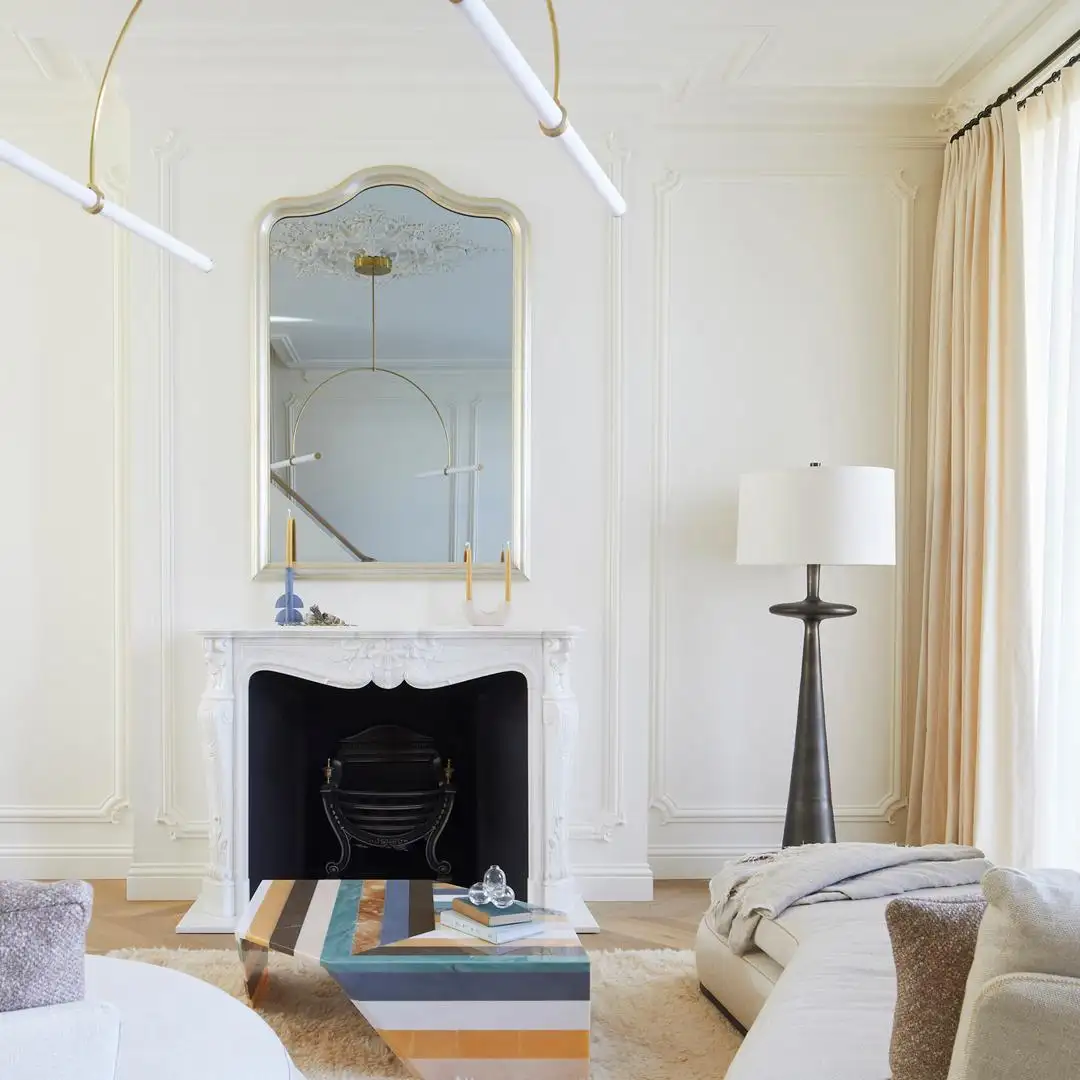
“The process of creating a light object is full of technical particularities because, in a sense, I create my own ‘light bulb’.”
SHARE :