Estudio Orth
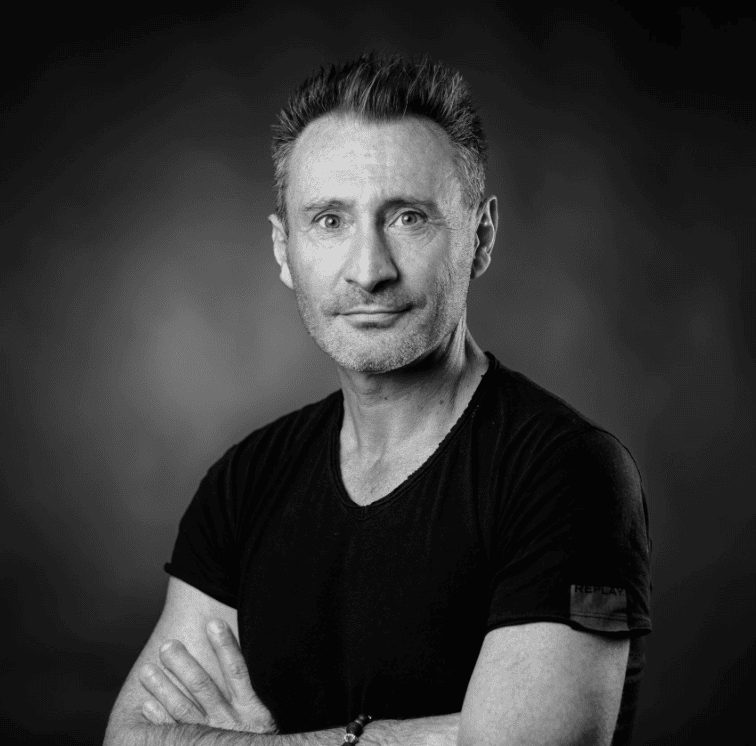
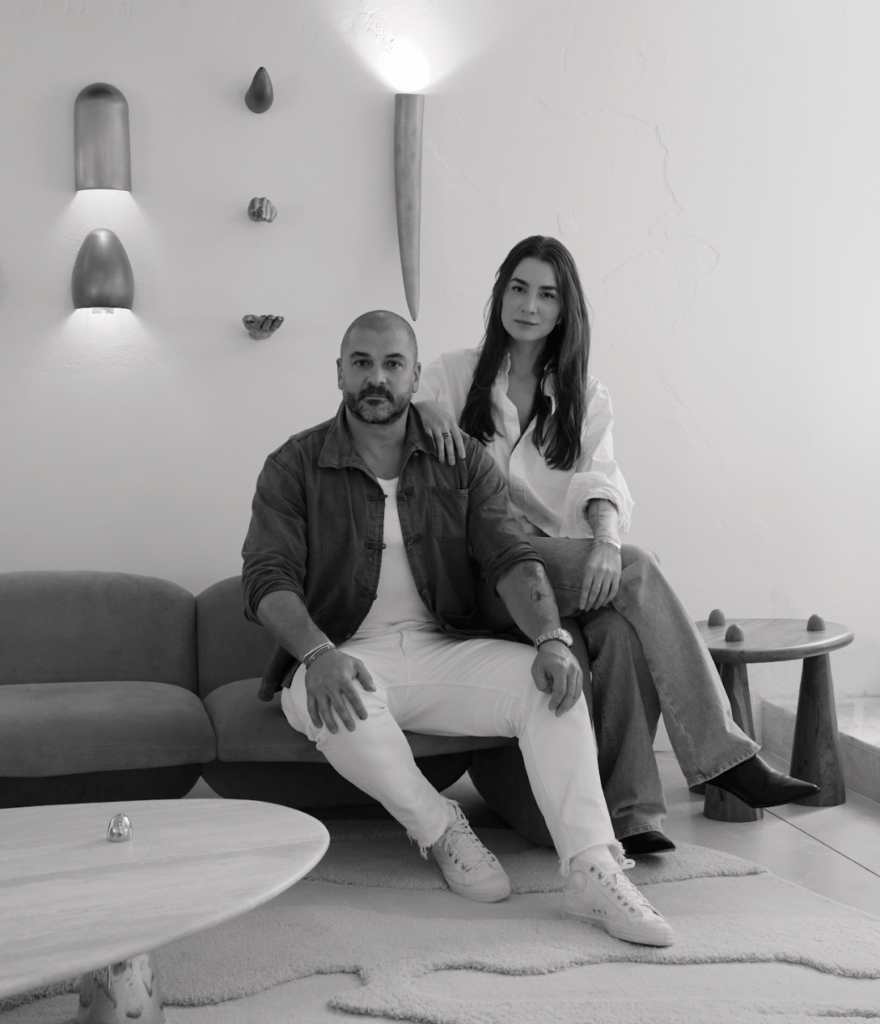
Estudio Orth is a multidisciplinary furniture and interior design studio based in São Paulo. Founded in 2018, it is led by the couple Seba Orth (designer) and Luísa Bianchetti (visual artist), who have been guiding the studio from its foundation.
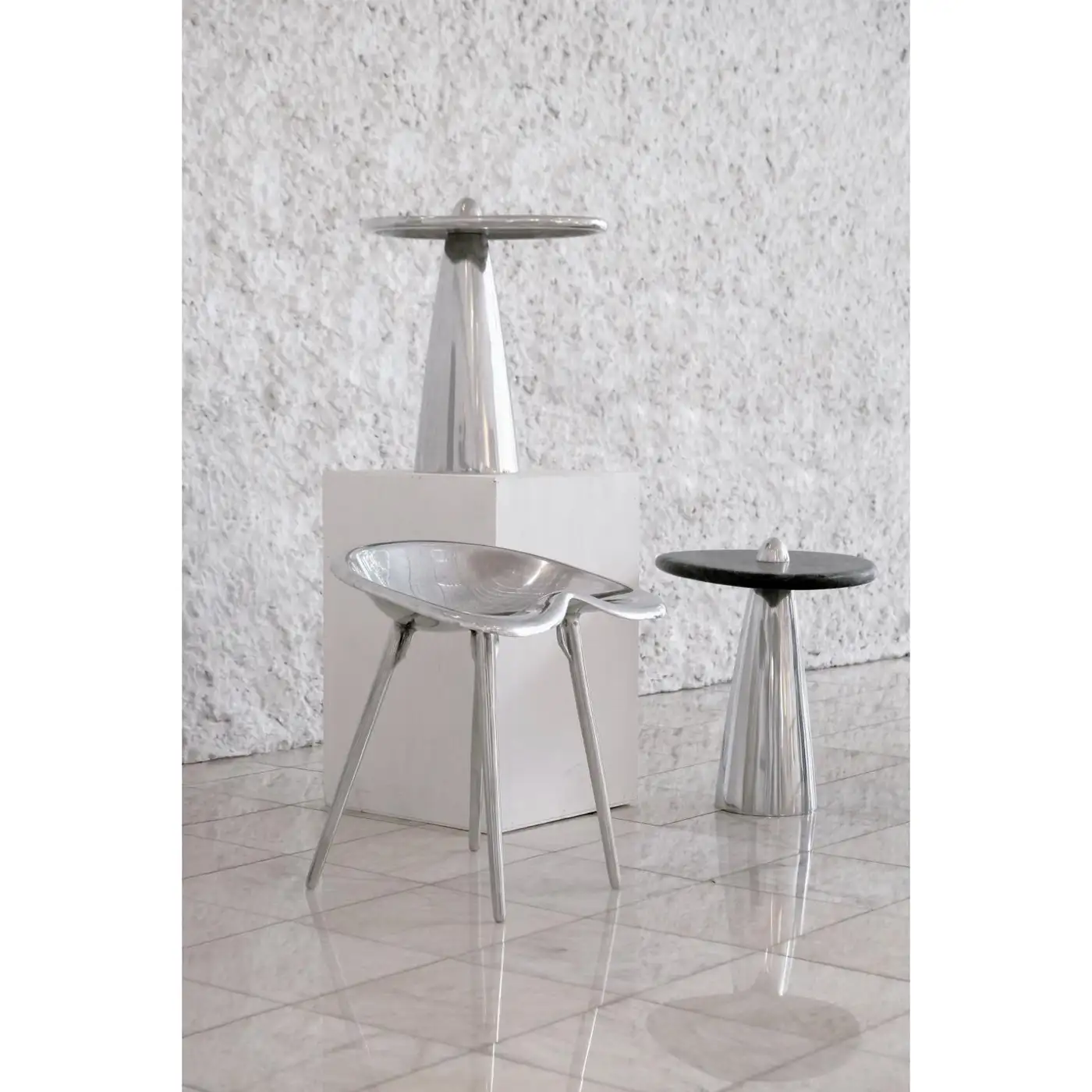
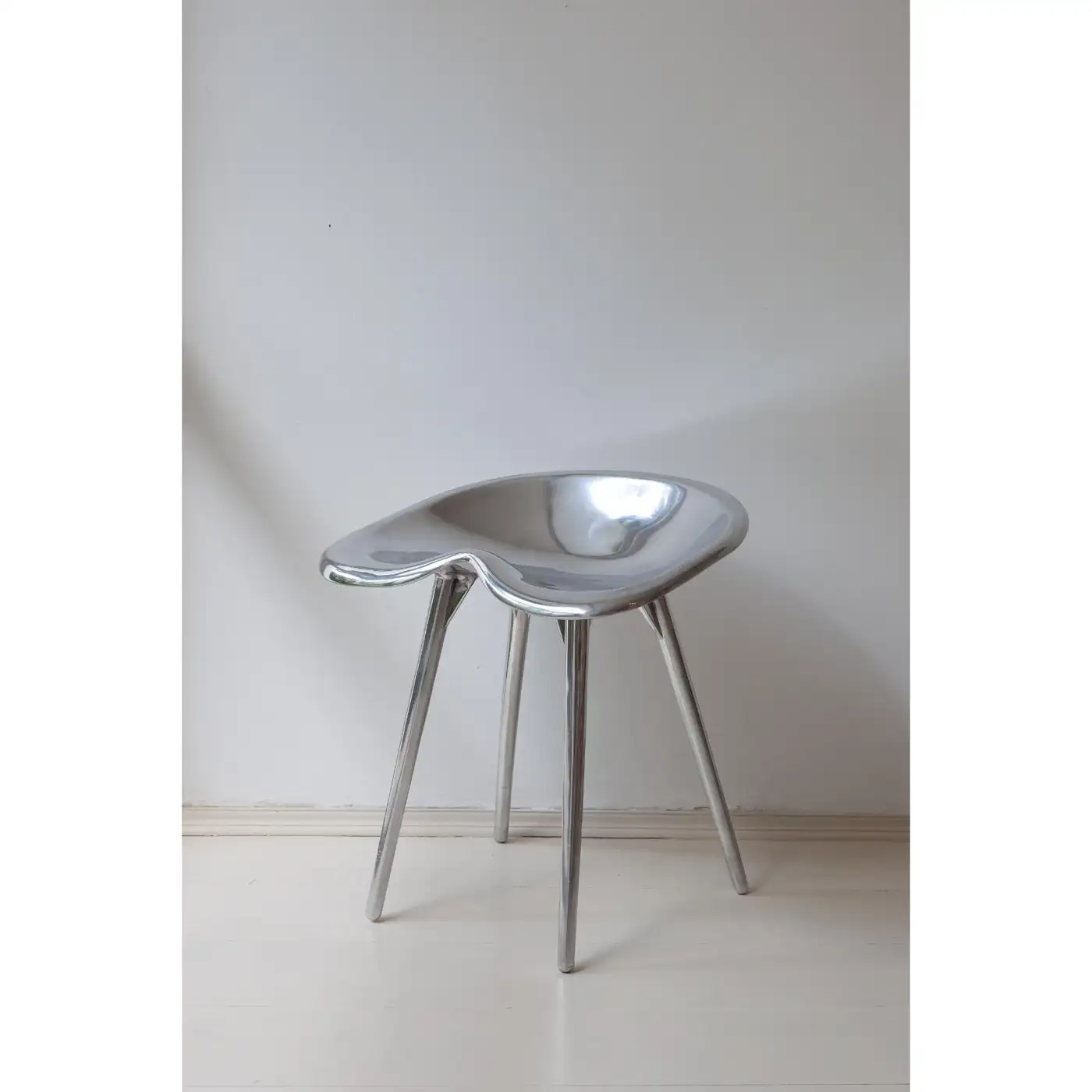
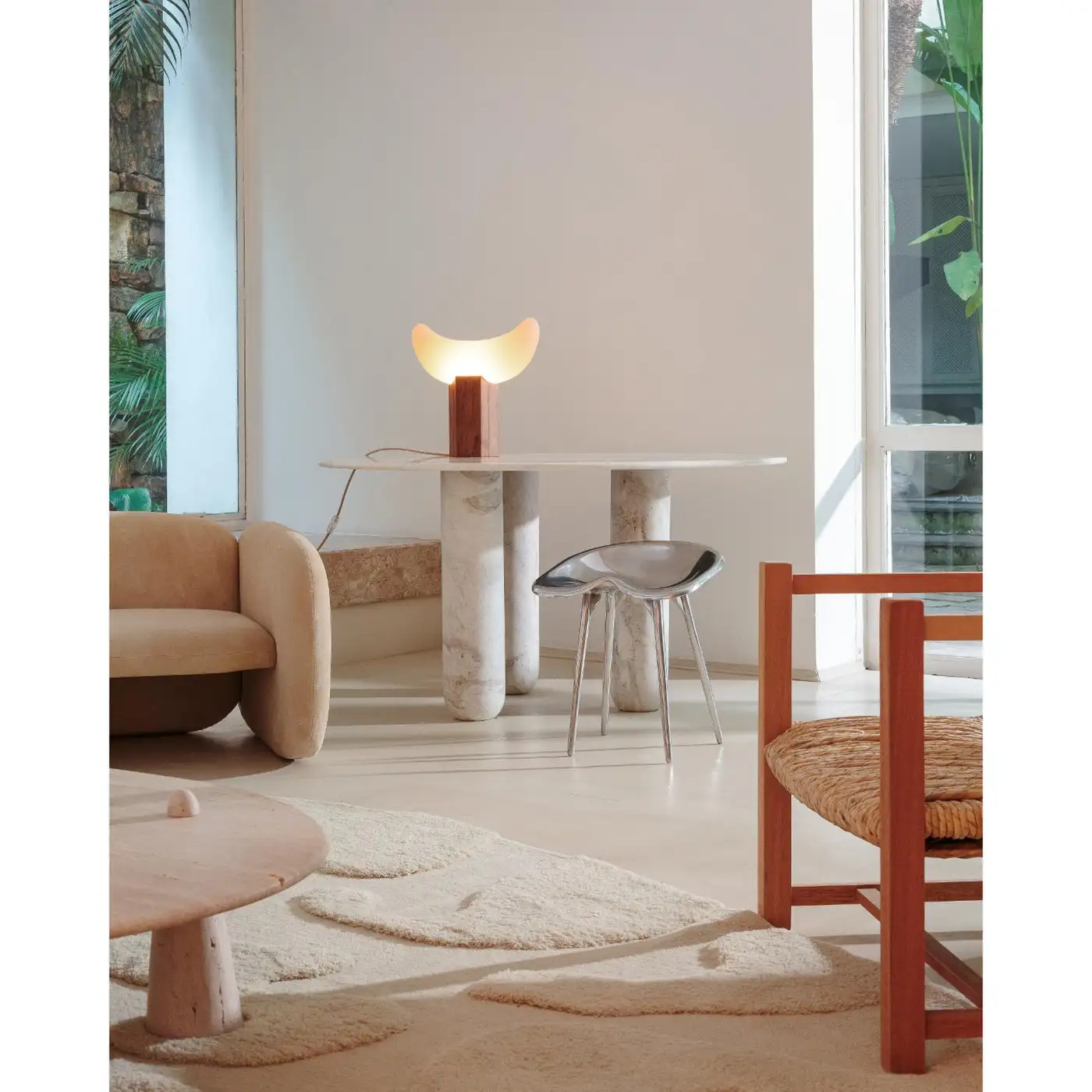
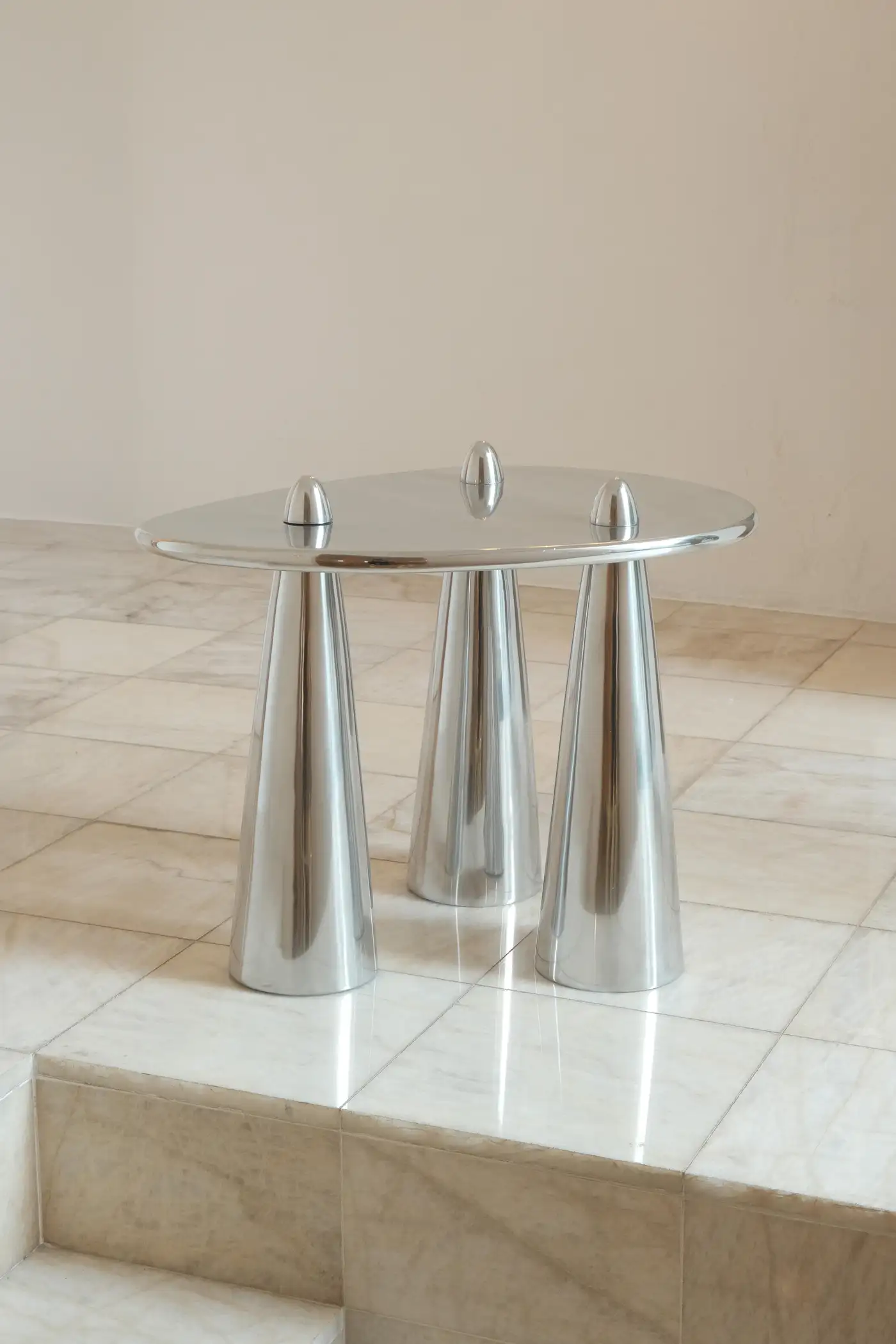
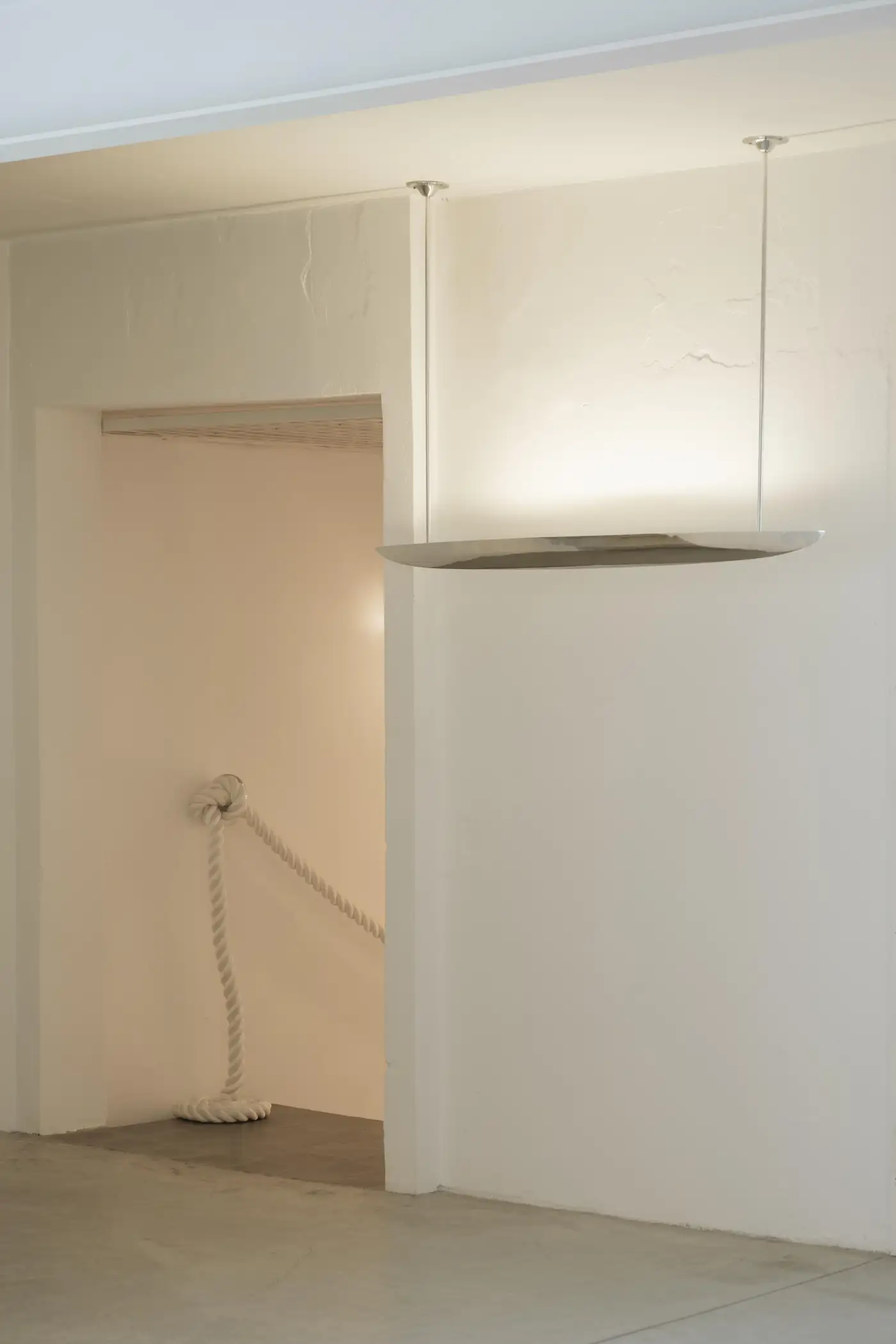
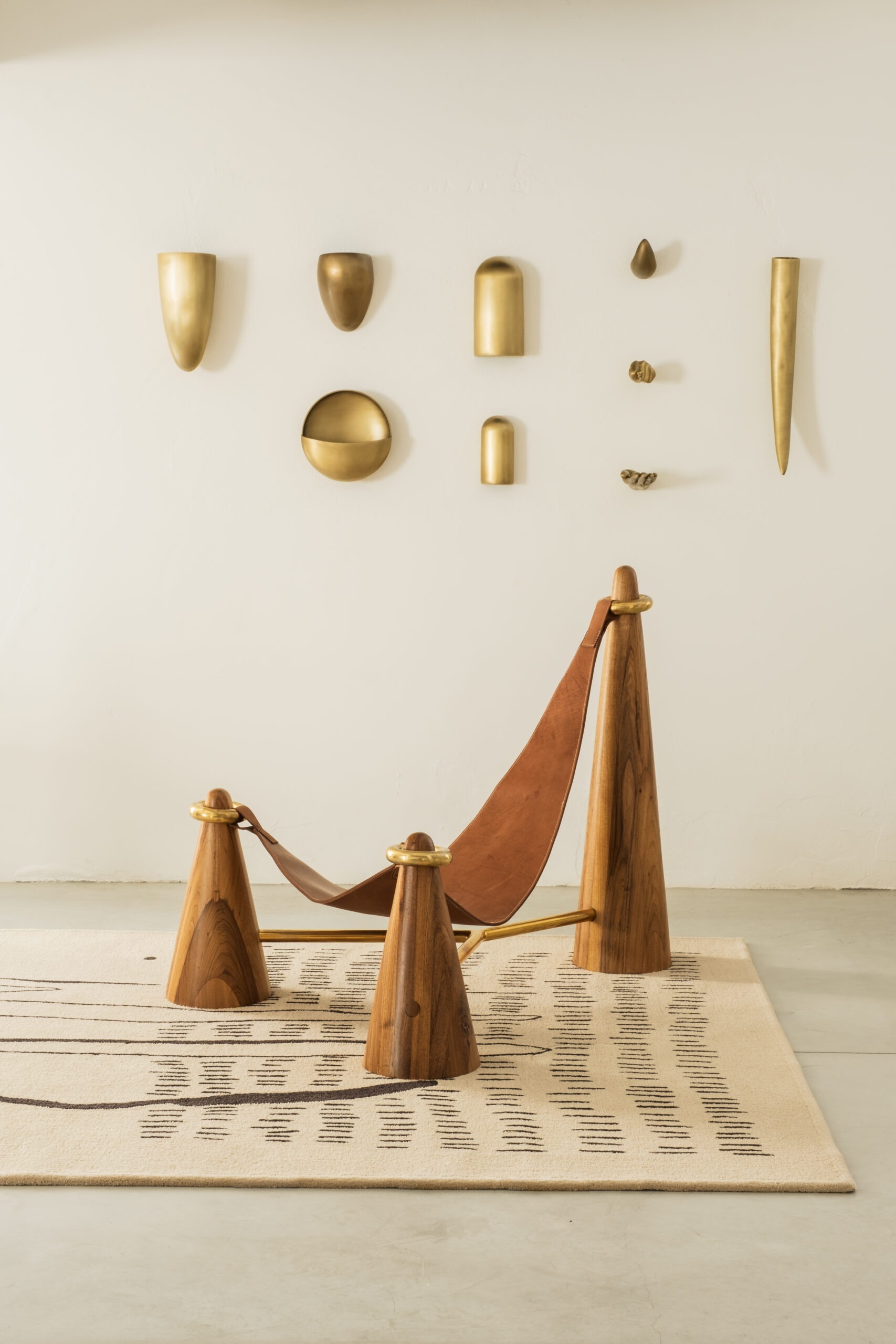
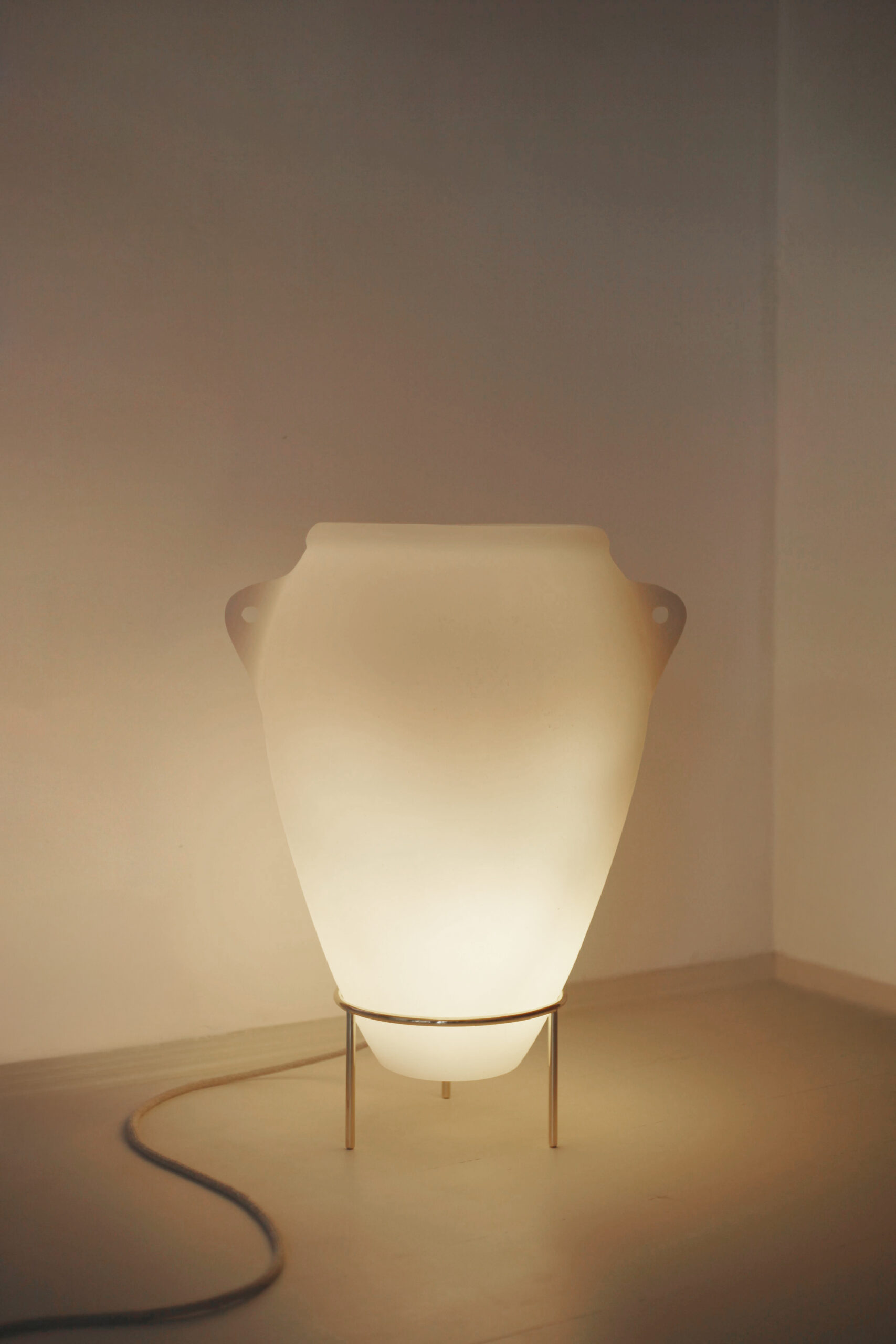
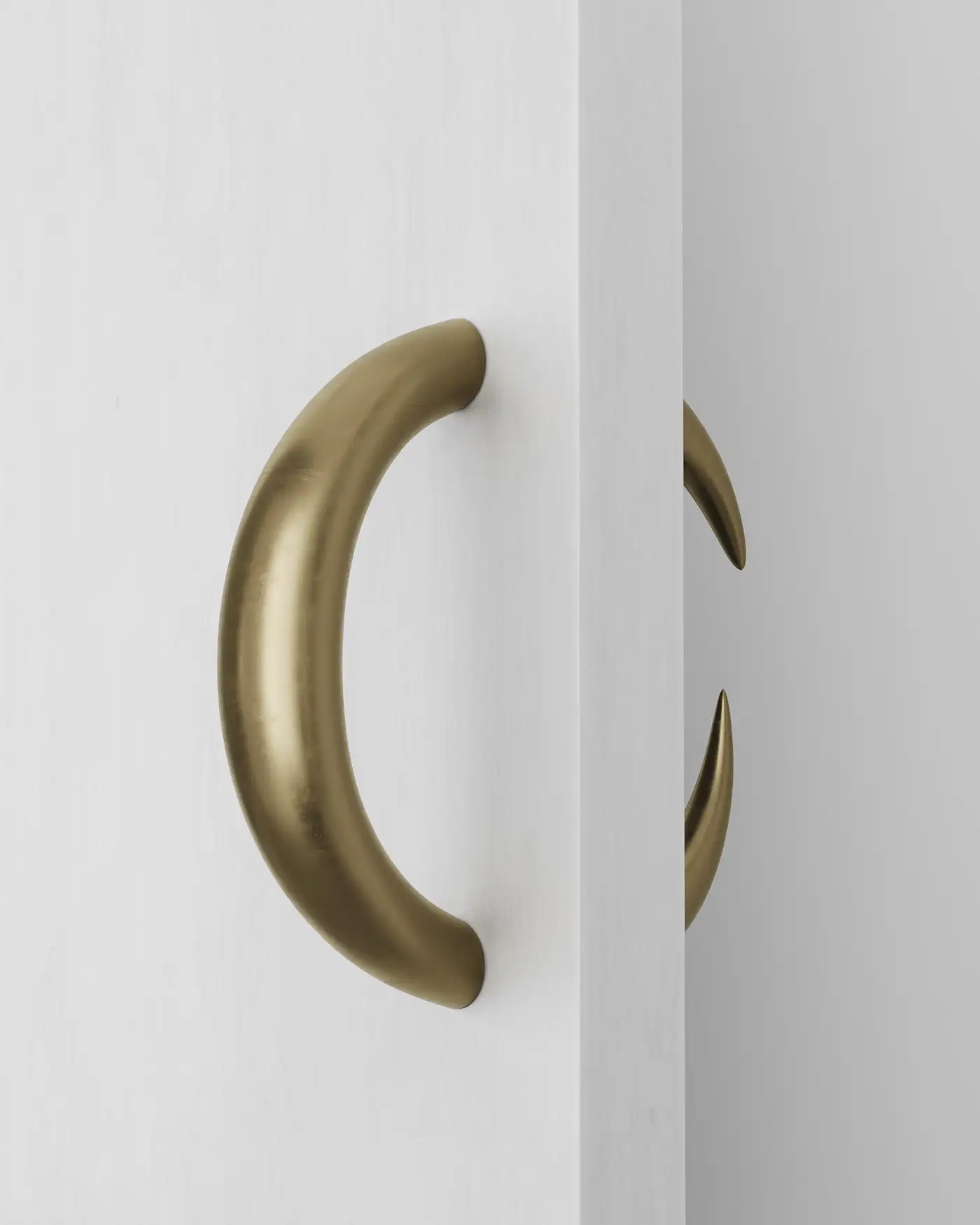
With a maximalist palette of materials in service of a minimalist language, its work presents a sculptural approach to functional items such as lighting fixtures, seating, tables, rugs, and everyday accessory objects. Its practice engages with themes such as symbolism and brutalism, exploring forms that move between organicity and rationality.
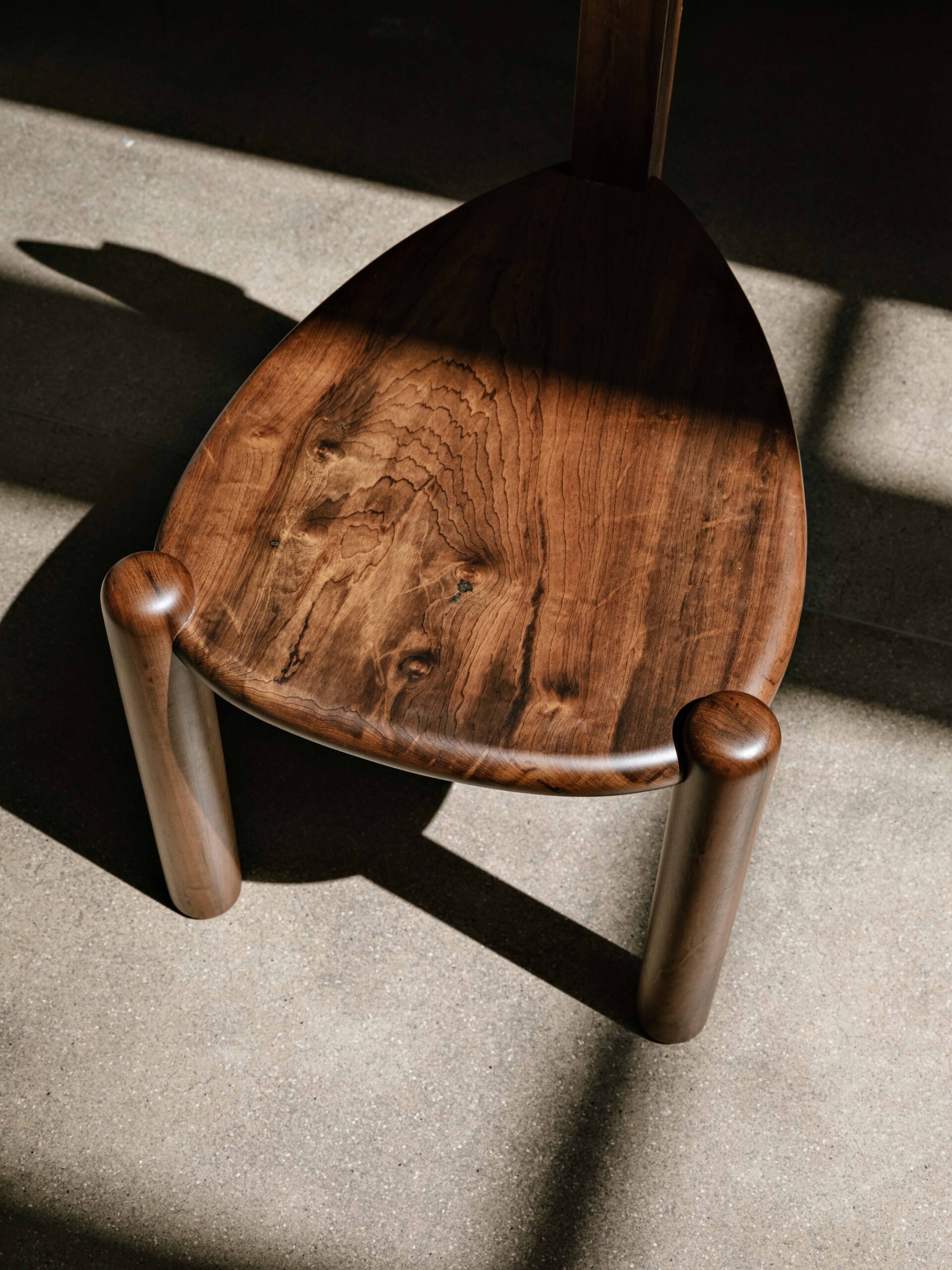
All pieces are meticulously handcrafted by master artisans, one at a time. In the creative process, ancestral techniques such as metal casting, solid wood carpentry, and the use of exotic Brazilian stones lend material identity and maturity to the products.
Interview
I was born in Nice, in the south of France. And I’ve been living in Brazil for 20 years.
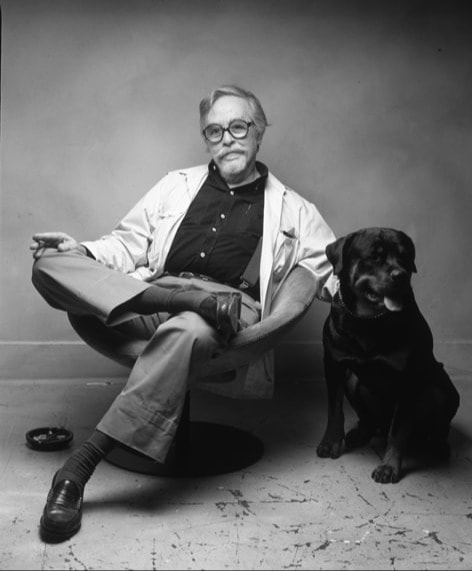
As a child in Nice, I remember crossing paths with the artist César Baldaccini, who lived in the city. He wore a denim jumpsuit and had a white beard; it was the first image I had of what an artist could be. His work has stayed with me ever since as a strong influence.
Yes, I’ve always been part of that world. It was a natural, almost inevitable path.
It started out of practical need. I began creating and participating in works for homes, apartments, restaurants, and stores. I didn’t want to design just the interiors, but also the furniture and lighting. Gradually, I developed my own techniques and a personal language.
Everything starts with the material: stone, metal, wood. The process is artisanal, handmade, and without industrial methods. My language is born from the meeting of emotional memories from the south of France and the strength of Brazilian brutalism, influenced by Luisa, who was born in Brasília, a city that is a manifesto in itself.
I’m driven by a creative obsession. My days are intense, focused on bringing as many ideas to life as possible, in a spontaneous and visceral way.
Because they are natural materials, with soul. They carry stories, time, and imperfections (all the things that interest me). They are all of Brazilian origin, calling on the country’s unique and natural richness.
Each piece is handmade, with almost sculptural attention. The techniques are my own, and each work carries a tension between brutality and sensitivity. Our pieces have a presence in space, as if they were alive.
Follow your instinct. Take care of your obsessions. Don’t doubt, move forward.
Neo-Romanticism and tropical brutalism.
I’m more influenced by artists like César Baldaccini, Picasso, and Giacometti, and also by architects such as Oscar Niemeyer and Lina Bo Bardi.
The Campana brothers.
Pierre Soulages, César, Giacometti, Tunga.
Design with soul.
I believe sculptural design is a way of restoring presence to the object, making it almost human, imperfect, enigmatic, and alive.
“Design with soul.”
The Questions
(The Proust Questionnaire is a set of questions answered by the French writer Marcel Proust.
Other historical figures who have answered confession albums are Oscar Wilde,
Karl Marx, Arthur Conan Doyle, Stéphane Mallarmé, Paul Cézanne…)
To create and build.
Doing nothing.
Impatience.
Conformism.
Luisa, my wife and partner.
Living without a homeland.
Anxious, always.
Faith.
Sincerity.
Maturity.
Chic.
To play a musical instrument.
To be calmer and more serene.
The next one.
A dolphin.
On a sailboat.
I don’t care about things.
Ignorance.
Creating.
My energy.
Sincerity.
Marcel Pagnol and Charles Baudelaire.
Ulysses.
Joan of Arc.
John Lennon.
Orpheus, Pacôme.
Conservatism and conformism.
Wasting too much time.
At sea.
“Impose your luck, seize your happiness, and go toward your risks. Once they see you, they’ll get used to it.” — René Char
“I believe sculptural design is a way of restoring presence to the object, making it almost human, imperfect, enigmatic, and alive.”
SHARE :