Ise City, Mie Prefecture, Japan.
MAGAZINE · INTERVIEW
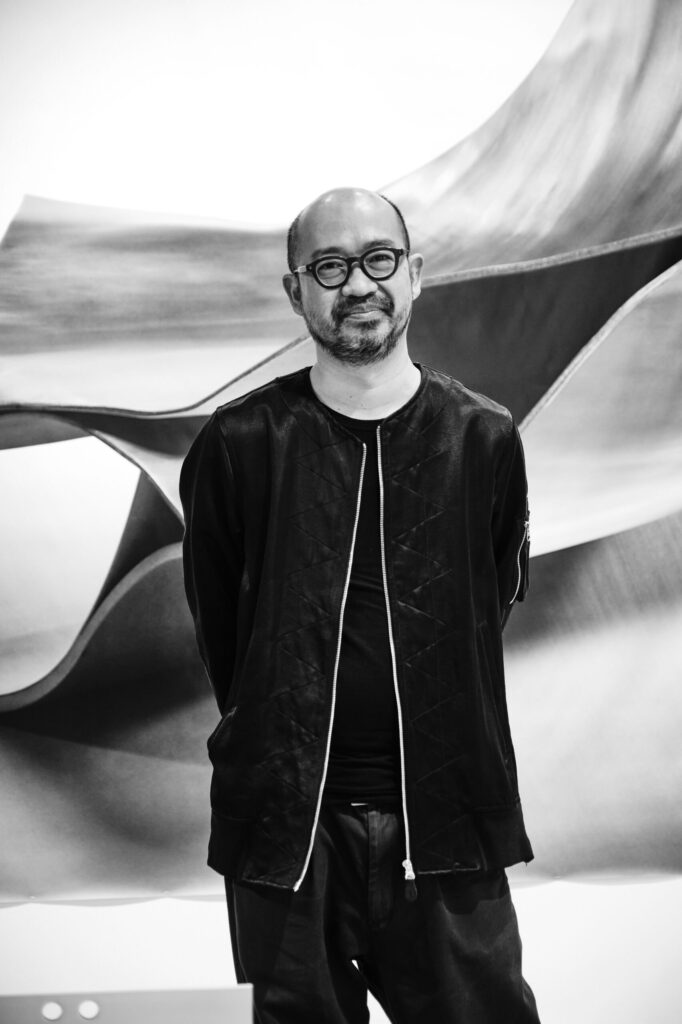
Toshiki Omatsu
Toshiki Omatsu is a Tokyo-based Japanese designer, born in 1973, and a member of the Architectural Institute of Japan. He graduated from the Kyoto Institute of Technology, Department of Architecture and Design (B.Arch.) in 1996, and later received a diploma from The Berlage Institute in Amsterdam in 1999, supported by the Japanese Agency for Cultural Affairs’ Overseas Study Grant.
After working in several architecture offices across London, Tokyo, and Hong Kong, he founded his own practice, Toshiki Omatsu Atelier, in 2005, where he designs architecture, furniture, products, and artworks. Over the years, he has won several competitions in Japan. He currently serves as Chairperson of the Space Design Department at Kuwasawa Design School in Tokyo, the oldest design school in Japan.
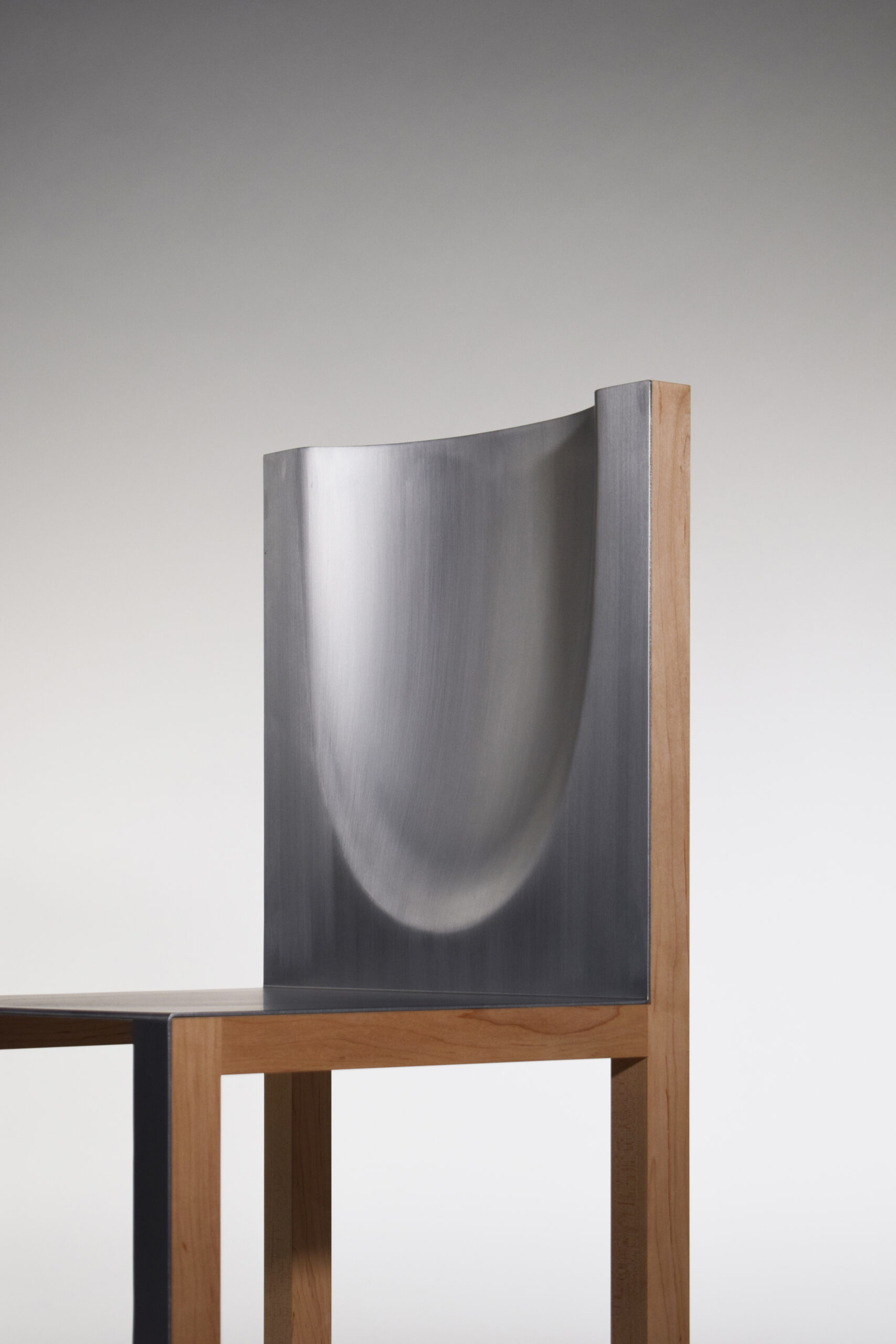
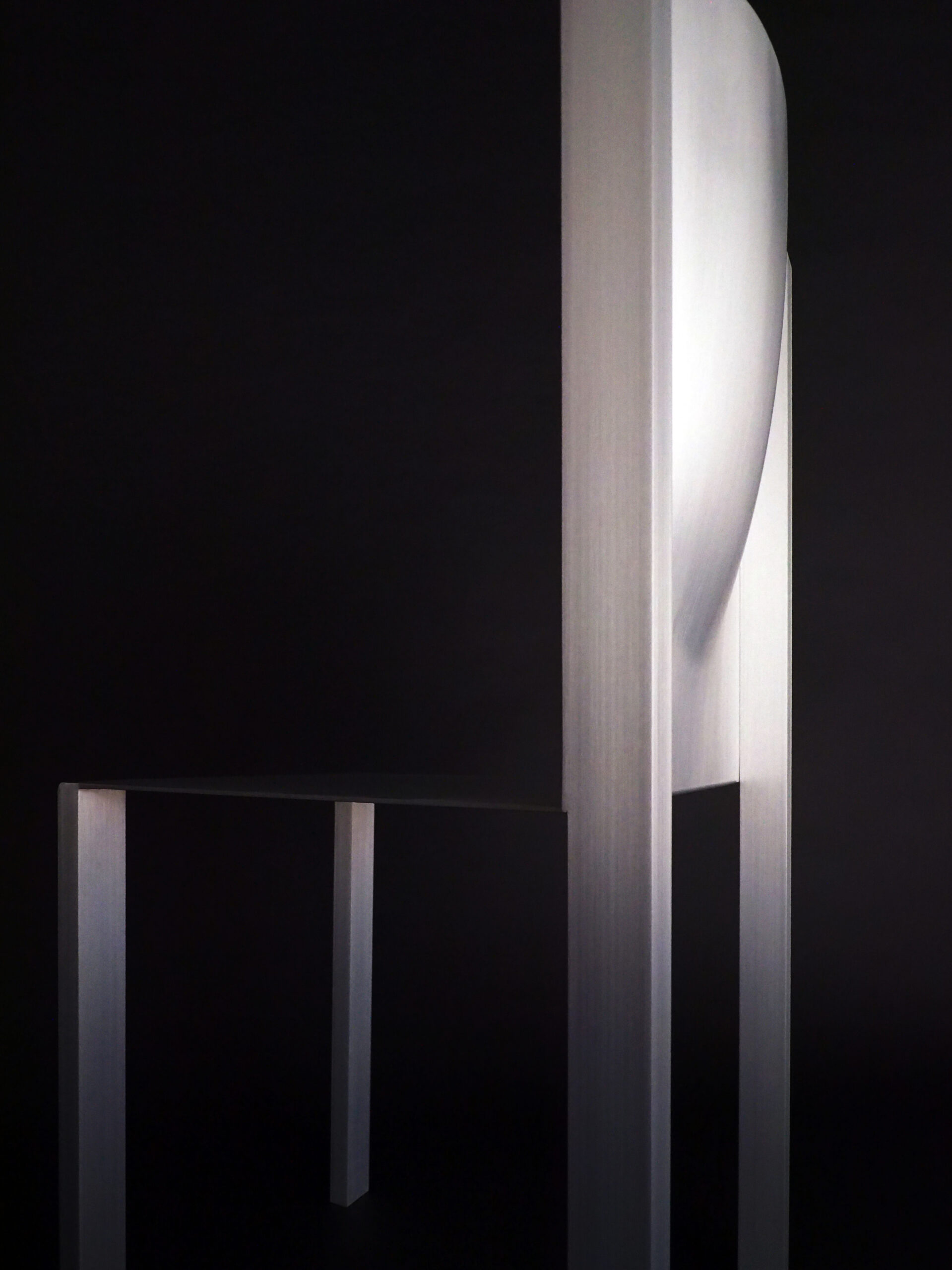
Since 2018, Omatsu has been actively developing furniture under the concept “Aluminium x Technology beyond Art & Design”, with a particular focus on the expressive and technical potential of aluminum.
Let's know more about
Interview
Where were you born and where are you from?
What is your first memory connected to the art world?
My parents’ house is close to Ise Shrine, so I have often visited there since I was a child. While shrines are not considered art, when I studied architecture at university, I was reminded of the sophisticated and overwhelming beauty of the forms dedicated to Kami, and I still feel that the roots of my creativity lie there.
Have you always worked in the art/design field?
Yes, in the fields of architecture and design.
What led you to design creation?
After working in architectural offices both in Japan and overseas, I opened my own office. At the same time, I started teaching at a design school, and I had more time for my own creative work, so I began to design my own works beyond architecture. Since architecture takes several years to complete, I started out thinking about something that would produce results in a shorter time, but some of the works ended up taking as long as the construction of the architecture.
How would you describe your creative process and its influences?
It is about exploring the limits of materials. I believe that by approaching the limits of a material, new possibilities and designs will emerge for that material. Also, because I work as an architect, I’m always taking on new structural challenges, whether I’m designing furniture or art.
Could you describe a typical day of your work?
I teach at school for about half the week, so I have two typical daily routines: teaching and non-teaching days.
On non-teaching days, I have a leisurely breakfast, quickly check my email, and then make a to-do list for the day. I often sketch new designs in the morning. I take a short nap after lunch, then work on creating three-dimensional objects or other objects during the light hours until the evening, and often read at midnight.
On teaching days, I’m often at school from morning until the evening. It takes an hour by train to get to the school in Tokyo, so I often think of various ideas on the train. After I get home, I often sketch or read in the dark and quiet hours of midnight.
Why did you choose the specific materials you work with?
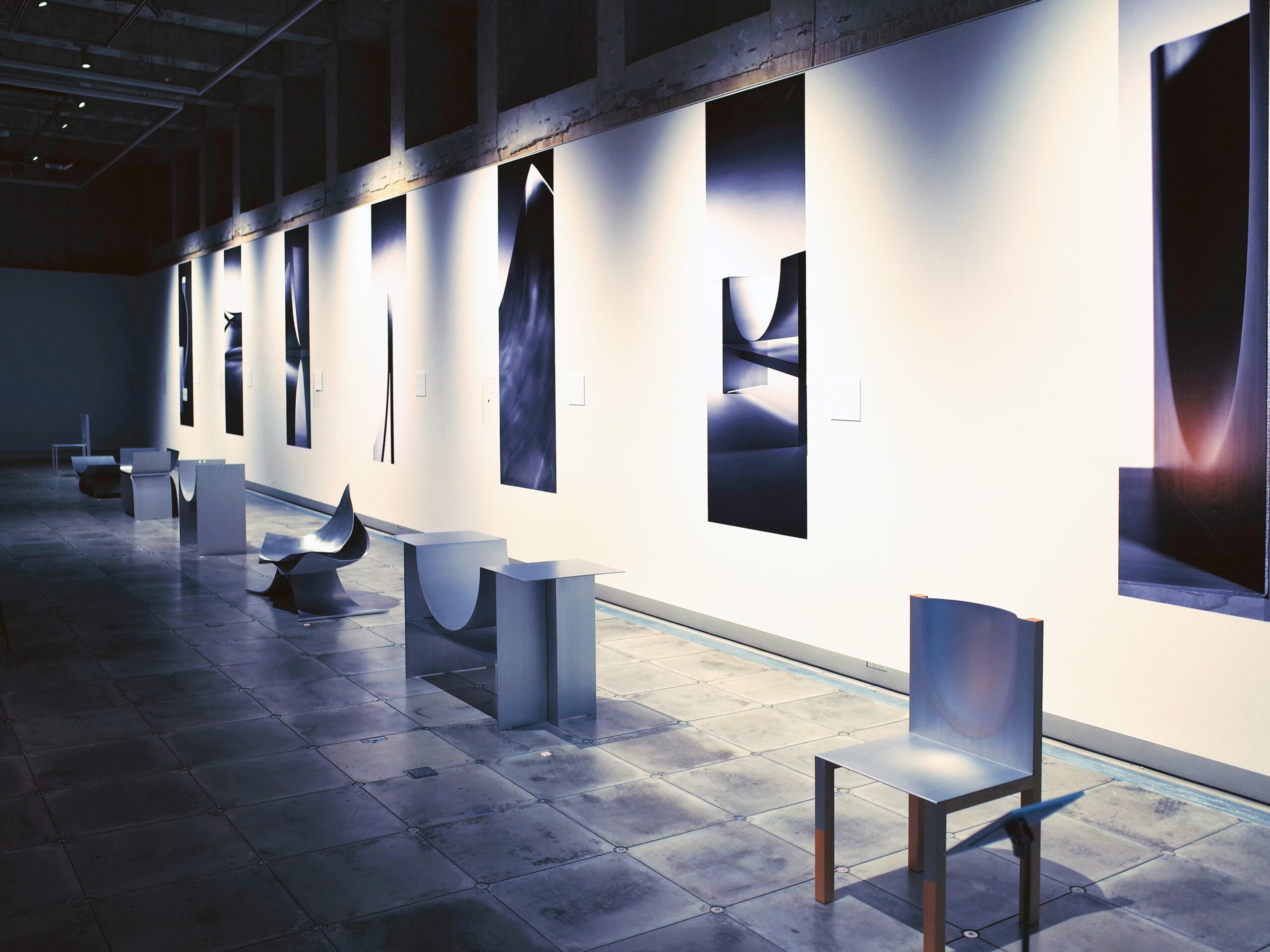
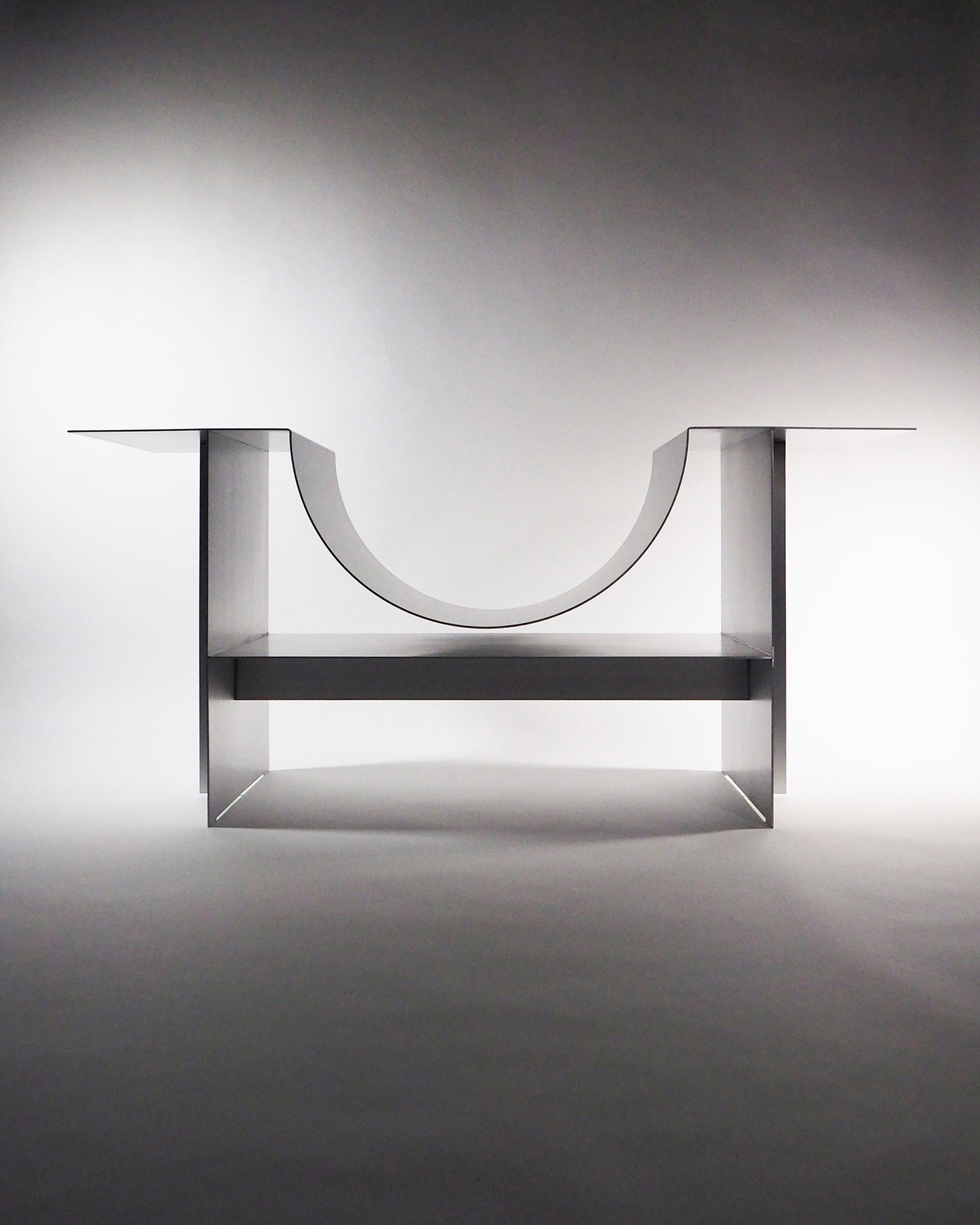
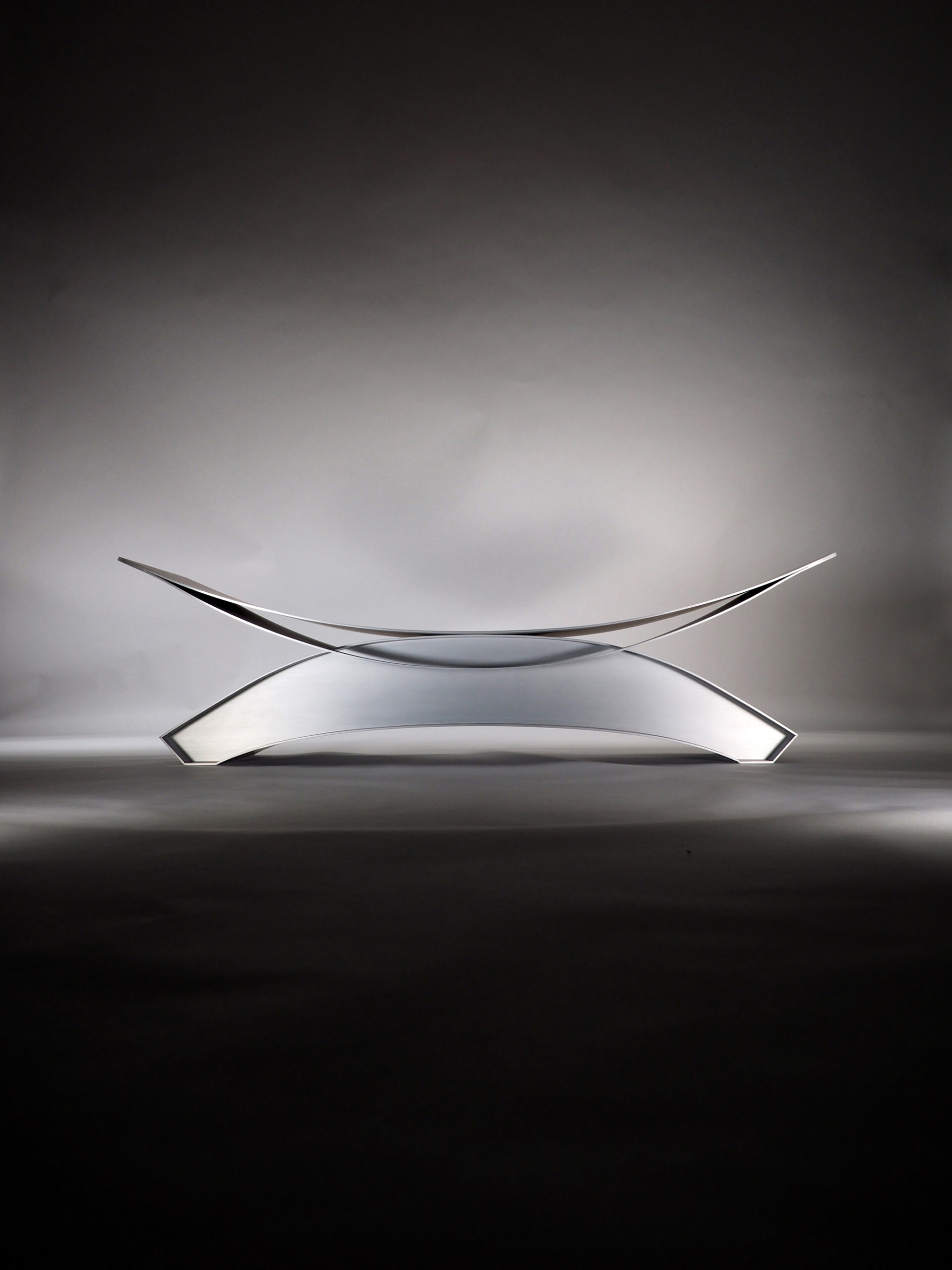
I often use aluminum because it has a good balance of hardness and softness among metals, and unlike iron or stainless steel, there are various difficulties in manufacturing it, so aluminum presents many challenges. Aluminum also has a warm feel and texture that other metals do not have. I am also attracted to it.
What are the technical particularities of your creations?
It combines cutting-edge machining techniques with skilled handwork.
What advice could you give to beginning artists who would like to create sculptural design works?
Even if you don’t get good results, by focusing on one particular material for a certain period of time, you can create something that is uniquely your own.
If your works had to belong to a design movement, how would you define it?
Renaissance.
What designers and artists have influenced you?
Michelangelo di Lodovico Buonarroti Simoni.
What contemporary designers do you appreciate?
Architects: Kazuo Shinohara, Seiichi Shirai.
What contemporary artists, in any kind of art, have you been inspired by?
Dani Karavan.
If you had to summarize your creations in one word or sentence, what would it be?
Critical.
Is there anything you would like to add?
In Japan, there’s still a tendency to separate art and design, so I’d like to break down that barrier.
“Consistency is key.”
The Questionnaire
The Questions
(The Proust Questionnaire is a set of questions answered by the French writer Marcel Proust.
Other historical figures who have answered confession albums are Oscar Wilde,
Karl Marx, Arthur Conan Doyle, Stéphane Mallarmé, Paul Cézanne…)
What is your idea of perfect happiness?
Losing all interest in money, status, or honor.
What is your greatest fear?
Losing all interest in design.
What is the trait you most deplore in yourself?
Laziness.
What is the trait you most deplore in others?
Laziness.
Which living person do you most admire?
Mitsuru Adachi (Japanese manga artist).
What is your greatest extravagance?
Proud of being anonymous.
What is your current state of mind?
Half resignation, half renewed hope.
What do you consider the most overrated virtue?
Justice.
What is the quality you most like in a man?
Sincerity.
What is the quality you most like in a woman?
Sincerity.
Which words or phrases do you most overuse?
Abstraction.
Which talent would you most like to have?
The ability to flatter clients.
If you could change one thing about yourself, what would it be?
Laziness.
What do you consider your greatest achievement?
Many graduates.
If you were to die and come back as a person or a thing, what would it be?
A hawk.
Where would you most like to live?
Florence.
What is your most treasured possession?
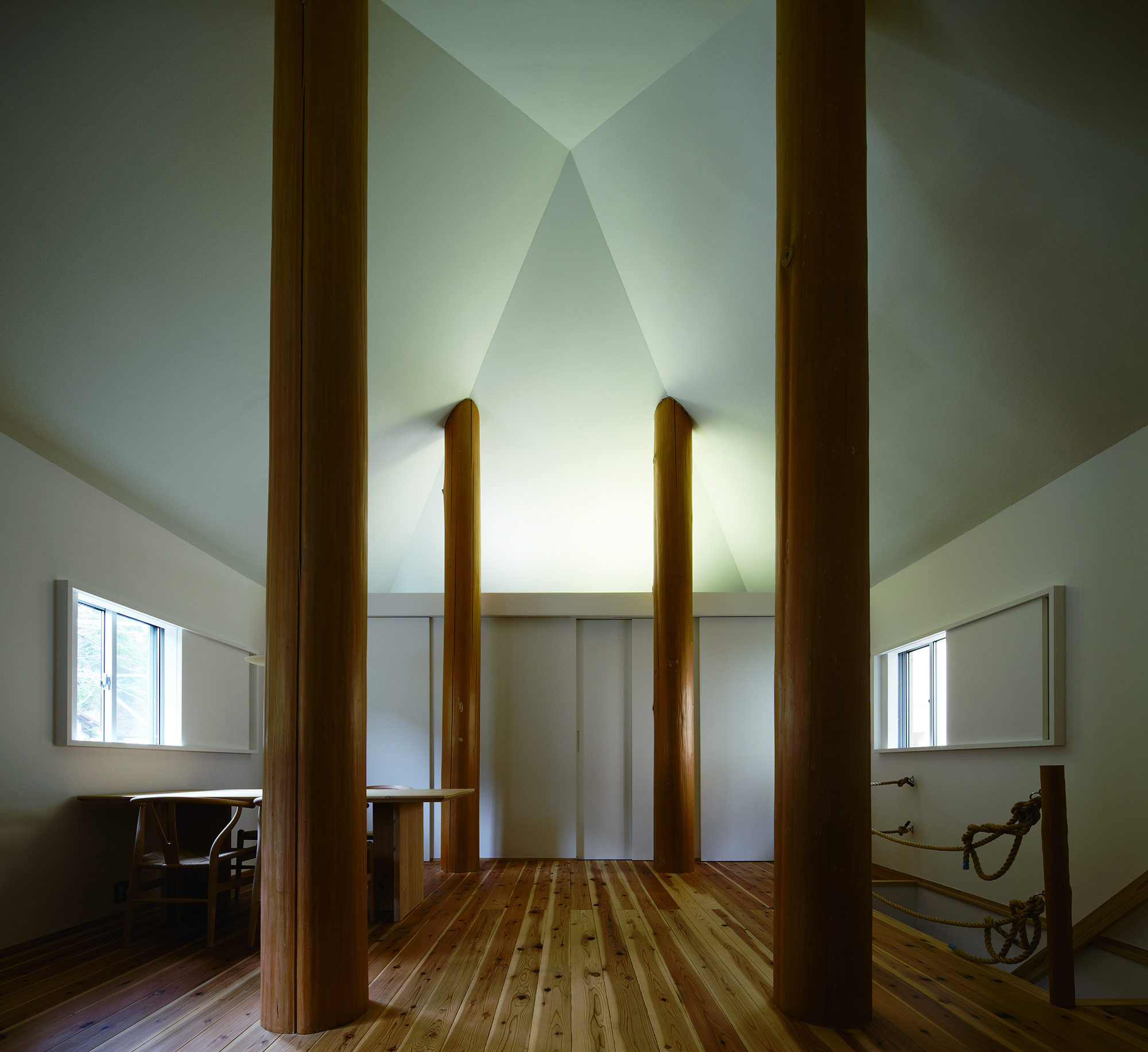
My own house I designed.
What do you regard as the lowest depth of misery?
Living in a society filled with useless design.
What is your favorite occupation?
Architect.
What is your most marked characteristic?
An inability to give up.
What do you most value in your friends?
Without any consideration of money, status, or prestige.
Who are your favorite writers?
Arthur Rimbaud, Charles-Pierre Baudelaire.
Who is your hero of fiction?
Michel Poiccard in the film “À bout de souffle“.
Which historical figure do you most identify with?
Michelangelo di Lodovico Buonarroti Simoni.
Who are your heroes in real life?
Everyone except myself.
What are your favorite names?
Michelangelo.
What is it that you most dislike?
Lies and Success.
What is your greatest regret?
The first house I designed.
How would you like to die?
When I’ve stopped being afraid of death.
What is your motto?
Consistency is key.
“Even if you don’t get good results, by focusing on one particular material for a certain period of time, you can create something that is uniquely your own.”
SHARE :