
AIM Architecture
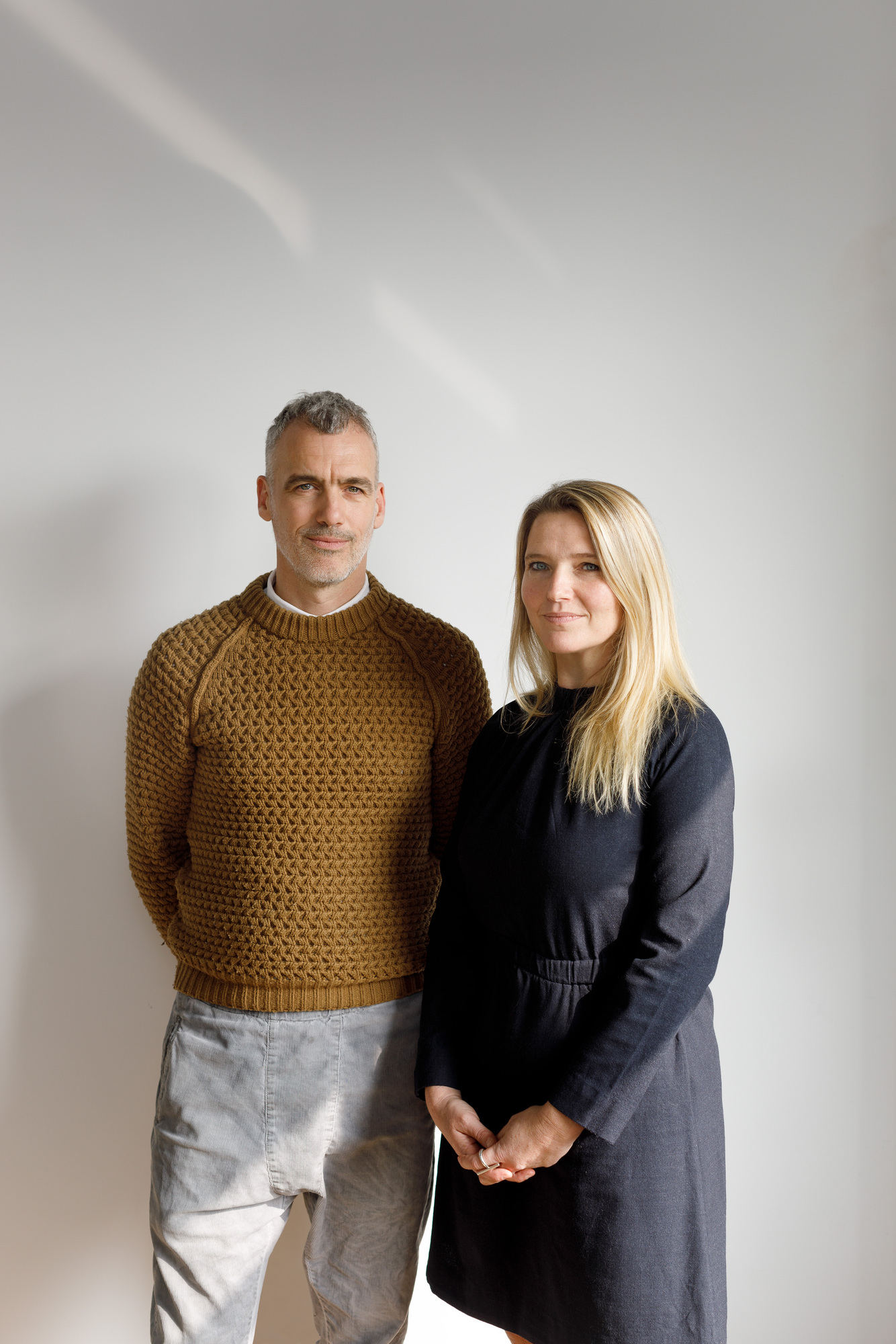
Founded in 2005 by Belgian architect Wendy Saunders and Dutch architect Vincent de Graaf, AIM Architecture is an international design studio working across architecture, interior design, and product design. Headquartered in Shanghai, with offices in Antwerp and Chicago, AIM operates globally while maintaining a strong sensitivity to local context.
AIM’s practice is rooted in a deliberate, project-specific approach, pairing concept with context and balancing vision with practicality. Their work is characterized by bold narratives, refined detailing, and a deep respect for materials and place. Through an integrated design methodology, AIM creates distinctive spaces that are both expressive and rigorously built, driven by a belief in design’s ability to generate positive impact on cities and everyday life.
1. How did your journey into architecture start? Did you always know you wanted to work as an architect?
AIM began almost by accident, or perhaps by instinct. Both of us, Wendy and Vincent, were living and working in Amsterdam when we decided to explore China, thinking we would stay for maybe a year. Shanghai at that time was growing at an impossible speed, a city where the ground could shift beneath your feet overnight. Instead of feeling intimidated, we felt energized. It was a place where architecture wasn’t theoretical; it was lived, improvised, negotiated in real time.
Before founding AIM, we each spent our first months working for local Shanghai architecture companies. Immersing ourselves in that environment—its intensity, its pragmatism, its constant push to reinvent—sharpened our understanding of what architecture could be there.
Very quickly, we realized we wanted to build something of our own. Not because we had a grand plan, but because it felt inevitable. We saw an opportunity to design with emotional clarity in a context defined by continuous transformation. In China, architecture wasn’t about objects; it was about people, resilience, and experience. That energy, that immediacy, is what pushed us to open AIM after only a few months.
2. What guides your very first steps in conceiving a building, and how do you translate a client’s vision into architectural form?
We always begin with listening to the client, of course, but also to the site, the program, the cultural context, and the emotional undercurrents of the brief. What is the client truly trying to create? What feeling should linger in the visitor after they leave?
We strip away everything unnecessary until we reach the core intention. Only then do we start building up again. The form emerges naturally from purpose, not the other way around.
3. How would you describe your design style as an architect?
We resist the idea of a “signature style.”
If AIM has a style, it is one of emotional clarity, of spaces that feel inevitable, honest, and human.
Across our work, you’ll find:
- raw, tactile materiality
- a fascination for light
- bold but essential gestures
- a sense of rhythm between intimacy and openness
- an attention to how spaces move, not just how they look
We don’t design for trends or visual noise. We design for presence.

Taoxichuan Hotel, The Unbound Collection by Hyatt, Jingdezhen, China © Wen Studio
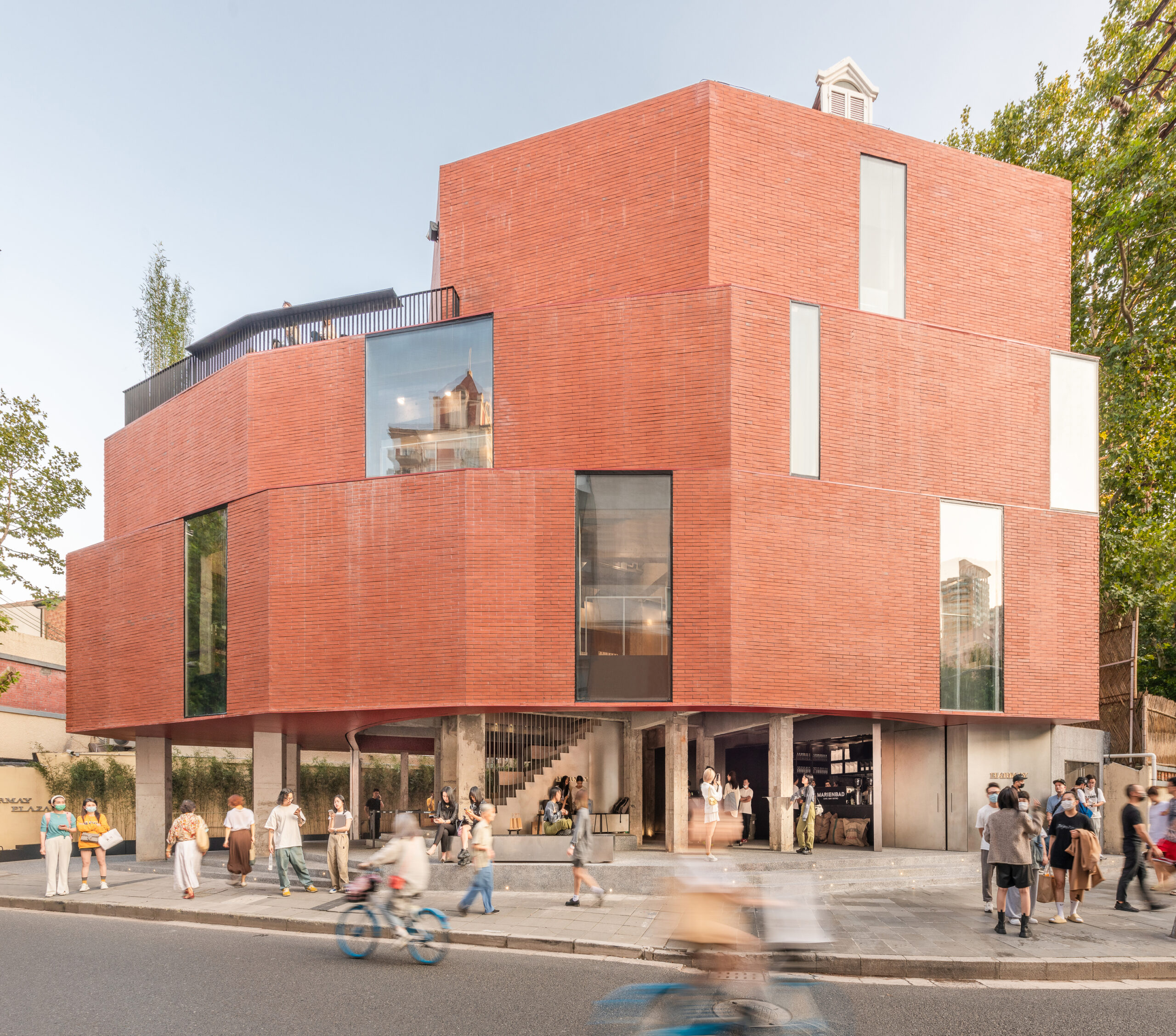
HARMAY Fang, Shanghai, China © Dirk Weiblen
ZARA Nanjing Xinjiekou Flagship Store, Nanjing, China © Seth Powers
4. Could you tell us about one of your projects that you are most proud of, and share what it is about this project that is exciting?
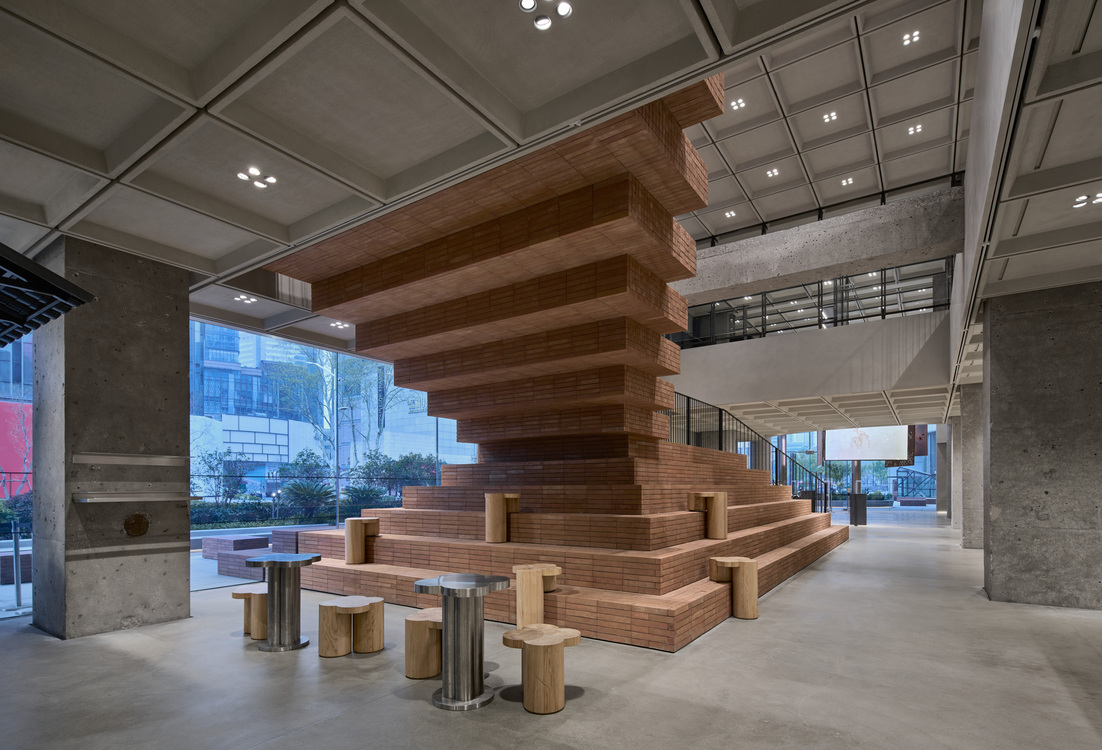
A project that means a lot to us is HARMAY Fang, because it allowed us to convince a retail brand to give something rare back to the city: public space.
The site sits in a historic Shanghai neighborhood where long-time residents and a new young crowd coexist. Instead of maximizing retail area, we opened the entire ground floor to the street, transforming a corner building into a small public plaza, a place for neighbors to sit, gather, wander through, or simply watch the city move. Street vendors pass through, people cut across the space, and the store becomes part of daily life rather than a sealed-off commercial box.
Inside, each floor reinterprets the textures of old Shanghai alley life: layered, imperfect, communal. From the stainless-steel staircase that winds through the building, to the lane-house floor patterns, to the rooftop inspired by DIY neighborhood add-ons, the project embraces the messy beauty of the city instead of sanitizing it.
What excites us most is that HARMAY Fang behaves less like a store and more like a neighborhood anchor. It gives a second and third life to an old structure, honors the stories embedded in it, and activates new ones. For us, it proves that retail can be generous, that architecture can create value not only for a brand, but for a community.
5. It must be hard to choose from, but what are your favorite architectural works in the world, and could you tell us why?
It’s a difficult question because it really depends on how much a building moves me, and that can shift depending on the moment or the context. But one encounter that has stayed with me is seeing the work of Lina Bo Bardi for the first time. The power, purity, and boldness of her architecture hit me immediately. It was a shock to the system in the best way. And discovering that a woman had created these monumental, uncompromising works was profoundly liberating. It made me feel that this kind of architecture, commissioned, built, and loved, was possible.
6. What is the part of your work as an architect that you enjoy the least?
The increasing pressure to produce instant answers. Architecture needs time. Time to observe, to question, to breathe. The pace of contemporary development sometimes pushes against that necessary slowness.
But perhaps it also makes the work more meaningful; restraint becomes a form of resistance.
7. What are your inspirations? Is there a place, a figure, or an activity that always fuels your inspiration or always re-centers you?
Inspirations come from many places, but most of all from life itself; the people, textures, and moments that surround you every day when you stay open to them. At the same time, we think it’s essential to keep stepping outside our comfort zone. To look at and engage with people and places that sit just beyond the familiar. Those edges, slightly uncomfortable, unpredictable, are where things start to happen, where ideas shift, and where new ways of seeing take root.
8. Is there a motto that resonates in all your designs? A mantra that you live by when building?
“Build less, feel more.”
We try to intervene lightly, purposefully, and with emotional intention. The goal is not to impress, but to reveal.
9. AIM’s work often transforms commercial and public spaces into environments with a strong emotional and atmospheric identity. How do you design spatial experiences that remain memorable while still serving the practical needs of daily use?
For us, emotion and function are not opposites, they are inseparable.
A space that works well is already halfway to being memorable. Flow, clarity, and usability create comfort; comfort creates receptivity; and receptivity makes atmosphere possible.
We design experiences through:
• sequencing (a narrative of spaces)
• materiality that invites touch and presence
• social choreography, designing for how people meet, gather, pause, and move
• proportion that shapes how the body relates to the space and to others
The result is a place that feels intuitive and alive, not just efficient, but socially meaningful.
10. Many of your projects reinterpret existing structures in dense urban contexts like Shanghai. How does working within an already complex city fabric influence the way you approach form, circulation, and interior–exterior relationships?
Working in Shanghai taught us that the city is already the architect.
We treat existing buildings as layers. Instead of erasing their past, we collaborate with it. Constraints, irregular grids, narrow alleys, and unexpected structural leftovers become opportunities for new forms of circulation, new kinds of intimacy, and new relationships between inside and outside.
Reinterpretation is not preservation or contrast; it is activation. It makes the old and the new speak to each other.
11. What do you think the new architectural projects of today need the most? Or asked differently, what is something that the buildings of today lack the most?
More than anything, today’s architecture needs to refocus on people, on creating spaces that genuinely activate social life. Too many new buildings are designed as isolated objects, beautiful from afar but disconnected from the communities around them.
What we feel is missing are:
- places that invite people to gather,
- environments that encourage interaction rather than consumption,
- spaces that extend the public realm instead of retreating from it.
Architecture should create social momentum, not just visual impact. Whether it’s a retail store, a cultural venue, or a mixed-use development, every project has the potential to become a catalyst for community, to bring strangers into proximity, to host informal rituals, to make a street or a neighborhood feel more alive.
In a world that moves fast and often feels fragmented, buildings must do more than function. They must connect, anchor, and bring people together. That, to us, is the real future of architecture.
12. What would be an advice that you wish someone had told you as you were starting out?
I wish someone had told me to trust my instincts more, that they would become one of my strongest tools. To dare to think bigger than what felt comfortable, and to be bold even when the path was unclear. I wish I had known that you don’t need to have all the answers at the beginning, and that the long road ahead is not something to fear but something to embrace. To celebrate the small victories along the way, because they matter. And perhaps most importantly, to remember to enjoy the process, to keep a sense of curiosity and fun in the work.
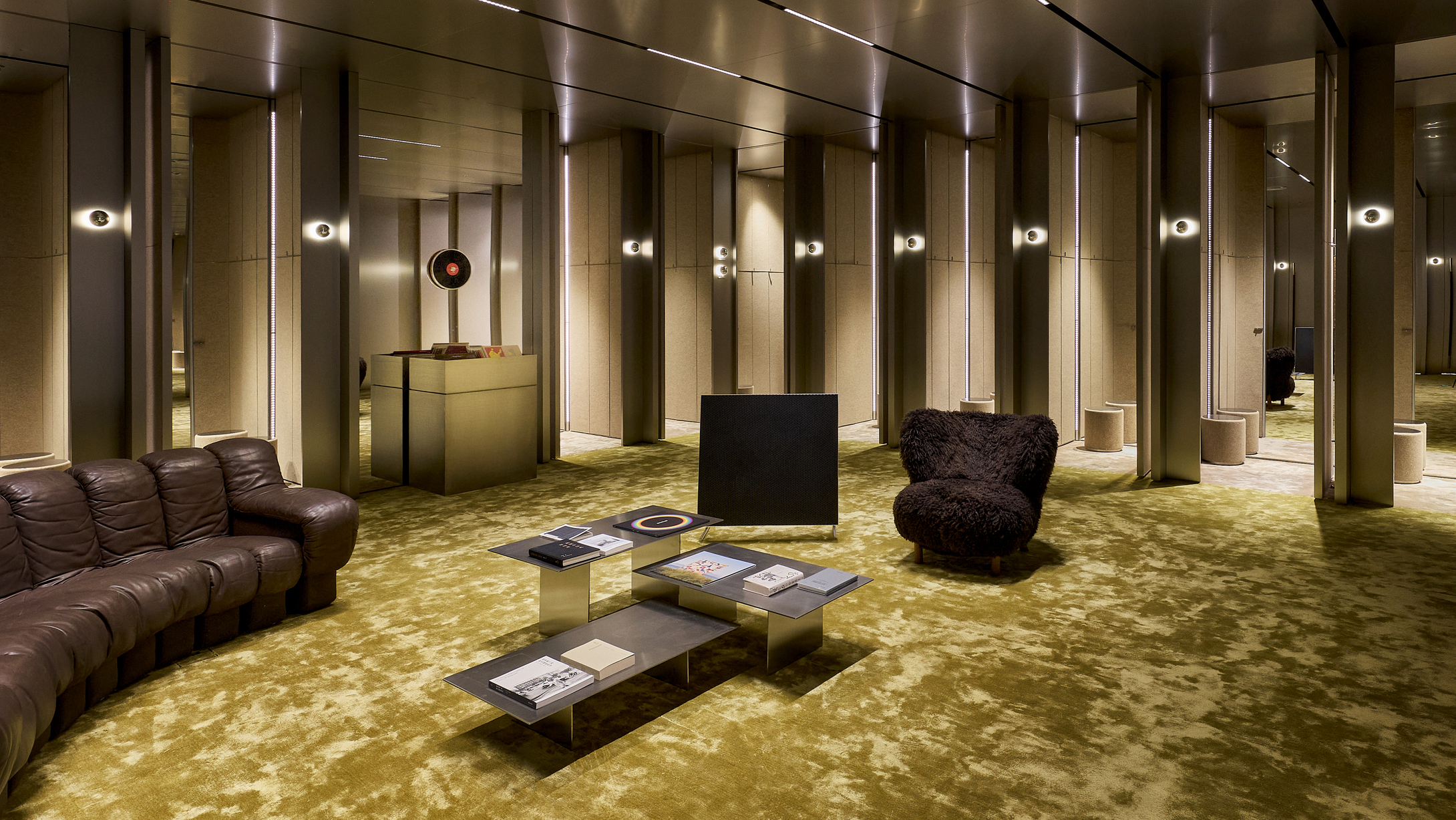
ZARA Nanjing Xinjiekou Flagship Store, Nanjing, China © ZARA
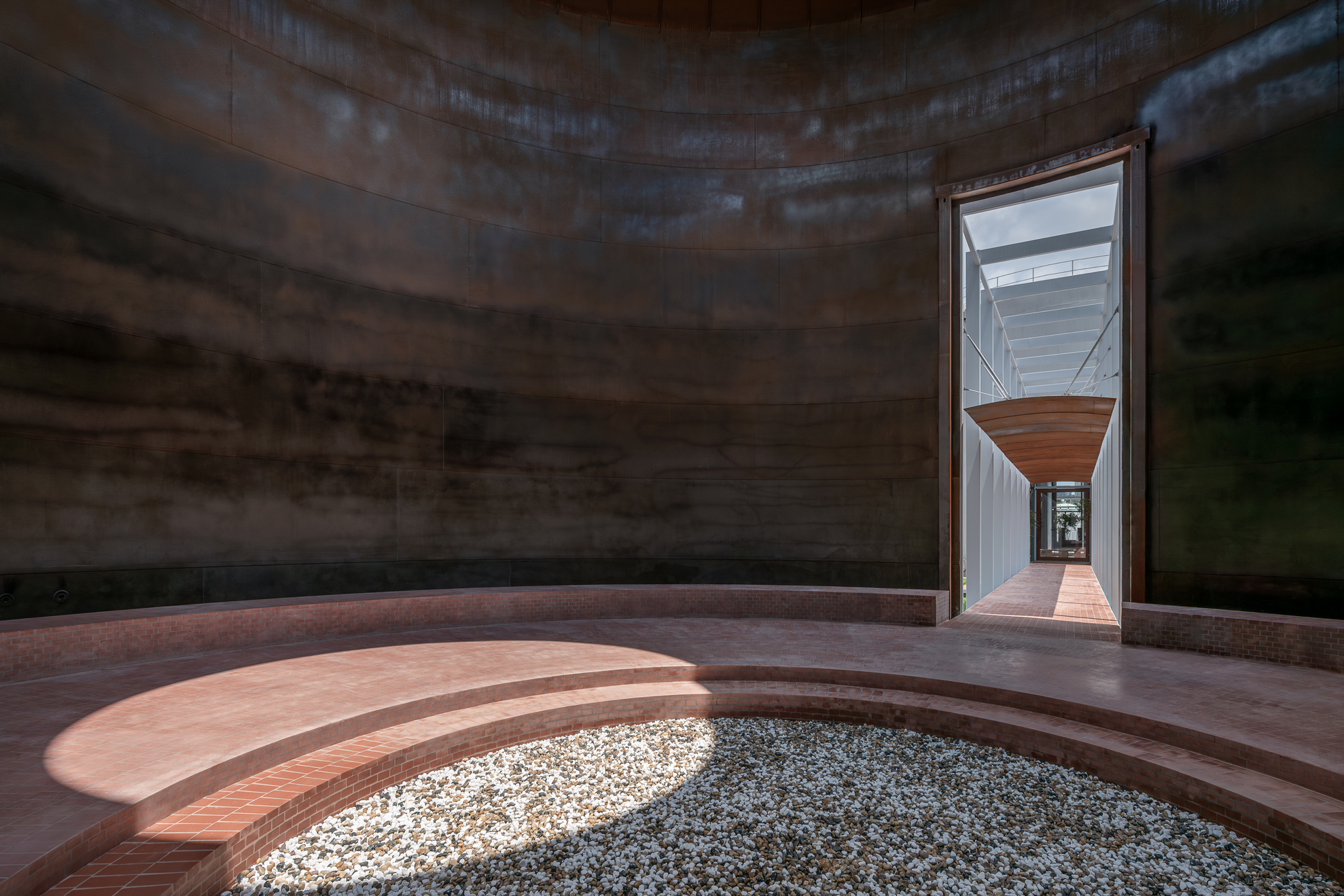
Cotton Park, Oil Tank Park, Changzhou © Dirk Weiblen
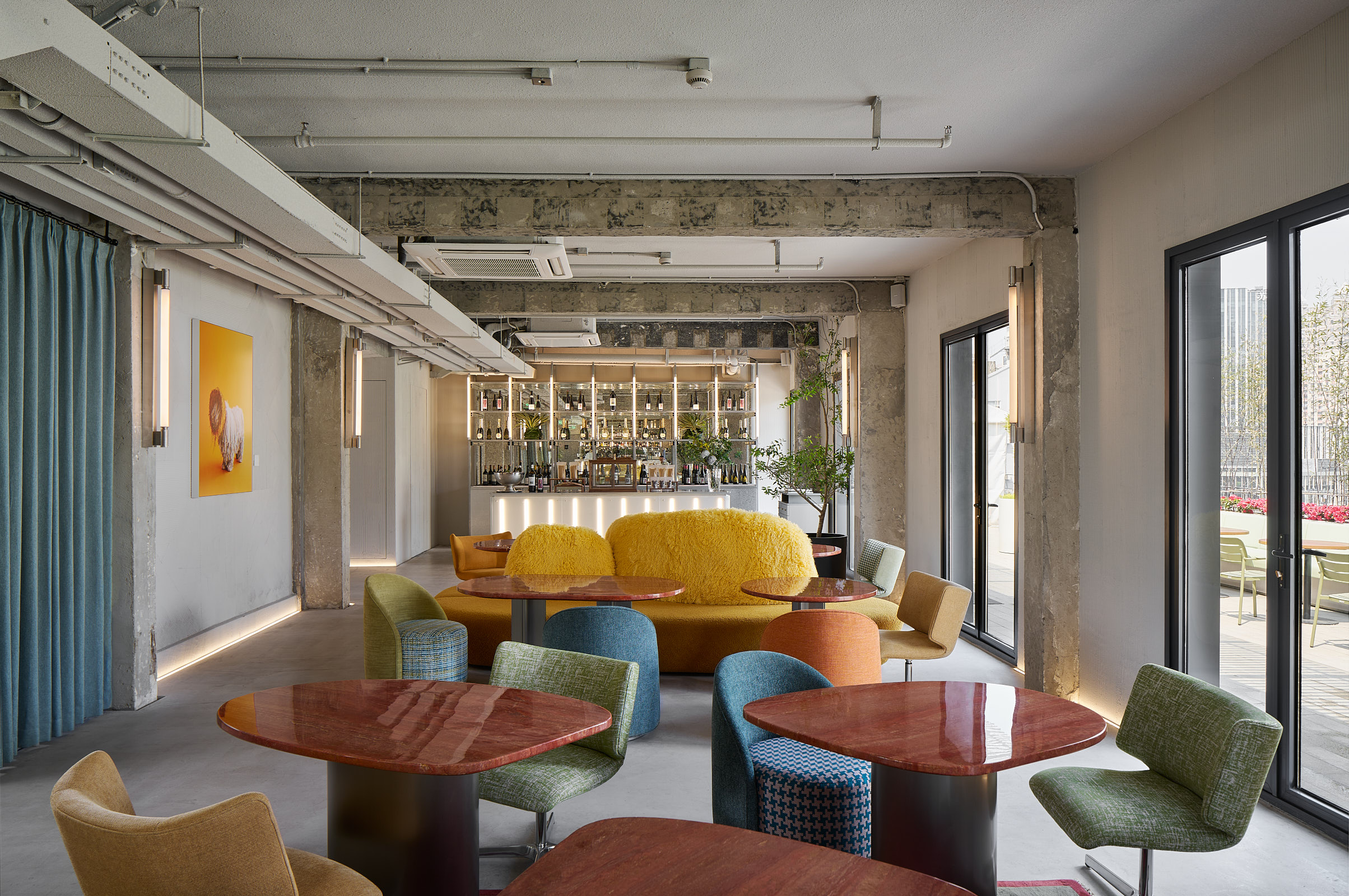
Fotografiska Shanghai © Seth Powers
13. Finally, what are your 3 favorite pieces from the Philia Collection?
Furi Vase by Willem Van Hooff
One piece we’re particularly drawn to is the Furi Vase by Willem Van Hooff. There’s a boldness to it, but also an honesty, the gesture feels almost primal, as if it could have come from a child’s sketch. It has that rare combination of confidence and innocence, where the form is both unexpected and completely natural.
What resonates with us is how the vase celebrates imperfection and authenticity, much like the way we approach architecture. It’s raw without being rough, expressive without being loud. It feels hand-made, intuitive, and emotionally direct, qualities that we value deeply in our own work.
It’s an object with presence, but also with humility. It doesn’t try to impress; it simply is, which, to us, is the essence of good design.
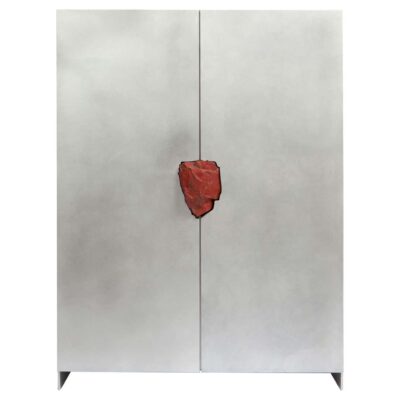
Hand-sculpted Cabinet with Original Jasper Stone by Pierre De Valck
We’re also drawn to the hand-sculpted cabinet with jasper stone by Pierre De Valck. It has a quiet, monolithic presence, yet the craftsmanship is incredibly delicate. The contrast between the raw, sculpted form and the precise jasper details creates a balance we really respond to. It feels timeless, grounded, and honest — much like how we approach materiality in our own work.
Proportions of Stone console by Lee Sisan
We’re also very drawn to the Proportions of Stone console by Lee Sisan. It brings together two inherently heavy materials, yet the composition feels unexpectedly light. The way the elements balance — almost floating in relation to one another — creates a quiet tension that feels both sculptural and architectural. This interplay between weight and delicacy resonates with us: it’s essential, restrained, and shows how solidity can still feel effortless.



Thank you so much Wendy and Vincent, for this lovely interview!