Alexander Paar
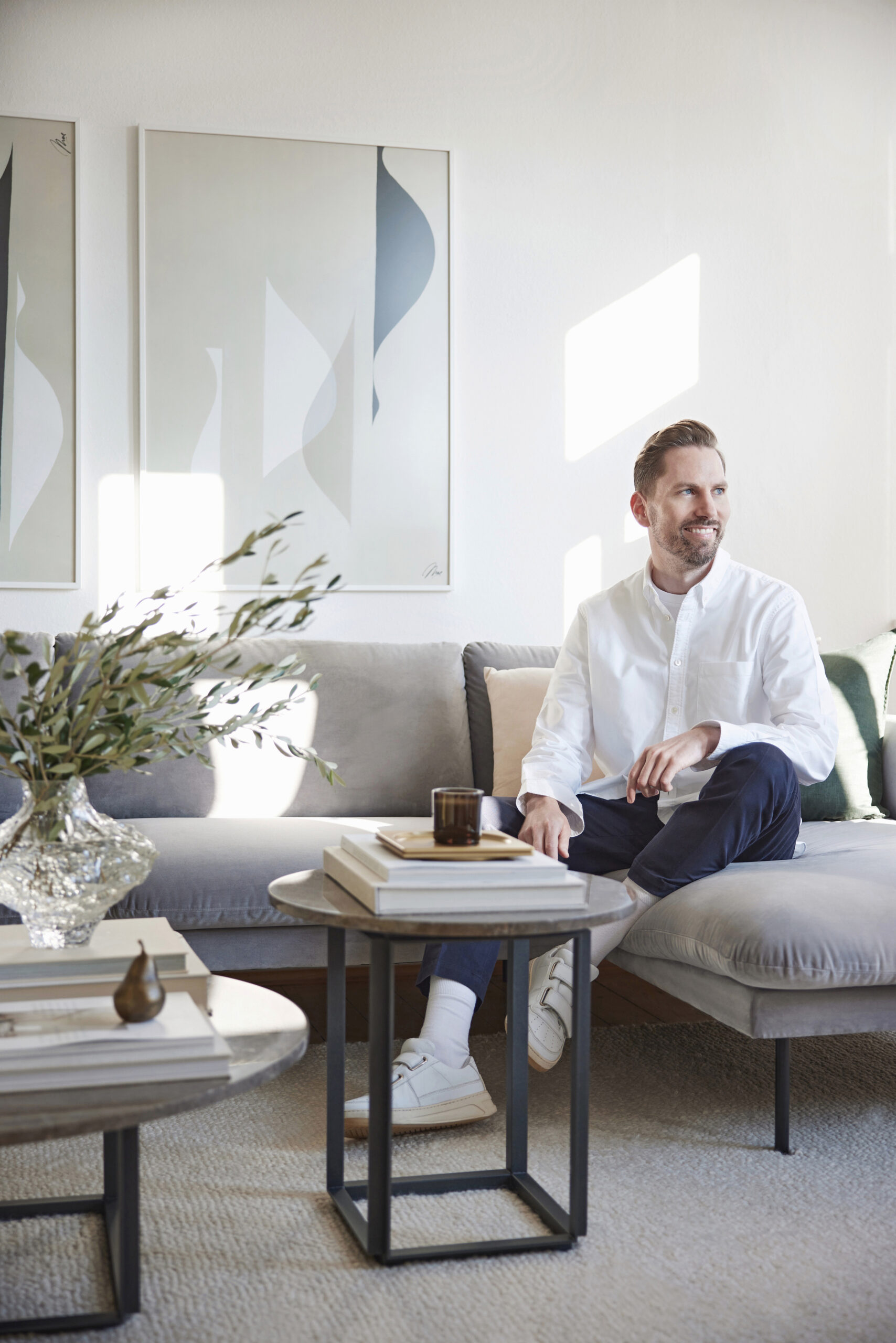
Alexander Paar is a German Creative Consultant, Brand Strategist, and Content Creator with a background in fashion journalism and design. After studying Fashion Journalism and Media Communication in Hamburg and completing a Master’s degree in Design at Zurich University of the Arts, he worked as a fashion assistant at ELLE Germany and later as Art Director for renowned brands such as Breuninger, Tom Tailor, and Seidensticker.
With his deep passion for interiors, styling, and storytelling, Alexander transitioned into the world of interiors as Senior Style Manager at Westwing before founding his own creative business. Today, he collaborates with international fashion, lifestyle, and design brands, developing campaigns, creative direction, and content strategies at the intersection of aesthetics and storytelling.
On his Instagram channel @alexanderpaar, he shares a modern, monochrome, and timeless way of living inspired by Scandinavian simplicity, lagom and hygge, always with a focus on authenticity and detail. In March 2024, he published his first book The Simple Living (currently available only in German), a personal interior guide that explores how minimalist design and coziness can coexist in warm, timeless spaces.
Alexander’s work has been featured in magazines such as Schöner Wohnen, Couch, Living at Home, Men’s Health and Wohn Idee. With a holistic approach that bridges creativity and strategy, he continues to inspire his community and clients alike by creating spaces and content that feel both aesthetic and meaningful.
1. Could you tell us how your journey into interior design started?
My path into interiors didn’t begin in a traditional way. I actually studied fashion journalism in Hamburg and later completed a Master’s degree in Design in Zurich. For several years I worked as a fashion assistant at ELLE Germany in Munich and later as an art director for brands such as Breuninger, Tom Tailor, Seidensticker and as stylist and editor for Westwing. Through this, I developed a strong eye for aesthetics, storytelling and set design. At the same time, my love for interiors grew very naturally. Something I inherited from my mother, who always surrounded our home with beautiful objects and seasonal decorations. Over time, my professional experience in fashion and my personal passion for interiors started to merge, and I realized that design, whether in fashion, lifestyle or home, speaks the same language. That’s how I moved into creative consulting and content creation within the interior space.
2. Do you think there has been a defining moment in your career?
Absolutely. Publishing my first book “The Simple Living“ in Spring 2024 was a turning point. It was a dream I had carried with me for years to create a project that combines concept, photography, text and styling, all from one hand. When I finally held the printed book in my hands, it felt surreal and deeply personal. Beyond sharing design principles, colors, and styling tips, I also opened up about my own home and philosophy of living simply, mindfully and with a sense of calm. That moment showed me how powerful it can be to merge creativity with authenticity, and it confirmed that I’m on the right path in bringing my passion for aesthetics and interiors into my work.
3. What do you think is the key to a successful interior design? And in your business in general?
For me, the key is simplicity, authenticity and balance. A successful interior is not about following every new trend, but about creating a space that truly reflects the people who live there. I always recommend focusing on a clear color concept, ideally three or four tones from one family and combining timeless basics with a few statement pieces and personal treasures. This creates what I call “visual calm“. In my creative work with brands, it’s very similar: I look for the DNA, the values and the story behind a product or a label, and then translate this into authentic, visually strong content. Whether it’s an interior concept or a campaign for a fashion or lifestyle brand, success lies in designing something that feels timeless, personal, and emotionally engaging.
4. How do you start your interior design projects? Do you usually start with a certain element of design or a keyword? And how do they develop?
Every project starts with a moodboard. I like to think of it as painting on a blank canvas. I collect inspirations: magazine clippings, fabric and color samples, postcards, even little souvenirs from my travels and arrange them into a collage. This helps me visualize the atmosphere I want to create. From there, I consider the function of the space and how I want it to feel: Do I want it to be a calm retreat, a lively gathering place, or a cozy everyday room? Once the mood is clear, I choose a color palette as the foundation and then define a central element. Maybe a sofa, a dining table, or a lamp, around which everything else develops. The process is very intuitive and never really finished; I’m constantly rearranging and refining. That’s part of the charm: design is a journey, not a destination.
5. How would you define your signature style? Do you have “a mantra” that encapsulates your taste in design?
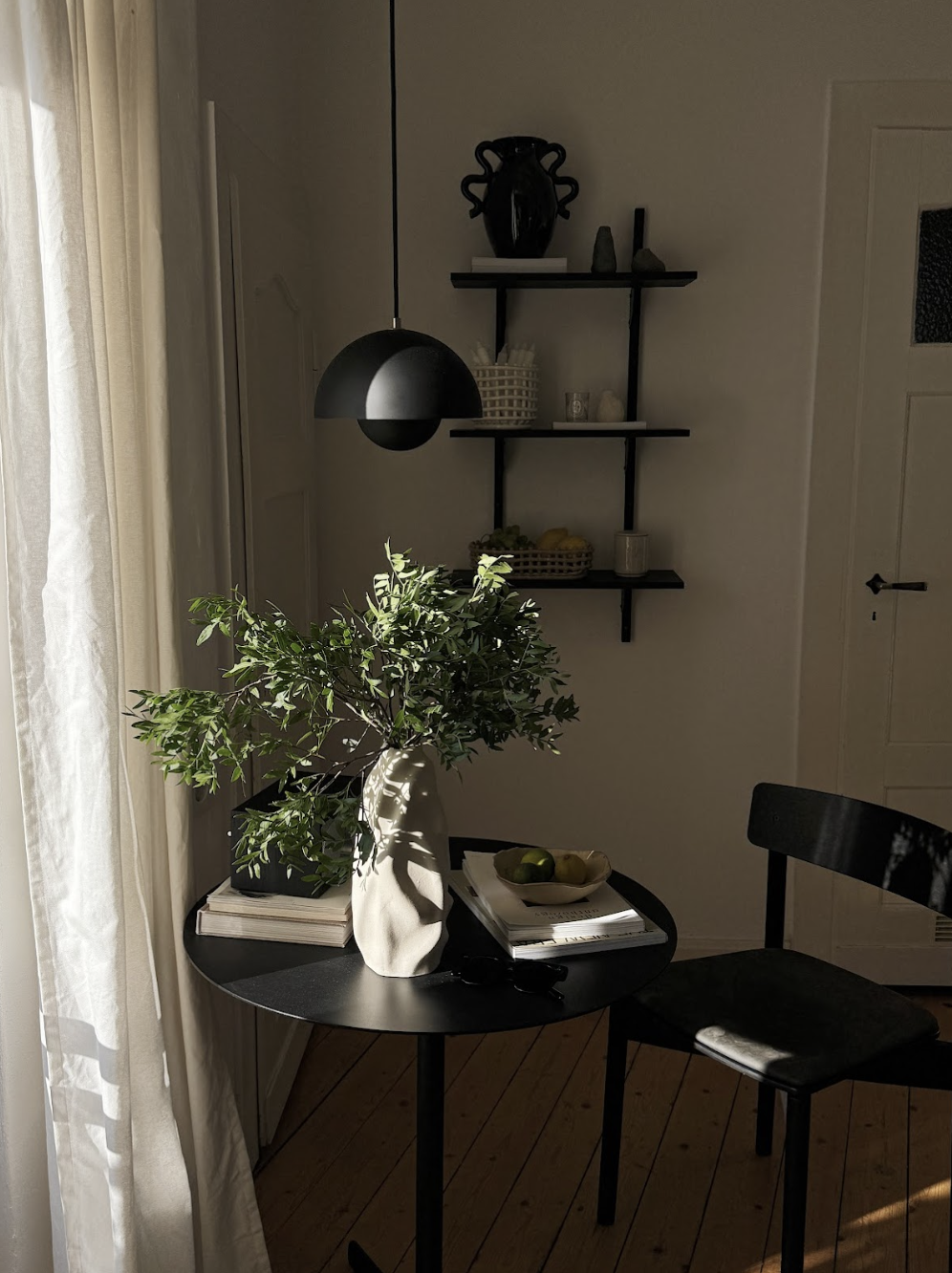
I often describe my style as simple, minimalist and Scandinavian with a sense of coziness and attention to details. For me, a home is never just about aesthetics, but about creating a warm, calm atmosphere where you can truly recharge. My mantra would be: “Simplicity with character.” I believe that beauty lies in clarity: in neutral tones, timeless classics and carefully chosen details that tell a personal story. At the same time, coziness is essential. A monochrome setting becomes inviting when you add layers of texture, natural materials like wood, wool or marble, and of course flowers or art. That balance between visual calm and warmth really defines my design language.
6. What are your 3 favorite pieces from the Philia Collection?
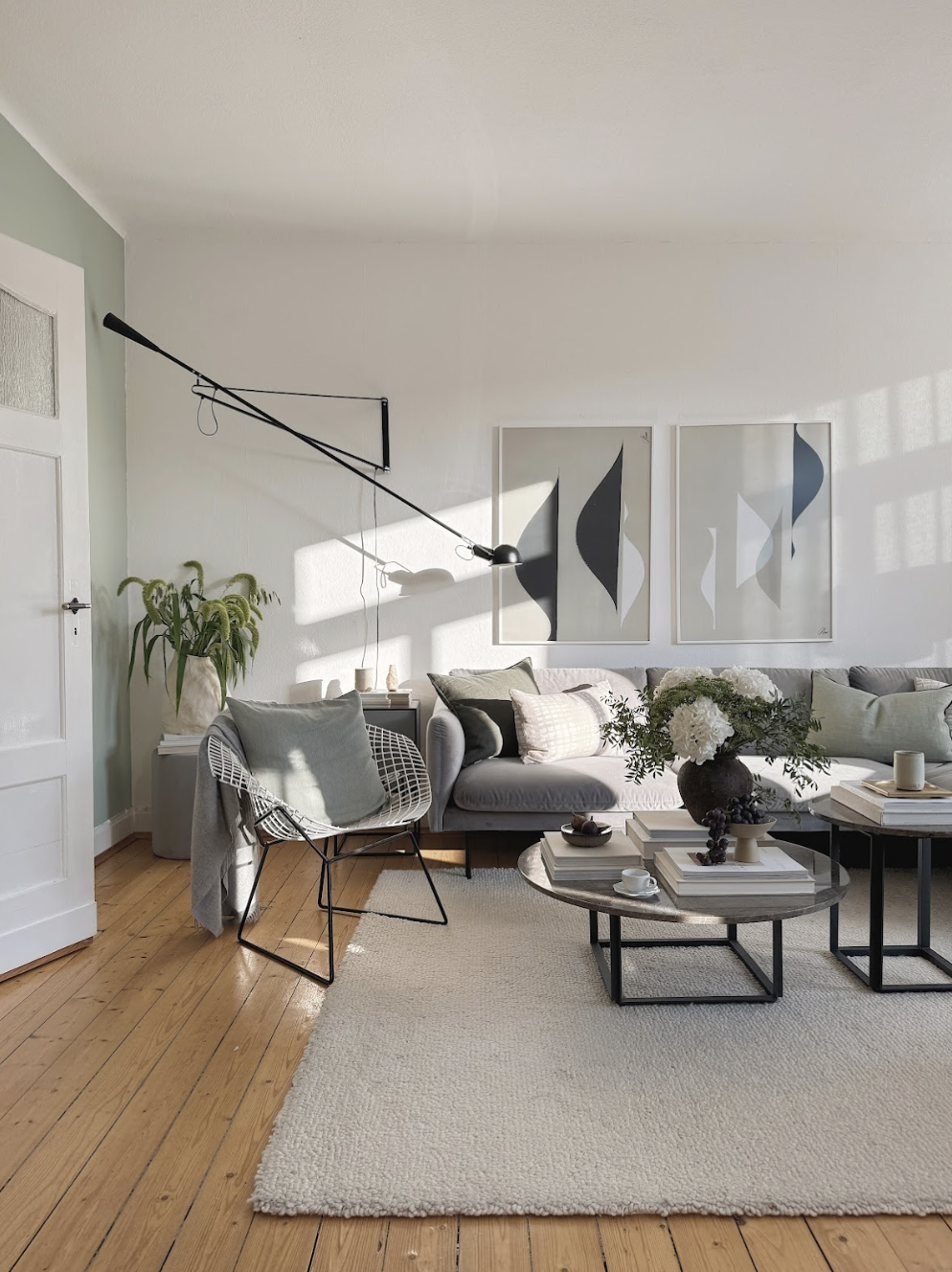
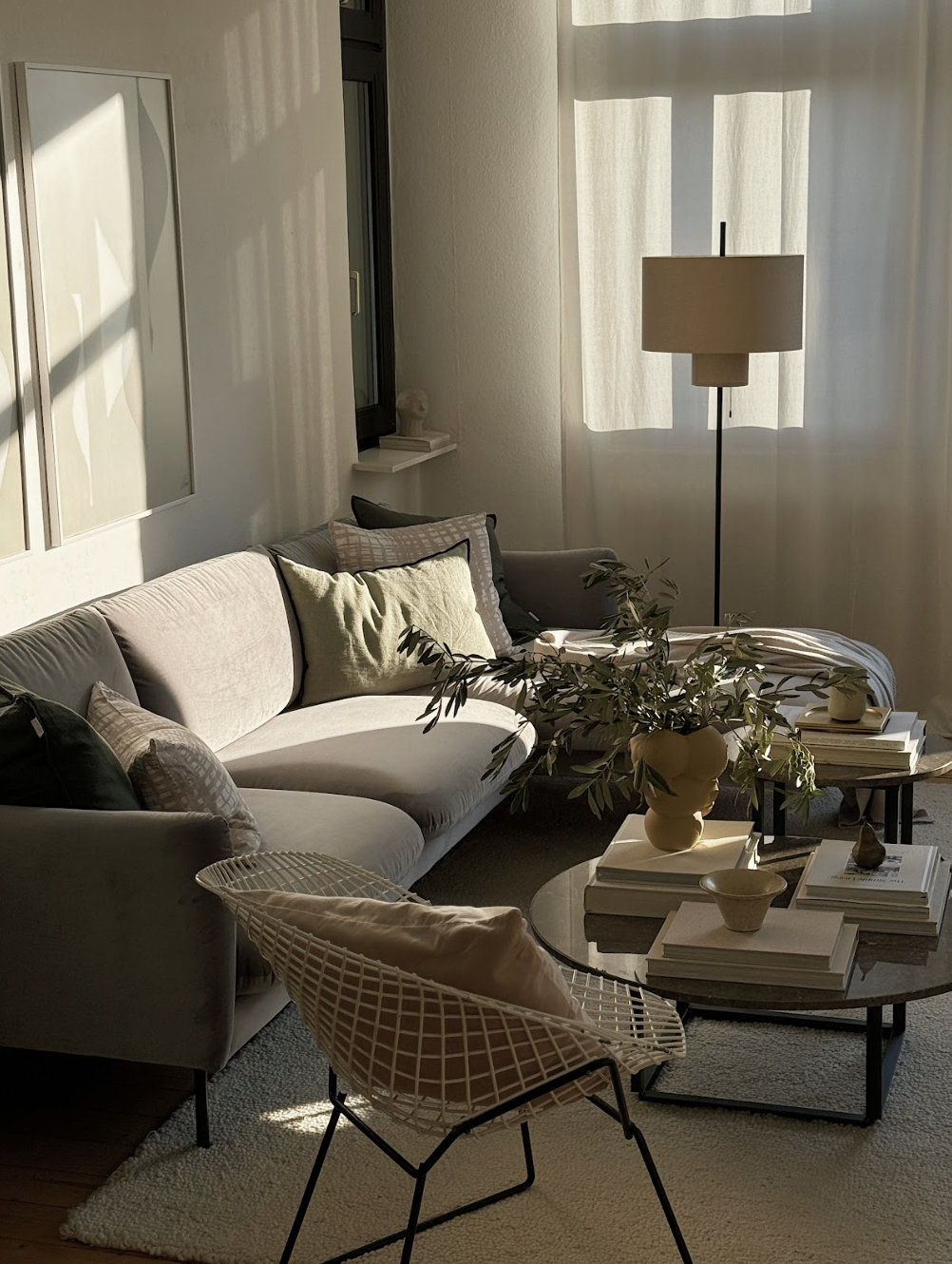
Choosing just three favorites from Philia is quite the challenge—it almost feels like picking your favorite friends! So instead, I created a curated lounge look with six pieces that harmonize beautifully and speak to my aesthetic sensibility:
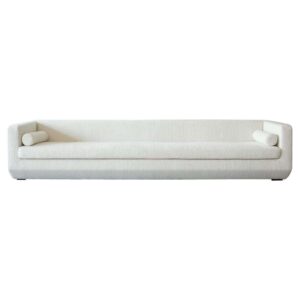
- The Large Couch by Marc Dibeh anchors the setup with its sculptural form and refined upholstery—both statement-making and deeply inviting.
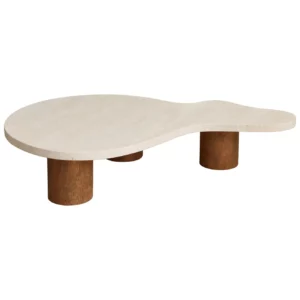
- The Luca Coffee Table by Umberto Bellardi Ricci introduces elegance through its warm travertine and bronze detailing. It’s a tactile, luxurious centerpiece.
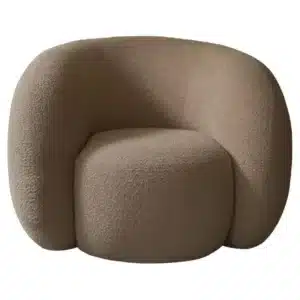
- The Circular Lounge Chair by Kar Studio creates rhythm and softness—an organic counterpoint that adds balance.
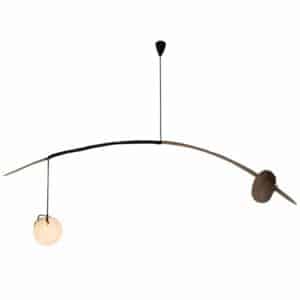
- Archimede Sculpted Lighting by Jérôme Pereira brings subtle artistry and ambient mood—lighting as sculpture.
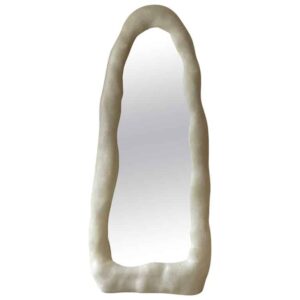
- The Knead Mirror by Kar Studio offers a reflective, kinetic dimension, weaving light and form into the space.
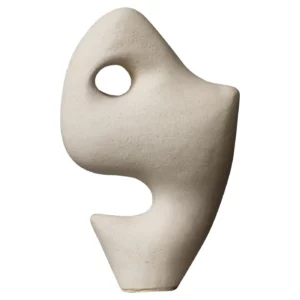
- The Pleomorph 50B Sculpture by Abid Javed adds an intriguing sculptural accent—comfortable, sculpted presence as object.
Together, this combination feels like a living tableau—inviting yet refined, with layers of form, texture, light, and narrative. It reflects my passion for creating atmosphere through storytelling objects—each piece contributes to dialogue, flow, and visual harmony.
-
Archimede, Sculpted Lighting by Jérôme Pereira
€35,9817. Could you tell us about one of the favorite projects that you worked on?
One project that is very close to my heart is my book The Simple Living, which was published in 2024. It’s not only an interior guide but also a very personal project because I created everything – the concept, photography, text and layout – myself. The process was both intense and inspiring: over ten months I wrote, photographed, and constantly redecorated my apartment to capture the different chapters. It was like translating my philosophy of simplicity and coziness into a tangible form. For me, it’s a kind of time capsule of that creative period in my life. Beyond the book, I have many favorite projects that allowed me to merge creative direction, set design and storytelling in unique ways. For example, I worked with Westwing on a large outdoor production in Ibiza for their summer outdoor collection bringing furniture and styling into a sun-drenched, Mediterranean setting was both a challenge and a joy. On the other end of the spectrum, I’ve created cozy and festive atmospheres for Christmas fashion campaigns, where every detail from set styling to lighting needed to evoke warmth and emotion. What excites me most in these projects is the variety: whether it’s fashion, interiors or lifestyle, I love to create worlds that feel authentic, atmospheric and memorable.
8. If you could pick one interior design tip that is important to you, what would it be?
If I had to share just one tip, it would be this: trust your intuition when styling and always work with an odd number of objects. Three candles, five cushions, or a small trio of decorative pieces often feel more harmonious to the eye than even numbers. But beyond any rule, the most important element is your own gut feeling. I truly believe our intuition is the best seismograph: whether in design, in trends, or even in relationships. If something feels too much, out of place or simply not harmonious, you’ll sense it immediately.
Styling is all about balance and flow. Sometimes the most beautiful arrangements happen by accident, when a book, a vase and a candle come together naturally. That’s the magic moment I love most: when a space suddenly feels alive, personal and effortless.
9. What was the best advice you have received in your path?
The best advice I ever received was: trust your eye and stay true to yourself. Trends will always come and go, but your own sense of style, shaped by your experiences and memories, is what makes your work authentic. A mentor once also told me: every project should tell a story. Otherwise, it’s just decoration. That truly resonated with me. Whether I create a campaign for a fashion brand, style a set for a photo production, or design a room in my own apartment, I always try to bring narrative and emotion into it. That combination of authenticity and storytelling is, for me, the essence of timeless design.
10. What would be your advice to beginner interior designers?
Think in terms of storytelling. A room is like a stage, and you are the creative director. Start by gathering inspiration, creating a moodboard, and defining the feeling you want to achieve. This mindset helps you not only in interior design, but also in any creative discipline. It’s about curating a narrative rather than just placing objects.
At the same time, focus on the essentials. Work with a clear color palette and limit yourself to a few tones that create harmony. Choose timeless basics and invest in quality over quantity. And always ask yourself with every piece: Does it fit the atmosphere I want to create? Will I still love it in five years? Trends can be inspiring, but they should never dictate your entire concept. Build a strong, authentic foundation first and then layer details on top to make the space personal.
11. What was one of the hardest learned lessons in your journey?
One of the hardest but most valuable lessons I’ve learned is patience. In design and in life not everything comes together at once. Sometimes we want instant results, but I’ve learned that every step has its meaning and that everything comes at the right time. From my own career path starting in journalism at ELLE Germany, working in PR for events, and later coordinating photo shoots and art buying, all of these experiences now come together in my role as a creative consultant. Nothing was wasted; everything was part of the process.
The same applies to design: a home or a project needs time to develop. Sometimes you are so deeply involved that you lose perspective. Giving a project a few days of “rest” can work wonders. Suddenly your eye is refreshed, and you see clearly what really matters. I believe design, like life, is about trusting the process, working consistently, and allowing space for things to grow naturally. Out of every stage you can learn something, and with time, it all comes together.
12. Are there any books/podcasts you would like to recommend to our readers?
I have a great love for coffee table books and design literature of all kinds. Some of my favorites include Soft Minimalism by Norm Architects, the architectural monographs Works by Vincent van Duysen and Wabi Inspirations by Axel Vervoordt, as well as the beautifully curated book by Studio KO. I also highly recommend Frida Ramstedt’s The Interior Design Handbook and The Furniture Handbook for their practical yet inspiring approach, and Athena Calderone’s Live Beautiful for its intimate homestories.
Another favorite is, of course, my own book The Simple Living, which brings together my personal philosophy on simplicity, coziness and design. It is currently only available in German, but it reflects my vision of creating timeless and cozy spaces with a Scandinavian touch.
Beyond interiors, I constantly draw inspiration from photography books, design magazines, and podcasts that explore creativity and culture because design is never isolated, it is always connected to a bigger story. Two podcasts I often listen to are Design Matters by Debbie Millman and The Creative Boom Podcast, both of which feature inspiring conversations with creatives from around the world.
13. Finally, what are your upcoming projects? Anything you’d like to share or add to the interview?
Right now, as every late summer, my world is already all about Christmas. While the sun is still shining outside, I’m styling festive productions, creating winter atmospheres and working on campaigns that will only be revealed months later. It’s always a fascinating contrast decorating a Christmas tree in July while wearing shorts in 30-degree heat. But it’s also part of the magic of creative work: living a little ahead of the actual season and imagining how people will experience these moods at home.
Looking further ahead, I always carry certain visions with me. After publishing my book “The Simple Living“, I can imagine that one day there might be a second book or even a boutique hotel, a place where interior, design and hospitality flow together into one holistic experience. These are dreams rather than fixed plans, but they continue to inspire me. Another vision of mine is to create a concept space – a hybrid of shop, café and flower studio, with room for workshops and creative encounters. Flowers have always been a key element in my styling, and I would love to expand this passion further, for example with curated flower workshops. It’s about creating places and moments where people can connect, slow down, and experience design in a very personal way.
For now, I’m focused on exciting brand collaborations and content productions, but I like to keep those dreams alive. They remind me that creativity is a journey, and there is always a “next chapter” waiting to be written.


Thank you so much Alexander, for this lovely interview!