Justus Knut Schomann
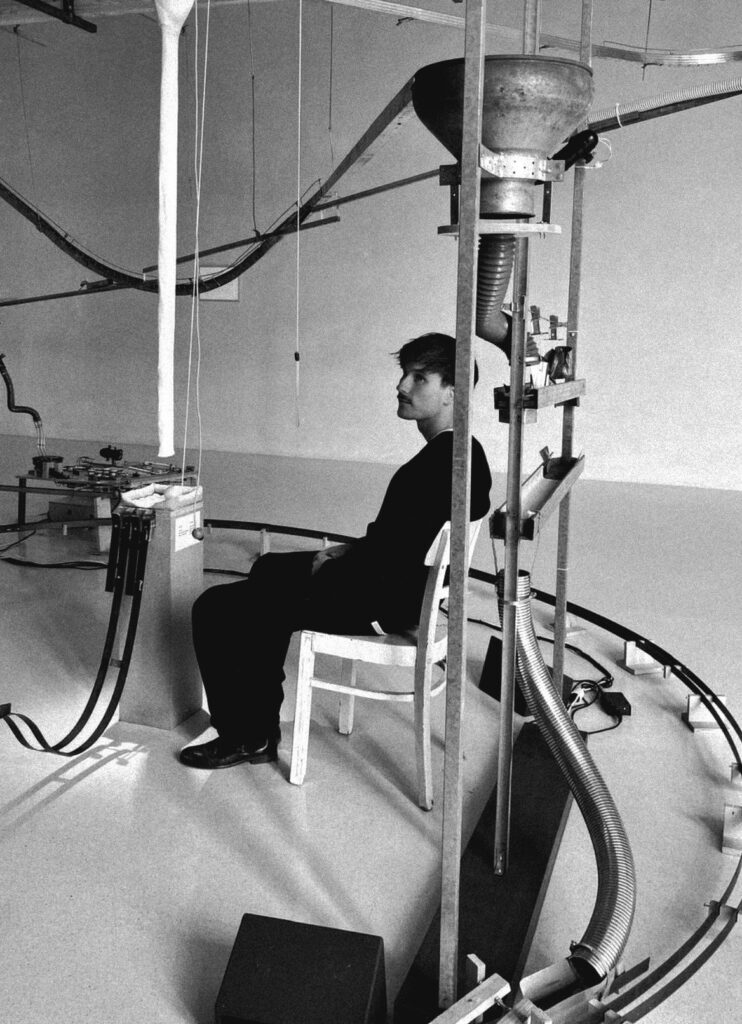
Justus Knut Schomann (b. 1999, Cologne) is a German designer whose practice moves between industrial and collectible design. After working closely with designer Mike Meiré, where he gained experience in creative direction and interdisciplinary design processes, Schomann established his independent practice, JKS Studio, in Cologne. His work explores the dialogue between archetypal forms, contemporary materials, and refined craftsmanship, creating furniture and objects that balance functional clarity with sculptural presence.
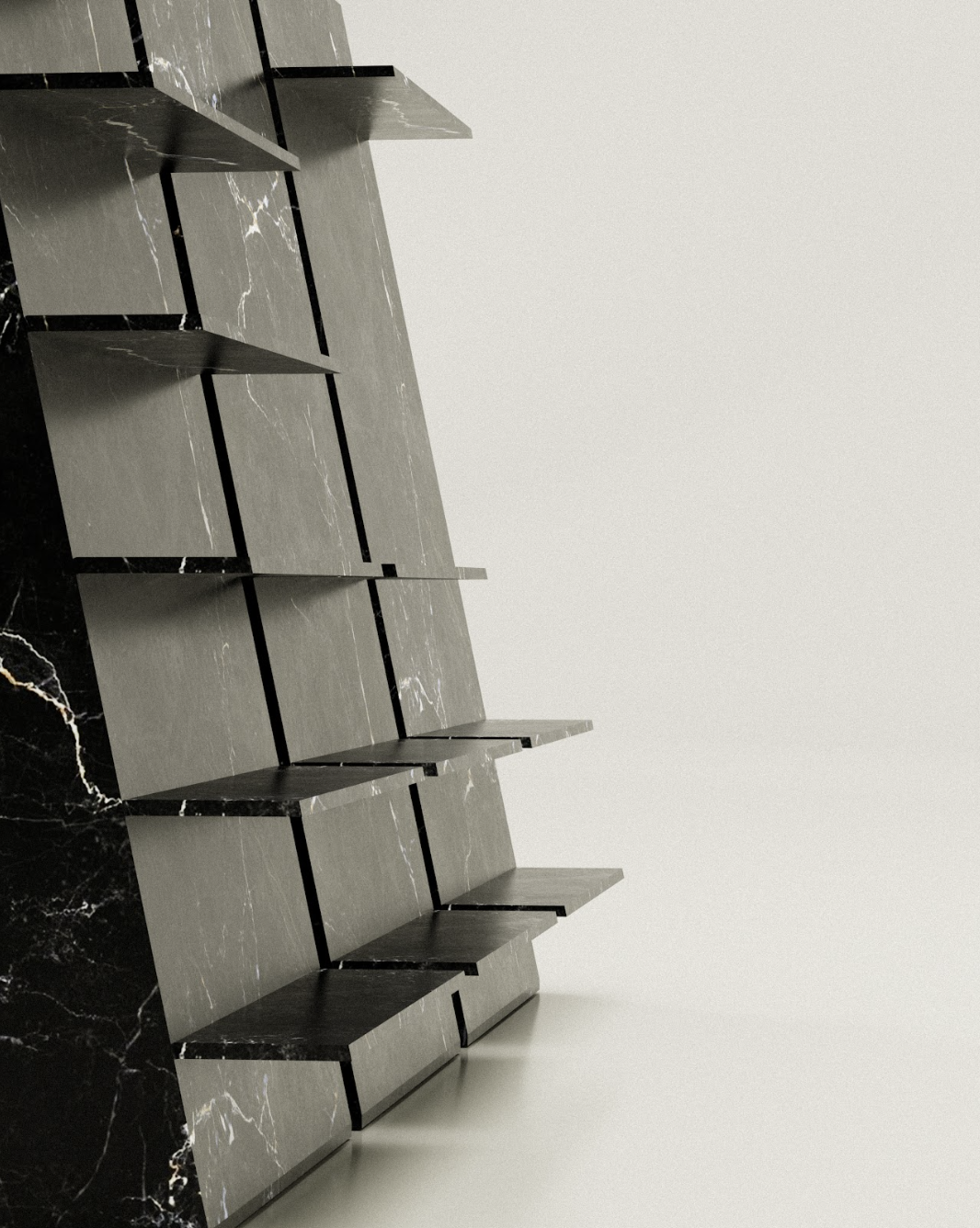
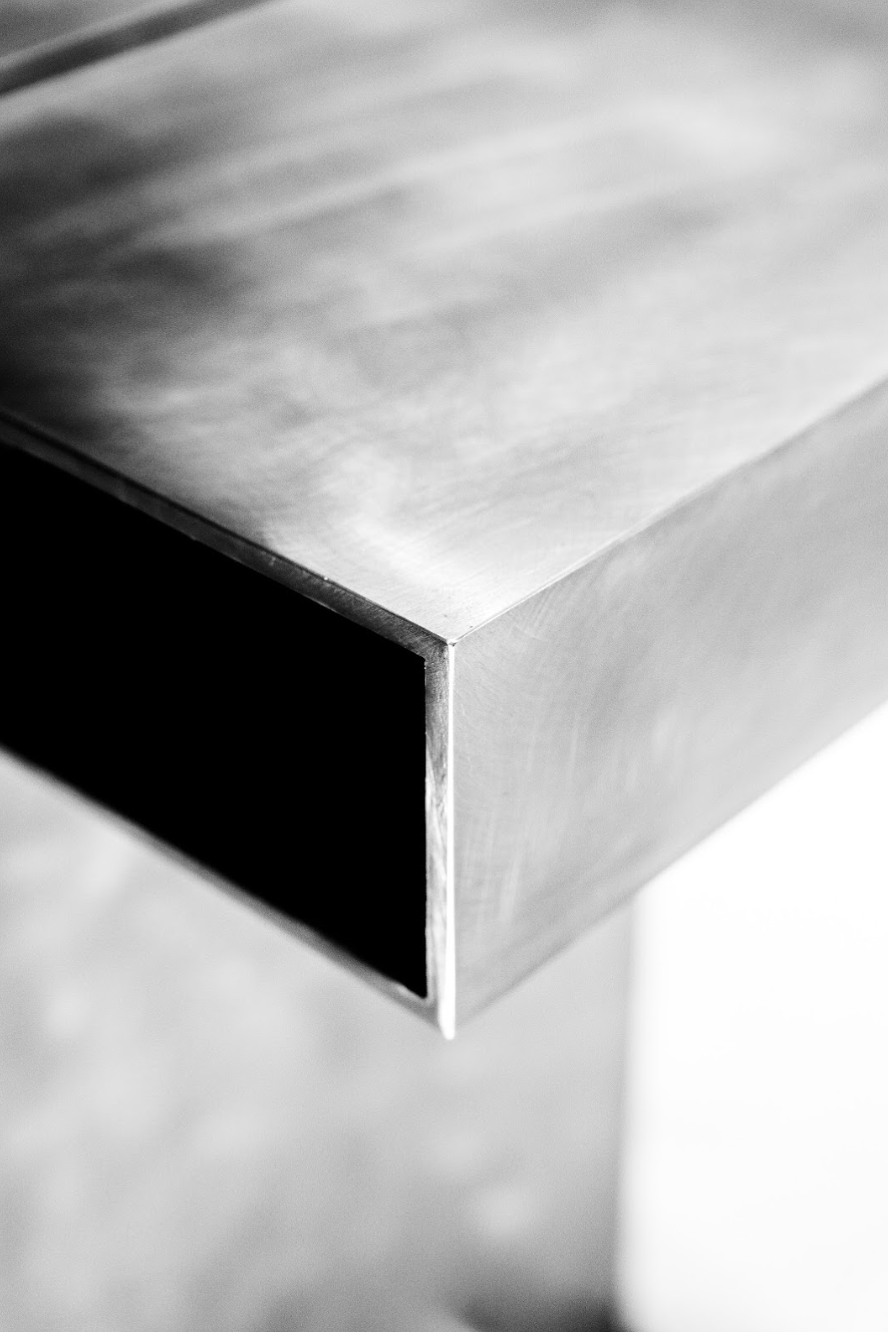
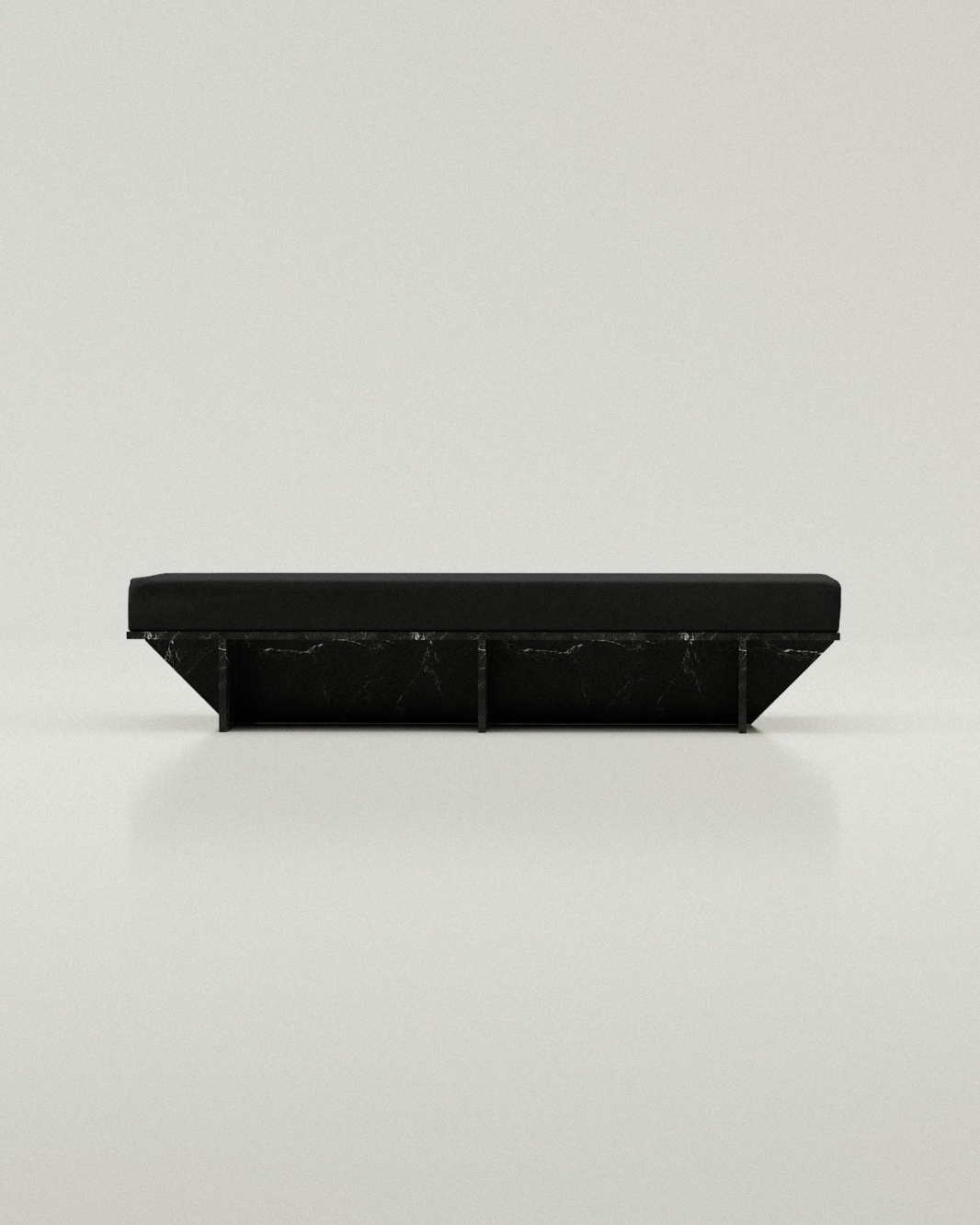
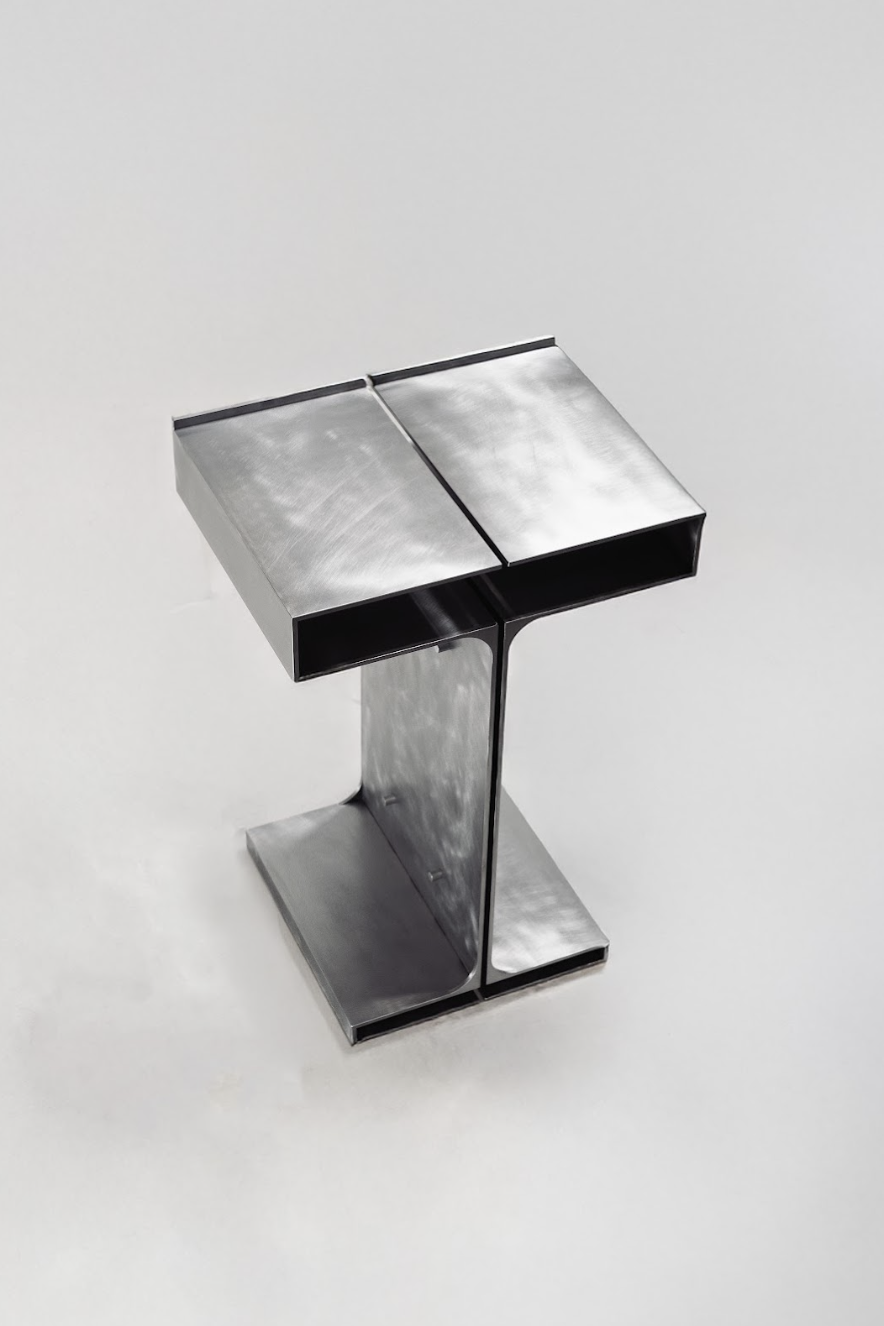
Drawing on materials ranging from cast bronze and natural stone to advanced composite fabrication, Schomann approaches design as a quiet yet enduring presence within everyday life. Guided by a fascination with material behaviour and making, he creates pieces that seek not only to serve a purpose, but also to evoke calm, permanence, and lasting emotional resonance.
Interview
I was born and live in Cologne, Germany.
That was when my dad first took me to the Neue Nationalgalerie in Berlin. He was working with Gerhard Richter at the time. I was around 12. At first, I didn’t know what it all meant. Today, I know that art influenced me early on—being in and around the art scene and meeting many architects sparked my interest in art and design. My dad had a metal workshop.
I’ve always worked in the design field in some way. I started early with graphic design. Later, when I began studying design, I worked for Mike Meiré as a personal assistant for almost four years. I worked closely with him in his atelier and supported him with art direction on many of his private magazine projects, especially in editorial and layout.
I think it has a lot to do with my environment. As I mentioned, my dad often took me with him when he had meetings or worked with architects, designers, and artists. Later, working with Mike Meiré taught me a lot about design—what it should be, what it should evoke or provoke, what cultural relevance it can have, and the context behind a product. It’s not about selling something; it’s about telling a story, creating narratives, and sometimes working with archetypes to form a real connection between the product and the person interacting with it.
It might sound corny—and probably everyone says this—but for me, it’s really life in general. It can be something simple, like a small detail you notice while analyzing the urban landscape, reading a good book, or visiting a museum. Sometimes it’s a great conversation. And of course, the internet. I don’t want to romanticize and say the internet never inspires me—it’s hard not to be influenced by what we see online. But what inspires me most is traveling—experiencing different cultures and crafts, discovering colors and shapes I would never see if I stayed in my comfort zone. I find it fascinating what happens when you’re on vacation: you become so sensitive to everything. It’s like being a child again—everything feels new, and you soak in every detail, sound, smell, and shape intensely.
I wake up, have a cup of coffee and a cigarette. After that, I meet friends, have a chat, maybe a second coffee. Then I go to my atelier and do whatever’s necessary—sometimes hands-on work, sometimes on my laptop. I need to see and touch things, talk to people in the industry, learn and test things until I feel a sense of satisfaction.
I don’t choose specific materials beforehand—they usually come to me. I get inspired by processes and the characteristics of a material. That often marks the beginning of a design process.
The combination of craftsmanship and innovative technology, enriched with many references. You can never learn everything—there’s always more to discover. You’ll never fully master every craft or stay ahead of every new material or technology being developed. But I don’t think that’s the designer’s job. My job is to create, conceive, develop, and bring ideas to paper—to communicate and verbalize what I have in mind. It’s important to know as much as possible about the processes and properties of the materials you’re working with. I also believe that you need to understand the rules and limits before you can break them.
Honestly… just start. Learn as much as you can, and the rest will eventually unfold. Maybe you have a strong image in your head of what a form should look like—try to build it the best you can based on memory. The rest will evolve during the process.
Brutalism. Contemporary collectible design. Maybe a mix. Still to be defined—I don’t think I fully fit into any existing movement.
My father, Le Corbusier, Jasper Morrison, and Erich Dieckmann.
Omer Arbel, Linde Freya Tangelder, Ron Arad, Naoto Fukasawa.
Walther Dahn, James Turrell, Lucie Rie, Martin Heidegger, Jürgen Teller, Wolfgang Tillmans, Ian Curtis, Dean Blunt, Rei Kawakubo, Walter Van Beirendonck, Gaspar Noé, Larry Clark, Kenneth Anger.
My physical diary / My approach to a beautifully functional world.
Don’t get lost in trying to invent something completely new. Focus on understanding what already exists, question it, refine it — that’s where timeless design begins. Innovation isn’t about creating noise; it’s about creating relevance. If a form, an idea, or a material has stood the test of time, there’s probably a reason for it. The real challenge is not to replace it, but to evolve it in a way that feels honest and meaningful today.
“Design isn’t about decoration—it’s about memory, tension, material, and how objects quietly shape our everyday lives. They must carry meaning, but they also have to serve a purpose.”
The Questions
(The Proust Questionnaire is a set of questions answered by the French writer Marcel Proust.
Other historical figures who have answered confession albums are Oscar Wilde,
Karl Marx, Arthur Conan Doyle, Stéphane Mallarmé, Paul Cézanne…)
Reading.
Dying alone.
Indecisiveness.
Unauthenticity.
My grandparents.
Collecting: books, magazines, vases, photos, objects, stuff.
Calmly obsessed with what’s about to come next.
Perfection.
Being a man.
Being a woman.
Mega.
To instantly understand and remember everything I read or learn.
I´d like to keep my focus sharp.
Being independent.
A fisherman with a wife and kids.
By the sea, somewhere in Southern Europe.
My MacBook, with all my files, documents, sketches, and notes.
Living in fear.
Creator.
Strategic thinking.
Honesty, authenticity, and emotional support.
Thomas Mann, Aleksander Solzhenitsyn.
Silver Surfer.
Lászlo Moholy-Nagy.
My parents.
Arthur, Inga.
Lack of interest, long queues.
Not making more time for what truly matters.
In my sleep.
Nothing ventured, nothing gained.
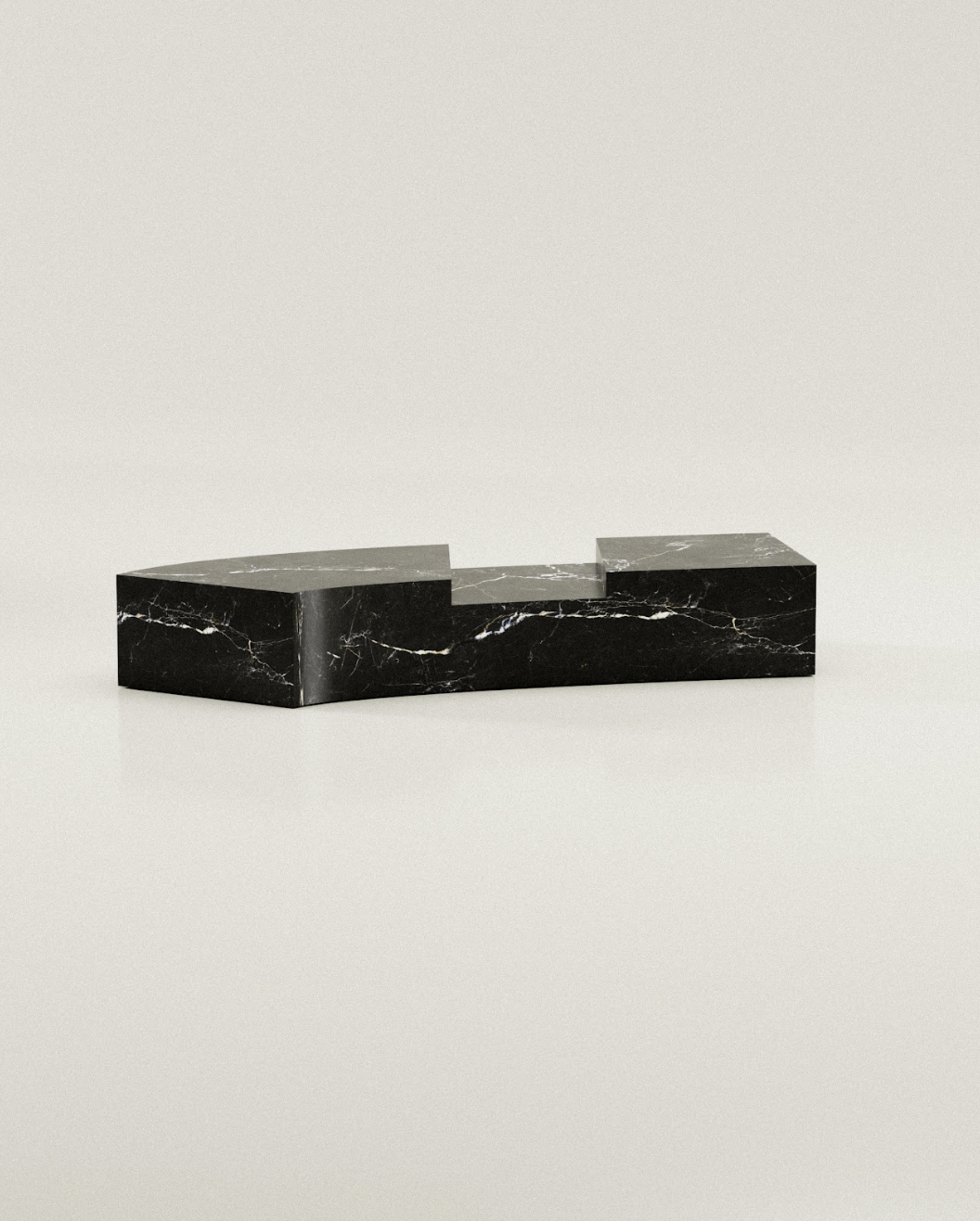
“Don’t get lost in trying to invent something completely new. Focus on understanding what already exists, question it, refine it—that’s where timeless design begins.”
SHARE :