Boldizar Senteski
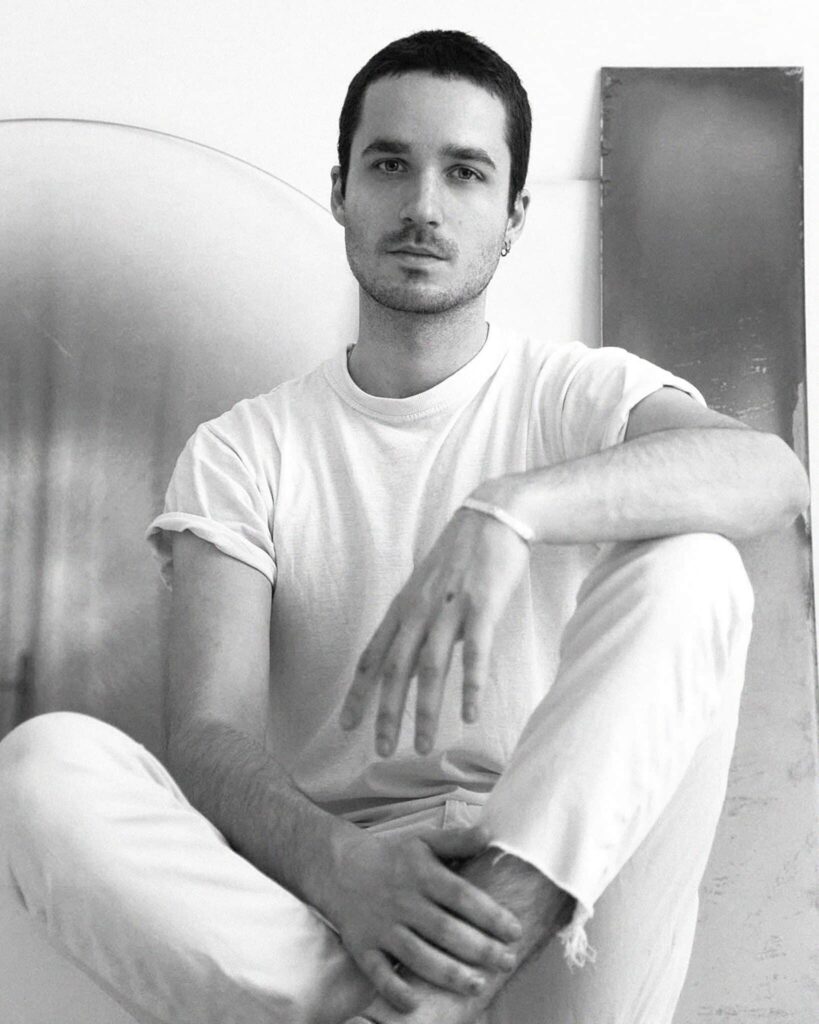
Boldizar Senteski is a design studio founded by Hungarian designer Boldizsár Senteski. Working across collectible furniture and sculptural objects, the studio creates pieces distinguished by their strong geometric forms, architectural presence, and refined material palette.
Drawing inspiration from both historical references and contemporary culture, Senteski’s work explores the tension between past and future, tradition and innovation. Through a process that balances craftsmanship, experimentation, and formal clarity, the studio develops objects that blur the boundary between functional design and sculpture.
Interview
I was born in Budapest, Hungary. I am currently based between here and New York.
I have been surrounded by art from a young age. My first memory is always drawing, painting at home, making lithographs with my father, who is an artist and graphic designer.
I have studied product design, and after graduation, started working for a lighting company as a designer. I was working as a freelancer and also worked in fashion for a few years. When I moved to New York, I worked in the design studio of Sebastian Errazuriz in Brooklyn. It was really inspiring, and after working there, I started to fully focus on my own creations.
I decided to be a designer at a very young age. I would go to the art and design university a lot, where my father was teaching. I saw these drawings of cars and different products on the walls, and that’s when I decided that I wanted to be a designer. While studying, I felt design was too functional for my taste, and art felt too self-serving. I create on the border of art and design, where I can express my emotions while creating functional pieces.
My inspiration comes from a lot of places, but I never look for them; it’s more subconscious. I am an observer, and I am very perceptive of my environment. I’ve always found the decayed beauty and eclectic history of Budapest very captivating, and it can be traced back in my work.
My process is usually experimental-based. A lot of the time, I let the materials shape themselves and form functions.
It really varies. There are times when I am more focused on designing new pieces and coming up with new ideas. These are times when I need a change of scenery. I usually work from different places, maybe sitting in a coffee shop sketching, or traveling for inspiration. Other times, I am busier with actual implementation. Overlooking the production, driving back and forth to visit workshops, figuring out technical details, and making prototypes. Although I am constantly thinking of new designs, pieces, and what to do next.
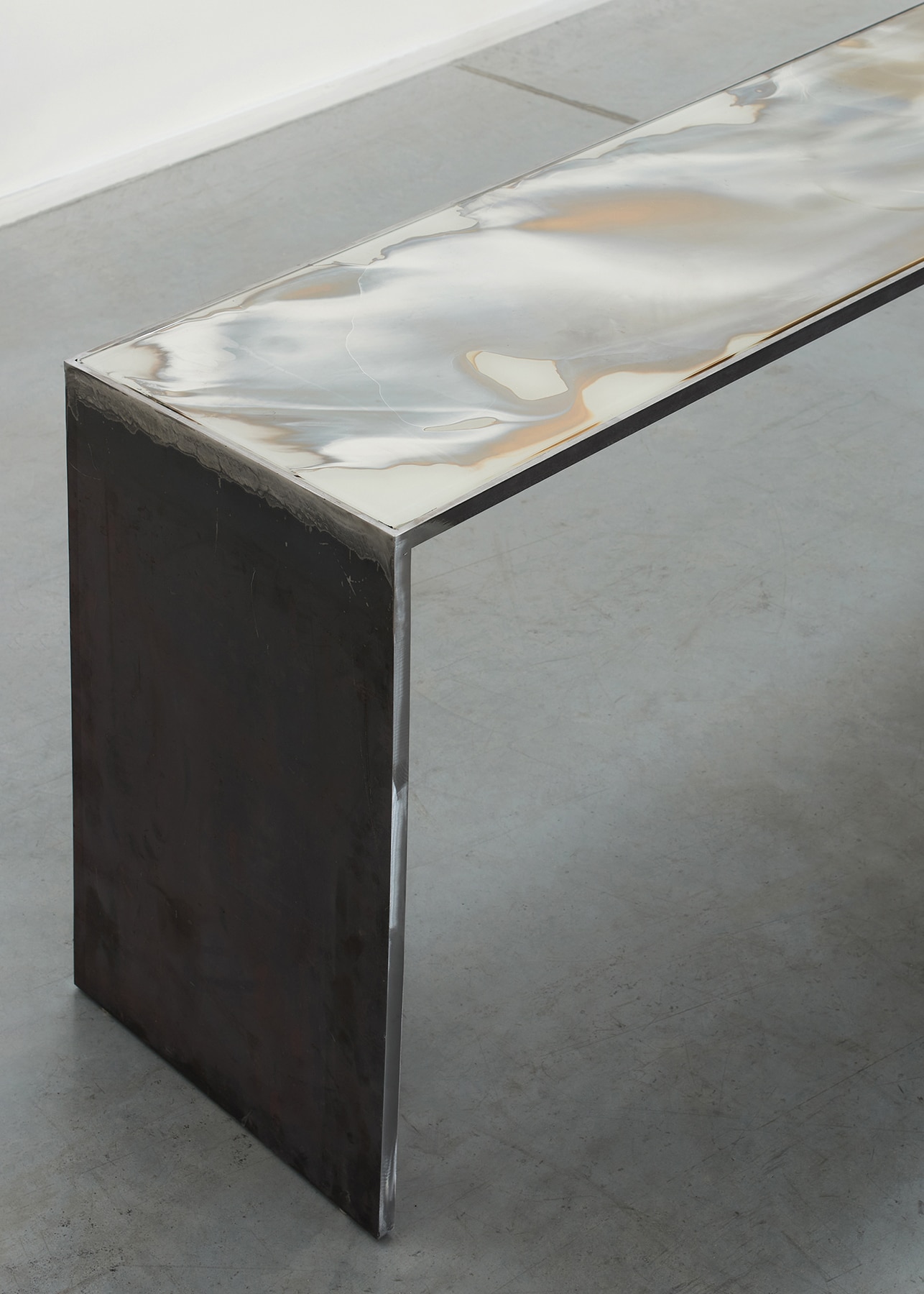
I love experimenting with materials and unusual solutions. During university, I researched silver mirror making and learned the technique from some of the masters of that craft. Since then, I’ve been perfecting my technique and have developed several unique processes. I am still experimenting and introducing new materials in my work.
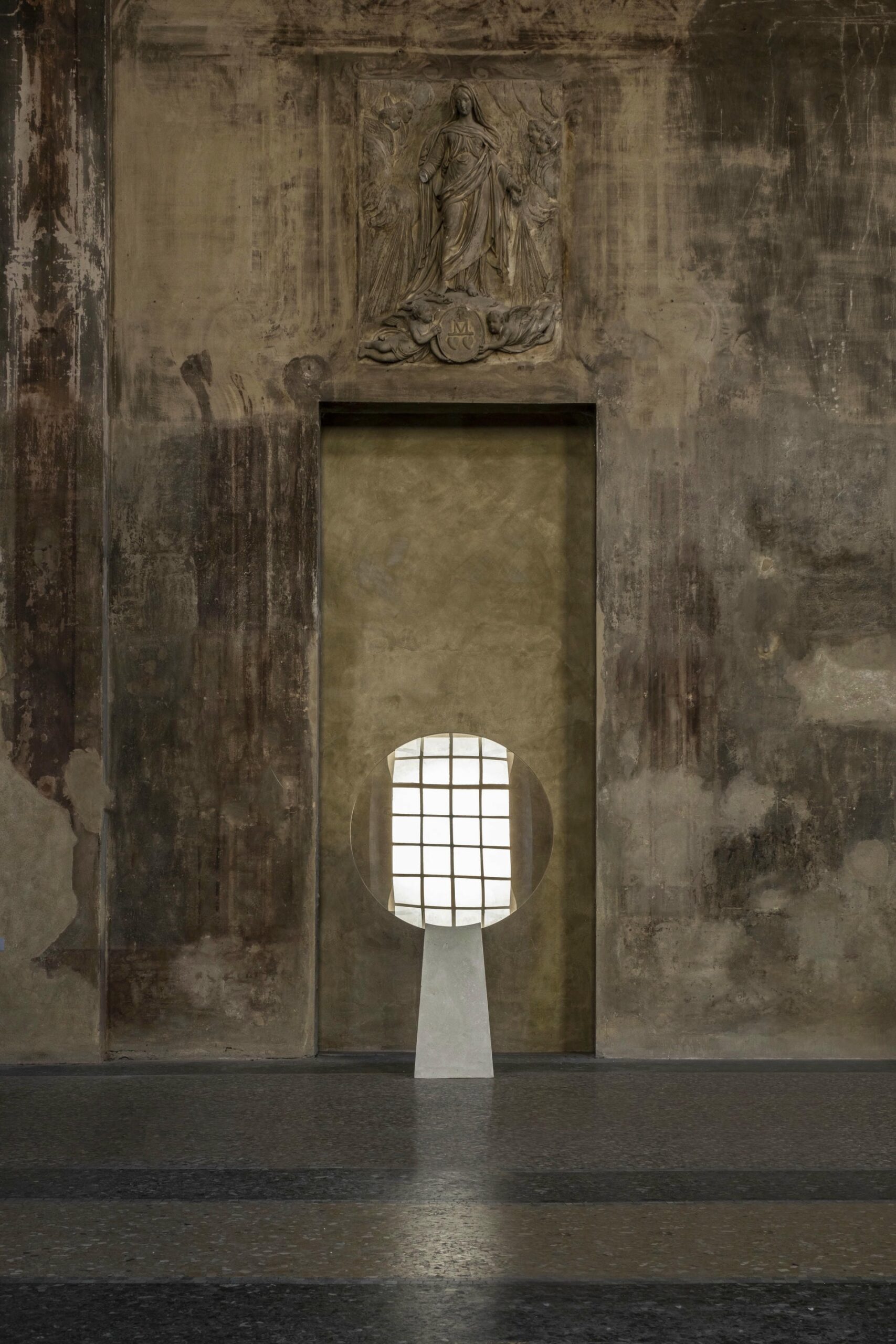
My work in general references time. I aim to pair craftsmanship and progressive technologies together. All the mirrors I make myself, they are handmade and unique. They are almost like paintings in that sense.
To get to know people from different backgrounds and from different fields of art. To not stay in your design/ art bubble and comfort zone. I generally believe that being open to your environment and placing yourself in challenging situations opens new ways that you weren’t thinking of and helps you find what you are really passionate about. And then just go for it full power.
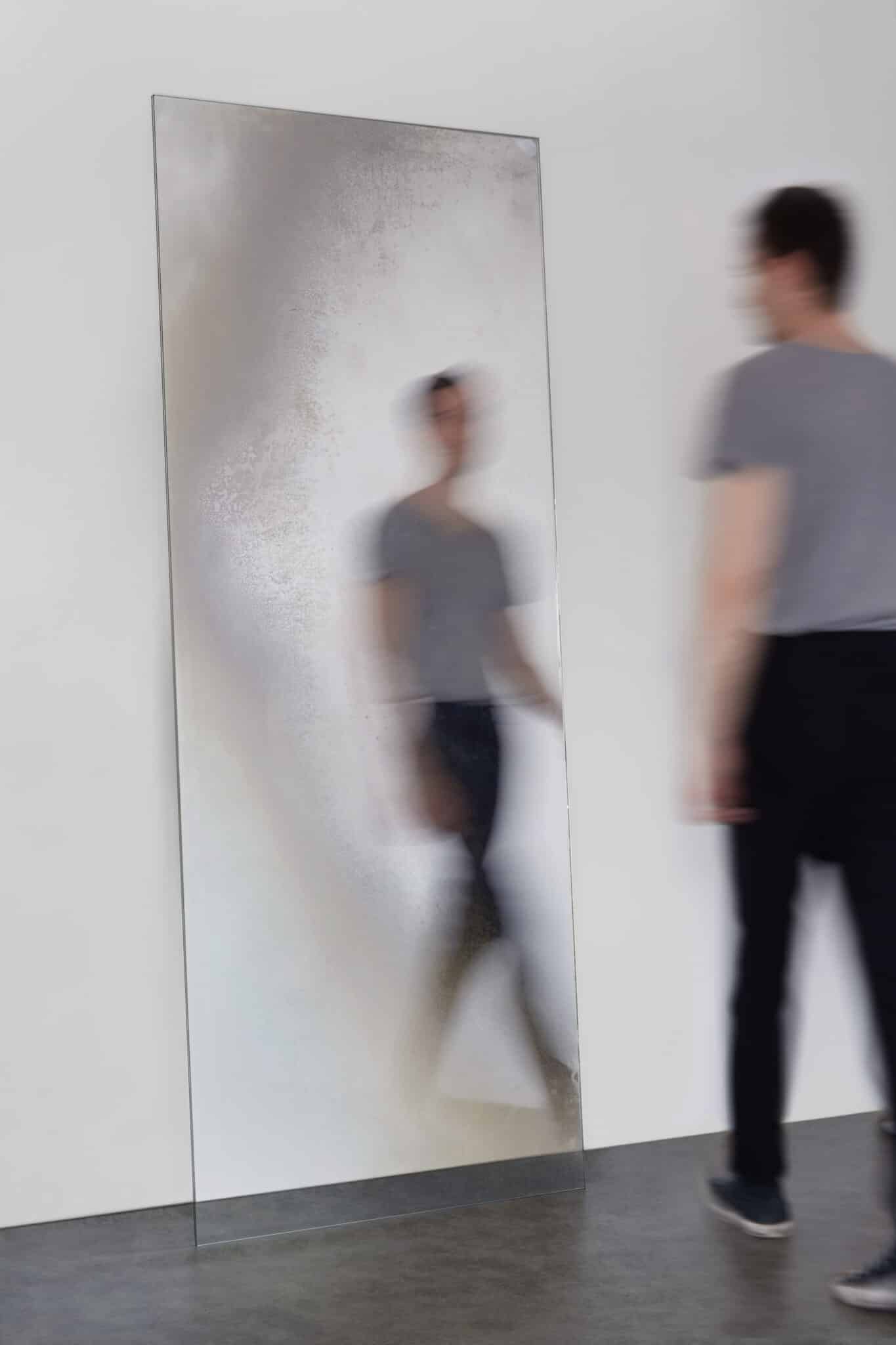
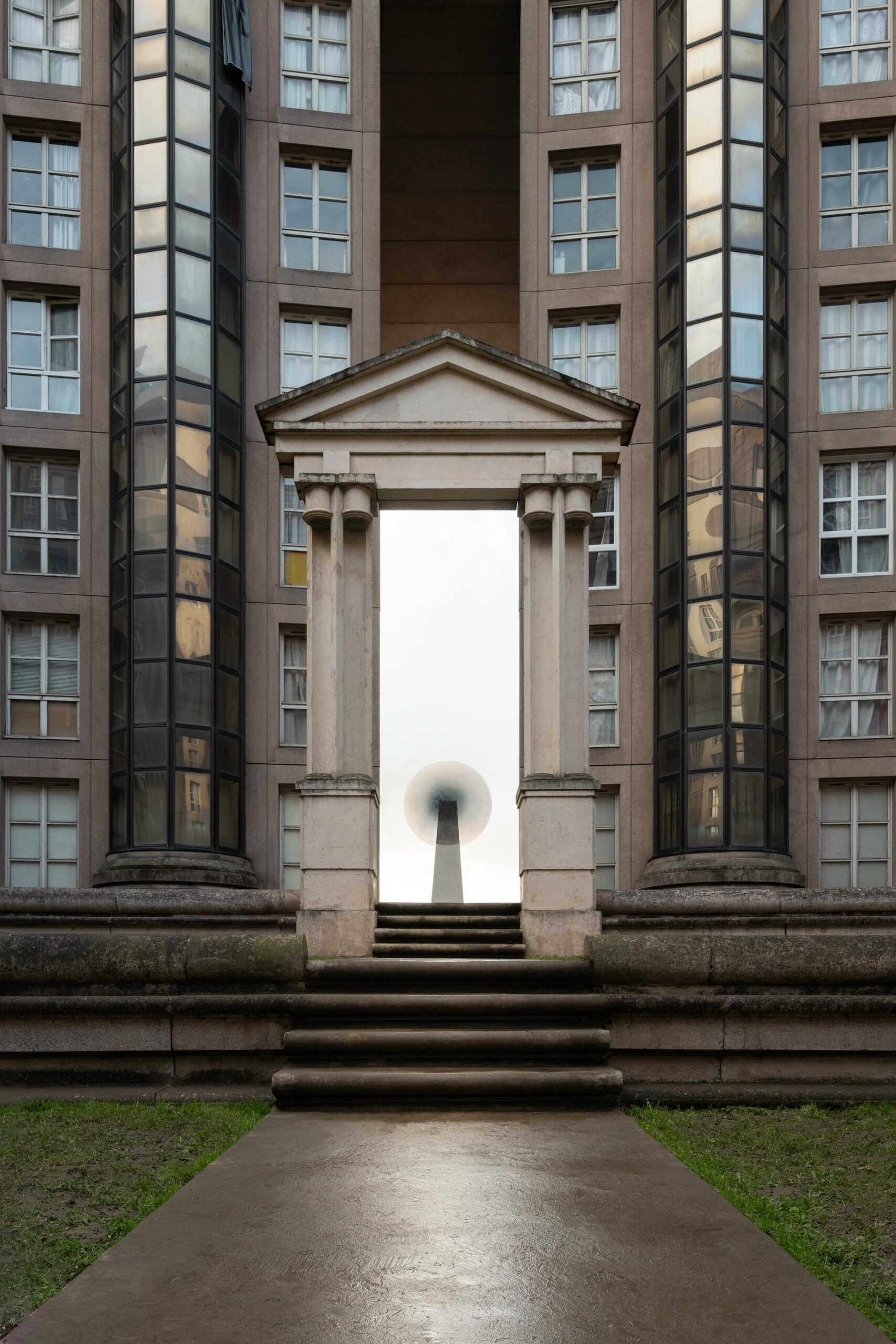
I don’t really want to belong to any design movement. Although I would say the light and space movement from the US had a big influence on me. Maybe I put a Balkan twist to it? My work is often described as one blending brutalist and romantic elements together. For example, the shapes I use are usually simple, robust, and monolithic, but other details in my work are fragile, ornamental, and almost romantic. I think this contrast is essential to my work.
My influences usually come from different sources, but I have definitely been influenced by other designers as well. Working with Sebastian Errazuriz was an inspiring period for sure.
I appreciate all creators who follow their passion and have a story to tell. I wouldn’t like to highlight one just because there are so many, and it is always changing.
To name a few: Daniel Turner, Richard Serra, Sterling Ruby, Nicolas Lamas.
Romantic brutalism.
“A lot of time I let the materials shape themselves and form functions.”
The Questions
(The Proust Questionnaire is a set of questions answered by the French writer Marcel Proust.
Other historical figures who have answered confession albums are Oscar Wilde,
Karl Marx, Arthur Conan Doyle, Stéphane Mallarmé, Paul Cézanne…)
Self-development.
Boredom.
Impatience.
Pettiness.
My mother.
My DJ skills or that I can curl my tongue in three.
Learning.
Being outspoken or overconfident.
Kindness, openness.
Same.
“oxidized silver”
Playing an instrument.
Not to overthink.
Living from my passion.
A glass of martini.
In an abandoned castle with a contemporary interior.
I am not attached to objects. I would say my loved ones.
Loneliness, war.
Creation.
Seemingly cold, but actually warm-hearted.
Honesty.
Albert Camus, Dostoevsky.
I don’t have one.
–
Selfless people.
–
Hypocrisy, oppression.
No regrets.
Thinking I was always true to myself and others.
This is a mirror, you are a written sentence (Luis Camnitzer).
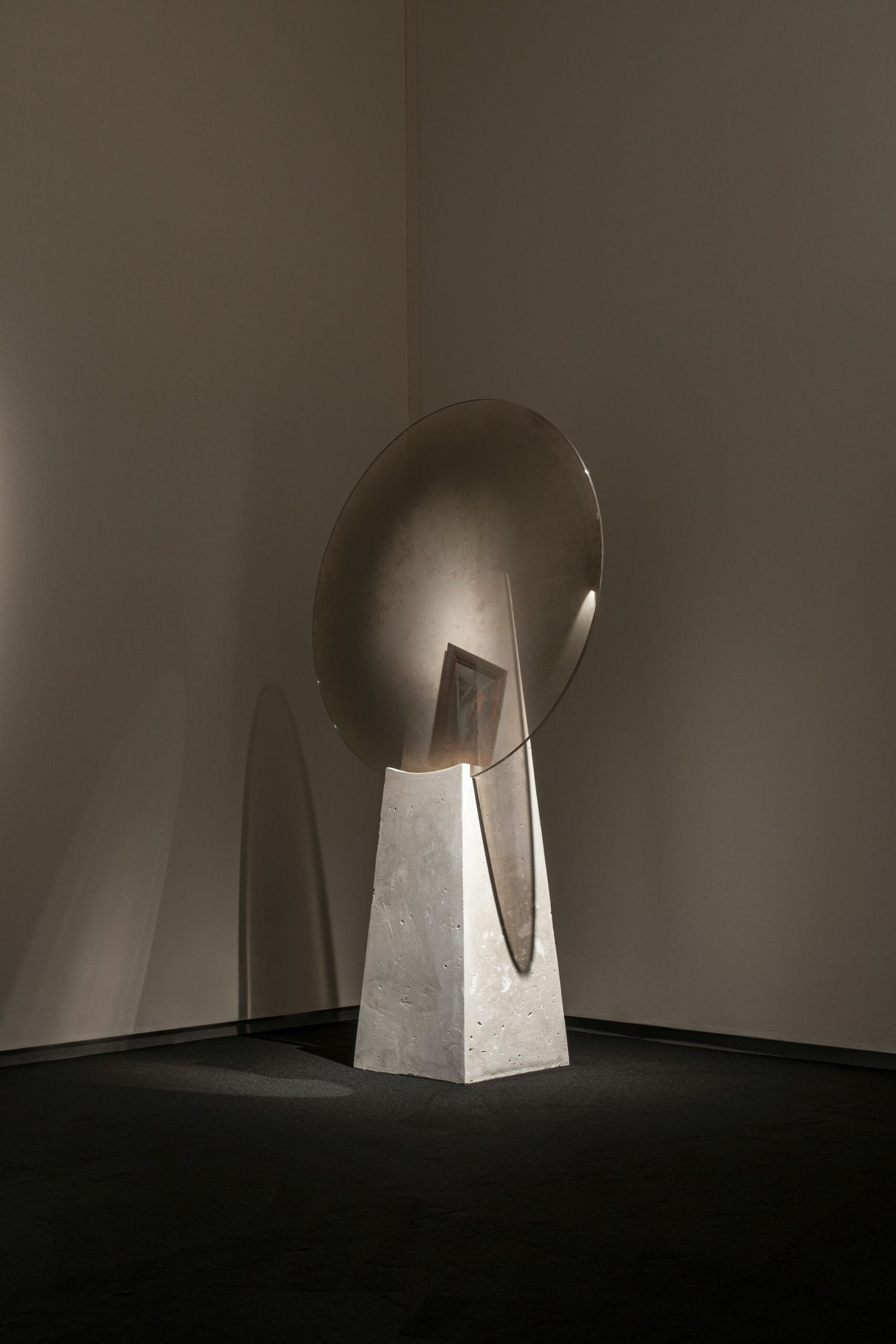
“I create on the border of art and design, where I can express my emotions while creating functional pieces.”
SHARE :