Camila Apaez
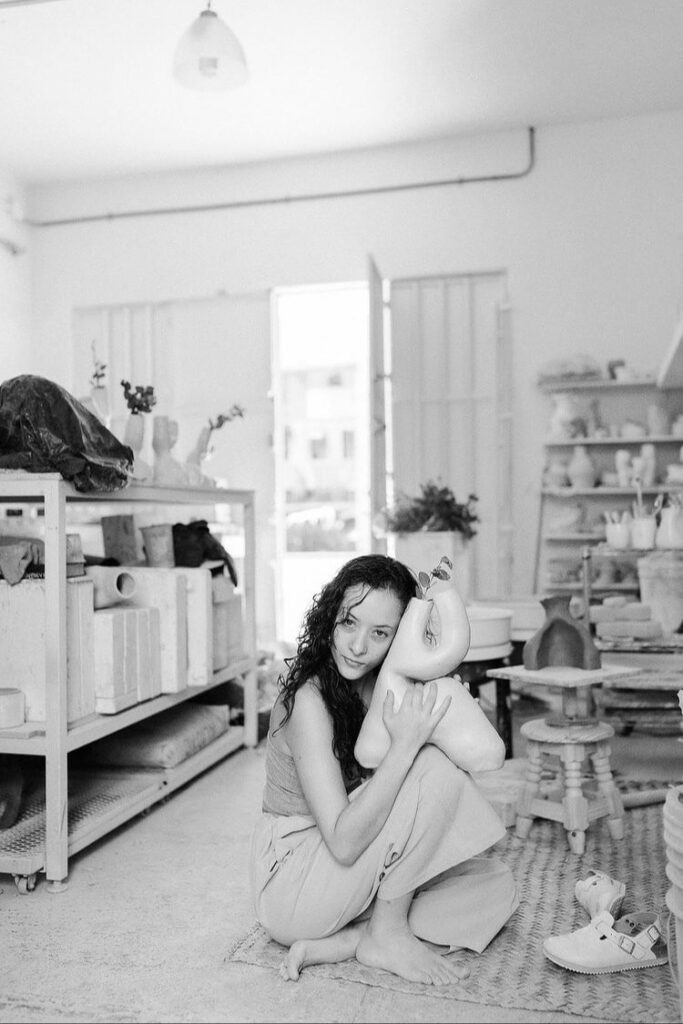
Camila Apaez is a Mexican ceramic artist and the founder of Ila Cerámica, a studio dedicated to creating sculptural and functional objects that explore the relationship between materiality, nature, and everyday rituals. Based in Mexico, her practice emerged from a personal journey of creative rediscovery, with clay becoming both a medium of expression and a tool for reflection.
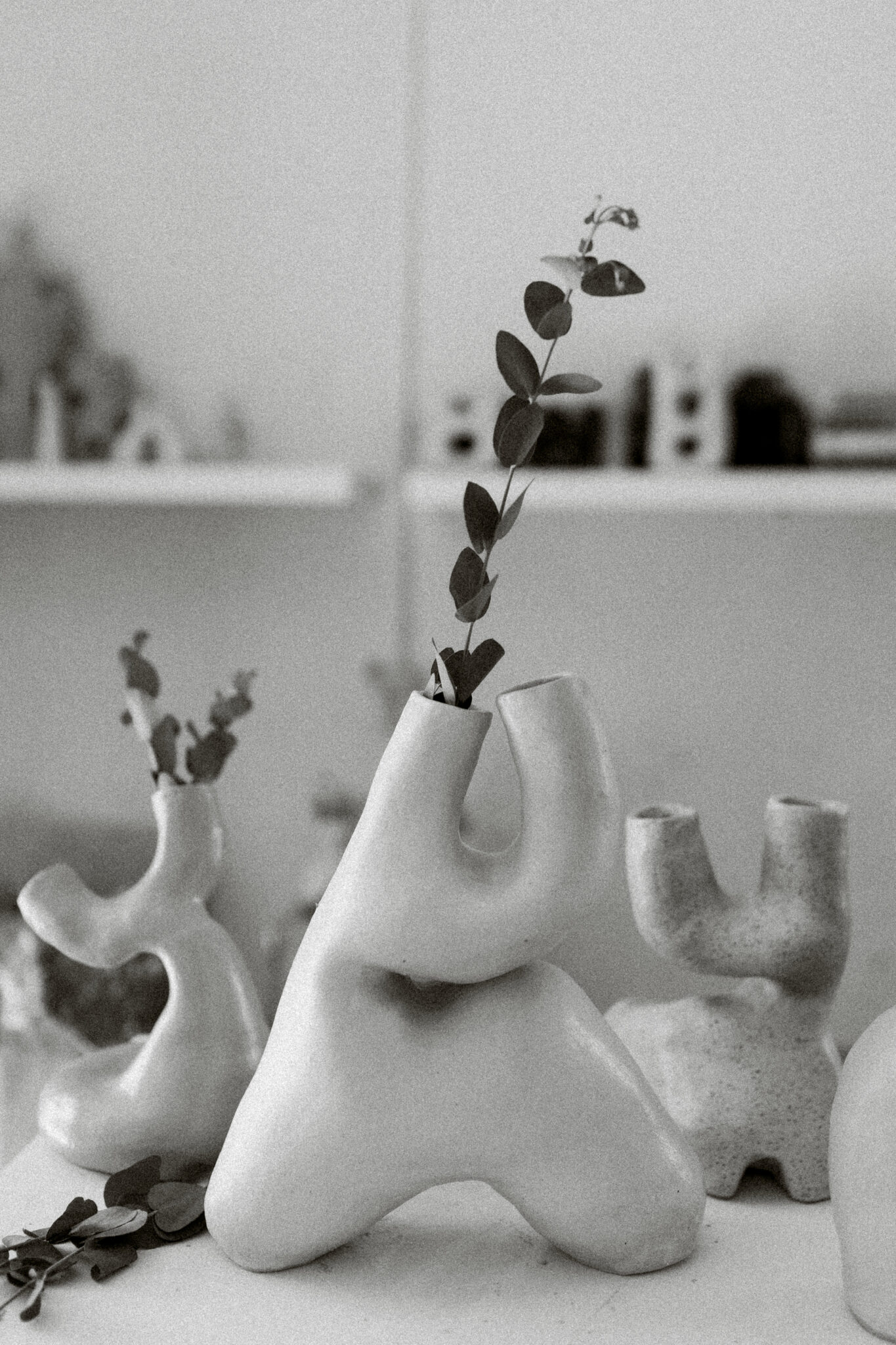
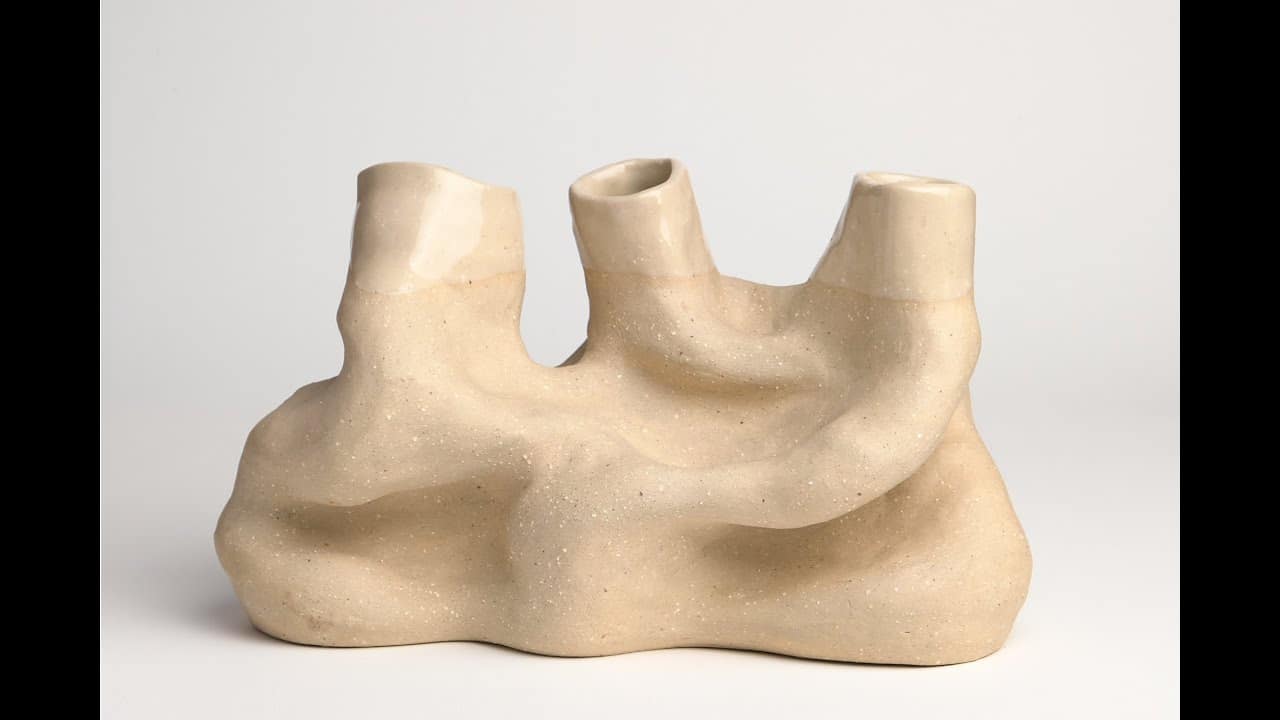
Working primarily by hand-building, Apaez creates organic, corporeal forms inspired by inner landscapes, natural phenomena, and the human body. Through Ila Cerámica, she develops collections that balance utility and sculpture, resulting in poetic objects that invite contemplation, intimacy, and a deeper connection to the spaces they inhabit.
Interview
I was born in Mexico City, and I’ve been living in Guadalajara pretty much all my life except for 4 or 5 years in Atlanta.
Hmm, that’s a tricky question. I’ve always been exposed to creative processes, since my mom is an artist herself and the school where I was when I was little was really into art and creativity… so I think I’ve been exposed to the importance of creative expression ever since I was born. But I guess I started attending galleries and taking my creative process more seriously in high school, when I lived in Atlanta. I was new to the city and didn’t have many friends at the beginning, so I would spend a lot of my weekends going to galleries and museums, and whenever I went abroad with my family for vacations, I would always spend time at museums.
In one way or another, art is something I’ve always been drawn to, be it from the creative side or the “management” aspect of it; I studied art and cultural management, so that naturally kept me close to many different kinds of artistic expressions. Although my work is often more associated with design, I think it currently stands right on the intersection between art, design, and craft.
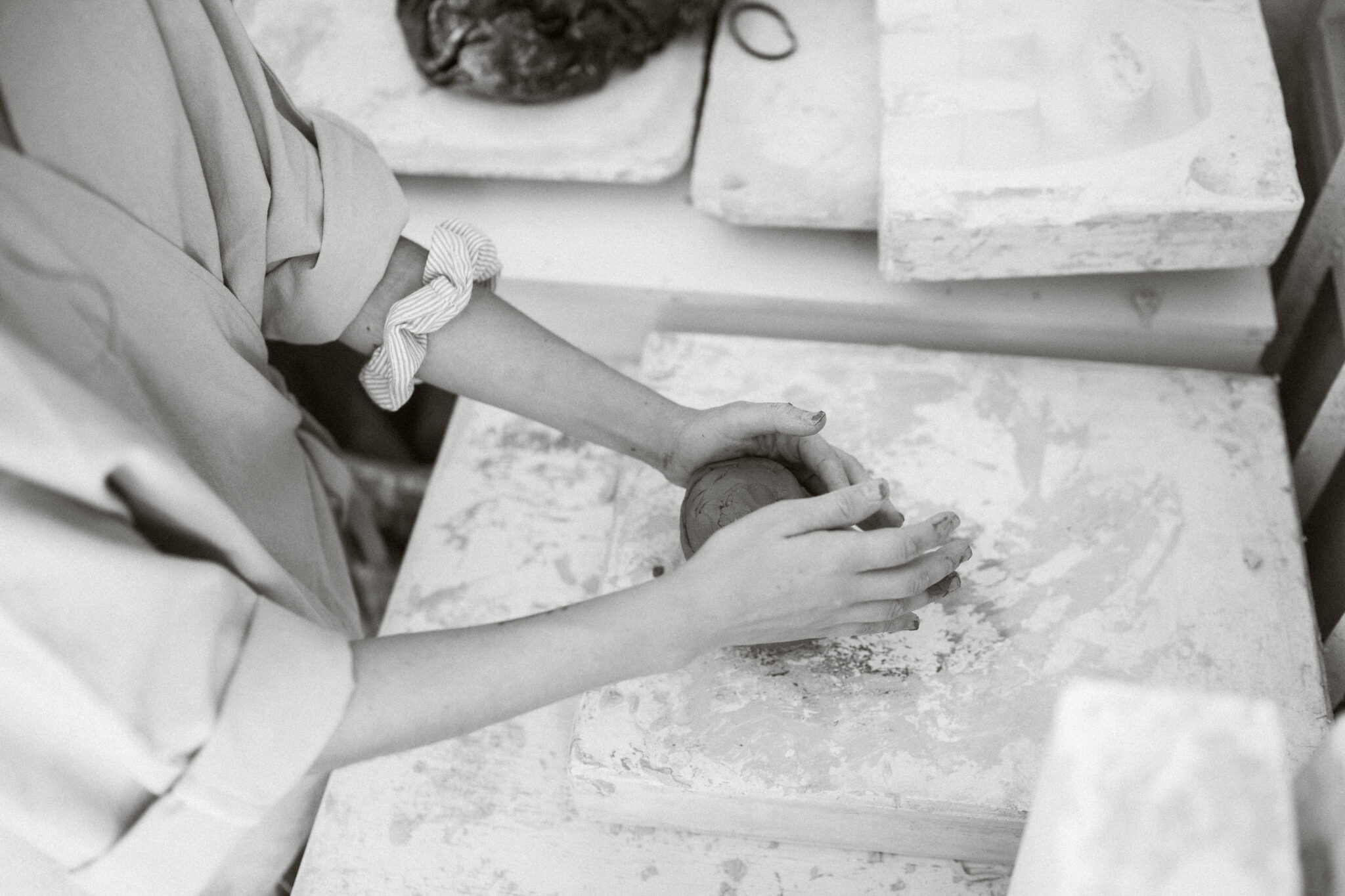
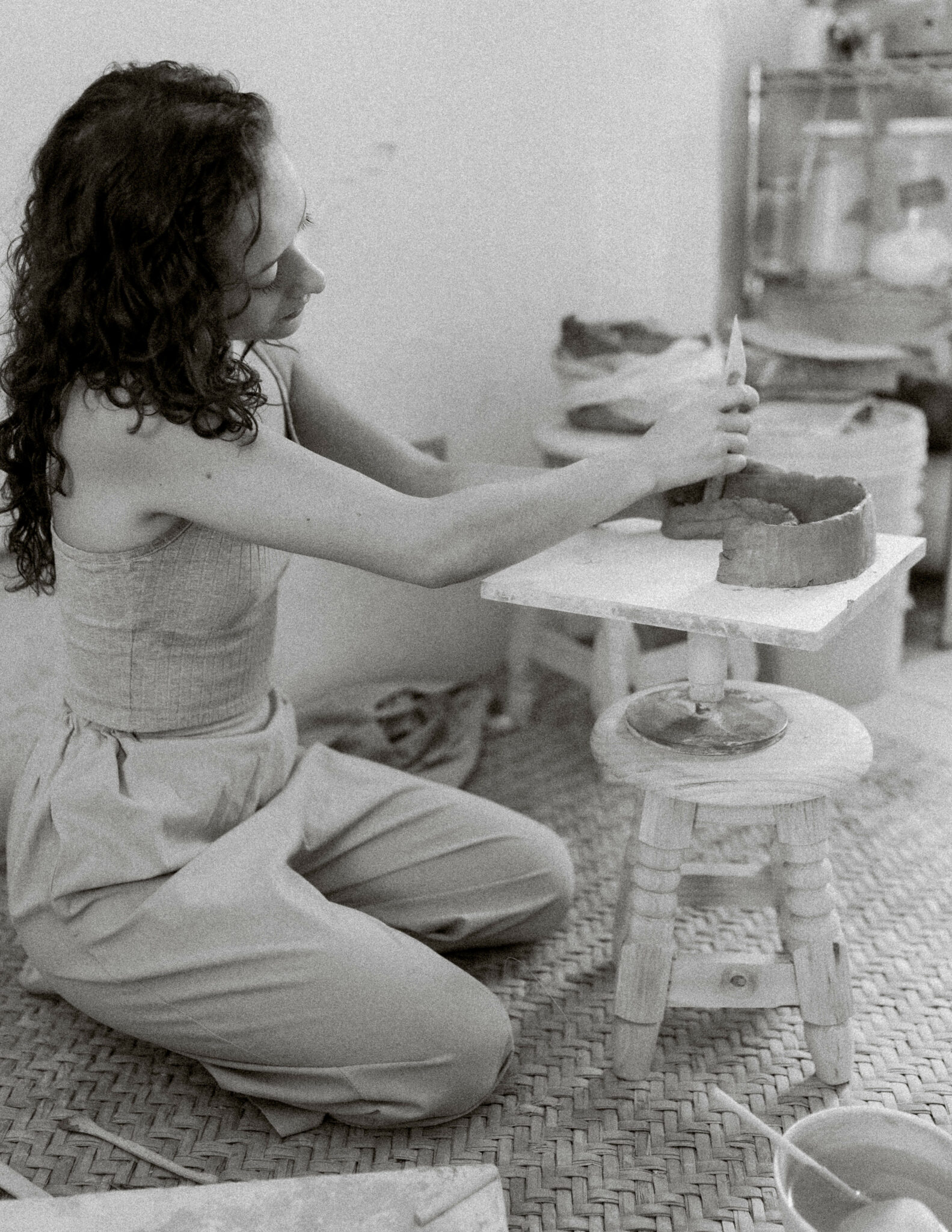
Honestly, it was something very organic and intuitive. I was first drawn to ceramics for the wheel-throwing process and the material, and as I got acquainted with the material, new possibilities began to emerge, and there was no turning back afterwards. I began working manually instead of with the wheel, and that allowed a whole new language that I believe now defines my work.
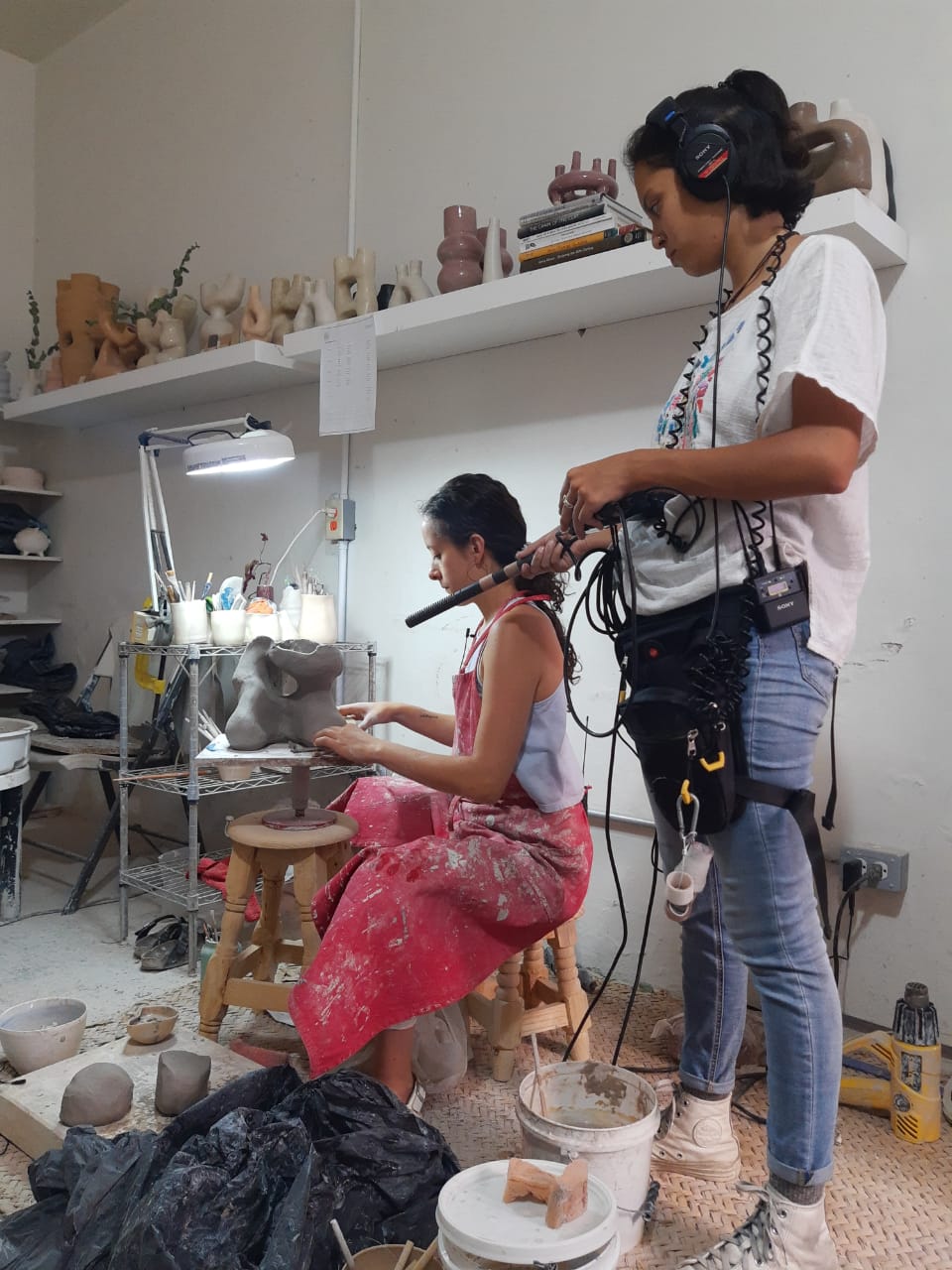
It’s definitely a non linear process, full of references and associations: looking at nature, at different kinds of art (specially photography and sculpture), working with my body through dance and other somatic practices, deep listening… all these influence my process which sometimes happens before I go into the materials, but once I’m on that, I leave all of the references behind and just let them work through me as I’m involvedWith the clay. Glazing and firing, on the other hand, are much more meticulous and calculated processes.
Honestly, it’s not so routine, for example, if we have wholesale orders pending, that gets priority, but luckily I have a great assistant who gives me a hand with that, so some days she is working with slip casting while I’m preparing glazes or glazing bisque ware. Also, if I’m working on special commissions (as I am right now), I try to work on that every day since they are usually more complex pieces that sometimes require specific clay bodies or glazes.
At the beginning, I was very viscerally drawn to it: the textures and the sensations it evokes were something that I absolutely had to try, and as I’ve evolved in my practice, I’ve developed different formulas for clay bodies that allow the kind of shapes that I’m interested in, although it’s still clay. For me, it’s such a kind material; the results in regards to shape and form are immediate, but nonetheless, it teaches you a lot about patience and time in every step of the process.
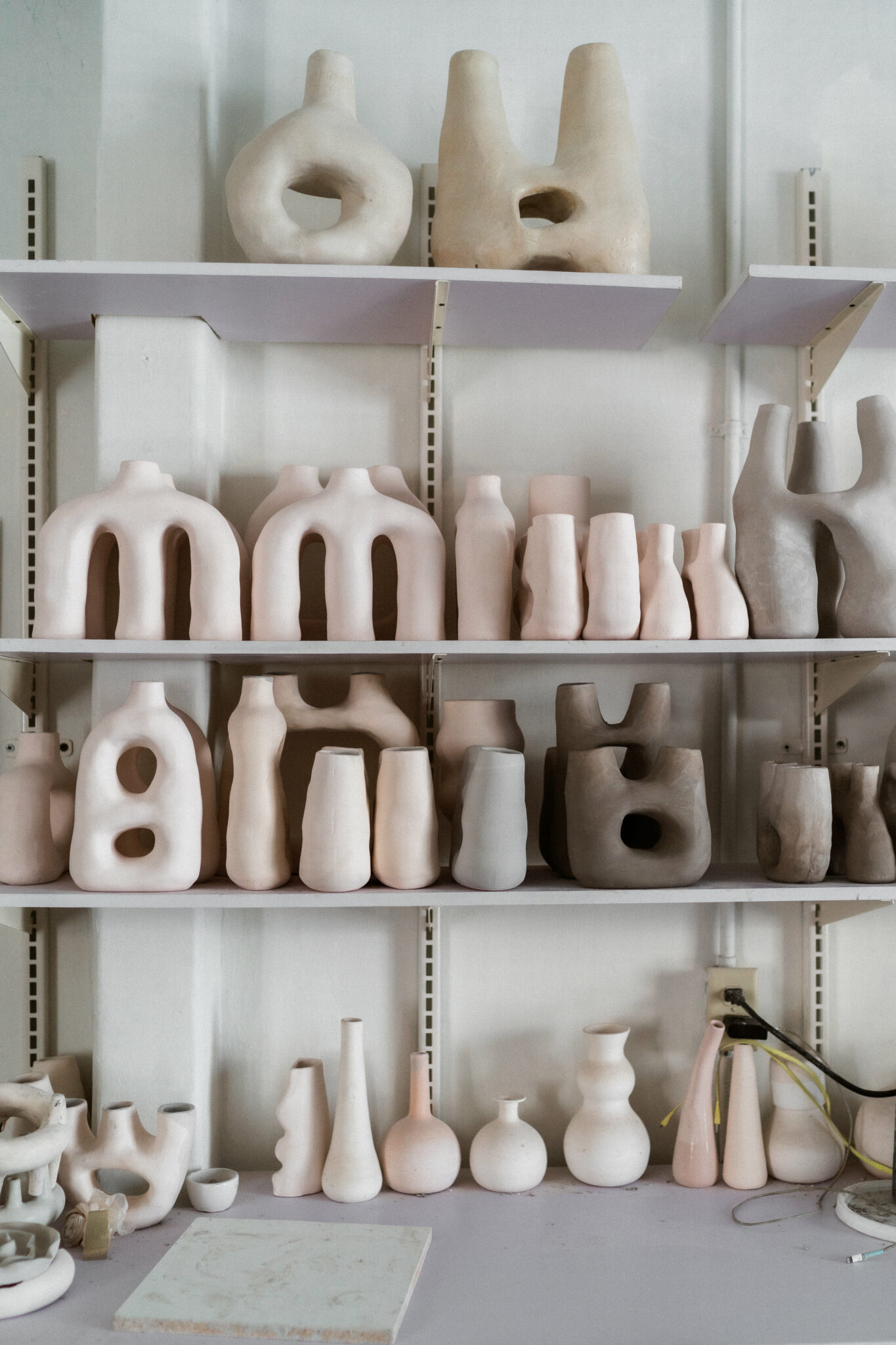
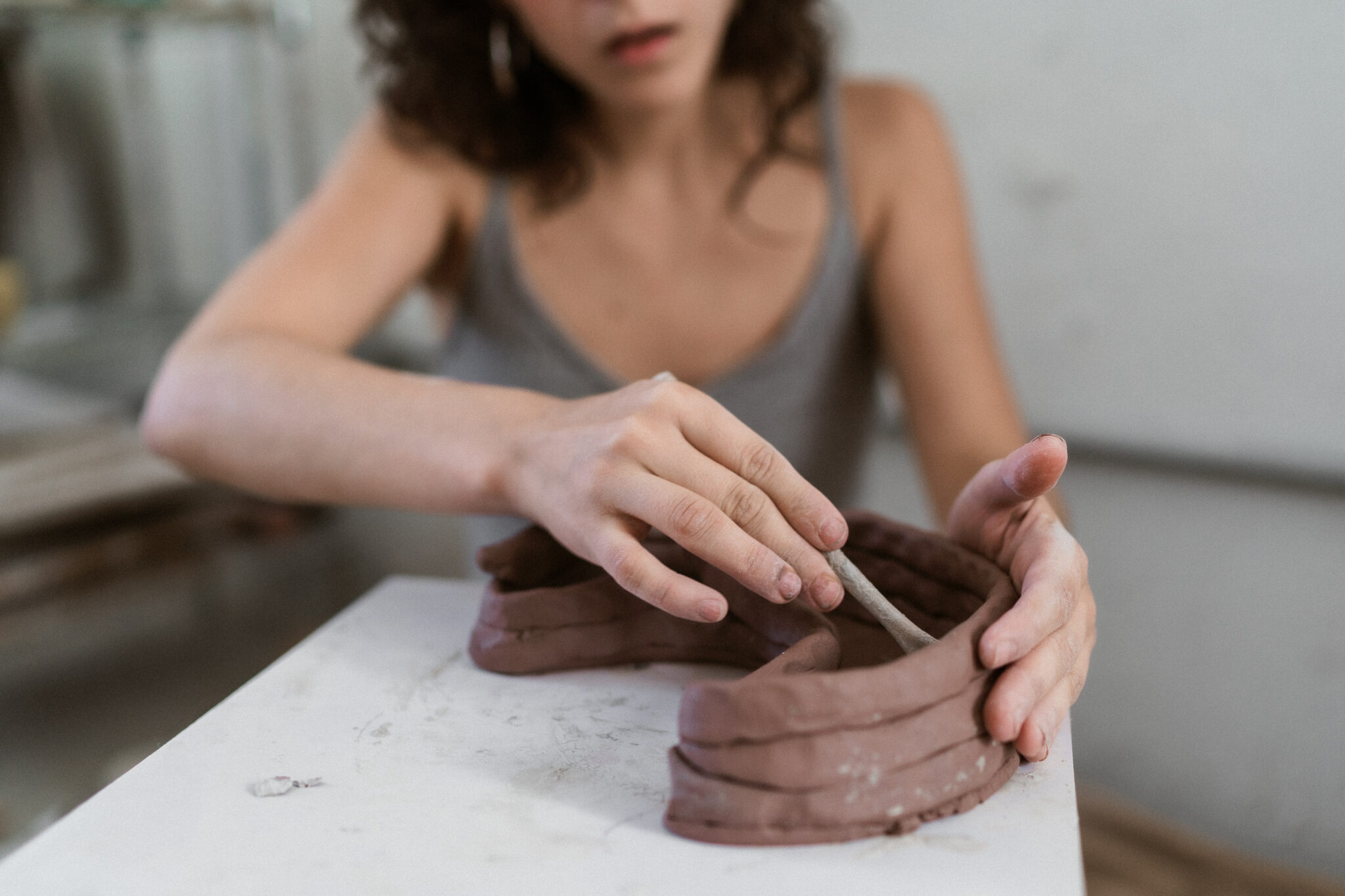
My work is high temperature clay, and all pieces from the one-of-a-kind collection are manually created, the glazes are made from scratch, and clay bodies are formulated specifically for the kind of work that I do, where the material needs to be flexible to maintain the curves and amorphous shapes, but strong enough to support the weight. For those pieces, I work mainly with coiling, and for the permanent collections, we work with casts from the original pieces.
To give enough time to their practice in order to develop a true language of their own… to observe and draw a lot, and to make no difference between “studio time” and “life time” or any other time, meaning that ideas that happen at the studio don’t always come from there, they come from everyday life, from observing nature, architecture, people…
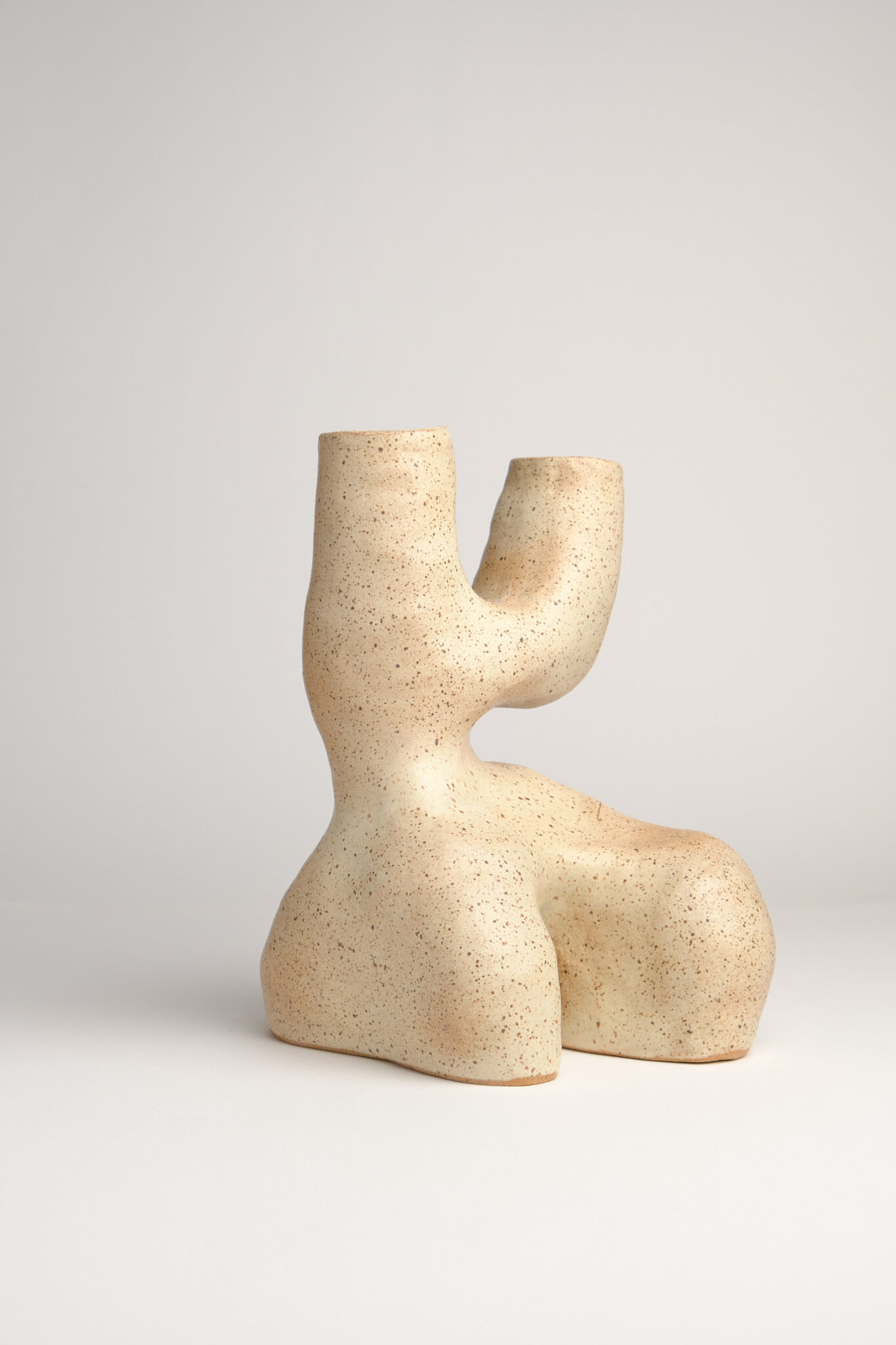
Hm, that´s a really good question. I think back in the 70´s there was a pretty big movement of organic shapes in design and architecture, and then there is also the works that sculptors like Henry Moore, Barbara Hepworth, or Jean Arp made a little before that. Both of these influence my work, and I guess organic design is what would suit it best.
I think my influences come more from the arts field; however, regarding design, I believe a definite influence would be Isamu Noguchi, J.B Blunk, Wendell Castle, Charles and Ray Eames, amongst others.
I really like the work of Rogan Gregory, Artur de Menezes, and Simone Bodmer Turner.
I´m really drawn to the photographs of Bill Brandt, the sculptures of Louise Bourgeois and Barbara Hepworth, the dance work of Damian Jalet, the Nederlands Dance Theater, and NOHBORDS. In regard to more contemporary art, I would say Sophie Calle’s work has been really inspiring, and definitely the work of Janine Antoni and Kiki Smith.
A place where corporeal experiences, nature, and words meet.
“I leave all of the references behind and just let them work through me as I’m involved with the clay.”
The Questions
(The Proust Questionnaire is a set of questions answered by the French writer Marcel Proust.
Other historical figures who have answered confession albums are Oscar Wilde,
Karl Marx, Arthur Conan Doyle, Stéphane Mallarmé, Paul Cézanne…)
It has changed throughout the years. Today, it is going to bed with a restful mind, reassured that matters have been dealt with, that good conversations have been had, that I laughed enough throughout the day and that I had one or two good ideas for new pieces.
Losing my mind.
Sometimes I analyze things too much.
An obtuse mindset or the thought that one is always right.
My brother.
When I´m with people that have known me for a while I can make loud and crazy sounds out of the blue.
Reassured.
Being honest. It should not be a virtue.
Spontaneity and eloquence.
Strength and creativity.
Covid. Jk.. cant think of anything specific…
Singing decently.
I would make myself more diligent when dealing with unexpected matters.
Starting my masters in psychotherapy while keeping my brand afloat and growing.
As a thing.. probably a teapot.
In some rural town in the woods near an artistic city. Still haven´t found it though.
My sketchbooks.
Depending on extorting others to maintain oneself afloat.
Being at the studio and riding my bike.
Probably being able to manage many projects at the same time (not literally the same time, but in the same timespan).
Their sense of humor and their warmth.
Clarice Lispector, Rebecca Solnit, Guadalupe Nettel.
Don’t have one.
I would like to think Lou Andreas Salomé but that would be very presumptuous.
Hard to say…
Io, Leonora (might change anytime).
Getting out of the shower and stepping on wet tiles. I always need a bathroom mat.
Hmmm.. can’t recall one right now.. I guess that´s a good sign?
In my sleep or at the sea.
I recently read that “who is head and who is not defines the status quo” and that really resonated with me, in regards to my pyschotherapy studies and to listening as a political stance.
“Ideas that happen at the studio don’t always come from there, they come from everyday life, from observing nature, architecture, people.”
SHARE :