

Catherine Kwong
Photo by Andrew Paynter
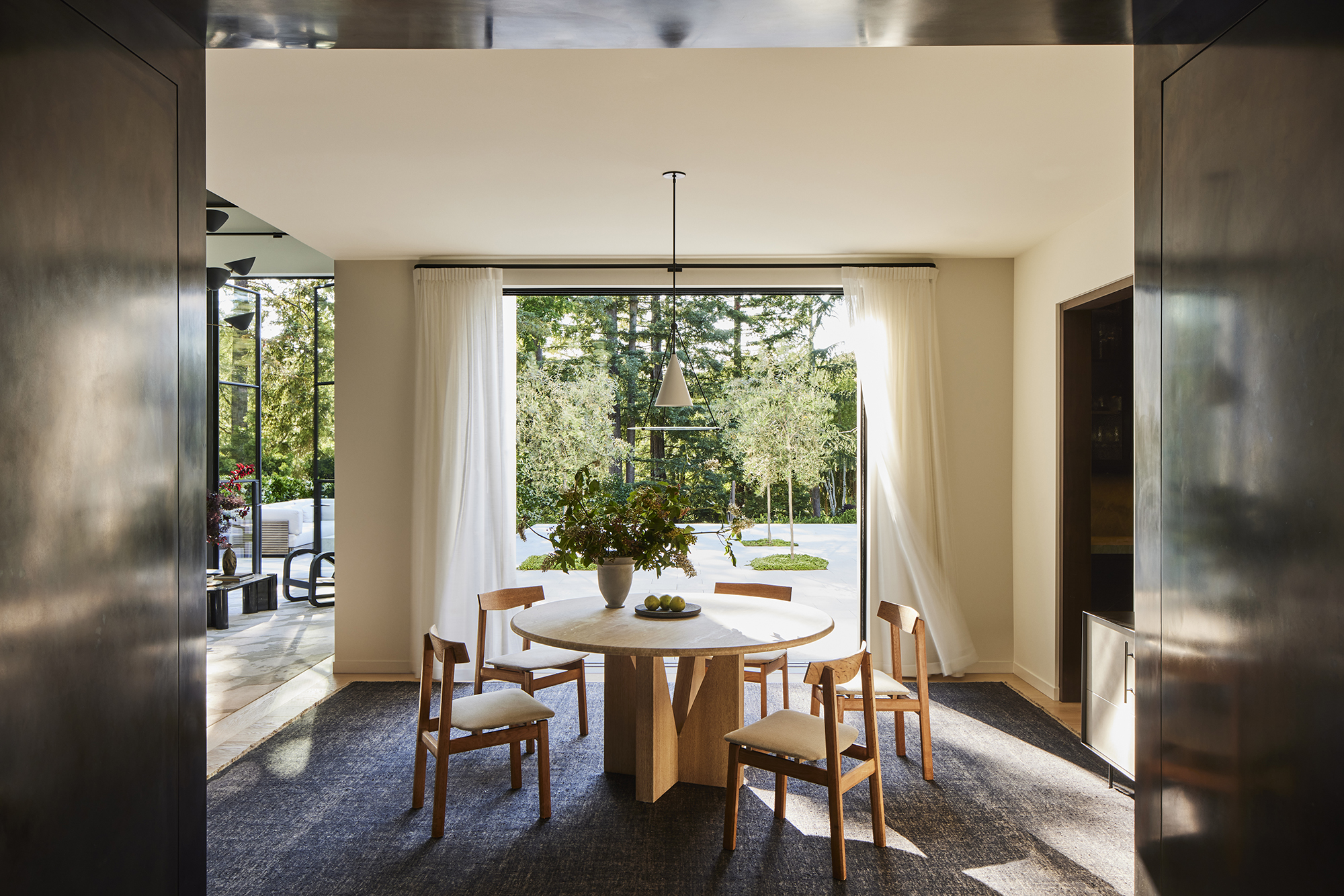
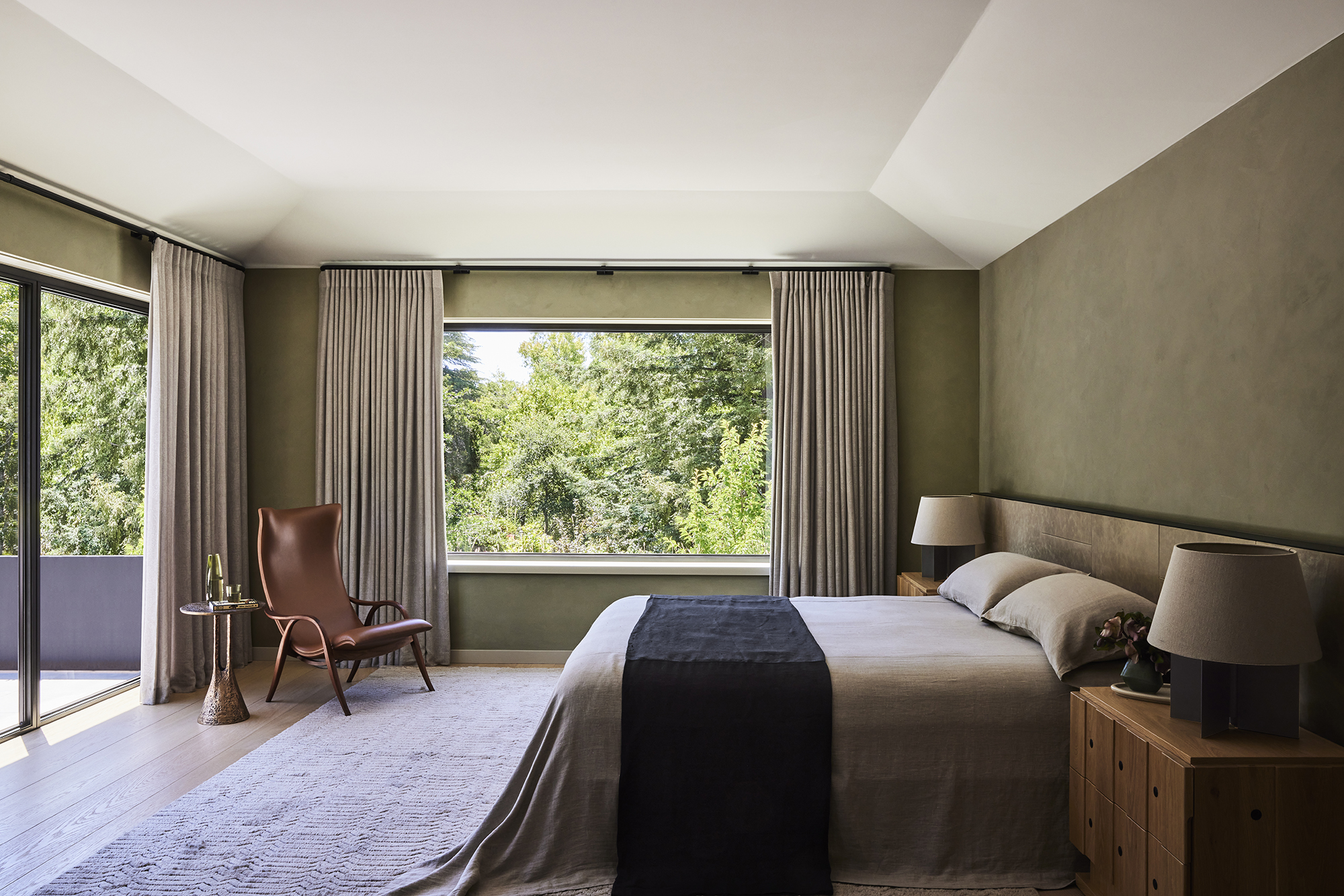
Catherine Kwong Design is a boutique design firm specializing in the creation of luxury residences, with an emphasis on modern architecture and custom detailing. The studio brings a fresh approach to sophisticated, tailored interiors—mixing contemporary lines with luxe materials, and fine art with personal treasures—to create moments of unexpected beauty. The interiors exude elegance with an edge.
The firm was founded by esteemed designer Catherine Kwong, who has been called “a modernist with romantic tendencies,” which perfectly encapsulates the studio’s style. Over the course of her career, Kwong has worked on interior design projects around the world. She was named a “Designer to Watch” by Architectural Digest, which praised her “keen interest in modern architecture” and her ability to craft “inviting yet disciplined interiors, where the subtlest nuances sing.”
Kwong has collaborated closely with legendary designers Bill Sofield and Paul Vincent Wiseman, and she holds degrees from Brown University and Parsons School of Design.
1. Could you tell us how your journey into interior design started?
I’ve always been drawn to architecture, from early on. I took architecture courses during undergrad and did some summer programs. Over time, I realized what interested me most were the finishing layers—the tactile and the tangible. After graduation, I worked for a few years and eventually found myself coming back to interior design. I decided to go back to school, and studied interior design at Parsons. I’ve always had a strong interest in graphics, art, textiles, and design history – and interior design encompasses all of those things. There’s a richness to interiors that I find endlessly inspiring.
2. Do you think there has been a defining moment in your career?
Working in New York was an important time in my career, in terms of developing my eye. I lived there both before and after design school and worked there for Bill Sofield, and then Ralph Lauren. Being in a major city in your 20s, there is so much visual and cultural stimulation, and I was constantly surrounded by creative people. It helped shape the way I see and approach design.
3. What do you think is the key to a successful interior design? And in your business in general?
Having a strong design concept from the very beginning is essential—it becomes your north star throughout the process. I’m always asking: what’s true to this project? What story are we telling? What does this space look and feel like? That helps anchor the narrative and drive the design forward.
4. How do you start your interior design projects? Do you usually start with a certain element of design or a keyword? And how do they develop?
I start with the architecture. For ground-up builds, we do a lot of preliminary work to understand what’s being created. In renovations, we analyze the existing space to understand what is working and what can be improved. The architecture sets the tone, and from there, we look at how to complement or juxtapose it with the interiors. Sometimes it’s obvious, and sometimes it takes a bit more digging. It’s important to listen to spaces.
5. How would you define your signature style? Do you have “a mantra” that encapsulates your taste in design?
I’ve been called ‘a modernist with romantic tendencies,’ which is kind of a funny phrase… but also kind of perfectly describes my style.
6. What are your 3 favorite pieces from the Philia Collection?



7. Could you tell us about one of the favorite projects that you worked on?
A recent project in Hawaii comes to mind that we called The Island Barn project. The architecture by Walker Warner was stunning and presented us with a strong design direction—it flowed from there. The client had a clear point of view that aligned with ours, balancing minimalism with rich visual layers. The layout was unique—not cookie-cutter in any way. It responded to the natural landscape in an incredibly thoughtful way, with each room approached through different openings that framed the views.
8. If you could pick one interior design tip that is important to you, what would it be?
Try to mix vintage pieces with contemporary art. That contrast brings so much personality and depth to a space.
9. What was the best advice you have received in your path?
–
10. What would be your advice to beginner interior designers?
Stay curious. Keep learning everything you can—about design, about art, about the world. Many of the designers I admire, like Rose Uniacke and Pamela Shamshiri, have a deep knowledge of history and a broad architectural education that really shows in their work. I’ve found that a strong foundation of context can provide a lot of freedom and depth in developing your design work.
11. What was one of the hardest learned lessons in your journey?
How to be selective. It’s easy to want to do it all, especially early on in your career, but over time I’ve learned the importance of focusing—of being particular about what I take on and choosing projects that challenge me creatively. If I’m genuinely excited about the project, it makes the work so much stronger.
12. Are there any books/podcasts you would like to recommend to our readers?
I’m enjoying Amy Poehler’s ‘Good Hang’ and Julia Louis-Dreyfus’s ‘Wiser Than Me.’ I’m also really into ‘Dissect,’ the music podcast. For interviews about the industry, ‘Business of Home’ and ‘The Interior Collective’ host podcasts that are always really insightful.
13. Finally, what are your upcoming projects? Anything you’d like to share or add to the interview?
We’re working on exciting residential projects on both coasts, as well as a special project with Brown Estate Winery.
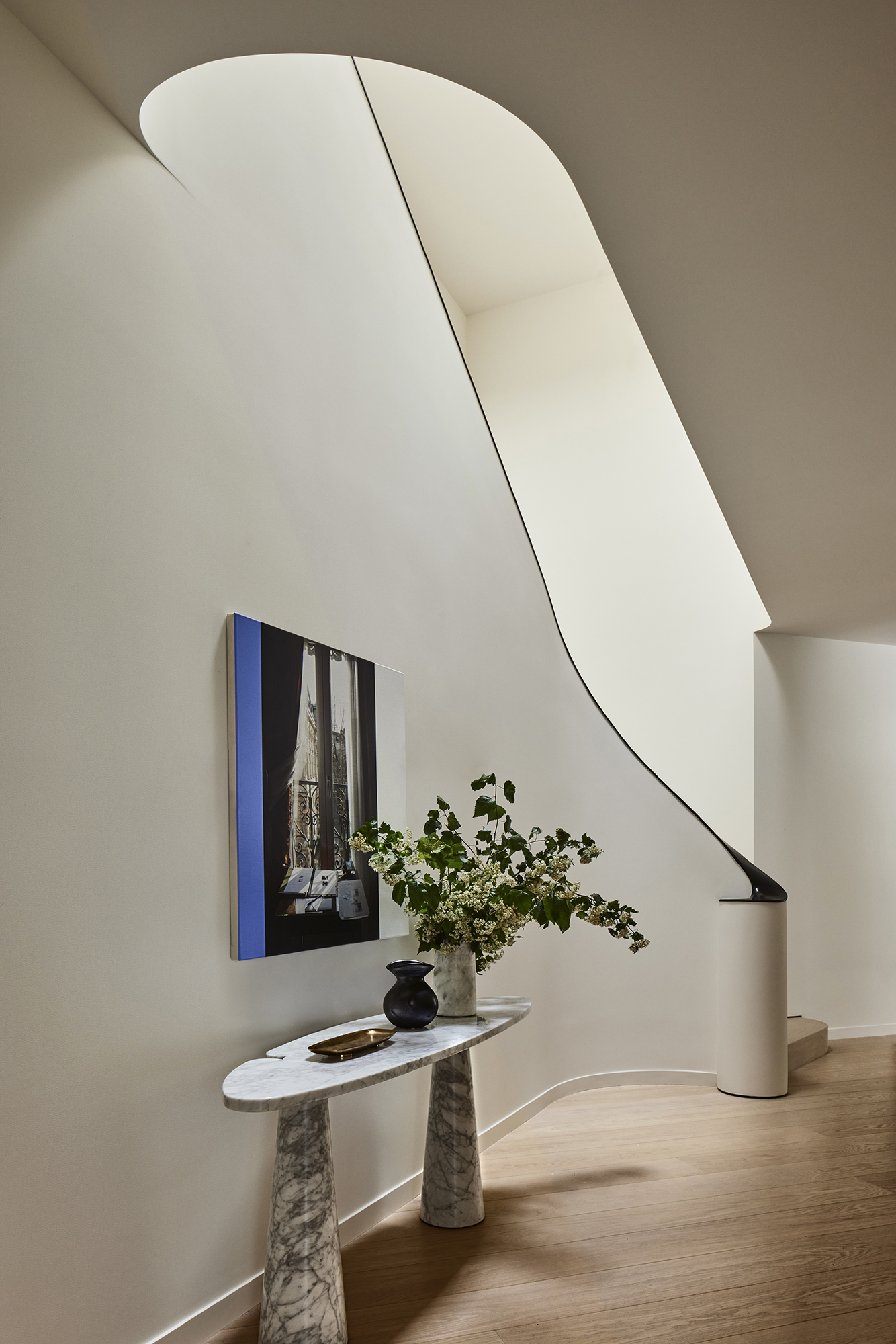
Ian Wallace, Hotel de Nice, Paris 2015. Photos by Sam Frost
Thank you so much Catherine, for this lovely interview!