I was born and raised in Singapore.
MAGAZINE · INTERVIEW
Studio Kallang
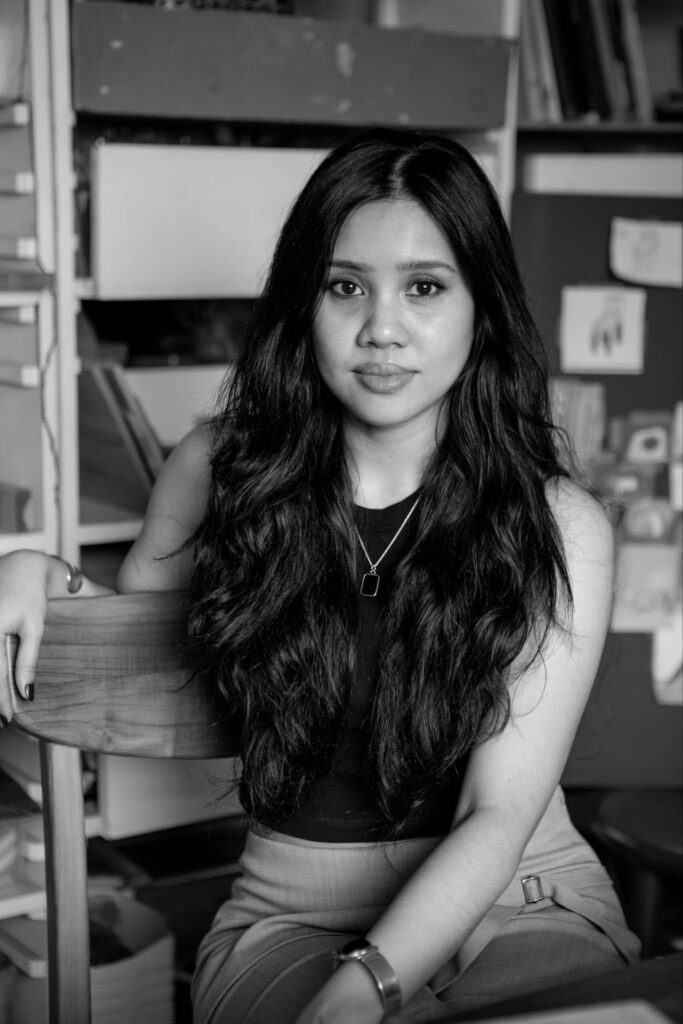
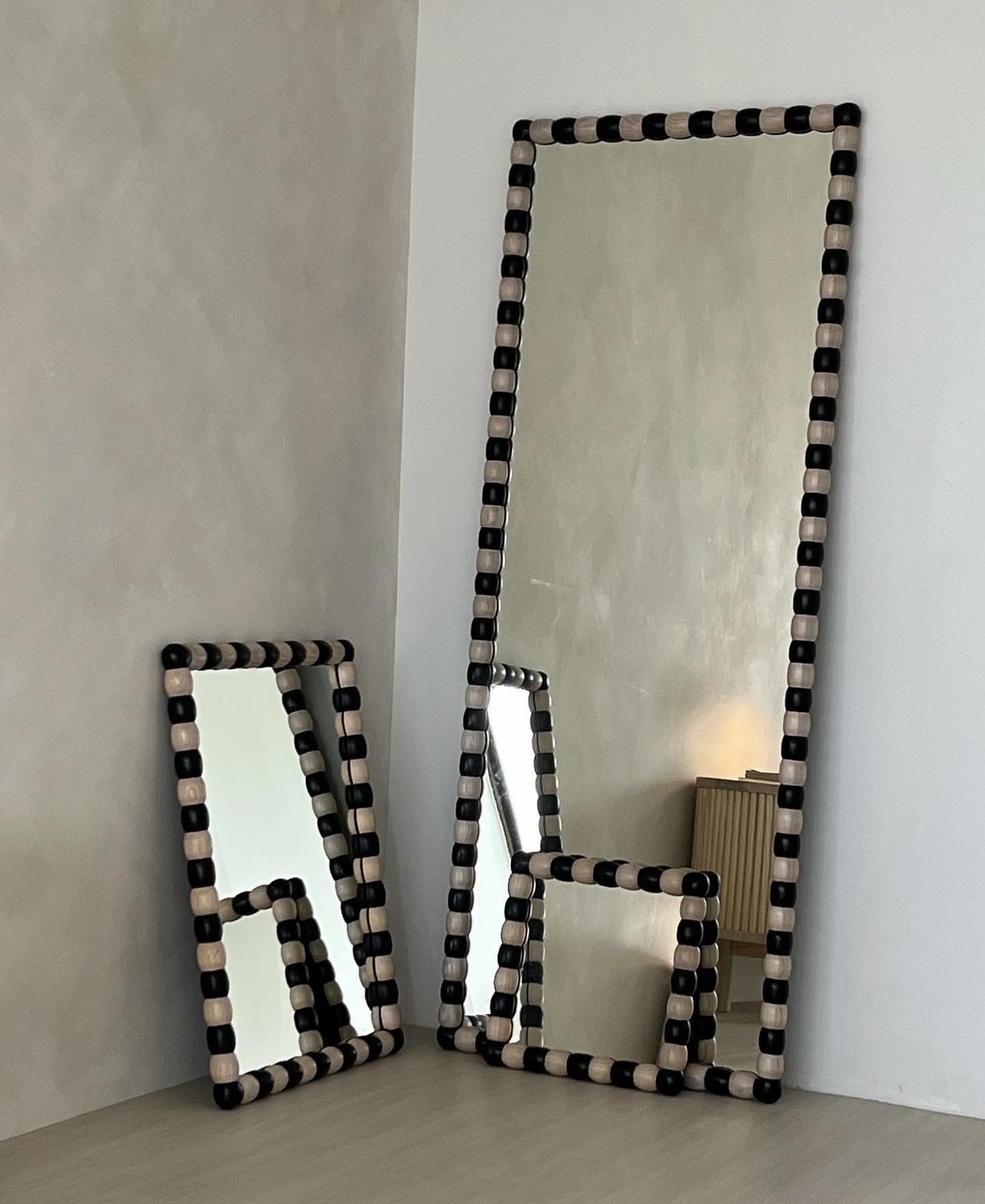
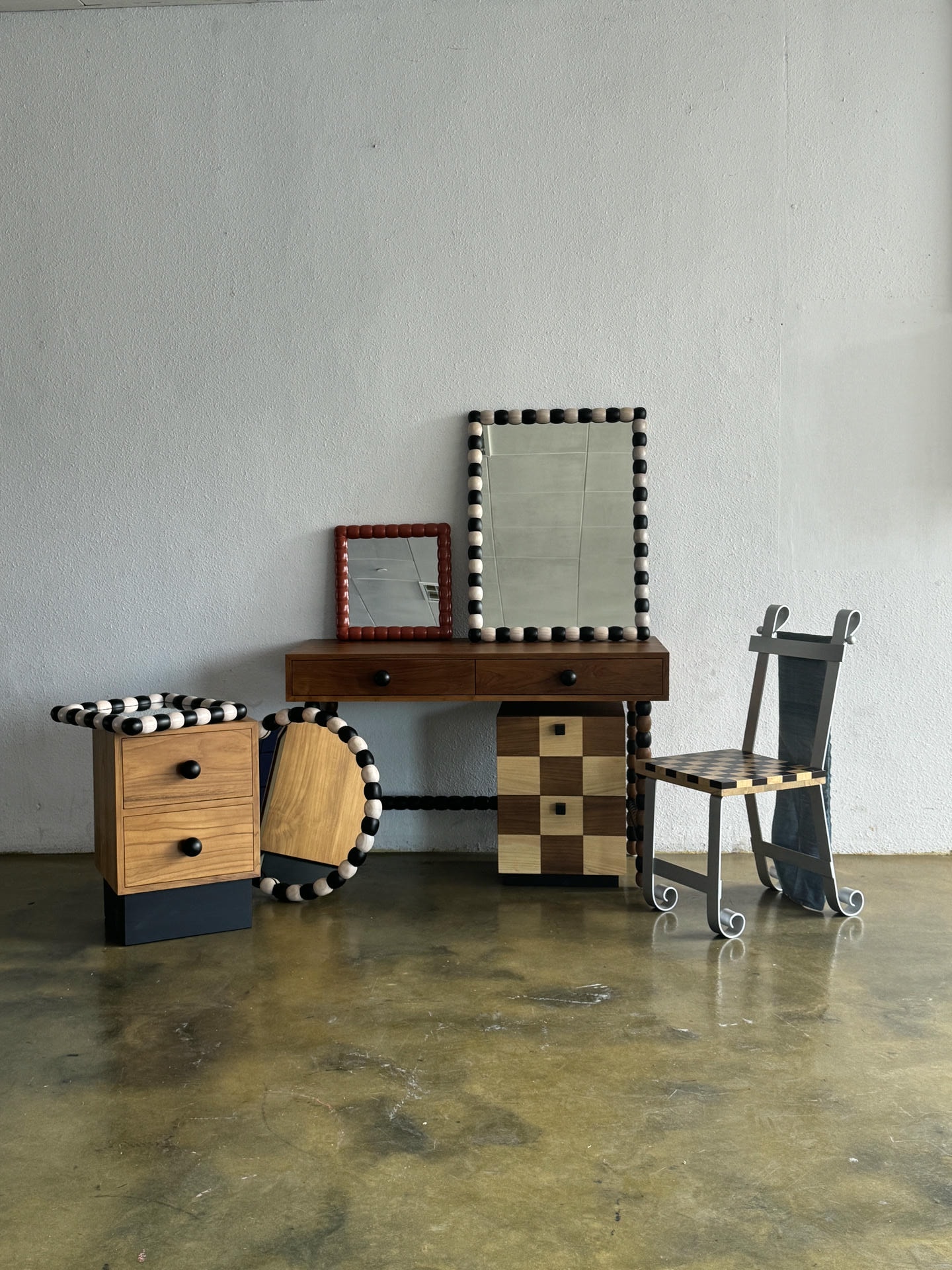
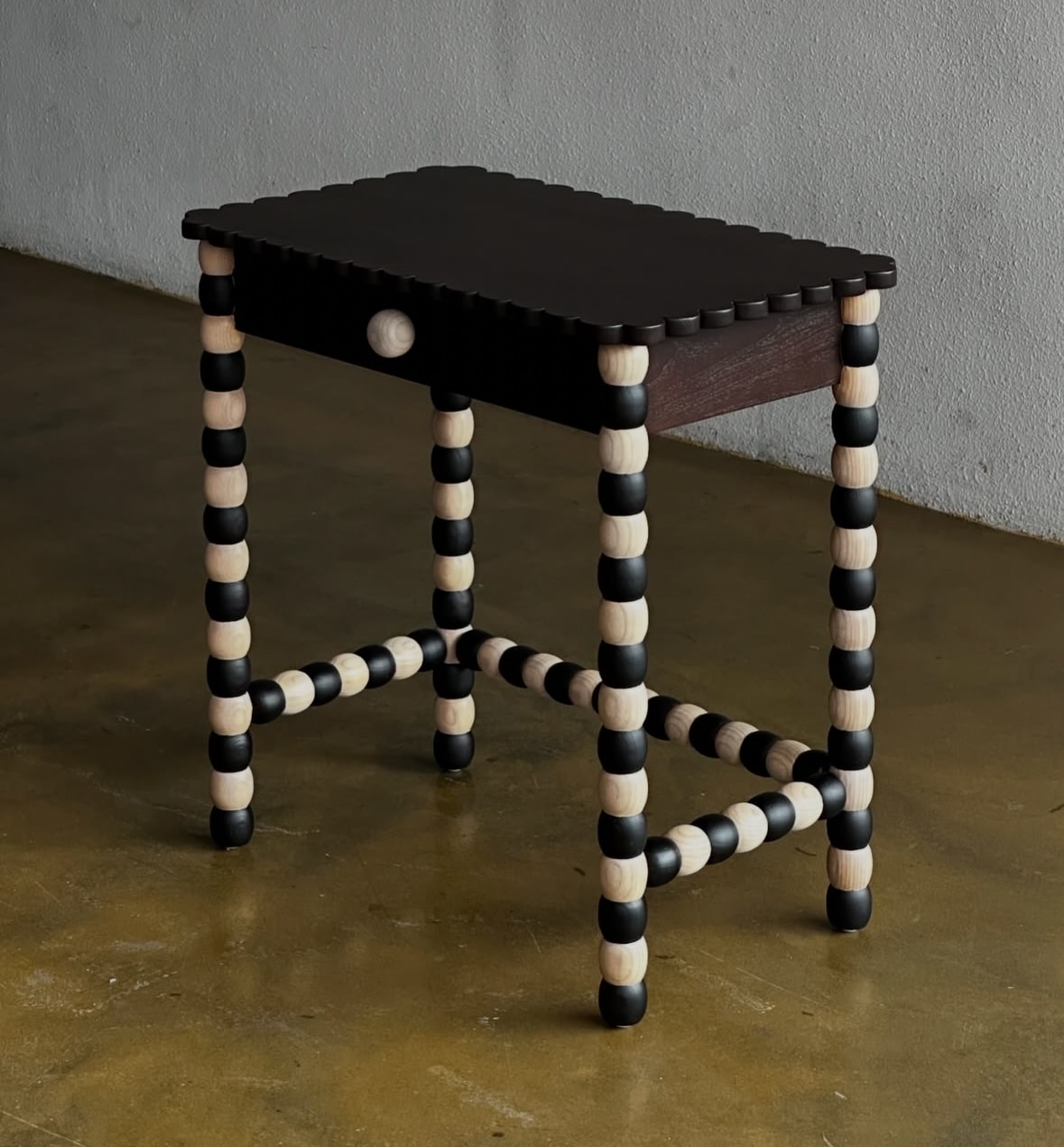
Faezah Shaharuddin is a Singaporean multidisciplinary designer and founder of Studio Kallang, whose practice explores the relationship between nostalgia, cultural identity, and contemporary design. Working across furniture, objects, and visual communication, she creates pieces that reinterpret familiar forms through a refined and playful lens, balancing functionality with narrative and emotional resonance.
Trained at the University of Washington School of Art + Art History + Design, Shaharuddin combines a strong graphic sensibility with a material-driven approach to design. Through Studio Kallang, she develops collectible furniture and objects distinguished by thoughtful craftsmanship, subtle cultural references, and a timeless aesthetic, while collaborating with international brands and presenting her work at exhibitions including Milan Design Week and the Asian Civilisations Museum.
Let's know more about
Interview
Where were you born and where are you from?
What is your first memory connected to the art world?
My mother had a furniture business, and when I was helping out in the showroom as a teenager, I would meet a lot of designers or people who worked in media, fashion, or theatre who were looking to rent pieces for their sets. They were interesting people with strong personalities, and sparked my curiosity in the industry.
Have you always worked in the art/design field?
Yes, although in the beginning, the work felt more adjacent to the art and design world. It took a couple of years to feel like I was actually part of the industry and not just ancillary to it.
What led you to design creation?
I had just graduated from design school and was helping out with the family business. I learnt a lot about the interior industry, and eventually felt compelled to create thoughtful pieces of my own. It was also a pretty transformative and confusing period for me, having just moved home to Singapore from college in the US. I felt like I needed to create a productive outlet that would help me reconcile the discomfort of living between both cultures. It was especially comforting once I realized other people resonated deeply with the work as well.
How would you describe your creative process and its influences?
It’s not a linear process, but I make it a point to consume as much media as possible from diverse sources— art, movies, music, and social media – until patterns emerge in my head regarding the current cultural milieu. I then try to combine that with my own personal history, exposure, and memories of living between Southeast Asia and the West. I think this is what gives the work its layers while creating a universal sense of familiarity that resonates with a wide range of people.
Could you describe a typical day of your work?
I usually start the day with 2 very strong coffees while I figure out the highest priority tasks. I then spend some time scrolling social media. A lot of people say not to start your day with social media, but it feels essential — like plugging into the world and getting a snapshot of where it’s at. I think to design well (and run an independent studio) you need to have a deep understanding of people and the world around you. The rest of the day is pretty flexible. A lot of time is spent on emails and communicating with production or handling logistics and customer inquiries. Once the urgent stuff is out of the way, I compile references and sketch out potential pieces and typically work until late at night with more coffee. I have a lot more clarity at night because it’s quiet and everyone’s asleep.
Why did you choose the specific materials you work with?
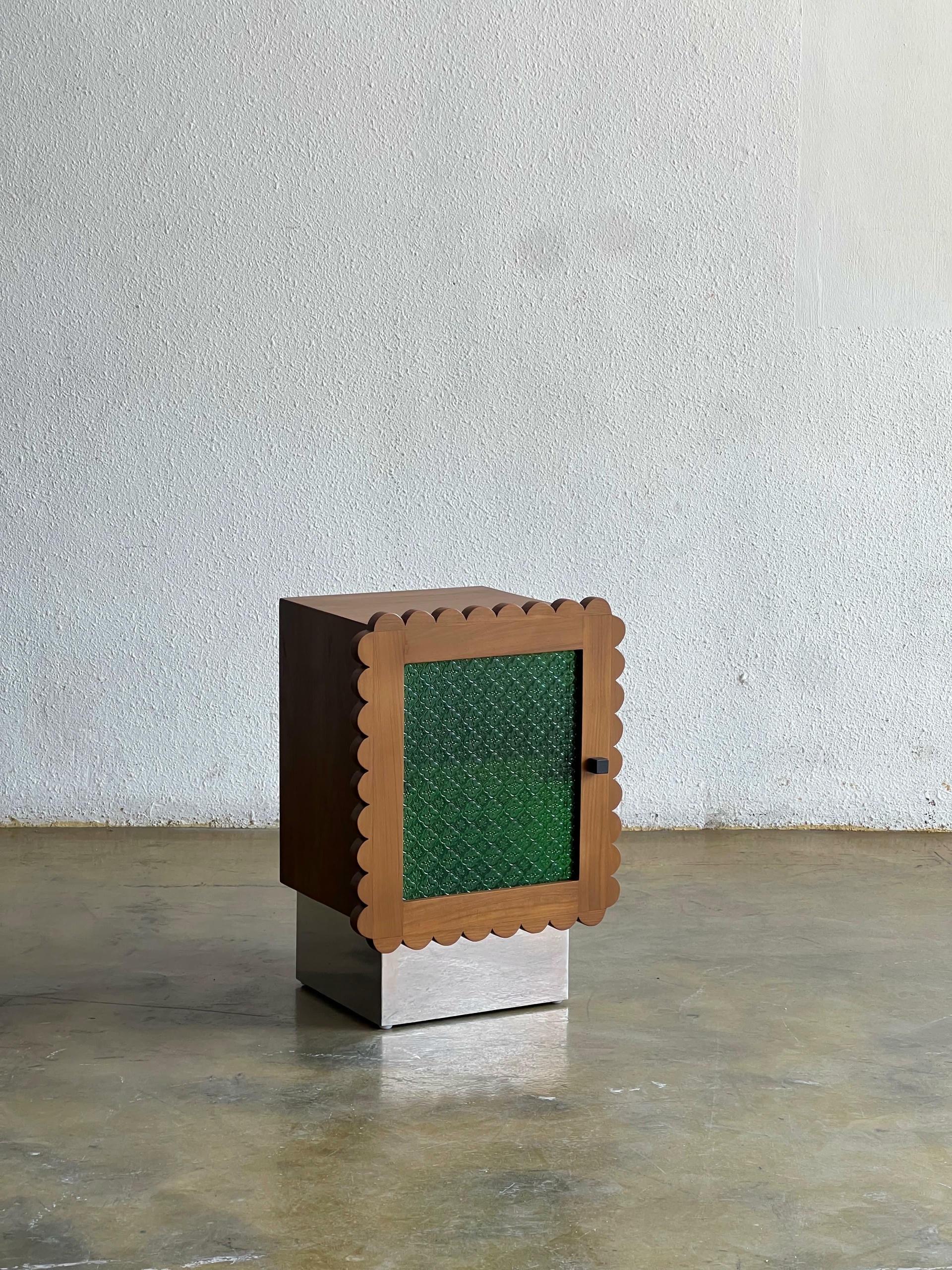
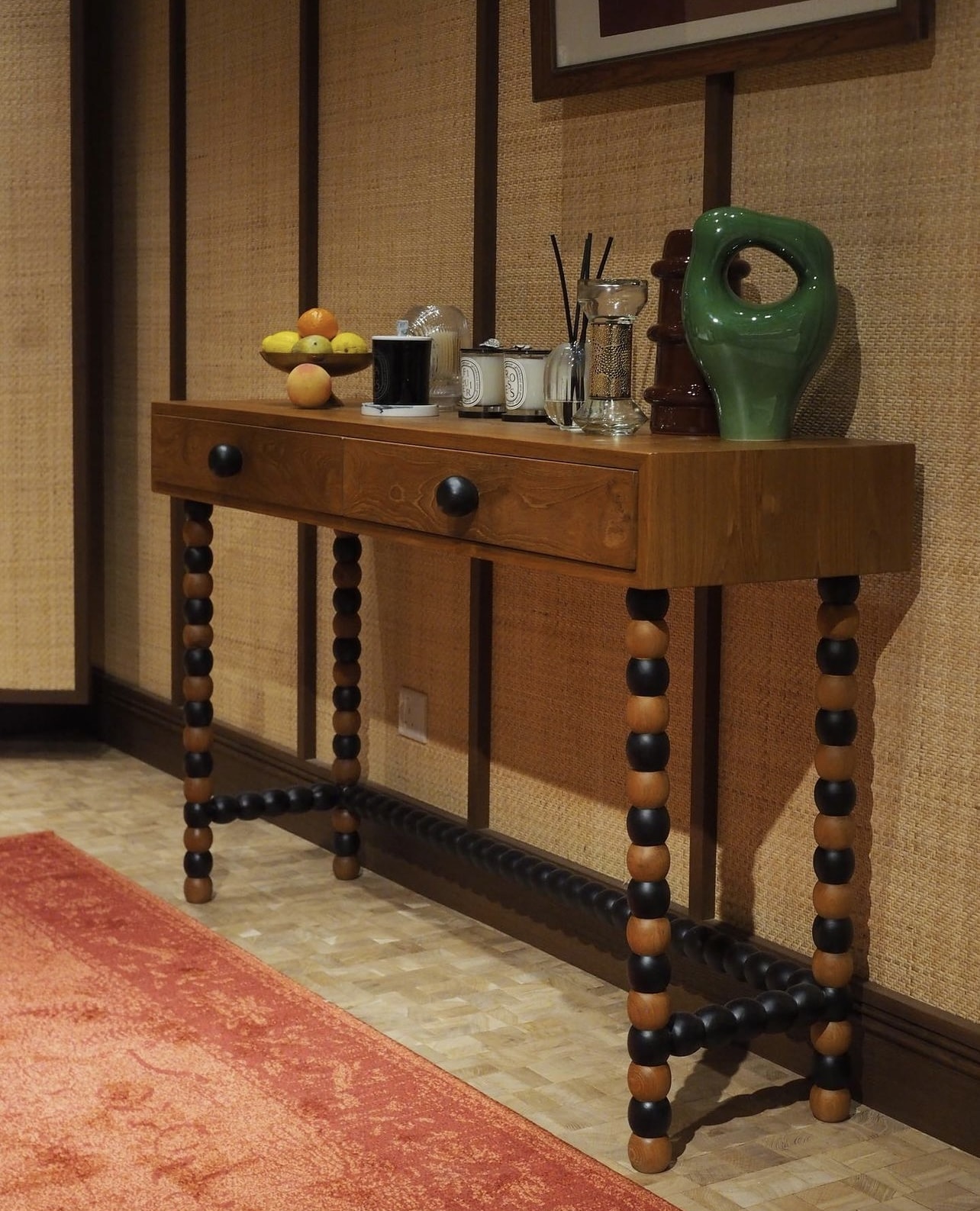
I love wood because it has an inherent warmth to it. I also love the unpredictability of the grains, making every piece unique. It’s also a pragmatic choice because the craftspeople we work with are especially skilled in woodworking and have honed their skills over several generations.7
What are the technical particularities of your creations?
We work mainly with traditional craft techniques, but adapted to create more contemporary designs. Most pieces are hand-worked, and while this means slightly less precision, each piece is imbued with the unique touch of each craftsperson.
What advice could you give to beginning artists who would like to create sculptural design works?
Have a discernible point of view. I think this gives the pieces depth and emotional resonance.
If your works had to belong to a design movement, how would you define it?
Postmodern.
What designers and artists have influenced you?
Shiro Kuramata, Lina Bo Bardi, Eileen Gray, Josef Hoffmann, Enzo Mari, Dries Van Noten, Issey Miyake, Isamu Noguchi, Ettore Sottsass, and so many more.
What contemporary designers do you appreciate?
Kwangho Lee, Forma Fantasma, Zaha Hadid.
What contemporary artists, in any kind of art, have you been inspired by?
Isamu Noguchi, Gaetano Pesce.
If you had to summarize your creations in one word or sentence, what would it be?
Nostalgic.
“Have a discernible point of view. I think this gives the pieces depth and emotional resonance.”
The Questionnaire
The Questions
(The Proust Questionnaire is a set of questions answered by the French writer Marcel Proust.
Other historical figures who have answered confession albums are Oscar Wilde,
Karl Marx, Arthur Conan Doyle, Stéphane Mallarmé, Paul Cézanne…)
What is your idea of perfect happiness?
Feeling content and at peace.
What is your greatest fear?
Stagnation.
What is the trait you most deplore in yourself?
Anxiety.
What is the trait you most deplore in others?
Arrogance.
Which living person do you most admire?
My parents.
What is your greatest extravagance?
Travel.
What is your current state of mind?
Calm.
What do you consider the most overrated virtue?
Restraint.
What is the quality you most like in a man?
Humour.
What is the quality you most like in a woman?
Confidence.
Which words or phrases do you most overuse?
“It’s giving…”
Which talent would you most like to have?
Being able to speak most major languages.
If you could change one thing about yourself, what would it be?
My tendency to overthink.
What do you consider your greatest achievement?
What the studio has accomplished in the last few years.
If you were to die and come back as a person or a thing, what would it be?
A cyborg.
Where would you most like to live?
Anywhere that grows me.
What is your most treasured possession?
My eyes.
What do you regard as the lowest depth of misery?
Hating who you are.
What is your favorite occupation?
The one I have.
What is your most marked characteristic?
Perceptiveness.
What do you most value in your friends?
Authenticity.
Who are your favorite writers?
Gabriel Garcia Marquez, Sally Rooney.
Who is your hero of fiction?
–
Which historical figure do you most identify with?
–
Who are your heroes in real life?
People who fight against systems of oppression.
What are your favorite names?
–
What is it that you most dislike?
Wasting time.
What is your greatest regret?
Taking things for granted.
How would you like to die?
Painlessly and peacefully.
What is your motto?
Keep pushing forward.
“It was especially comforting once I realized other people resonated deeply with the work as well.”
SHARE :