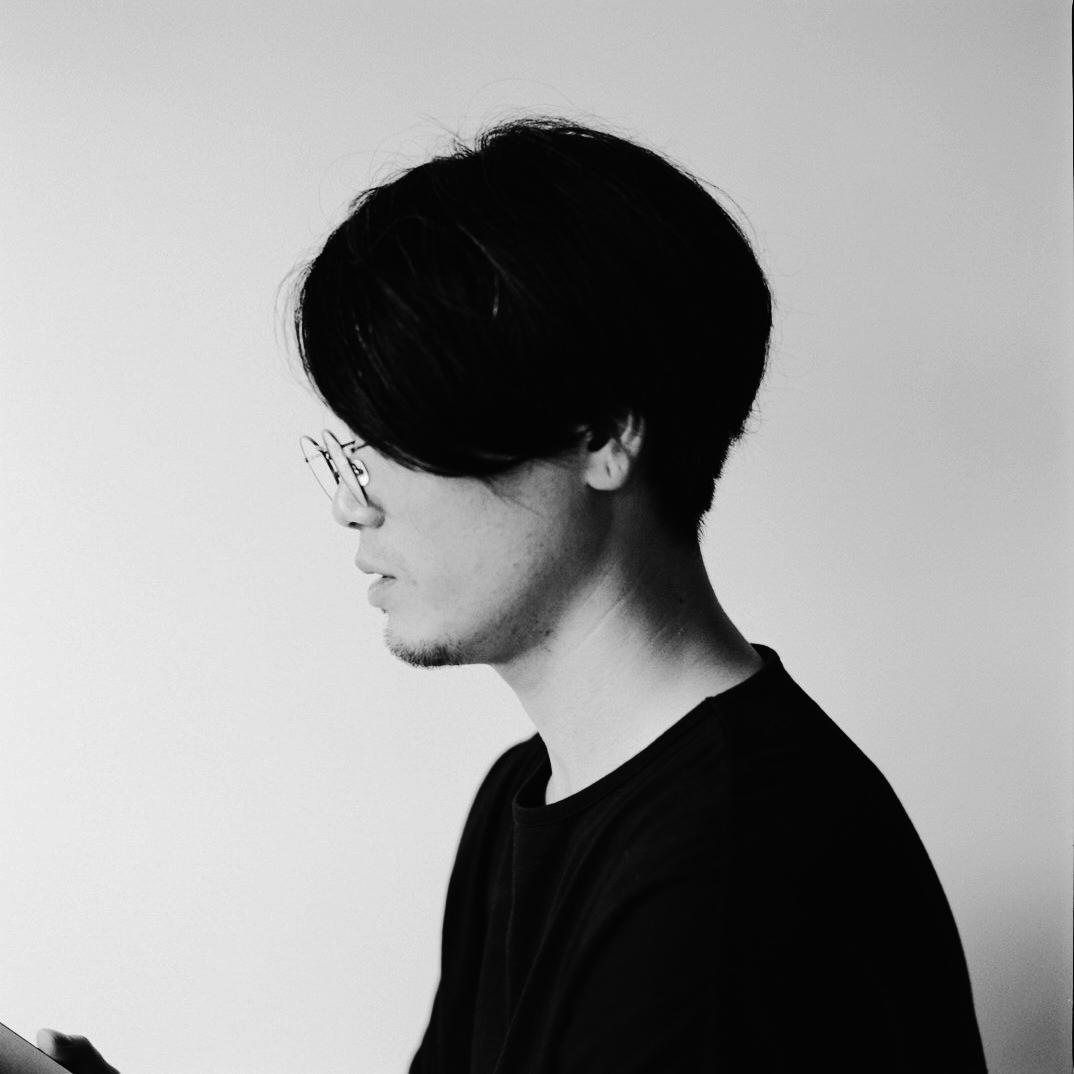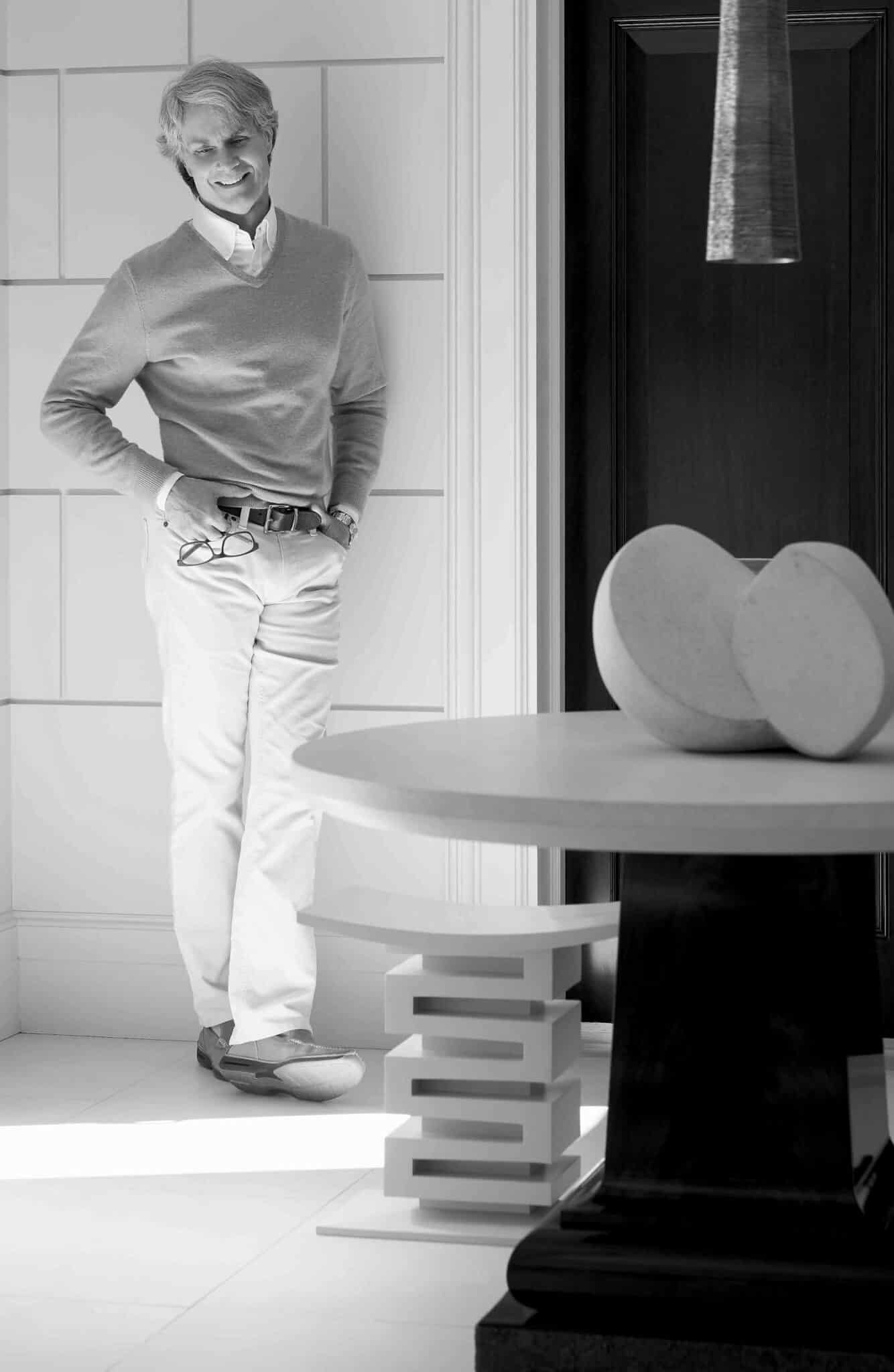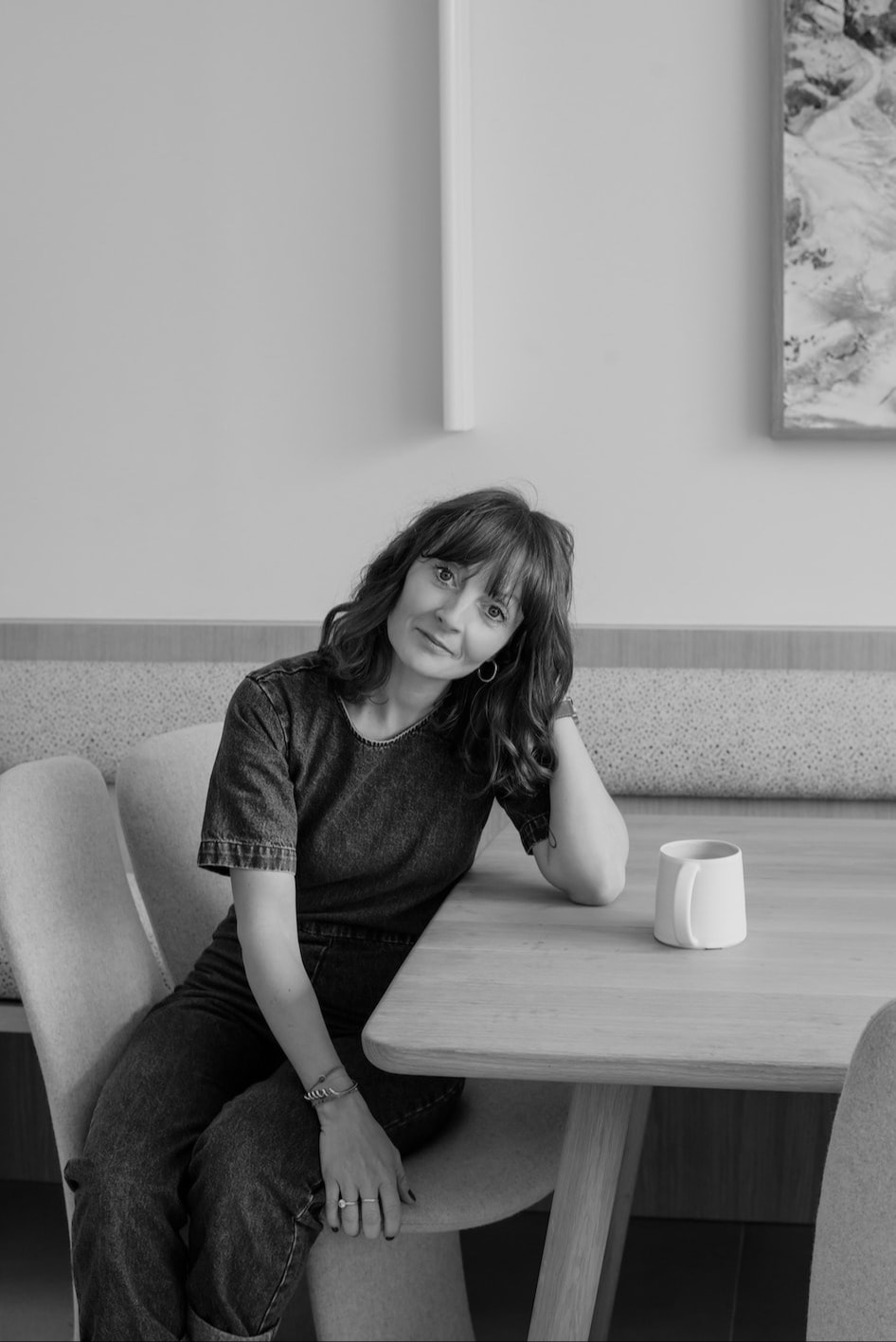
I was born in London; my parents are Australian, and I grew up in Melbourne, Australia. I moved to London 6 years ago.
MAGAZINE · INTERVIEW
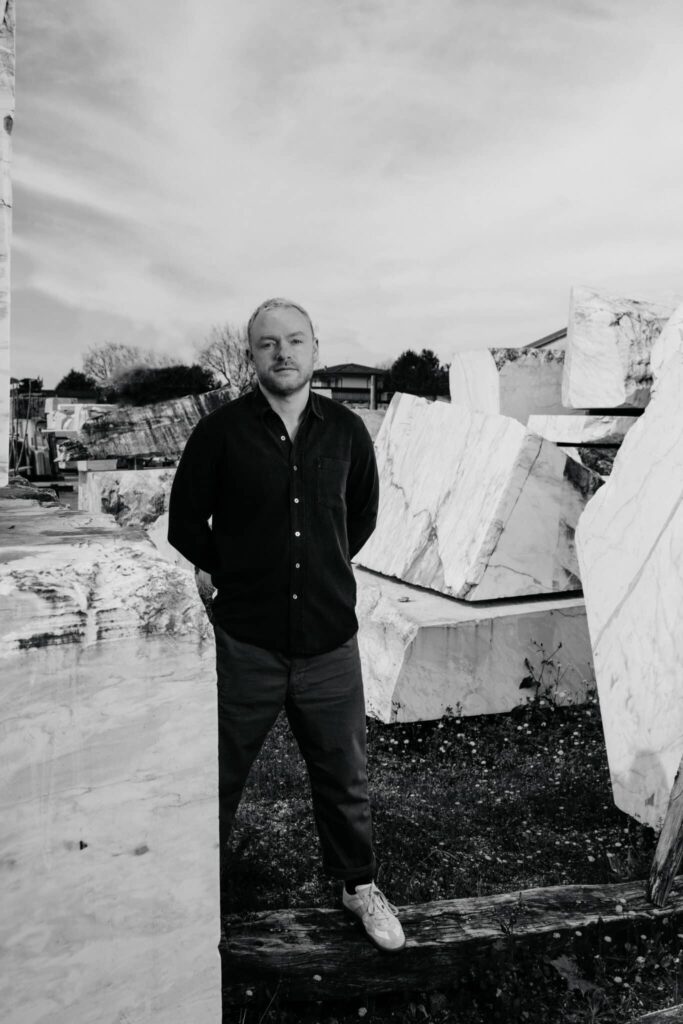
Sam Henley – Agglomerati
Let's know more about
Interview
Where were you born and where are you from?
What is your first memory connected to the art world?
The kids’ TV show, Mr Squiggle. I was always amazed by the end results when they turned the drawing upside down. Or spending days playing The Sims to build them really lavish houses. I also loved to sketch modern houses which were inspired by the house I grew up in. Or Play-Doh; That played a formative role in my creativity.
Have you always worked in the art/design field?
I was naturally drawn to interior design and architecture from a young age. From the two, the fluidity of Interior Design came more naturally to me. After completing a Bachelor of Interior Design at RMIT in Melbourne, I decided I didn’t want to work on a computer doing CAD and jumped ship to find a more tactile approach to learn about creative processes in a similar field.
The following week, I miraculously found a job as an apprentice furniture maker working for a local Melbourne company that specialised in timber furnishings. I learnt the ins and outs of the trade and found my own language within that. I started my own timber furniture-making studio as a side project, exploring ideas that were representative of my style.
I carried this on when I began working in the product team within a high-end commercial furniture company. I got the best of both worlds, learning about the industry. Learning about the commercial aspect of high-end brands allowed me to broaden my horizons to the mechanisms needed to create and present refined pieces of furniture design. That’s what led me to leave Melbourne and be closer to Europe, where the industry naturally leads and flourishes.
What led you to design creation?
I always admired my brother, who is a successful graphic designer, and the way he approaches his practice with an entrepreneurial flair. He’s had a lot of fun with concepts and executing creative start-up companies, and this was very encouraging for me to give it a go with furniture design.
Another major influence who led me to design creation is my best friend’s mum, who is a well-known interior designer in Melbourne. Her home choices I always loved; They appeared effortless, but I saw the skills and effort it takes. That always stayed with me. Her style never followed trends; It had a timelessness to it. That is what Agglomerati aspires to be.
How would you describe your creative process and its influences?
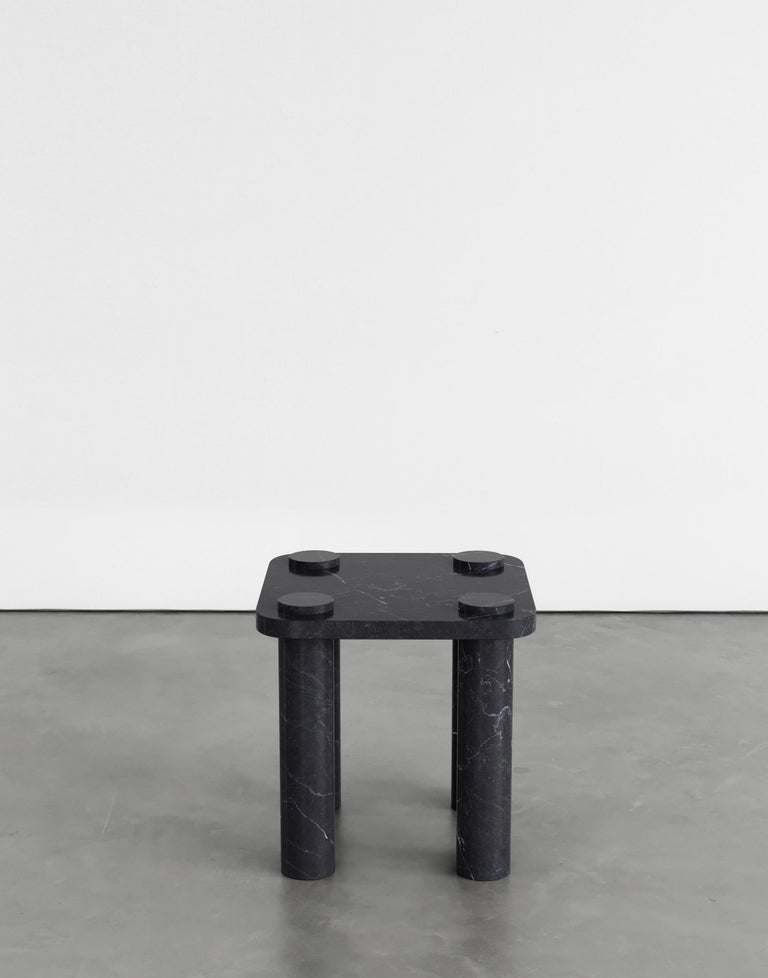
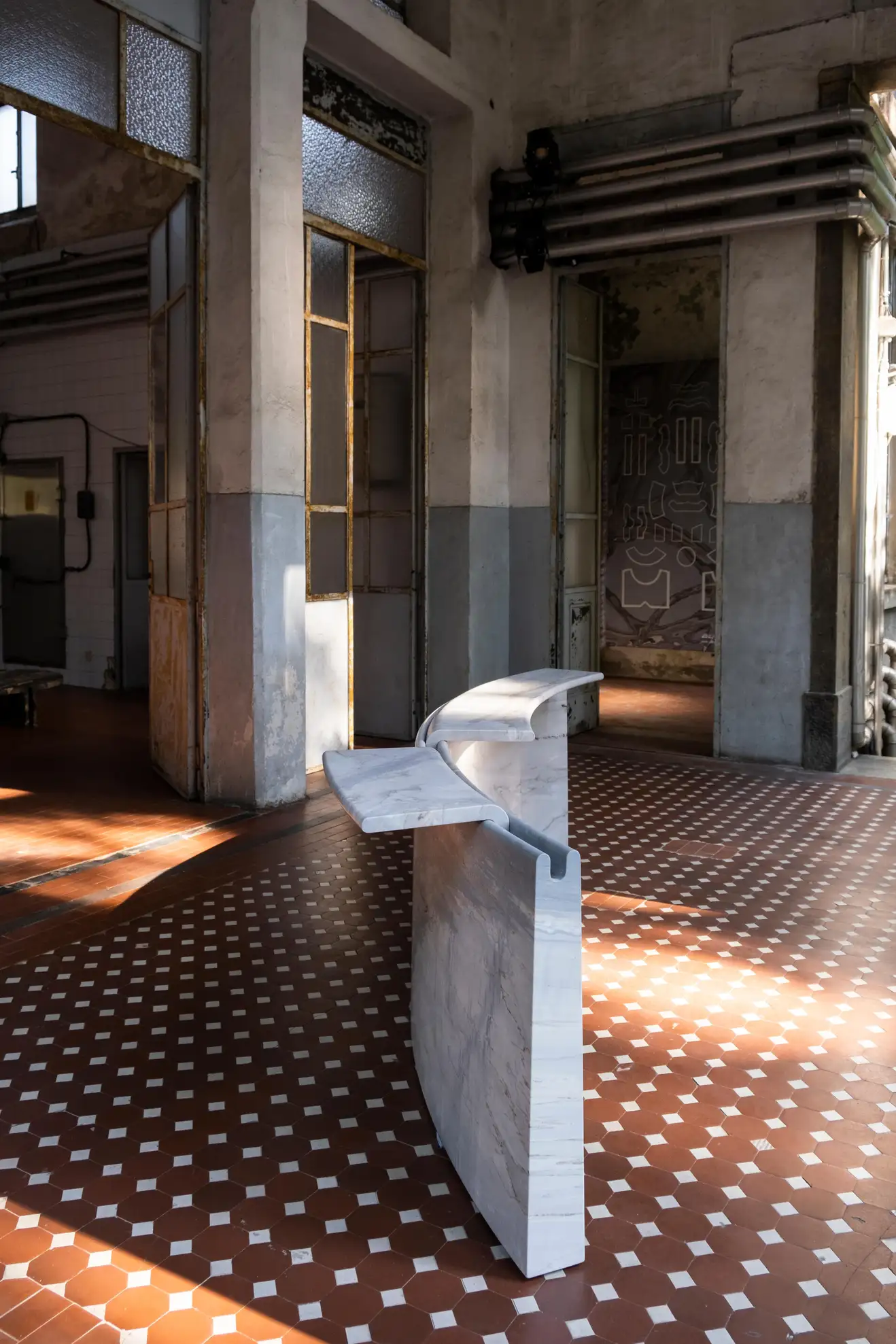
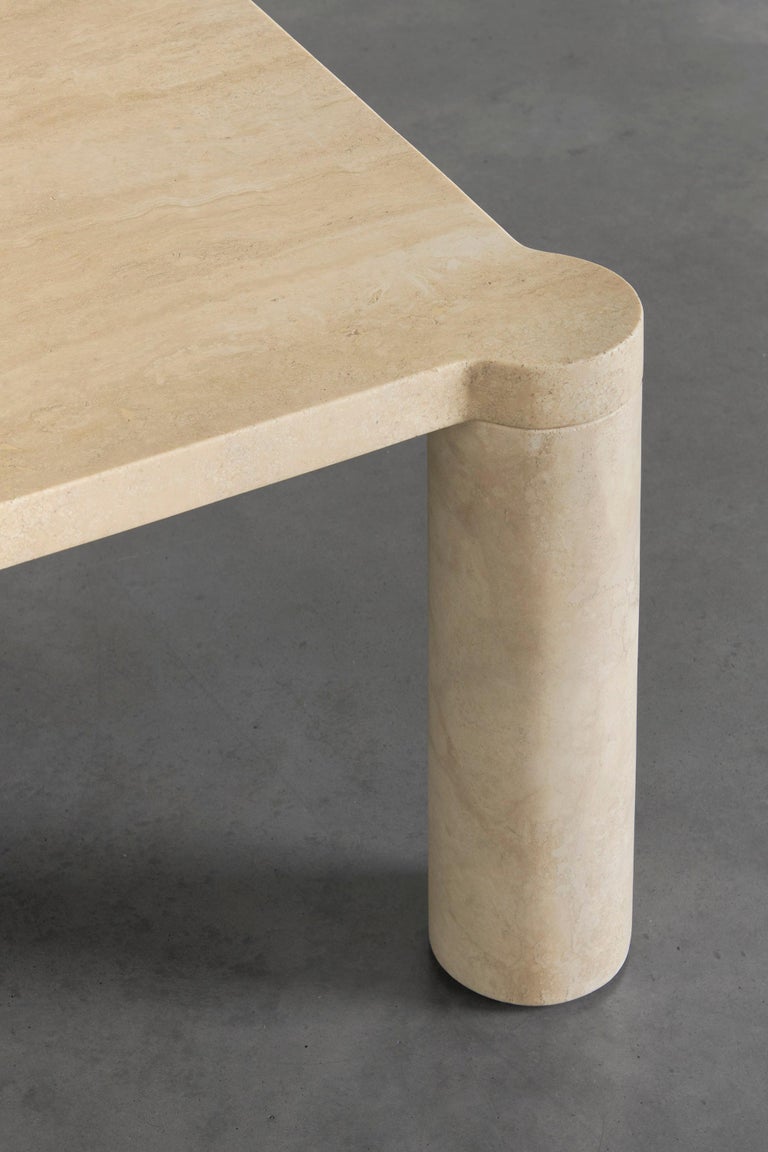
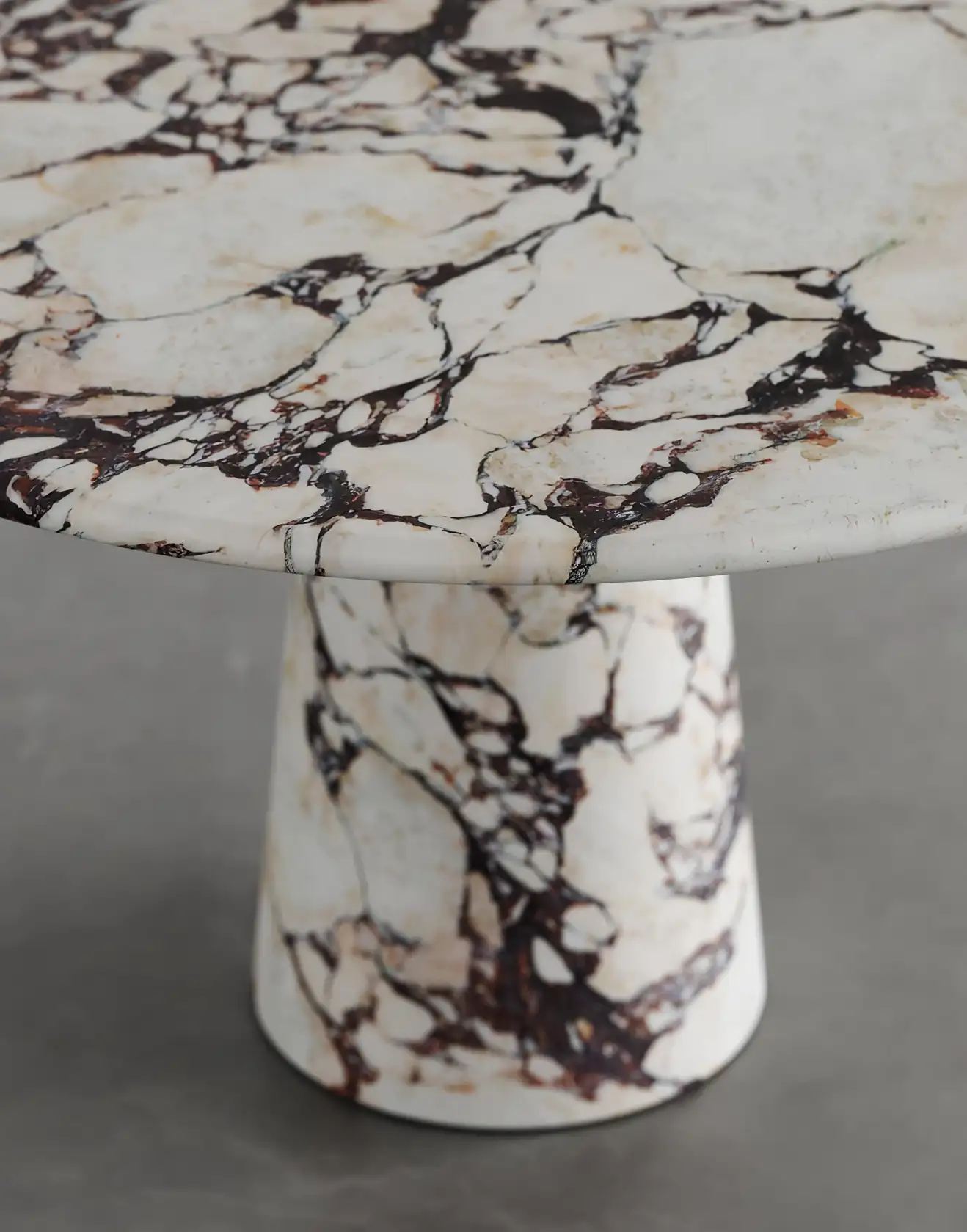
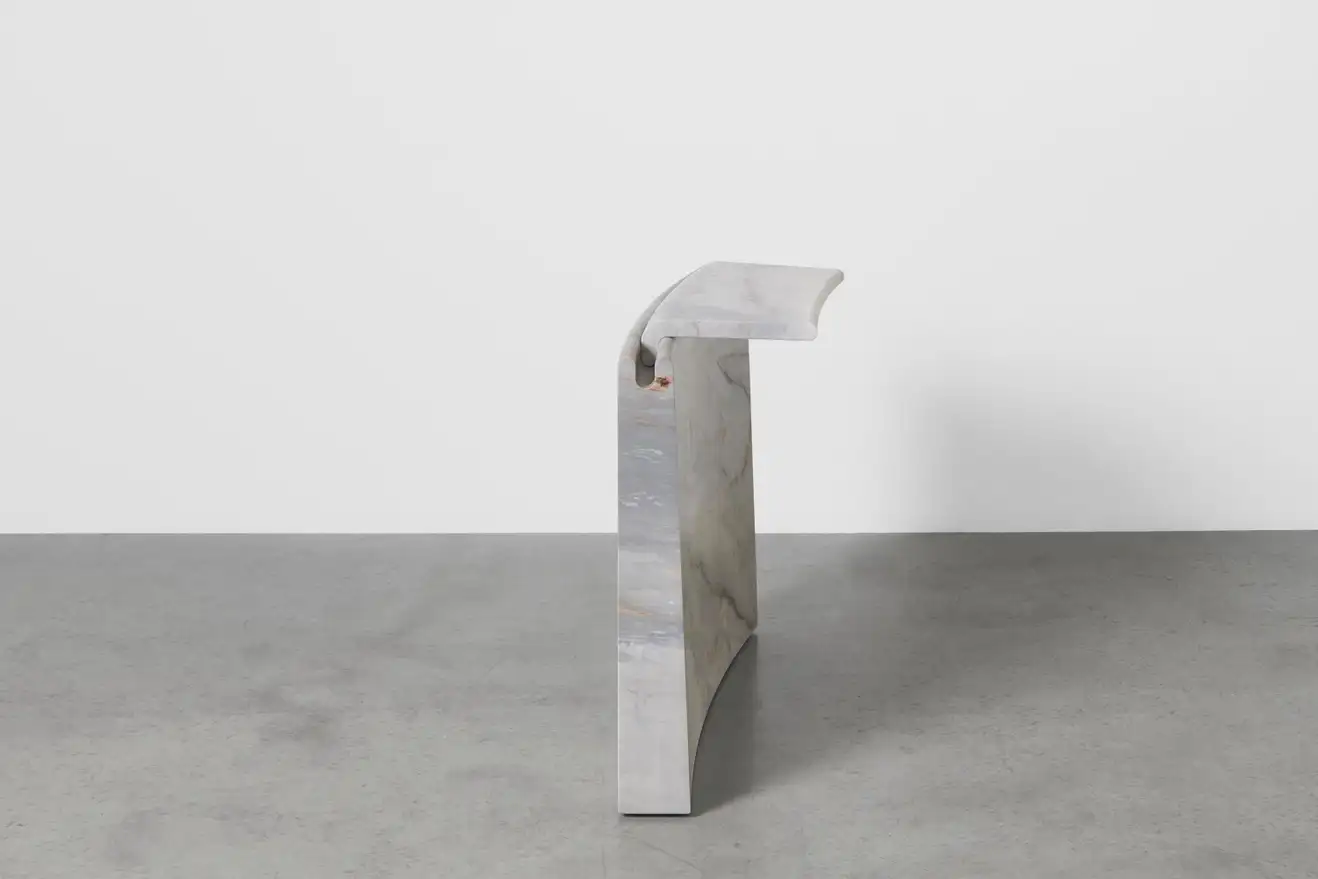
I source inspiration from Italian masters like Mario Bellini and Angelo Mangiarotti, whose minimalist creations in marble from the 70s remain relevant today. It’s essential to consider the lifespan of a product, mainly when working with stone or any natural material. We must respect material limitations by aiming for permanence: objects that are cared for at conception and built to be loved for centuries.
When functioning on an international scale, you have to be conscious of your footprint and not cater to fast-furniture trends. The collections are, at their heart, functional pieces that champion materiality without needless adornments. Since form follows function, each piece is simplified, straightforward, and celebrates materiality.
Could you describe a typical day of your work?
Every day I go to the gym as soon as I wake up. My day is currently logistics-heavy, mixed with general product management. I’ll discuss new designs with collaborators, follow production with the fabricators I work with, and visit them from time to time. I need to build a stronger base of photographs of my work, so that’s a project I’m currently working on. I’m also finishing off exciting new collaborative work with new designers in the coming year.
Why did you choose the specific materials you work with?
Before starting Agglomerati, I worked for a London-based studio named Dzek, where I was introduced to marble. Marble is the composite material for one of Dzek’s products designed by Max Lamb called Marmoreal.
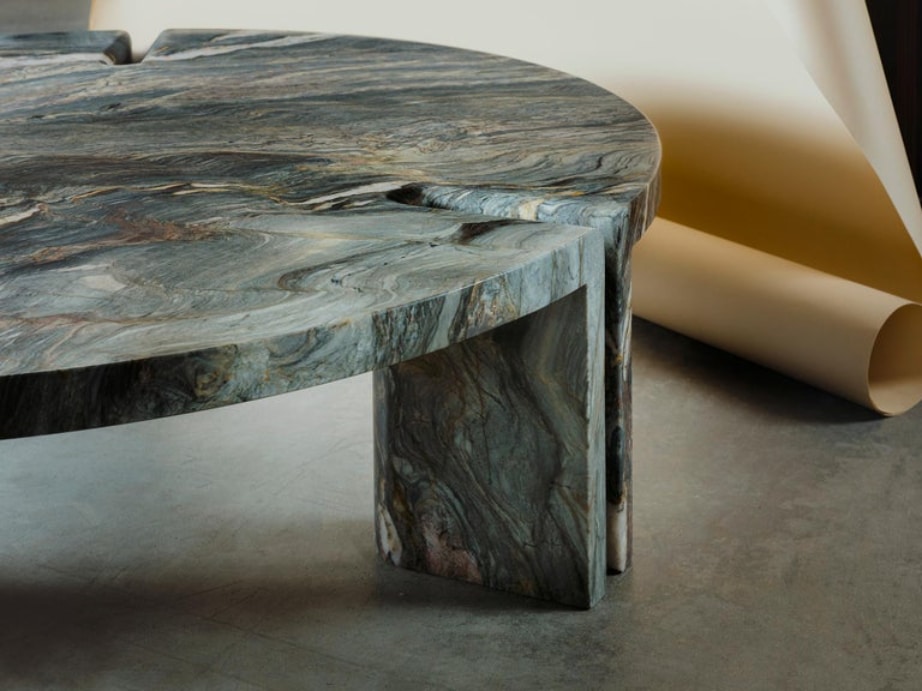
I related quickly to the process because it is the same reductive method as working with timber, and I was eager to explore the possibilities here. I attended a few large marble fairs in Italy where I was introduced to a whirlwind of marble varieties and fell in love with the material. It was easy to see that the industry had so much potential and room to grow in terms of teaming up fabricators with designer-led projects.
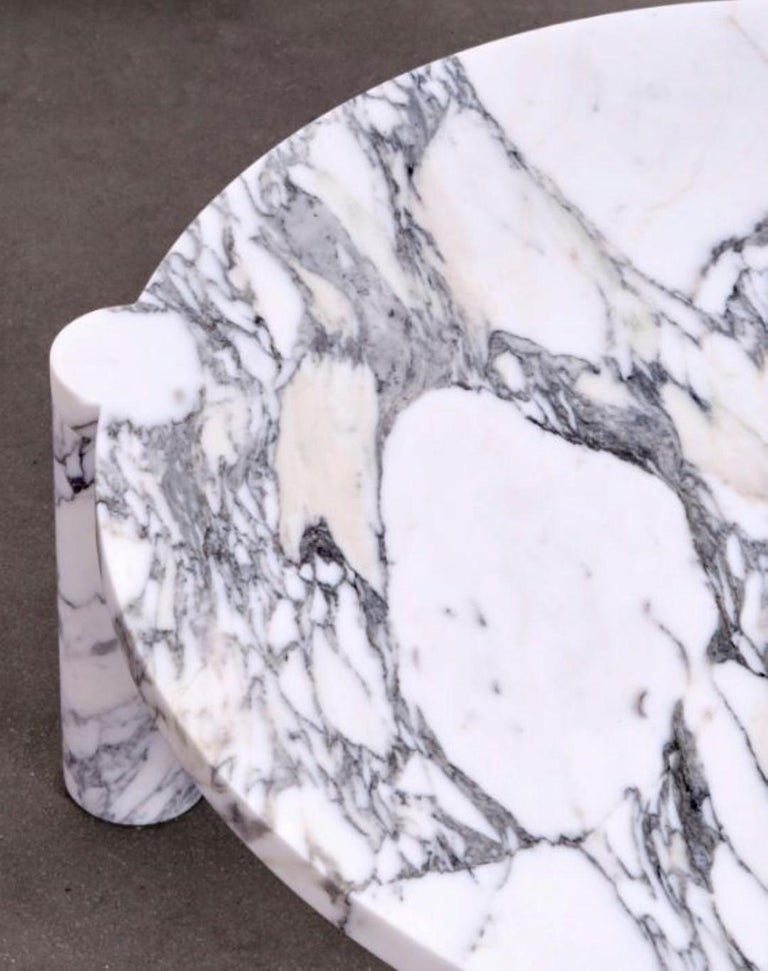
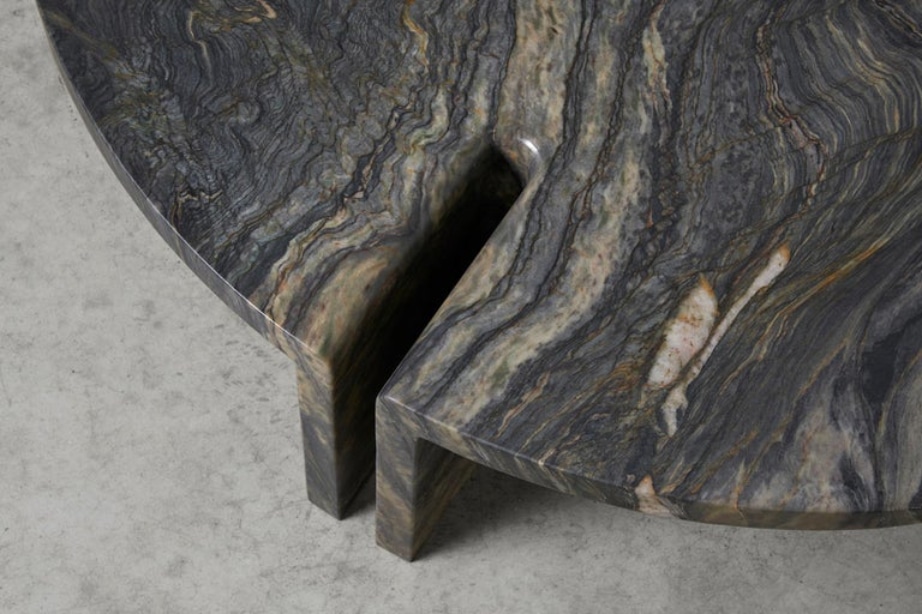
The stone varieties selected for our collections are a broad range, but we can source relatively locally to our fabricator in Carrara. I want to offer the best quality stones that are quarried by reputable and established companies, because they have the best practices when it comes to respecting the surrounding environment. For me, that’s why it’s important to work in Italy, because the knowledge they have about the entire process has been passed down through generations who’ve experienced the changes in the industry and know how to deal with them correctly.
What are the technical particularities of your creations?
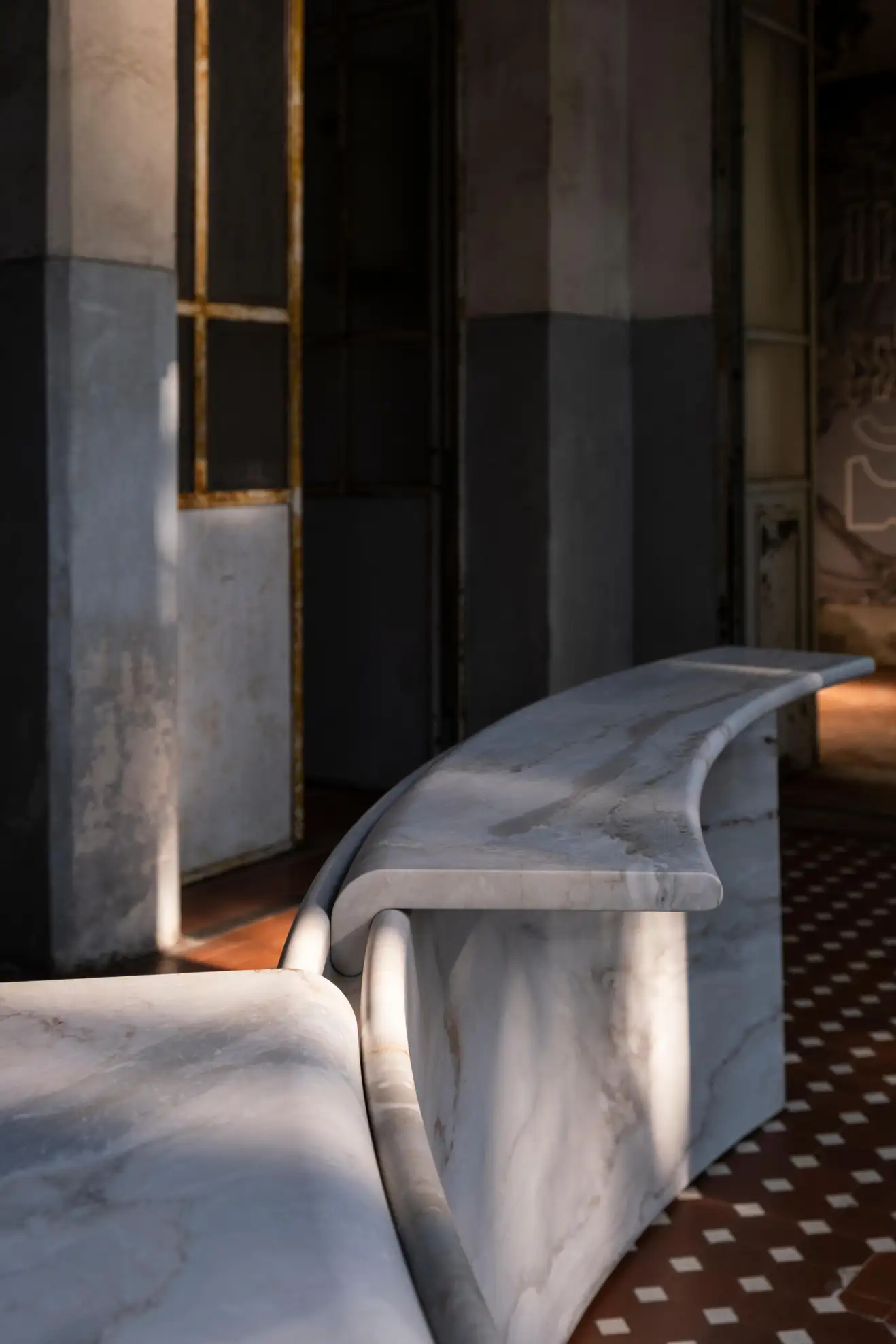
The material selection process defines the creation, so this aspect is considered most thoroughly. Follow on till the very end; The delicate aspect to get right is the finishing steps of polishing stone surfaces and edges. Because our pieces are minimalist in design and finished by hand, it’s an integral feature to make the material sing.
What advice could you give to beginning artists who would like to create sculptural design works?
Share your work with a wide range of peers and get feedback from their reactions, but don’t let that sway you from your path; let it guide you to refine your craft. The broader the audience you show the better; even from the very beginning, when it’s not that good, it’ll allow you to feel what is right and wrong for yourself. I hope that makes sense.
If your works had to belong to a design movement, how would you define it?
Minimalism.
What designers and artists have influenced you?
I source inspiration from Italian masters like Mario Bellini and Angelo Mangiarotti, whose minimalist creations in marble from the 70s remain relevant today. It’s essential to consider the lifespan of a product, especially when working with stone or any natural resource for that matter. We must respect material limitations by aiming for permanence: objects that are cared for at conception and built to be loved for centuries. The collections are, at their heart, functional pieces that champion materiality without needless adornments. Since form follows function, each piece is simplified, straightforward, and celebrates materiality.
What contemporary designers do you appreciate?
Over the past year, I have been developing several collaborative projects with some brilliant designers: Tino Seubert, Maria Tyakina, Sho Ota, and Christopher Stuart. They are all in the final development or prototyping phase, so I’m super excited to start sharing these pieces next year. They are all completely different from one another, representing the core practice and aesthetic of the designer.
What contemporary artists, in any kind of art, have you been inspired by?
Wolfgang Tilmans, Francis Bacon, Tracey Emin.
If you had to summarize your creations in one word or sentence, what would it be?
Clean and balanced.
“We must respect material limitations by aiming for permanence: objects that are built to be loved for centuries.”
The Questionnaire
The Questions
(The Proust Questionnaire is a set of questions answered by the French writer Marcel Proust.
Other historical figures who have answered confession albums are Oscar Wilde,
Karl Marx, Arthur Conan Doyle, Stéphane Mallarmé, Paul Cézanne…)
What is your idea of perfect happiness?
Winter spent on the Great Ocean Road, Victoria, Australia
What is your greatest fear?
Homelessness
What is the trait you most deplore in yourself?
Procrastination
What is the trait you most deplore in others?
Big egos
Which living person do you most admire?
I’m not sure about most admire, but David Alhadeff of The Future Perfect’s life looks very ideal
What is your greatest extravagance?
Plenty of space somewhere remote and beautiful
What is your current state of mind?
Upside down smiling emoji
What do you consider the most overrated virtue?
Shamelessness
What is the quality you most like in a man?
Gentleness
What is the quality you most like in a woman?
Sense of humour
Which words or phrases do you most overuse?
‘Sorry, I don’t speak Italian’
Which talent would you most like to have?
Ballet Dancing
If you could change one thing about yourself, what would it be?
Be able to speak Italian
What do you consider your greatest achievement?
Leaving safe and secure Melbourne
If you were to die and come back as a person or a thing, what would it be?
A big tree or a whale
Where would you most like to live?
In a pre-Brexit world
What is your most treasured possession?
Fully charged Air Pods
What do you regard as the lowest depth of misery?
Trying to fill an emptiness with bloody anything I can get my hands on
What is your favorite occupation?
Psychologist
What is your most marked characteristic?
My silliness and equally my seriousness
What do you most value in your friends?
Easy laughter
Who are your favorite writers?
My friend Laura’s WhatsApp messages
Who is your hero of fiction?
Rose, Rose Dawson
Which historical figure do you most identify with?
Rose, Rose Dawson
Who are your heroes in real life?
Marcus Aurelius, Donald Judd, Dolly Parton
What are your favorite names?
For Dogs – Hoover, Broccoli, Celeste
What is it that you most dislike?
Cigarettes in the morning
What is your greatest regret?
–
How would you like to die?
–
What is your motto?
–
“Share your work widely, but don’t let others sway you from your path.”
SHARE :