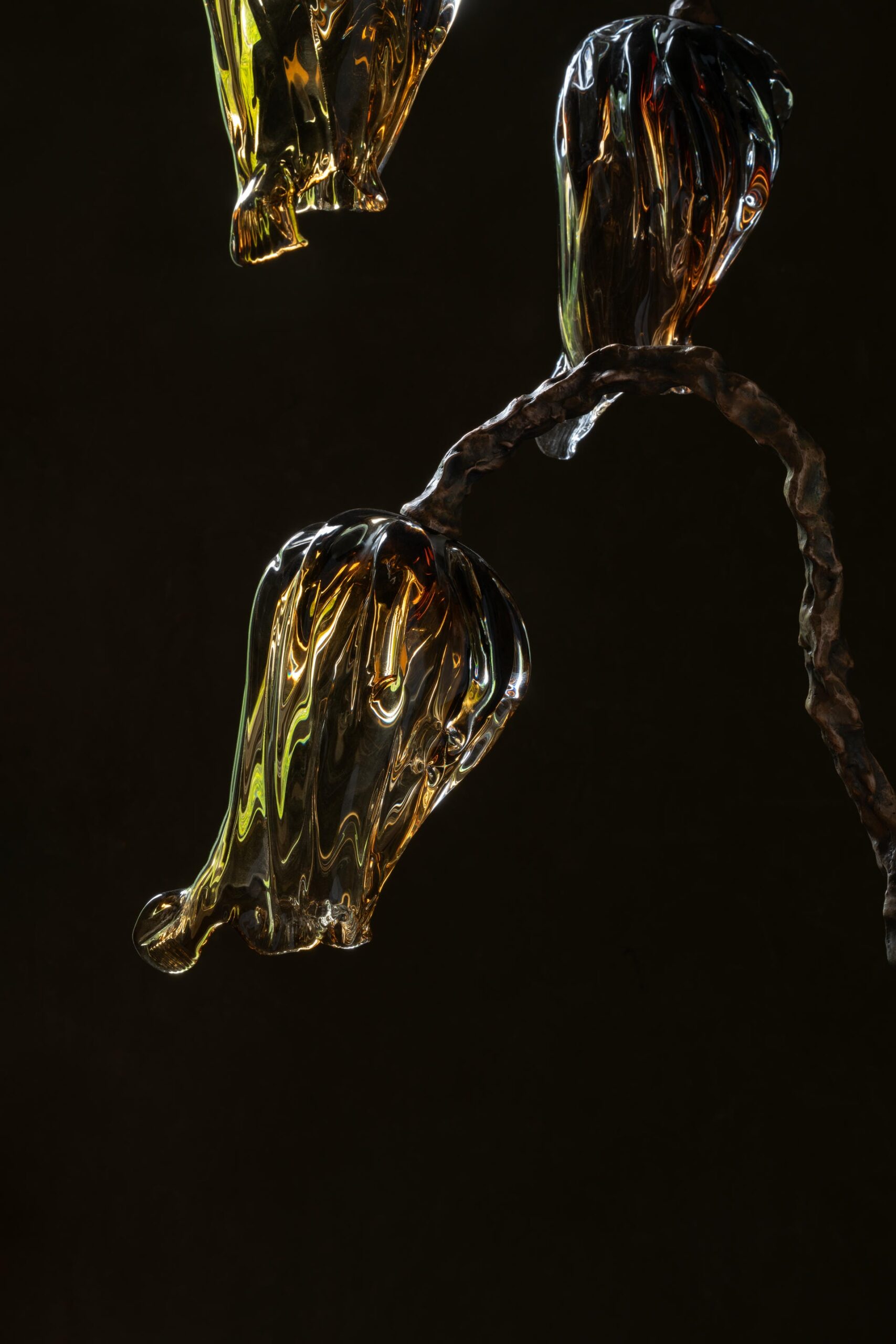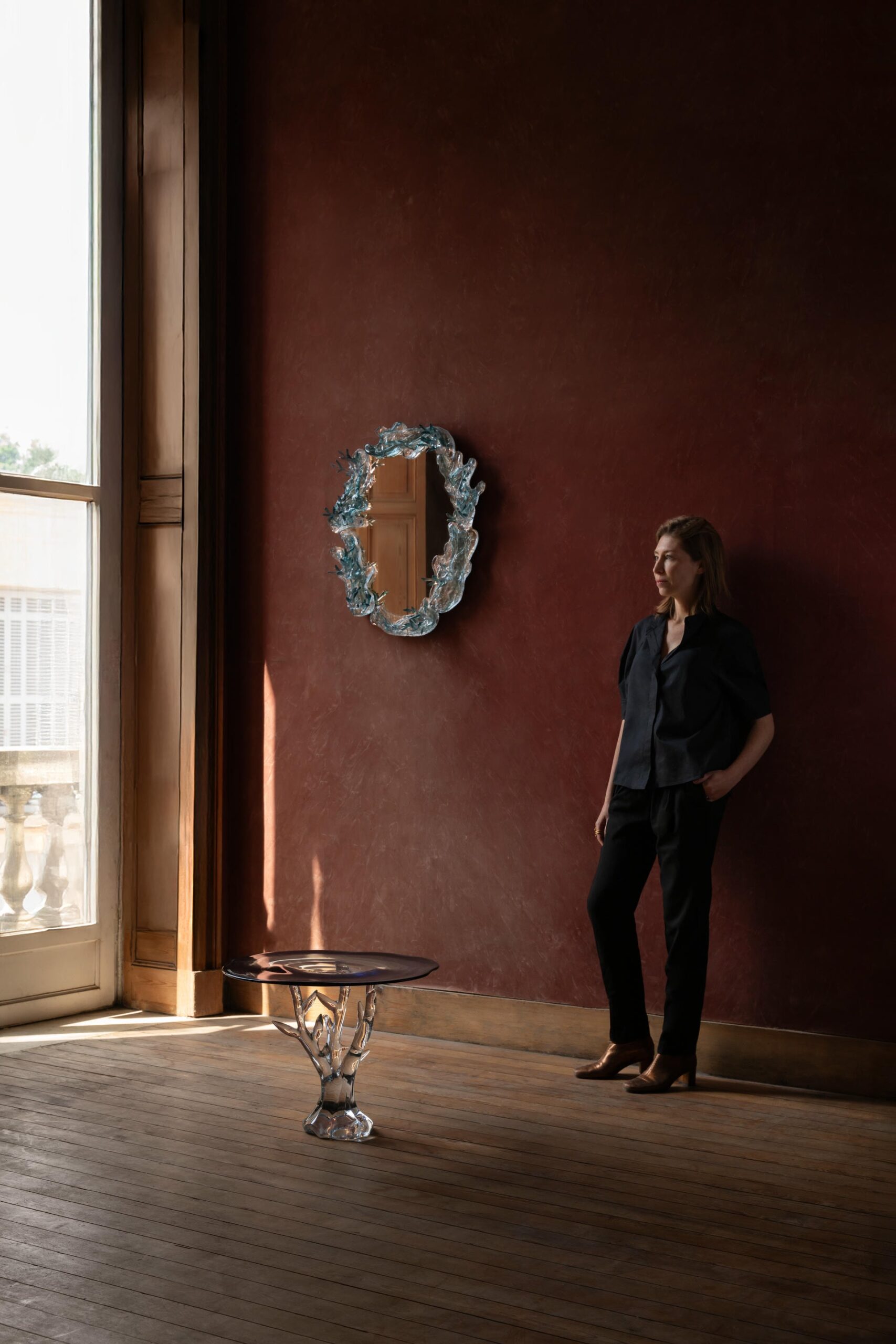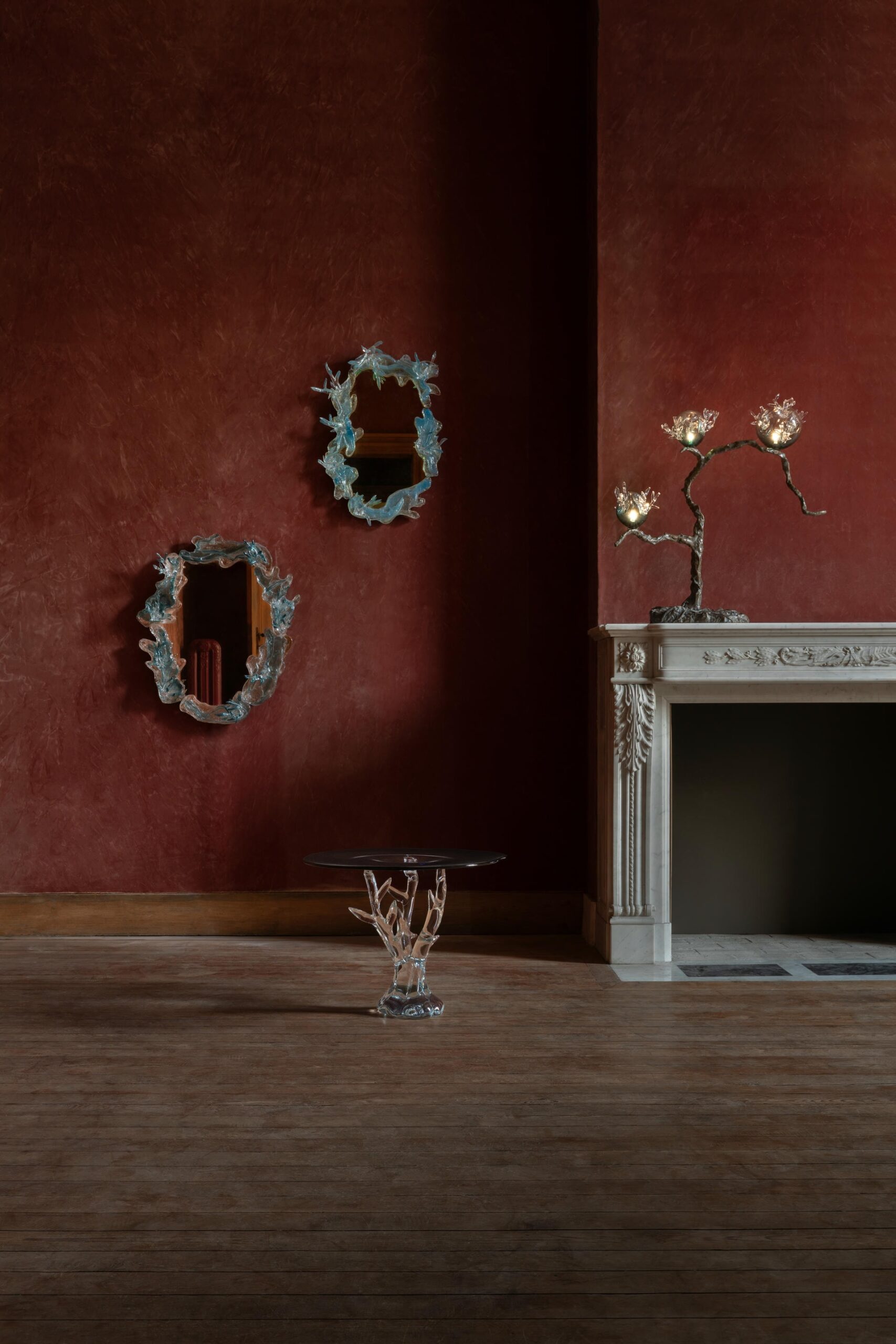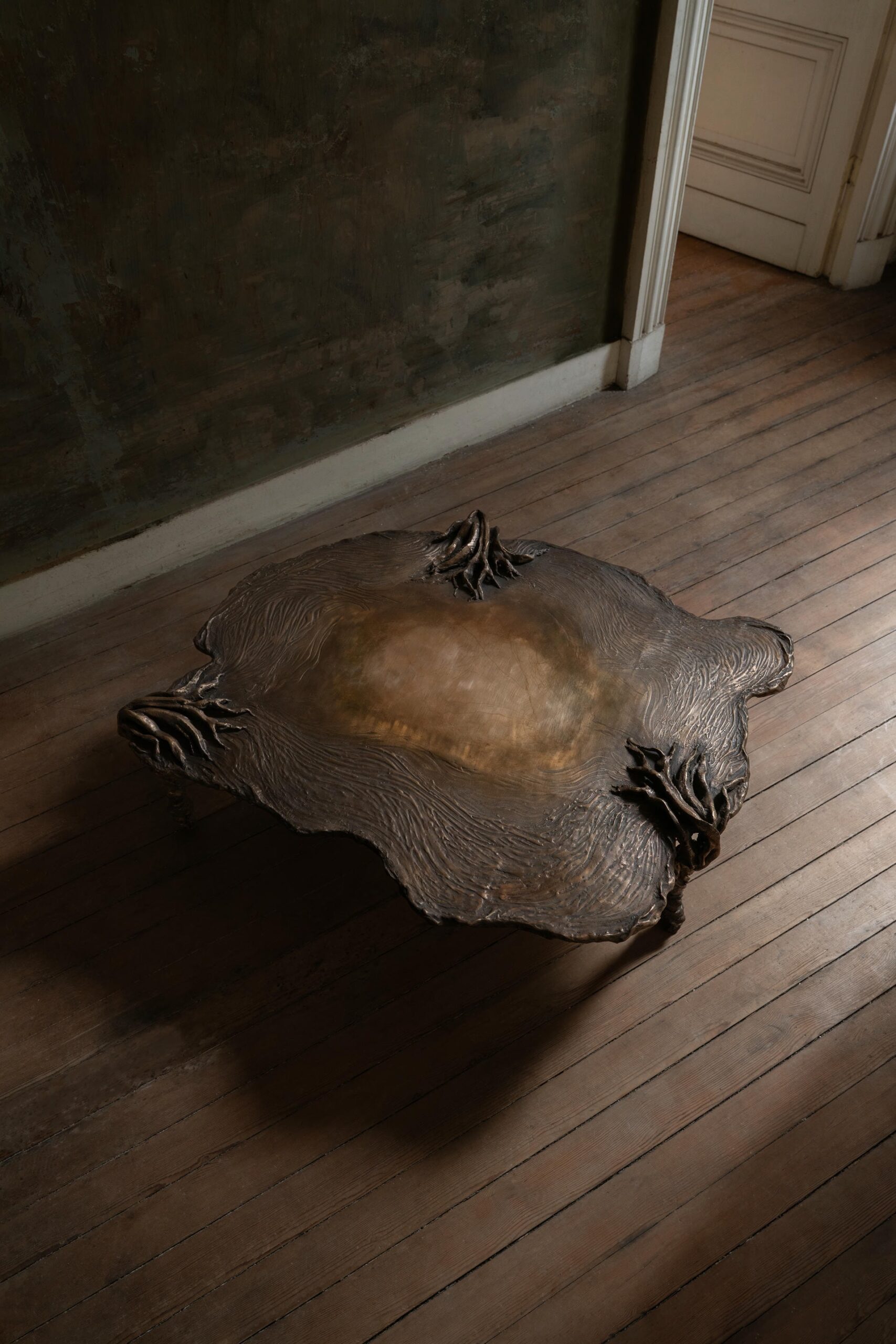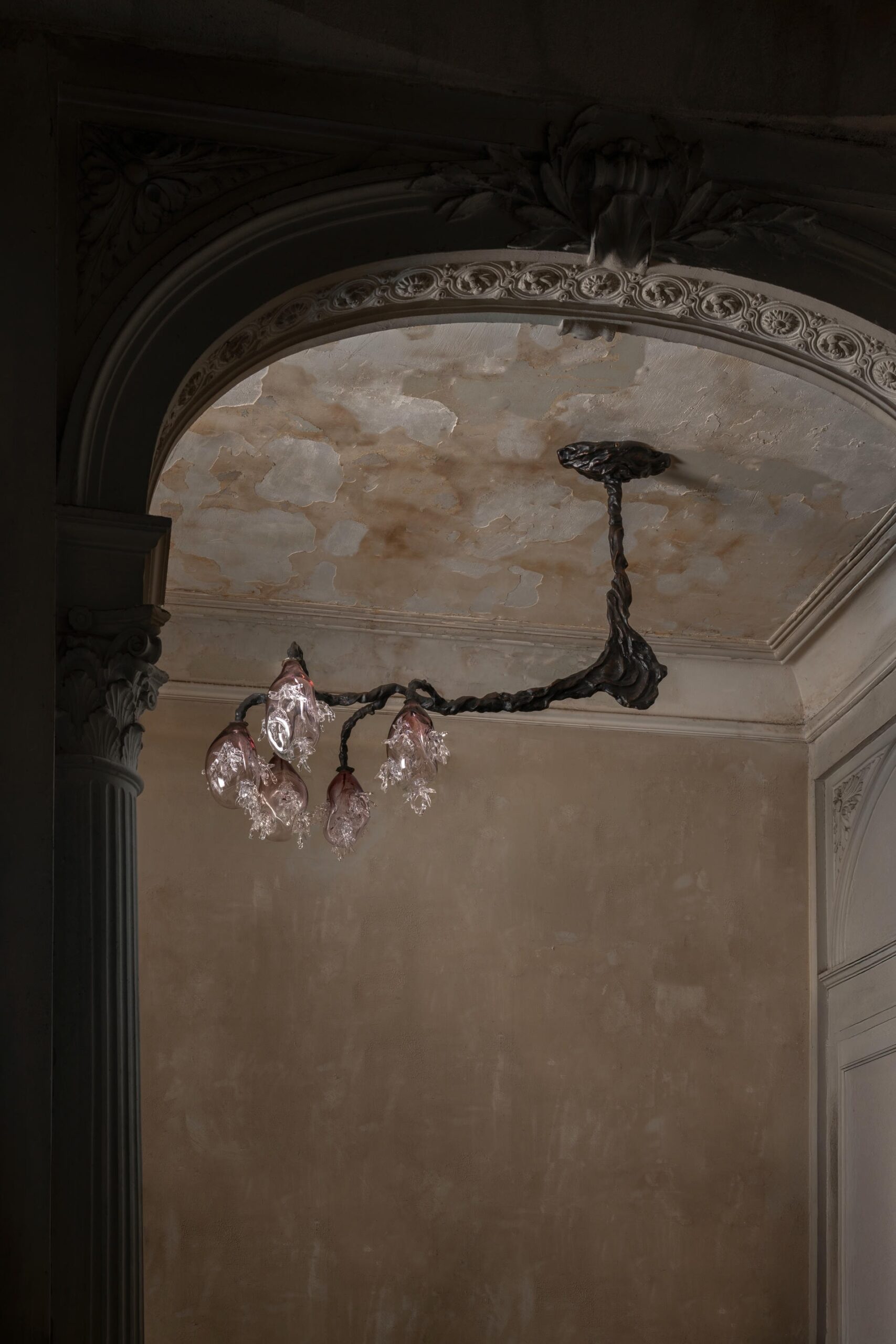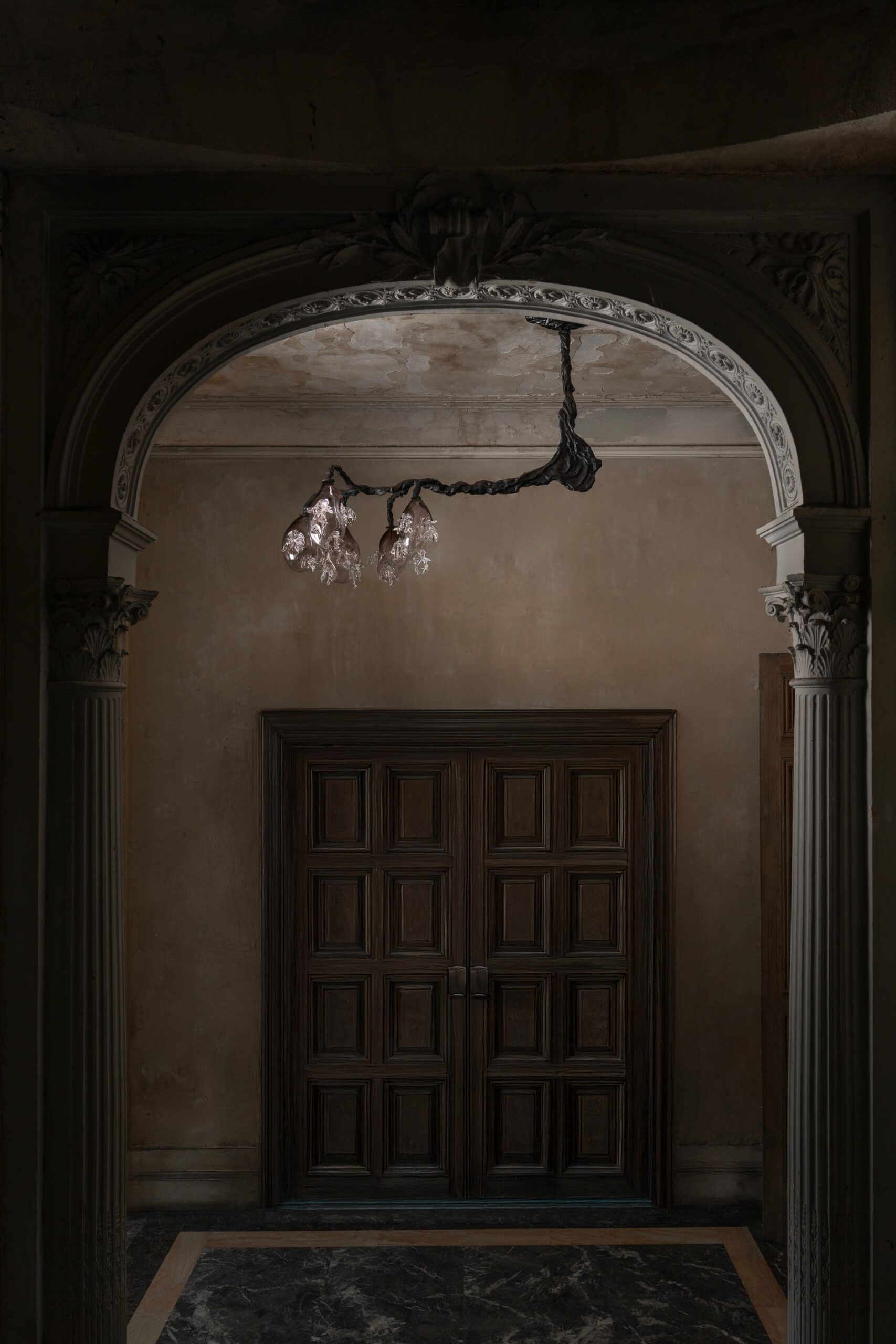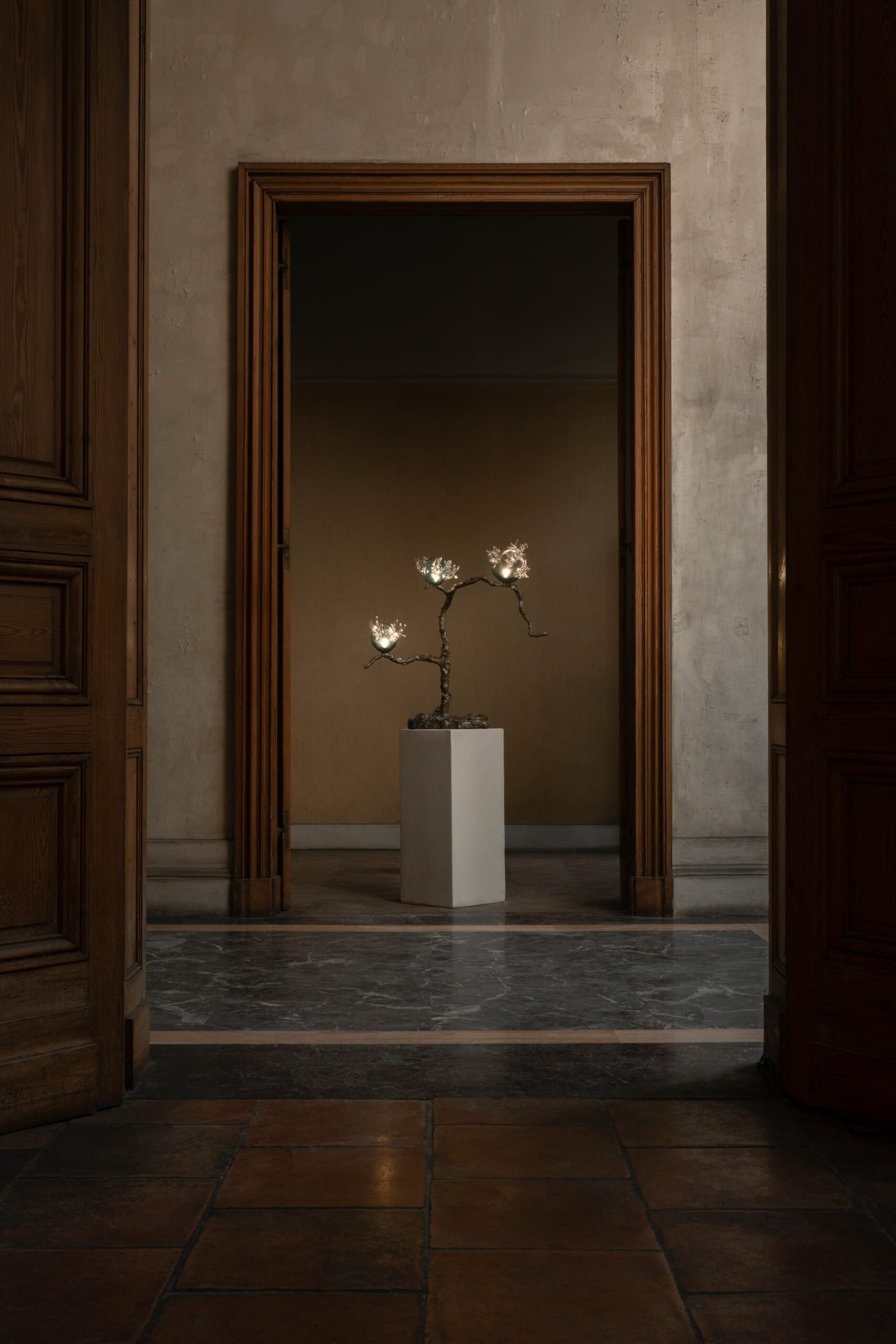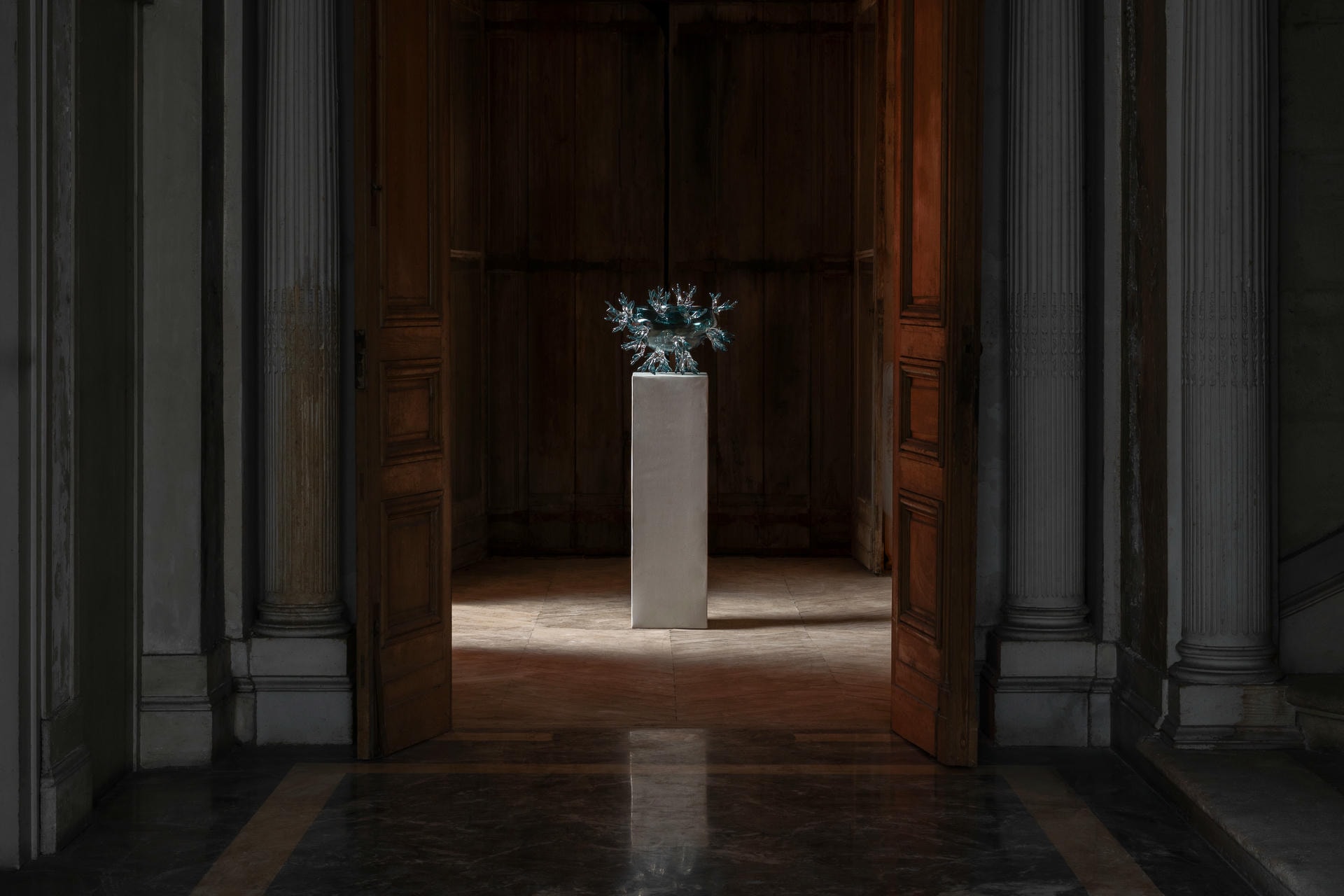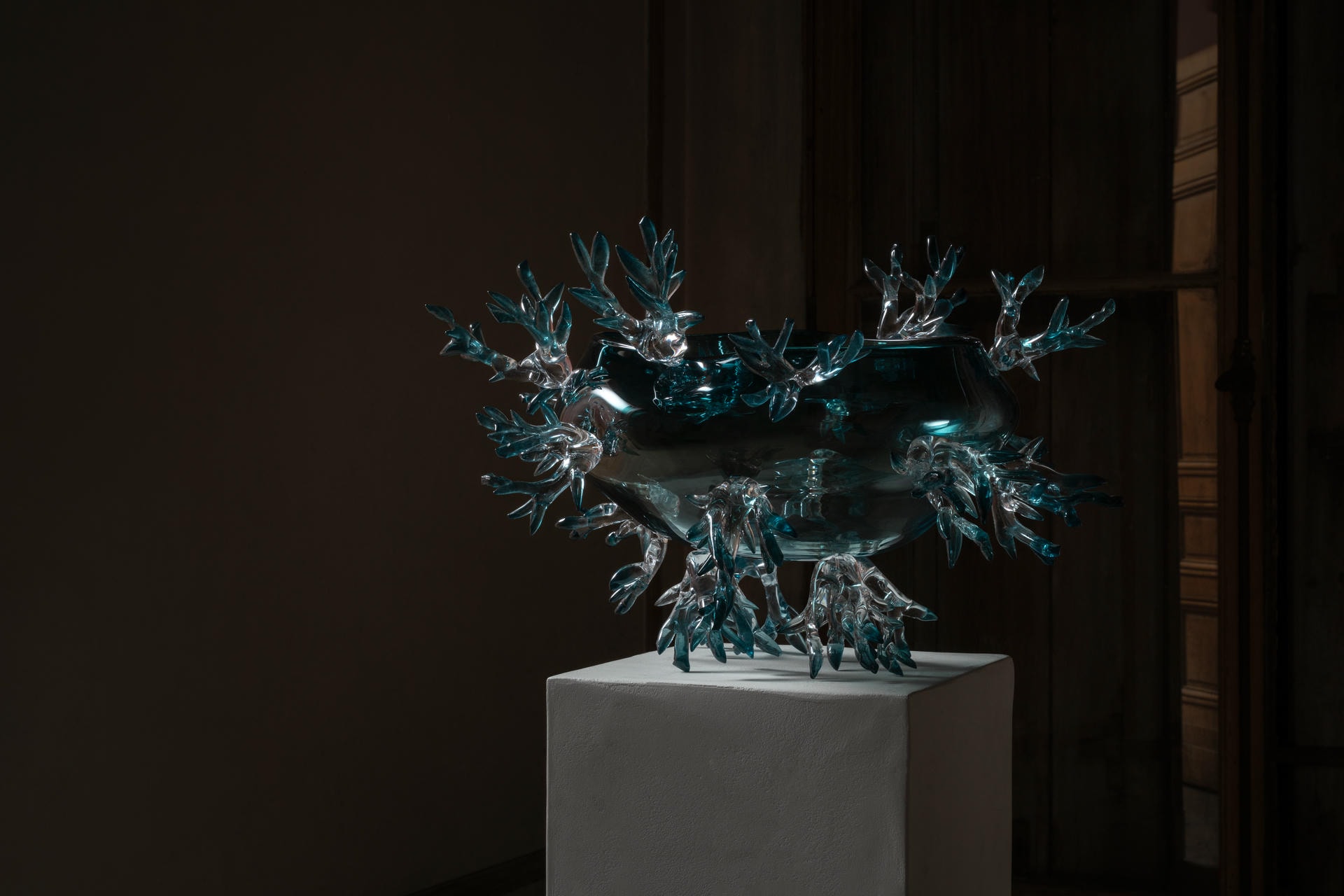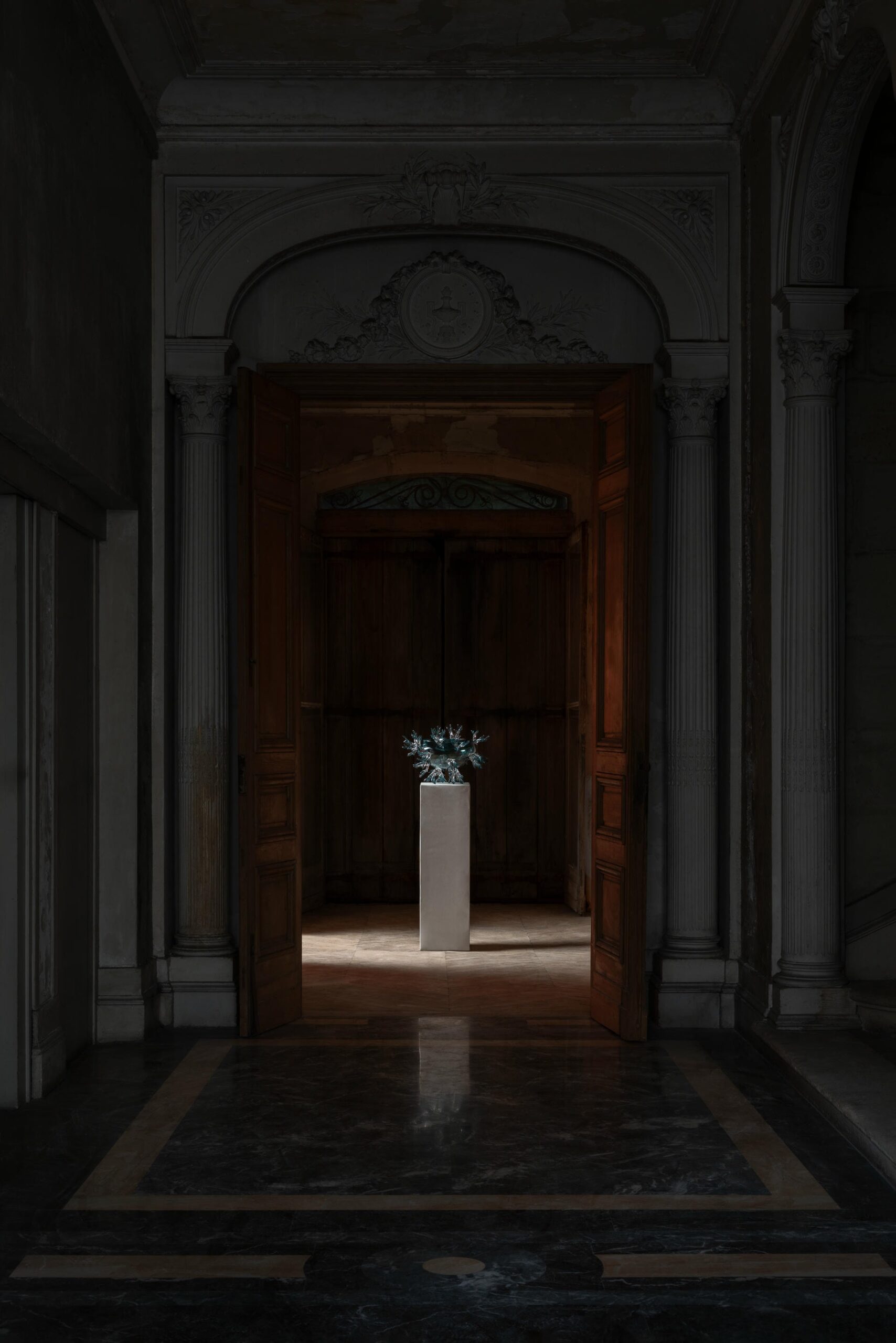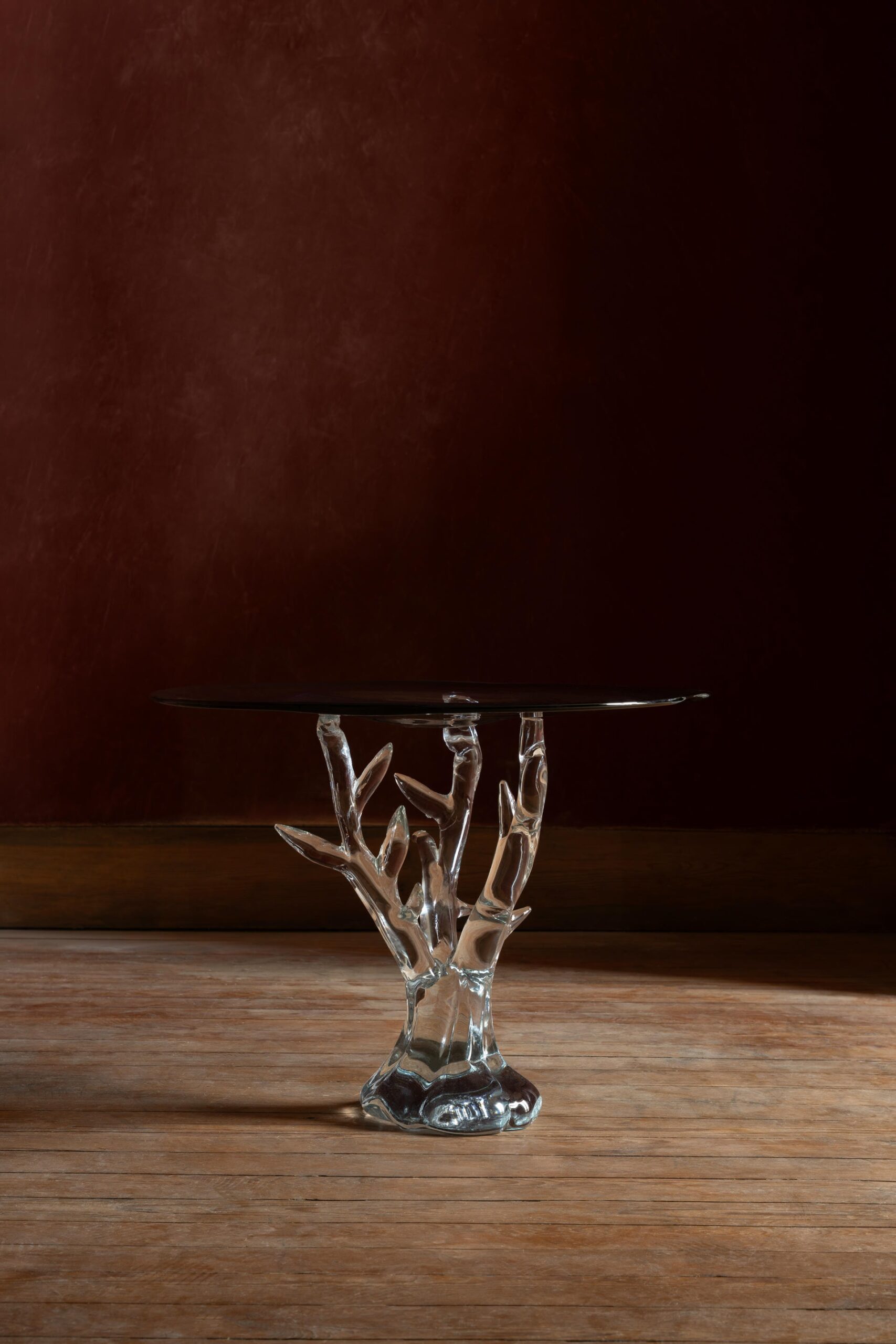
With her new collection entitled Dryads, Émilie Lemardeley weaves an invisible thread between Western civilization’s legacy and nature’s vibrant breath. These testamentary sculptures are powerful witnesses—at once odes to an inspiring past and acts of faith in art’s regenerative power.
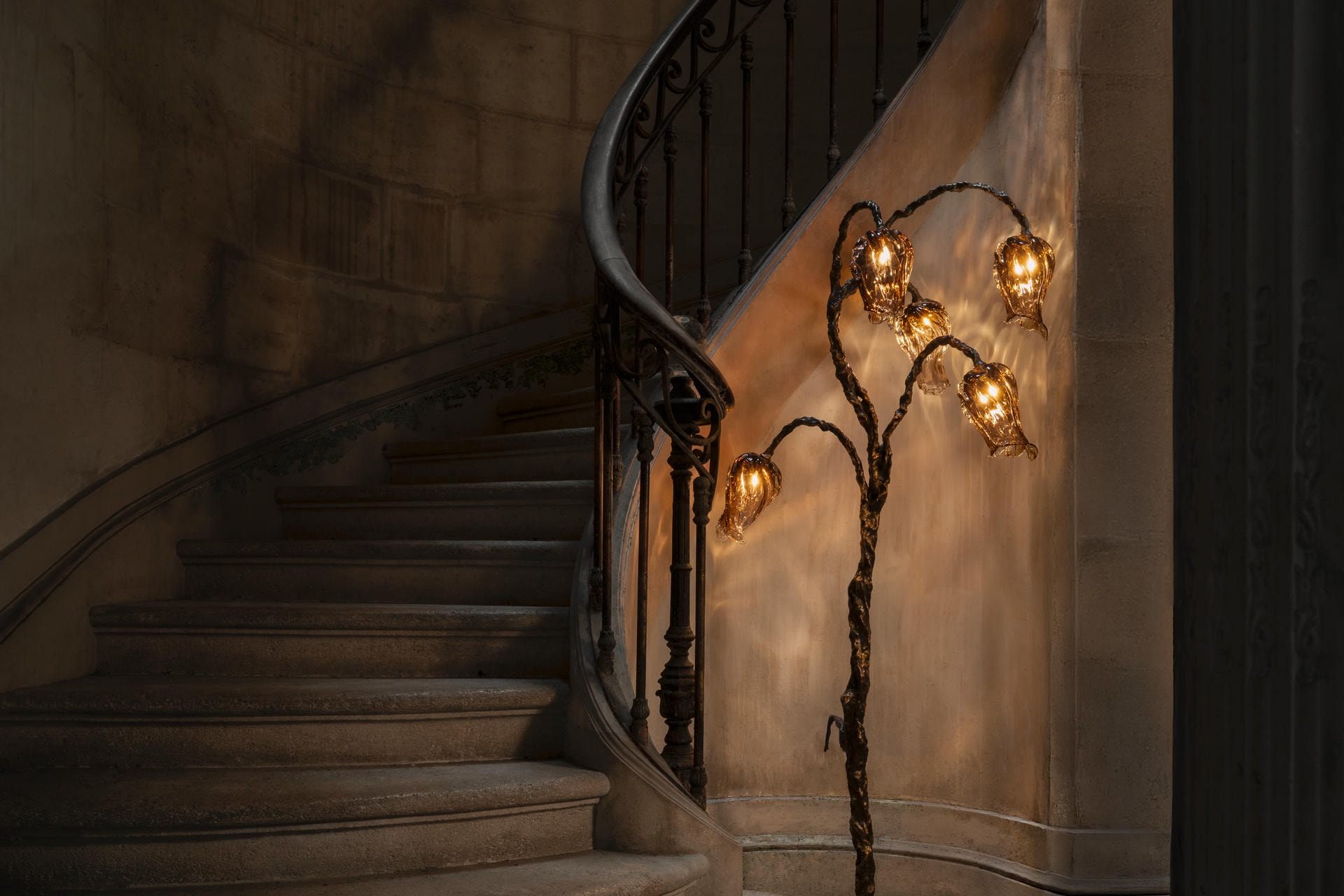
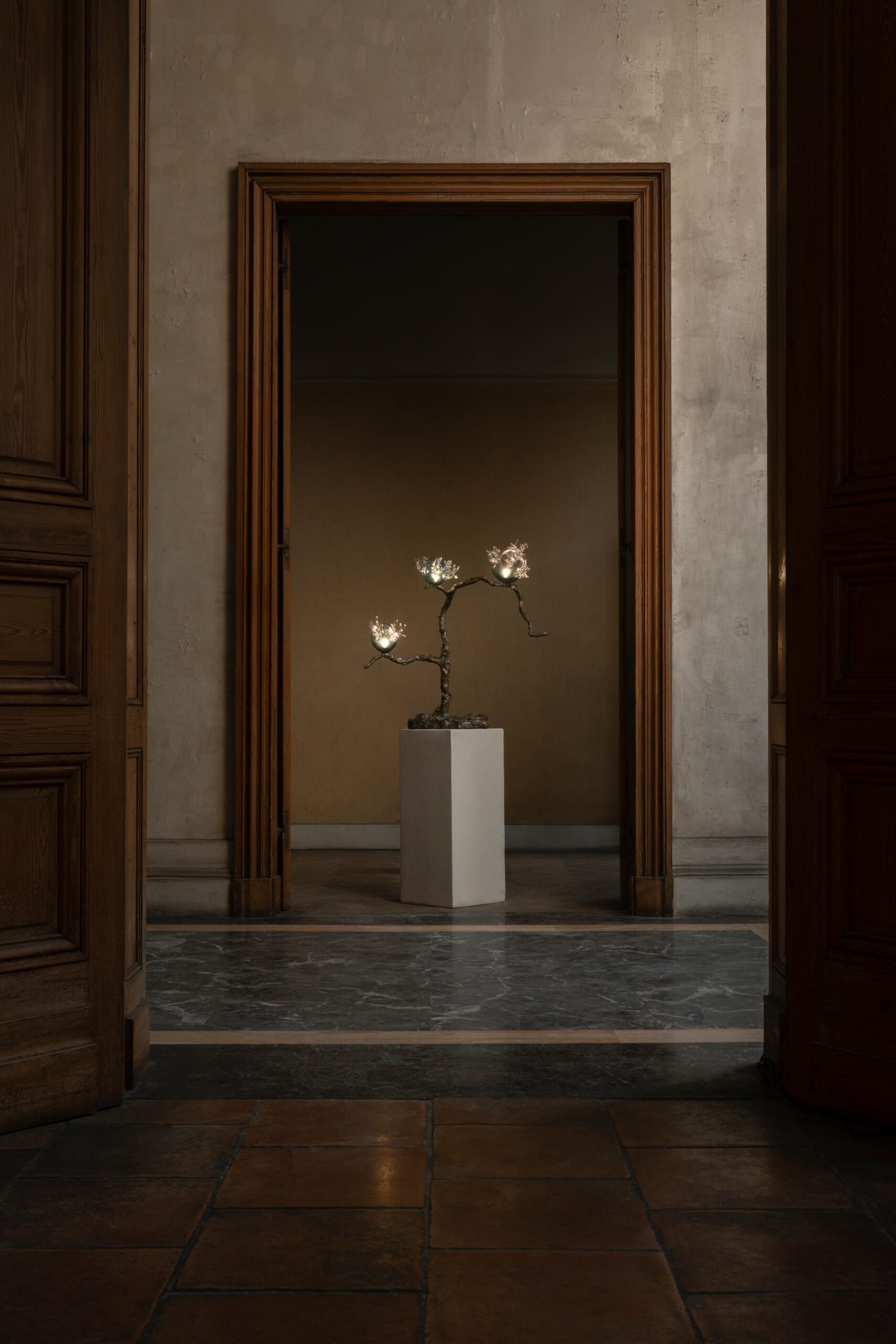
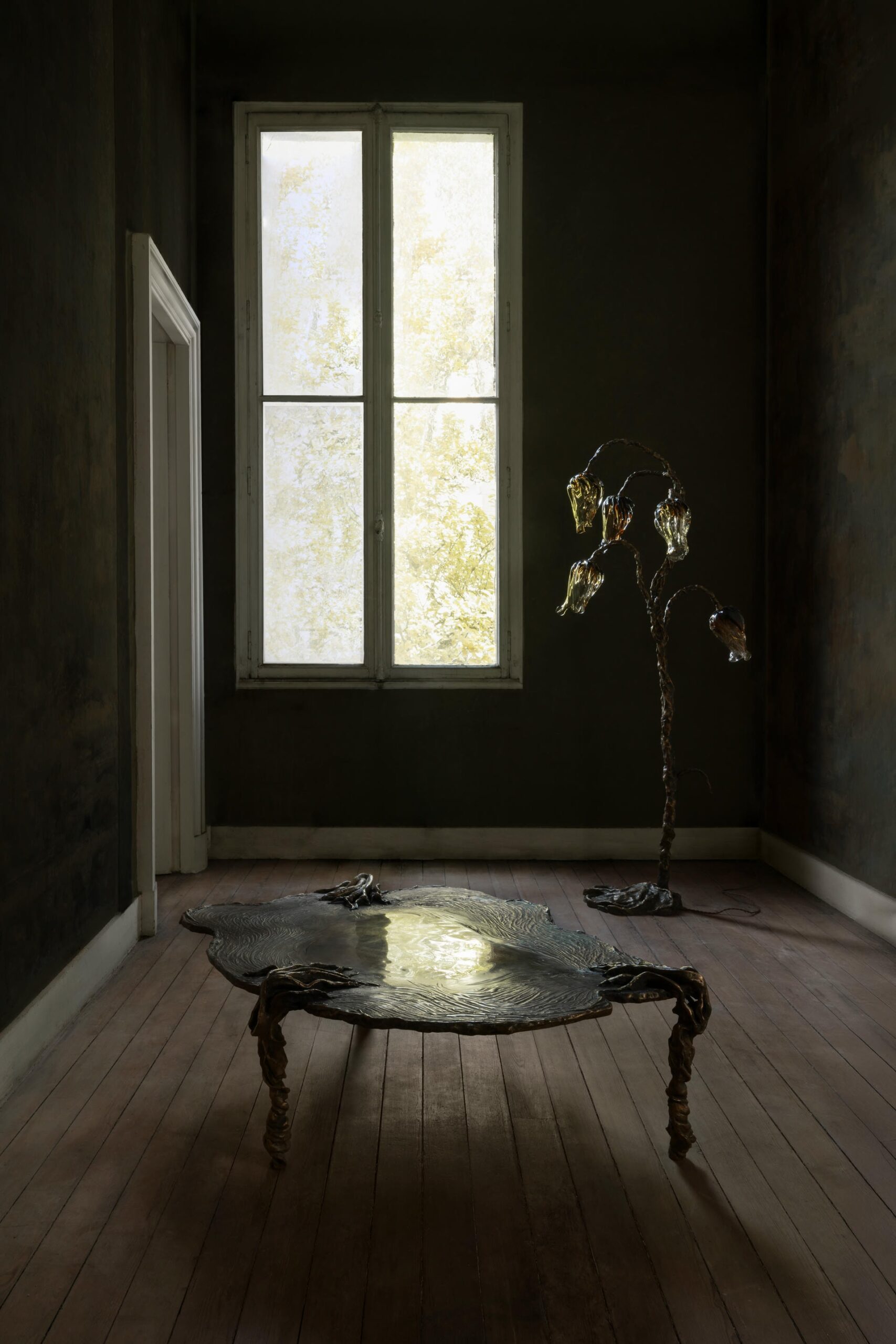
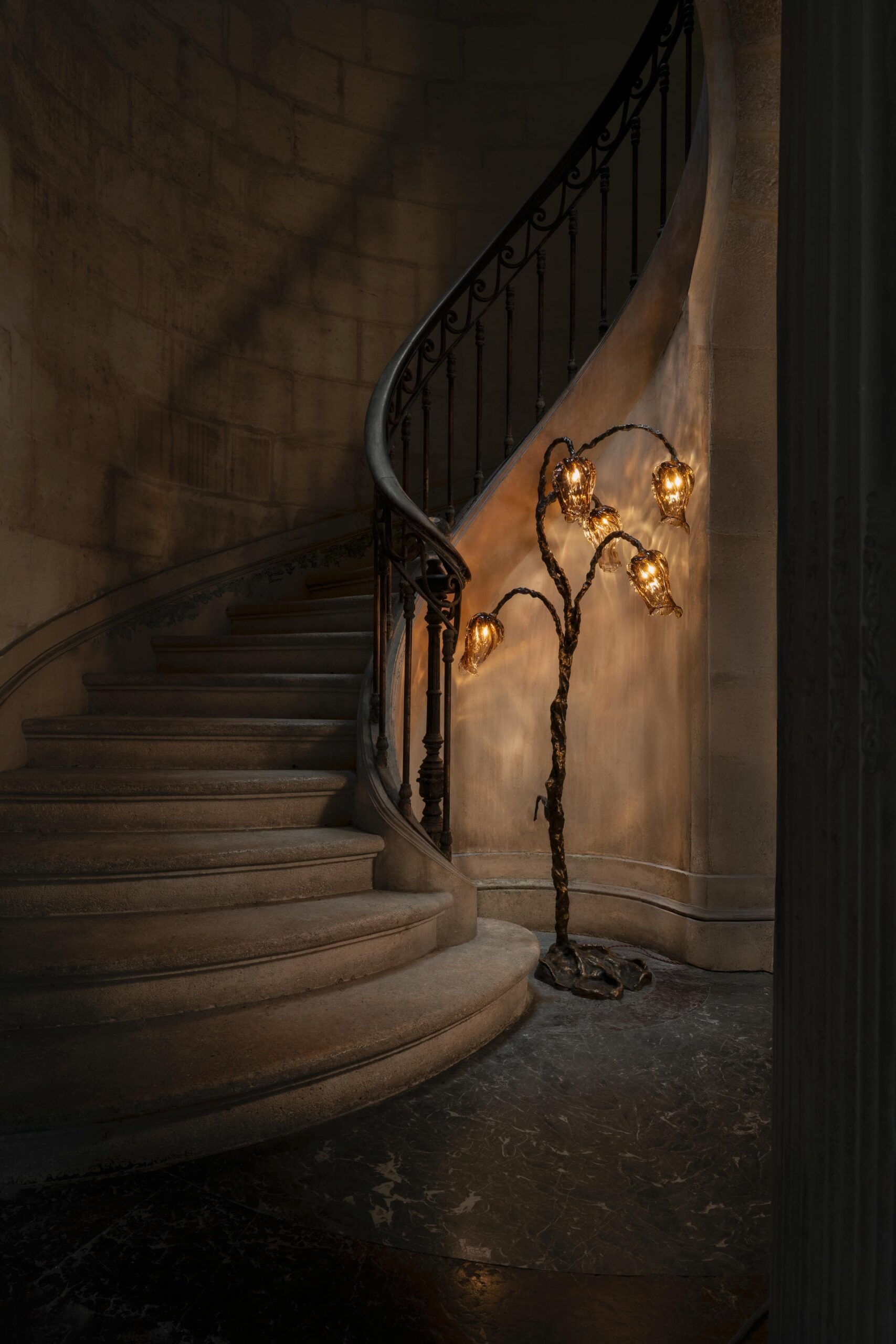
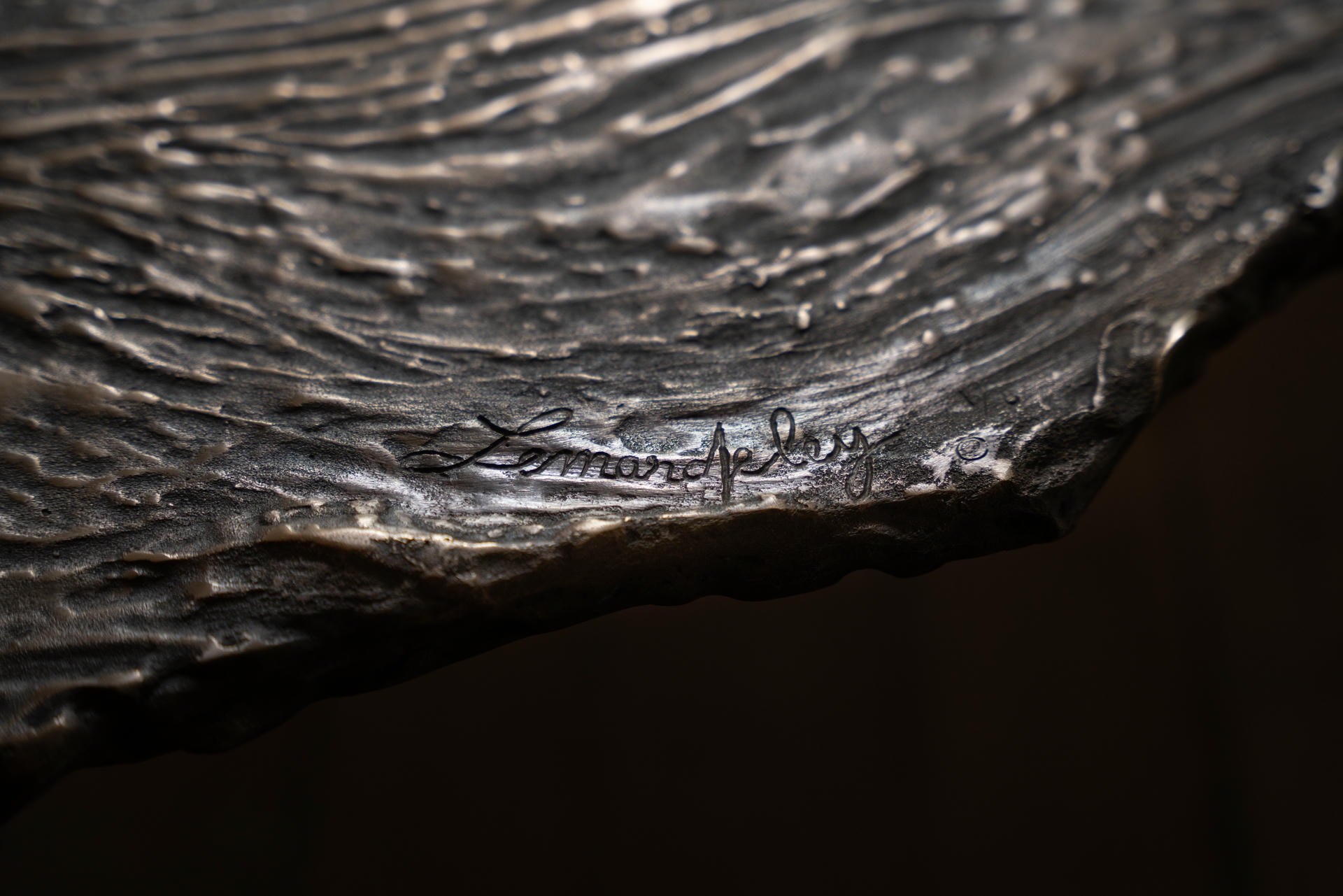
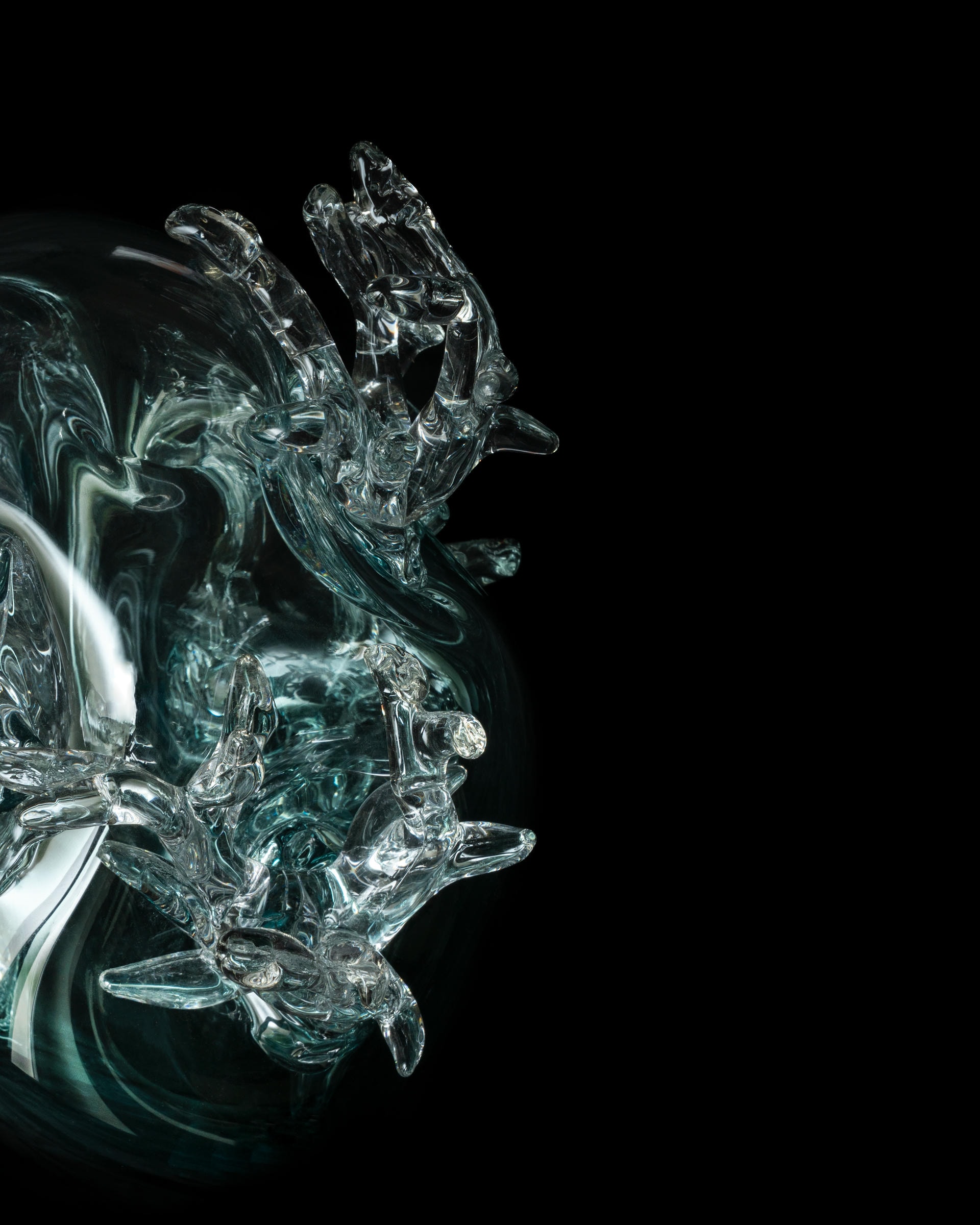
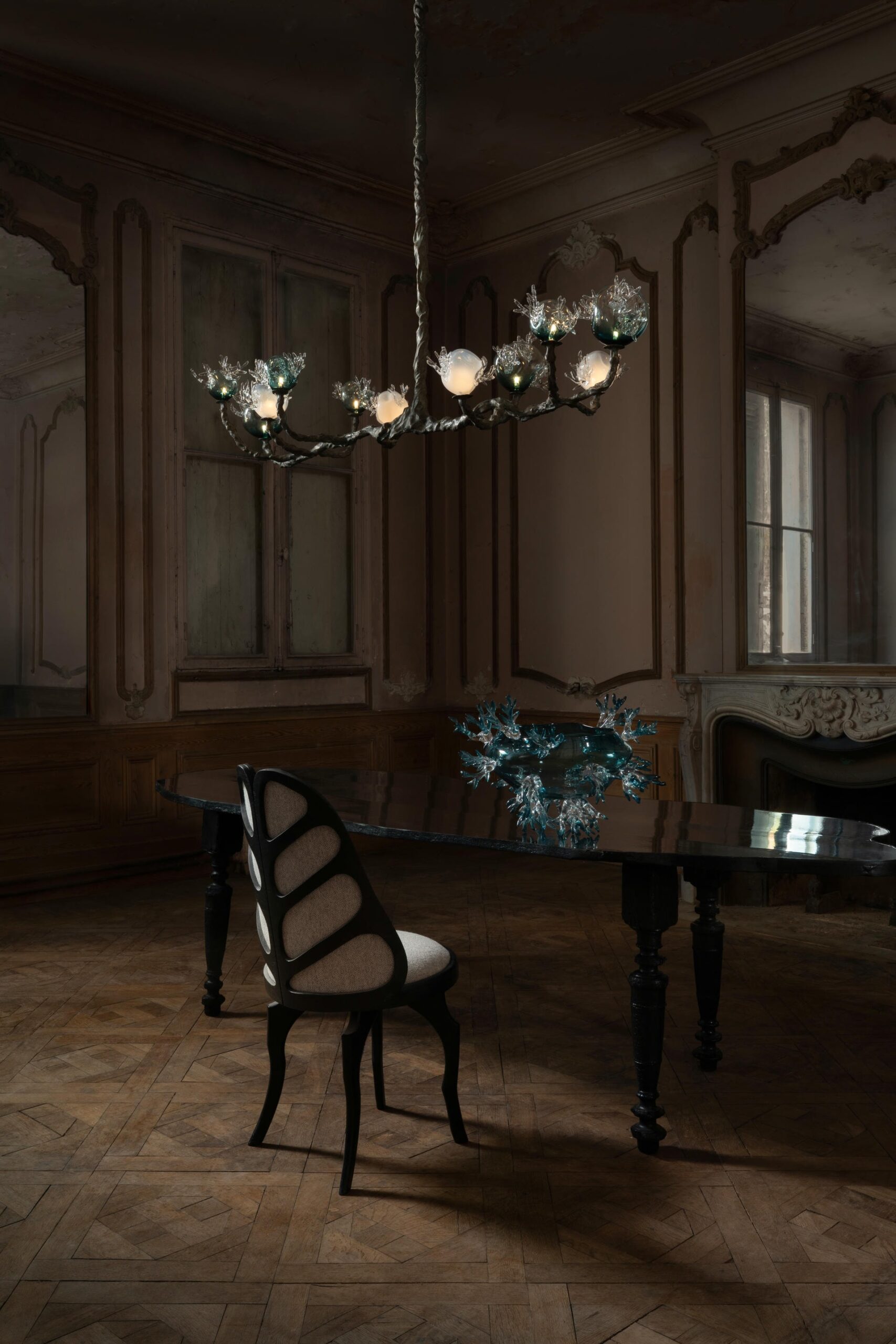
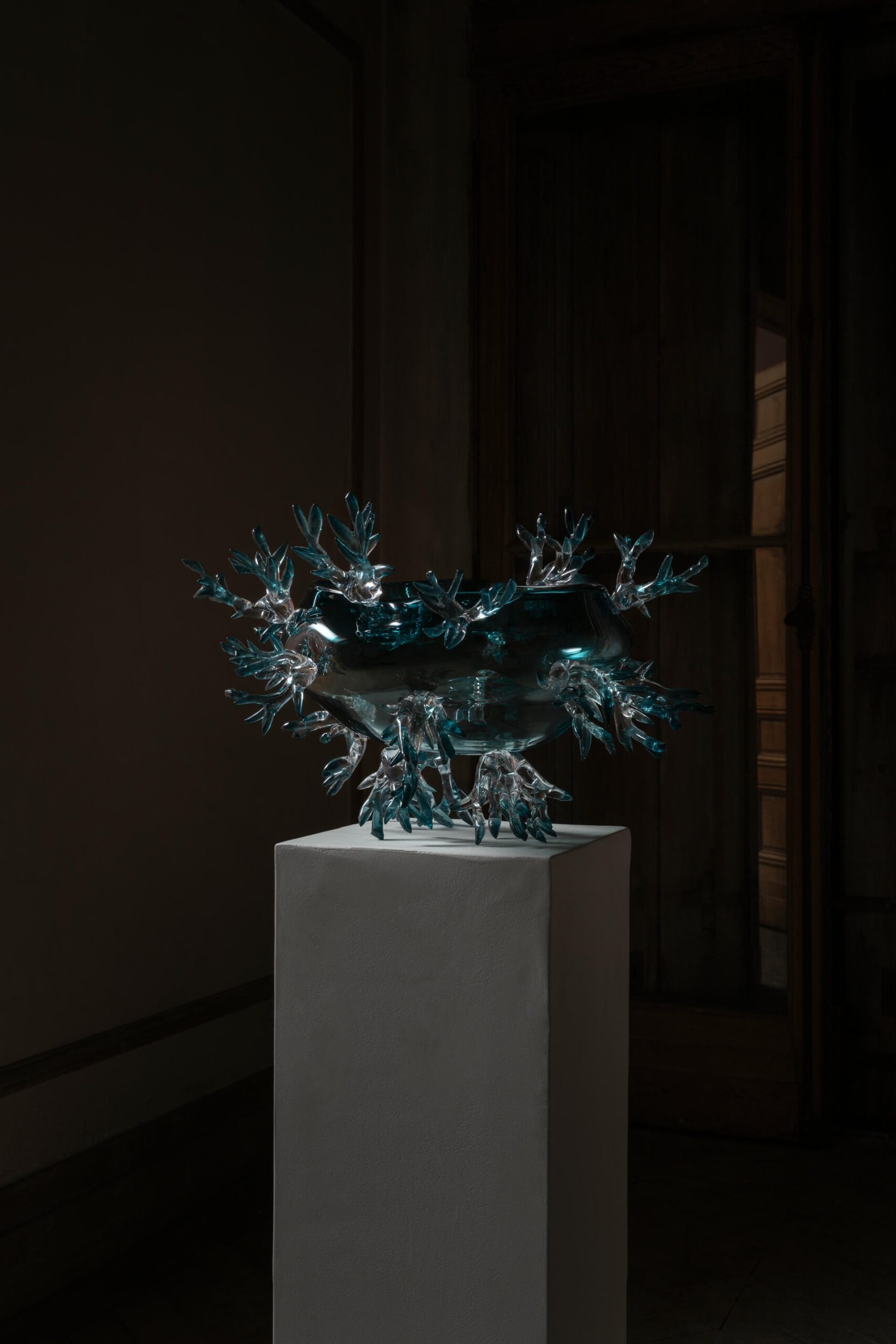
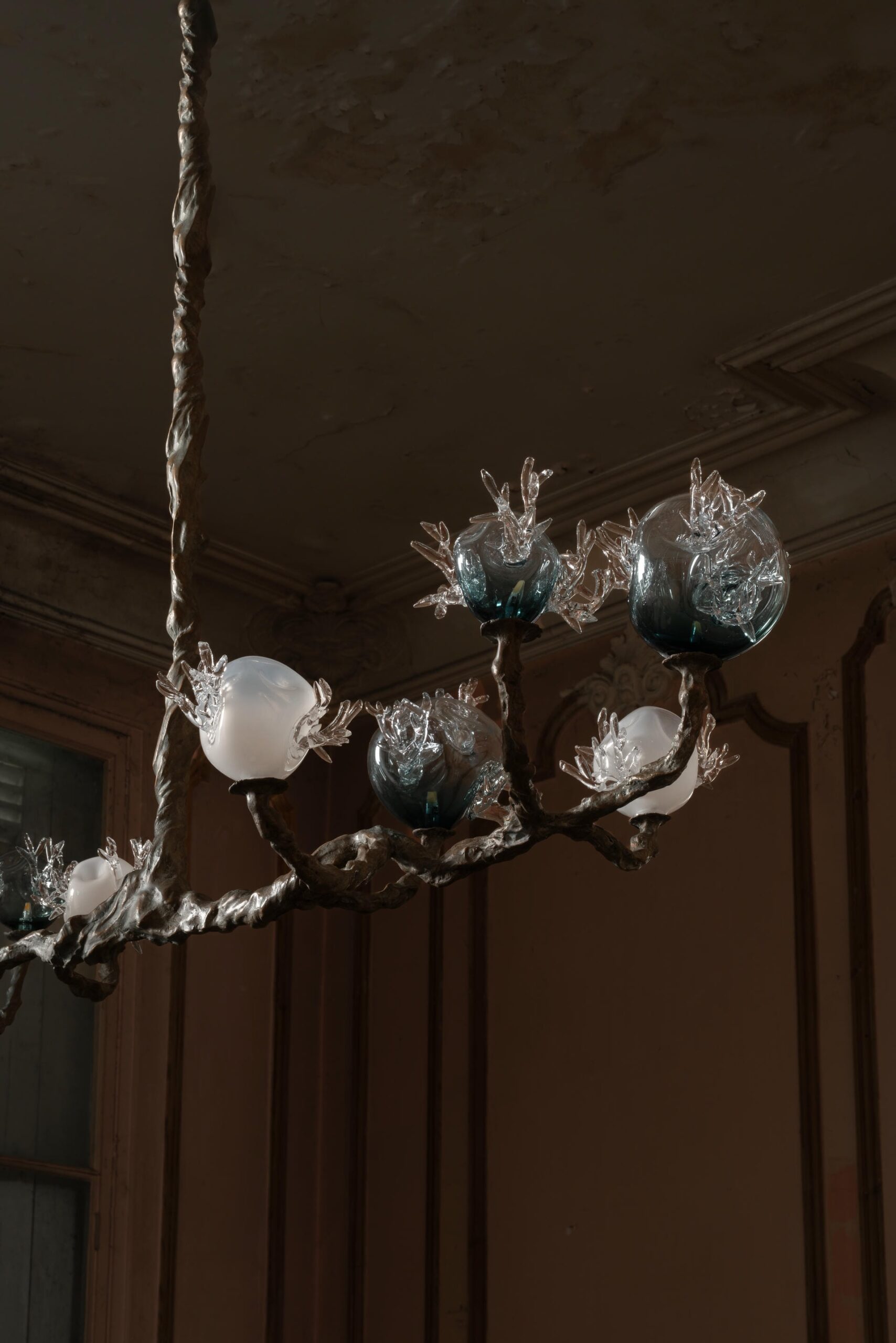
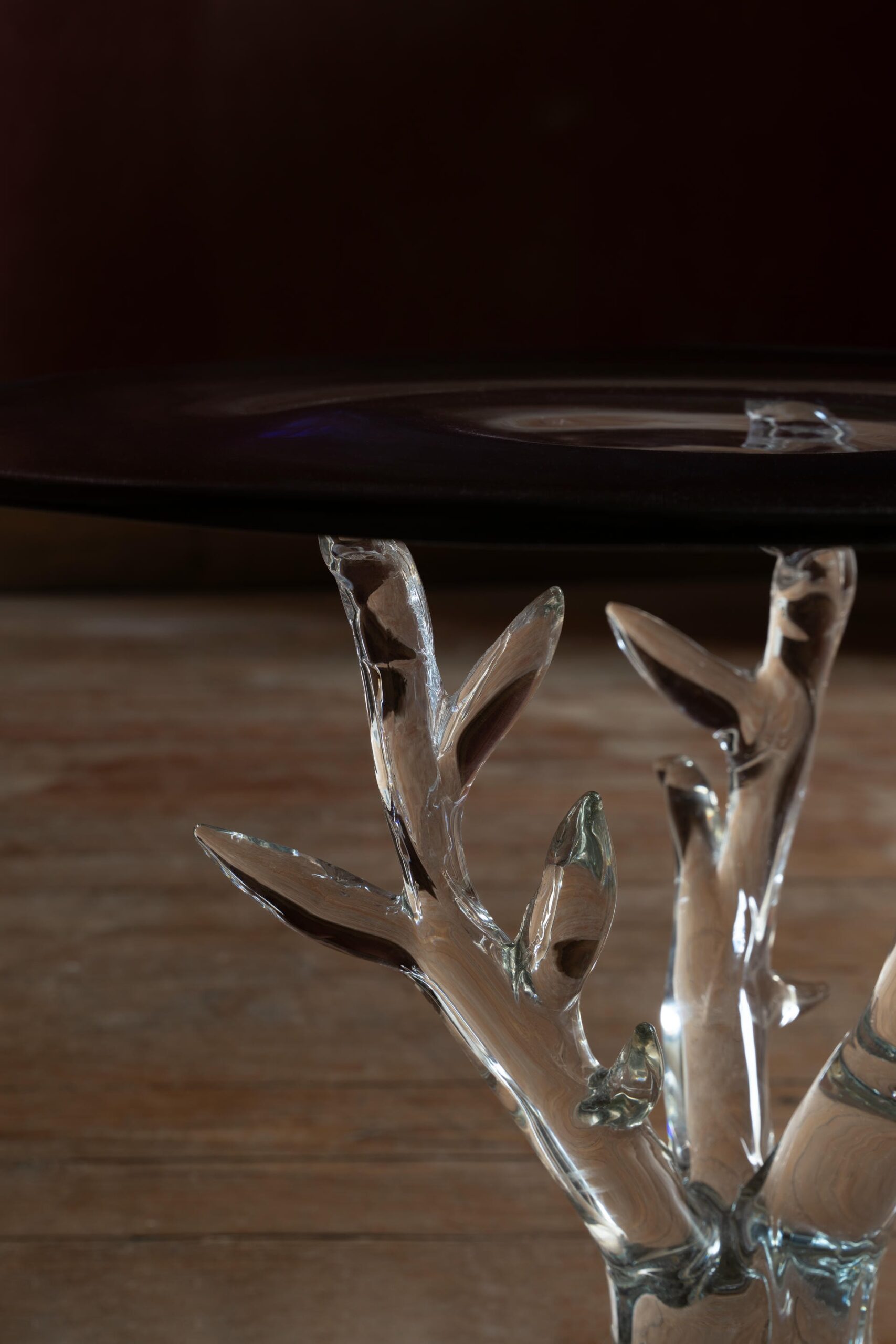
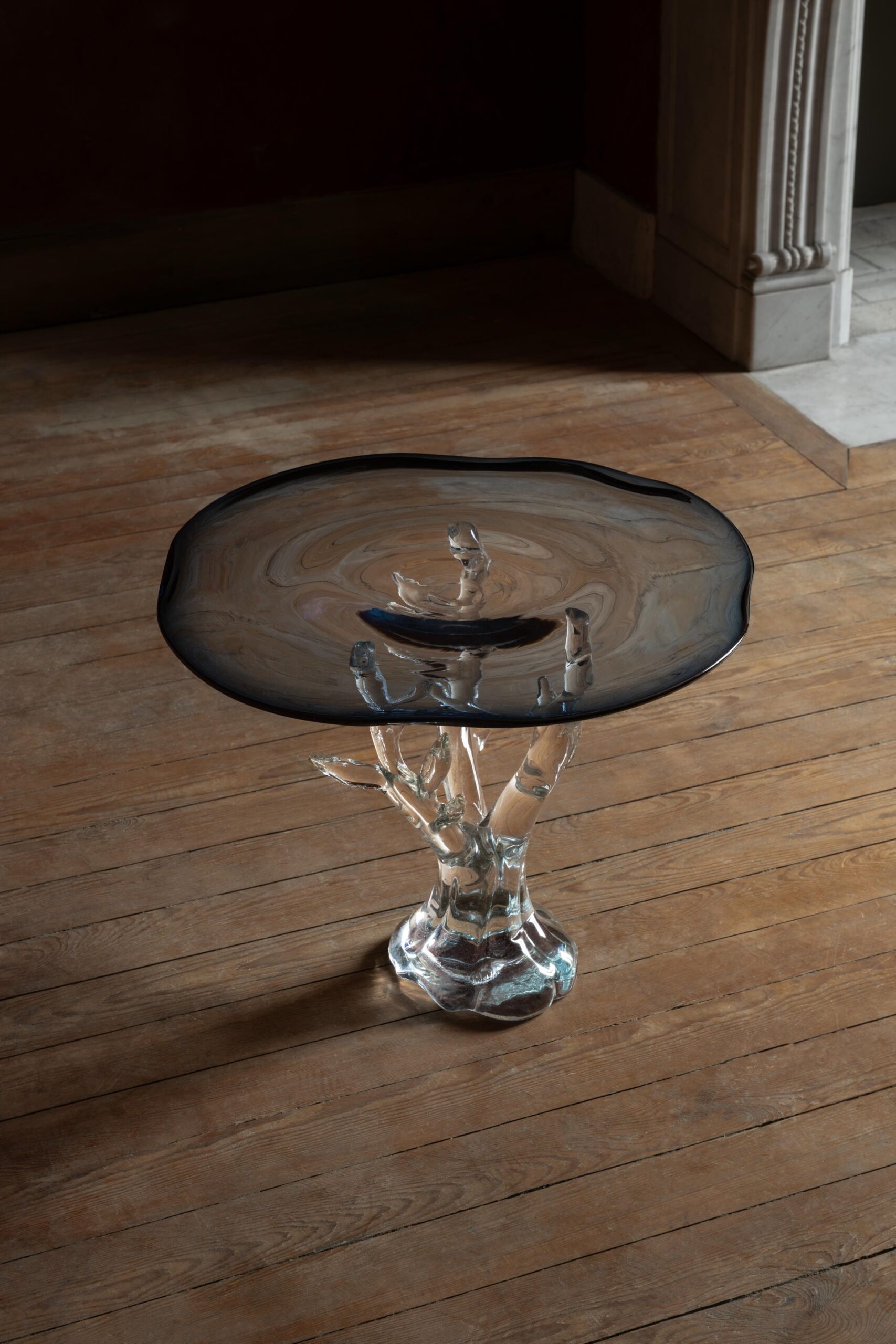
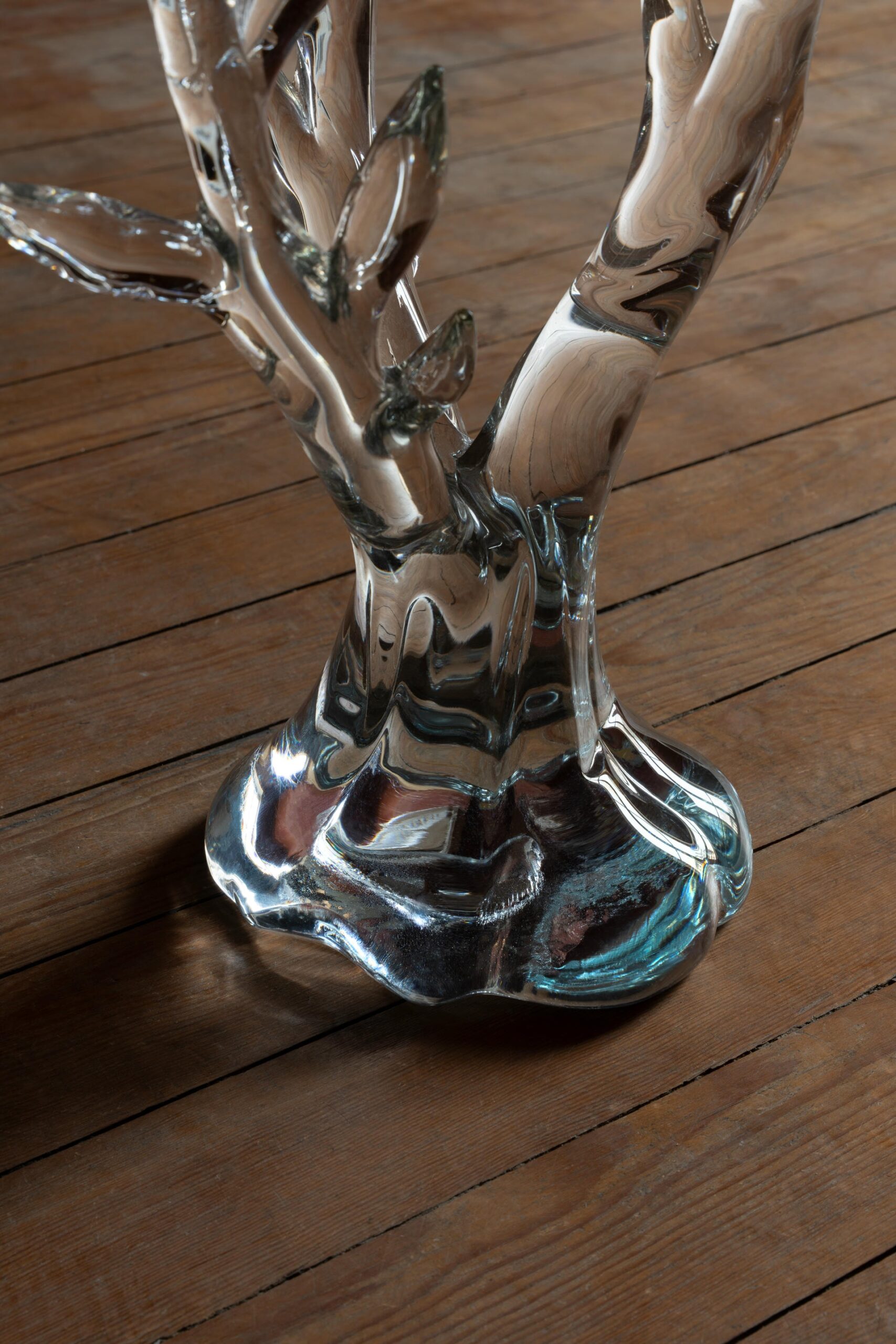
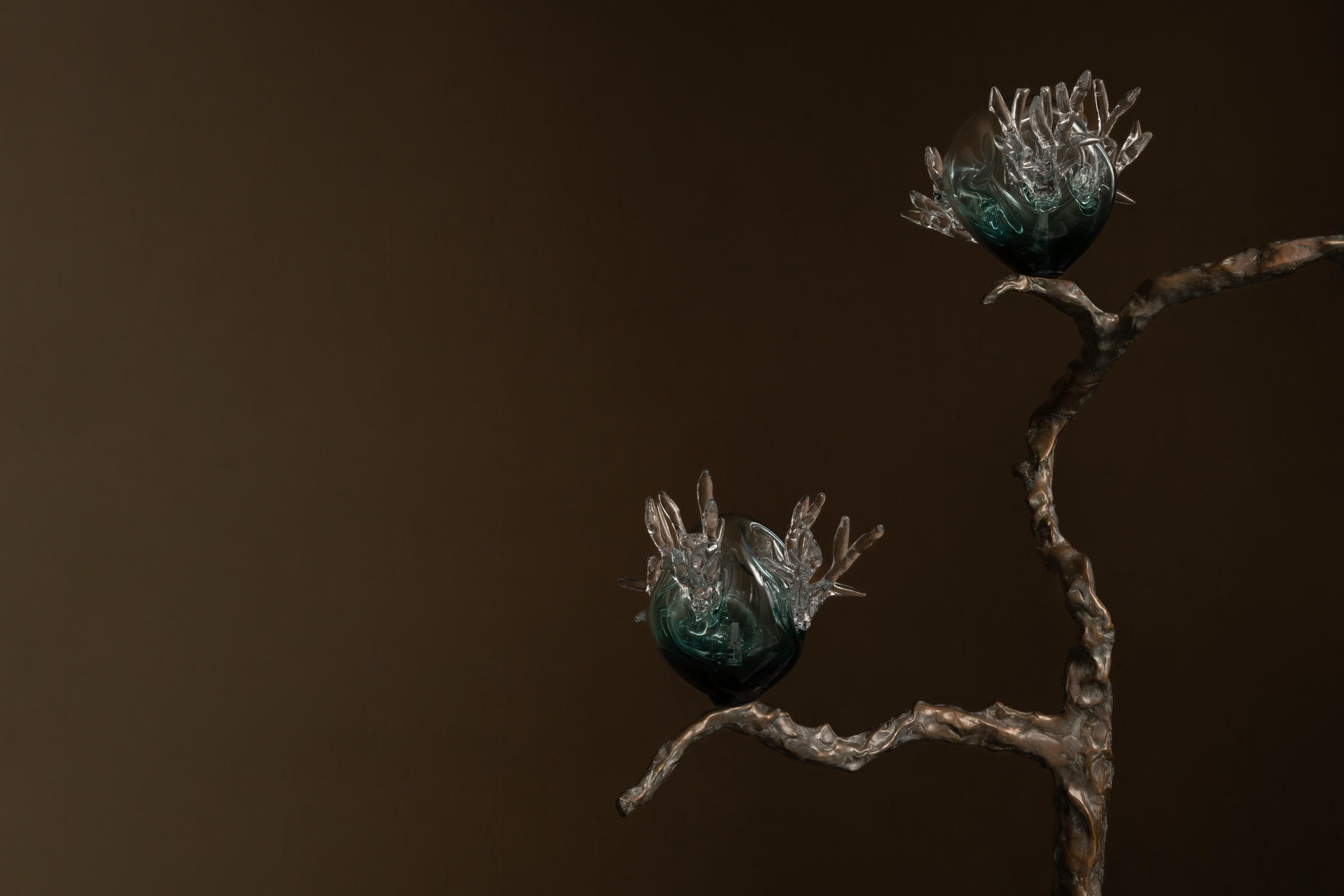
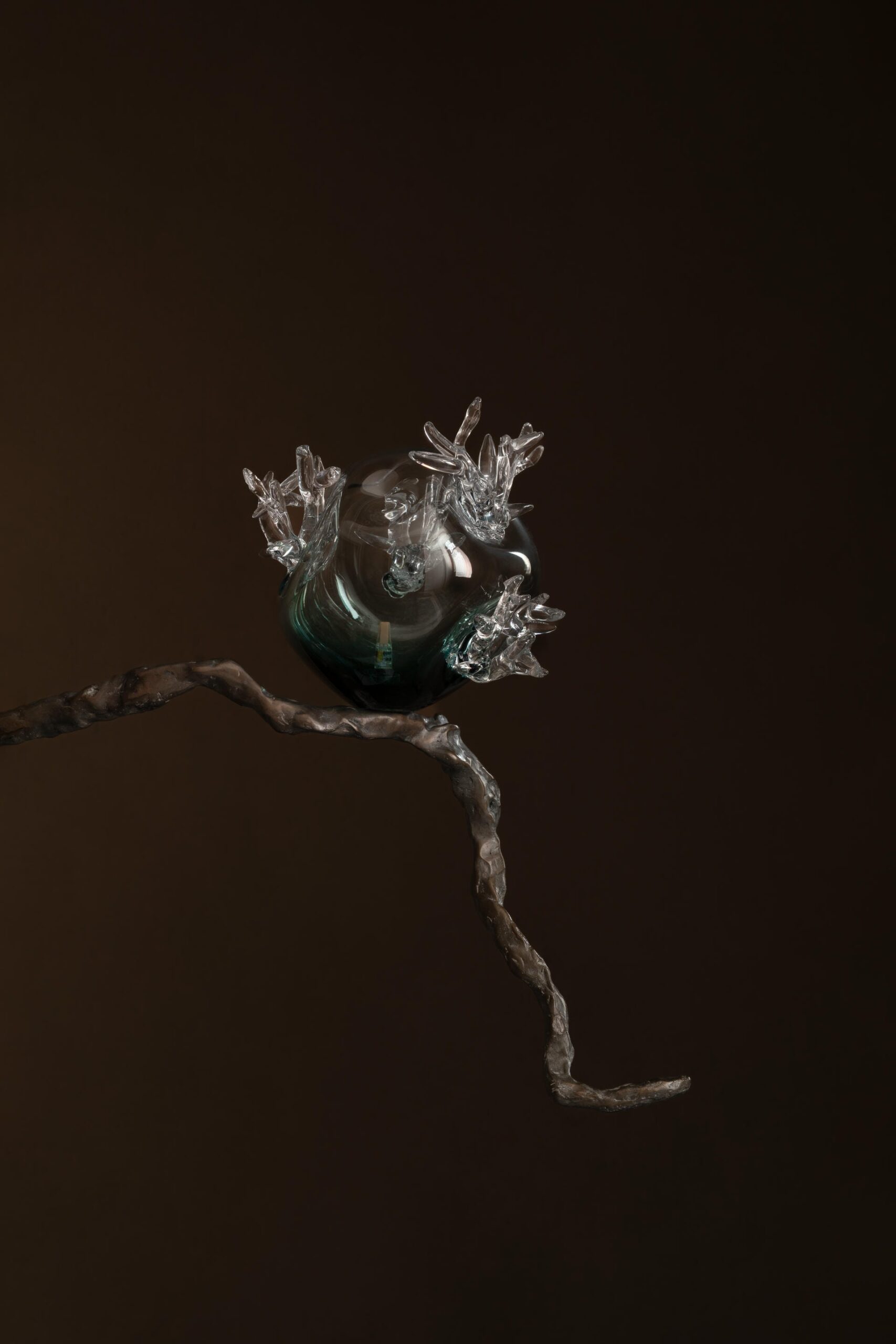
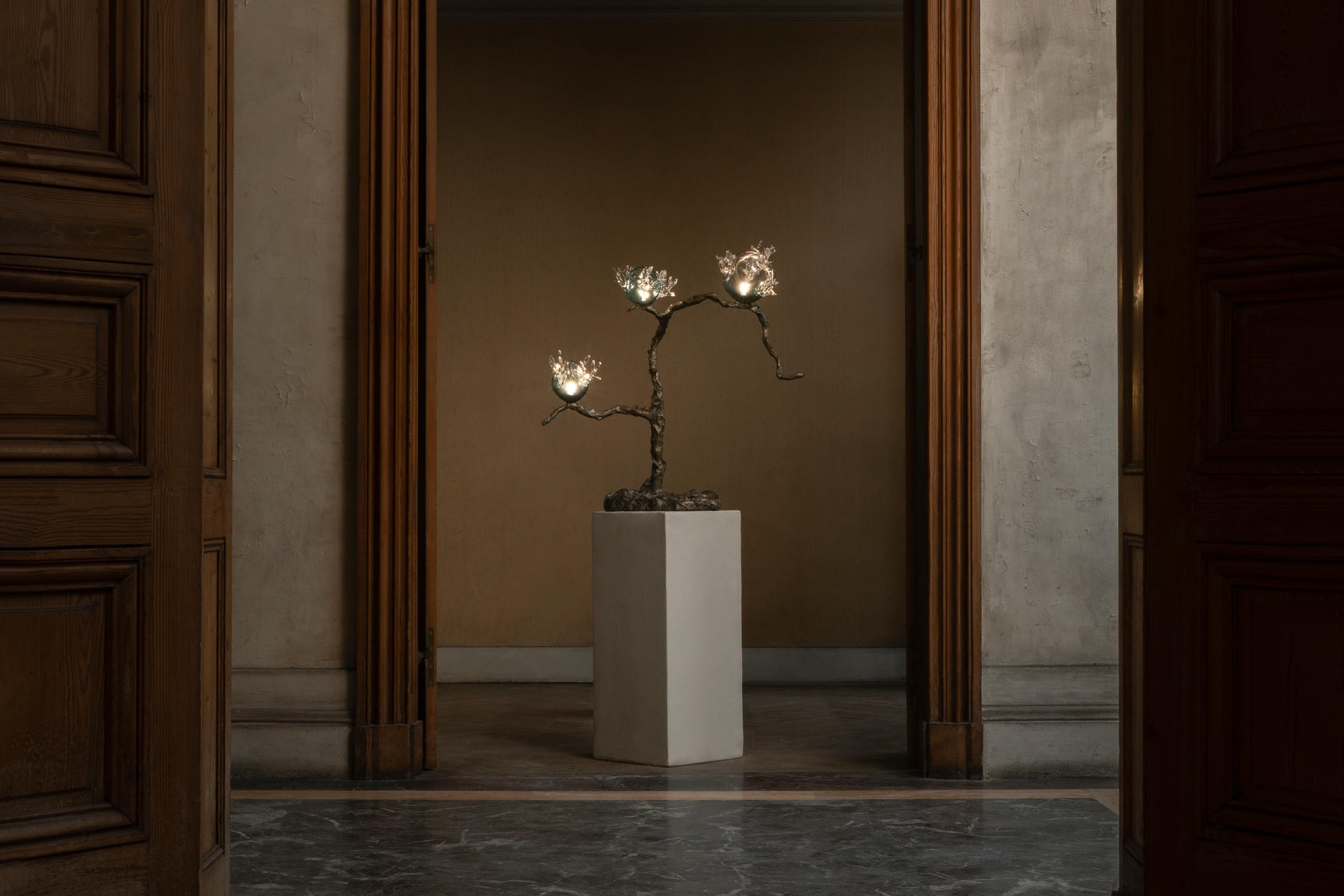
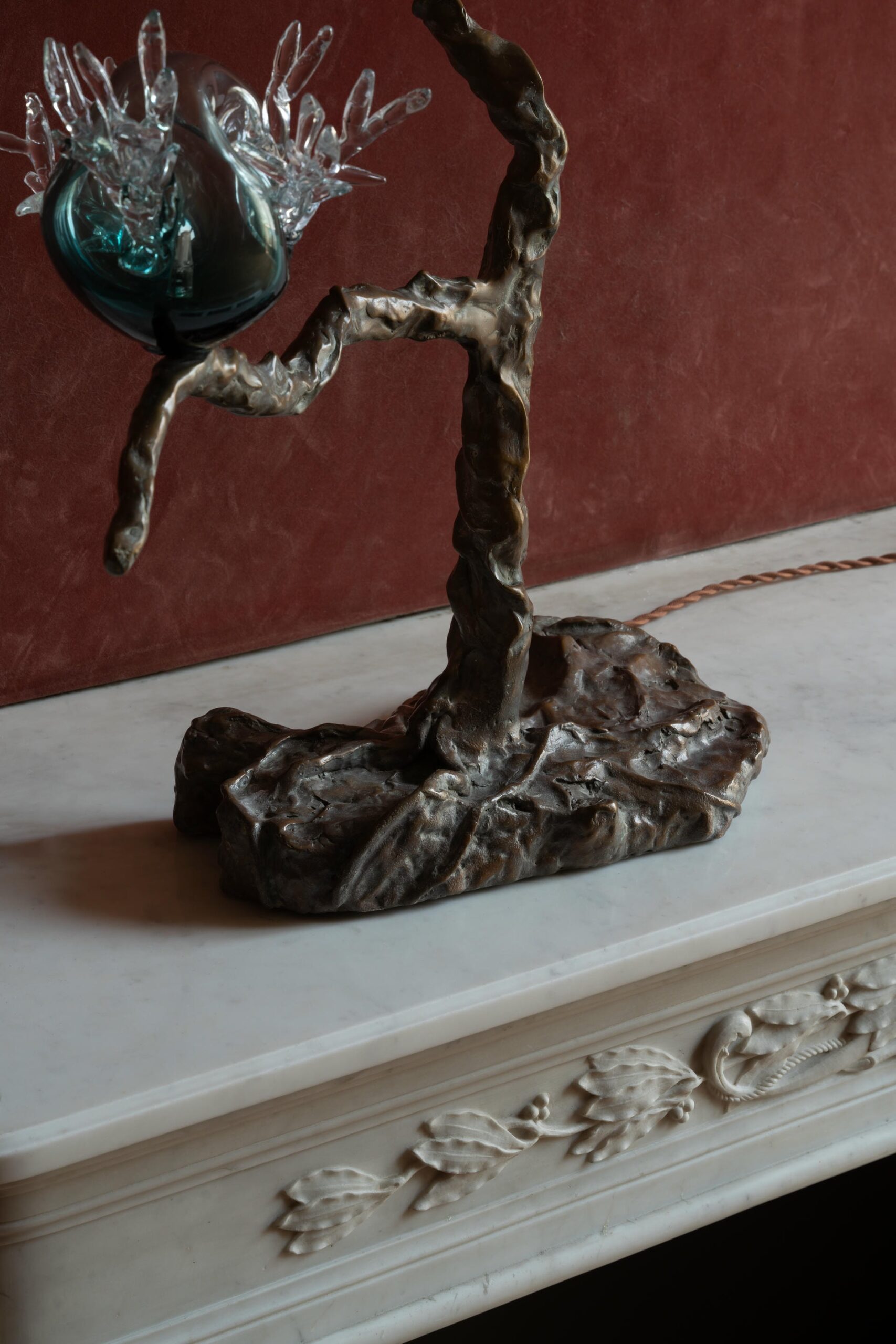
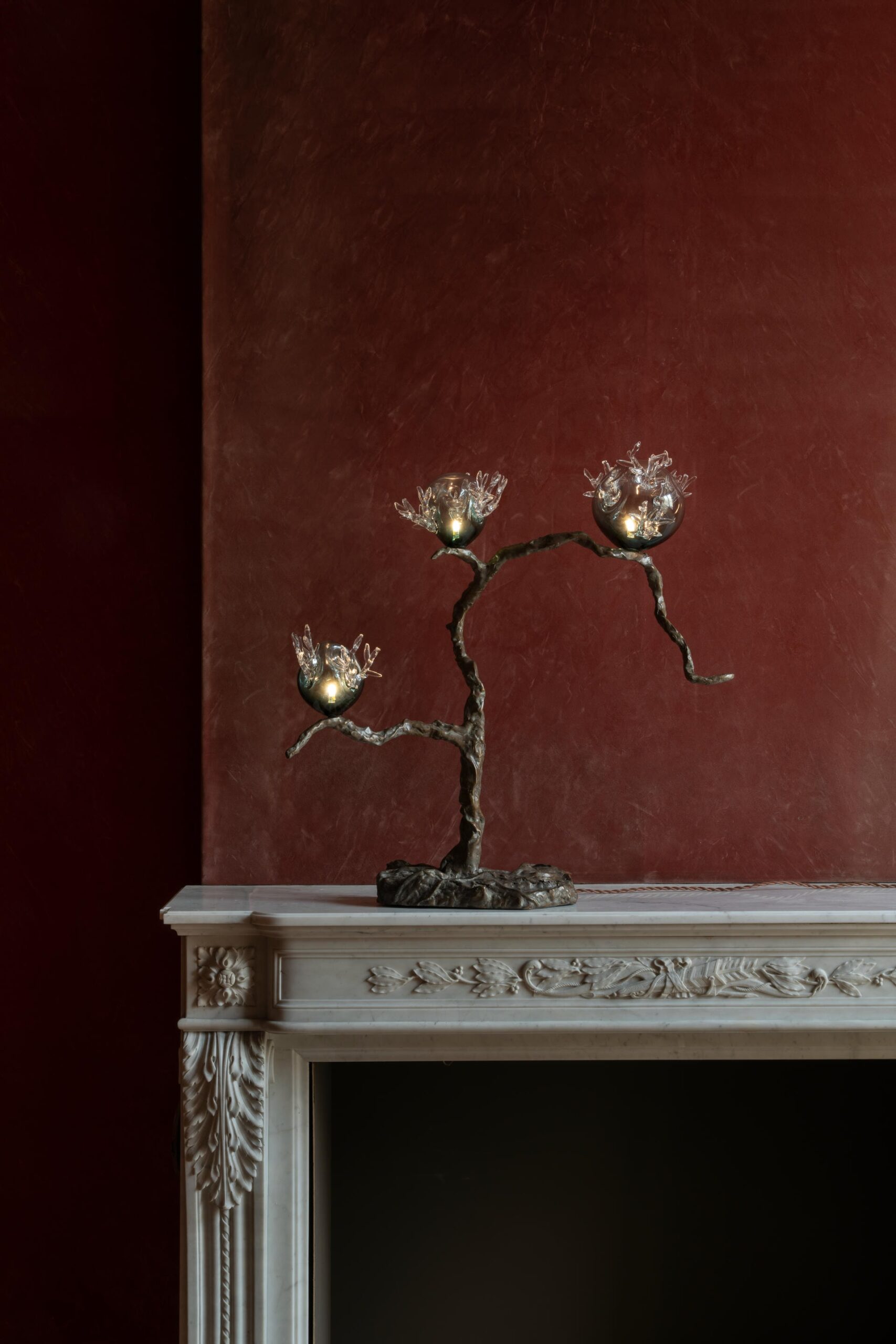
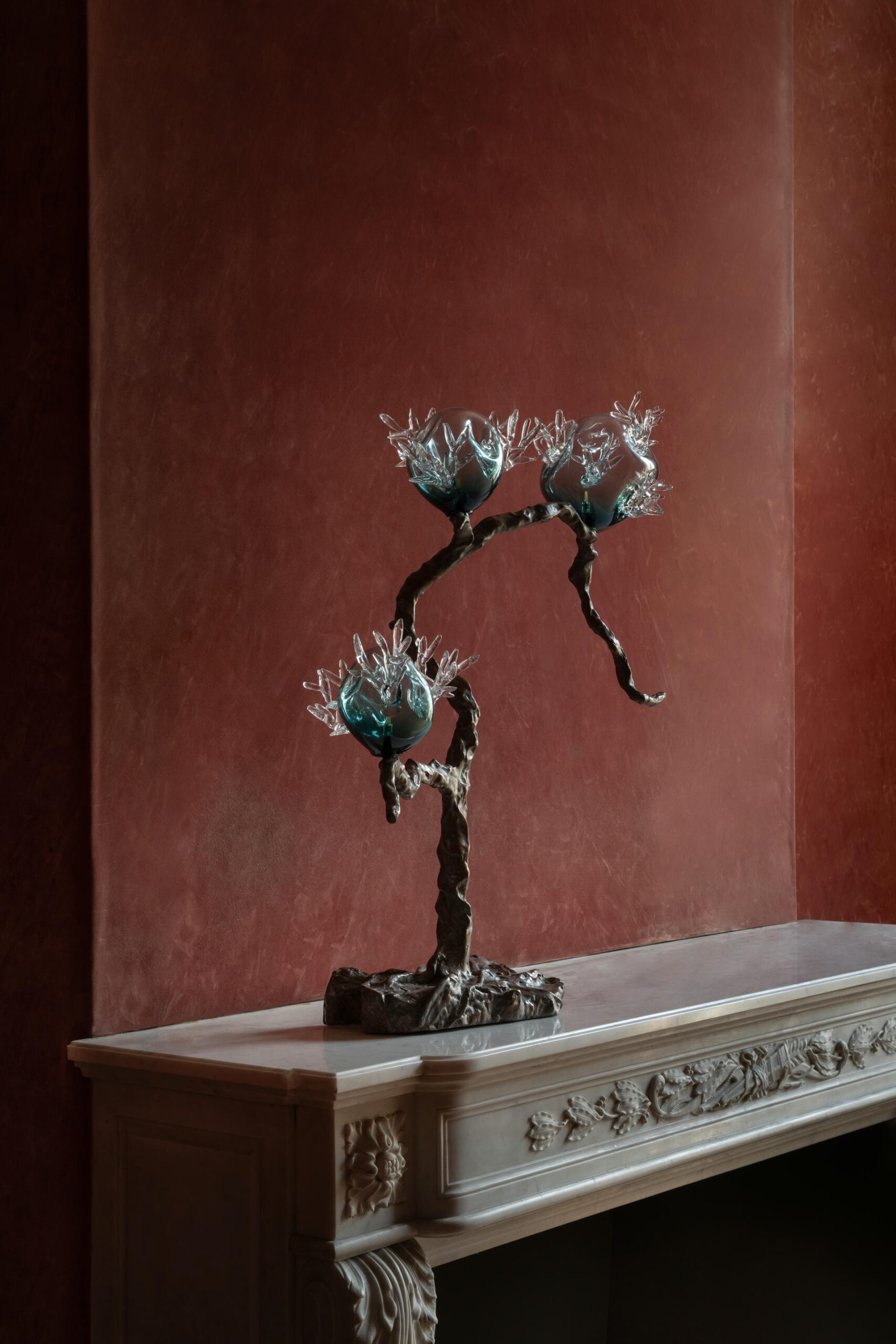
Fidelity is embodied in the very materials: solid, enduring bronze enters into dialogue with the vibrant transparency of blown glass. Together, these elements carry memory, they tell a story. Each sculpture is conceived as a sensitive artifact designed to stand the test of time, a mirror of European culture and its refinement. Inspired by Art Nouveau and ancient mythology, the works evoke the Dryads—guardian nymphs of the forests, symbols of a sacred bond between humanity and nature.
Yet within this relationship to the past lies a quiet warning. Eurydice, herself a Dryad, was lost forever for looking back. To dwell too long in the past is to risk becoming trapped within it. This tension pulses through Émilie Lemardeley’s work: these are not relics, but metamorphoses—a continual movement toward light, toward renewal.
In this body of work, everything is transformation: from clay to wax, from bronze to light, from idea to form. Nothing is lost, everything is transformed. This alchemical rhythm lies at the heart of Émilie Lemardeley’s creative process. A sculptor shaped by literature, philosophy, and the arts, her eclectic background—from Sciences Po to the École du Louvre, from the literary world to creation—infuses her work with rare intellectual depth.
But it is intuition that ultimately guides her hand. Far from cold or decorative design, her pieces are presences. They inhabit space as energies: light captured in glass, volumes shaped like chiaroscuro. They are not merely to be seen—they invite contemplation, meditation.
The artist confides: “I don’t create objects—I transmit states. I sculpt space, light, and sometimes even silence.”
Her sculptures are not static forms but fragments of a cycle—fragments of culture, history, and humanity. In both their form and their essence, they remind us that all things are reborn—from matter, memory, and light. Here, art becomes an act of transmission. Rooted in a tradition of artisanal excellence, this work also looks resolutely to the future: it opens pathways of meaning, sensitivity, and reconnection with the living world.
Dryads is thus a poetic manifesto: a tribute to what once was, a song for what may return. An invitation to believe once more in beauty, in a world undergoing metamorphosis.
Avec sa nouvelle collection intitulée Dryades, Émilie Lemardeley tisse un fil invisible entre l’héritage de notre civilisation occidentale et le souffle vibrant de la nature. Sculptures testamentaires, ses œuvres sont des témoignages puissants – à la fois odes à un passé inspirant et actes de foi dans la capacité régénératrice de l’art.
La fidélité s’incarne ici dans la matière même : le bronze, solide et pérenne, dialogue avec la transparence vibrante du verre soufflé. Ensemble, ces matériaux portent une mémoire, un récit. Chacune de ces sculptures est conçue comme un artefact sensible pensée pour traverser le temps, miroir de la culture européenne et de son raffinement. Inspirées par l’Art Nouveau et les mythes anciens, elles évoquent les Dryades, nymphes tutélaires des forêts, symboles d’un lien sacré entre l’humain et la nature.
Mais dans cette relation au passé, une mise en garde sourde se fait entendre. Eurydice, elle aussi une Dryade, fut perdue à jamais pour s’être retournée. À trop fixer le passé, on risque de s’y perdre. Cette tension innerve les œuvres d’Émilie Lemardeley : elles ne sont pas des reliques, mais des métamorphoses – un mouvement constant vers la lumière, une régénérescence.
Dans ce travail, tout est transformation : de la terre à la cire, du bronze à la lumière, des idées aux formes. Rien ne se perd, tout se transforme. Cette dynamique alchimique est au cœur du processus créatif d’Émilie Lemardeley, sculptrice formée par les lettres, la philosophie et les arts. Son parcours éclectique – de Sciences Po à l’École du Louvre, de l’univers littéraire à la création – irrigue son œuvre d’une densité intellectuelle rare.
Mais c’est bien l’intuition qui guide sa main. À l’opposé d’un design froid ou décoratif, ses pièces sont des présences. Elles investissent l’espace comme des énergies : lumière emprisonnée dans le verre, volumes modelés comme des clairs-obscurs. Elles ne se contentent pas d’être vues – elles invitent à la contemplation, à la méditation.
L’artiste confie : “Je ne crée pas des objets, je transmets des états. Je sculpte l’espace, la lumière, et parfois même le silence.”
Ses sculptures ne sont pas des objets figés, mais des fragments de cycle : fragments de culture, d’histoire, d’humanité. Par leur forme comme par leur fond, elles rappellent que tout renaît – de la matière, du souvenir, de la lumière. L’art, ici, est un acte de transmission. Fidèle à une tradition artisanale d’excellence, cette œuvre est aussi profondément tournée vers l’avenir : elle ouvre des chemins de sens, de sensibilité, de reliance au vivant.
Dryades est ainsi un manifeste poétique : un hommage à ce qui fut, un chant pour ce qui revient. Une invitation à croire encore en la beauté, dans un monde en métamorphose.