Faina – Victoria Yakusha
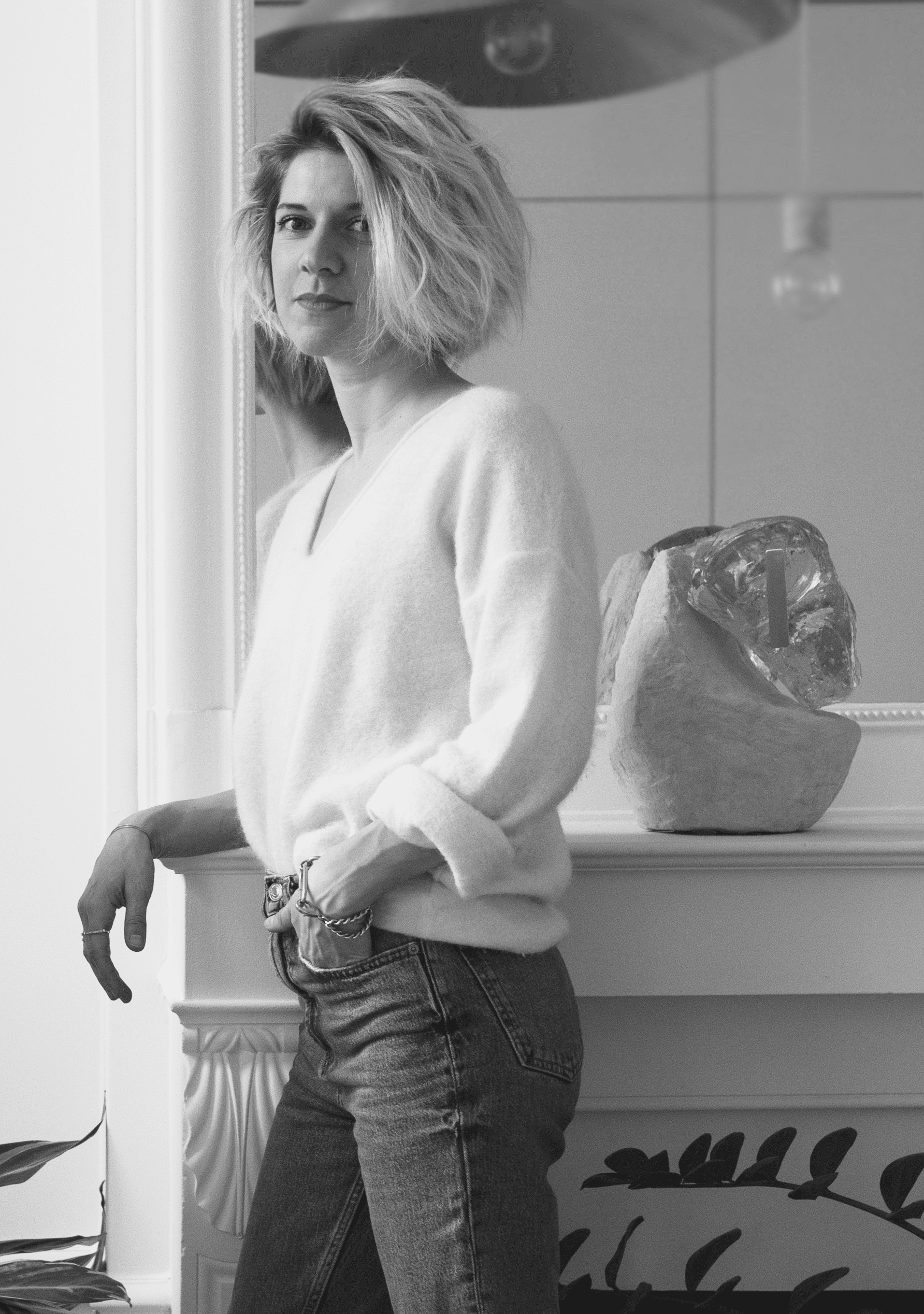
Victoria Yakusha is a Ukrainian architect, designer, and the founder of FAINA, a multidisciplinary practice renowned for its contemporary interpretation of Ukrainian cultural heritage. Working across architecture, interiors, and collectible design, Yakusha creates sculptural furniture and objects rooted in what she describes as “live design” — an approach that draws from local traditions, natural materials, and a deep connection to the land. Her work is distinguished by organic forms, tactile surfaces, and a strong sense of material authenticity.
Through FAINA, Yakusha has established an internationally recognized design language that bridges craftsmanship, sustainability, and cultural storytelling. From furniture and lighting to immersive spatial environments, her creations celebrate the richness of Ukrainian identity while exploring a timeless dialogue between nature, memory, and contemporary living.
Interview
I was born in Ukraine and was lucky to spend my childhood among its beautiful nature. My grandparents lived in the village, and I often spent my summer there. It was precious. There, in nature, I felt free. I believe my worldview was formed during that time.
Hence the connection to nature, love to the earth, and ‚live design‘ — a philosophy of FAINA. Two years ago, I moved to Belgium, where we opened FAINA gallery.
It’s difficult to recall the first, but I remember my feelings when I discovered the works of primitivists. One of my favorites is a Ukrainian self-taught painter, Maria Prymachenko. I’m endlessly inspired by the sincerity, honesty, naiveness of her works. It’s very pure art.
I studied architecture, and from the 3rd year of the institute, started working on design and architectural projects. I don’t imagine myself in another field. Design is something that has always been with me. I’m interested in fashion, love to explore new things in the fragrance industry, but it’s always crossed with design and aesthetics.
In 2014, Ukraine was a few steps away from losing its identity. That was a hard time for us, and I decided to create something that would tell the world about my country and its cultural heritage. That’s how FAINA began. We pass our story through the means of design.
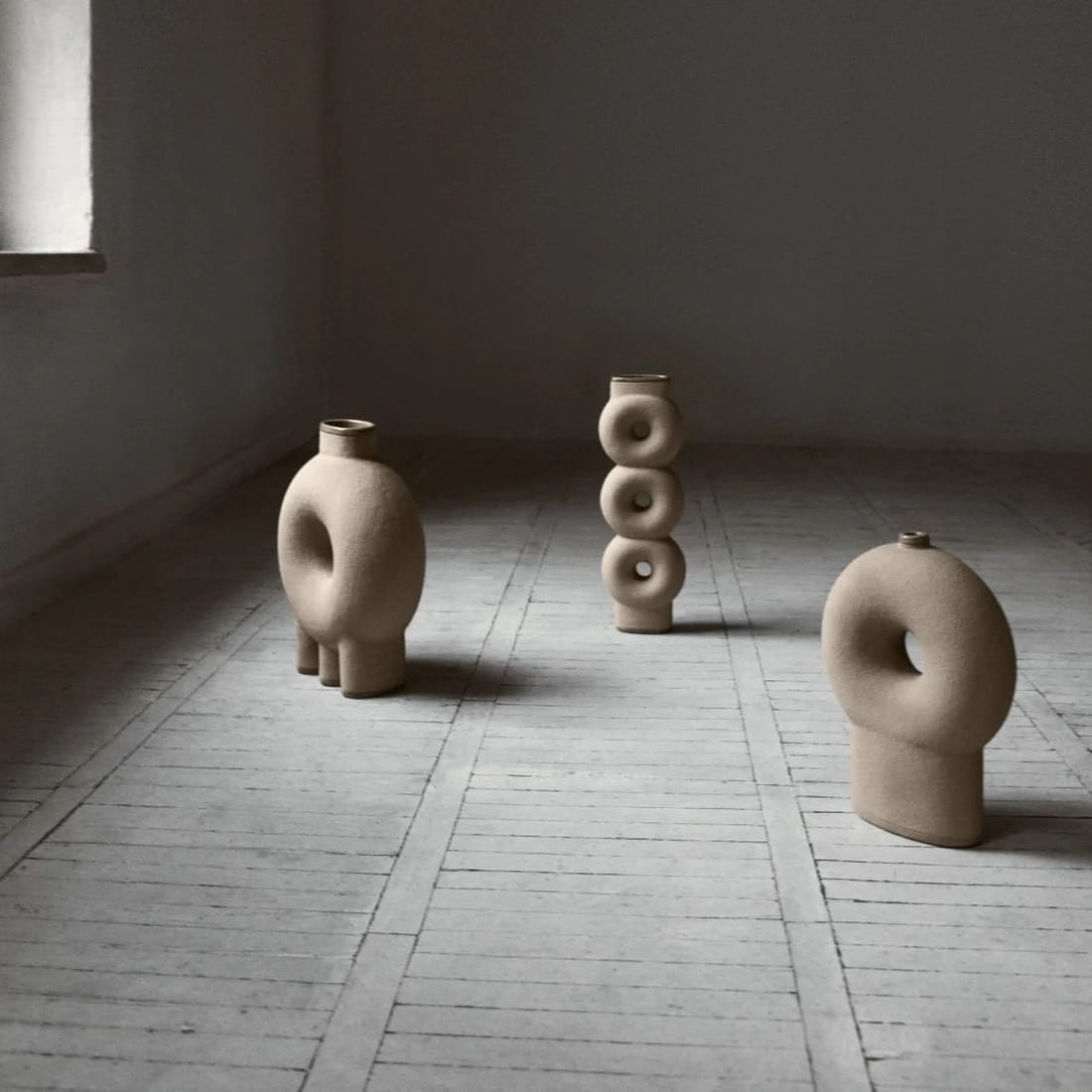
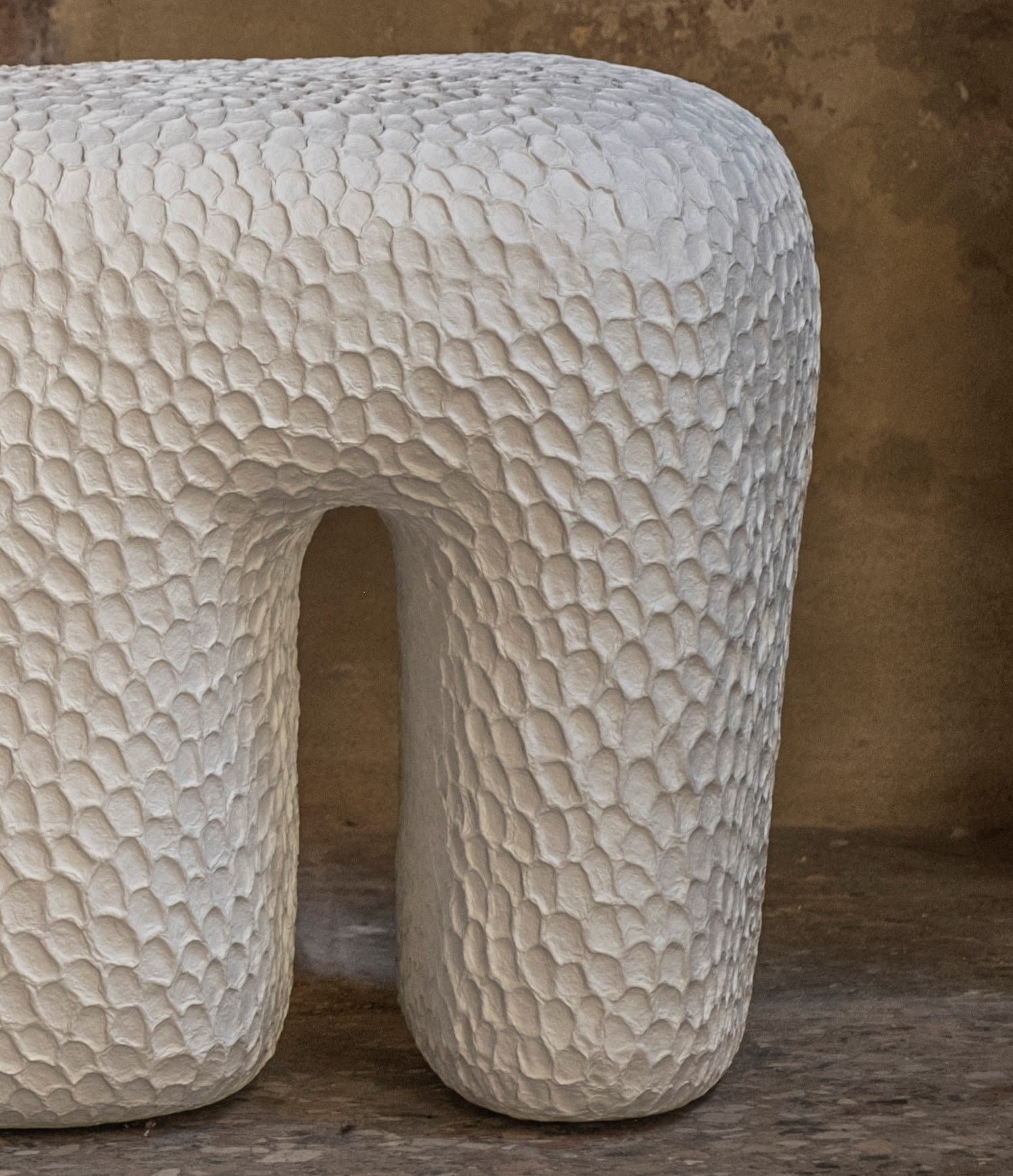
My biggest influence and inspiration is Ukraine. My roots. I am glad to be born in this beautiful land. It’s free spirit, wildness, sincerity – it’s all within me. Some symbols and local crafts that are revived in FAINA design are familiar to me from childhood and very dear to my heart.
I don’t think that there’s something special in my creative process. It’s a flow. I just sit down and do sketches.
I usually work from home, which isn’t easy when you have 4 children. Throughout the day, I can do some paperwork, design an interior, and curate styling. It depends on the current projects of our studio.
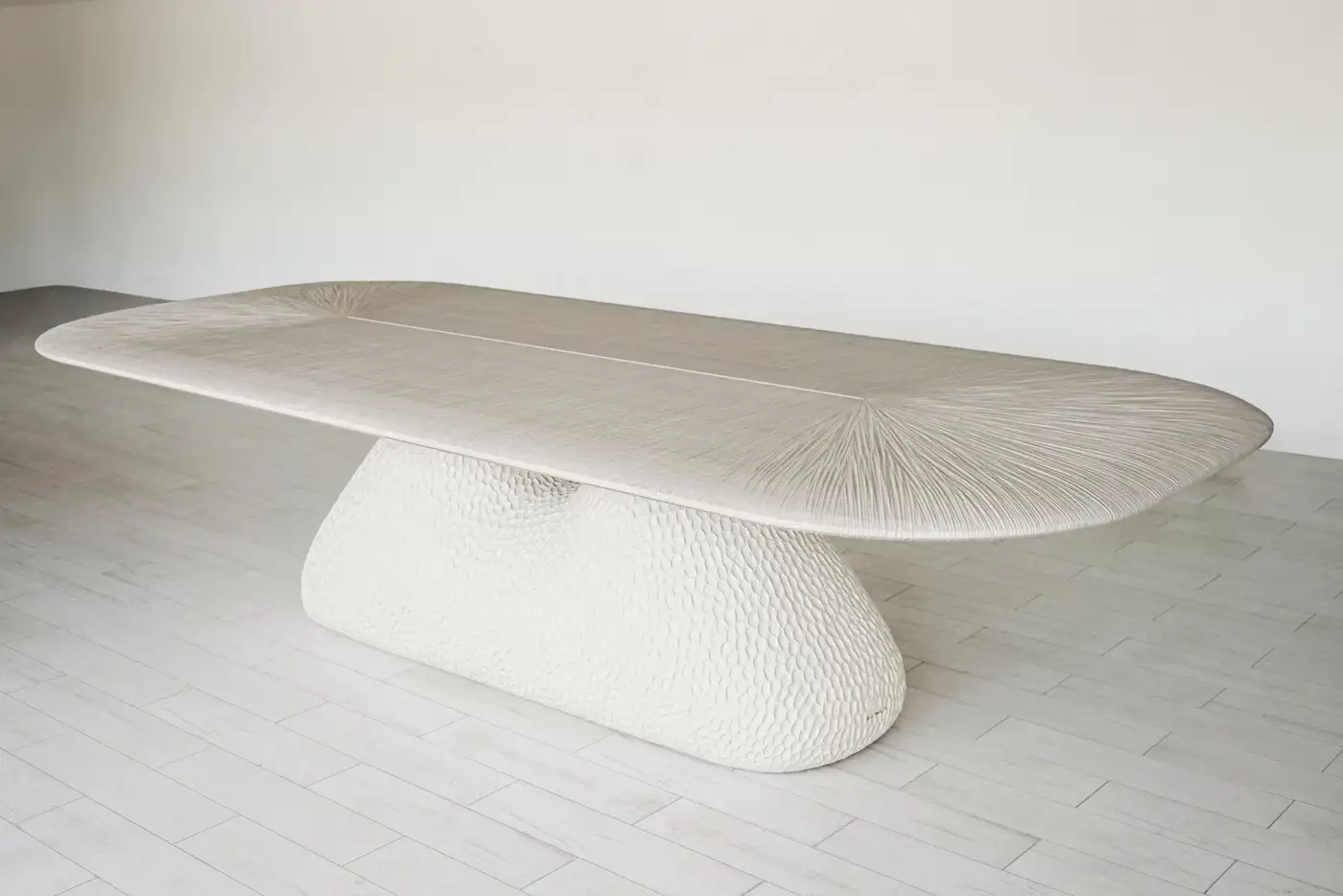
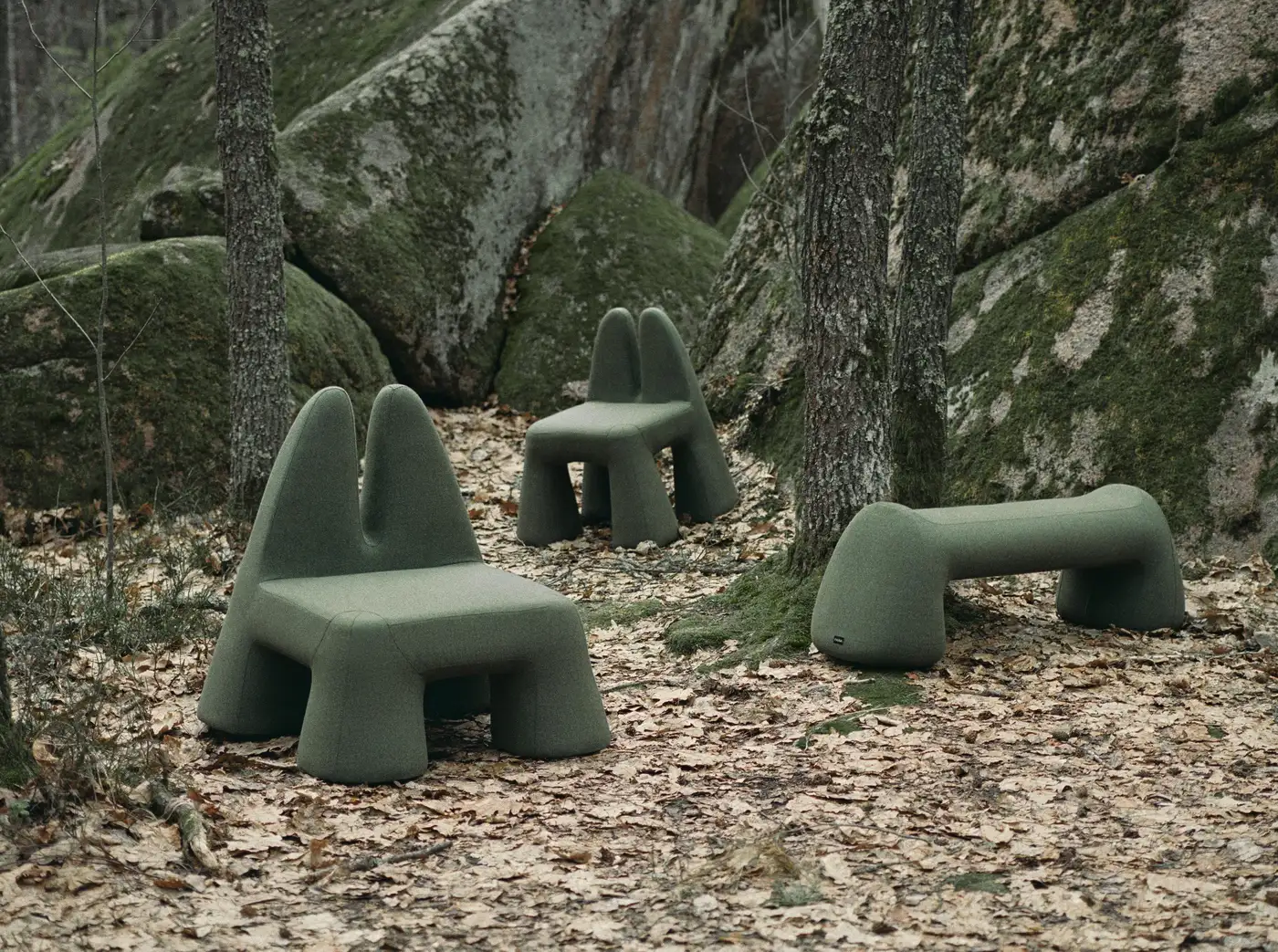
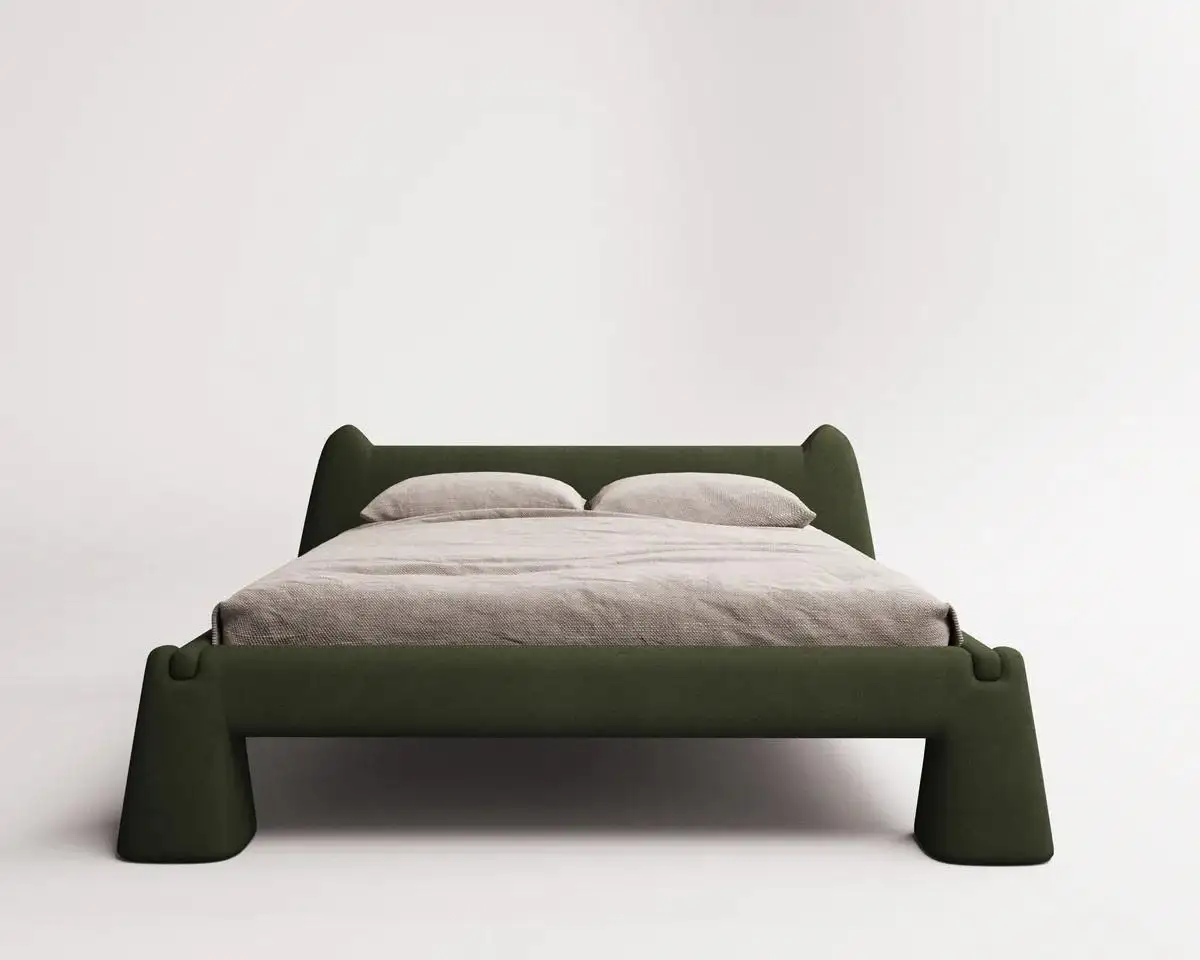
In FAINA, we work with living materials which naturally come from our philosophy of live design. It’s clay, wood, willow vine, and natural fabrics.
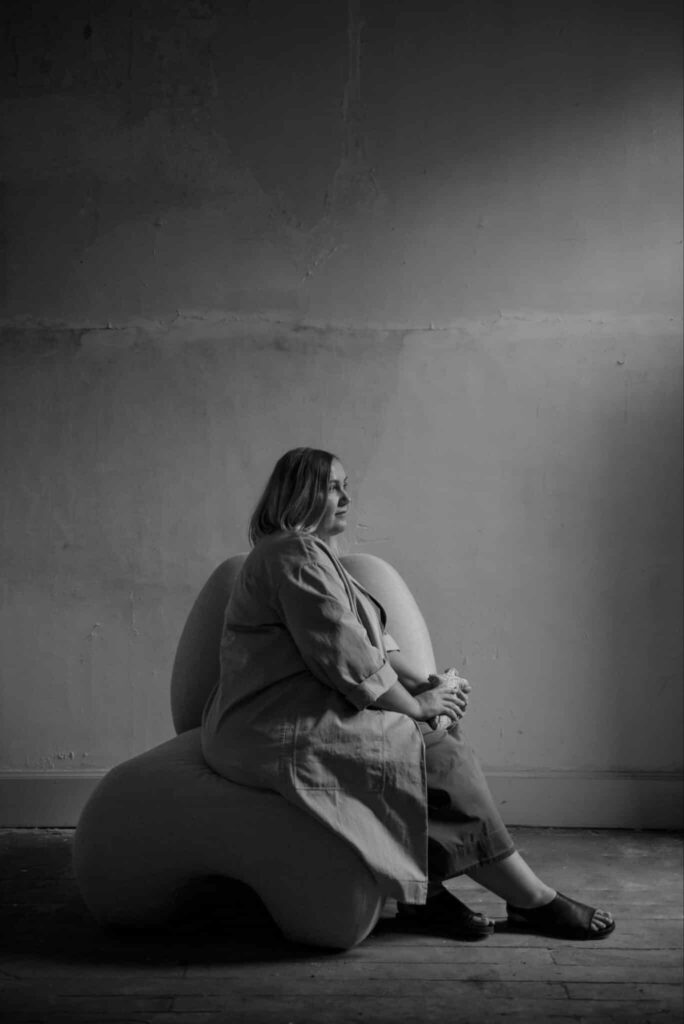
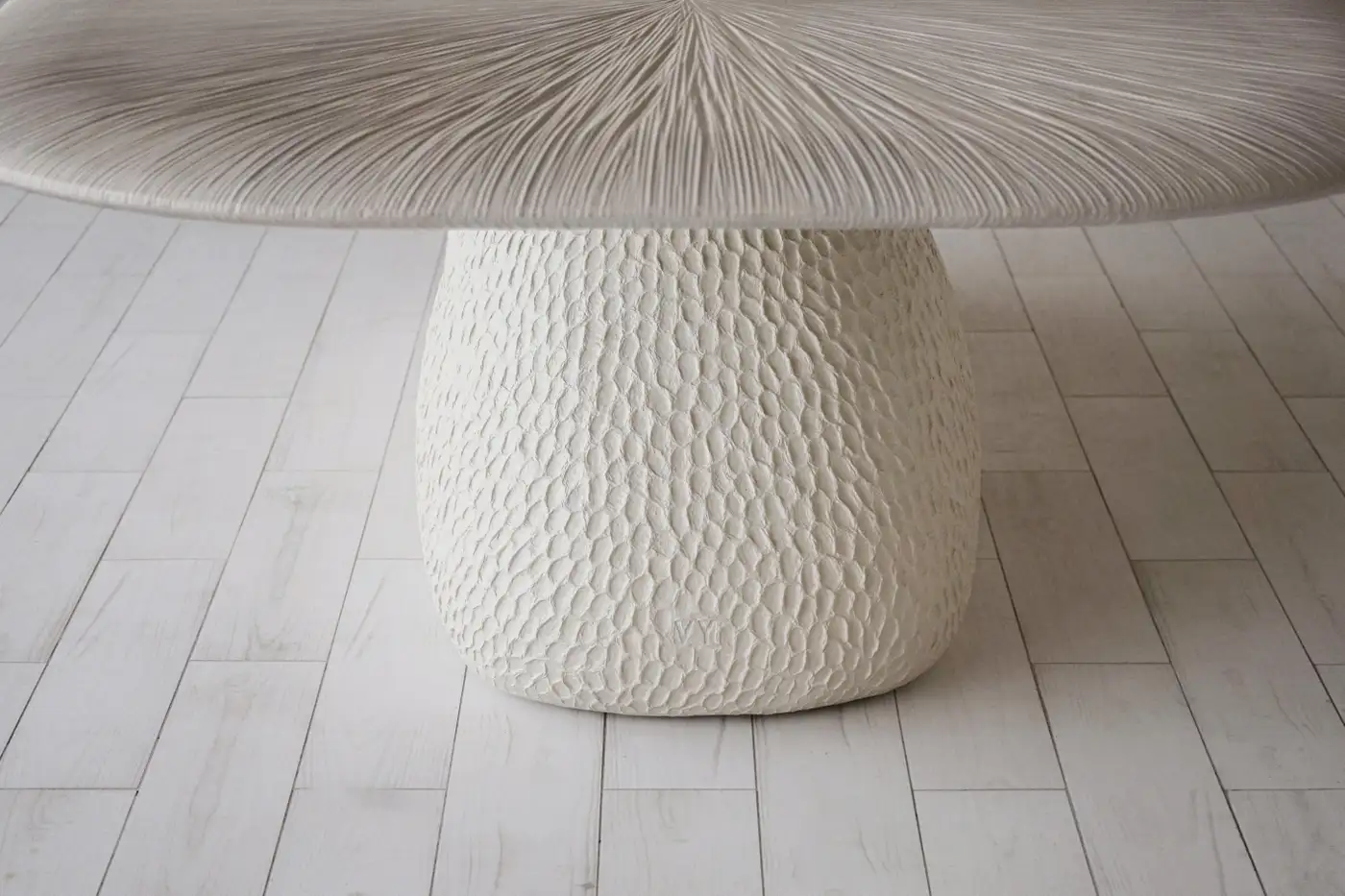
We feel our responsibility to live sustainably, in tune with the living world. A few years ago, we developed our own live material, “ztista” which can decompose in the soil. In Ukrainian, ztista means made of dough. The material has a sticky consistency and allows us to sculpt very textural, tactile pieces.
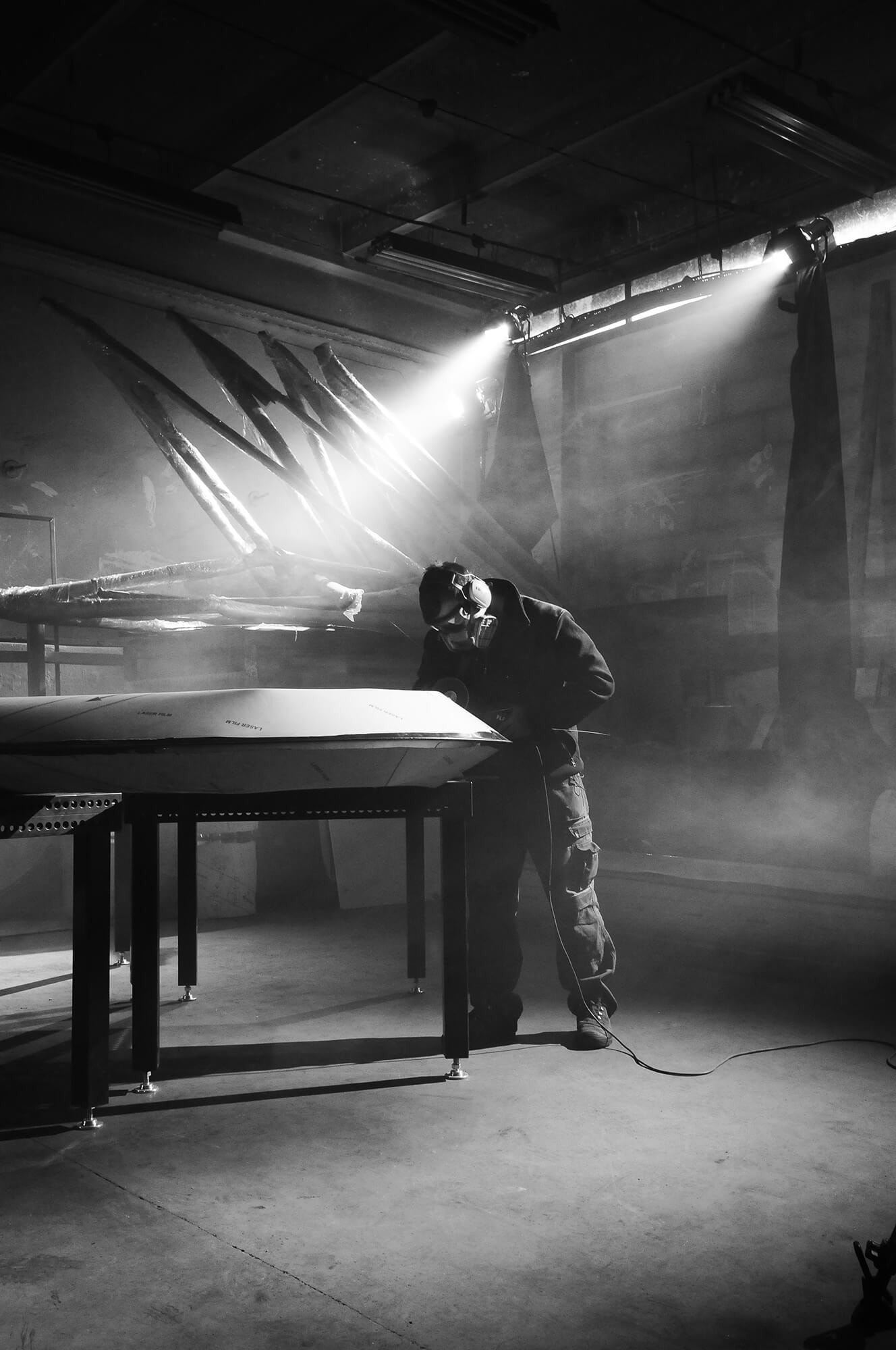
All our objects are handcrafted, therefore it’s almost impossible to make two identical design pieces. They naturally differ in thickness, depth of tone, and textures, which makes the objects even more precious for me.
I value the objects with natural imperfections and love the unique peculiarities they gain during the process of making.
To feel and listen to your inner voice.
“New primitive”. We have a very primal, minimalist design.
I studied architecture and was influenced more by architects when starting my path. I love the pure laconic approach of Tadao Ando, his perception of the void in space. It resonates with my vision. I always try to eliminate the excess, to reveal the essence.
Martin Margiela. He was different and ahead of his time.
Cy Twombly.
Live design.
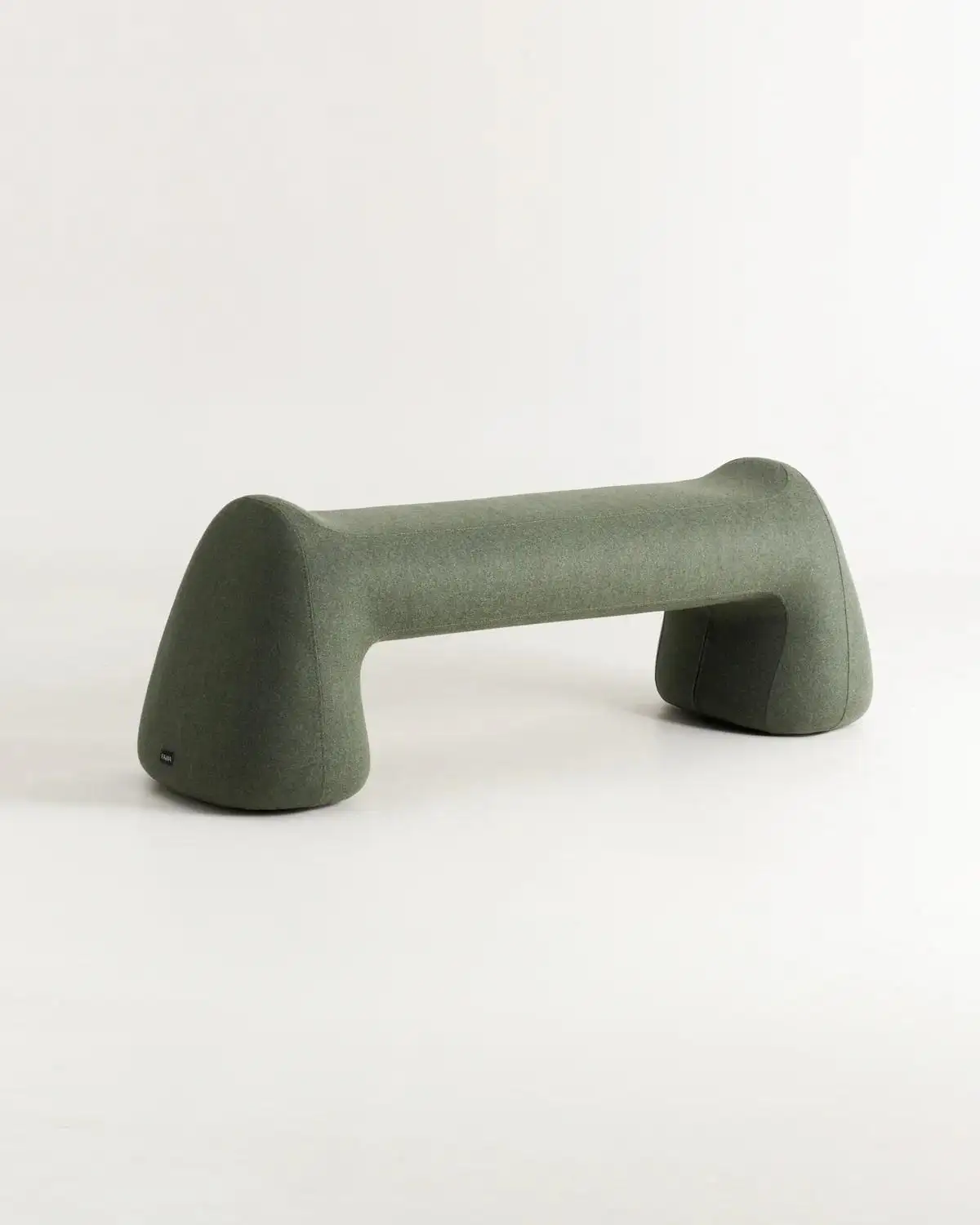
“We pass our story through the means of design.”
The Questions
(The Proust Questionnaire is a set of questions answered by the French writer Marcel Proust.
Other historical figures who have answered confession albums are Oscar Wilde,
Karl Marx, Arthur Conan Doyle, Stéphane Mallarmé, Paul Cézanne…)
“We feel our responsibility to live sustainably, in tune with the living world.”
SHARE :