
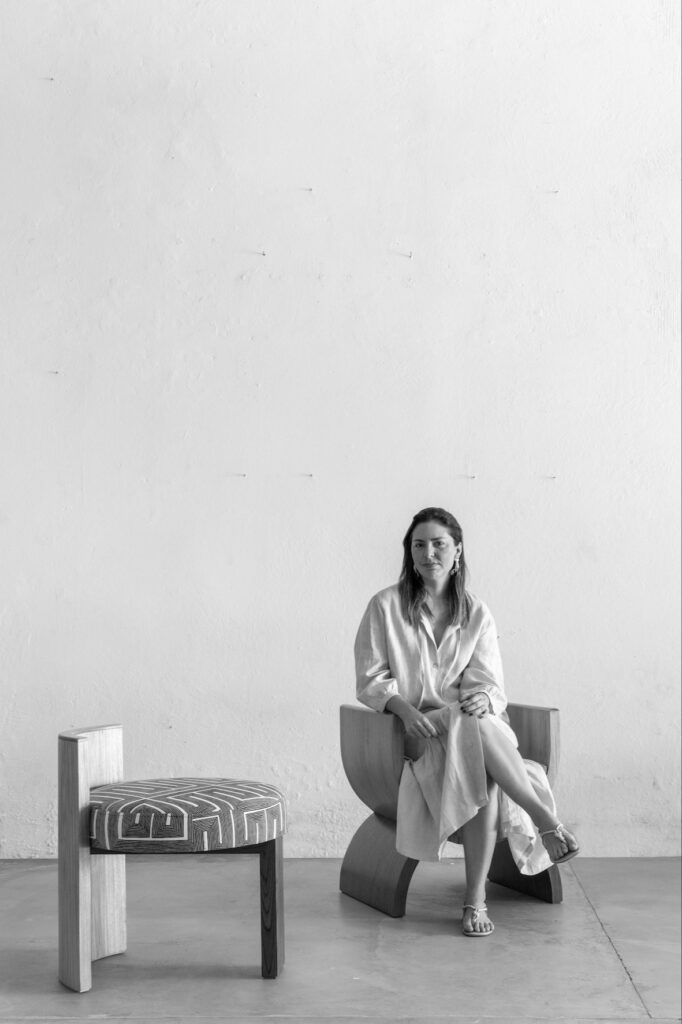
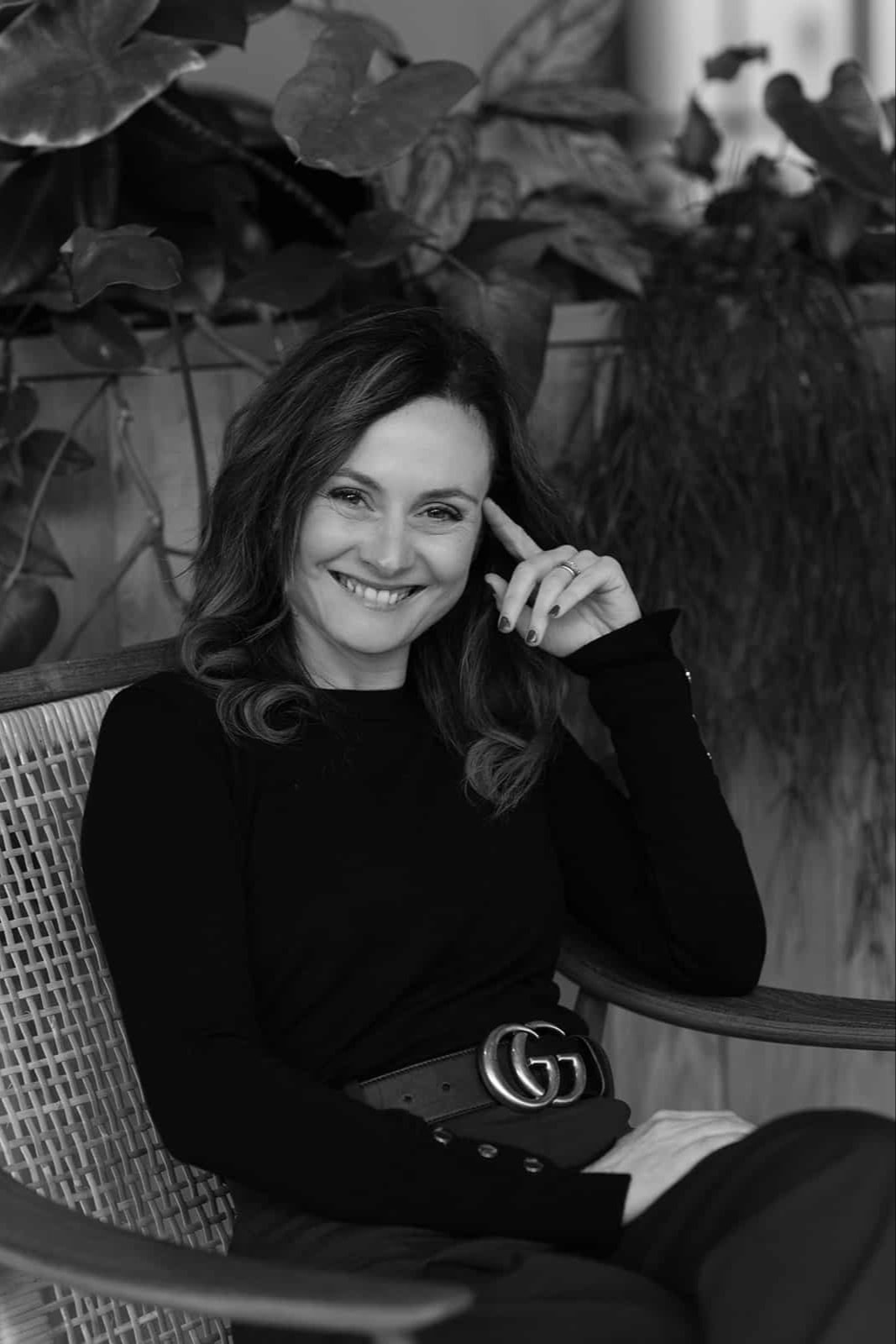
Gabriela Campos
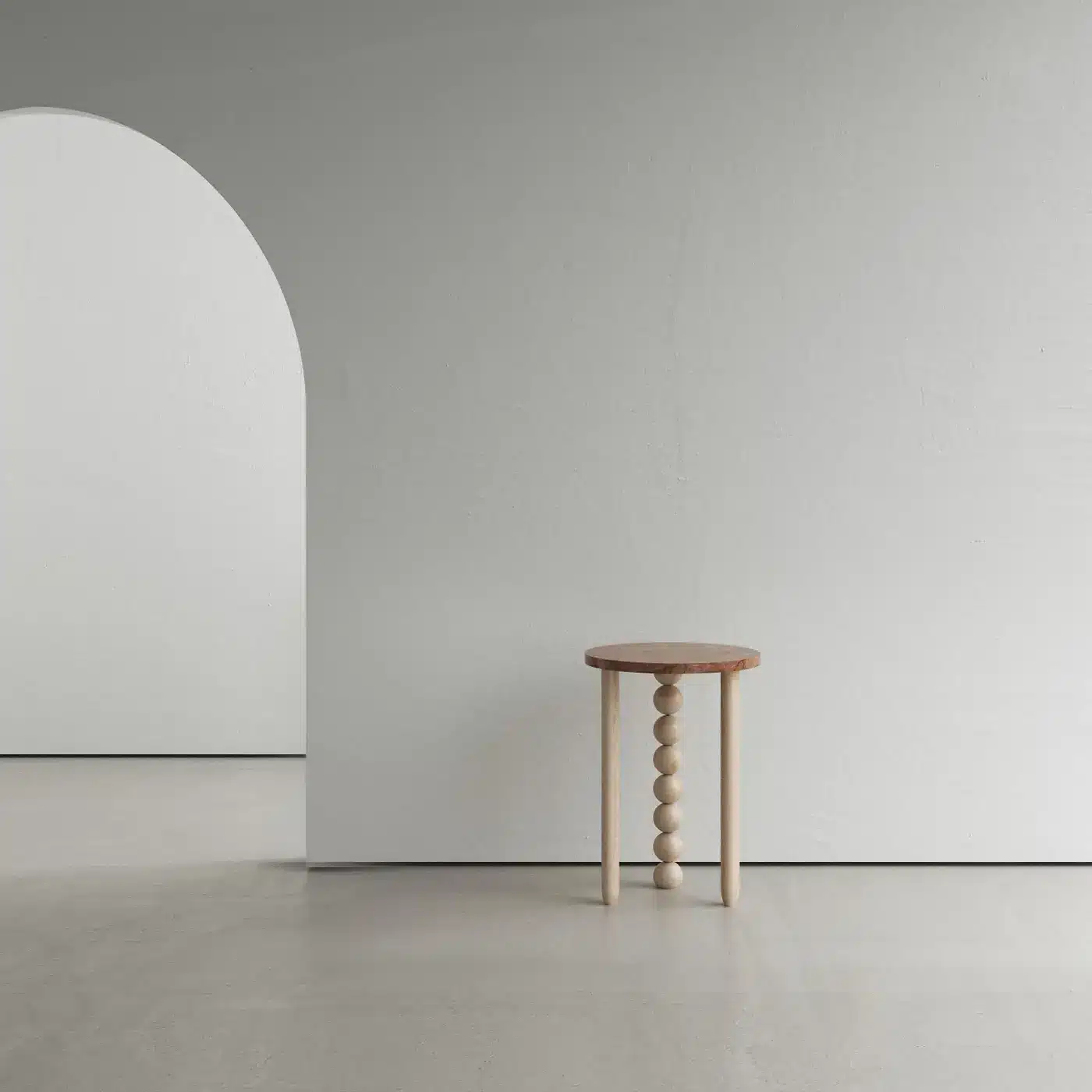
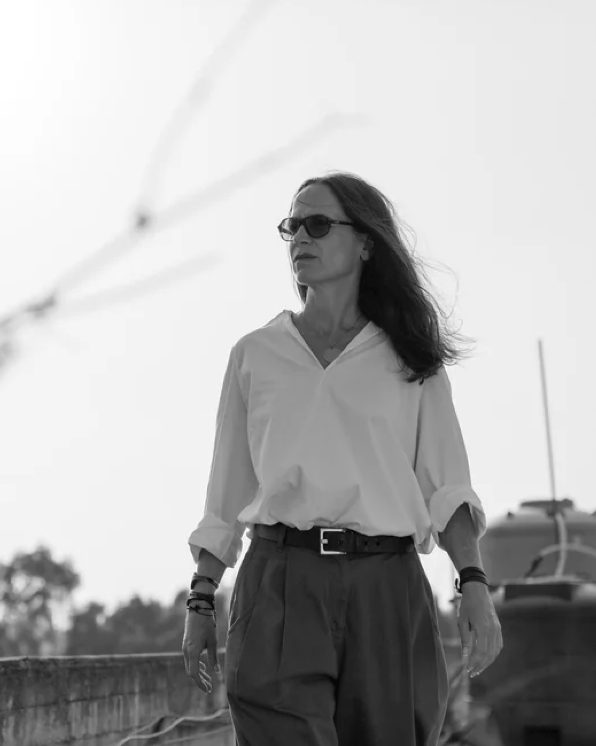
Gabriela Campos is a Brazilian designer whose work explores the intersection of craftsmanship, materiality, and cultural identity. Through a practice rooted in collaboration with artisans and traditional makers, she develops furniture and collectible objects that celebrate the richness of Brazilian craft while embracing a contemporary design language. Her creations are distinguished by their tactile qualities, refined forms, and thoughtful engagement with local materials and techniques.
Guided by a deep appreciation for handmade processes and cultural heritage, Campos approaches design as a means of storytelling and connection. Her work seeks to preserve and reinterpret artisanal knowledge, creating pieces that balance tradition and innovation while reflecting the diversity and creative vitality of Brazil’s design landscape.
Interview
I was born and raised in a small town in the countryside of Rio de Janeiro, Brazil, called Bom Jesus do Itabapoana, with approximately 30,000 inhabitants. When I was around 16 years old, I moved to Rio de Janeiro to study architecture, and I’ve been living there since then.
My first reference to art comes from my mother, who always painted and has a very strong connection with art as a whole. The first painting that comes to my mind is a reproduction that she made of a work by Tarsila do Amaral, called ‘Porto I’. Tarsila’s shapes and colors created roots in my mind, and coincidentally, it was by one of her paintings (“Abaporu”) that I did my first interpretation for design, which is today my most awarded piece.
As an architect, I have always been closely connected to the creative aspects of projects as a whole. When creating architectural projects, I always liked to develop interior design and often customized and special pieces for each project. Over time, I started building a collection of pieces that caught the interest of other people. I realized how much joy and happiness it brought me to create something tangible and deliver it not only to a client but also to other homes and people. It created a very positive feeling for me.
The art world has always influenced me greatly. It’s an area I’ve always immersed myself in. I’ve had a huge interest in studying artistic movements, their influences, artists, timelines, how they connect and relate. Through the Great Artists collection, I came up with the idea of interpreting works that I’ve always liked and that are important to me. And this not only connects me with what I like to do, but also with my passion, which is art. And with that, it opened up an immense path ahead of me of infinite interpretations and content.
My creative process involves this study and the attempt to create a composition that not only references the art itself, but also the context/movement in which the artwork was created, seeking a harmony (aesthetic and compositional) that dialogues with the art world.
The creative part takes up much less of my work routine than I would like, as it is largely absorbed by the overall studio operation and caring for a young daughter. Therefore, throughout the year, I create a calendar that possibility my immersions, which include design trips, visits to fairs, exhibitions, and design weeks in different countries and cultures. It is precisely from these immersions that allow me to connect with the world I love— encompassing art exhibitions, museums, and cultural experiences—that I draw inspiration for new pieces and collections.
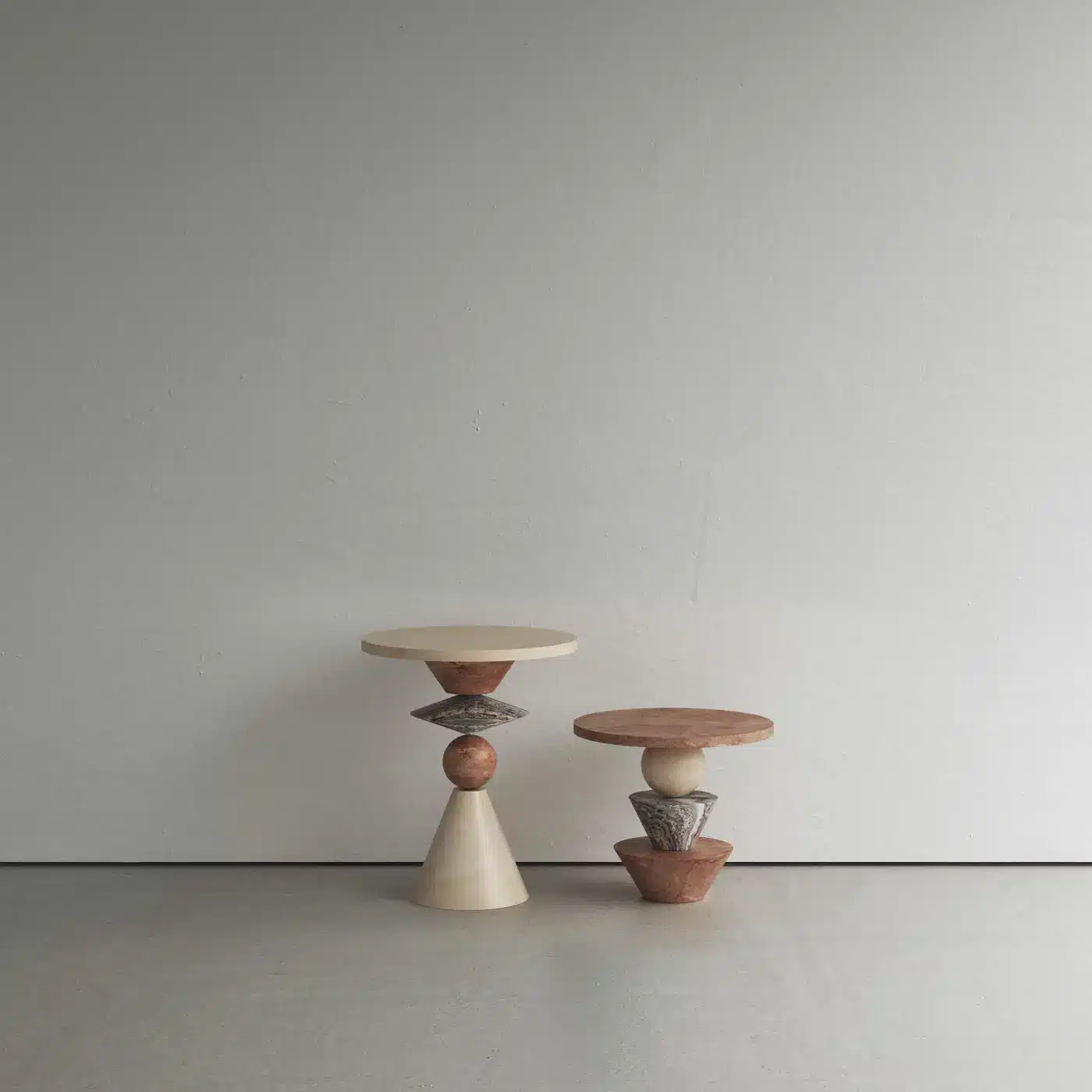
I work primarily with two types of materials: lacquer finishing and marble. Through lacquer, I can replicate tones and create a color composition that I believe achieves an aesthetic result that I find very pleasing. The application of dusty tones in lacquer, along with an interpretation of the works that I engage with, is part of my signature. Marble brings a very interesting natural materiality of texture and elegance, a sense of nobility, which I think also reproduces in a compelling way what I want to transmit, what I want to express.
In terms of technique, it comes from practical architecture that was my reality for many years. So, understanding the technical foundation of support, usability, and the function of the piece is something that comes to me naturally and more easily.
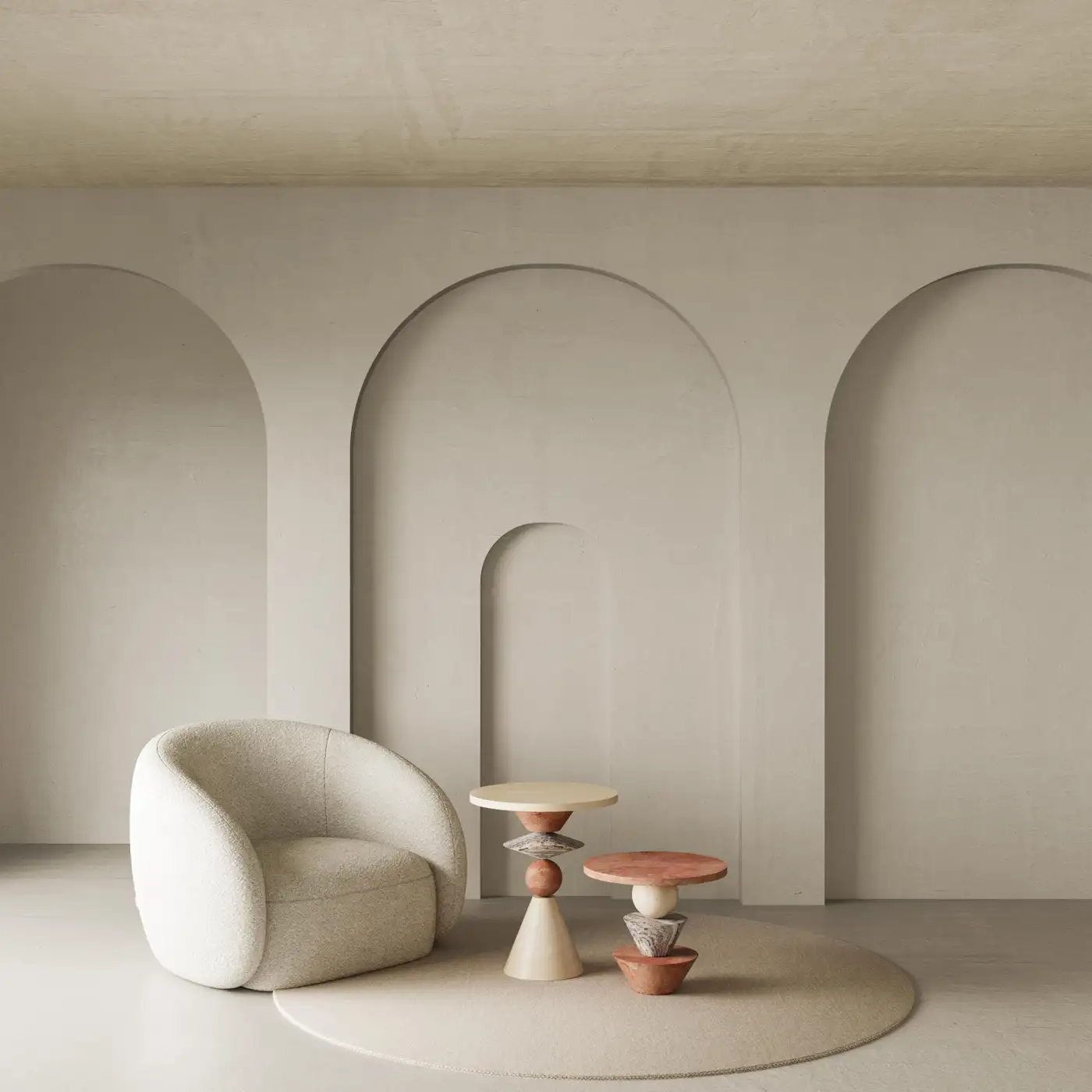
The geometric shapes of Art Deco, I would say, would be my main line of style.
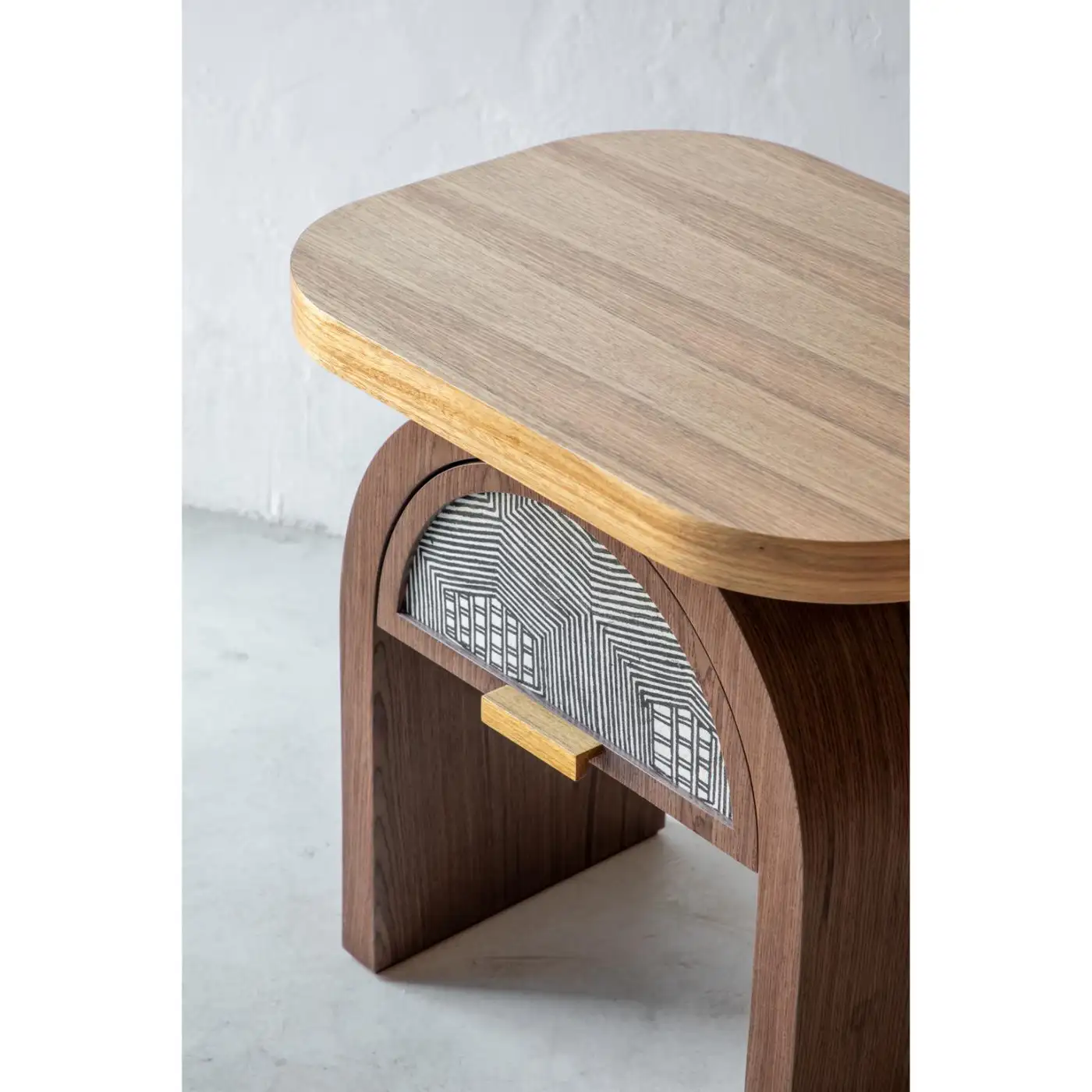
One of my biggest references would be Sottsass, who was also an architect and creator of Memphis Style, which I identify with very strongly; it enchants me a lot. I think I also have a lot of influence from some modernist designers in Brazil, who are diverse and who bring a bit of Brazilianness, in the shapes and curves, such as Sérgio Rodrigues, Ricardo Fasanello, and Jorge Zalszupin.
Cláudia Moreira Salles, Lucas Recchia, Cristina Celestino, Matthieu Lehanneur, and Bohinc Studio would be the group I first think of that I deeply appreciate.
Iole de Freitas, a Brazilian artist who produces works that refer to her primary background as a ballet dancer. Her pieces are extremely sensitive and, for me, translate her soul. I love the lightness of Studio Drift, which, for me, also goes beyond the barrier of design by itself.
Furniture inspired by art.
“The art world has always influenced me greatly. It’s an area I’ve always immersed myself in.”
The Questions
(The Proust Questionnaire is a set of questions answered by the French writer Marcel Proust.
Other historical figures who have answered confession albums are Oscar Wilde,
Karl Marx, Arthur Conan Doyle, Stéphane Mallarmé, Paul Cézanne…)
Breakfast in the beach with my family.
Being alone.
Stubbornness.
Treating others badly.
My husband.
Collectible Furniture and Art.
Peaceful.
My anxiety, which makes me act and always move forward.
Honesty.
Resilience.


A Brazilian sentence for “let’s move forward”.
Painting.
More easygoing.
I feel I still have to achieve it.
Myself again.
Paris.
My family.
No food.
Learn more about art, architecture and design.
Calm and peaceful.
Happiness and good energy.
Ariano Suassuna, Jorge Amado.
Harry Potter.
Yves Saint Laurent, and his beautiful relationship with art.
My mother.
Teresa is my daughter’s name.
Confrontation.
Not having done an exchange program / lived outside Brazil.
In my sleep.
Always be a little kinder than necessary.

“The geometric shapes of Art Deco, I would say, would be my main line of style.”

SHARE :
1 comment
Cat
LOVE IT ! 🙂