Hakmin Lee
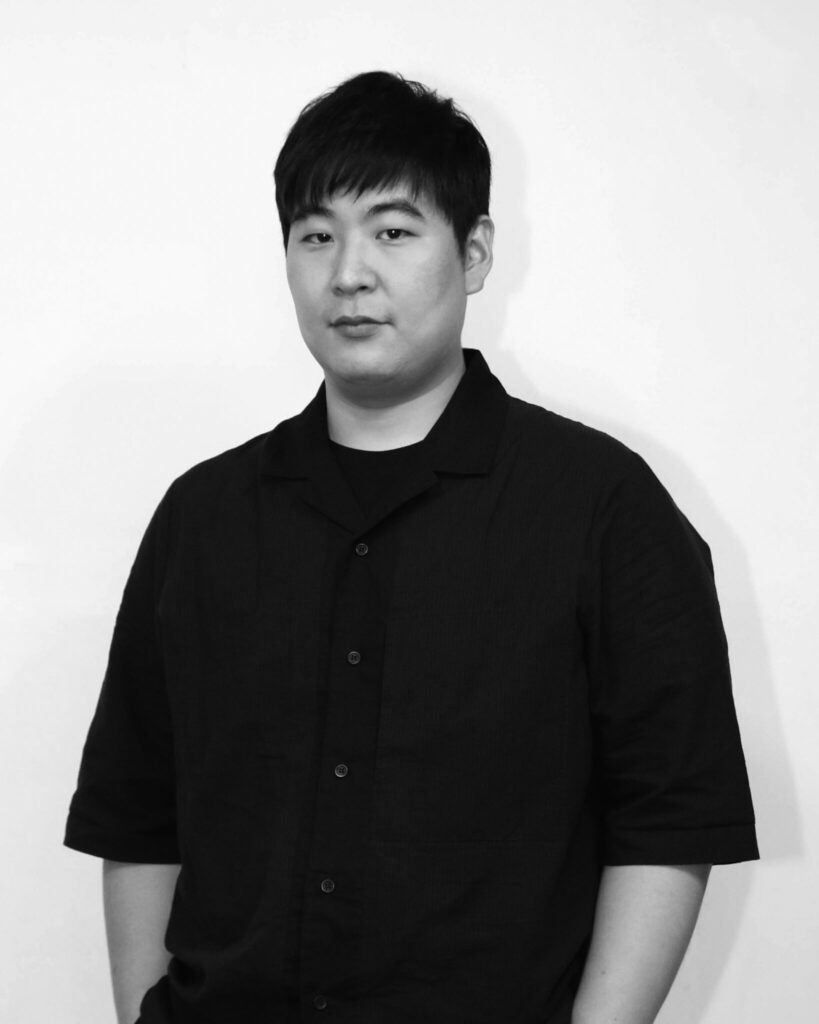
Hakmin Lee is a Seoul-based designer and the founder of Studio HAK, a multidisciplinary practice operating at the intersection of design, craft, and contemporary art. Through an experimental approach that deliberately blurs the boundaries between functional objects and artistic expression, Lee explores the increasingly fluid relationship between high and low culture, creating works that challenge conventional categorizations.
Drawing inspiration from the visual language of mass culture—from consumer products and cartoons to video games—Lee reinterprets familiar forms through a playful and often humorous lens. Working across painting, furniture, and object design, he transforms everyday references into unexpected compositions, developing a distinctive visual language that balances wit, nostalgia, and material experimentation.
Interview
I’m from South Korea, and I was born and raised mostly in Seoul.
When I was 8 or 9 years old, I saw Dragon Ball by Toriyama Akira. I think that was my first memory if you consider a comic book as an art (because I do).
Yes. I studied metal craft at Kookmin University and contextual design at Design Academy Eindhoven. After I graduated from contextual design, I went to the US to work as an in-house designer for a home decor company. That was my experience of a commercial design company.
After 4 and a half years of work as an in-house designer in the US, I realized that I wanted to create something that could express my thoughts more straightforwardly and be myself. So I quit my job and started my own design studio in Seoul.
In most instances, I think of the concept first. Then I start on the research of a specific subject. Based on the research, I start to draw or make models right away, which is my favorite process in my design. Because during this process, I don’t have to worry about any technical issues or limits of material, and so on. Totally free of mind!
Then come back to reality, find the smart way to solve the obstacles, and compromise on the issues to create my design.
First thing in the morning, I take my daughter Stella to the kindergarten, and then I walk along the riverside for an hour. Walking in the morning helps me to organize my thoughts and schedules for the day. Then I take the subway to get to my studio in Seoul near the Dongdaemun area.
Then, quite typical studio life. Drink coffee, turn on the music or podcast, and start idea sketching and make some models for my next project.
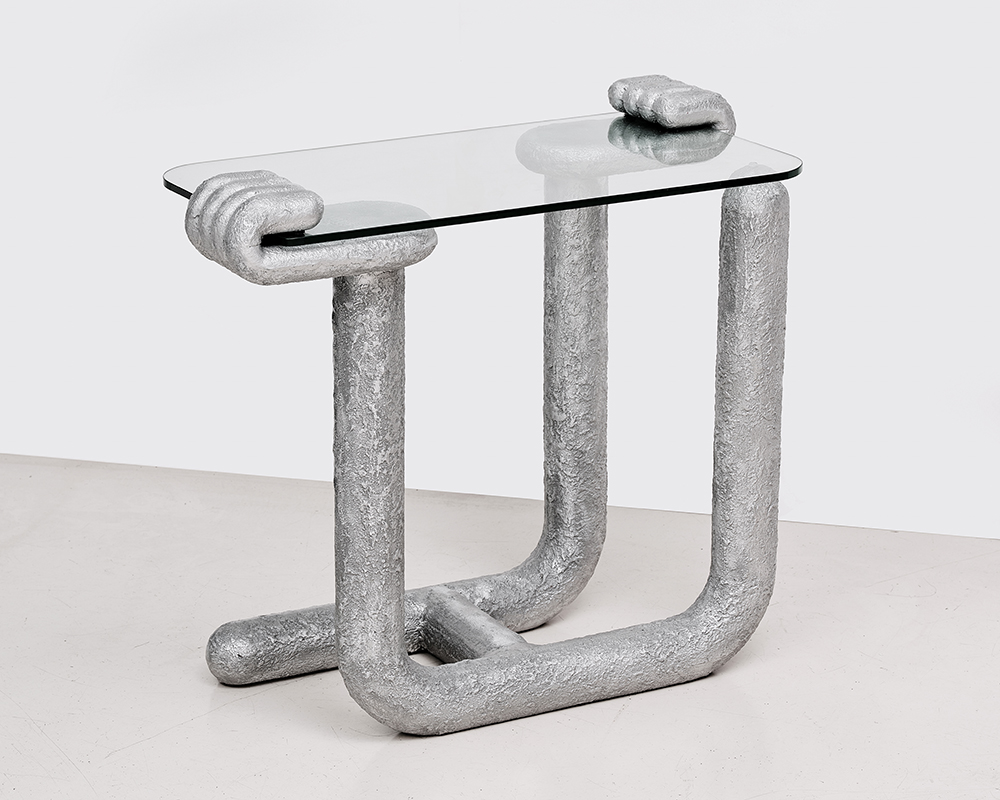
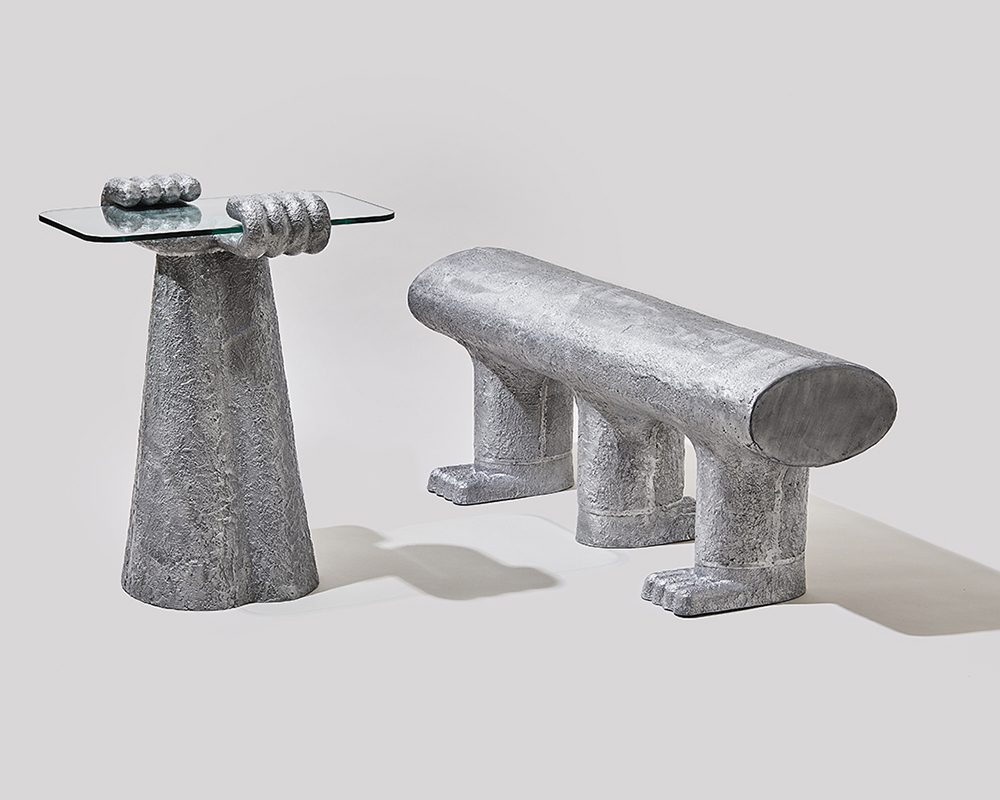
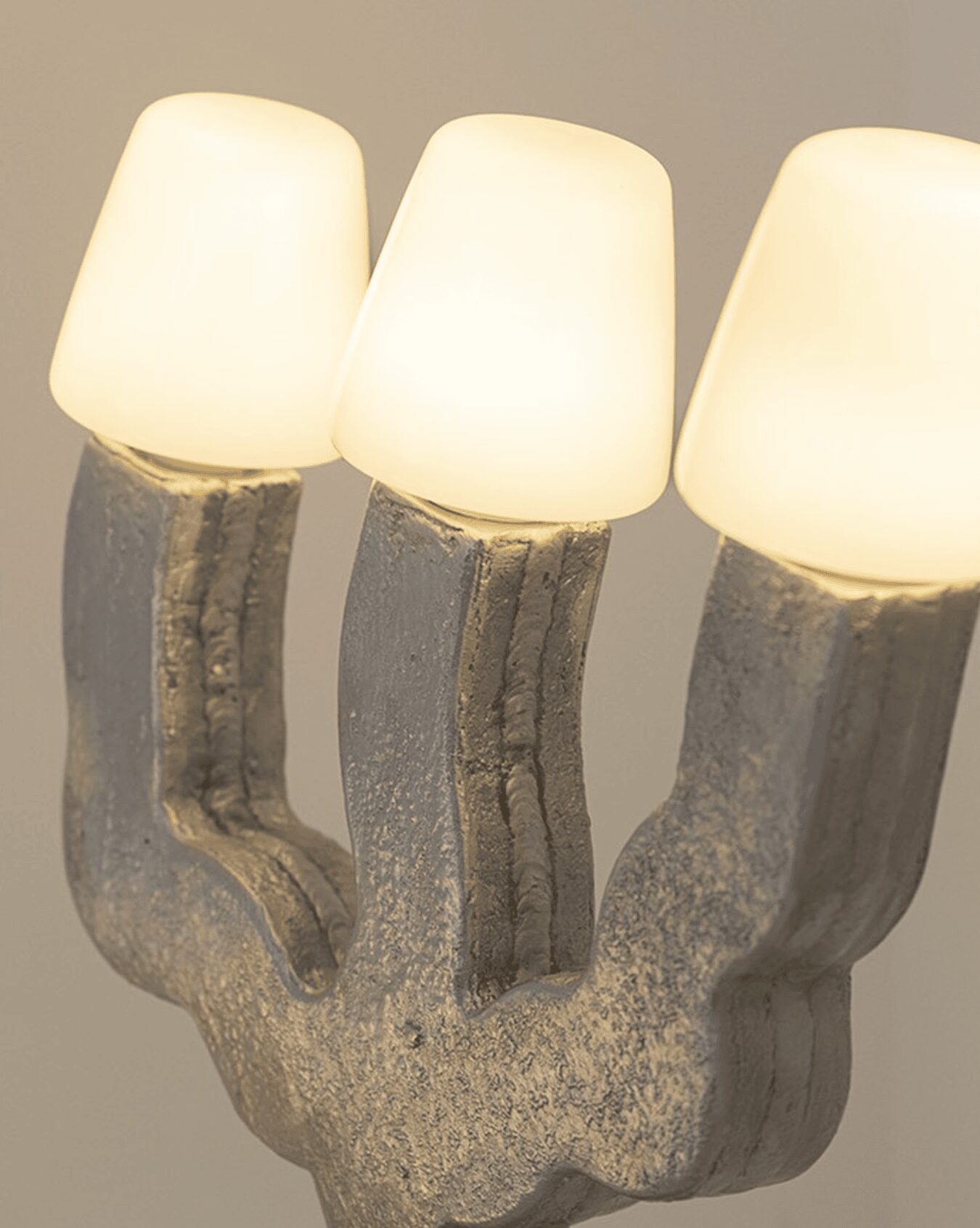
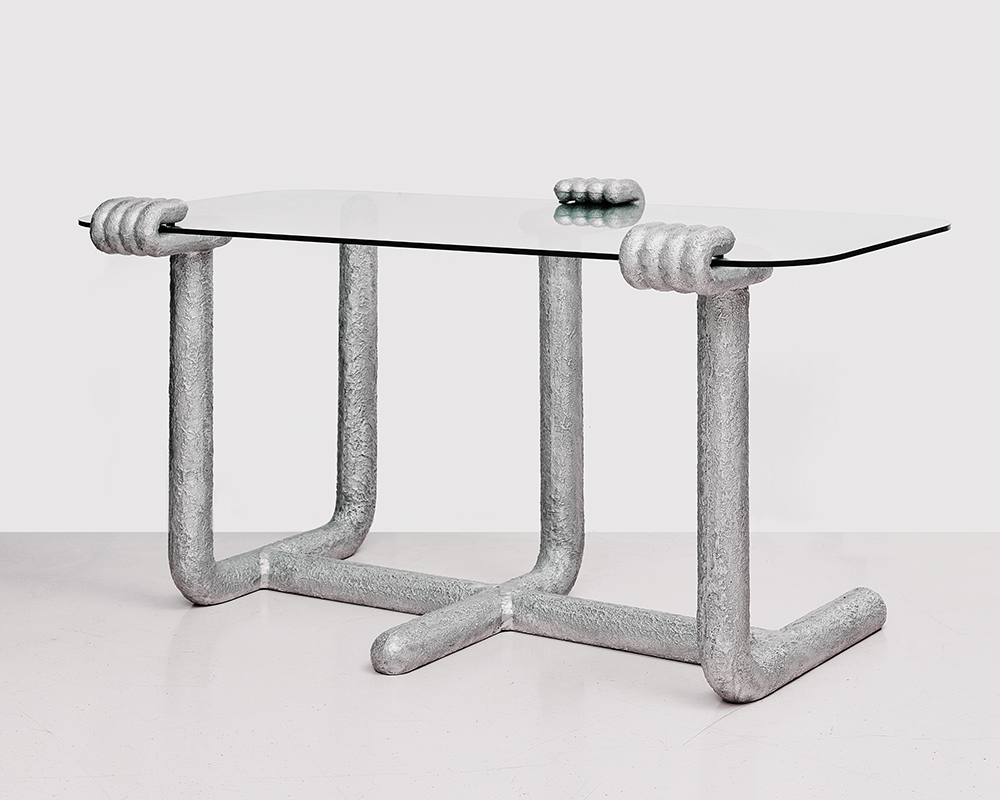
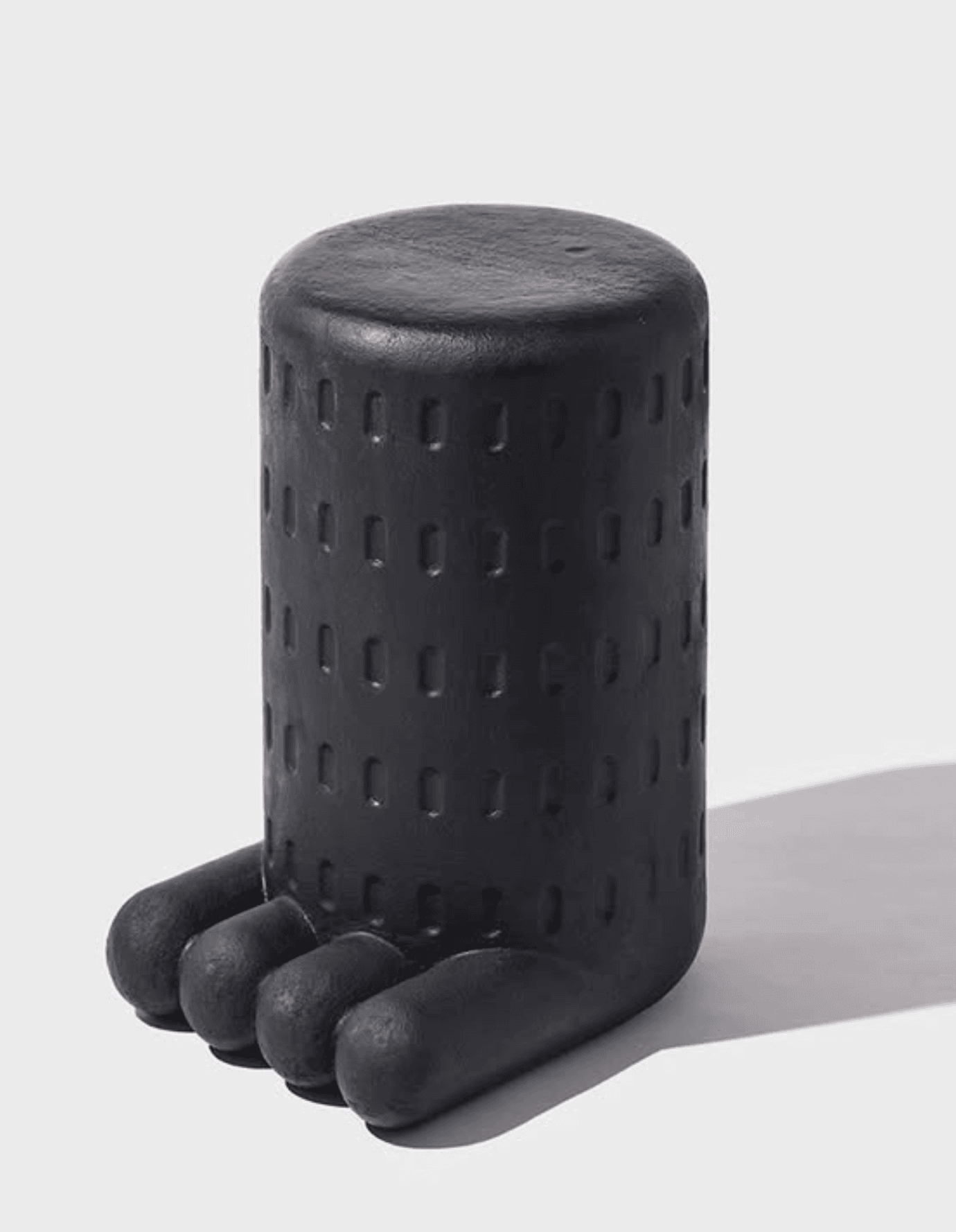
For the Paw furniture series, I used aluminum sand casting. This is a well-used material and technique in industry, such as car engines, wheels, and machine parts, and so on. My intention for the Surreal-looking Paw series was not to be too cartoonish, so I used metal to give a physical weight to balance the design.
One of the limitations of the sand casting technique is that you can’t get the perfect surface due to the sand mold. Instead of making a clean surface, I emphasize the rough texture even more to create a tactile sculptural look.
Try to find your ego and identity and develop the concept.
Couldn’t define one… Functional sculpture, contemporary craft, and subculture art.
Charles and Ray Eames, Eero Aarnio, Ettore Sottsass, Frank Gehry.
Max Lamb, Jayme Hayon, Faye Toogood, Hella Jongerius, Marten Baas.
Max Lamb, Jayme Hayon, Faye Toogood, Hella Jongerius, Marten Baas.
Humorous.
“Try to find your ego and identity and develop the concept.”
The Questions
(The Proust Questionnaire is a set of questions answered by the French writer Marcel Proust.
Other historical figures who have answered confession albums are Oscar Wilde,
Karl Marx, Arthur Conan Doyle, Stéphane Mallarmé, Paul Cézanne…)
Family vacation
Failure
Restlessness
Arrogance
Hayao Miyazaki
Design studio
Haphazard
Deligence
Common-sense
Common-sense
Not bad~
Overflowing creativity
Negativity
Daughter & son
–
Somewhere near lake
My 3d printer & PS4
A feeling of helplessness
Artist
Humorous
Parity
Arthur Conan Doyle
Shelock Homes
–
A self-made man and woman
MJ
Arrogance
Orange hair
Die in sleep
Go with the flow
“One of the limitations of sand casting is that you can’t get the perfect surface. Instead of making a clean surface, I emphasize the rough texture even more.”
SHARE :