Marta Bonilla
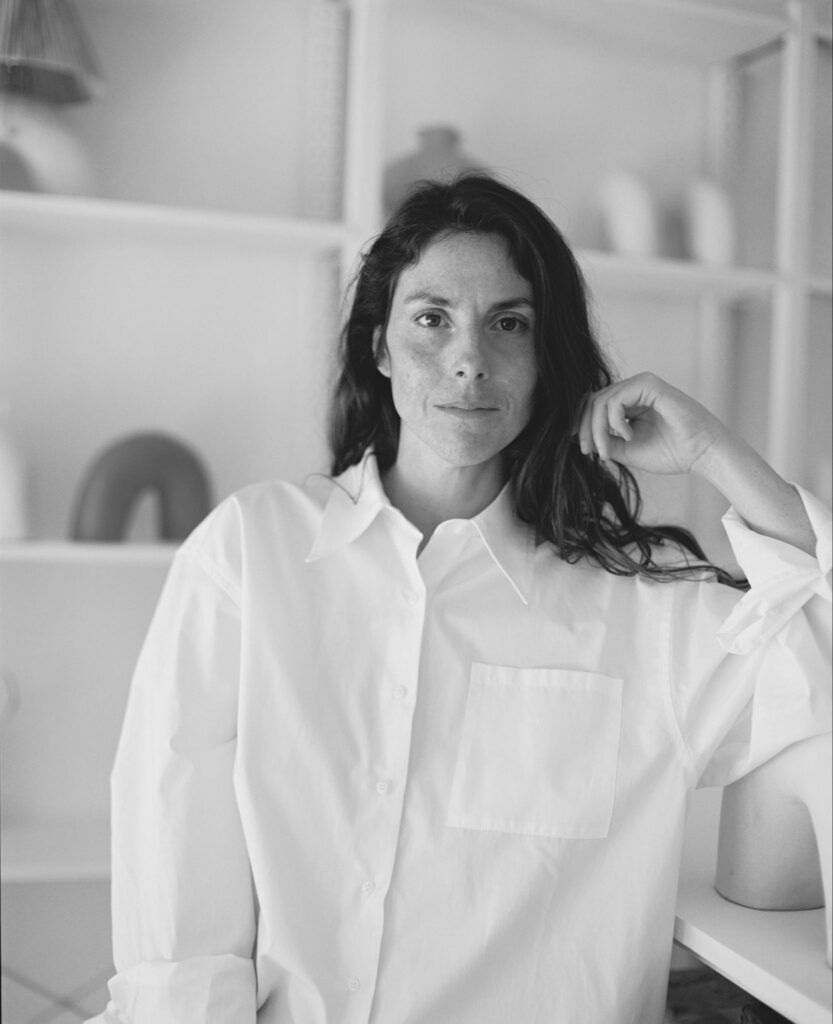
Marta Bonilla is a Spanish designer whose practice spans collectible furniture, lighting, and interiors, guided by a refined approach to materiality, craftsmanship, and sculptural form. Working from Madrid, she creates pieces distinguished by clean architectural lines, balanced proportions, and a restrained palette that highlights the intrinsic qualities of natural materials. Her work seeks harmony between functionality and emotion, producing objects that quietly enrich the spaces they inhabit.
Rooted in close collaboration with skilled artisans, Bonilla’s designs celebrate timeless craftsmanship while embracing a contemporary aesthetic. Through thoughtful compositions and carefully selected materials, she creates collectible pieces that balance simplicity with warmth, resulting in furniture and lighting defined by elegance, tactile richness, and enduring character.
Interview
I was born in and am from Barcelona on 22/02/82.
In my family we have had a grandfather who dedicated himself to painting, I think that was my first contact with art. His canvases, his oil colors, very striking and very disproportionate human figures. I remember giving him my small contributions and asking me or showing me each painting he had finished when I went to visit him.
Before that, I worked for a long time in formal education. Carrying out activities and workshops for schools.
It came very naturally, little by little. I had the feeling and need that I wanted to design and give life to forms and ideas that I had in mind and through ceramics I found the way to do it, being the process very organic and without having many pretensions. Then everything that has come has been a surprise and unexpected since I made ceramics for the pleasure of doing it.
The creative process, I think, is quite intuitive and spontaneous. I am very much guided by sensations. I usually try to have an idea of the desired result before I start working, but in the process of creating the piece, that intuition usually intervenes, and it is during the process that the piece changes from the original idea. I find references that I like in many areas, mainly in what surrounds me, in the sensations that being surrounded by nature gives me, in the cinema that I like to watch so much, and in painting.
Traditional ceramics are always a source of inspiration. Catalonia and Spain have a great tradition of ceramics, and in my childhood homes, I have always seen traditional utilitarian ceramics in which to preserve water, bread, or other foods. I have always found this fascinating.
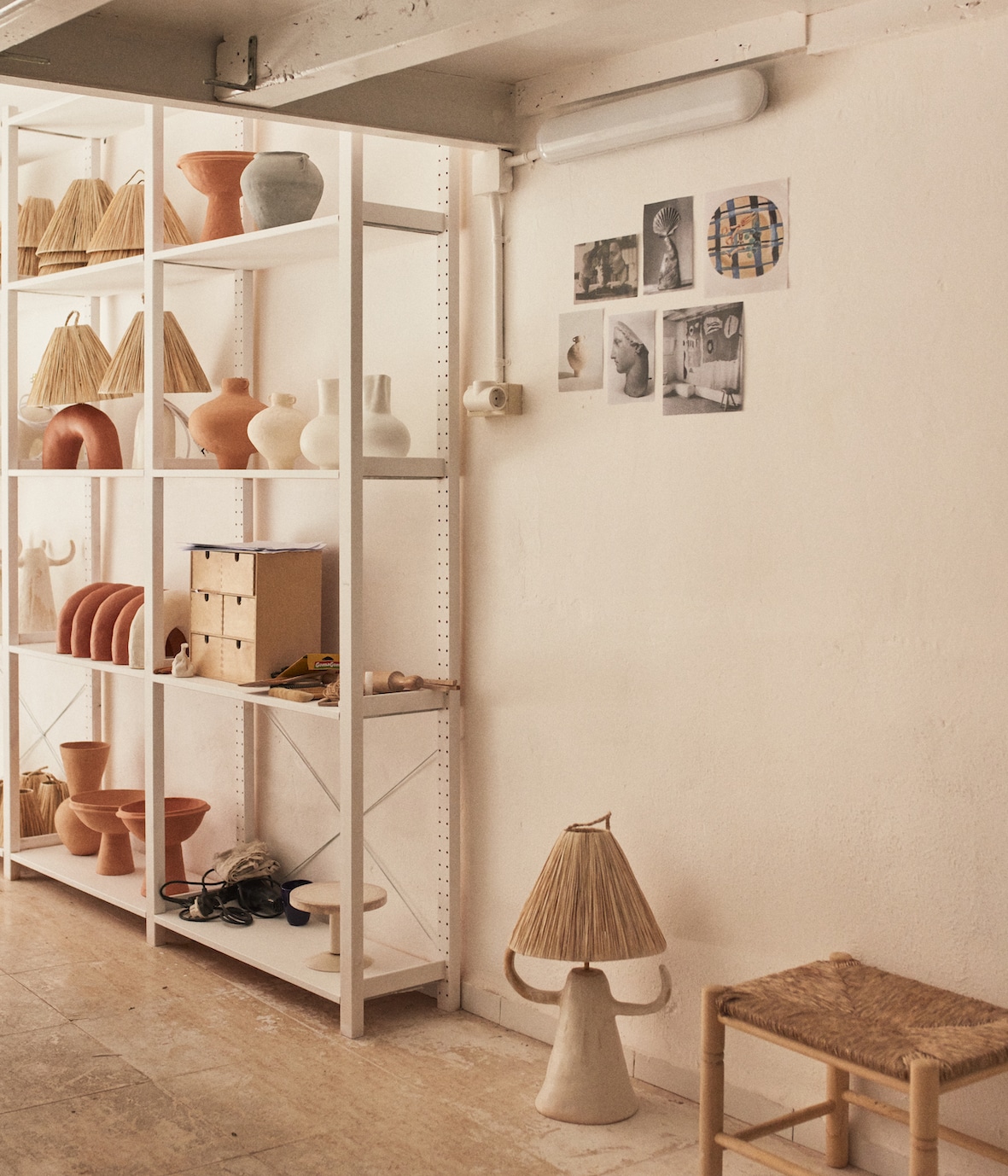
Arriving at my studio in the morning around 10:00 is one of my favorite times of the day, as it starts my day and time exclusively for me and my work. Mornings are intense with small children, so you can imagine how nice it is to arrive at a space where you put on your music and start with your pending tasks or work in new ways. Time flies by in my studio. I don’t have a specific routine; every day is something different depending on the work and the orders of that month, glazing, setting up kilns, emptying them, or packing orders…among others.
I work with clay at low and high temperatures. Especially for its elasticity and the multiple possibilities that this allows when creating.
I work my pieces with the coiling technique, using rolls of clay. It is the technique I have always used and the one that has given me the best results. It gives the piece a natural look, showing the signs of the process and the marks that add texture and authenticity.
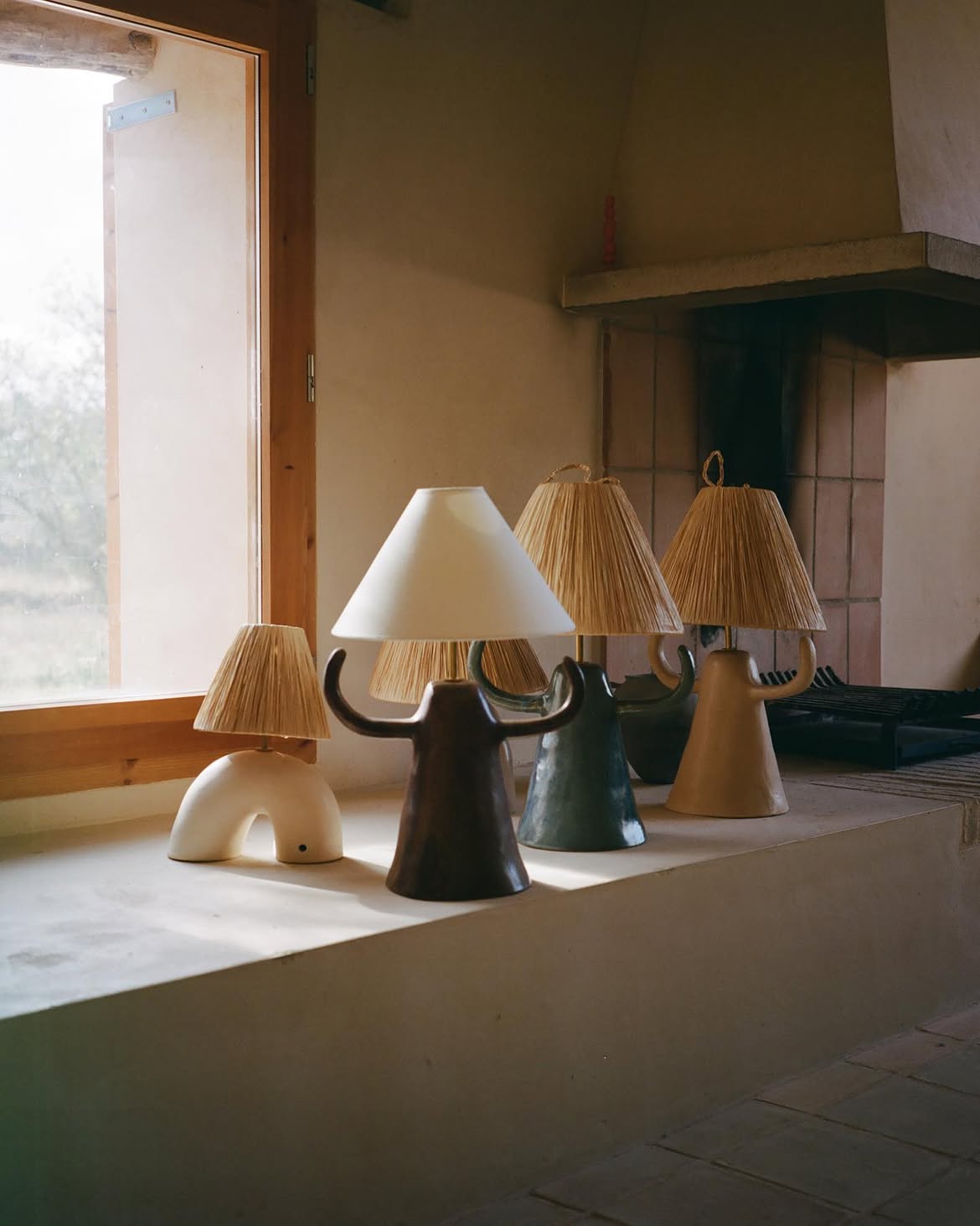
Do not despair if you find your personal style, it is something that is acquired after a few years working with the material, and perseverance is a great ally, and even more so in this trade.
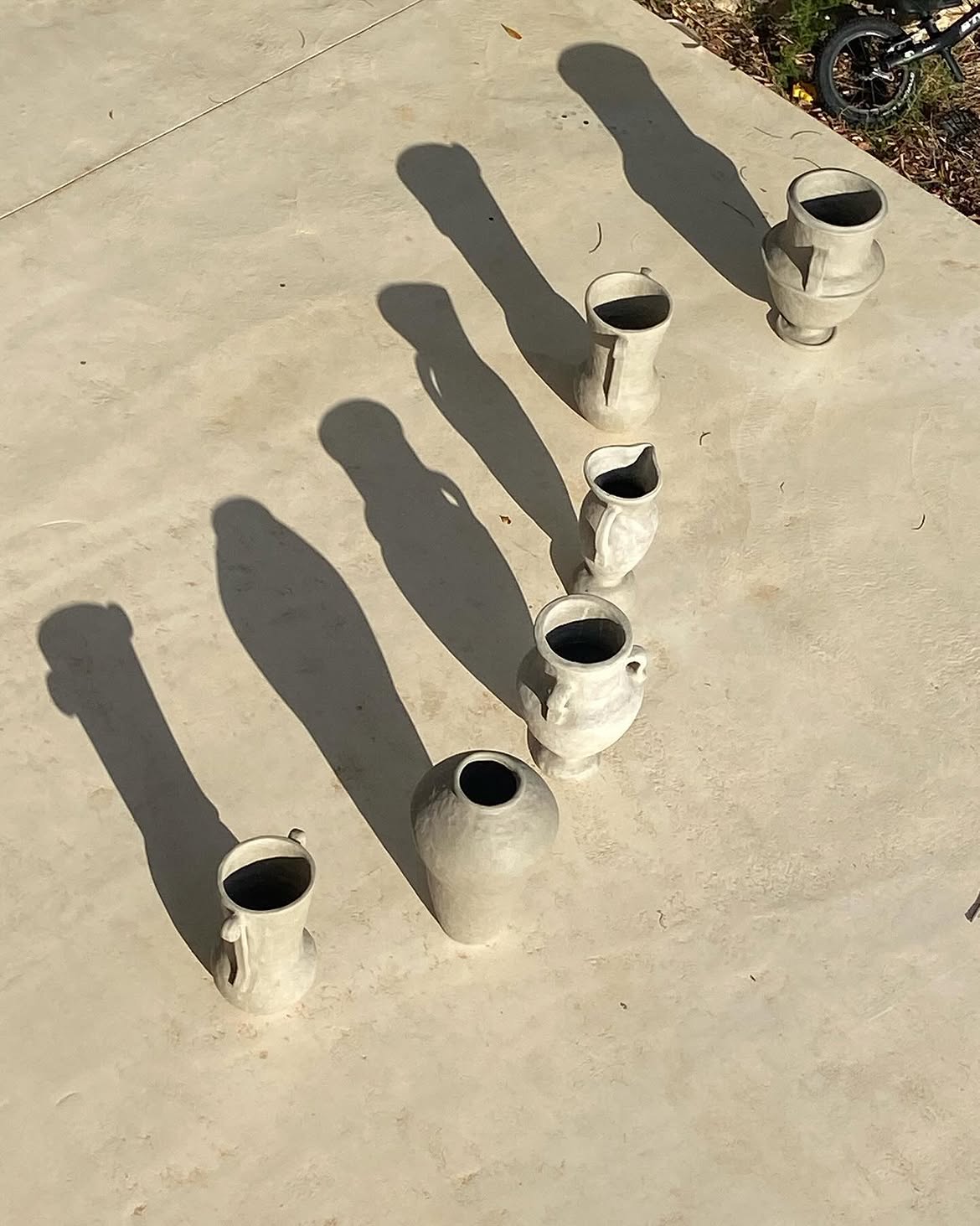
I would say that contemporary ceramics is a dialogue between traditional pieces and other more contemporary ones. Always trying to make the piece look natural and to convey a certain authenticity, moving away from pieces in which the creation process is more industrial.
There are many ceramists who inspire me, and I like what they do. From the most classic ceramic artists, such as Picasso or Salvatore Fiume, to current artists such as Apparatu or Peter Schlesinger. I feel that the work is very personal and goes beyond the ordinary.
In the art world, and specifically in ceramics, there are many artists whose work I admire and fascinates me, such as Carmen d’Apollonio, Philip Eglin, or Richard Parker.
I continue to grow and change as an artisan, but always concerned that the pieces have personality.
Thanks for this space.
“I work my pieces with the coiling technique… It gives the piece a natural look, showing the signs of the process and the marks that add texture and authenticity.”
The Questions
(The Proust Questionnaire is a set of questions answered by the French writer Marcel Proust.
Other historical figures who have answered confession albums are Oscar Wilde,
Karl Marx, Arthur Conan Doyle, Stéphane Mallarmé, Paul Cézanne…)
Nature
The bad news
Impulsivity
Non-authenticity
My father
My indecision
Fortunately, it is calmer, at least today
Talk a lot
Sense of humor
Empathy
Whats’s up? and Merci
Sing well
Less long-suffering
My hobby is my job
I don’t know
In a beautiful village near the sea
My children
A racist or homophobic person
A good movie
Nobility
A bit of madness
Antonio Tabucchi, Margueritte Duras
Lucky Luke
Simone De Beauvoir
Those who save lives
Carlota or Lorenzo
–
To not have traveled more before becoming a mother
Without pain
Less is more
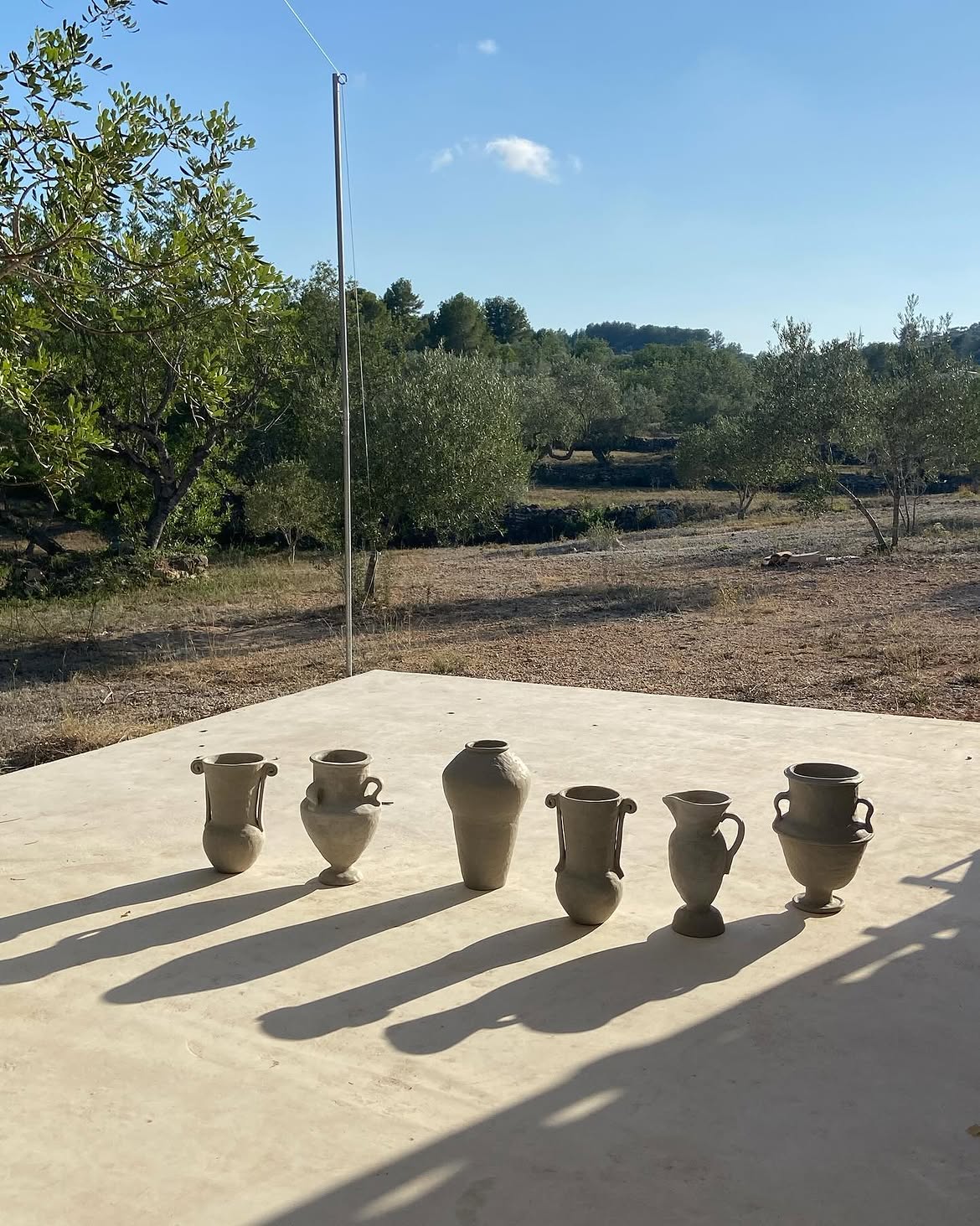
“Do not despair if you find your personal style. It is something that is acquired after a few years working with the material, and perseverance is a great ally.”
SHARE :