Michael Hilal
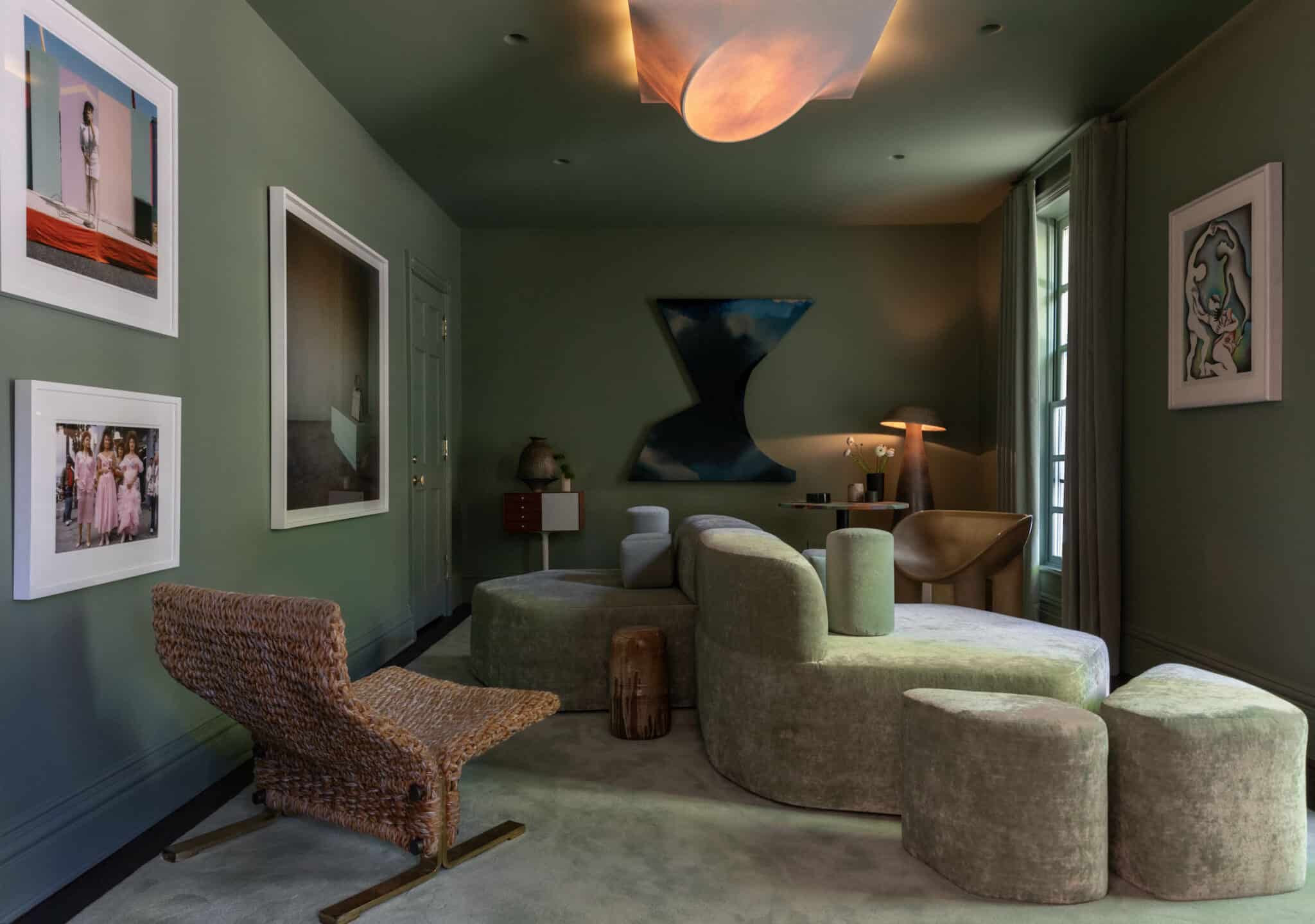
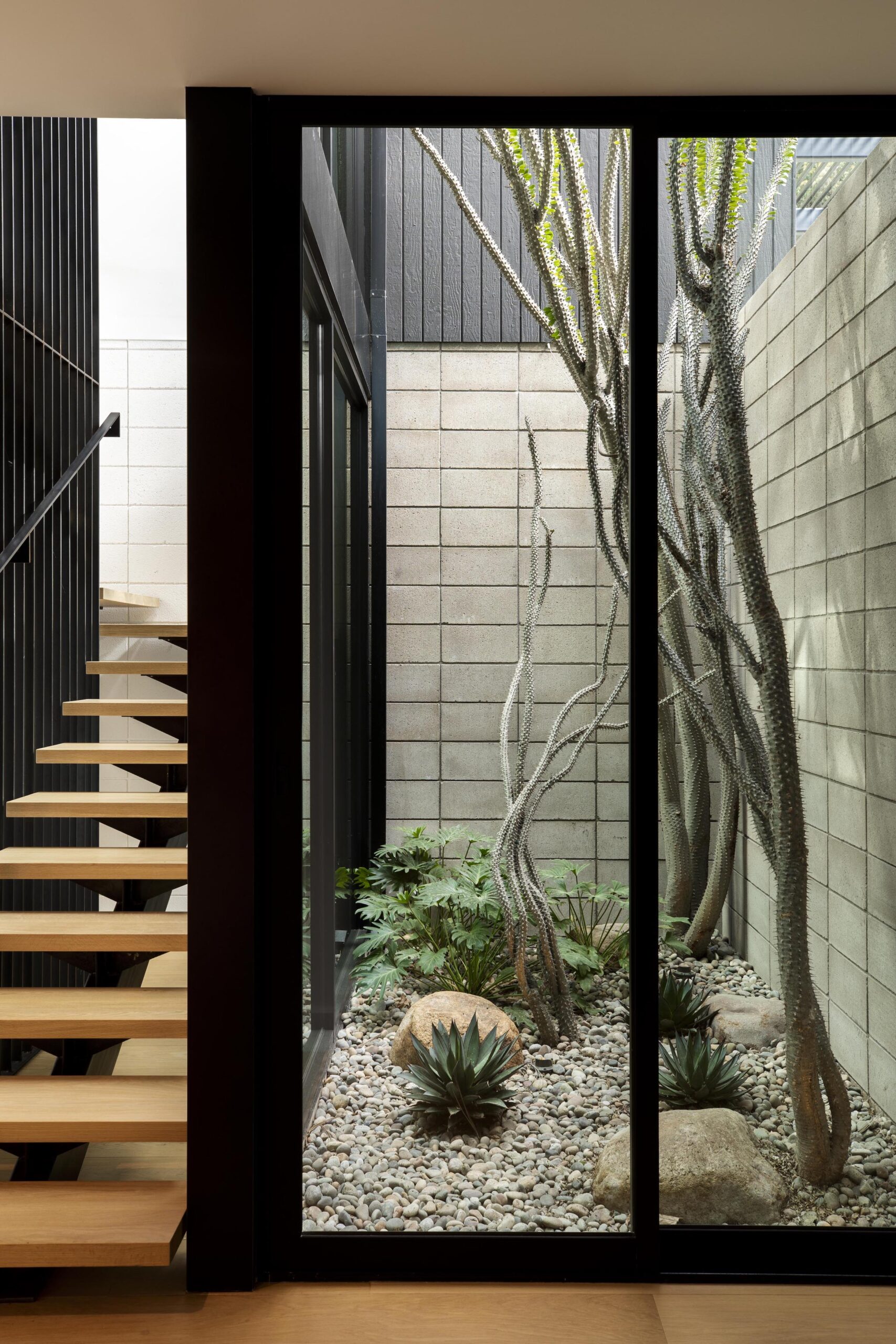
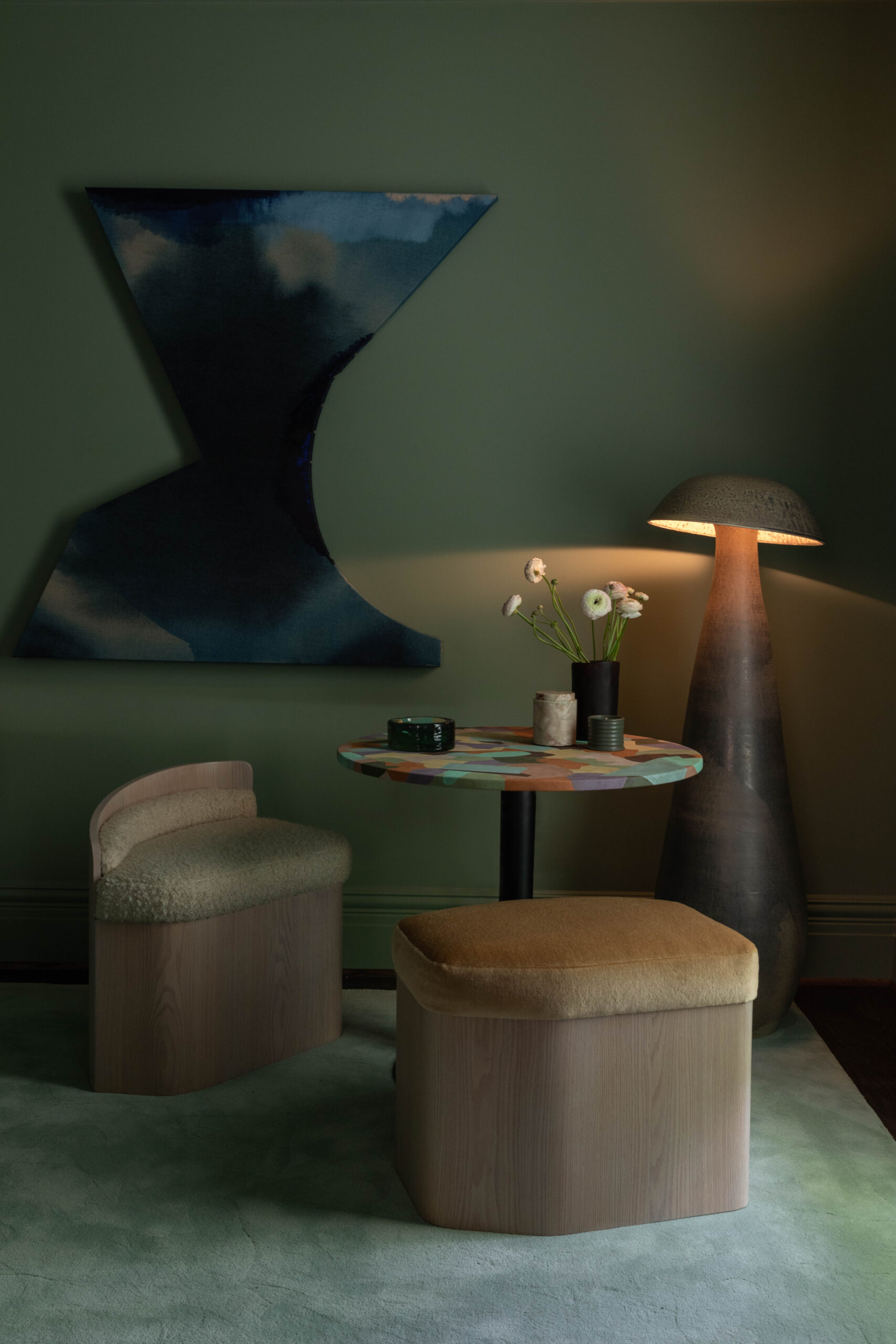
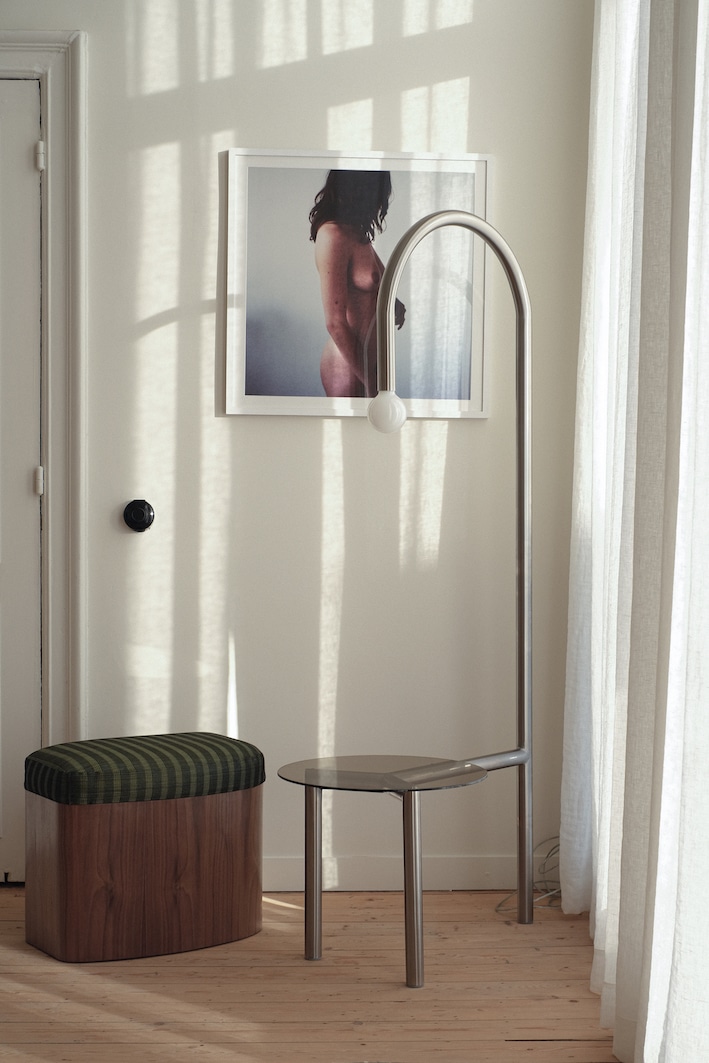
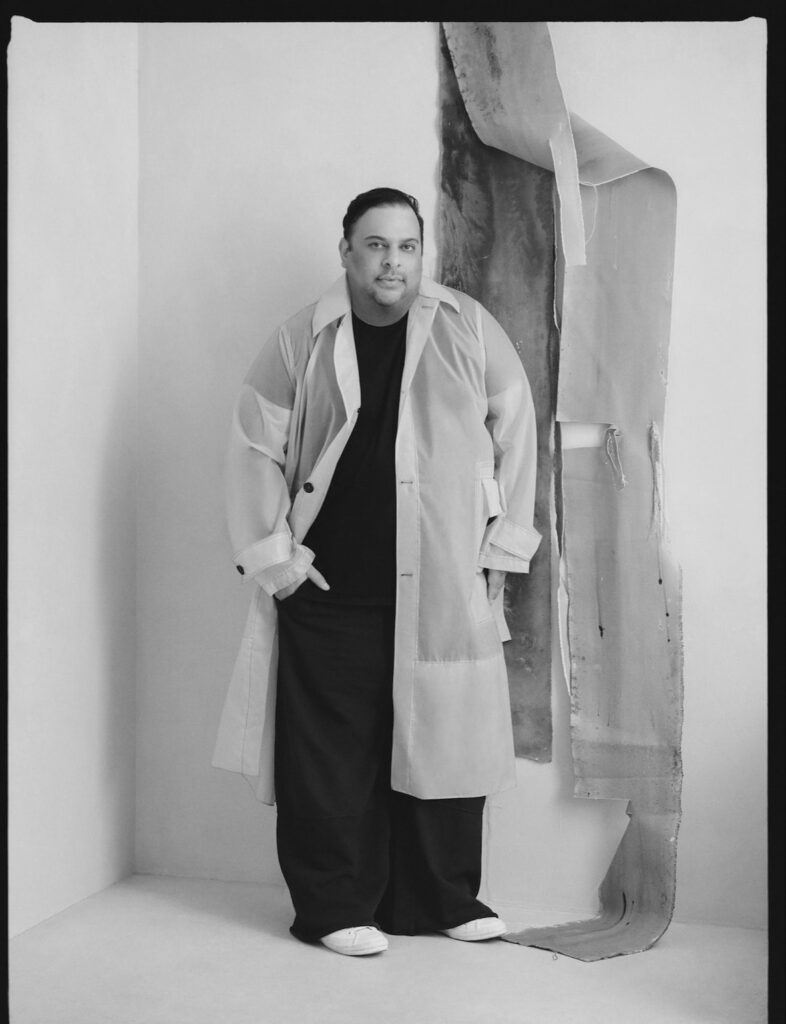
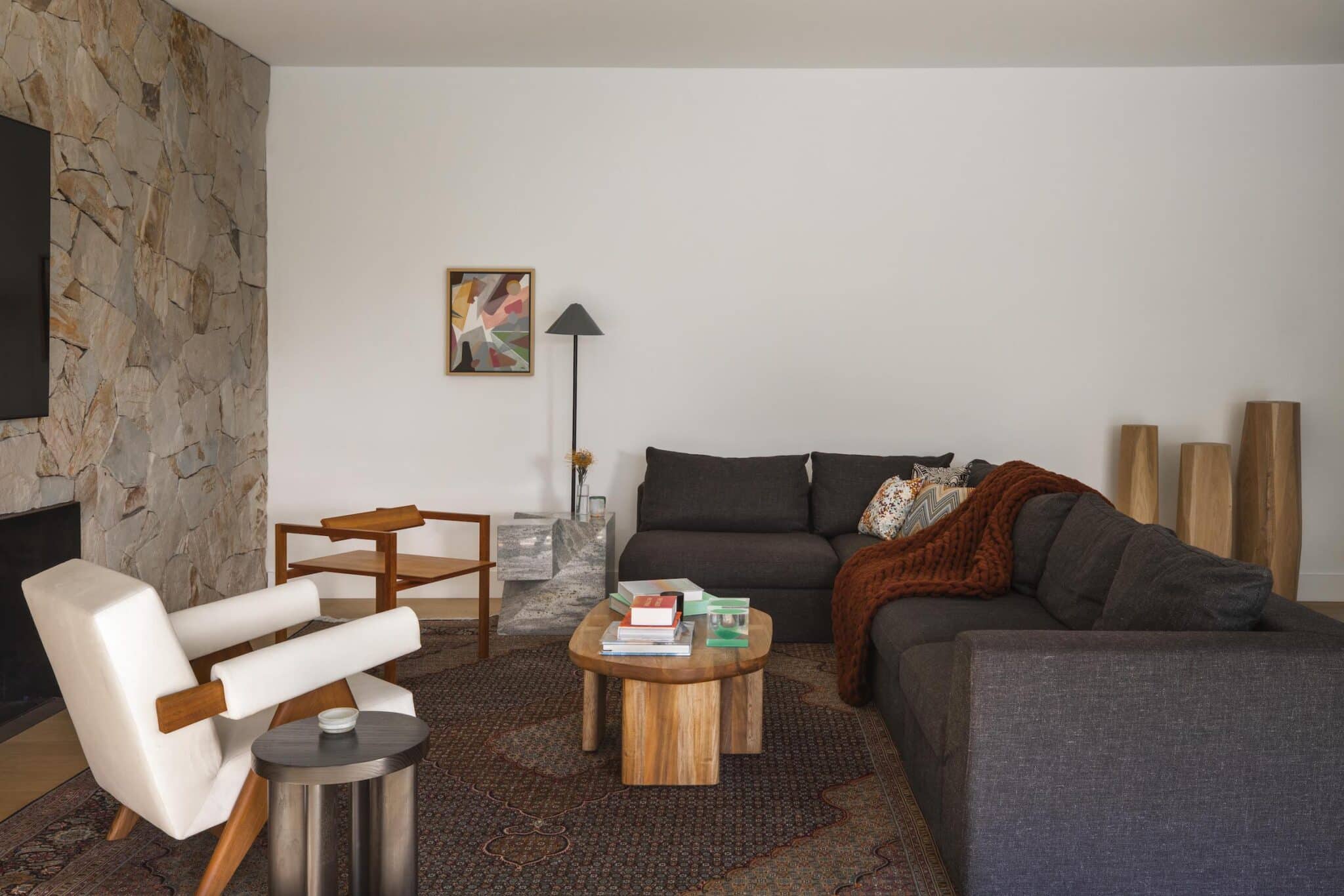
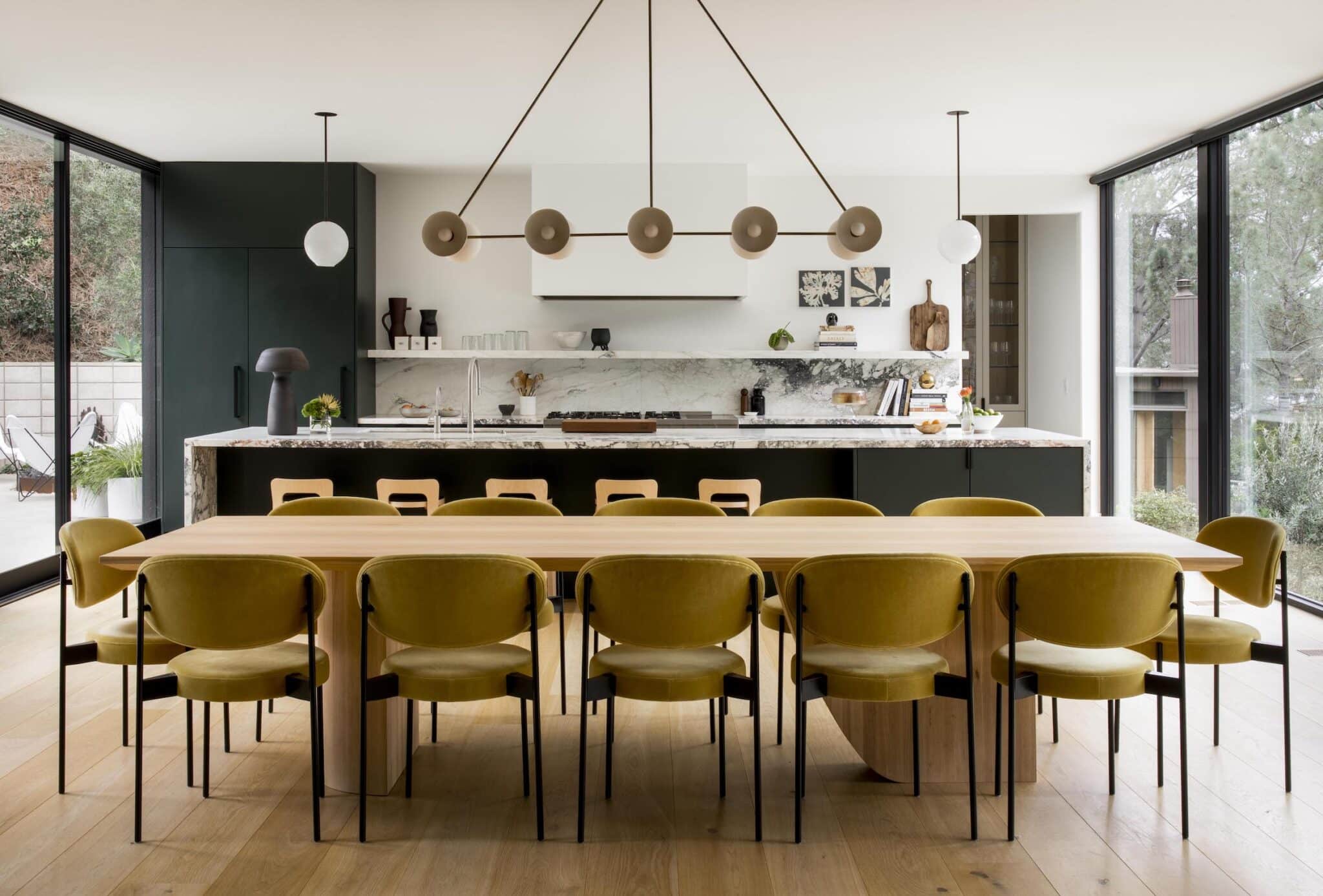
Michael Hilal is a San Francisco–based designer whose work explores the intersection of interiors, objects, art, and fashion. Drawing inspiration from the relaxed lifestyle and sun-washed imperfection of California, he creates spaces that feel refined yet deeply approachable, balancing bespoke details with an effortless sense of comfort.
Working across residential interiors and creative collaborations, Hilal’s practice emphasizes individuality, crafting environments that reflect each client’s personality while maintaining a distinct atmosphere of warmth, ease, and understated sophistication. His work often brings together artists, makers, and designers from diverse creative disciplines, creating interiors that feel layered and highly personal.
Michael Hilal’s work has been featured internationally in publications including Architectural Digest, Sight Unseen, Galerie Magazine, Dwell, and Veranda. He received the 2022 Showcase Design Award and the 2021 Emerging Designer Award from California Home + Design.
“The behind the scenes can be messy.”
INTERVIEW
Ultimately, you want to make sure the client is happy with everything; that’s number one. I’m going to say what most designers won’t say, and that I have to be very happy with the outcome. I have to love even the compromises we make with clients (this can vary from personal taste to budgetary reasons). At the end of the day, the client has hired me for my vision, and I need to make sure that does not get lost in the project.
Playing emotional support. We are working with clients on projects that can be very personal – these spaces are where they are raising their kids, and creating memories, and they are huge investments. So I never take anything personally and always want to make sure the process is as pleasant as possible throughout the entire time we are working together.
I could almost say that I started designing interiors at a very young age. My mother would redecorate roughly every 5 to 7 years and I would assist in picking fabrics, moving furniture, and going to vintage shops with her. Just seeing how she would light up at the prospect of recreating our home was very inspiring. I like to say that my mother unofficially created the California Coastal movement. She would pair an Art Deco sofa with chairs from the Victorian era, but bring everything together with white linen slipcovers, transforming the pieces and modernizing each piece. The interest for me has always been there.
Fast forward to me turning 30, I was at a fork in the road – I either continue on with my career in tech or pivot to something that I had more of a creative passion for. I started my MFA in Interior Architecture and then started taking on small clients. From there, I was able to build a case to build my interest in interior design into a business.
There have been so many in such a short period of time! The two that currently stand out are me launching my furniture line with St. Vincent’s in Antwerp, and the second is more recent, it’s me being included in the Architectural Digest Emerging Voices of 2023. Aside from any personal gratification, it really feels great to be recognized by my peers and icons of the industry.
I’ve been fortunate enough to be working on such great projects with such great clients. For context, I recently completed a ground-up build project that was featured on 1st Dibs as part of my recent 1st Dibs 50 award. The client took a chance on me early on – it was one of the first large projects I began working on. The client was open to exploring a fresher approach to design from a more artistic perspective. At this point, we can really pick and choose our clients, which, being this early on in my career, is a pretty fortunate place to be (I started working in design full-time just about 3 and a half years ago).
We really love clients who want to explore aspects of design that balance provenance and creativity. We aren’t very plug-and-play; we research and spend a lot of time sourcing pieces (new and vintage) and working with artists on creating pieces that are specific to the narrative we are creating for that particular client. When approaching a project like this, you have to have a client who’s ready to go down this road with you.
We spend a lot of time upfront exploring with the client the vibe they are going for and the materiality – finishes, fabrics, anything that’s tactile. For the most part, they’ve seen our work and understand what we can do. At an early stage, we also start discussing art because it can really inform the design.
A large part of our process is based on exploration and collaboration with clients. We are fortunate to largely have clients who are already chic. So many of them get it, and I assume that’s why they’ve reached out to me to help them build a home with the innumerable interesting furnishings, art, and objects we’ve chosen for their home.
I picked up much of how I process projects from my time working in tech. While there is not too much overlap, the idea of collaboration and hearing the other people involved in the project is key to a successful outcome.
We just wrapped our first commercial space, which was a huge feat for us (images coming soon, but now I’m interested in and currently discussing a hospitality project. I love the idea of creating an exhibition space or hotel…just really something that the public can enjoy.)
That’s really one of the things I struggle with more democratized design. I didn’t set out just to design spaces for people of a higher socioeconomic status, but I understand that’s how I am going to garner attention for my work. I want to make sure that at some point, I am able to work on a project that people from all walks of life can enjoy.
Right now, we’ve seen some nice growth, but with a small team of 5, it varies between one-on-ones and staff meetings to a visit with an artist, contractor, or millworker. Last week I was testing light bulbs because some beautiful custom fixtures we had made for a client were shorting their Lutron system…You have to always be willing to roll up your sleeves. This is a profession that can be full of facades, and while we might be creating pretty spaces and pictures, the behind-the-scenes can be messy.
The designers in the industry that I appreciate and whose level of work I aspire to are Pamela Shamshiri, Andre Mellone, Brigette Romanek, Lauren Geremia, Pierre Yovanavitch, Giancarlo Valle, Jamie Bush, Kelly Behun, and Jake Arnold.
Trust your gut when it comes to choosing clients. This is going to be at minimum a one-year commitment, and you want to make sure that your clients are good partners.
In terms of creatives, Virgil Abloh has been the North Star. The boundaries he pushed open as a man of color in creative fields that are largely white are really inspiring, especially as a brown man. Also, he really showed that you can be successful as a creative with your hands in different areas of the art and design industry. Some living creatives that really influence my work in varying ways are Rick Owens, Faye Toogood, and Pierre Yovanovitch. I really love what they’ve done with the pieces they’ve made and how each of them has transcended their original given design profession.
Be willing to roll up your sleeves. Don’t ask anyone to do something that you are not willing to do. This is the only way you will truly be successful. It’s important to know how to do every job happening in your firm.
Undesign – I want a space to feel chic, effortless, yet nuanced. I want a client’s friends and family to come in and think about how chic they are.
As a side note, I really hate going into a space that feels overdone to death or curated to a hysterical place where it’s really become a parody of good taste.
Most of the programs and podcasts I listen to are political or tech-focused…somehow politics and news have become my escape. The design-focused podcasts I listen to are The Business of Home, The Business of Fashion, The Art Angle, Talk Art, The Grand Tourist, Homing In, and Second Studio.
Right now, I’m reading through a book about Nicola L, published by Apartmento and edited by Hannah Martin. Additionally, I’m reading through books about Louis Kahn’s architecture, which I used as a reference for an upcoming product project.
Thank you so much Michael, for this lovely interview!
Share article :