Nina Edwards Anker
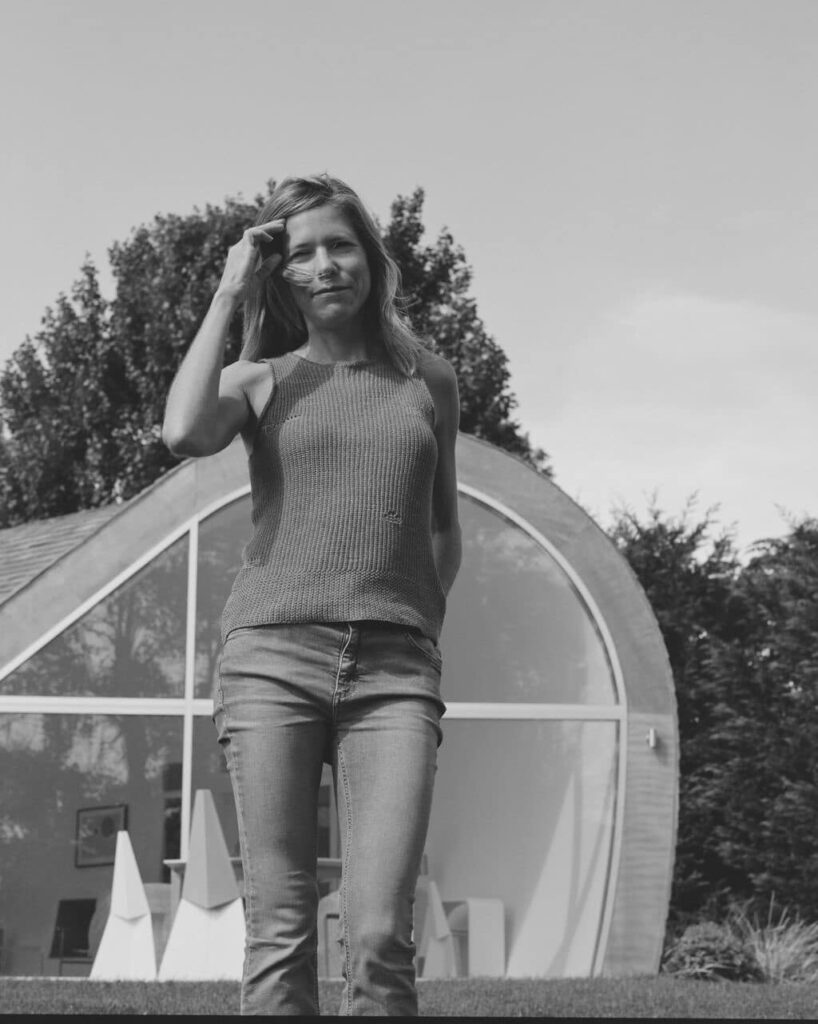
Nina Edwards Anker is a Norwegian-born designer based in New York and the founder of NEA Studio. Working across furniture, lighting, interiors, and architecture, she has developed a multidisciplinary practice that explores the intersection of sustainability, material innovation, and human wellbeing. Guided by extensive research into solar design and environmental technologies, her work combines scientific inquiry with a sculptural sensibility, creating pieces that are both conceptually rigorous and deeply experiential.
Through a practice that moves fluidly between collectible design and spatial environments, Edwards Anker investigates how light, materiality, and emerging biomaterials can shape emotional and sensory experiences. Her work reflects a belief that design should enrich everyday life while fostering a meaningful connection between people, nature, and the built environment, resulting in objects and spaces that balance innovation with quiet elegance.
Interview
Born and from NY, NY.
My mother took us to galleries and museums about once a week and quizzed us on the names of great artists as we meandered, especially of the Impressionist era.
– Yes, I started working in galleries, museums, and auction houses before I worked in architecture offices. The architecture offices I worked in tended to approach architecture in artistic and exploratory ways.
Like all designers, I am driven by intuition and curiosity. My inspiration comes from nature, its invisible biological processes – especially sunlight – and organic forms, which also address environmental issues. My process is guided by natural forms and materials that can embrace the human body and its perceptive processes. I’m influenced by the wealth of emerging technological materials and processes. I aim to incorporate these technologies and materials into the designs from the starting point, blending them with natural materials.
At heart, I’m an artist – I wanted to be an artist before I attended university, but then became more interested in art’s connection to society. After many years of discovery, I eventually became an architect. I realized I wanted to be involved in creation with inherent parameters that were driven even more closely than art to societal and cultural patterns. During my years working in architecture firms, in my free time I sketched sculptural furniture pieces. At the start of nea studio in Oslo in 2006, I developed the sketches into a furniture line that was built and exhibited at the Copenhagen Furniture Fair Talent Zone, made possible by a grant from NorskForm. In the beginning years of nea studio, the income from my architecture and interior design clients supported the research and development of my product designs. A few years later, a grant to become a Research Fellow at the Oslo School of Art and Design took the research aspect of my work a few levels deeper.
I wake at 6:45 and start the day with creative work like sketching, researching, or writing while my mind is fresh. Then I answer emails, prioritizing clients and customers. Later in the morning, our team holds our daily meeting – even if it’s over the phone – to make sure we’re all on the same page. In the afternoon, I either teach or go through the office to-do-list.
I choose materials for their ability to express organic form, such as melting ice and crystal formations, and for their ability to play with light, such as reflectivity and translucency. I’m particularly interested in bio/eco materials, such as edible materials like seaweed and lentils. I focus on locally sourced materials that lend themselves to indigenous craft skills, knowledge, and traditions, such as reclaimed wood from the rooftop of my studio in Brooklyn.
I choose materials that serve the environment and user experience, that are organic, recycled, washable, comforting, durable, and surprising.
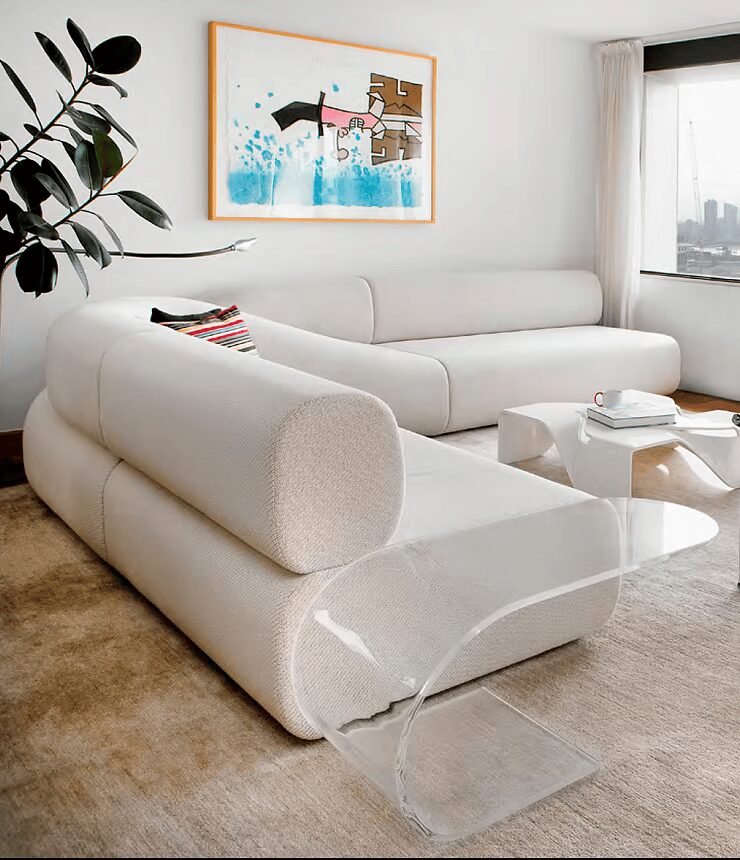
They are technically innovative in their expression of organic forms and/or in the way they create light. Thus, they depend upon mechanical/lighting/structural engineering and skilled craft on the part of those who are open to technical exploration. We allocate a good part of our resources to developing the durability of new organic or technological materials in order to prepare the works for market. Most of my lighting designs incorporate photovoltaic panels, especially Amorphous Thin Film types, because they can serve both the design aspects and the technological aspects of the pieces.
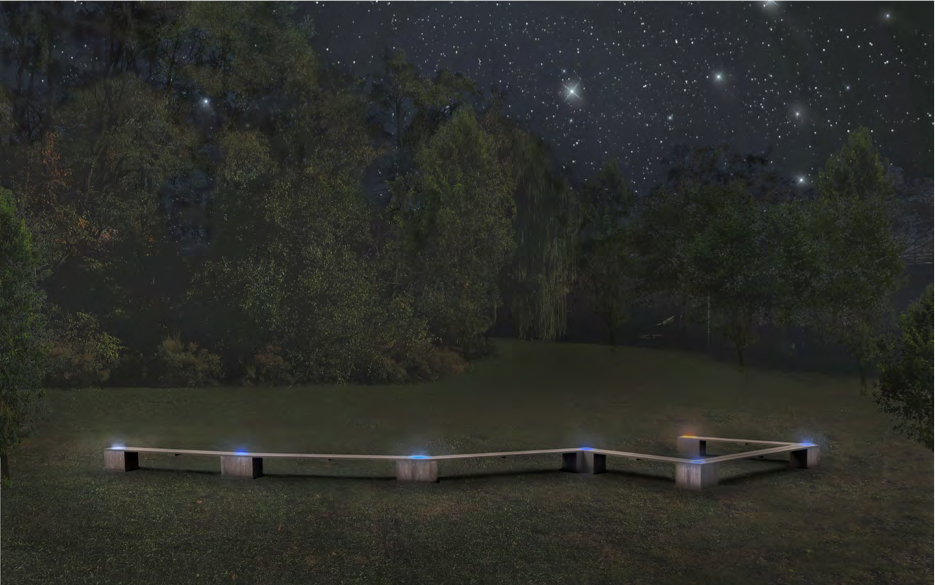
Being a designer from NYC brings many opportunities for collaboration, inspiration, and resources, but it can be challenging to find the time to sketch creatively. My years living in Norway afforded me the quiet time and space to create, but were limiting in other ways. Environment can contribute to and influence the development of the designer, but in the end it is inborn, inherent motivation.
Use paper and scissors, modeling clay, and have fun.
Bio Minimalism/Organic Modernism.
Laszlo Moholy Nagy, Eileen Gray, Robert Smithson, Louise Bourgeois, Henry Moore, Sverre Fehn, Alexander Calder, Sylvia & Christopher Owen, and my mother, Veronica Greeven Edwards. 20th c. greats, Le Corbusier, Frank Lloyd Wright, Alvar Aalto, and Mies van der Rohe. Mother Nature.
Peter Zumthor, Steven Holl, Weiss/Manfredi, Nahyun Hwang, Julia Watson, Ross Lovegrove, Thomas Heatherwick, Diller & Scofidio, Rick Joy, Glenn Murcutt, Snohetta, MMW Arkitekter, Kari Noest Bergem, my colleagues at New Lab Terreform One, and many others.
Olafur Eliasson, James Turrell, Amy Pryor, Anish Kapoor, Carroll Dunham, Gerhard Richter, Hitoshi Sujimoto.
Affective environmental designs.
“I choose materials that serve the environment and user experience, that are organic, recycled, washable, comforting, durable, and surprising.”
The Questions
(The Proust Questionnaire is a set of questions answered by the French writer Marcel Proust.
Other historical figures who have answered confession albums are Oscar Wilde,
Karl Marx, Arthur Conan Doyle, Stéphane Mallarmé, Paul Cézanne…)
Being in the arms of one that i love
Living in fear, not love
Lack of empathy
Lack of empathy
Elizabeth Warren
Taking my time in transitions
Grateful for access to nature and time with my family, but missing those who are not present
Fake Smiles
Tenderness
Empathy
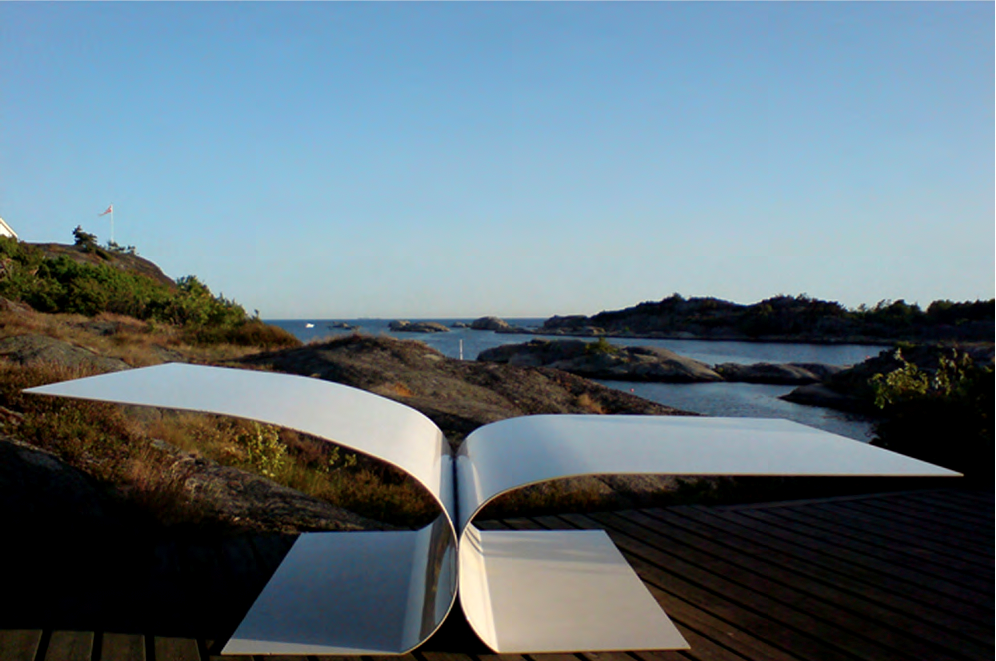
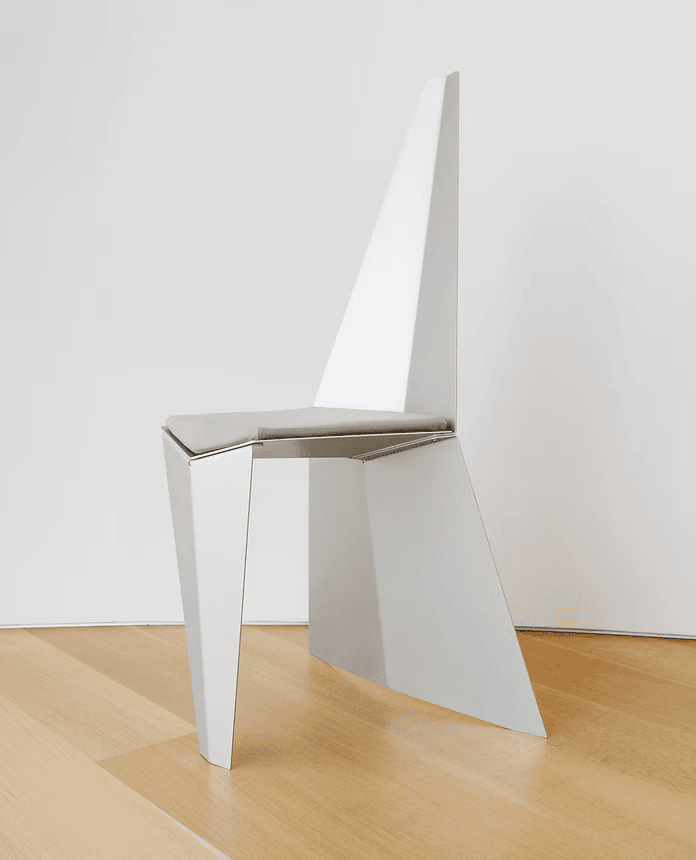
Please and sorry (and swear words)
Sketching
I would exchange any doubt for the ability to live every moment fullheartedly
Expressing Emotional Intelligence towards people and the environment through design
A musician
Right here at home in NY
A framed quote, words of wisdom from my mother found St. John’s Church in London from 17…
Suicidal thoughts
Engaging in rivetting conversation
Spaciness, in good and bad ways
Compassion and humor
Recently: Elizabeth Berg, Glennon Doyle, Delia Owens, Elizabeth Lesser
Classics: Jane Eyre, Louisa May Alcott, Tolstoy, Dostoyevsky, Virginia Woolf, Simone de Beauvoir, Marcel Proust, Voltaire, Baudelaire, Jack London
Jo in Little Women
Harriet Tubman
My family and friends
Julien and Ana
Cowardice and lack of integrity
Not reaching out enough
In my loved ones arms, in my sleep
Is it kind? Is it true? Is it necessary?
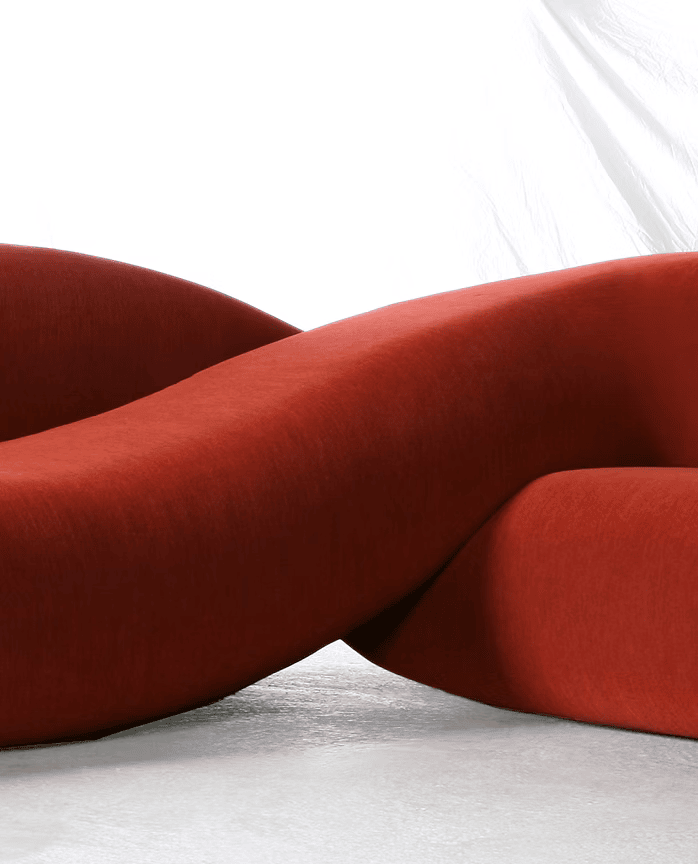
“At heart, I’m an artist. I became more interested in art’s connection to society.”
SHARE :