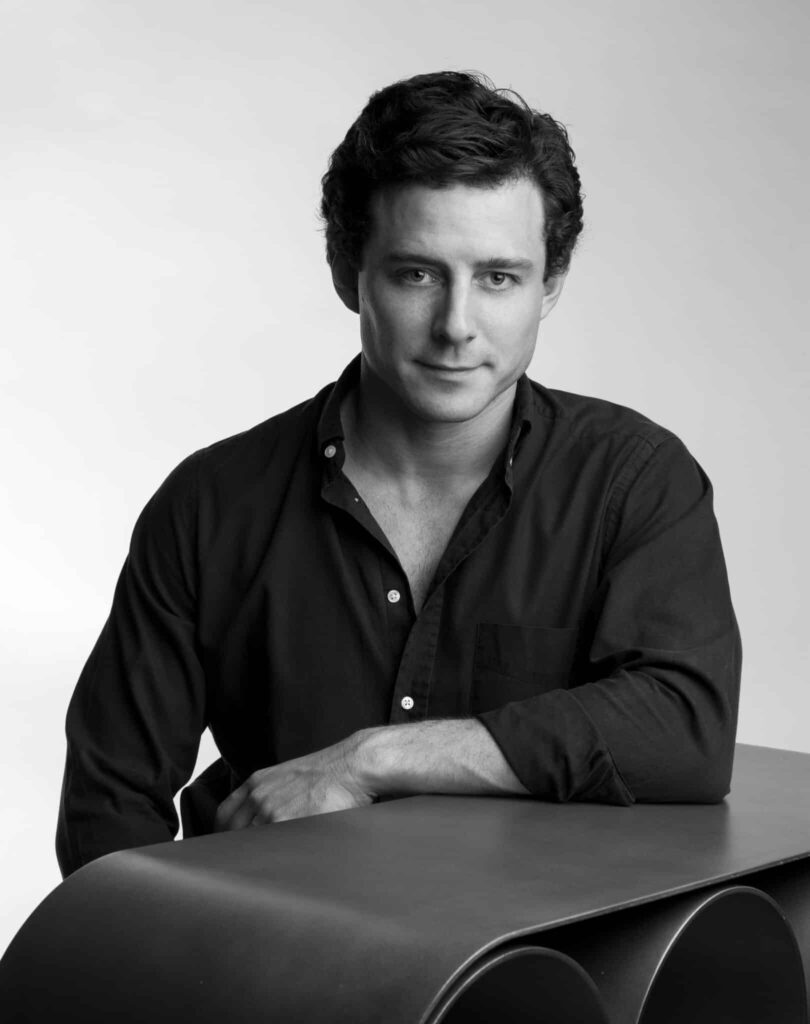
I was born in Florence, Italy, and lived there until I was 24.
MAGAZINE · INTERVIEW
Pietro Franceschini
Let's know more about
Interview
Where were you born and where are you from?
What is your first memory connected to the art world?
Well, it is hard to say when you were born in a city like Florence. Art is literally everywhere, and classical beauty unconsciously shapes your sensibility from a very early stage.
I grew up on the hills surrounding the city in an 18th-century scenario with neoclassical porches, grottesca ceiling decorations, antiques…Yes, very Italian! Besides that, I remember a place that definitely blew my mind when my father – who is a doctor – took me for the first time. That was a collection of wax anatomical models from the 18th century that can be traced back to the Medici family. Uncanny objects displayed inside ancient cases made of walnut and glass, walls covered in drawings. I still go there sometimes.
Have you always worked in the art/design field?
Yes. Architecture, interiors, furniture. Pretty much the same field, just a change in scale and context.
What led you to design creation?
Curiosity about life, maybe a desire for freedom. I like that moment when you sit at your desk with your mind packed with ideas and references, but it still potentially can be everything. You feel alone with the Gods, and it is so empowering.
How would you describe your creative process and its influences?
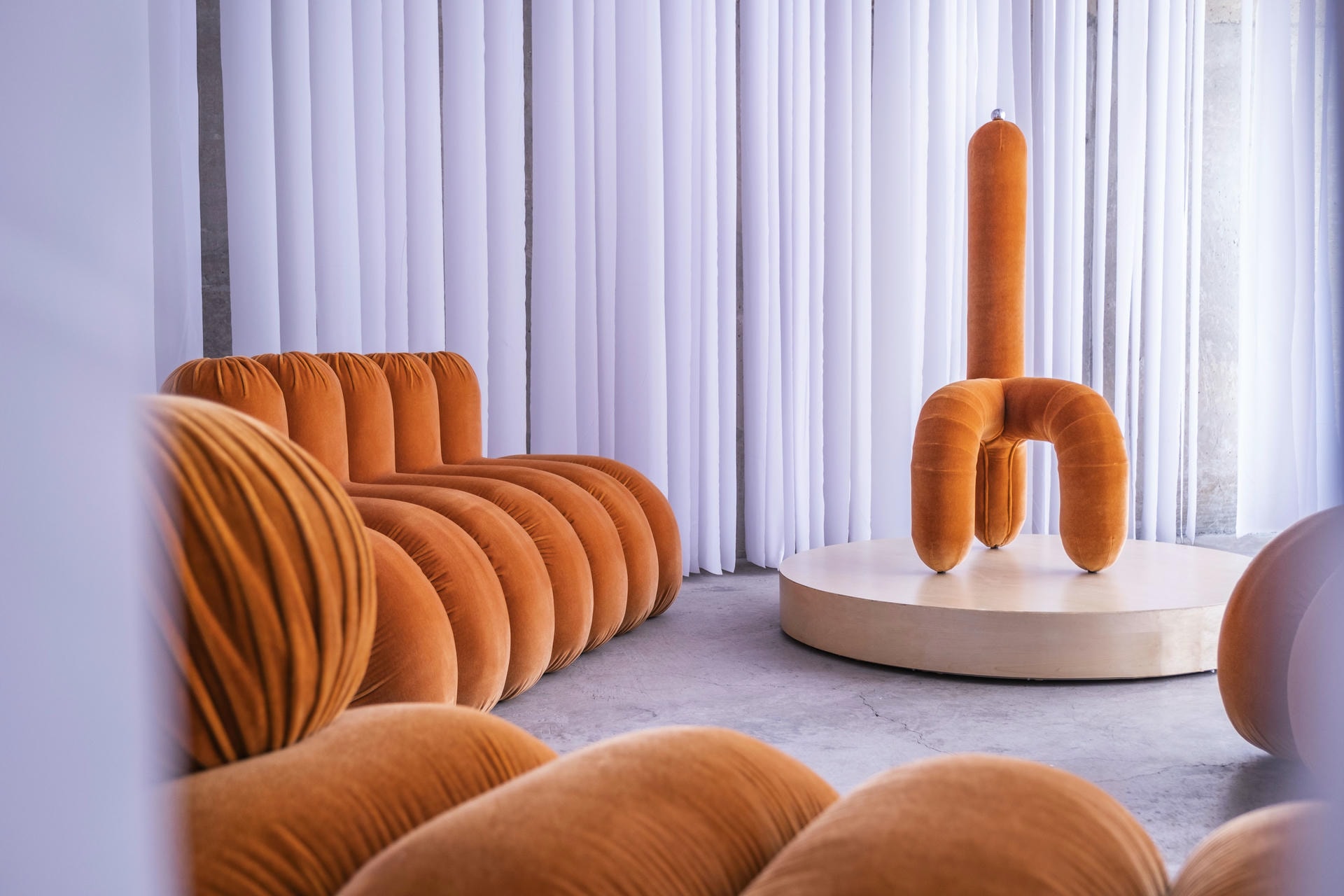
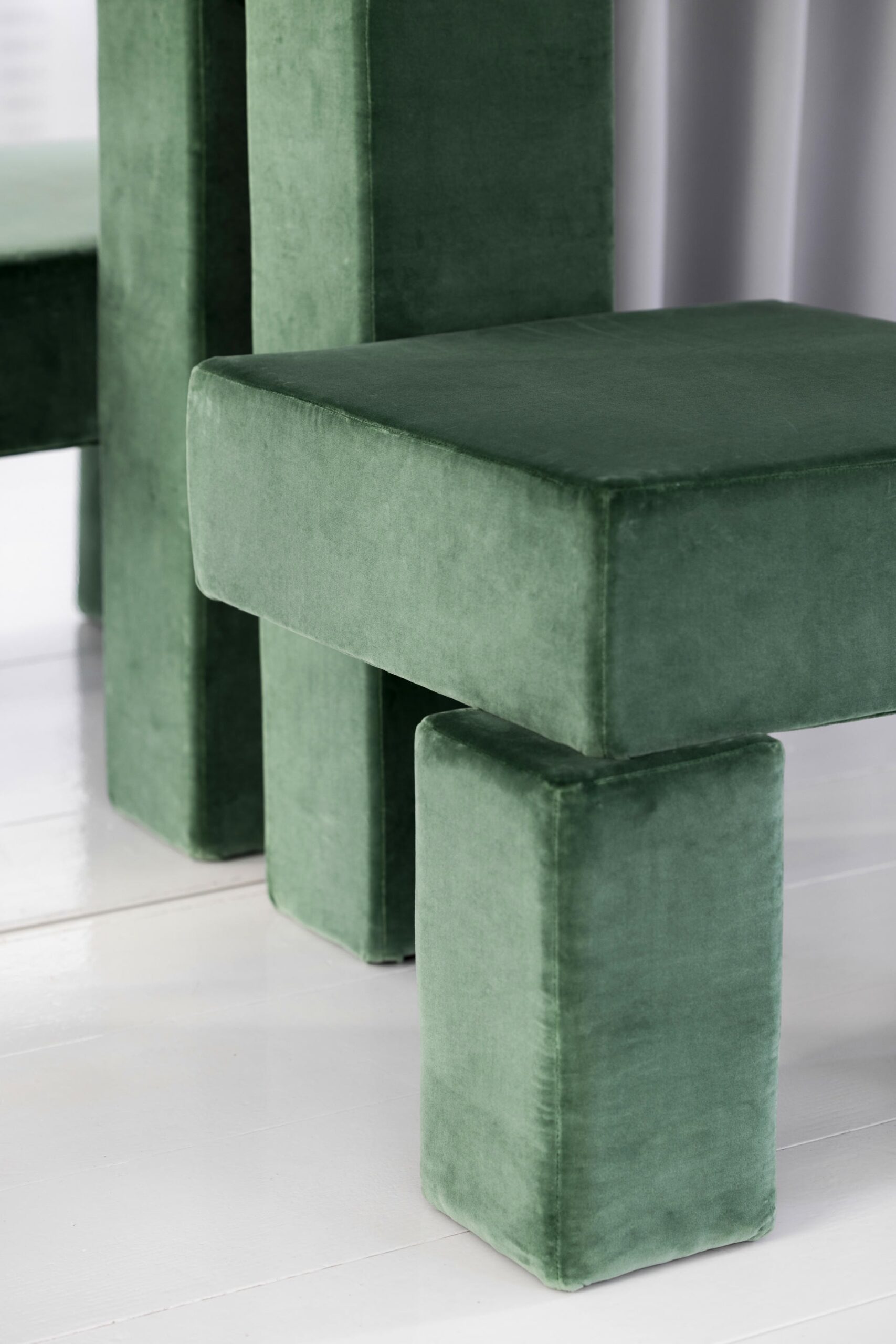
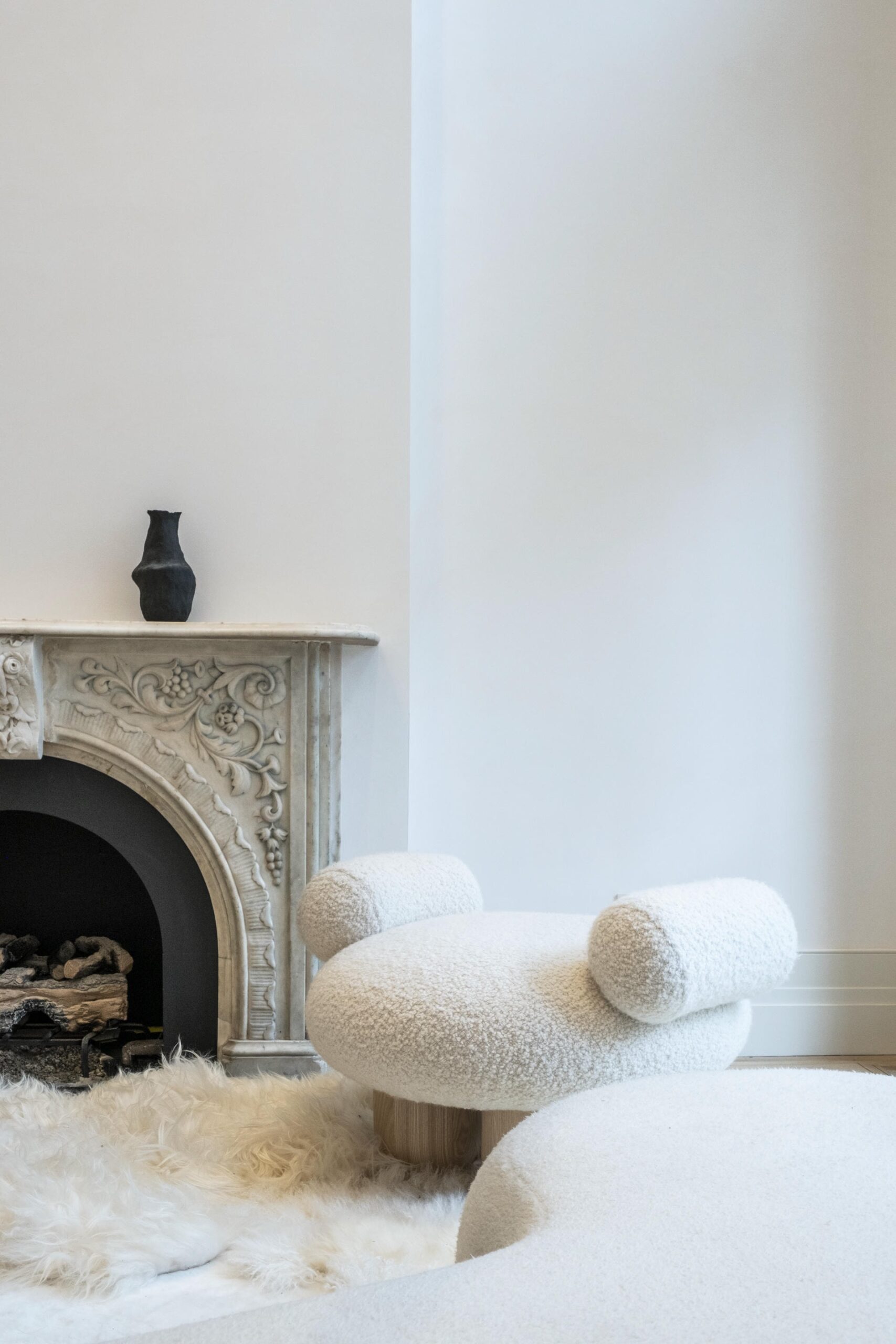
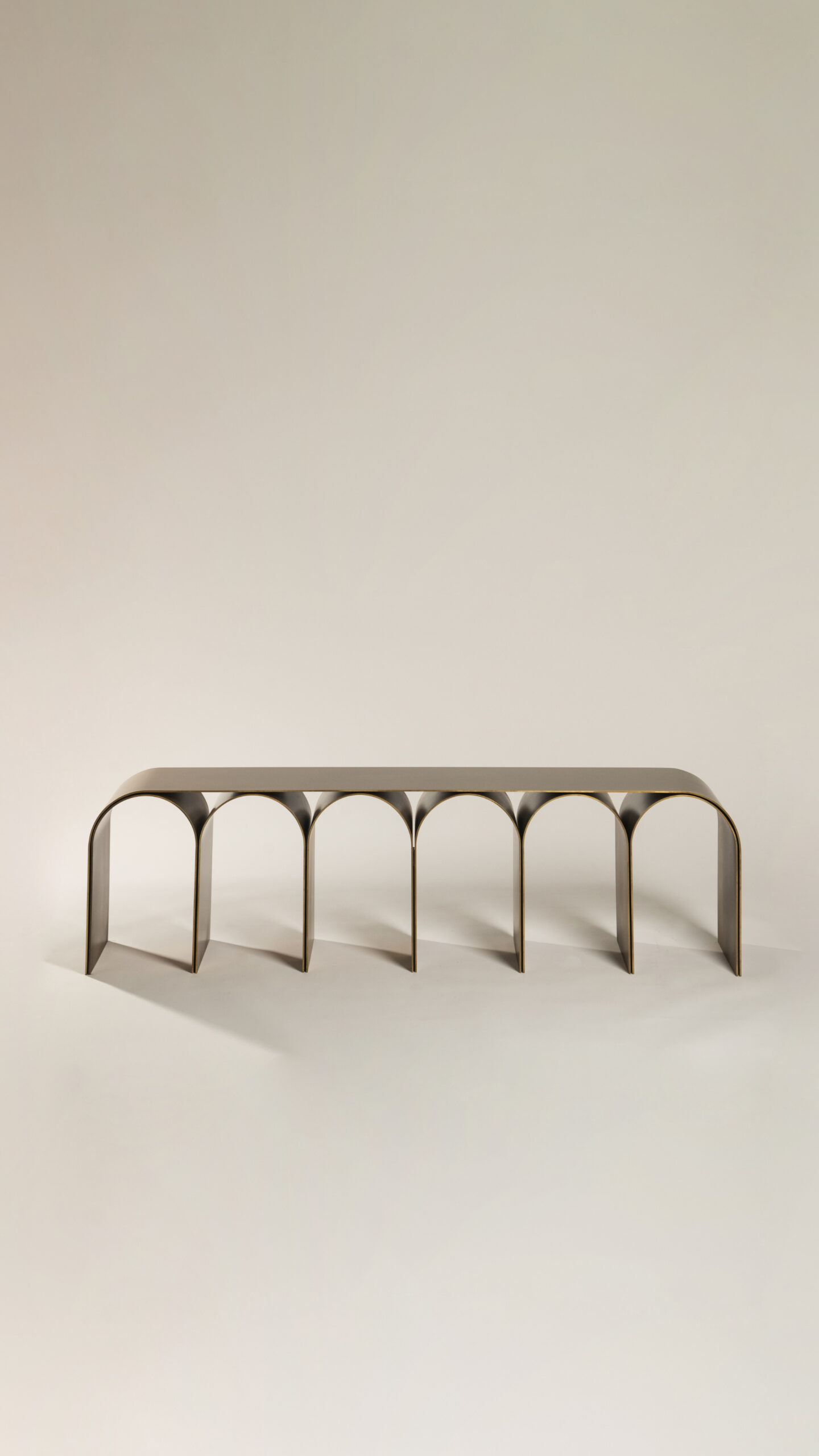
None of my creations comes in a day; they all have quite a long story behind. For my first collection, I was aiming for a balance between a classical component – made of sculptural and noble shapes – and something lighter and more fashionable. This is how I was looking for a language that could be current and survive the trend change at the same time.
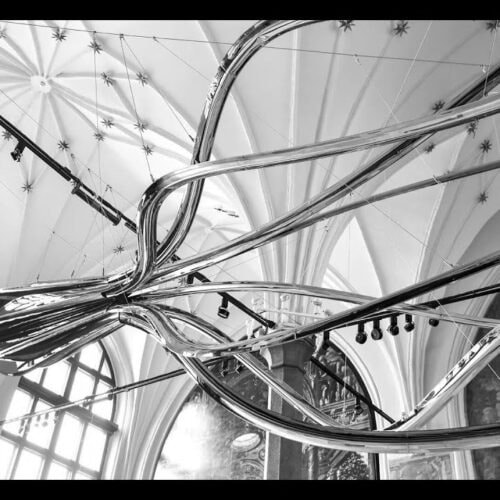
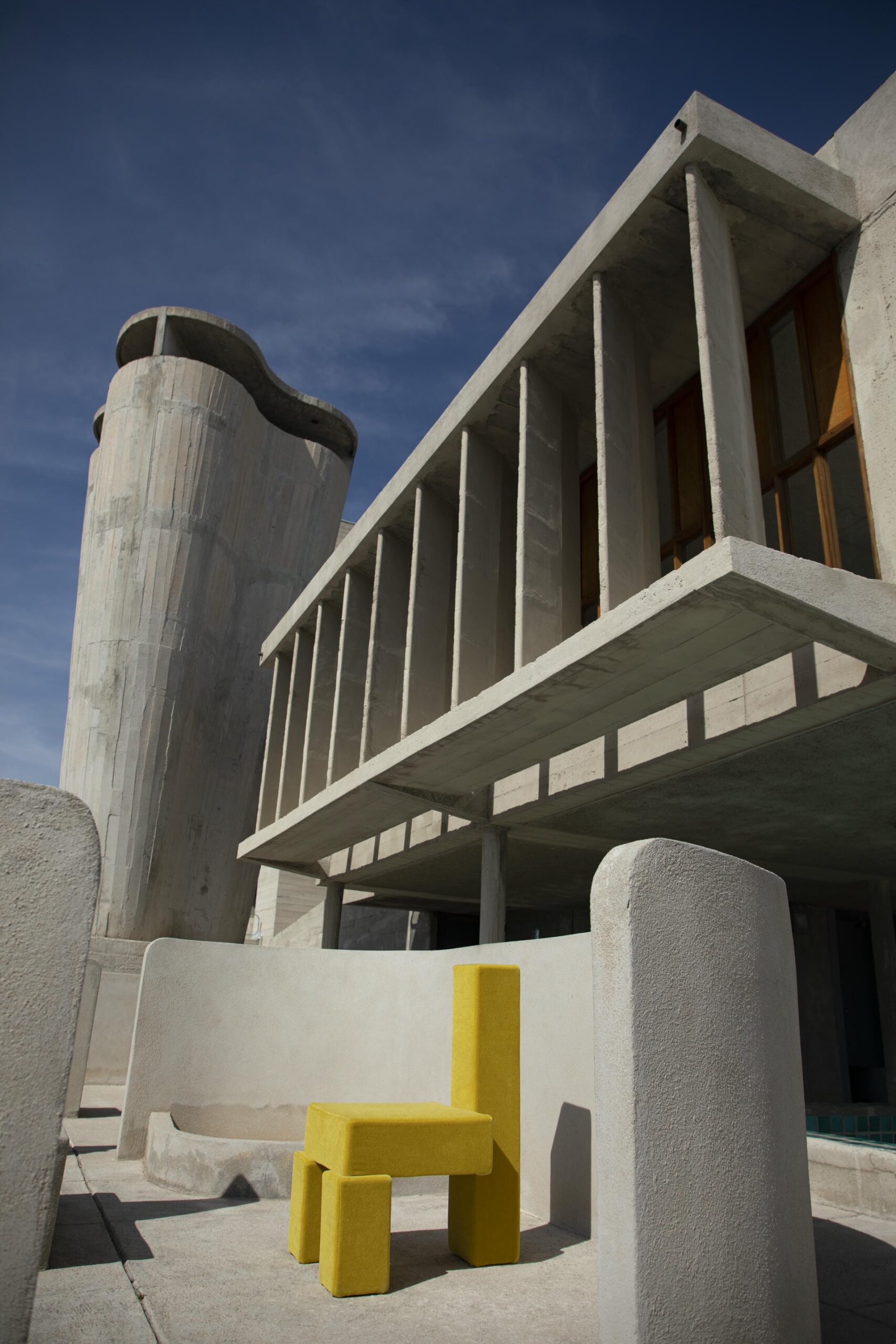
In general, the process always starts with deep research followed by heavy 3D modeling and form-finding. The next step is the collaboration with talented visual artists – Enrico Capanni and Andres Reisinger among others – to give digital life to the objects. We explore different contexts, colors, and atmospheres in which each object could potentially exist. In this way, rendering is not a mere tool to test materials but the opportunity to let that grey shape find its soul. Some objects are made to stay digital forever; some others ask for gravity. Here starts the collaboration with manufacturers, but this is a whole different story…
Could you describe a typical day of your work?
Research and projects always change, so there really isn’t a typical day. Some days are for research, others for design other for visiting manufacturers, and a lot of marketing too. I have some collaborators, but I do 80% of my work myself, so I don’t get bored with the same thing all day. When I make a plan for the day, I rarely stick to it.
Why did you choose the specific materials you work with?
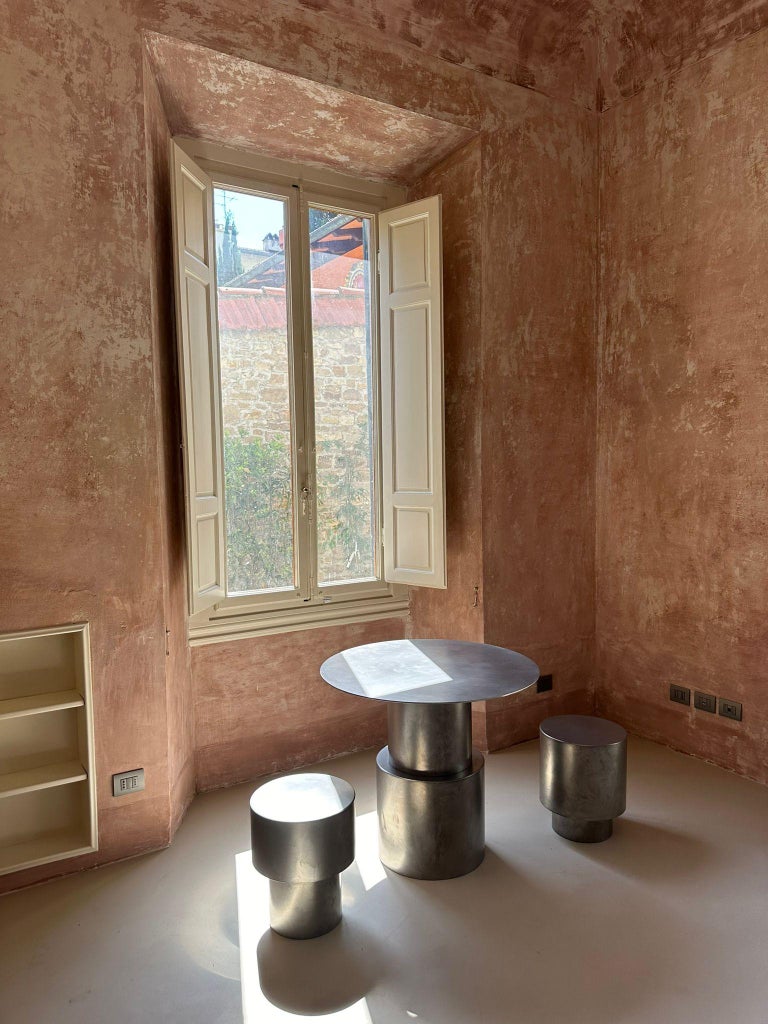
My design starts with form-finding; choosing the material comes later. Once I have the form, I test materials, and after several iterations, everything starts to make sense. If I started with a specific material in mind, possibilities would be so limited. This approach can make the prototyping phase very challenging…
What are the technical particularities of your creations?
There is not really any technical particularity in my pieces. What makes them unique is the language they use.
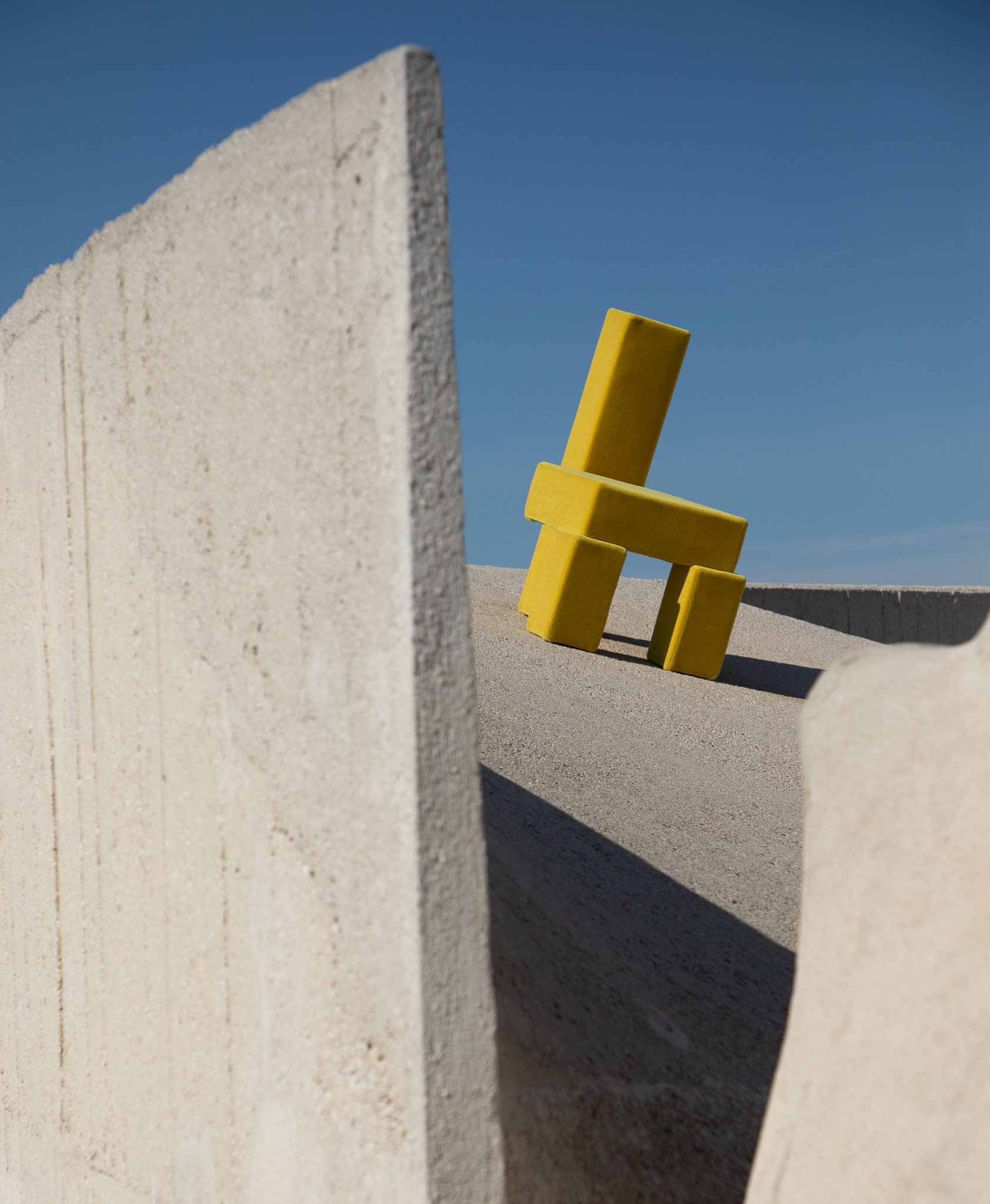
If your works had to belong to a design movement, how would you define it?
Digital Surrealism. I see a niche in design that is taking shape from a land between the imaginary and reality.
What advice could you give to beginning artists who would like to create sculptural design works?
I would learn first how to master a 3d modeling software. It will bring endless opportunities for form-finding. If that is too time-consuming, just go for some clay hand-modeling. After that, don’t fear judgment and just go for it. Creativity is ultimately about being brave.
What designers and artists have influenced you?
Leon Battista Alberti’s works in Florence, specifically the Tempietto del Santo Sepolcro built inside the Rucellai Chapel. I have always looked at it as the most extravagant product of the 15th-century Italian Renaissance.
Adolf Loos and all the Vienna Secession, bright minds. Mendelson and Bruno Taut among all the modernists. Peter Zumthor has also been an obsession for years.
In more recent times, Ferda Kolatan, amazing architect and designer but overall the most contagious thinker. His lectures in New York gave my design approach a brand new awareness.
Rick Owens, not my taste as a fashion designer, but the way he does furniture is unparalleled.
Last but not least, the current young generation of digital artists, first of all, Andres Reisinger.
What contemporary designers do you appreciate?
I appreciate very much the evocative power of Destroyers Builders, the sensuality of shapes in Philippe Malouin, the ethereal quality in Cara/Davide’s work, the primitive masculinity of Pedro Reyes, and the historical hallucination of Adam Charlap Hyman.
What contemporary artists, in any kind of art, have you been inspired by?
Olafur Eliasson, Andrei Tarkovsky, Anthony McCall, Bosco Sodi…
If you had to summarize your creations in one word or sentence, what would it be?
Simple, yet grand.
“Creativity is ultimately about being brave.”
The Questionnaire
The Questions
(The Proust Questionnaire is a set of questions answered by the French writer Marcel Proust.
Other historical figures who have answered confession albums are Oscar Wilde,
Karl Marx, Arthur Conan Doyle, Stéphane Mallarmé, Paul Cézanne…)
What is your idea of perfect happiness?
Franz Shubert piano trio D.929, Op. 100: II
What is your greatest fear?
Boredom
What is the trait you most deplore in yourself?
I am fine how I am
What is the trait you most deplore in others?
Incompetence
Which living person do you most admire?
My grandfather that I have never met
What is your greatest extravagance?
Always traveling alone
What is your current state of mind?
Busy
What do you consider the most overrated virtue?
Consistency
What is the quality you most like in a man?
Creativity
What is the quality you most like in a woman?
Resolutness
Which words or phrases do you most overuse?
I need a drink
Which talent would you most like to have?
Performing without sleeping
If you could change one thing about yourself, what would it be?
Talent in music, I tried for years as a kid but..
What do you consider your greatest achievement?
Still haven’t gone crazy
If you were to die and come back as a person or a thing, what would it be?
Me but smarter
Where would you most like to live?
Naples
What is your most treasured possession?
A little
What do you regard as the lowest depth of misery?
Live in fear
What is your favorite occupation?
Rock star
What is your most marked characteristic?
Independency
What do you most value in your friends?
Artistic excess
Who are your favorite writers?
Robert de Montesquiou, Antonio Tabucchi
Who is your hero of fiction?
Patrick Bateman (American Psyco)
Which historical figure do you most identify with?
Robert de Montesquiou
Who are your heroes in real life?
Always changing
What are your favorite names?
Guido, Tancredi, Lola
What is it that you most dislike?
Being naked in the snow
What is your greatest regret?
Having left Paris in a rush that day
How would you like to die?
Plane crush
What is your motto?
What else?
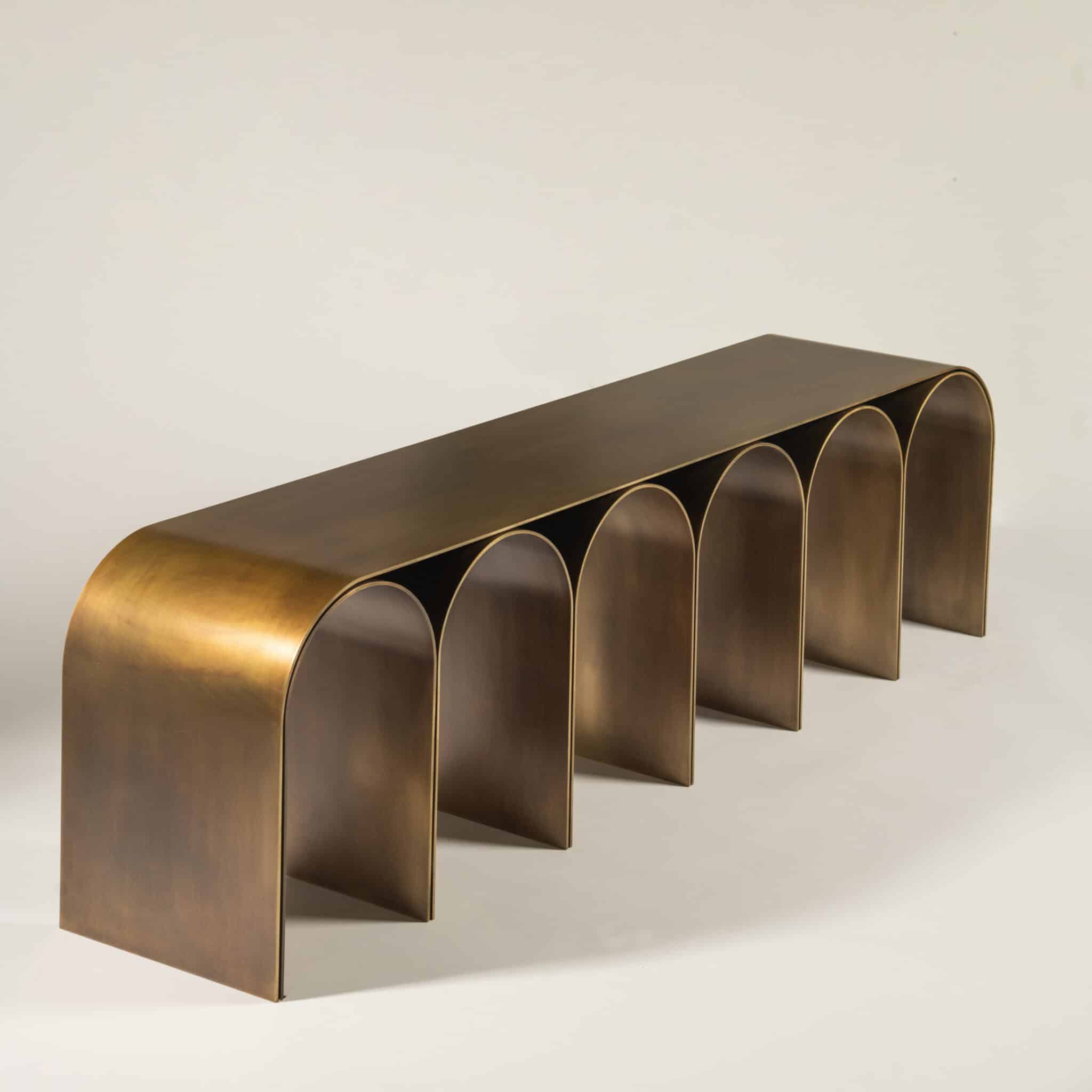
“Some objects are made to stay digital forever; some others ask for gravity.”
SHARE :