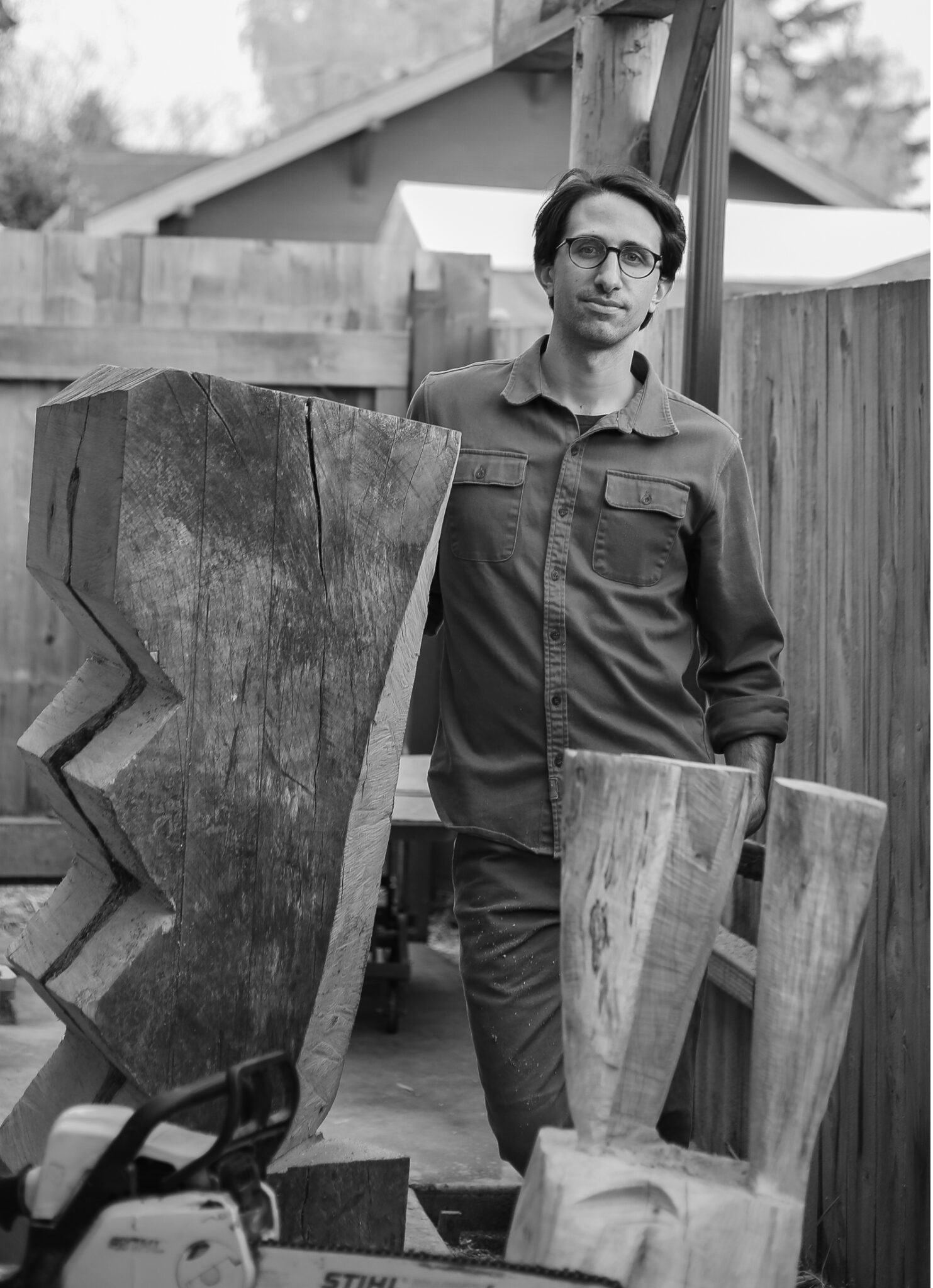
I was born in Ste-Hyacinthe, which is an hour from Montreal. We then moved to Sherbrooke, where I grew up.
MAGAZINE · INTERVIEW
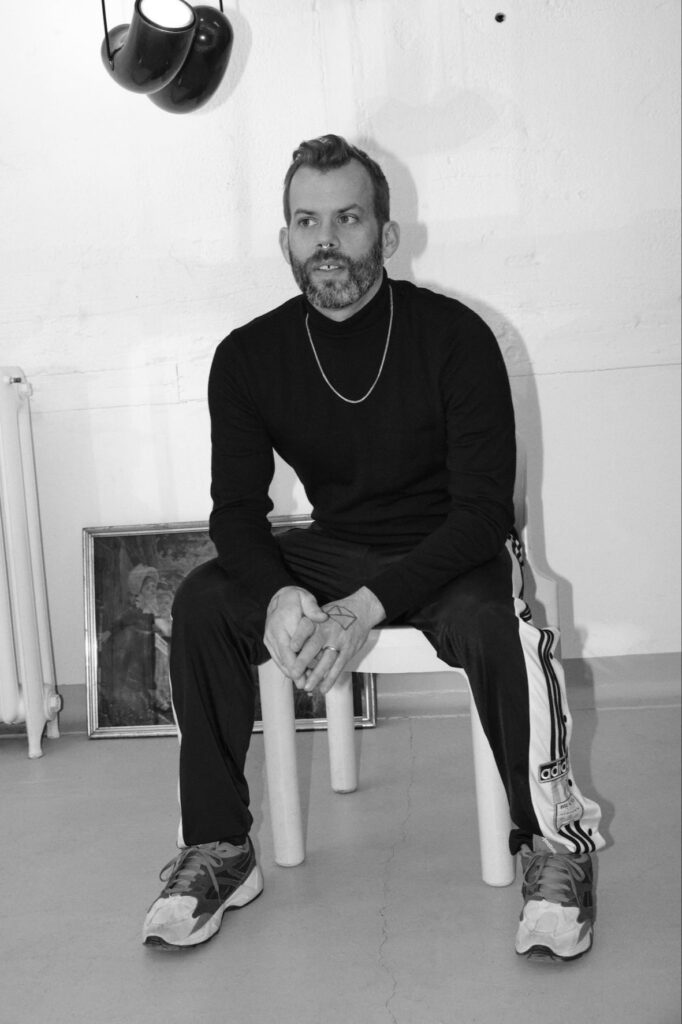
Studio d’Armes – Alexandre Joncas
Let's know more about
Interview
Where were you born and where are you from?
What is your first memory connected to the art world?
My first memory is of the artworks that were displayed in my childhood house. My family had an arts and crafts materials business, so I was always surrounded by it at home.
Have you always worked in the art/design field?
Yes.
What led you to design creation?
To push my vision of design. It brought together many of my skills, from the visual arts media profile, welding, metal study, and even the fashion and beauty scene. Also, I’ve always had a fascination for light.
How would you describe your creative process and its influences?
I have instinctive flashes associated with sleep. They come either in the morning when I am waking up or at bedtime.
Then I like to jump into the study of a process or material, and integrate it into a design. It helps me decontextualize the material to ensure that I can later reintegrate it. The training phase brings me to the creation phase.
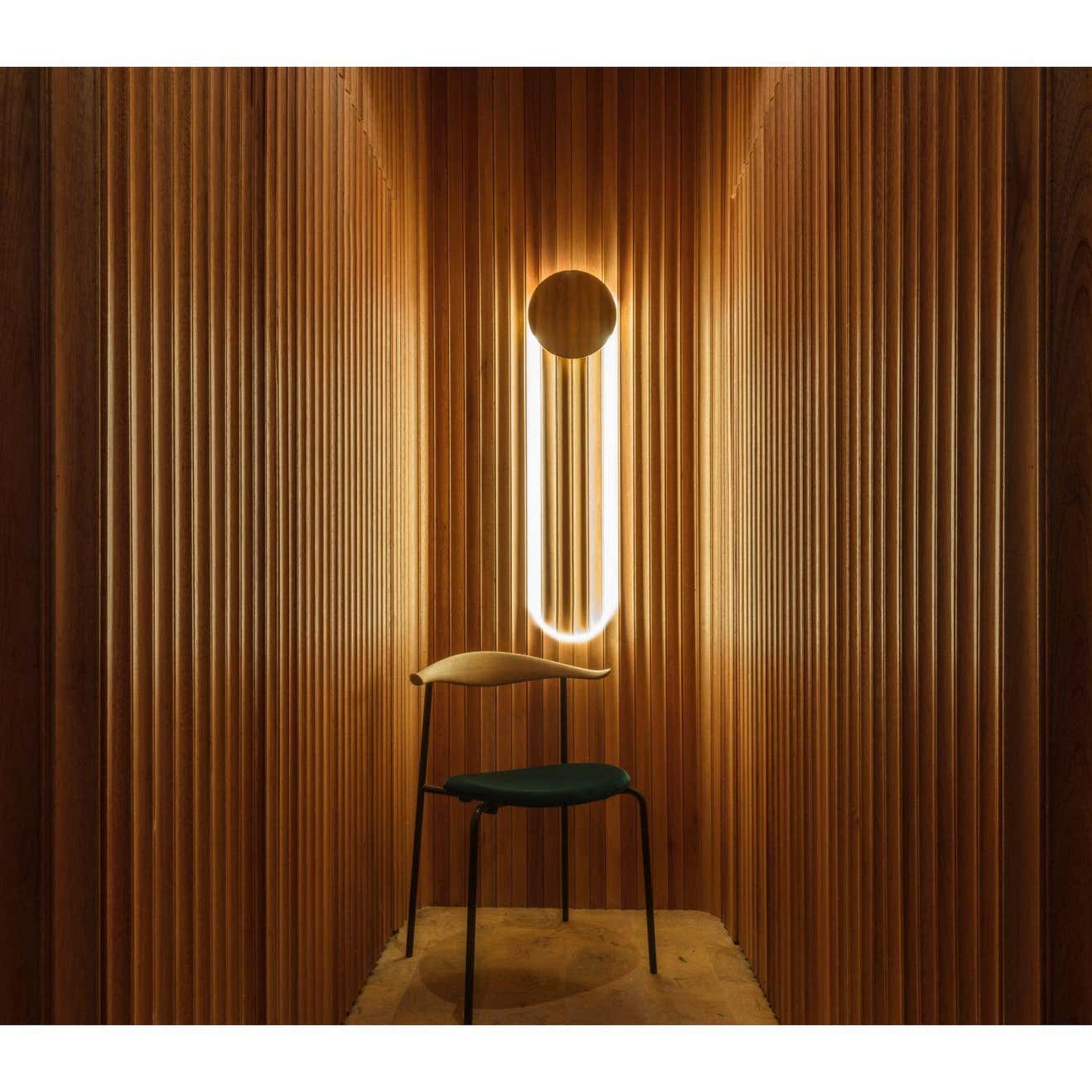
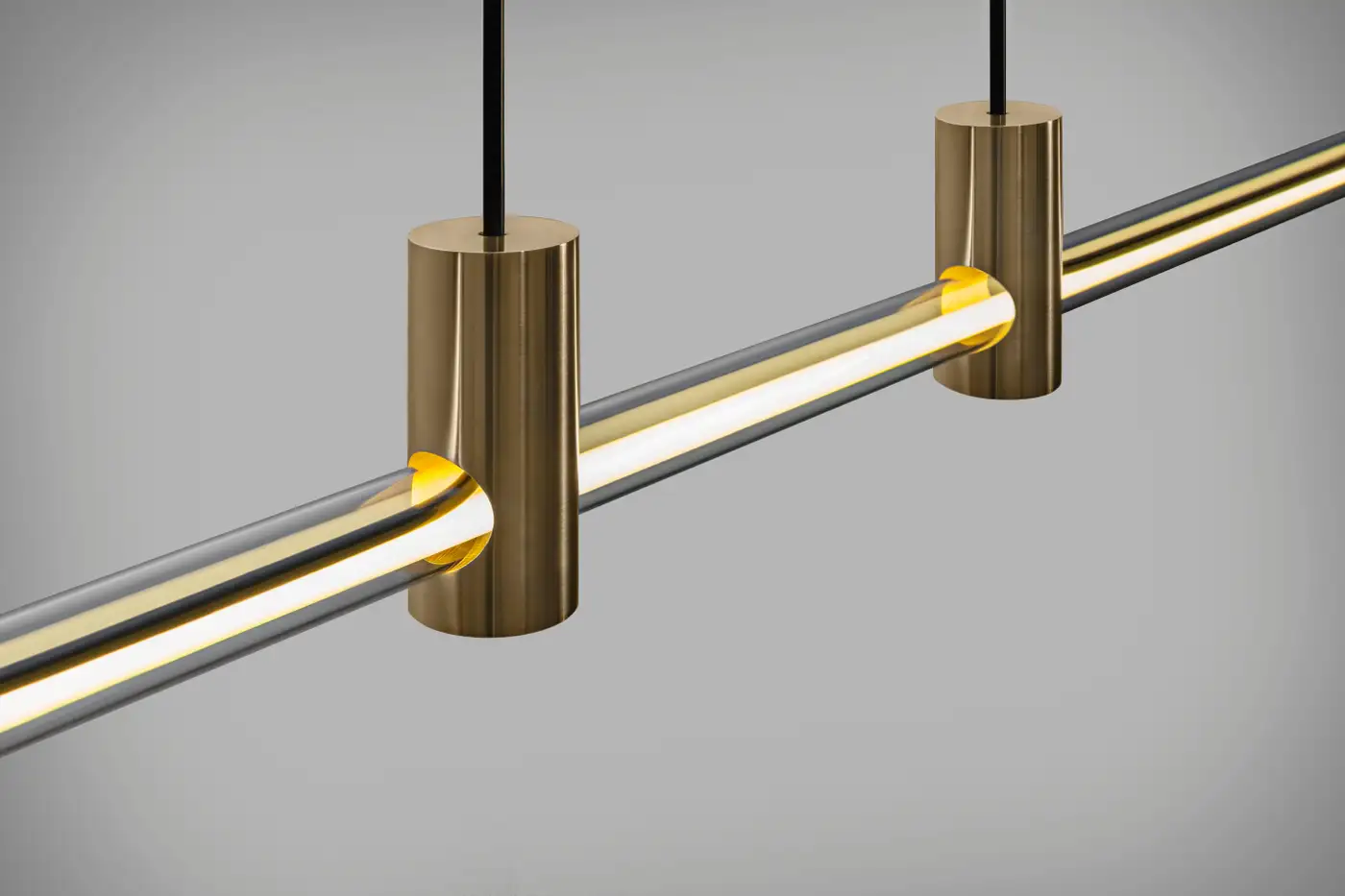
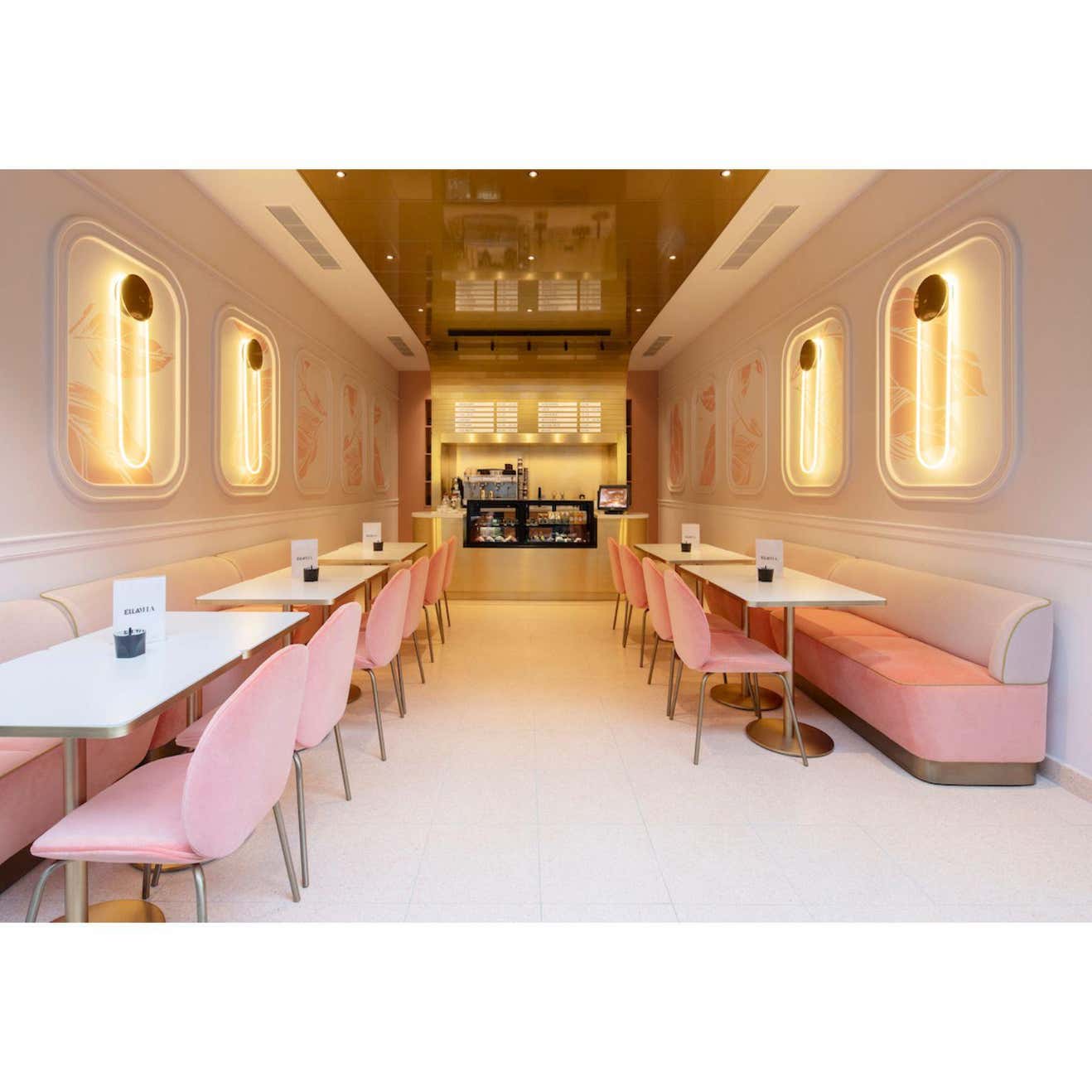
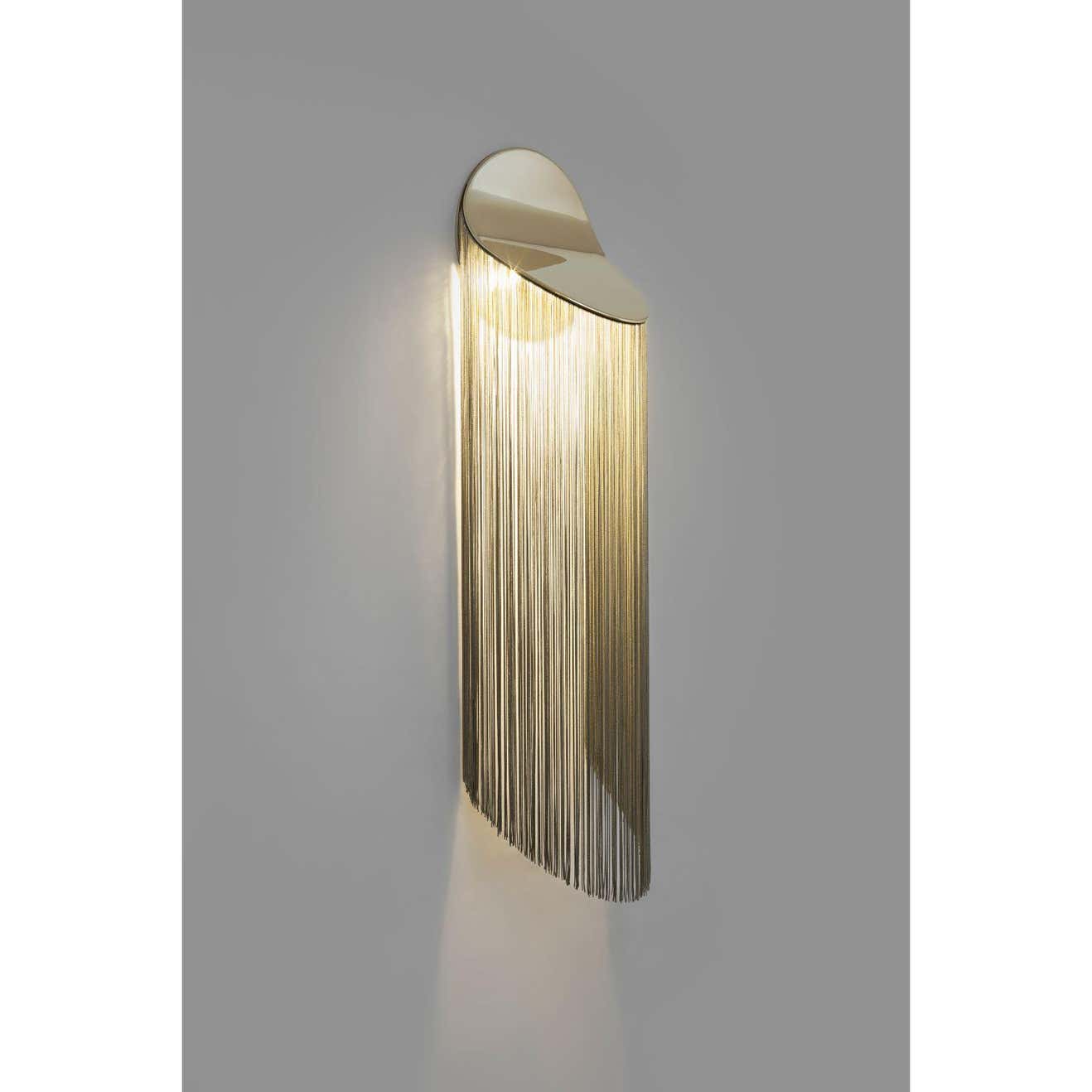
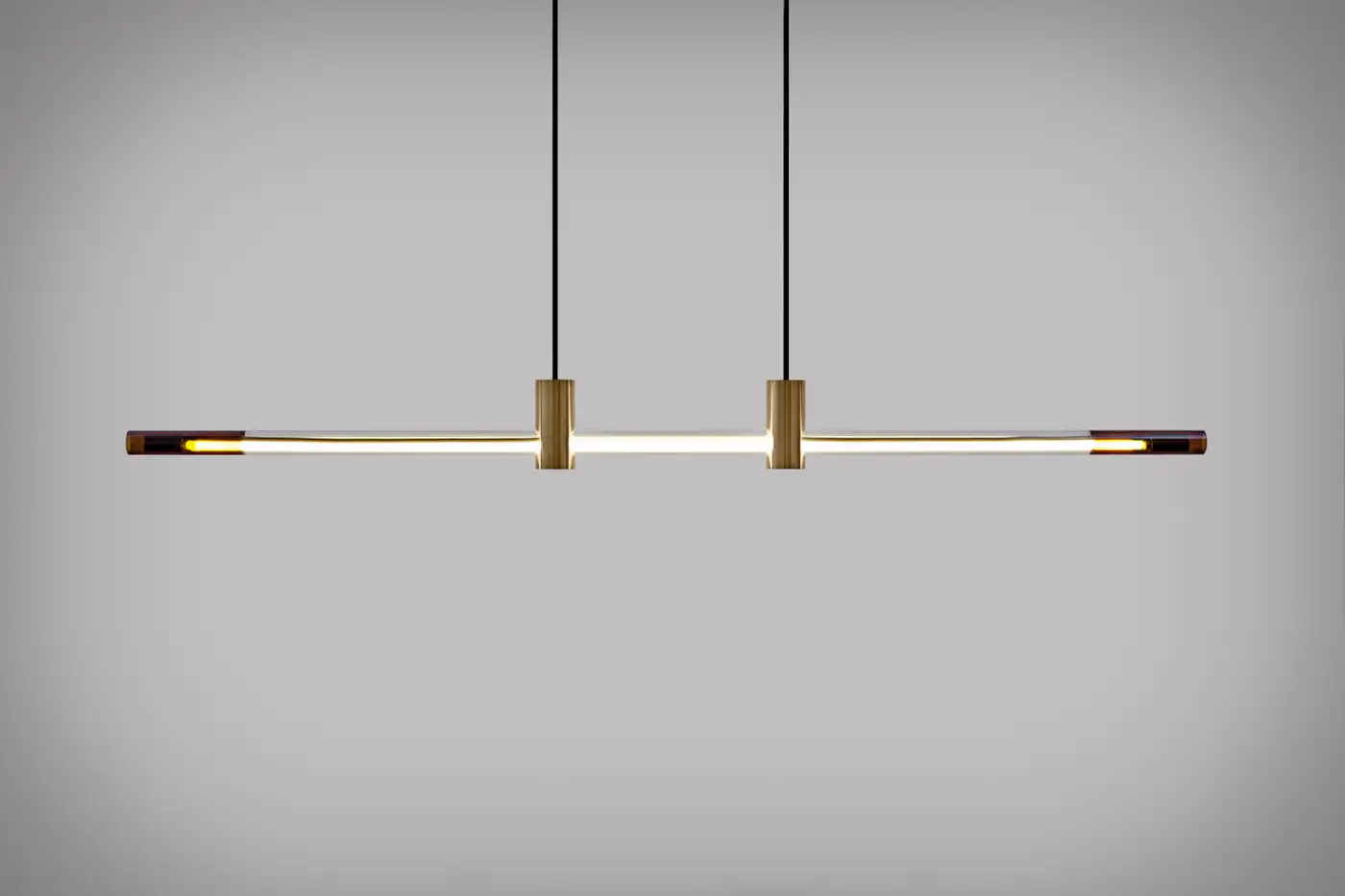
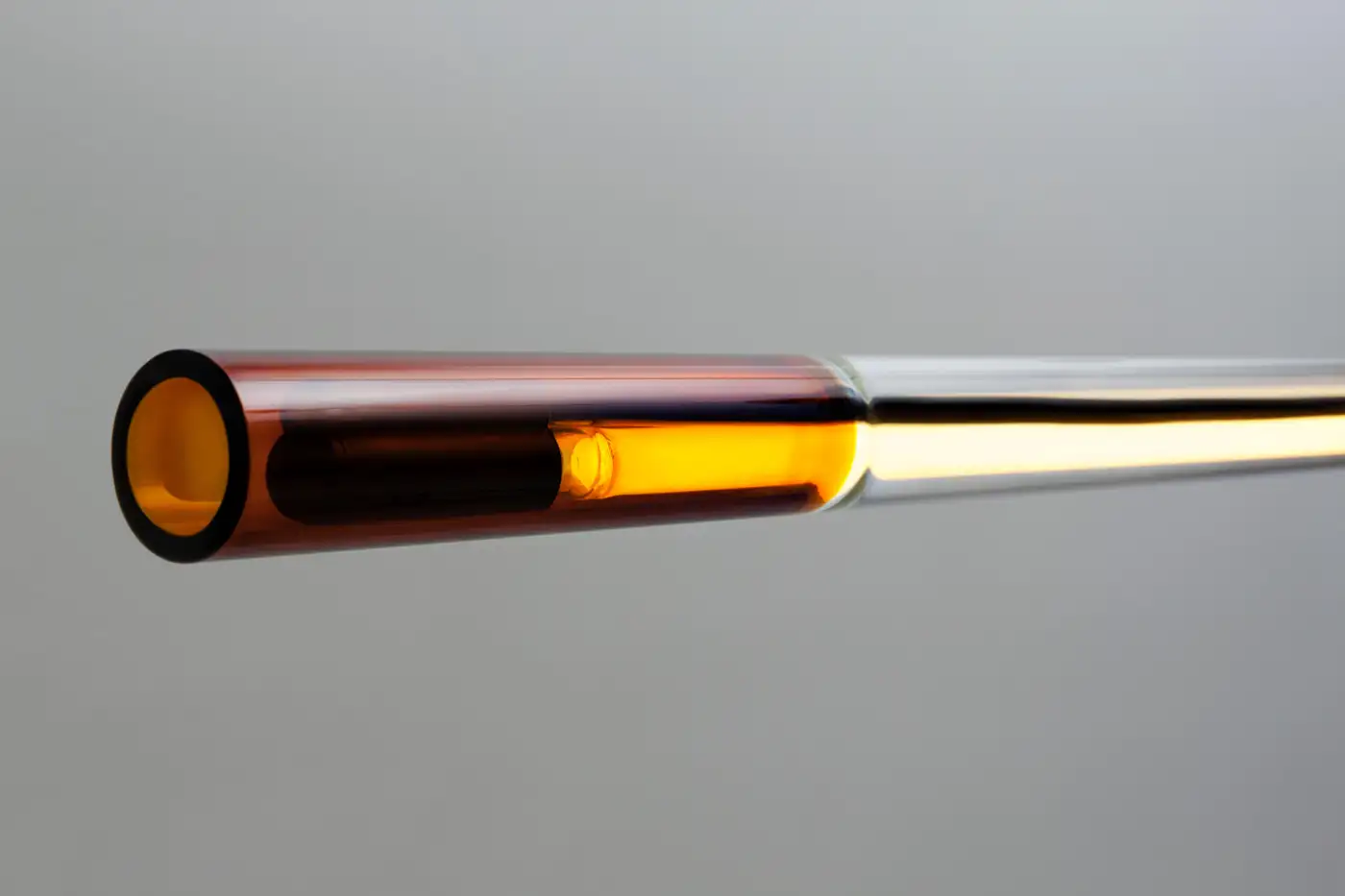
Through the lamp models created for d’Armes, I learned the arts of enameling, bending neon, and glass and metal treatments. When the medium is assimilated and integrated into the design, I want to make sure that the form and the ambiance of the object emanate a feeling.
My influences can be summed up as curiosity, instinct, love, the desire to know, and the need not to repeat.
Could you describe a typical day of your work?
No two workdays are alike. No repetition. No typical day.
Why did you choose the specific materials you work with?
Raw materials, as little paint, varnish, coatings, and plastics as possible. I need to feel the initial material, without artifice, eliminating all superfluous details. The Chromatic finish was chosen mainly to work with light in a distinctive way.
What are the technical particularities of your creations?
To be working with different artisans. Collaborating in co-design. Having fun exploring limits. It allows us to test the limits of materials, from size to the limits of technique. For example, the length of neon or glass tubing. I’m fascinated by the apparent but not technical simplicity. To eliminate all the unnecessary details and just keep the essentials.
What advice could you give to beginning artists who would like to create sculptural design works?
Focus on one idea and a concept and push it to the limit before mixing everything up. Work and rework it until the feeling of completion arrives. Don’t try to combine too many things. Don’t forget the opposite of your ideas. Don’t set aside opposition.
For example, if you’re working on a big, raw design, don’t forget to explore its opposite, the fine and delicate. Contradict yourself.
If your works had to belong to a design movement, how would you define it?
Timelessness. Not attaching a time or place. Saying I’m attached to a movement goes against the point.
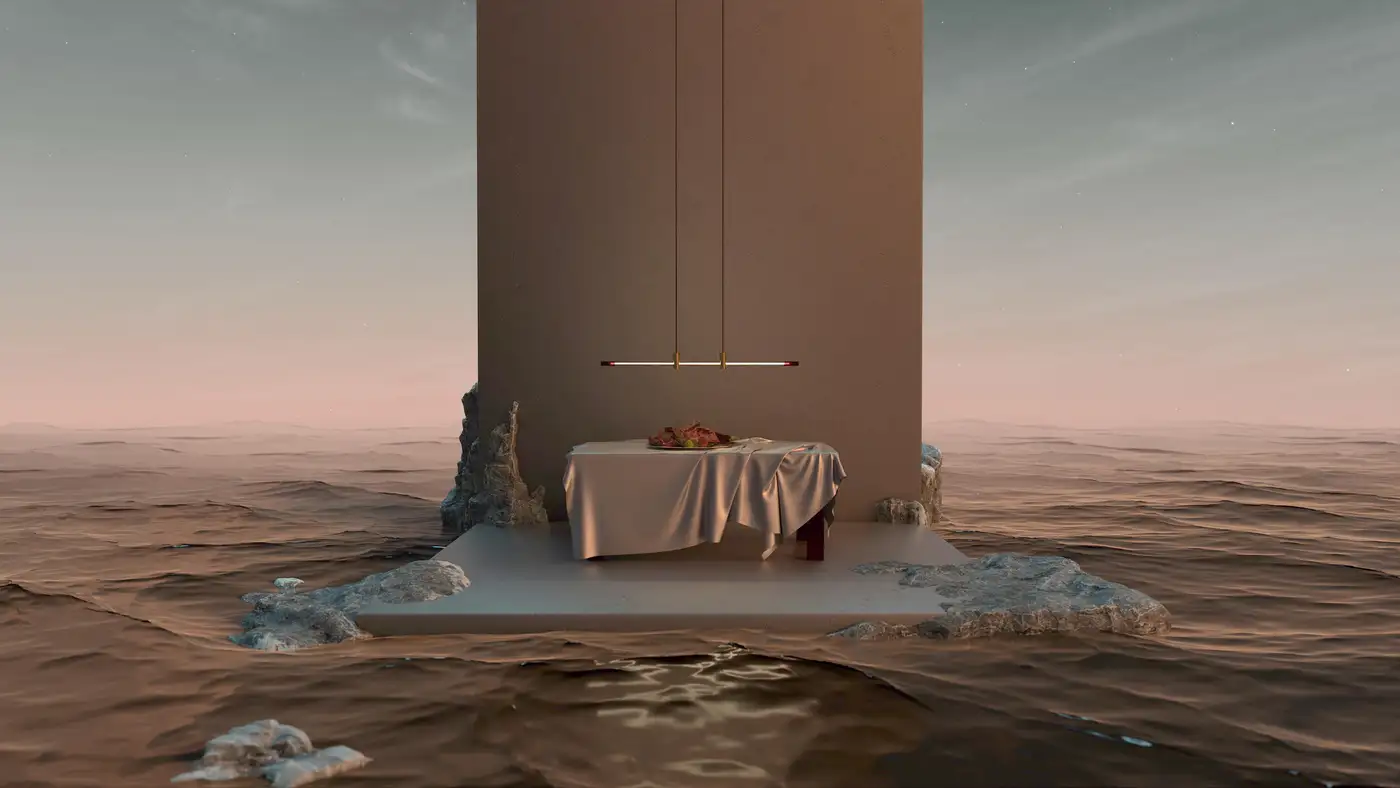
But if I really had to name anything, I’d say that in Montreal, we’re very attached to Expo 67 and the Space Age and the Cavernes de Vilains in the movies. The 60s, luxury.
What designers and artists have influenced you?
Max Lamb, from the Soft Baroque.
What contemporary designers do you appreciate?
Mathieu Lehanneur.
What contemporary artists, in any kind of art, have you been inspired by?
Tala Madani and Brecht Wright Gander.
If you had to summarize your creations in one word or sentence, what would it be?
Presence. Human scale.
Is there anything you would like to add?
Creation is a team effort. As head designer, you hold the creative thread together so that it stays as faithful as possible.
“Focus on one idea and a concept and push it to the limit before mixing everything up.”
The Questionnaire
The Questions
(The Proust Questionnaire is a set of questions answered by the French writer Marcel Proust.
Other historical figures who have answered confession albums are Oscar Wilde,
Karl Marx, Arthur Conan Doyle, Stéphane Mallarmé, Paul Cézanne…)
What is your idea of perfect happiness?
Calm
What is your greatest fear?
The Void, the emptiness
What is the trait you most deplore in yourself?
Defeatism
What is the trait you most deplore in others?
Lack of perseverance
Which living person do you most admire?
My son
What is your greatest extravagance?
To live in the countryside, in the forest
What is your current state of mind?
Worried
What do you consider the most overrated virtue?
Beauty
What is the quality you most like in a man?
Kindness
What is the quality you most like in a woman?
Kindness
Which words or phrases do you most overuse?
It’s the end of the world
Which talent would you most like to have?
To read
If you could change one thing about yourself, what would it be?
To be less anxious, to have more hair
What do you consider your greatest achievement?
My family
If you were to die and come back as a person or a thing, what would it be?
A tree
Where would you most like to live?
Where there is no Winter and where I would feel comfortable. I often see new places and want to move there
What is your most treasured possession?
My vinyl collection and my sound system
What do you regard as the lowest depth of misery?
To no longer consider the other
What is your favorite occupation?
To create
What is your most marked characteristic?
Gatherer
What do you most value in your friends?
Open-mindedness, curiosity and intelligence
Who are your favorite writers?
Christiane Taubira (former French Minister of Justice) Bertrand Belin, Jenny Holden
Who is your hero of fiction?
Leeloo
Which historical figure do you most identify with?
–
Who are your heroes in real life?
My husband and my friends
What are your favorite names?
Janvier
What is it that you most dislike?
F-250, Pick-up trucks, Guns
What is your greatest regret?
Not having moved to another country to test life there
How would you like to die?
At peace
What is your motto?
L’amour
“Don’t forget the opposite of your ideas.”
SHARE :