
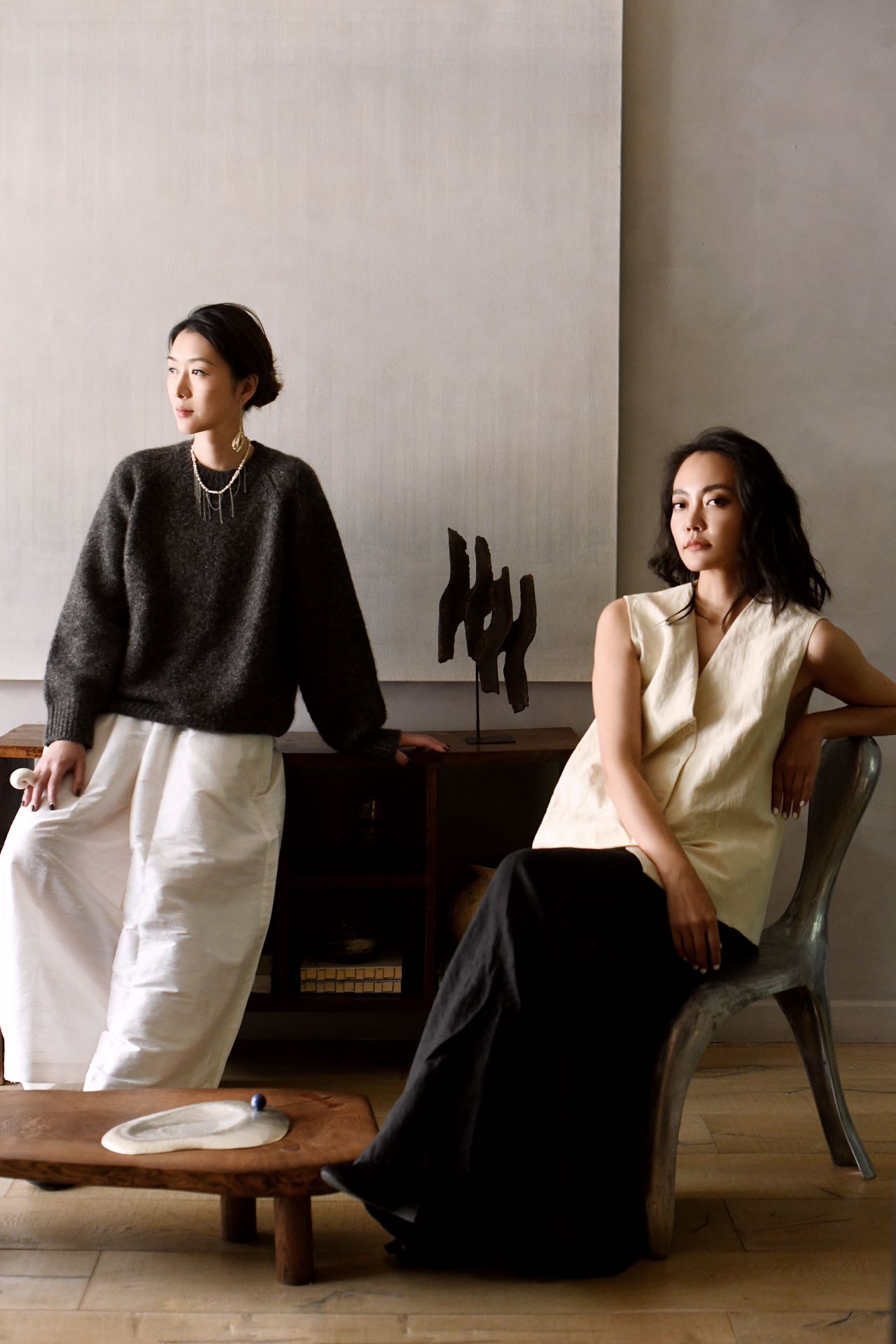
Studio ŪMA
Studio ŪMA, founded by Michelle Song and Amber Pan, draws deeply from Eastern philosophy and the aesthetics of imperfect beauty. Their work embraces time’s subtle marks oxidised metals, weathered wood, softened edges as signs of life rather than decay.
Each element is quiet but intentional, layered with contrast: stillness and movement, weight and air, the seen and the suggested. Whether it be through the convergence of different textures, or the artful juxtaposition of mid-century furniture, entwined tree vine, and tribal utensils sourced from around the globe, their designs embody a harmonious fusion of elements coming from various cultures and origins.
Their services include architectural planning, listed building consent consultancy, planning application consultancy, remodeling, interior architecture design, and art advisory.
1. Could you tell us how your journey into interior design started?
Our journey into interior design began with a fascination for spatial storytelling. Before founding Studio ŪMA, our paths had intersected through architecture, visual arts, and film studies. Interior design emerged as a natural extension of those worlds—a way to translate abstract ideas into tangible environments that people live, breathe, and feel. It was never just about creating “beautiful” spaces—it was about crafting experiences, memory, and emotion within form.
The true beginning of Studio ŪMA, however, was much more personal. It started with Amber’s own home. At the time, she wasn’t trying to launch a studio—she was simply searching for a space that could hold her, ground her, and reflect a quieter rhythm of living. Every detail, from the hand-textured walls to the raw linen drapery, was chosen with care and intention.
That home became a kind of manifesto—an intimate expression of how space can be both poetic and practical, serene yet alive. When friends and visitors responded so deeply to the atmosphere, we realized there was a quiet hunger for this kind of work. From that moment, Studio ŪMA was born—not as a business plan, but as a response to something deeply felt.
2. Do you think there has been a defining moment in your career?
There was a pivotal project early on—a private residence in Lisbon—where we were given complete creative trust by the client. That freedom allowed us to truly experiment with materiality and spatial rhythm. It was the first time we saw how conceptual integrity and intuition could coexist—and it solidified the ethos of Studio ŪMA.
3. What do you think is the key to a successful interior design? And in your business in general?
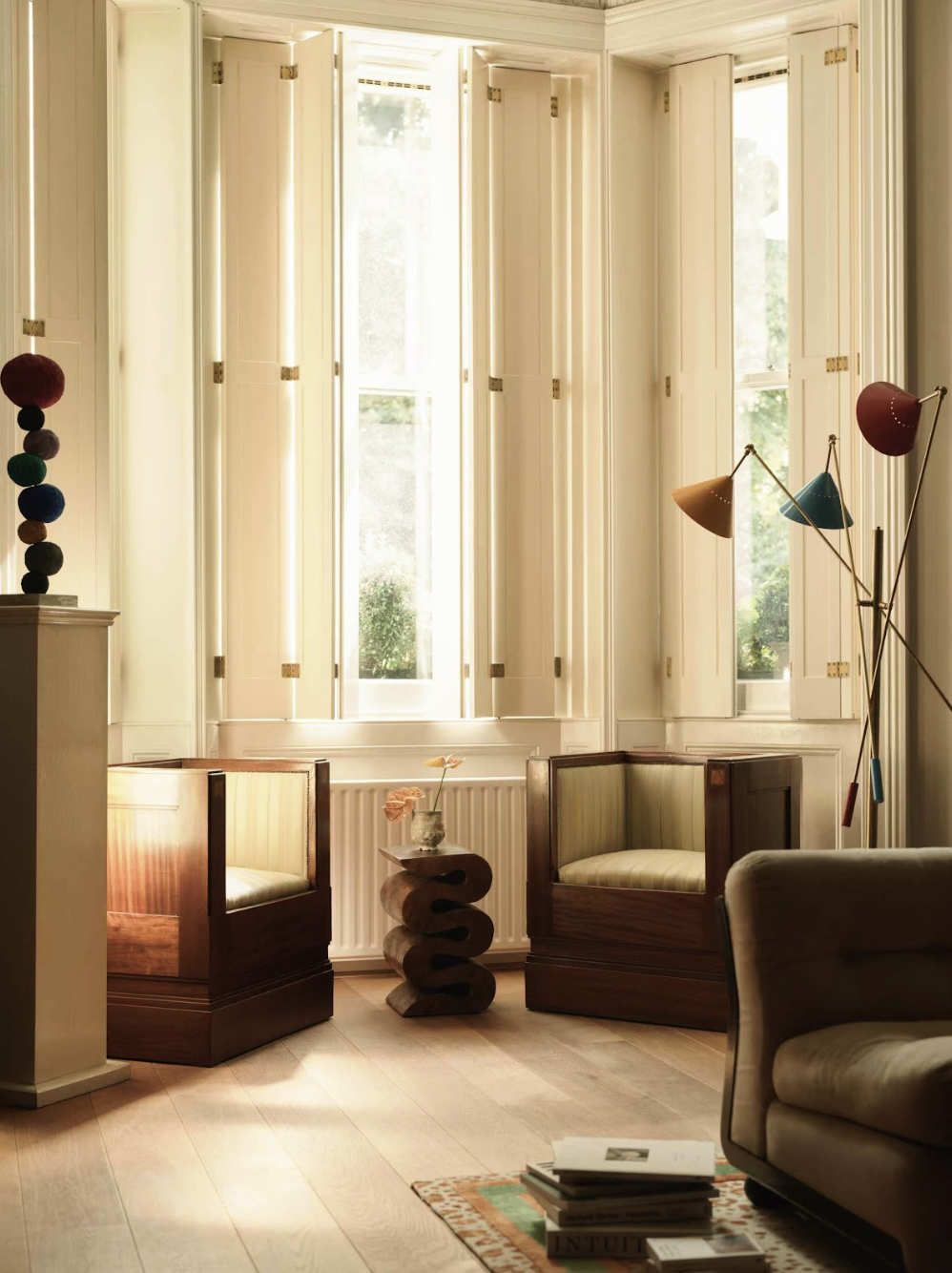
Intentionality. Whether it’s the placement of a sculptural chair or the way morning light interacts with textured plaster, every element should be considered. In our practice, success is not defined by trend or recognition, but by whether a space feels grounded, personal, and quietly poetic. On the business side, it’s all about clarity in communication and deep collaboration—with clients, artisans, and the materials themselves.
4. How do you start your interior design projects? Do you usually start with a certain element of design or a keyword? And how do they develop?
Each project begins with a question: What is the essence of this space? We listen—to the client, the site, and the light. Sometimes, a project begins with a single word: silence, weight, memory. Other times, it starts with a material—stone, linen, charred wood. From there, we build a narrative arc, shaping mood boards, testing scale, and slowly crafting the emotional architecture.
5. How would you define your signature style? Do you have “a mantra” that encapsulates your taste in design?
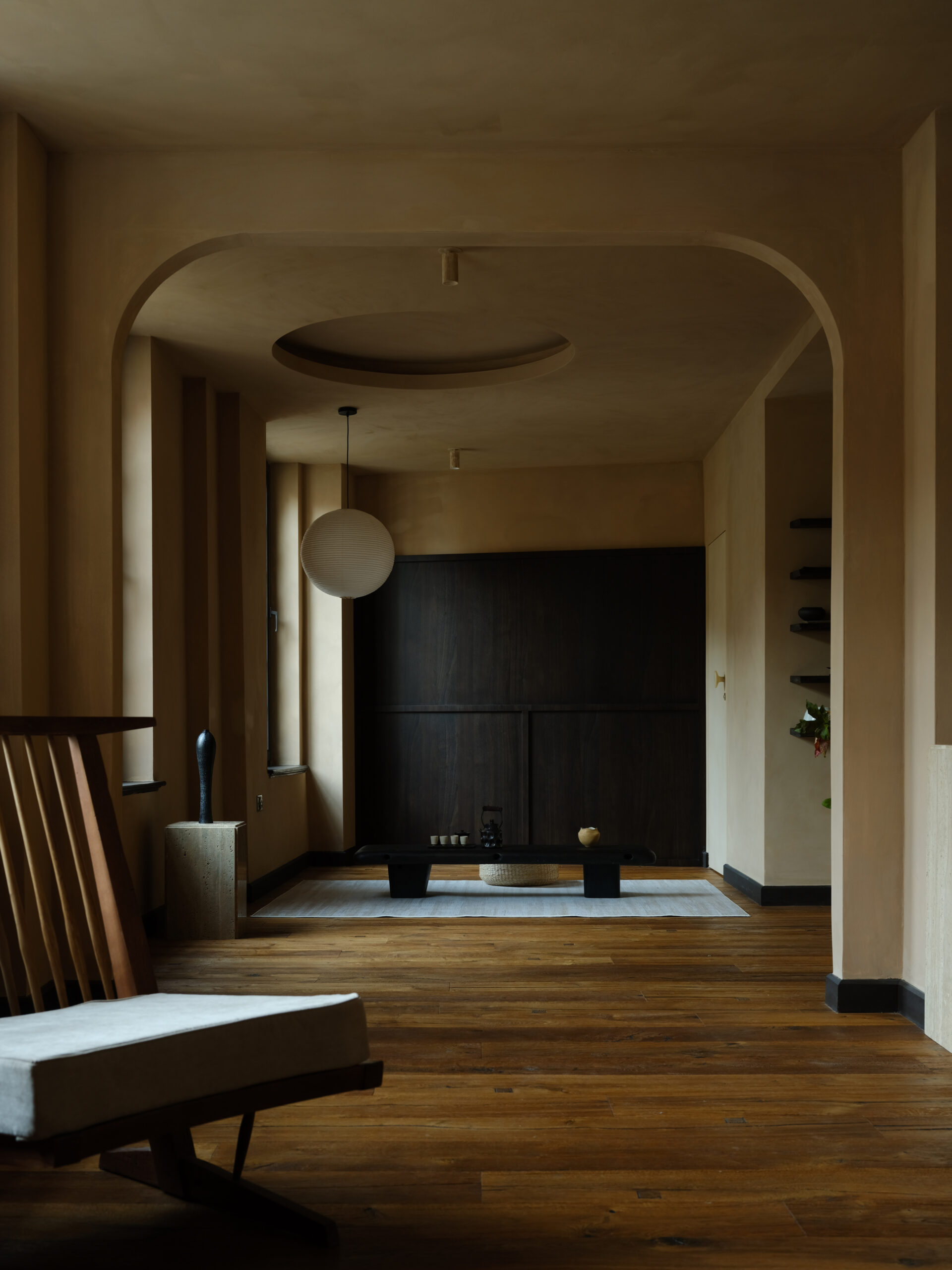
We often describe our aesthetic as monastic sensuality—a quiet tension between restraint and richness. It’s minimal, but not cold; warm, but never ornamental. We’re drawn to spaces that feel pared back, yet deeply human—where texture, light, and silence hold as much weight as form.
If there is a mantra that encapsulates our approach, it’s: “Quiet is not empty.”
We believe in creating interiors that breathe—spaces that invite stillness, presence, and pause. Our work is not about adding more, but about uncovering what’s essential and letting it speak with quiet confidence.
6. What are your 3 favorite pieces from the Philia Collection?
Alchemy Stool by Rick Owens – There’s something so primal and sculptural about it; it feels like a relic from another era.
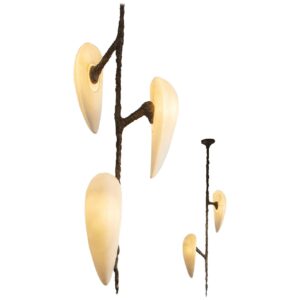
Set of 2 Cast Bronze Chandeliers by William Guillon — These chandeliers embody a quiet strength and craftsmanship that feels both ancient and modern. The subtle patina and refined form create a warm, contemplative glow—perfect for spaces that invite stillness.
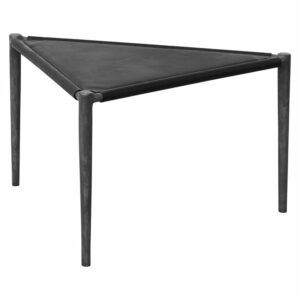
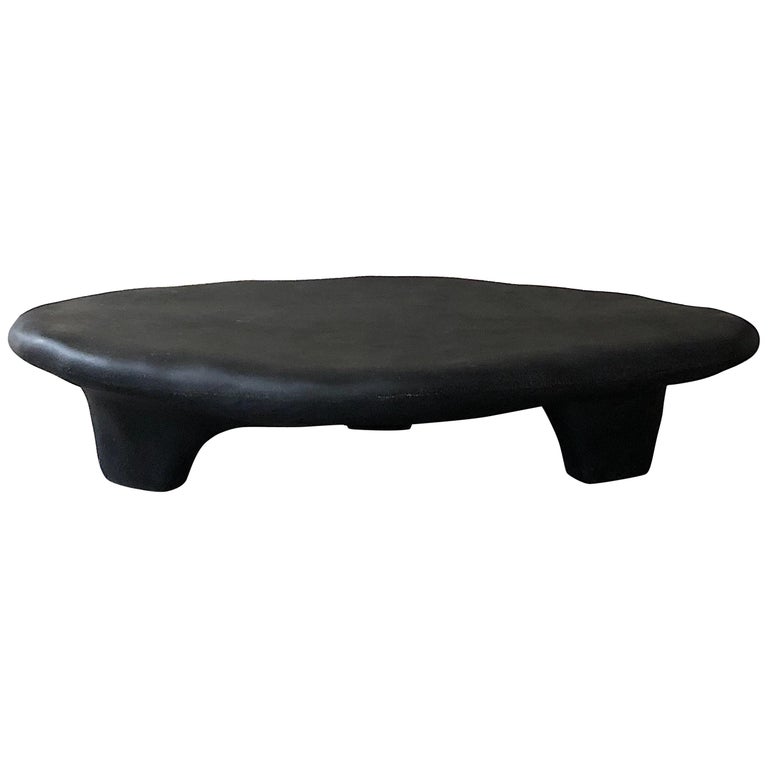
Tripod Coffee Table by Kar — Our third furniture choice is Kar. Inspired by hand-molded clay forms, its pieces feature flowing, organic, and irregular lines that embody a sculptural and artistic sensibility. Crafted through meticulous layering and sanding of fiberglass, each work achieves a structure that is both solid and lightweight, with a jade-like surface that feels simultaneously contemporary and warm. Kar’s designs are quietly expressive, materially experimental, and rich in symbolic meaning. Its emotional resonance and philosophical depth echo the ethos of the ŪMA brand, making it particularly suited to spaces that seek to convey a sense of feeling and embrace organic formal language.


7. Could you tell us about one of the favorite projects that you worked on?
One of our most meaningful recent projects was the adidas House in Shanghai. It was a unique opportunity to explore identity—not just of a brand, but of a city in constant transformation. We started the mood board not with product or palette, but with Shikumen, the traditional stone-gated architecture that defines much of Shanghai’s historic texture.
From there, we layered in references from street culture, youth expression, and the cinematic geometry of Art Deco, which still echoes through the city’s bones. The challenge—and the joy—was in weaving together these contrasting languages: heritage and futurism, softness and edge, local context and global voice.
What made the project truly special was the trust we were given to approach it as a narrative, not a concept deck. It became a space that feels rooted yet current, expressive yet intimate. A physical manifestation of cultural layering—something we care deeply about at Studio ŪMA.
8. If you could pick one interior design tip that is important to you, what would it be?
Tip: Let materiality lead.
Instead of beginning with objects or color, start with how materials feel under hand or how they age over time. Choose natural, tactile surfaces that evolve—linen, limewash, oak, stone.
9. What was the best advice you have received in your path?
“Let the space breathe.” It was something shared with us during time spent in Hangzhou, where Amber is from—a city that once held the capital of the Song dynasty, and still carries the spirit of balance between nature, poetry, and architecture.
That advice stayed with us. It’s a reminder to leave space for life to unfold—to resist the urge to over-design, overfill, or over-control. Beauty often resides in what’s not there. In silence. In restraint. In the way a room holds light at a certain hour. We design with that
sensibility in mind: always leaving room for presence, imperfection, and change.
10. What would be your advice to beginner interior designers?
Don’t rush to develop a style. First, develop your eye. Visit buildings, read about art, observe shadow and silence. Learn to listen—deeply. The most compelling designers are not the trendiest, but the most attentive.
11. What was one of the hardest learned lessons in your journey?
Early on, we learned that not every client is the right client. When the creative vision is not aligned from the start, the process becomes a negotiation rather than a collaboration. We’ve learned to trust our intuition and protect the integrity of the work.
12. Are there any books/podcasts you would like to recommend to our readers?
Absolutely.
• Book: In Praise of Shadows by Jun’ichirō Tanizaki – A meditation on light, material, and imperfection.
13. Finally, what are your upcoming projects? Anything you’d like to share or add to the interview?
We’re currently working on a residential design project for a Los Angeles based gallery owner. We’re also developing a small line of objects that reflect the Studio ŪMA language—quiet, weighty, and timeless. More soon.

Thank you so much Michelle and Amber, for this lovely interview!