Julian Mayor
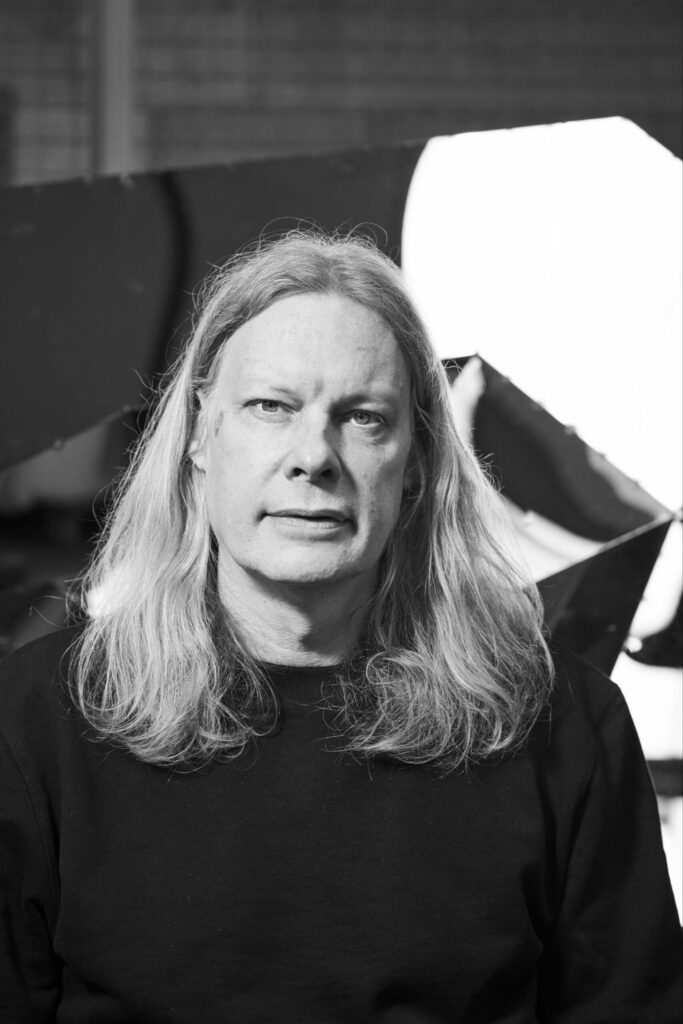
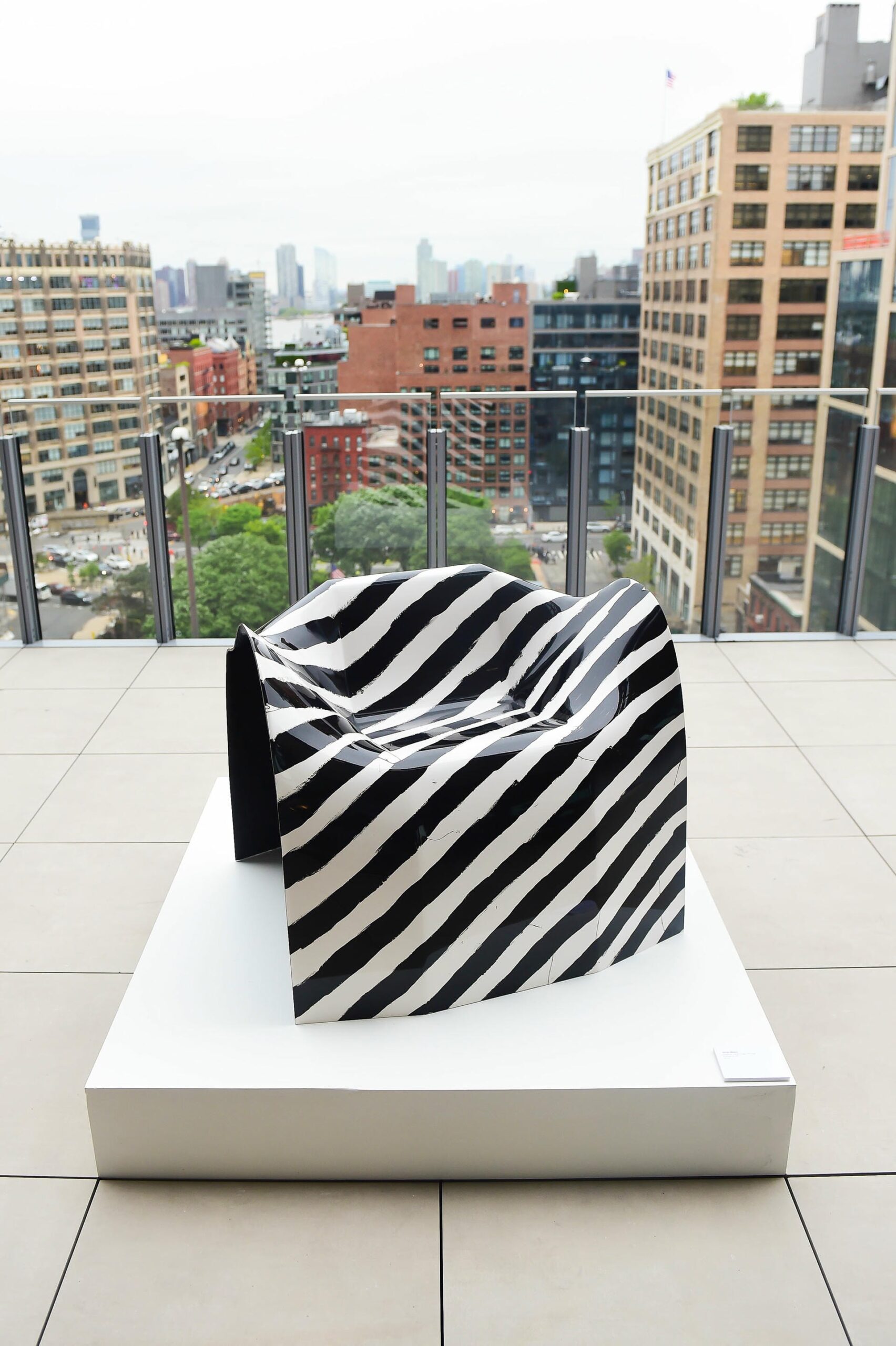
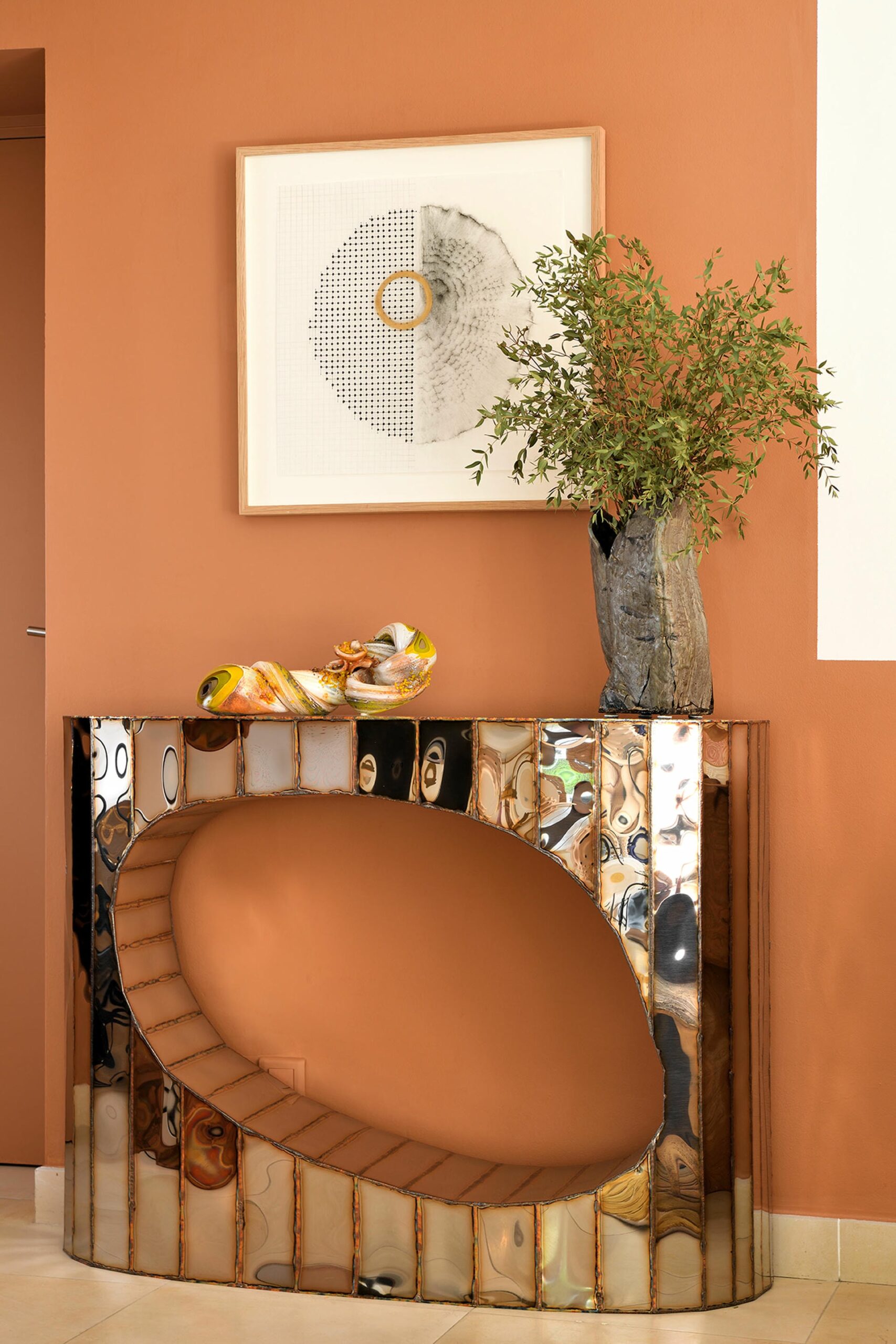
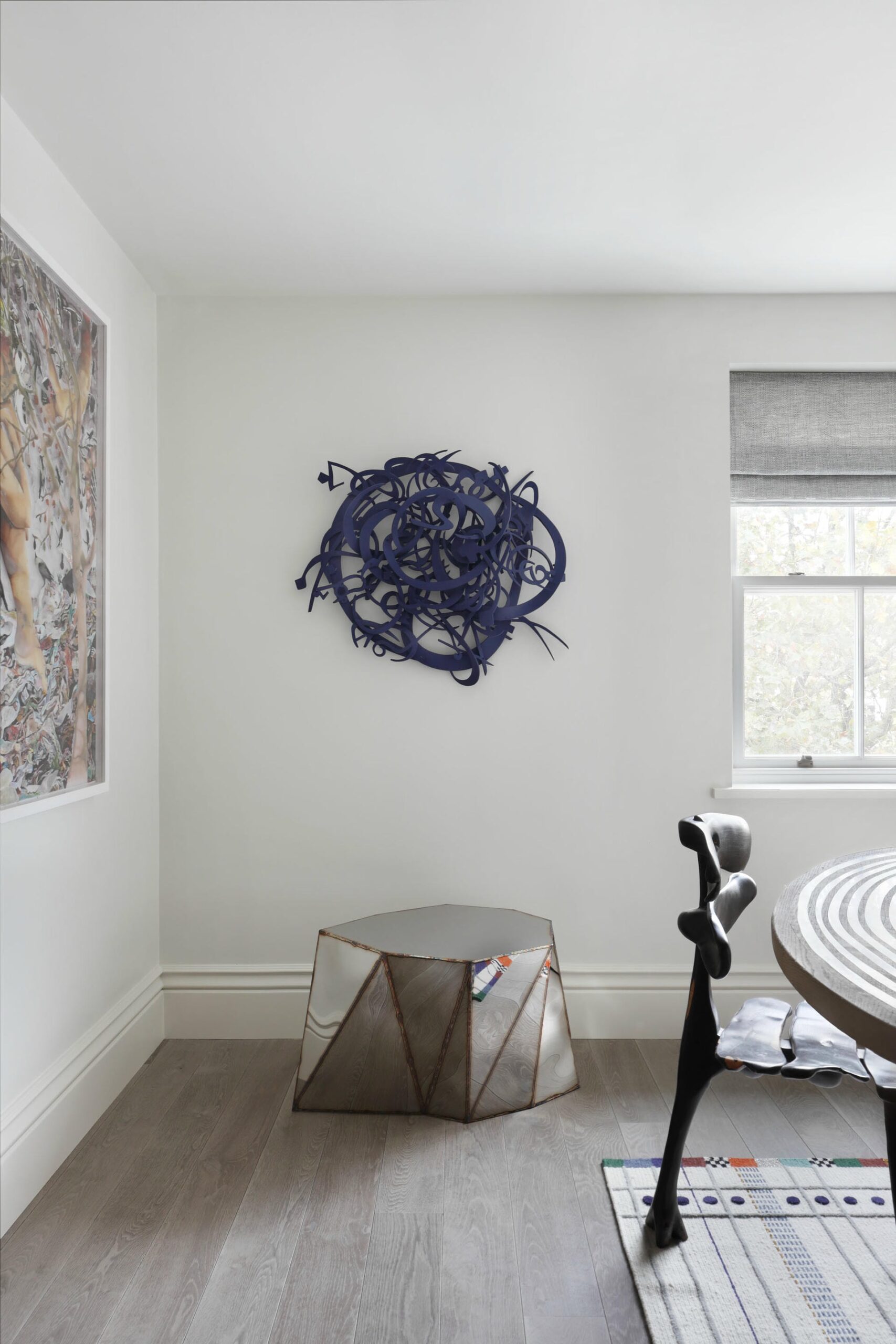
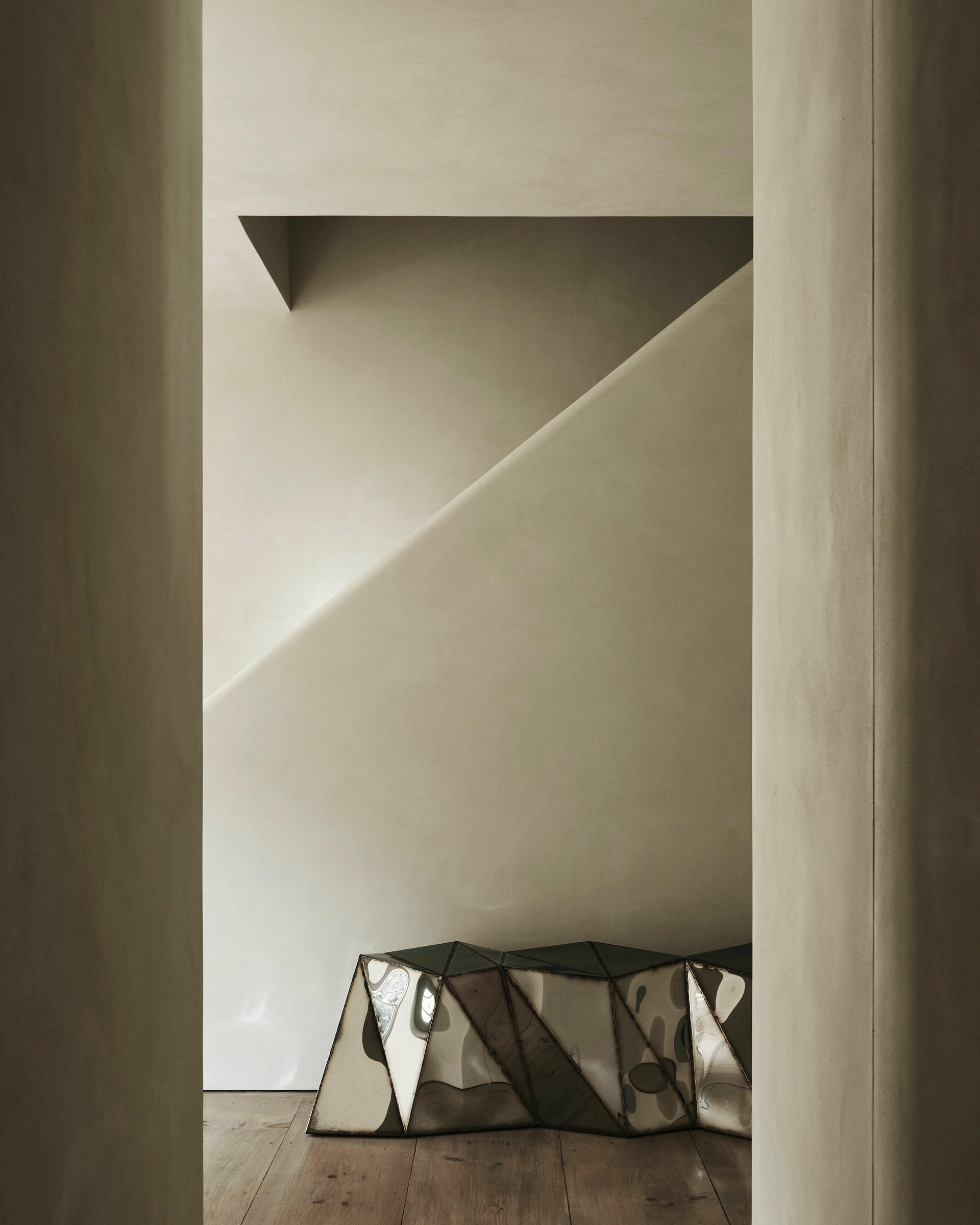
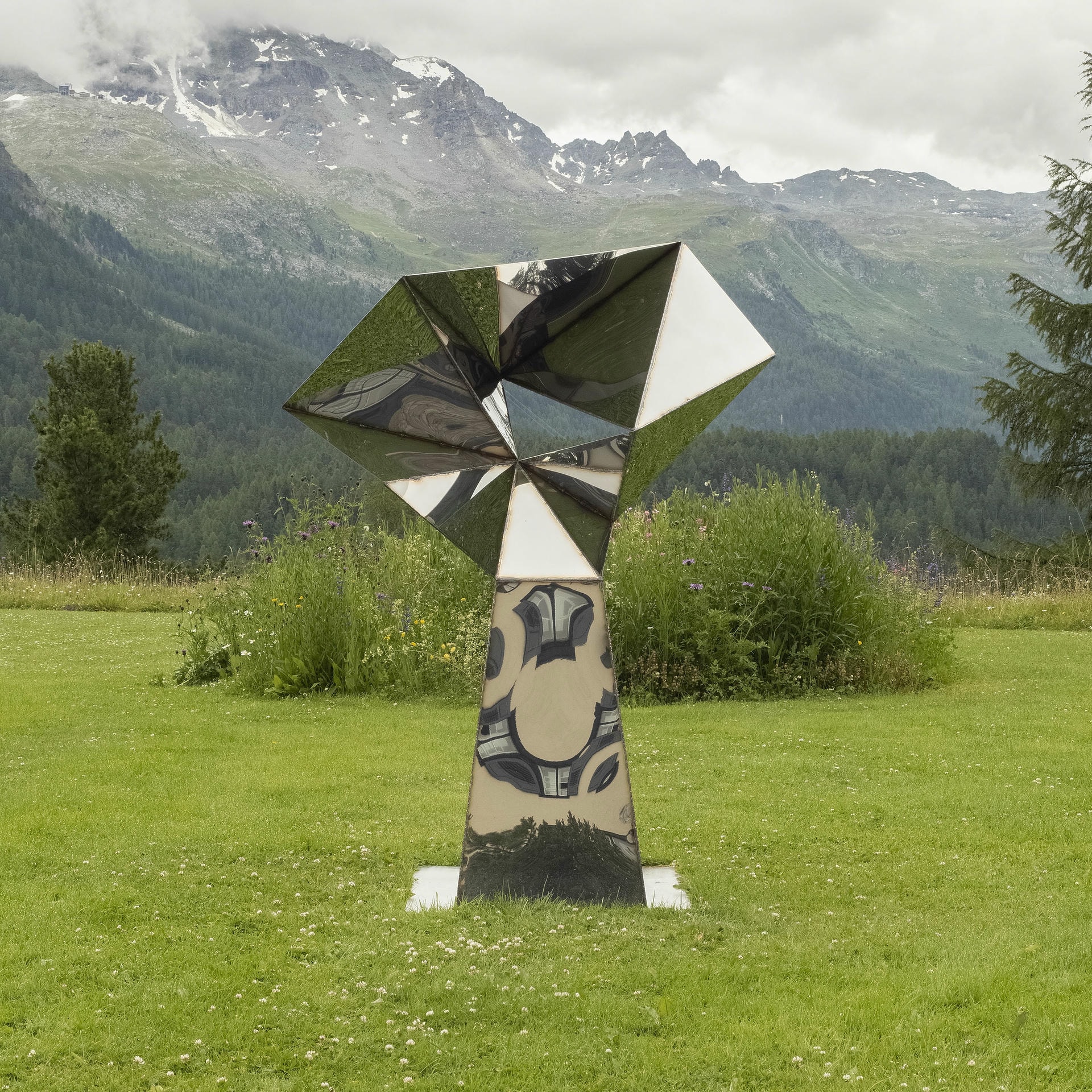
Julian Mayor is a British artist and designer whose work explores the relationship between digital technology, craftsmanship, and sculptural form. Working primarily with welded sheet metal, he develops pieces through a unique process that combines advanced computer modelling with meticulous hand fabrication. The resulting works balance precision and spontaneity, transforming industrial materials into fluid, light-filled forms that blur the boundaries between sculpture, furniture, and functional design.
Educated in Industrial Design at the University of Northumbria and later in Design Products at the Royal College of Art under Ron Arad, Mayor has developed a distinctive practice that merges technological innovation with a deep sensitivity to material and making. His works have been exhibited internationally in institutions including the Victoria and Albert Museum in London, the Museum of Arts and Design in New York, and MUDAC in Lausanne. Through objects, installations, and public commissions, he continues to investigate how digital processes can give rise to expressive and deeply human forms.
Interview
I was born in Doncaster, South Yorkshire, UK. I live and work between Doncaster and West London.
My dad’s dad worked as an estimator in a steel mill, but he was also a fairly serious painter. I spent quite a bit of time around him and his art as a kid.
I enjoyed art and design from a young age, and always hoped to be able to live by being a creator or artist of some kind. I’ve been making things since I was a teenager, originally with help from my dad (and mum), but then on my own.
I studied product design at Northumbria University and then designed products at the Royal College of Art, where I was greatly inspired by Ron Arad (course director at the time) and his group of lecturers, who encouraged us to get out into London and see the breadth of great art being produced and shown here. It began my interest in seeing as many shows as I am able to in the city and when I’m travelling.
The process of developing a new design or artwork sometimes begins with an inspiration, an artwork, or an artist, but just as often it comes from spending time in focused playing around in 3D modelling programs on the computer until something good starts to happen.
I generally spend 3 days of each week piecing works together with Chris, my assistant, and then welding them in my workshop in Doncaster. I spend the other 2 days of the week developing new work and replying to emails.
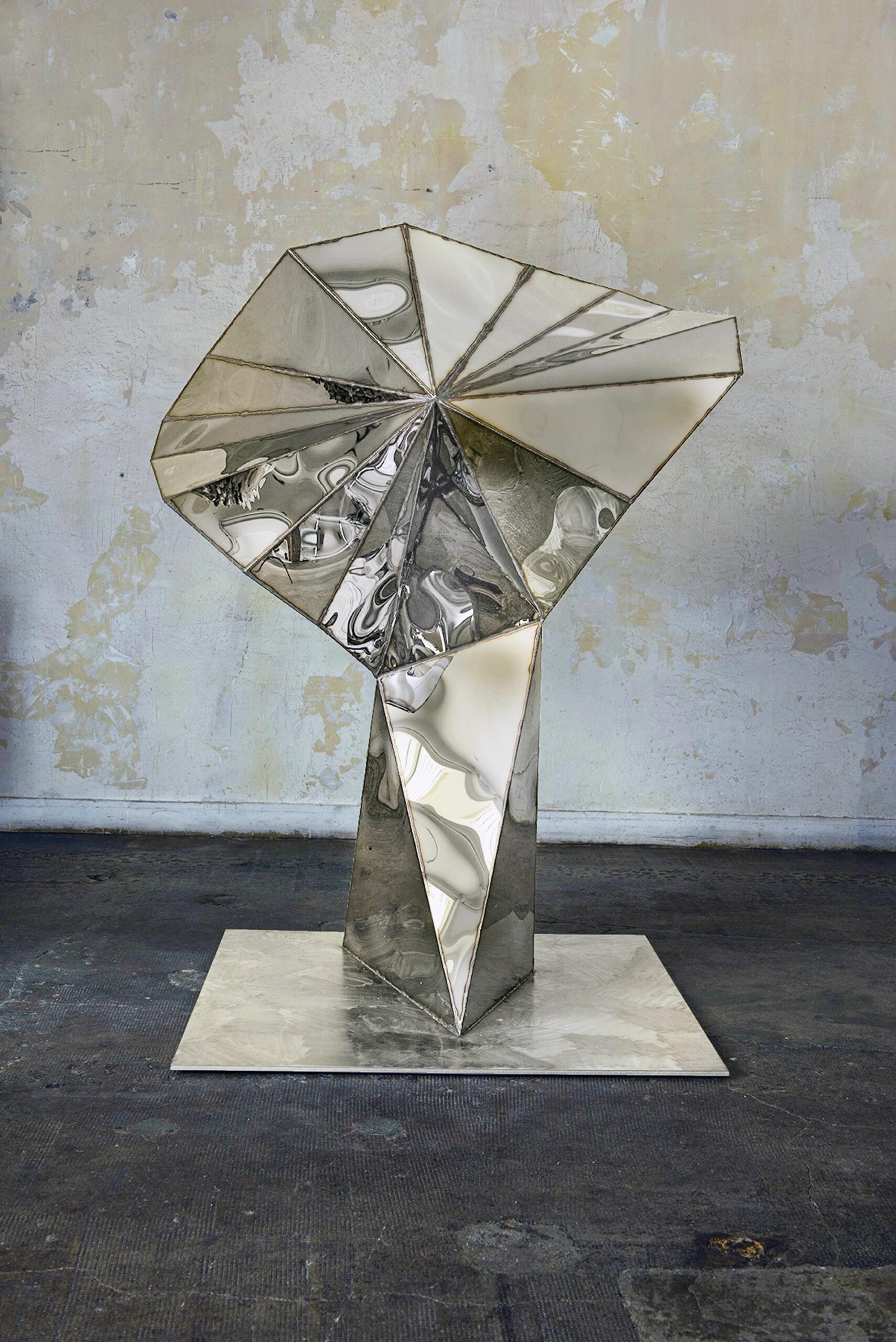
I started making things with wood, but I taught myself to weld metal around 20 years ago and liked the immediacy and feel of it. I have enjoyed making work with sheet metal in its many finishes and variations ever since.
I think one of the techniques that is particular to my work is the weld lines; leaving them unpolished allows them to tell the story of the process of making a work.
Have fun and enjoy it; it’s a privilege to work as an artist. But unless you’re independently wealthy, it’s also a job, and it’s important not to expect that every second will be a stroke of inspiration. Sometimes patience and perseverance are equally important.

© Studio Erick Saillet
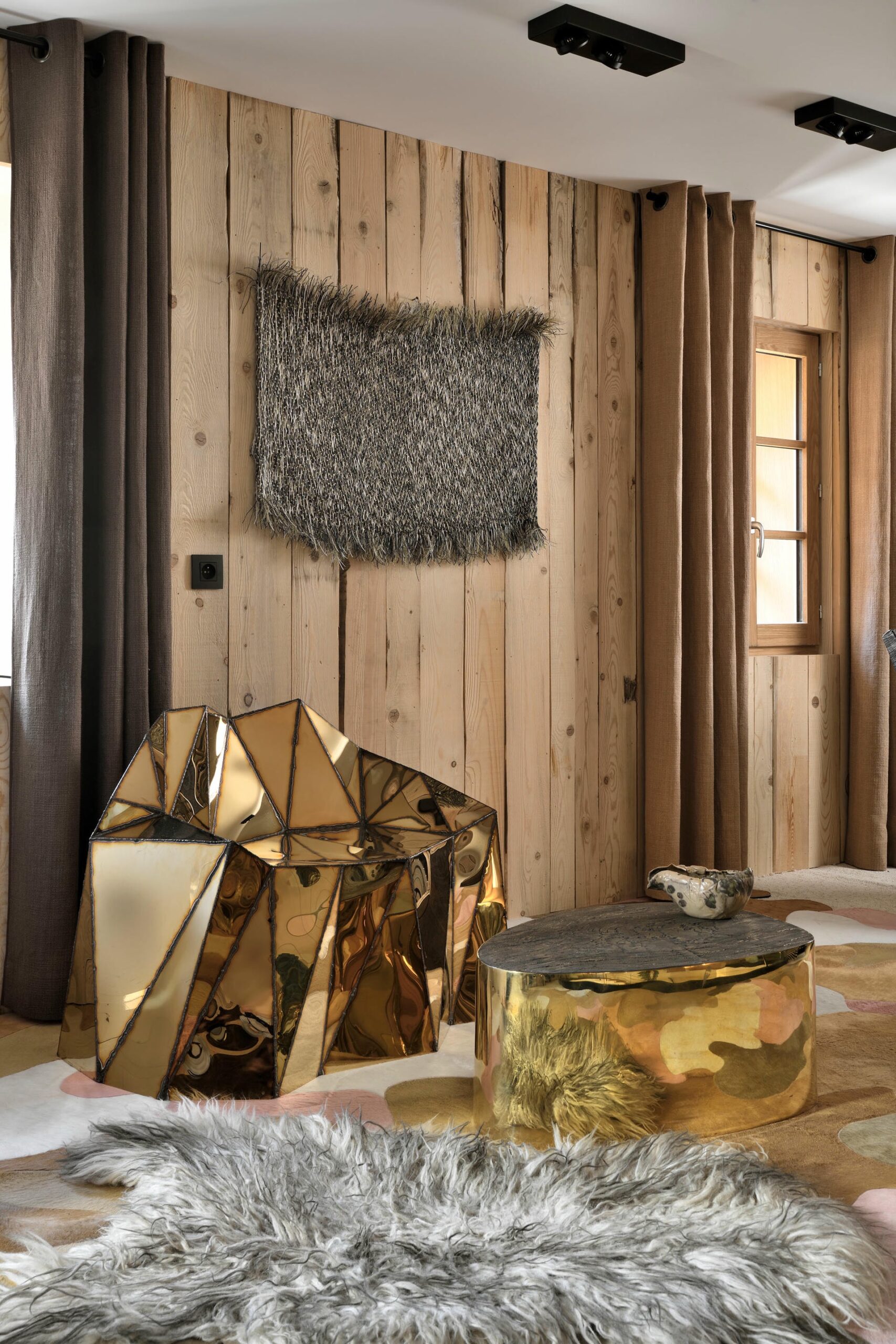
3D modelling meets process-driven making.
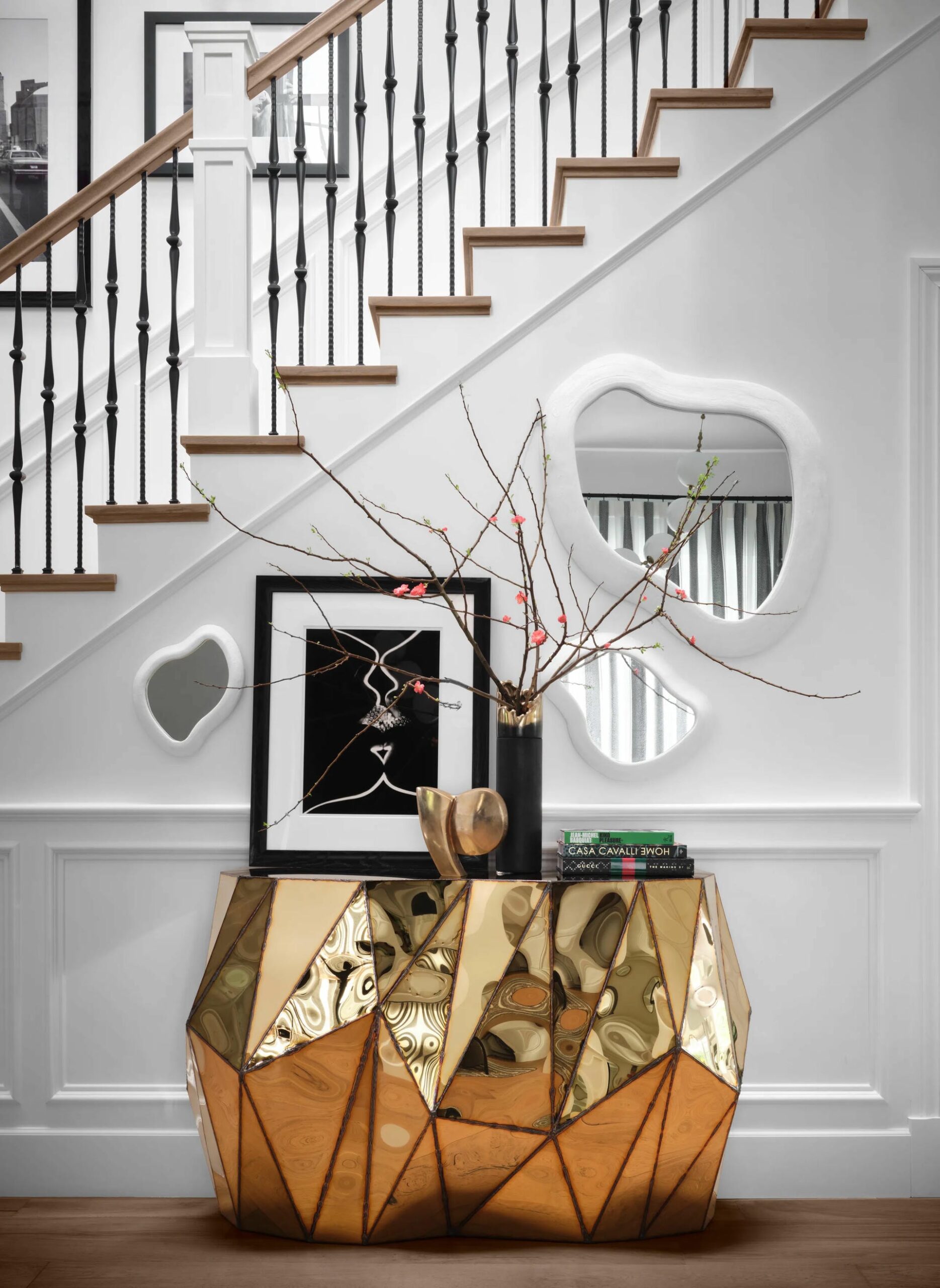
I don’t really make a distinction between designers and artists because I think there’s quite a bit of overlap. Lynn Chadwick, a mid-century British artist who was a pioneer of ‘additive’ (rather than cast) sculpture, Franz West, the Austrian artist who is well known for welded furniture and sculpture produced in the 1970’s and 80’s, and Lee Bontecou, another mid-century artist from the USA whose sculpture is made of fabric stretched over metal armatures. These three artists bring the story of the making process into the artwork itself, which I find inspiring.
Tom Sachs and his bricolage approach, Thomas Houseago, his sculpture is powerful and visceral, and his smaller works have an unexpected design sensibility.
My design thinking and life thinking have been influenced by Karl Ove Knausgaard, the Norwegian writer. He has spent time thinking about the way one can approach life as an artist in the present day.
Craft Punk.
“Leaving the weld lines unpolished allows them to tell the story of the process of making a work.”
The Questions
(The Proust Questionnaire is a set of questions answered by the French writer Marcel Proust.
Other historical figures who have answered confession albums are Oscar Wilde,
Karl Marx, Arthur Conan Doyle, Stéphane Mallarmé, Paul Cézanne…)
Going to the park with the kids.
People losing interest in my work.
Naïveté.
Selfishness.
My partner.
Living life as an artist (or at least trying to).
Thinking these are the good days.
Popularity.
Empathy.
Organisation.

© David Zagdoun

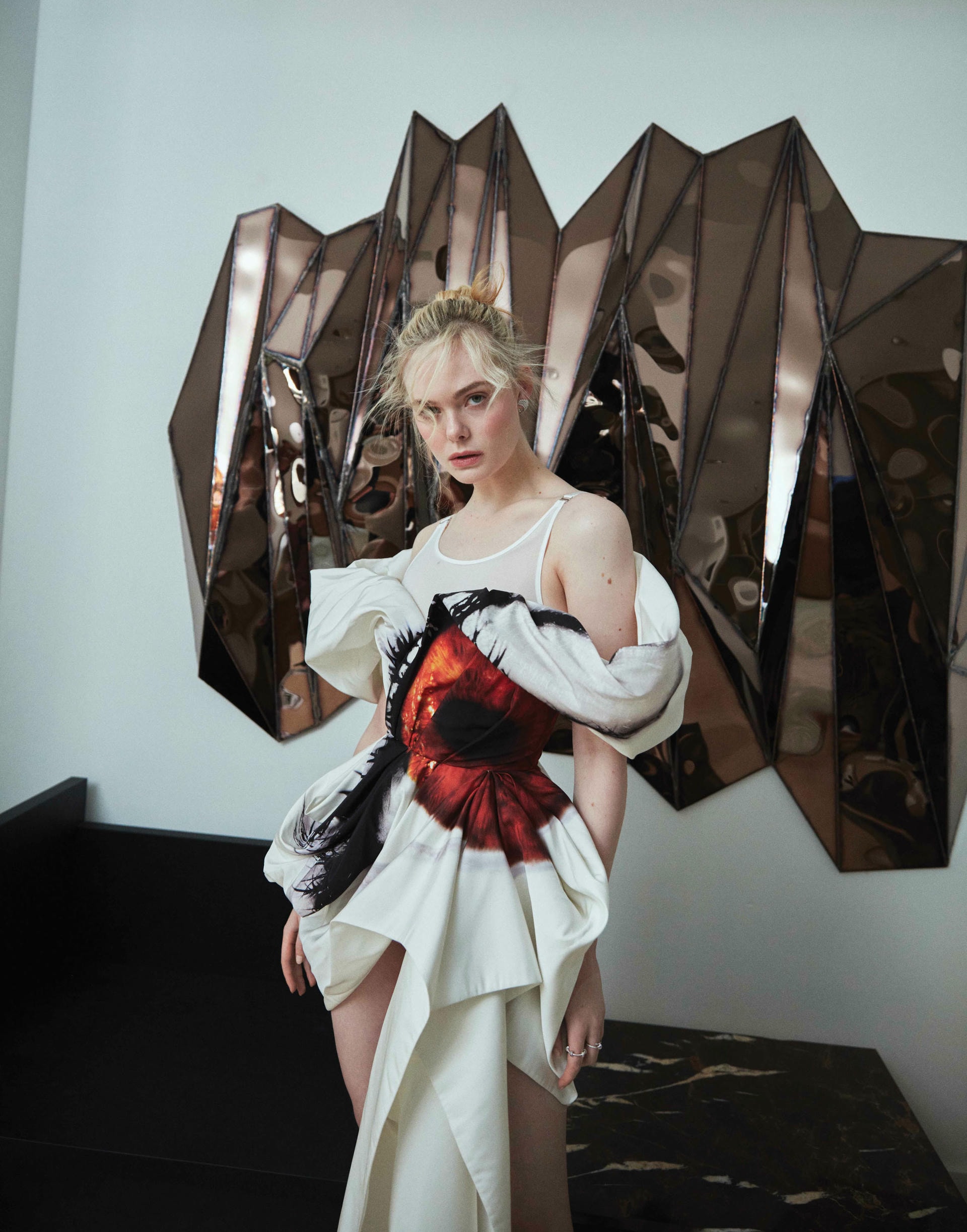
Elle Fanning for Flaunt Magazine, Issue 186, The Promenade Cover
You’re good boys-I say it to the kids way too much.
Perfect pitch.
I’d have confidence around strangers.
The relationship with my partner.
I’d like to be a bird, the act of flying would be amazing.
London.
My phone.
Starvation.
Welding, it’s meditative.
I would like to say originality, but you’d have to check with someone who knows me.
Stability.
Thomas Pynchon, Zadie Smith, Karl Ove Knausgaard.
Tyrone Slothrop in Gravity’s Rainbow.
–
The gallerists who represent my work.
Lucas, Elliot.
Duplicity.
I try not to live life with regrets.
Peacefully.
Life is unpredictable.
“Have fun and enjoy it; it’s a privilege to work as an artist.”
© Studio Erick Saillet 

SHARE :