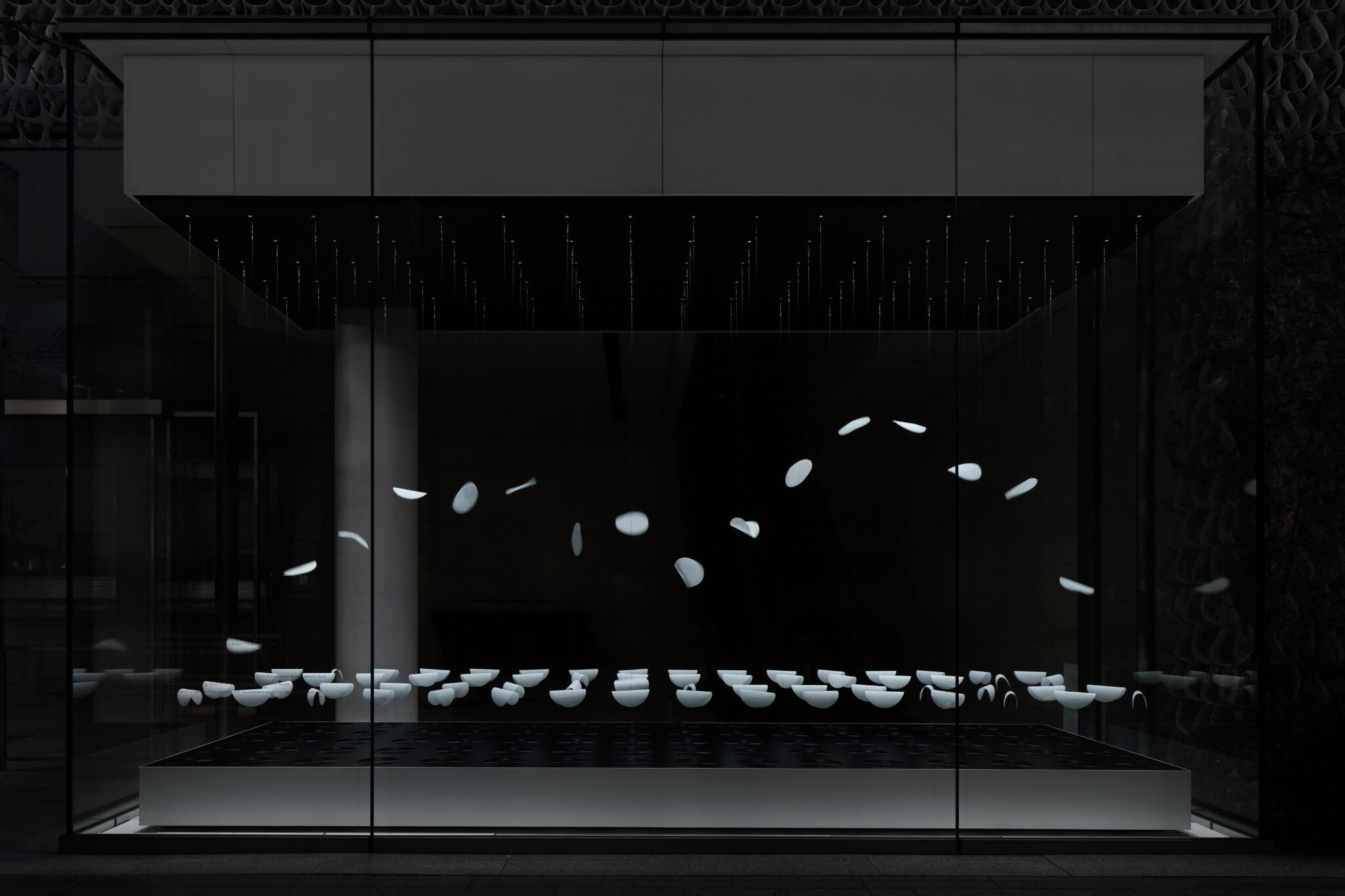
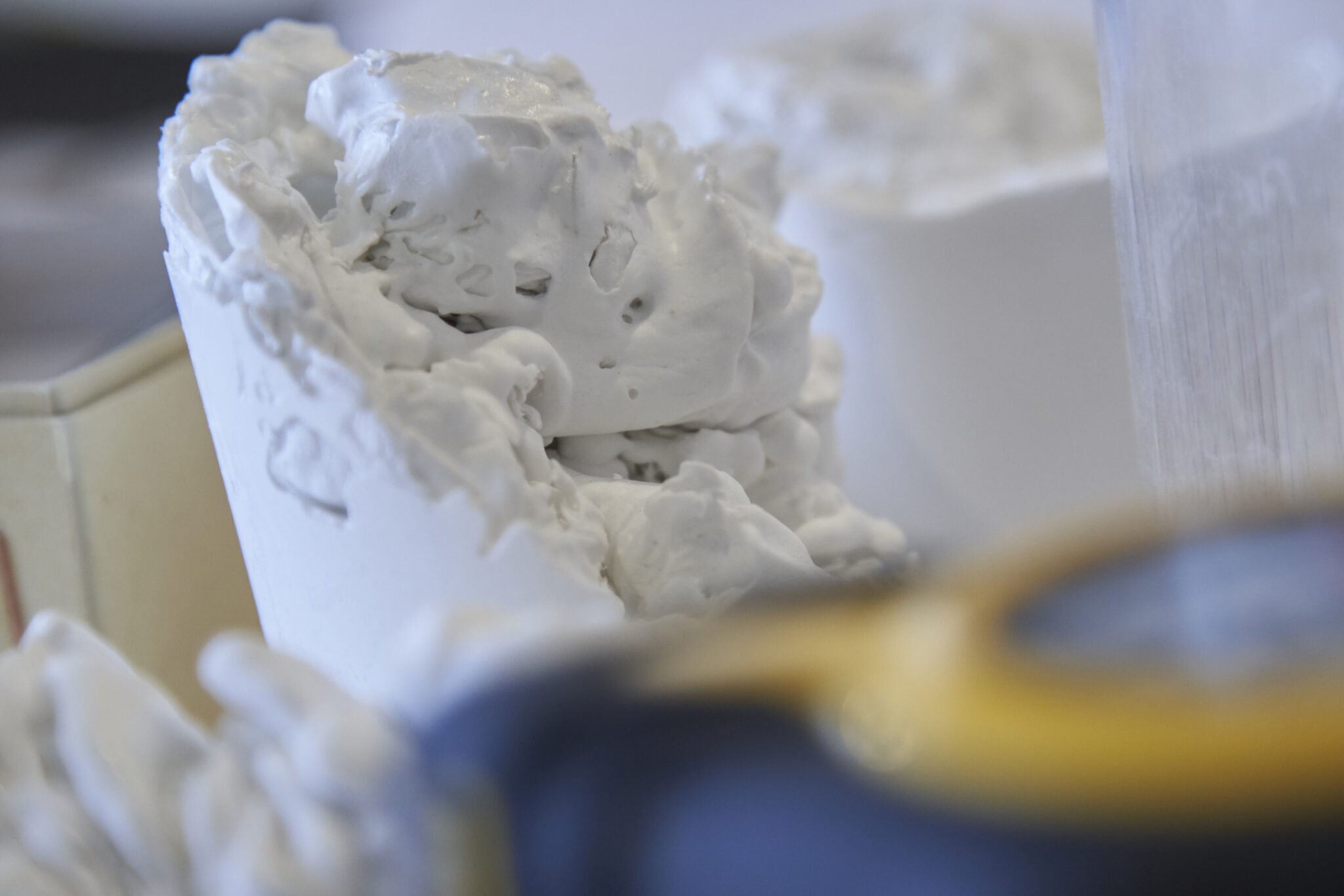
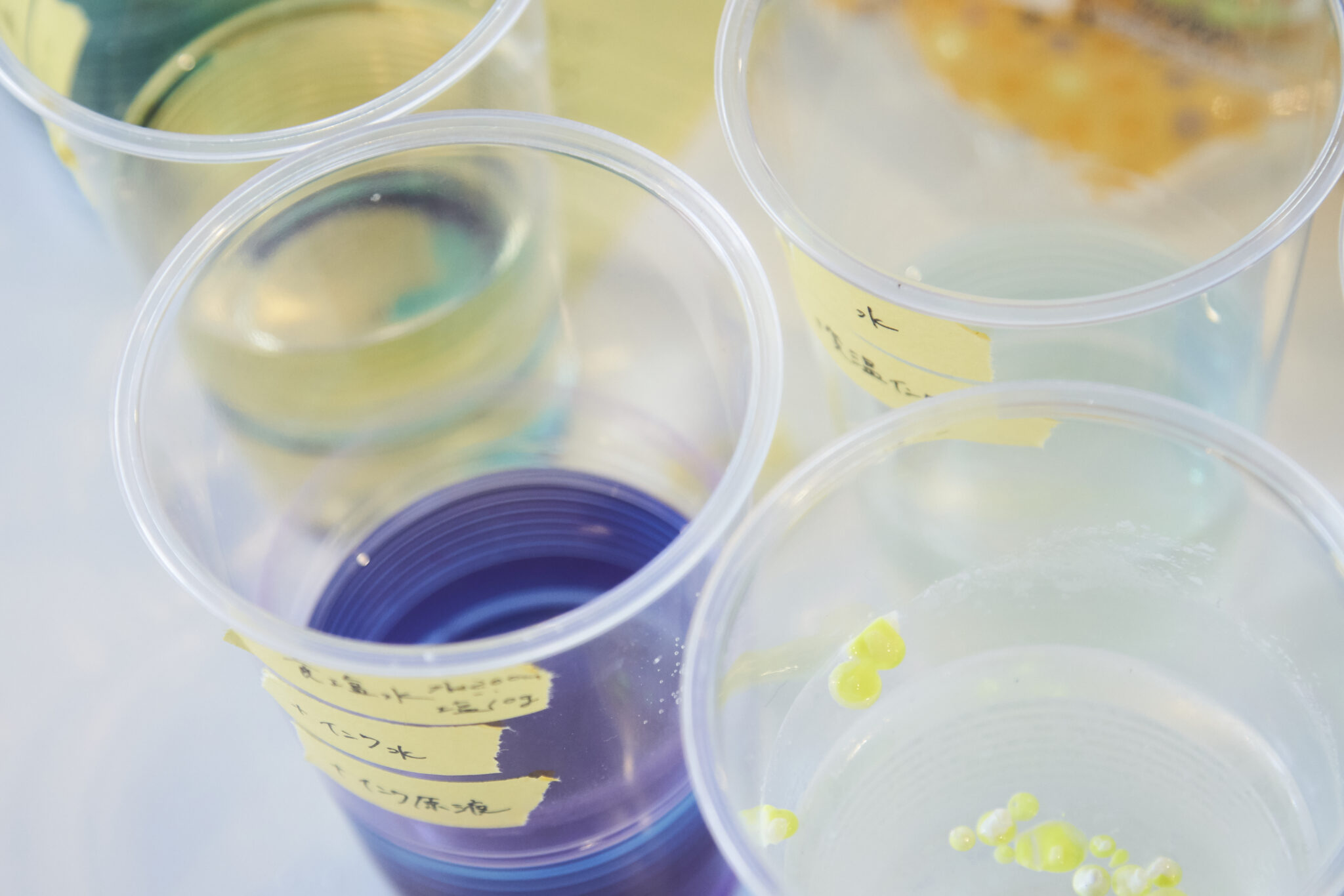
Through vast amounts of research and repeated experimentation, we draw out the best qualities of the materials used and propose products and spatial designs that offer new perspectives and possibilities. Specifically, from elements familiar to our everyday lives like water, wind, and light, to special materials of original design from manufacturers, we extract the natural phenomena that can be seen in various materials within an axis of time, elevating the materials into products and spatial installations.
MAGAZINE · INTERVIEW
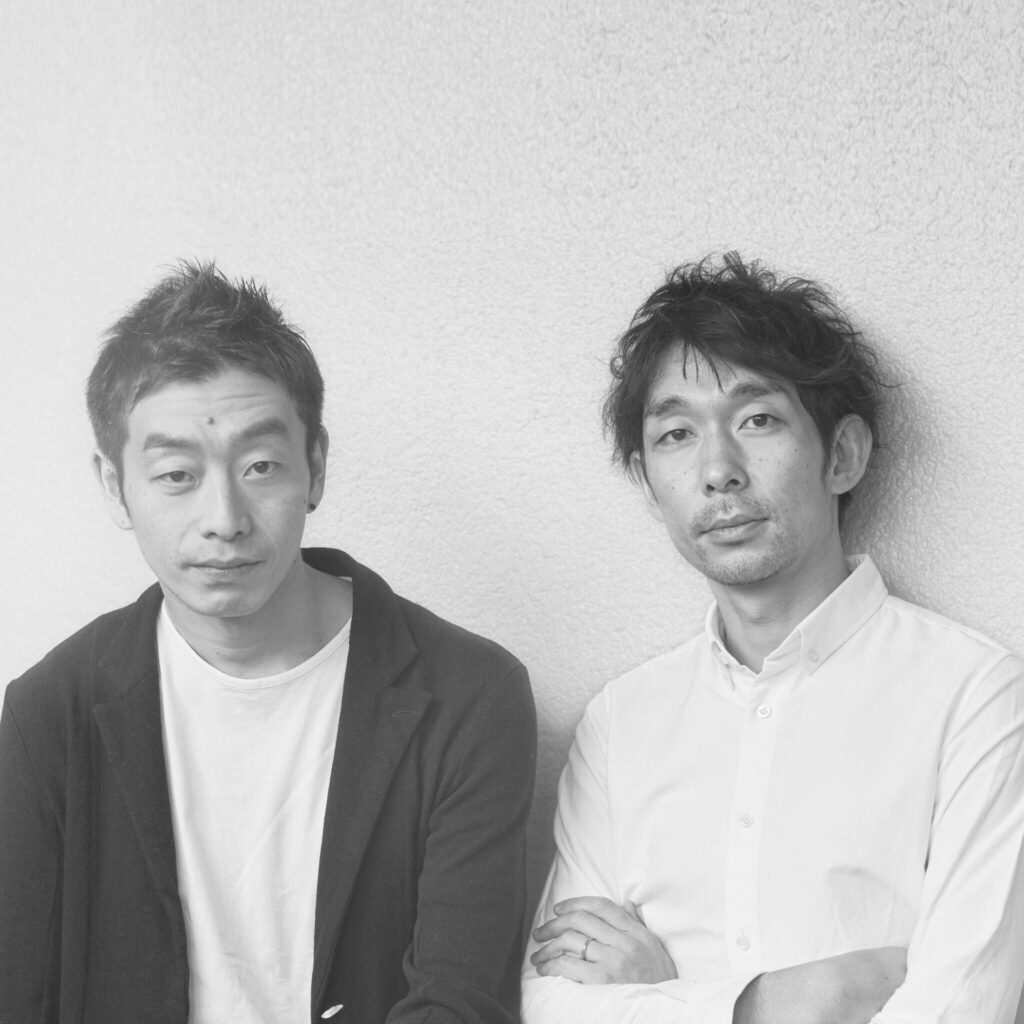
Toshiya Hayashi and Hokuto Ando (WE+)
we+ is a Tokyo-based contemporary design studio founded in 2013 by Toshiya Hayashi and Hokuto Ando, whose practice explores the intersection of research, experimentation, and material innovation. Working across collectible design, installations, product development, spatial design, and art direction, the multidisciplinary studio brings together designers, engineers, researchers, and writers to create works that challenge conventional perspectives and reveal new ways of engaging with the natural and social environment.
Guided by an approach they describe as artistic research, we+ investigates overlooked materials, natural phenomena, and production processes to redefine their value through contemporary design. Blending scientific inquiry with craftsmanship and material experimentation, the studio creates thought-provoking works distinguished by their conceptual depth, refined aesthetics, and commitment to environmental and cultural sustainability. Their work has been exhibited internationally and is held in the permanent collection of the Vitra Design Museum.
Let's know more about
Interview
Where were you born and where are you from?
we+ is a design studio based in Tokyo that was established in 2013 by Toshiya Hayashi and Hokuto Ando. Both are from the countryside on the west coast of Japan. Toshiya graduated from Hitotsubashi University in Tokyo, and Hokuto studied at Musashino Art University and graduated from Central Saint Martins in London.
What is your first memory connected to the art world?
We presented our very first contemporary design work at Milan Design Week in 2014. We’ve experienced a huge gathering of the design society and we were impressed that there were numerous design pieces from all over the world. Since then, we’ve been presenting our new design works every year.
Have you always worked in the art/design field?
People in our team have different backgrounds not only in the art/design field, but also in economics, trading & sales, and engineering. Because each of us has several perspectives, we can work with any kind of project and bring them into our creation in contemporary design.
What led you to design creation?
We like to focus on the themes of time and natural phenomena. Both are elements that have existed alongside human beings since primeval times. We believe that by using these themes, we can create expressions that have never been seen before, which will allow our works to strongly resonate with many people. Additionally, by focusing on time and natural phenomena, a great deal of attention has been put into creating products within which a person can become lost, like when watching the rise and fall of the tide or the flame of a bonfire. In a modern, bustling world with an abundance of information and material things, our hope is to provide a potential opportunity for people to stop a moment and revaluate oneself in relation to things, as well as themselves in relation to society.
How would you describe your creative process and its influences?
Could you describe a typical day of your work?
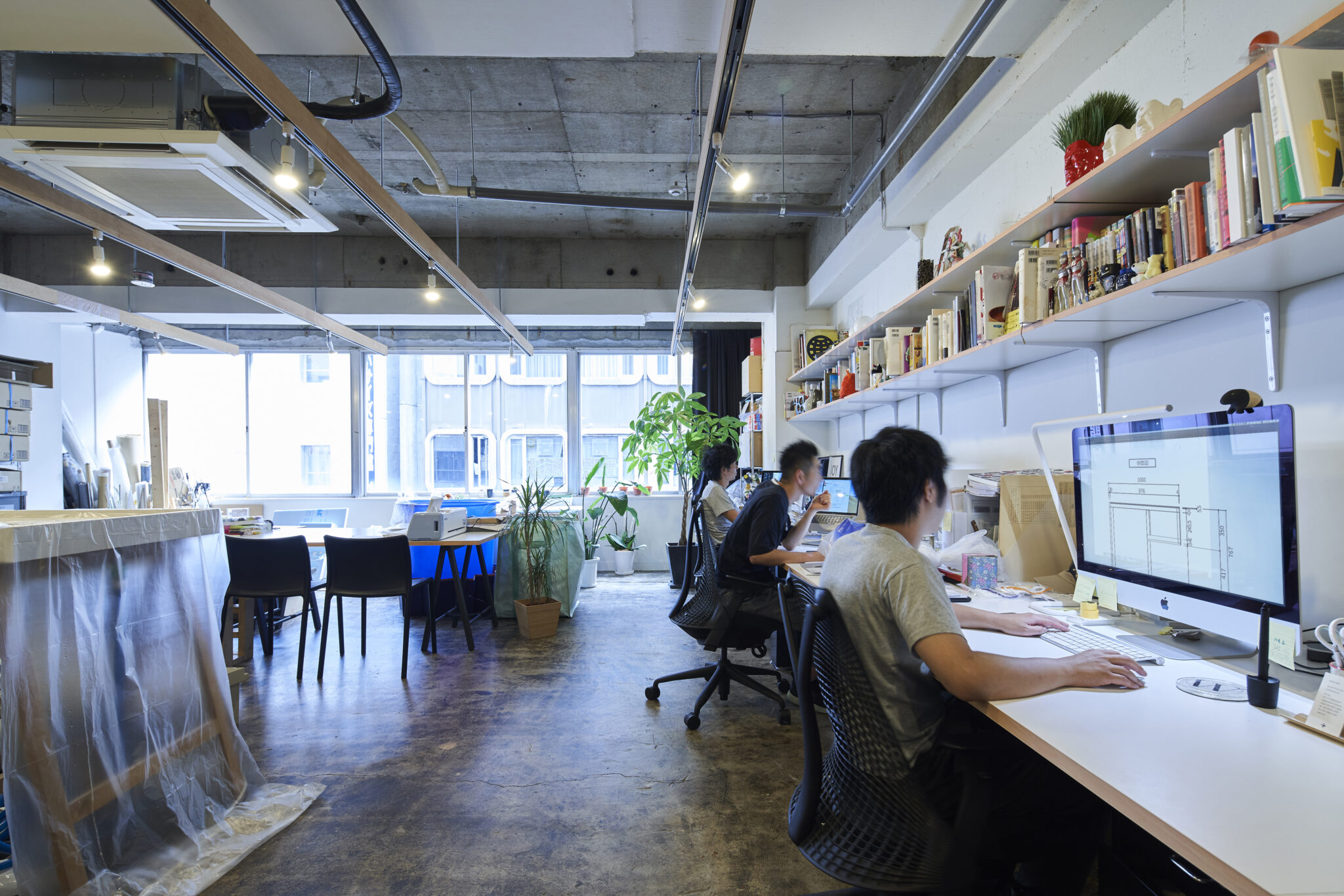
We start working at 10 am with a cup of fragrant coffee. There are usually one or two meetings for idea-making or with clients each day. At lunchtime, everyone, including interns, eats together and communicates with each other. We have another cup of coffee and start working again in the afternoon. Almost all experiments and testing processes take place in our studio. Our interns usually work on them, and we can check every process to find any interesting points. Every one have at least one project which in their charge, so basically we work on it. We occasionally work with architects, programmers, engineers, and CG designers to proceed with the process. After work, we sometimes drink beer together at our cozy studio. (For now, we are staying home and working remotely…)
Why did you choose the specific materials you work with?
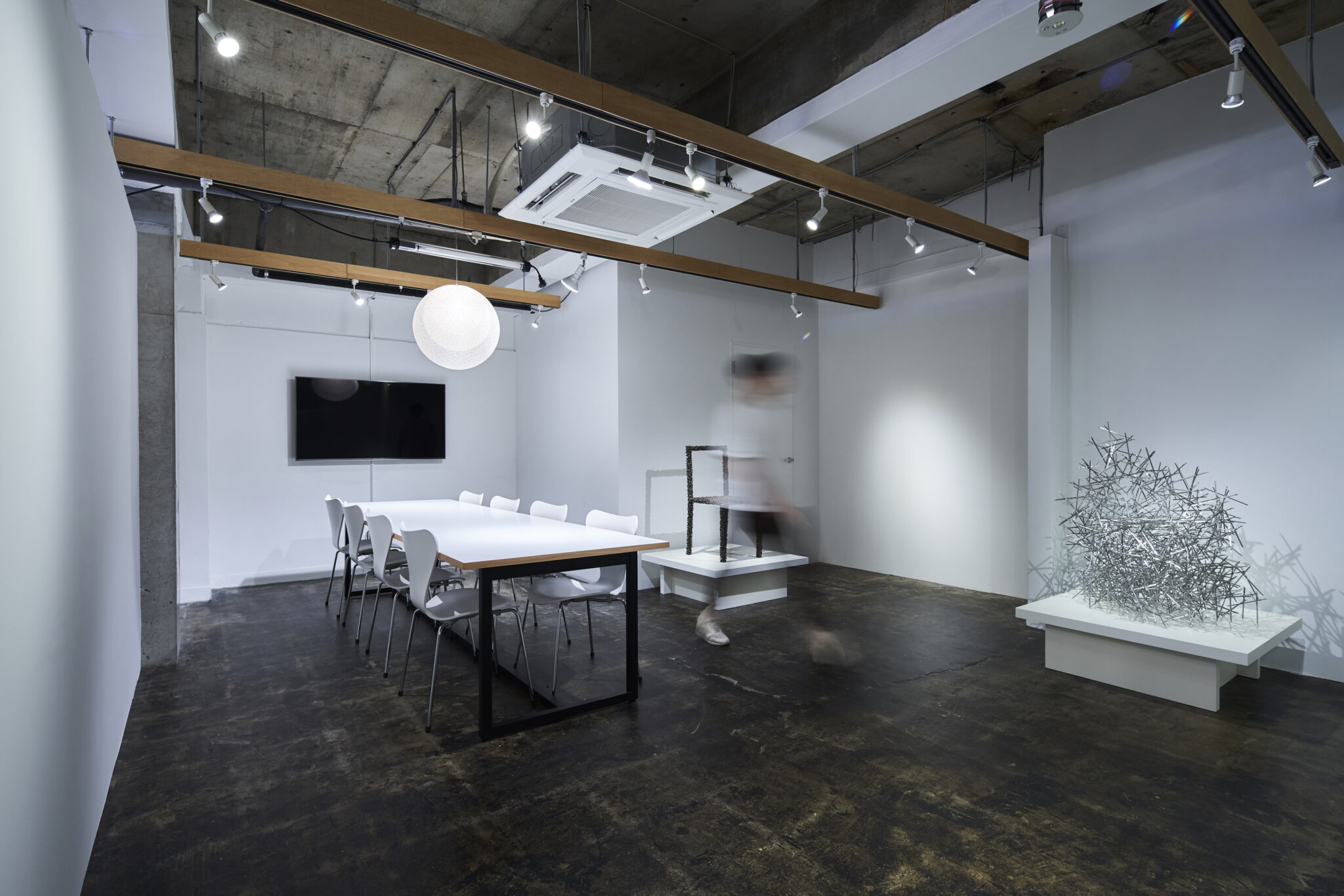
One of our more well-known, self-initiated works is “Swarm”— a chair whose organic form is comprised of short steel wires held to an internal structure by magnets. We explore new possibilities for design by utilizing magnetic force to design a process that creates shapes, rather than simply designing shapes. The steel wires have a diameter of 1.2 mm and a length of 15 mm. The orientation, density, and overlapping of the steel wires are controlled by magnetic force and interact with each other. Also, since there is no single pattern, a unique and complex shape is created.
What are the technical particularities of your creations?
we+’s method of expression, which involves extracting the natural phenomena that can be seen in materials within an axis of time and developing them into products and spatial installations, is extremely unique and will produce furniture, products, and space that have never been seen before.
To achieve it, we appreciate the time facing the material and grasp the most impressive moment. It’s also important that we are not obsessed with advanced technology.
What advice could you give to beginning artists who would like to create sculptural design works?
We would like to advise them to look at your surrounding environment and nature itself. The beautiful phenomenon is always happening near you.
If your works had to belong to a design movement, how would you define it?
We think we do not belong to any design movement right now, but more like we are proposing a new branch called ‘contemporary design’ to the design industry.
What designers and artists have influenced you?
Shiro Kuramata.
What contemporary designers do you appreciate?
All designers who have been contributing to design creation.
What contemporary artists, in any kind of art, have you been inspired by?
Marcel Duchamp.
If you had to summarize your creations in one word or sentence, what would it be?
Live a life.
“The beautiful phenomenon is always happening near you.”
The Questionnaire
The Questions
(The Proust Questionnaire is a set of questions answered by the French writer Marcel Proust.
Other historical figures who have answered confession albums are Oscar Wilde,
Karl Marx, Arthur Conan Doyle, Stéphane Mallarmé, Paul Cézanne…)
What is your idea of perfect happiness?
Drinking beer
What is your greatest fear?
Pandemic
What is the trait you most deplore in yourself?
Scrupulosity
What is the trait you most deplore in others?
Cupidity
Which living person do you most admire?
Our team
What is your greatest extravagance?
Going to good restaurant
What is your current state of mind?
Stay healthy
What do you consider the most overrated virtue?
To adjust yourself to people around you (especially in Japan)
What is the quality you most like in a man?
Humble
What is the quality you most like in a woman?
Humble
Which words or phrases do you most overuse?
Amazing
Which talent would you most like to have?
Research skill
If you could change one thing about yourself, what would it be?
Scrupulosity
What do you consider your greatest achievement?
Being in this studio
If you were to die and come back as a person or a thing, what would it be?
Designer
Where would you most like to live?
Anywhere
What is your most treasured possession?
Family and Studio
What do you regard as the lowest depth of misery?
Superficial
What is your favorite occupation?
Designer
What is your most marked characteristic?
Cheerful
What do you most value in your friends?
Can talk openly and honestly
Who are your favorite writers?
Soseki Natsume, Yuval Noah Harari
Who is your hero of fiction?
Anybody
Which historical figure do you most identify with?
Ryoma Sakamoto
Who are your heroes in real life?
My parents
What are your favorite names?
Anything
What is it that you most dislike?
Packed train
What is your greatest regret?
Should have got masks before this situation…
How would you like to die?
Die of old age
What is your motto?
Keep hope alive!
“Through vast amounts of research and repeated experimentation, we draw out the best qualities of the materials used and propose products and spatial designs that offer new perspectives and possibilities.”
SHARE :