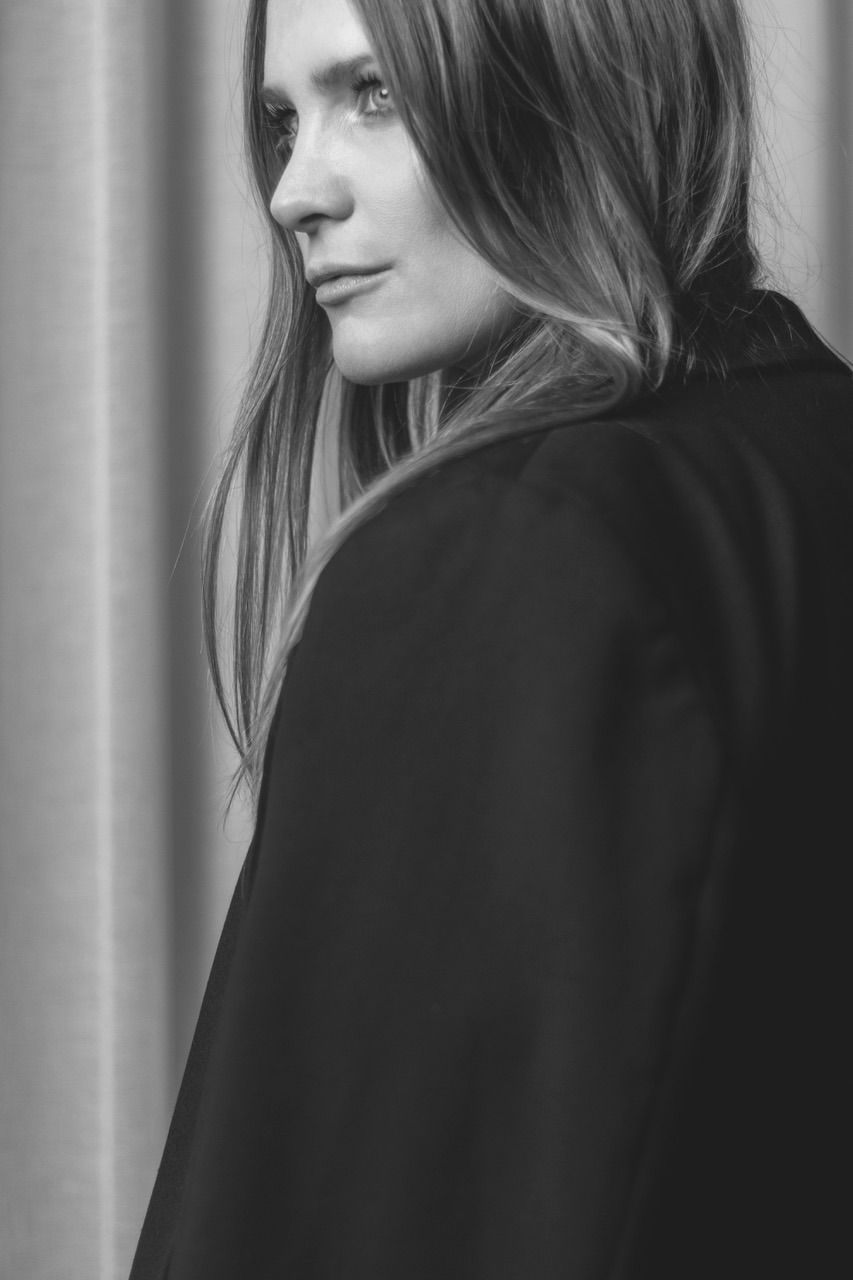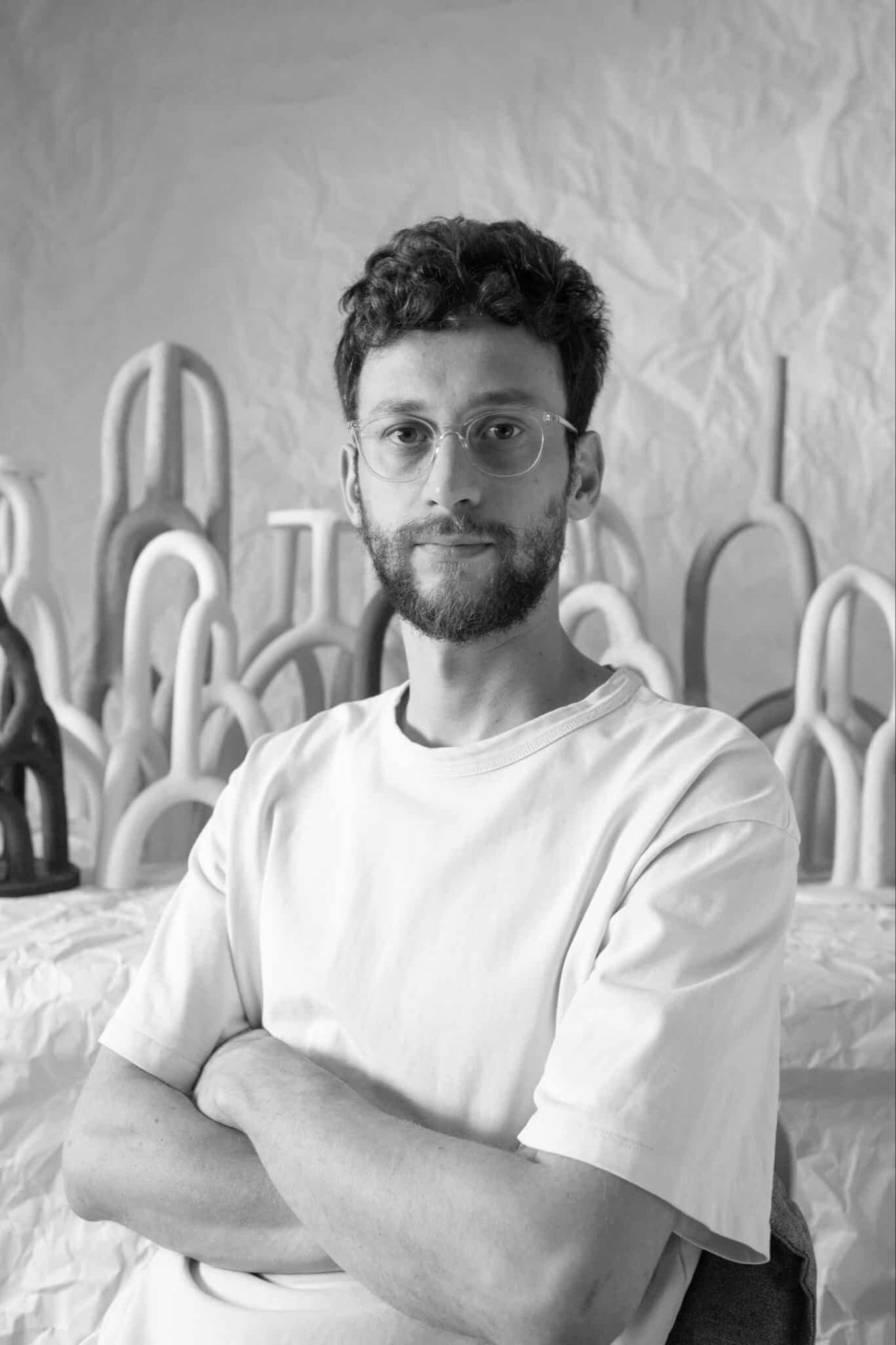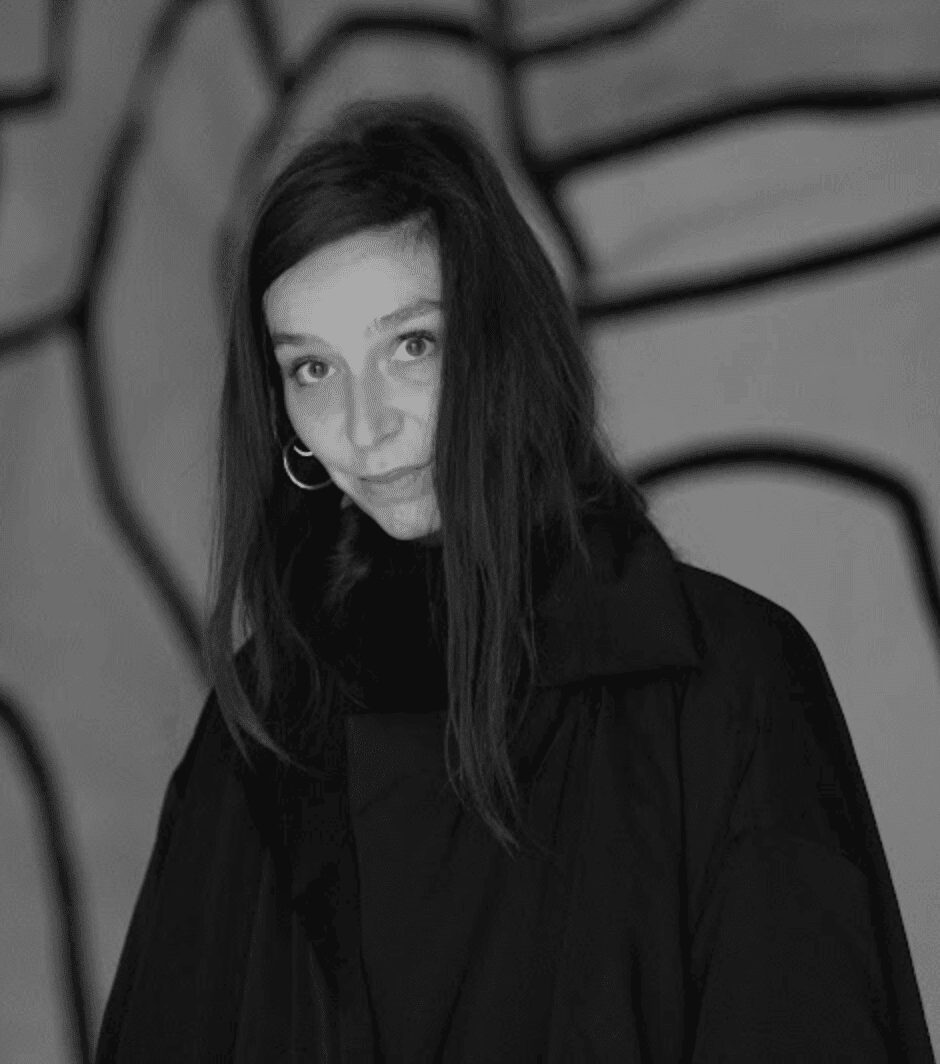
Katty Schiebeck
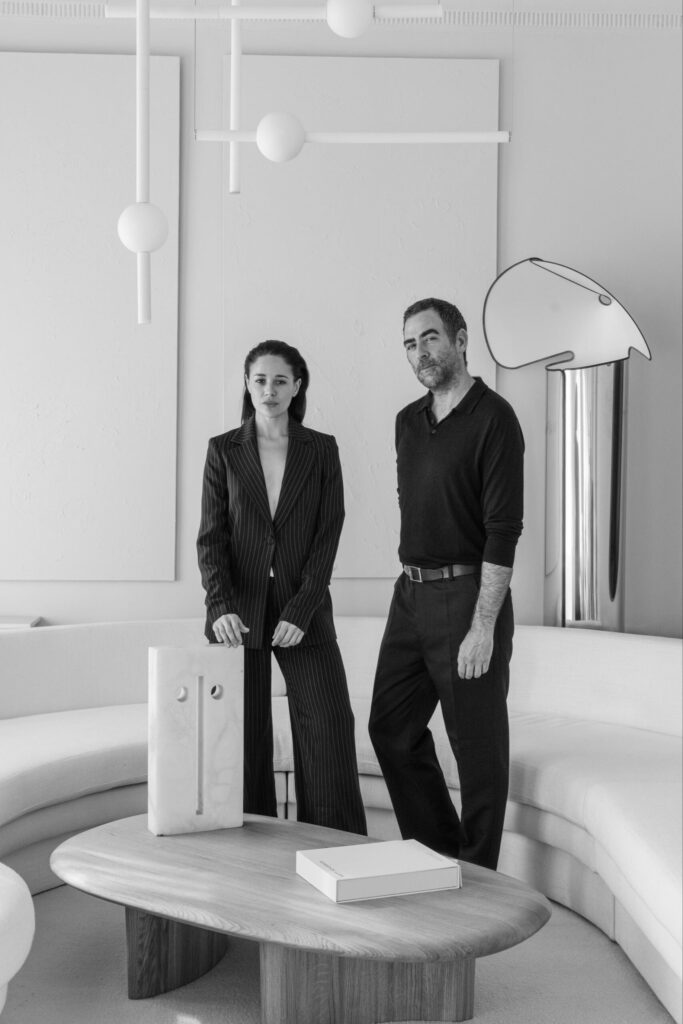
Katty Schiebeck is a Barcelona-based interior architect and designer of Uruguayan origin, and the creative director of her eponymous studio, which she leads alongside partner and co-founder Rubén Ortiz. Working internationally across interior architecture, spatial design, and bespoke furniture, the studio has developed a refined and deeply considered approach to contemporary luxury, one defined not by excess but by balance, proportion, atmosphere, and material sensitivity.
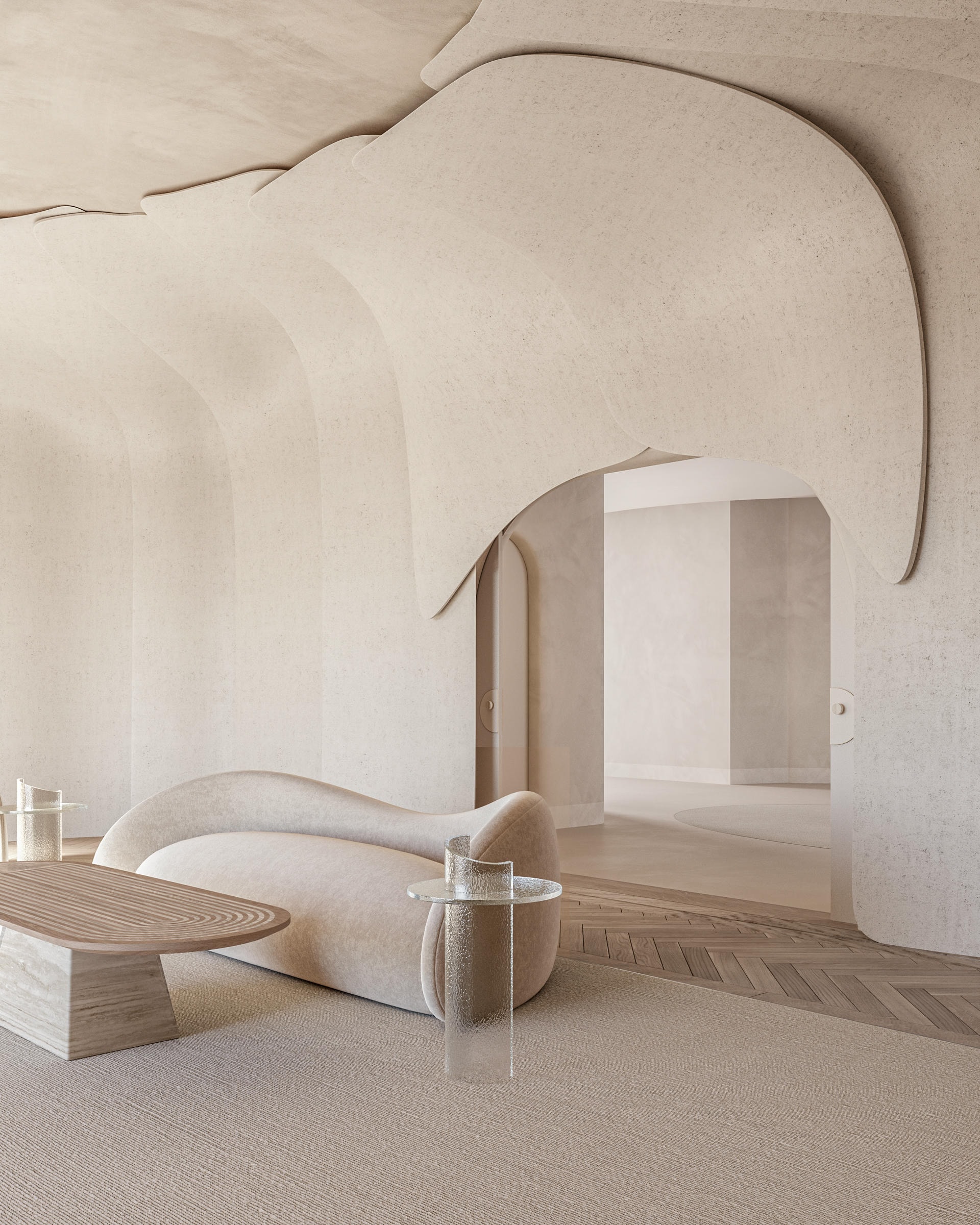
Known for her meticulous attention to detail and instinctive understanding of atmosphere, Schiebeck creates interiors where warmth and restraint coexist naturally. Her work combines sculptural clarity with layered textures, muted palettes, and carefully curated materials, shaping spaces that feel calm, timeless, and quietly expressive.
Rather than imposing a fixed signature style, the studio approaches each project as a dialogue between architecture, context, and client. Influenced by artistic references, spatial harmony, and a sensitivity to light, Schiebeck’s interiors reveal their elegance gradually through subtlety, coherence, and refinement.
“What works in one place can feel completely out of place in another.”
INTERVIEW
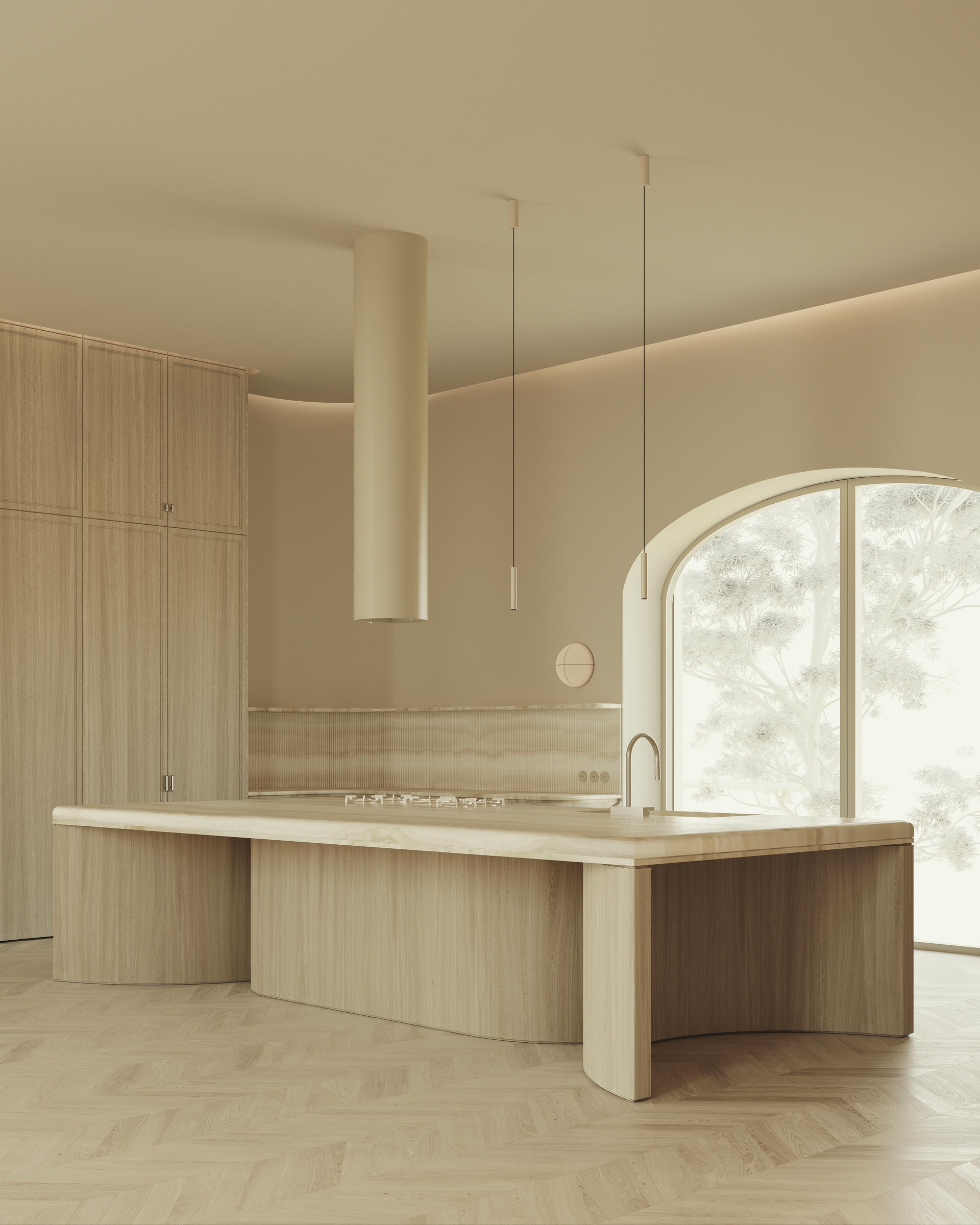
My career began in a very intuitive way. From a young age, I’ve always had a deep passion for design and aesthetics. When I arrived in Barcelona, I was working in luxury real estate and started out by suggesting interior design ideas to clients who had purchased properties to renovate.
Gradually, I found myself drawn further into the world of interior design. My work began to gain international recognition, and I started receiving commissions from all over the world.
Without a doubt, one of the most significant moments in our journey was the proposal for the Doha Palace for the Royal Family of Qatar. It marked a turning point for the studio, a moment of maturity. It made us realize that our practice could operate at any scale, and that our language was strong enough to engage with a project of such magnitude.
That said, it also feels like our most exciting moment is happening right now. The studio is going through a particularly vibrant period, as we are becoming increasingly involved in designing signature furniture and developing new pieces for upcoming collections.
For us, interior design is about balance between light, proportion, textures, and even silence. In our practice, the key has been maintaining a clear and personal vision while remaining flexible.
We have developed our own language while adapting to different scales, cultures, and clients. This balance between a strong identity and adaptability is what has brought us to where we are today.
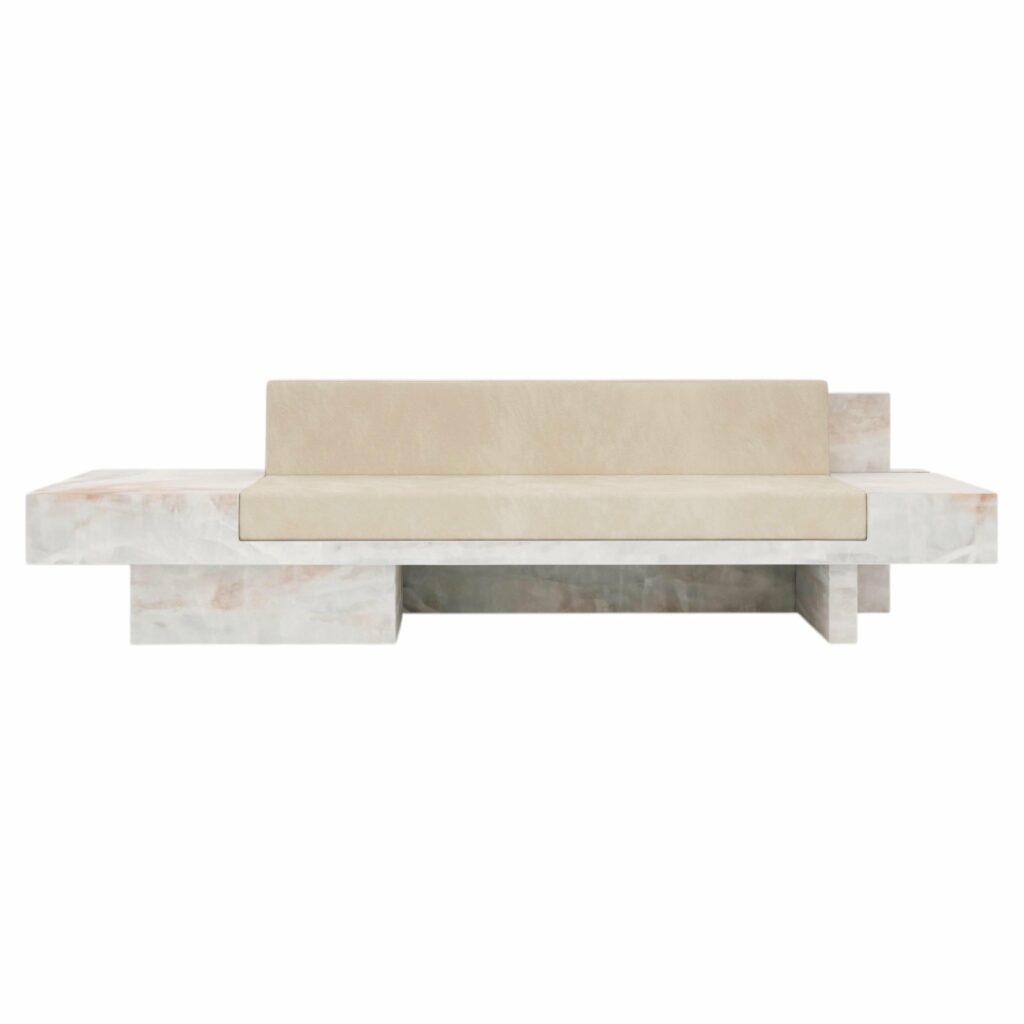
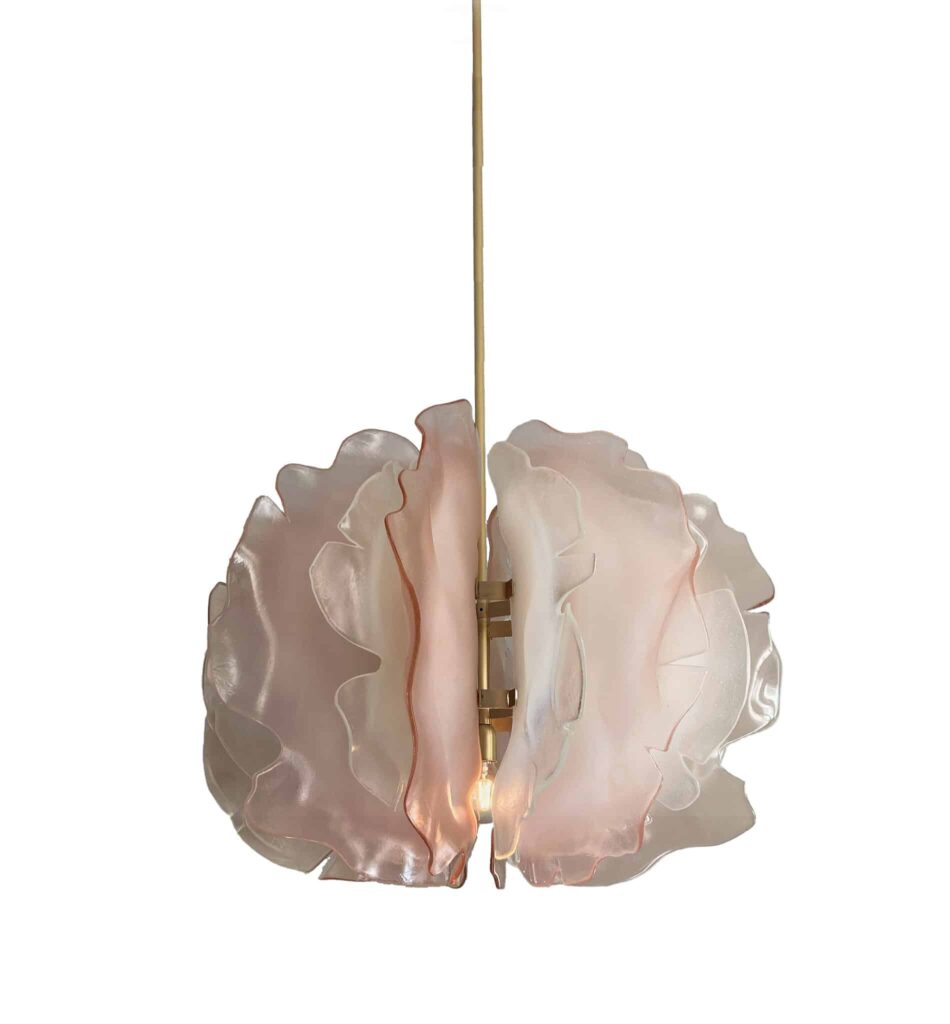
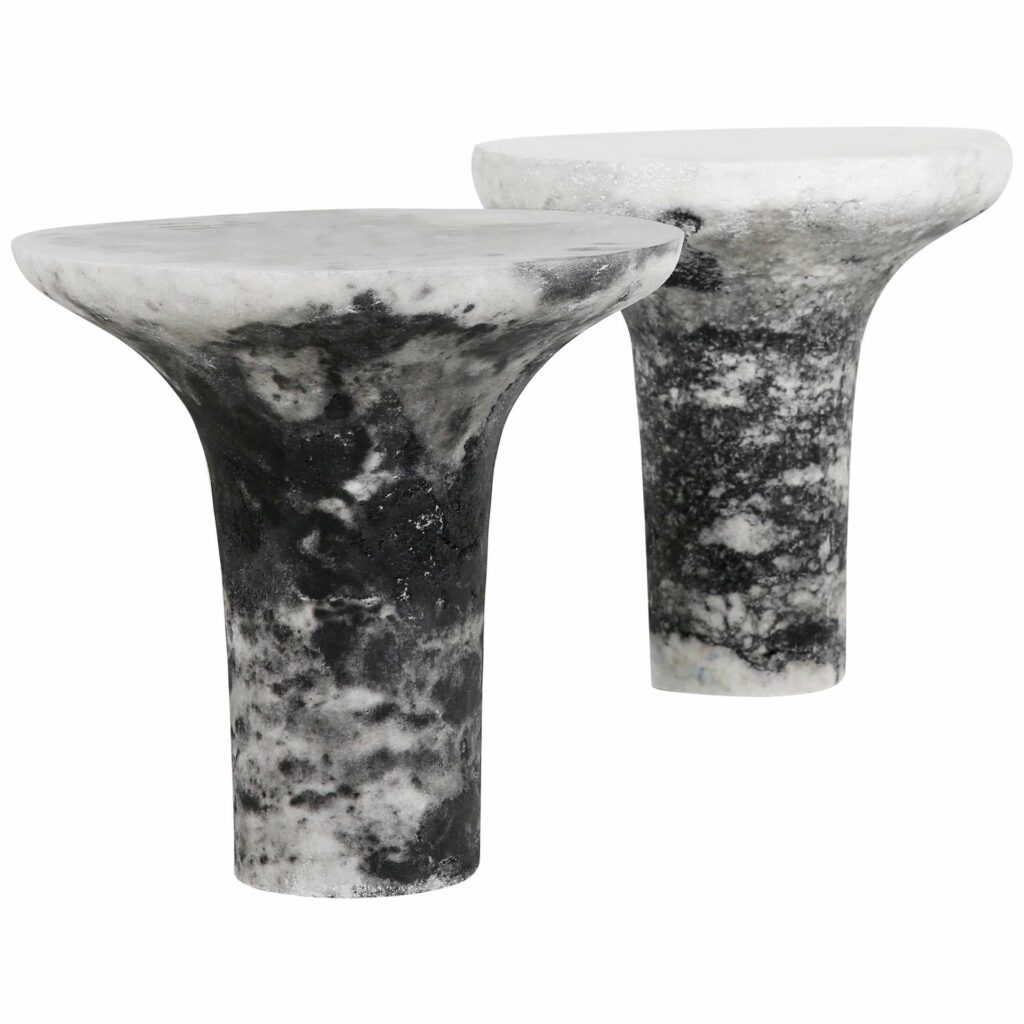
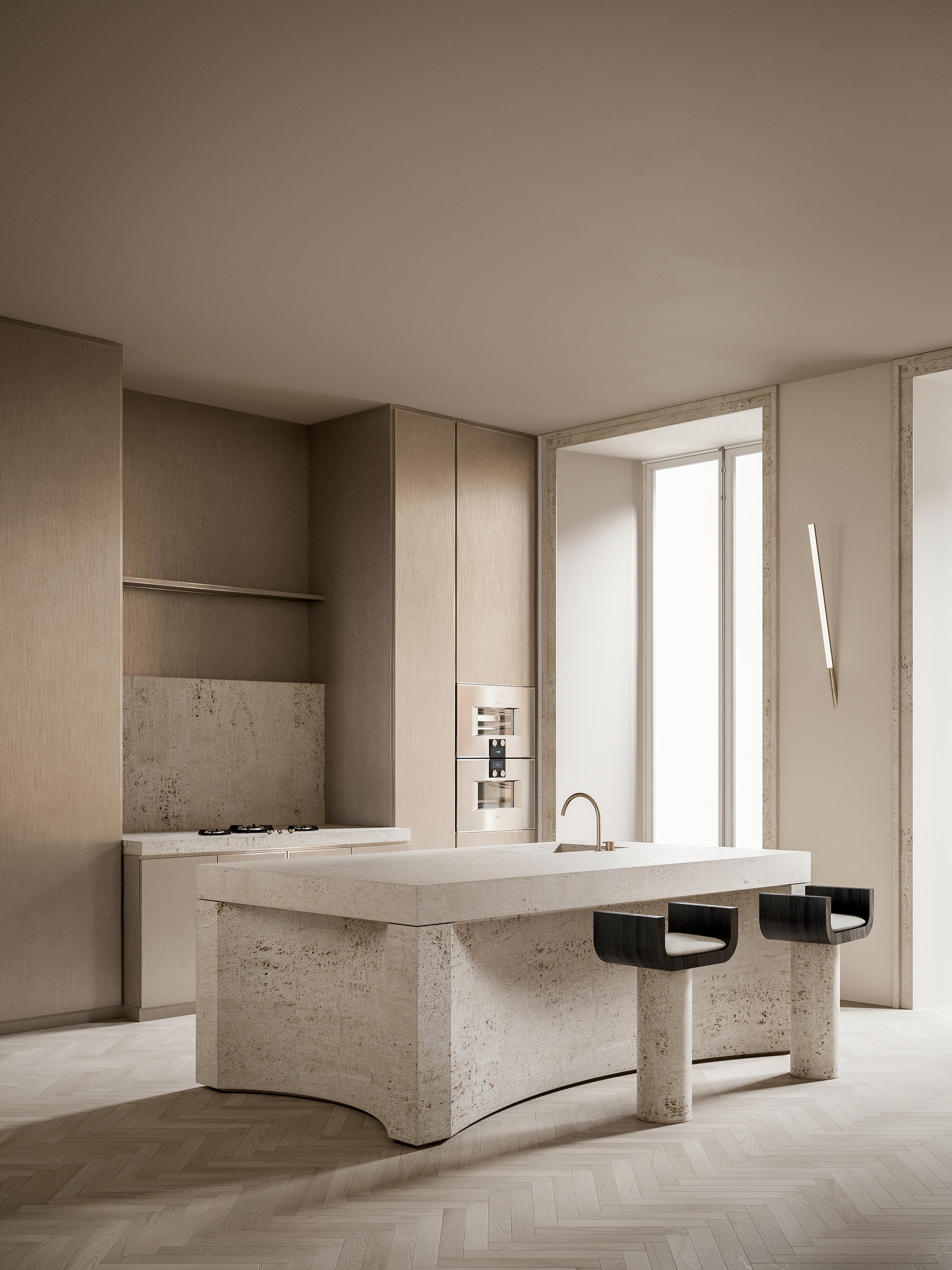
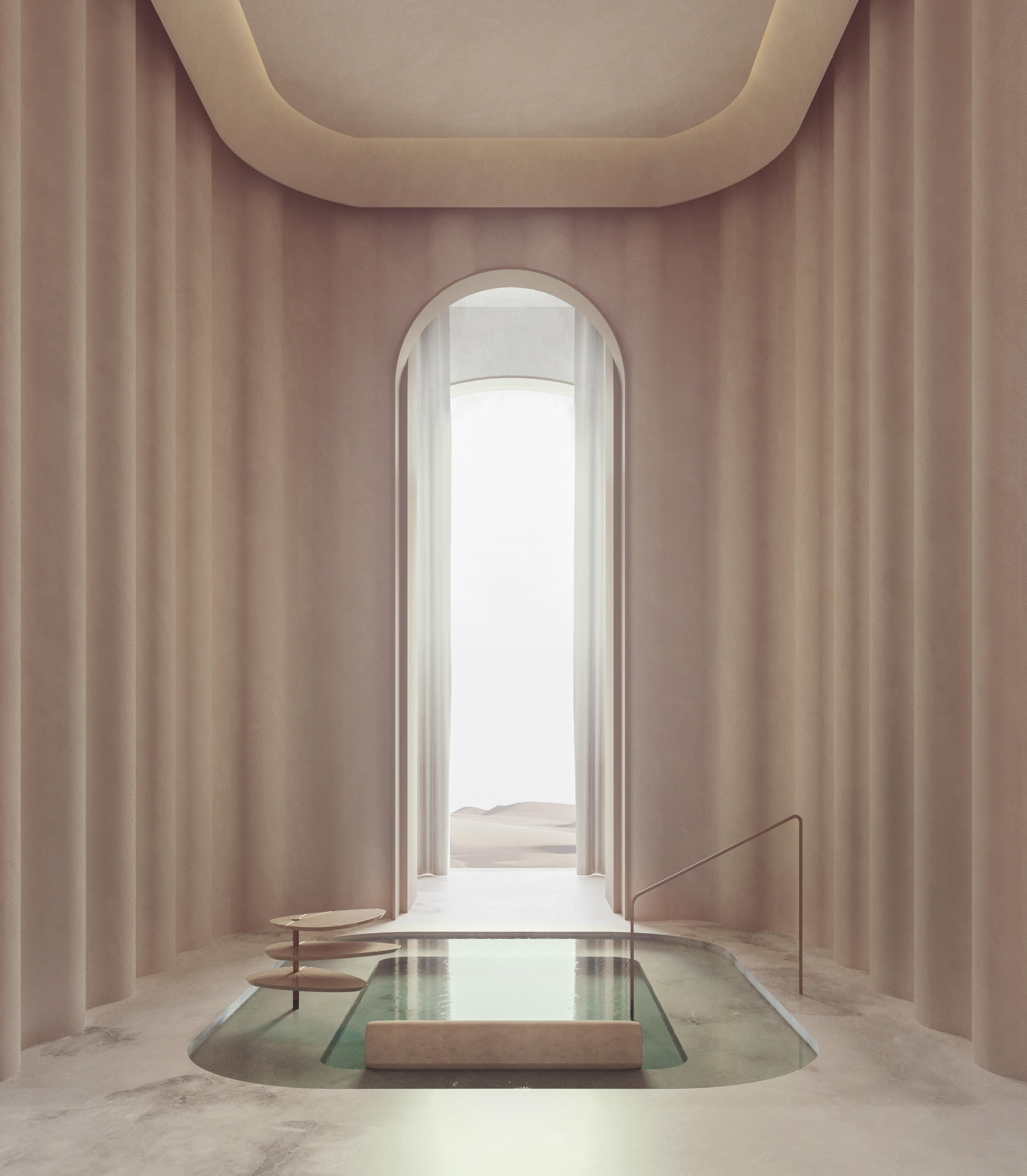
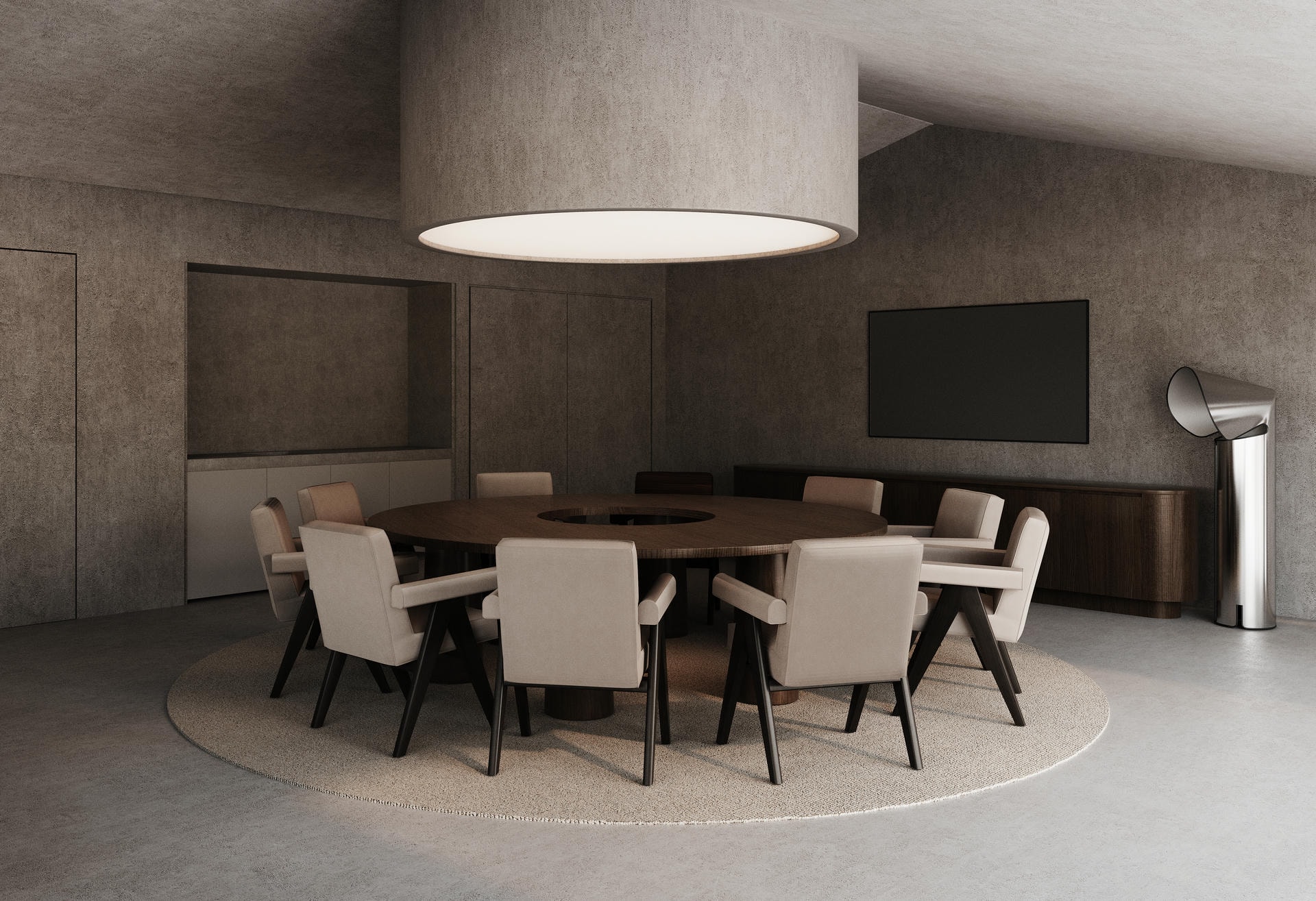
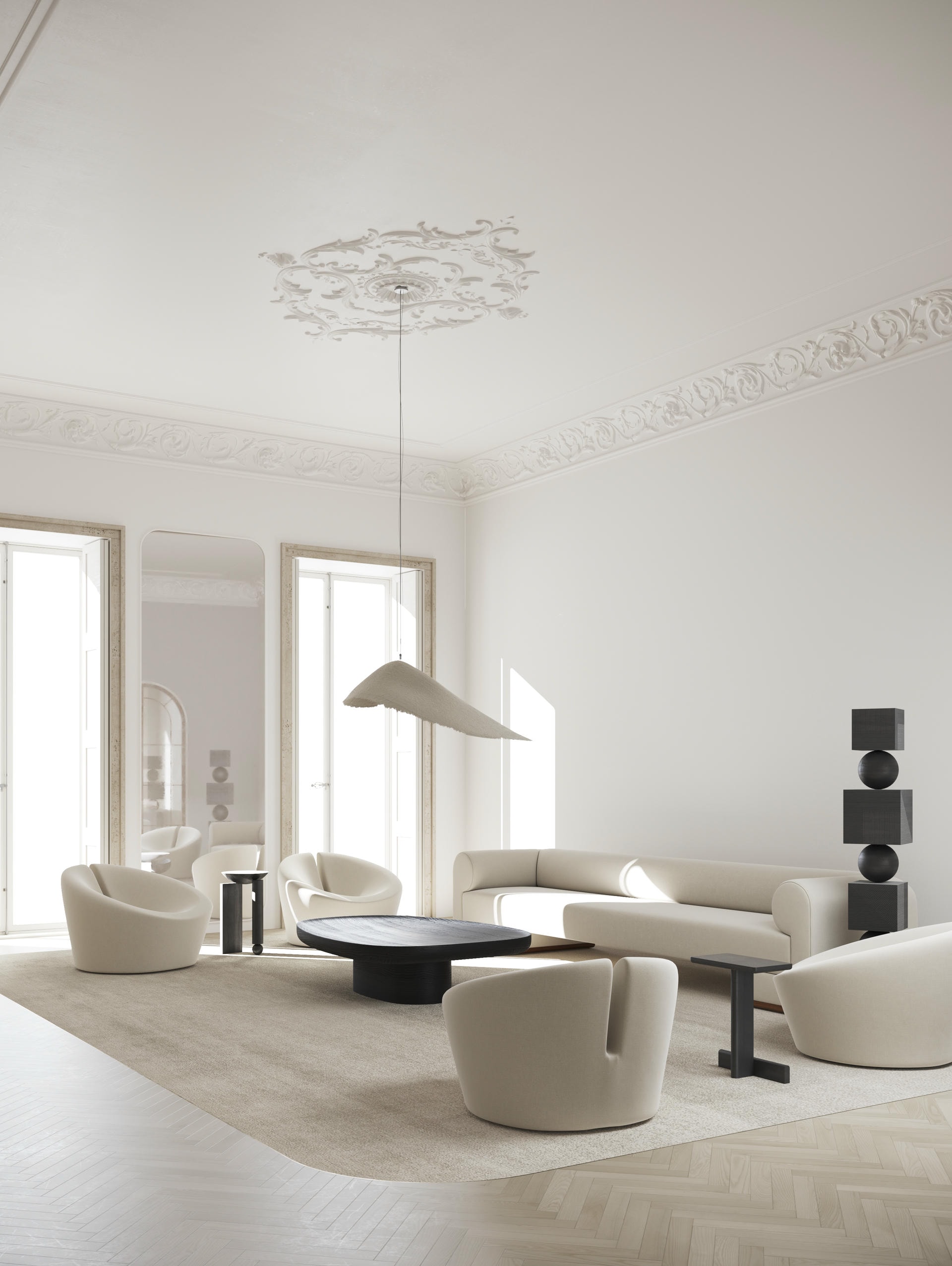
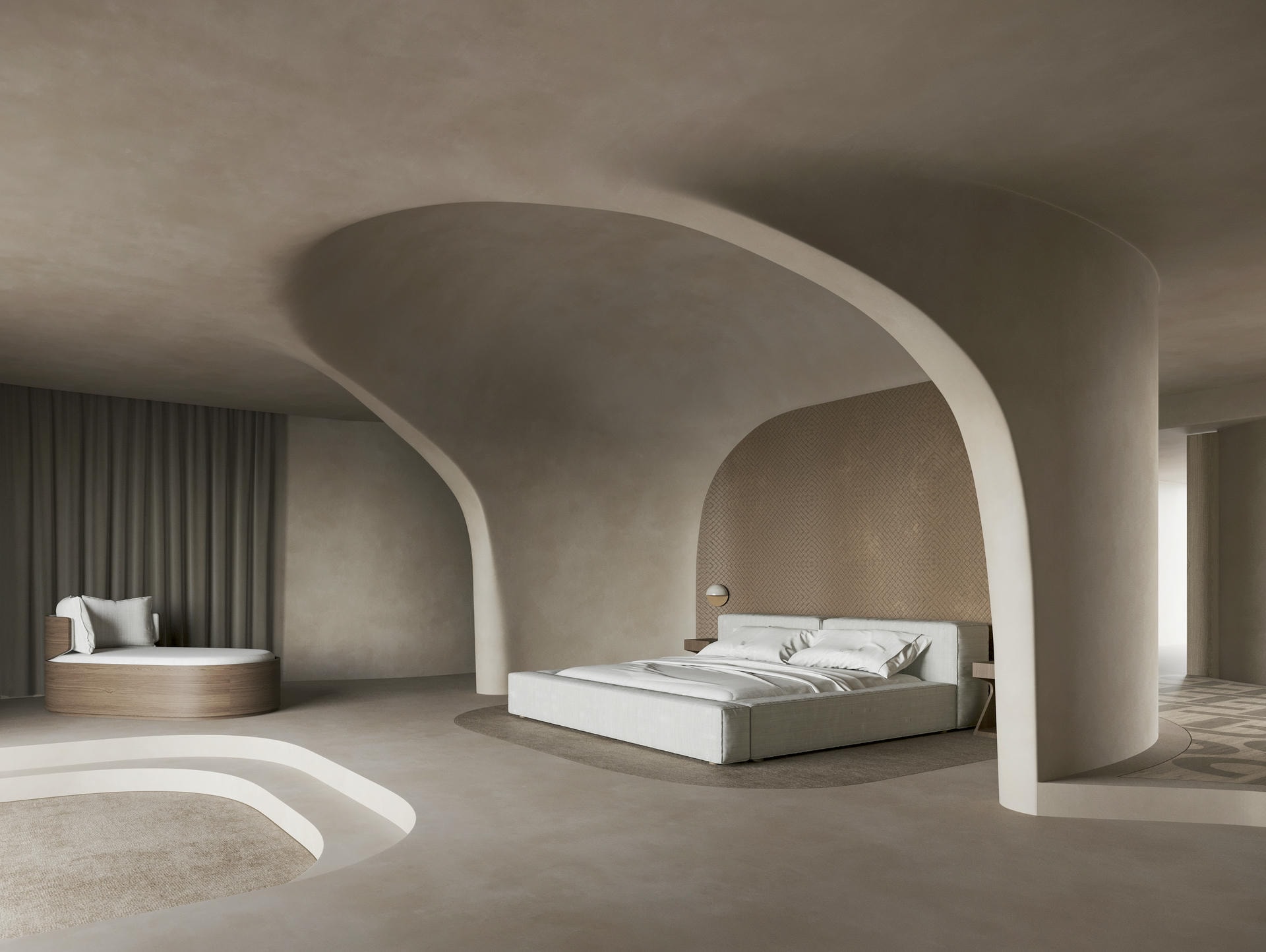
We always try to move away from labels, although our work has often been associated with a kind of warm minimalism. It’s true that we are interested in finding a balance between architectural purity and warmth.
Our spaces tend to begin as a calm, essential base designed to create a certain atmosphere. From there, we gradually add layers, materials, textures, and pieces that bring depth to the space without disrupting that initial sense of harmony.
One of the projects we are most excited about at the moment is the new palace we are designing for the Qatari royal family in Doha. It is an 8,000 m² residential project, and we are currently in the final stage of development. It has been an extraordinary process, and even as we approach completion, we are truly enjoying the intensity and precision that a project of this scale requires. Having the opportunity to work at this level within a private residence is both a privilege and a creative challenge.
One of the toughest lessons in our career has been realizing that design is not universal. Working in international contexts makes one thing very clear: what works in one place can feel completely out of place in another.
At the beginning, it’s easy to assume that an aesthetic can simply be translated from one place to another without major adjustments. In reality, though, every culture has its own relationship with space, intimacy, luxury, and many other aspects.
Don’t rush to get there.
The best advice I have ever received was quite simple: “Don’t rush to get there.” Talent can open doors, but consistency is what sustains a career. At the time, I didn’t fully understand it. I wanted results, big projects, and validation. Over time, however, I came to realize that every stage, even the quieter ones, was shaping the journey.
There are a few books I often return to and would happily recommend. One is Nicola L.: Life and Art, a monograph dedicated to the French conceptual artist and designer Nicola L. (1932–2018), published by Apartamento.
I would also recommend Sit, Site, Chair, Cherry by Aleix Plademunt, a photography book published by Spector Books. The project offers a visual exploration of the Vitra Campus in Weil am Rhein.
And finally, This Is the House That Jack Built, which explores the relationship between art, architecture, and everyday life through the collection of Maja Hoffmann, photographed by François Halard.
If there is one interior design principle worth sharing, it is to think beyond the purely visual. A well-designed interior is not only about how it looks, but how it feels and how it functions as a whole.
This perspective guided our Lisbon project. The space was conceived as an atmosphere designed to create a welcoming and contemplative environment.
We are about to begin construction on the renovation of a 200 m² residence in Deep Water Bay, Hong Kong.
Thank you so much Katty, for this lovely interview!
Share article :