Studiopepe
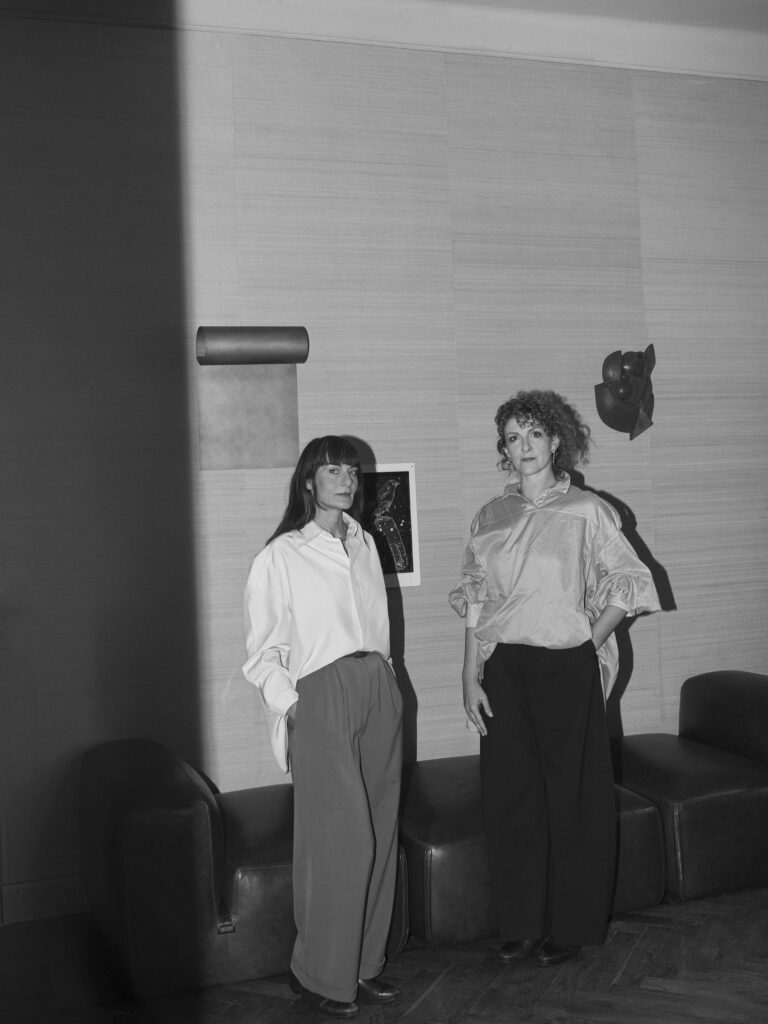
Studiopepe is a Milan-based architecture and design practice founded in 2006 by Arianna Lelli Mami and Chiara Di Pinto. Working across hospitality, retail, residential interiors, product design, and creative direction, the studio is known for its multidisciplinary approach and distinctive visual language that balances formal rigor with poetic expression.
Drawing on a rich interplay of materials, colors, textures, and references, Studiopepe creates immersive environments and objects defined by their emotional depth and narrative quality. Their work explores the dialogue between contemporary design, craftsmanship, and artistic experimentation, resulting in projects that are both sophisticated and deeply evocative.
Interview
We were both born and raised in Milan, Italy.
I remember when I was a child, the old tiny, very mysterious shop by Fornasetti in Brera. I was fascinated by the newspaper ashtray (an iconic and surrealist piece by Fornasetti) on display. I was very attracted to that piece, and it was always in the window; they never changed it. Those were very different times…
Another memory from around the age of 6 or 7 was Salvador Dali’s house and museum in Cadaqués, Spain, a place I loved very much.
I have returned there several times, and I believe that my love for the surrealist movement, its ideology, and its poetics, which were the basis of the contemporary artistic movement, stems precisely from these memories.
Yes, both of us started working as stylists and design editors for Italian and international magazines. After its first years, we turned Studiopepe into a creative entity that now focuses on product design, architecture, and interior design, along with creative direction.
My love for beautiful things, their meaning, my fascination with harmonious spaces rich in layers, the sense of wonderful discovery when entering a house we like, and the possibility of creating what we need, I believe these were the ‘motives’ that led me to become a designer and interior designer.
Our creative process is rooted in dialogue – between past and present, form and function, intuition and rigor. We begin by immersing ourselves in the context of each project, studying its cultural, architectural, and emotional dimensions.
Research is essential, but so is instinct: we allow references from art, design history, cinema, and everyday life to surface naturally and inform our choices.
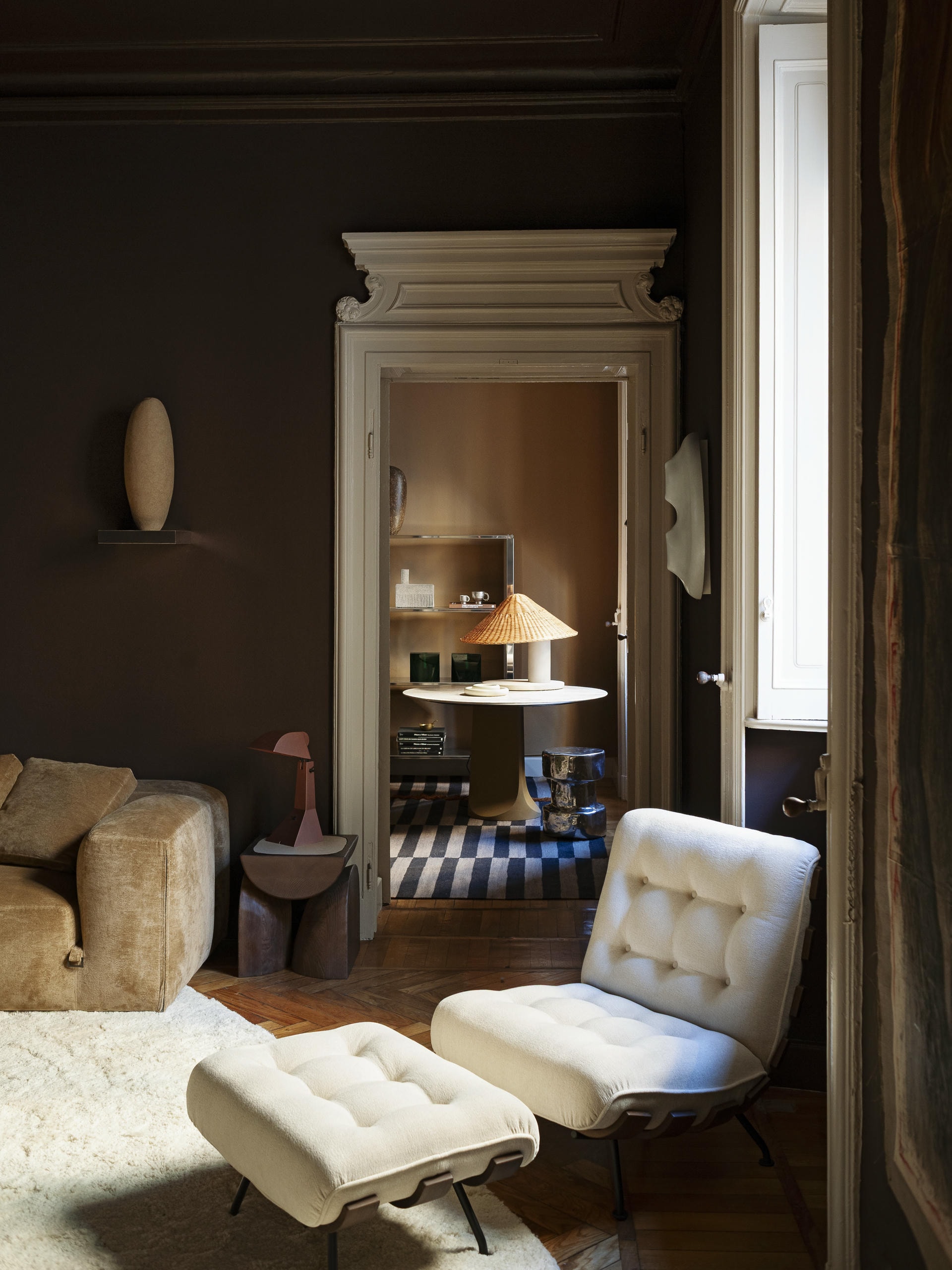
Rather than following a fixed style, we aim to build a coherent narrative for each project, one that feels timeless yet contemporary. Our influences range from ancient Greece to modern masters, from craftsmanship to industrial production, always with a strong attention to detail, proportion, and, of course, atmosphere.
When I arrive at the studio, I try to check my emails, but I almost never manage to do so. Instead, I quickly leaf through a magazine that I left on the table the night before and make myself lots of green tea, waiting to review the various projects, and so it goes on until late afternoon! I’m a morning person, but I prefer not to leave too late because I love going to exhibition openings or reading one of the countless books I buy and accumulate on the coffee table in my living room. During our lunch break, when we don’t have clients and have some time, we enjoy a risotto al salto at Bar Basso, which is very Milanese and very relaxing.
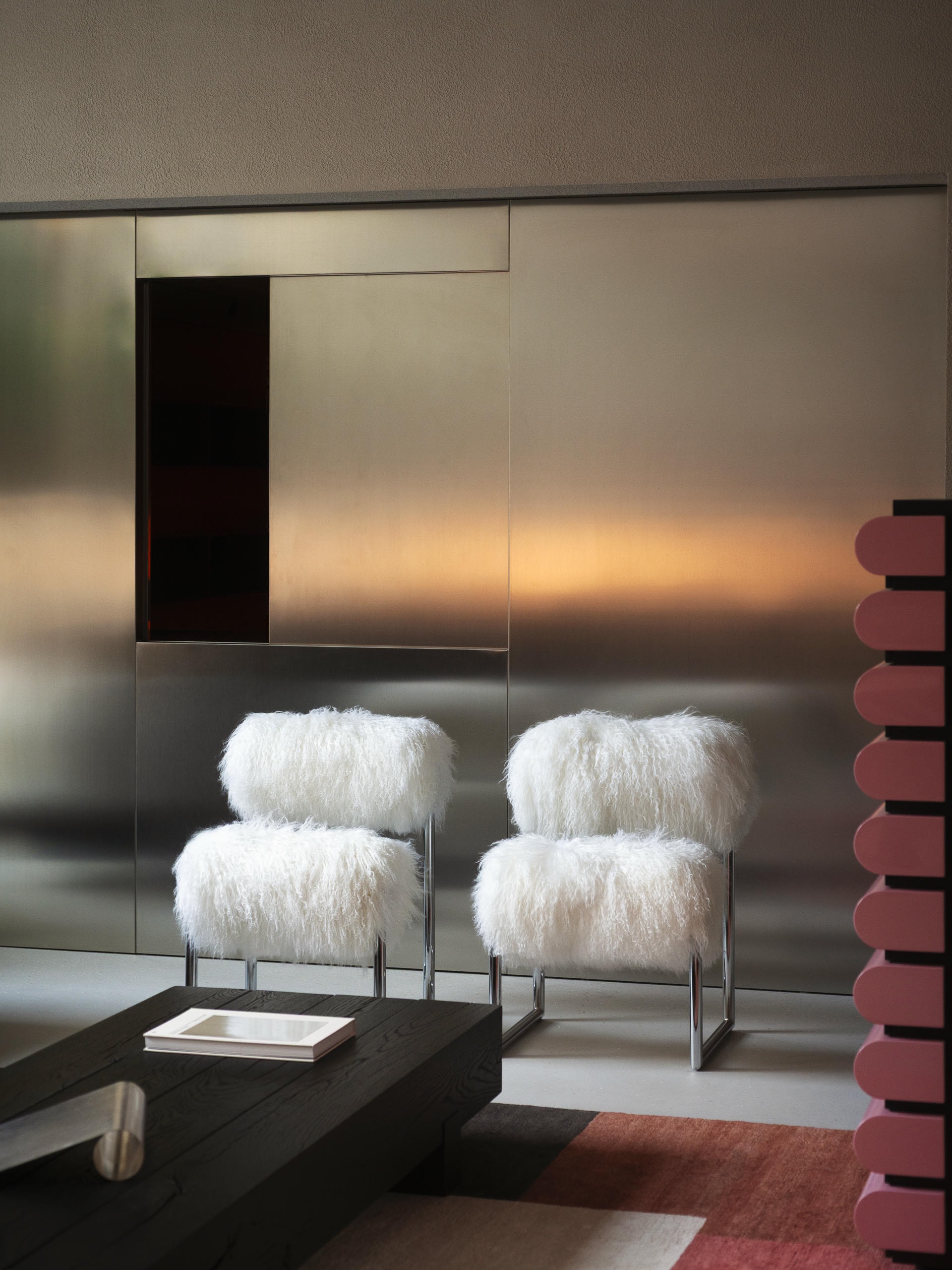
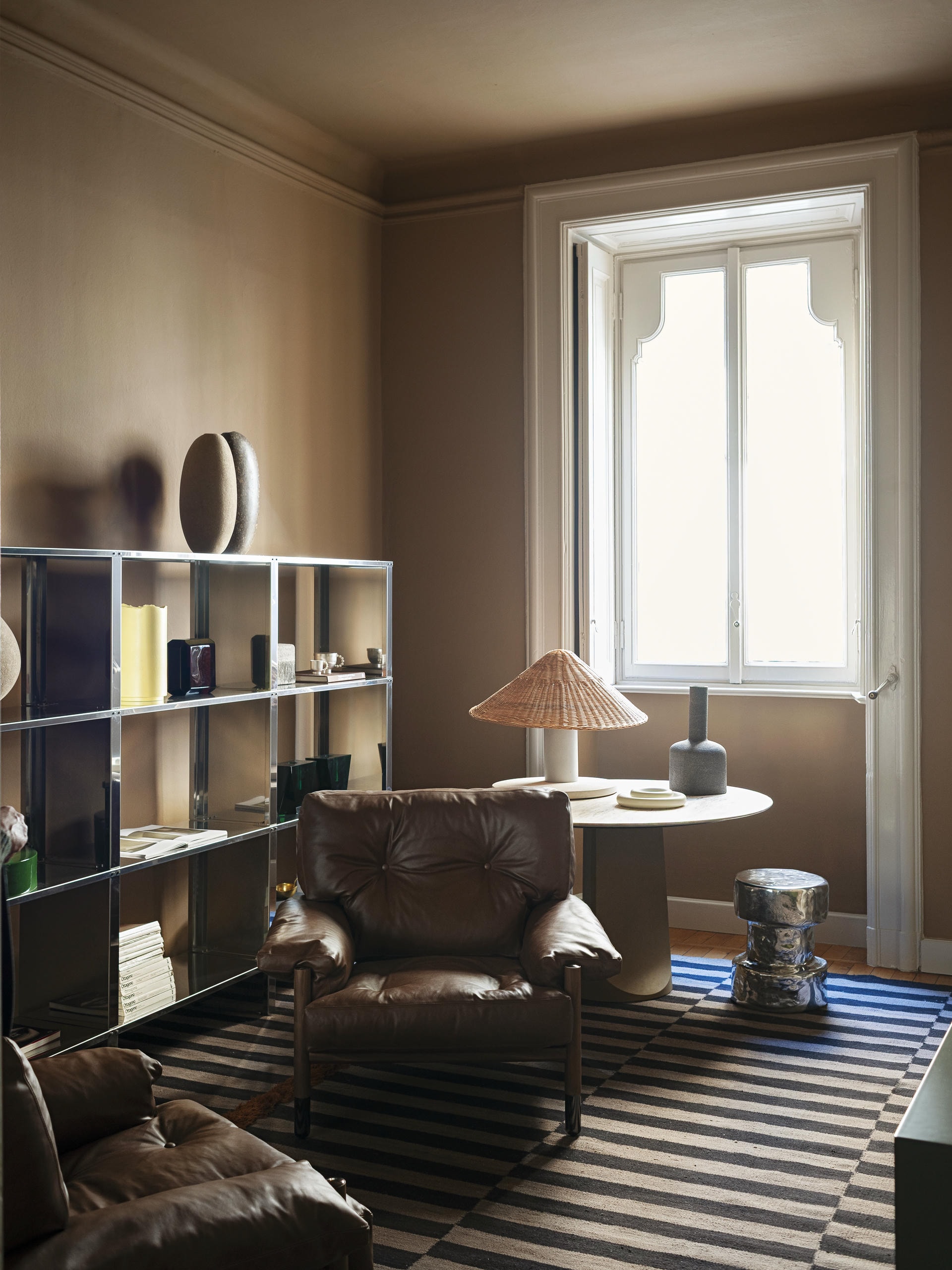
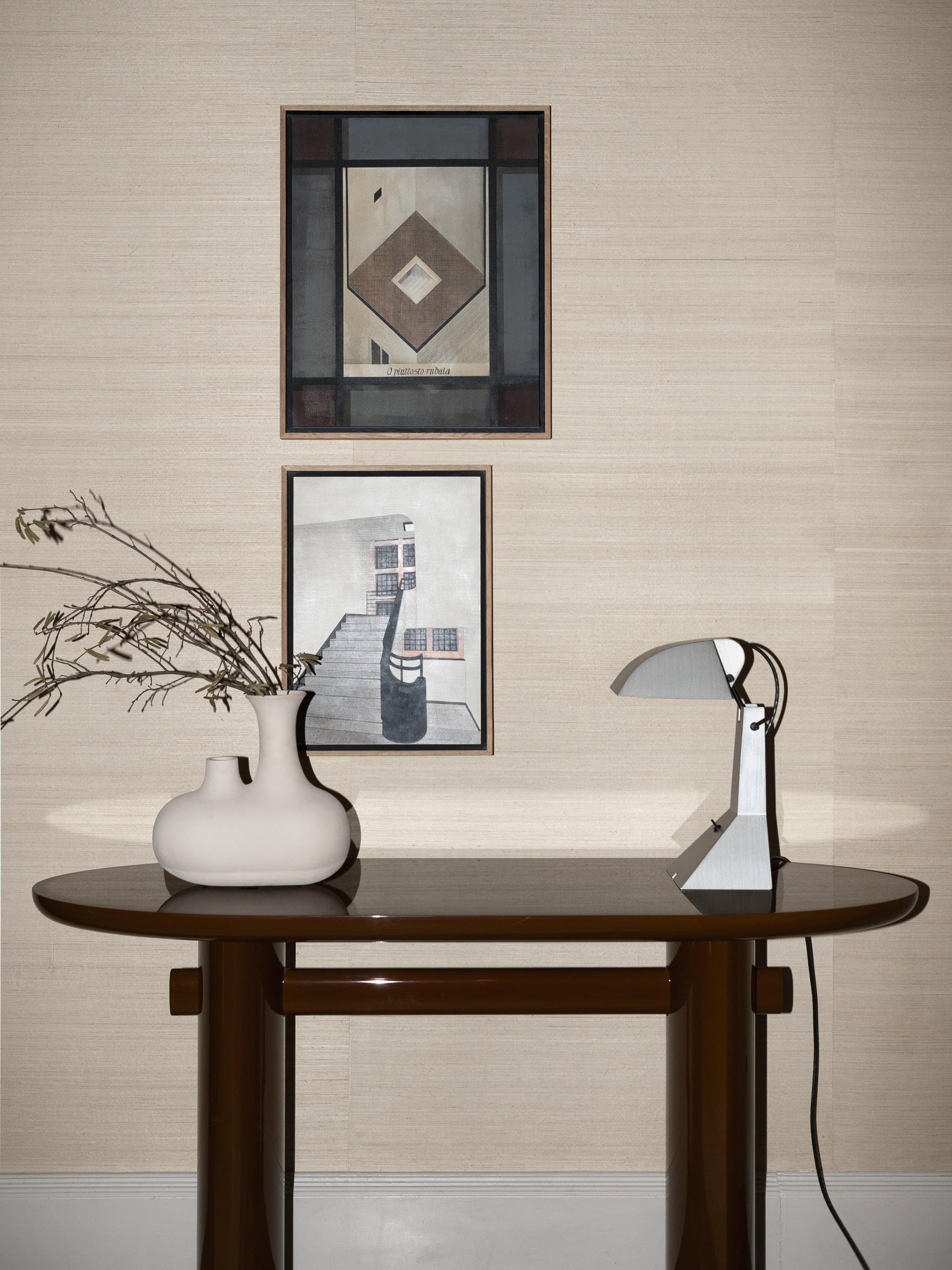
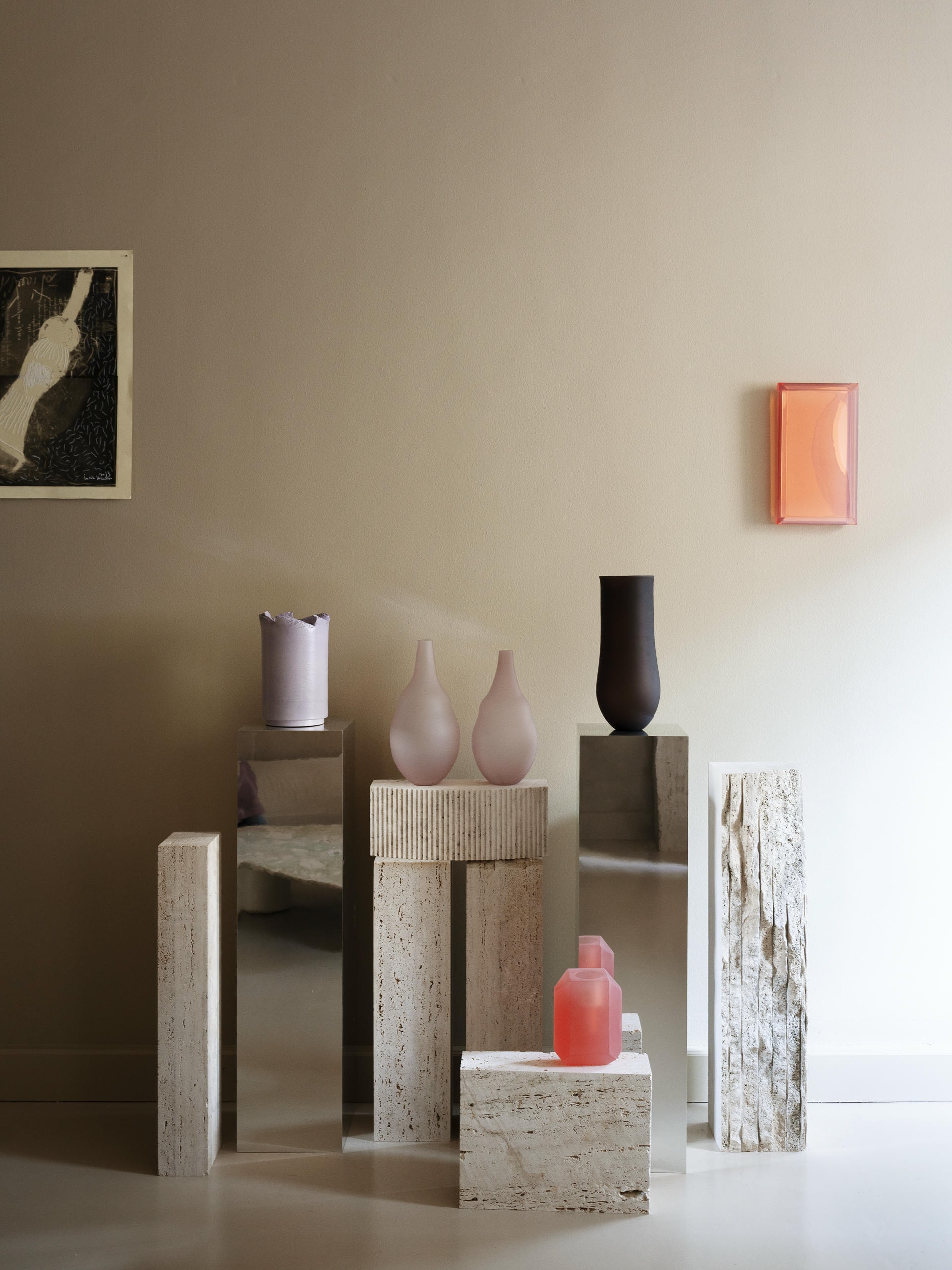
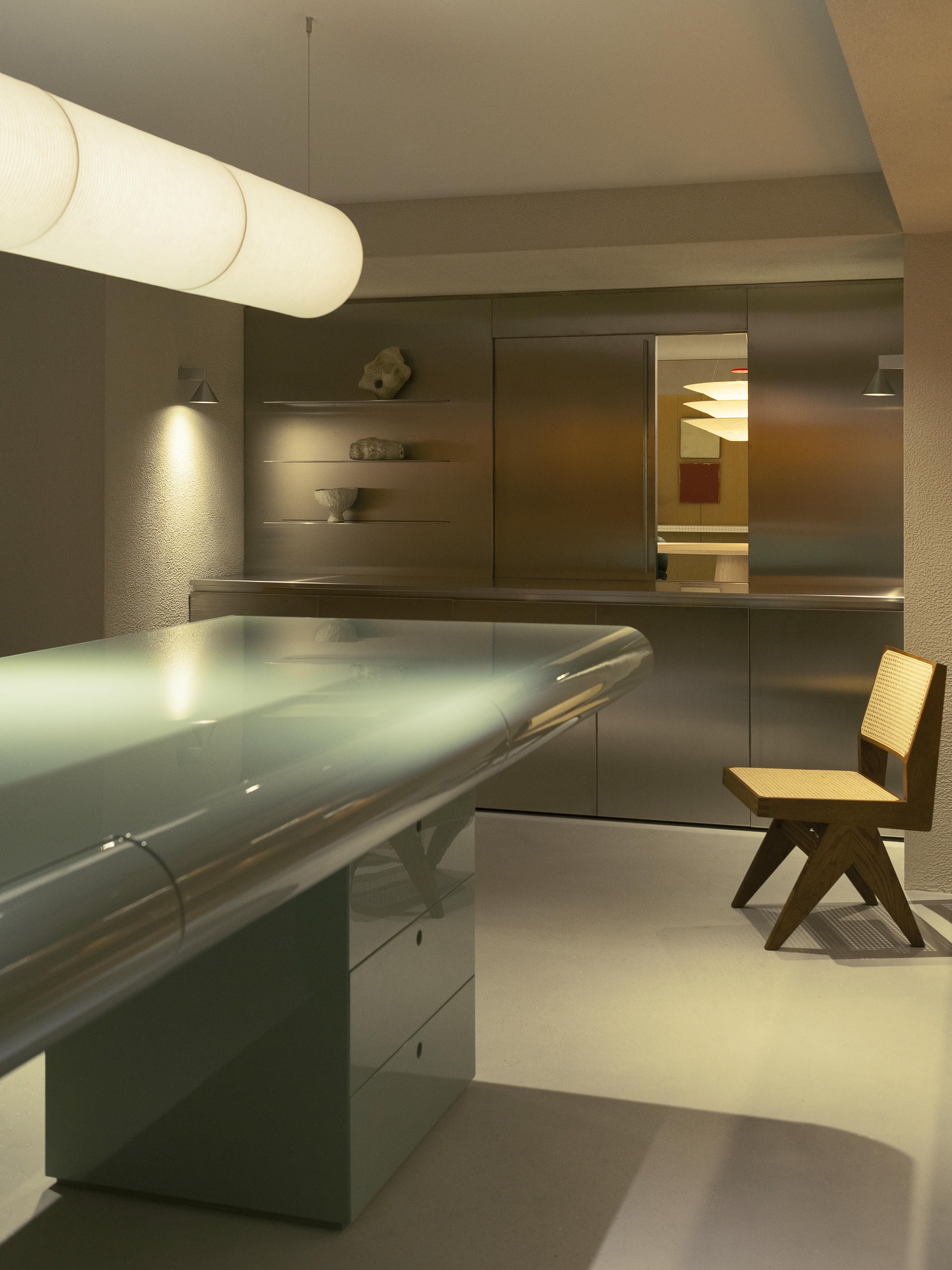
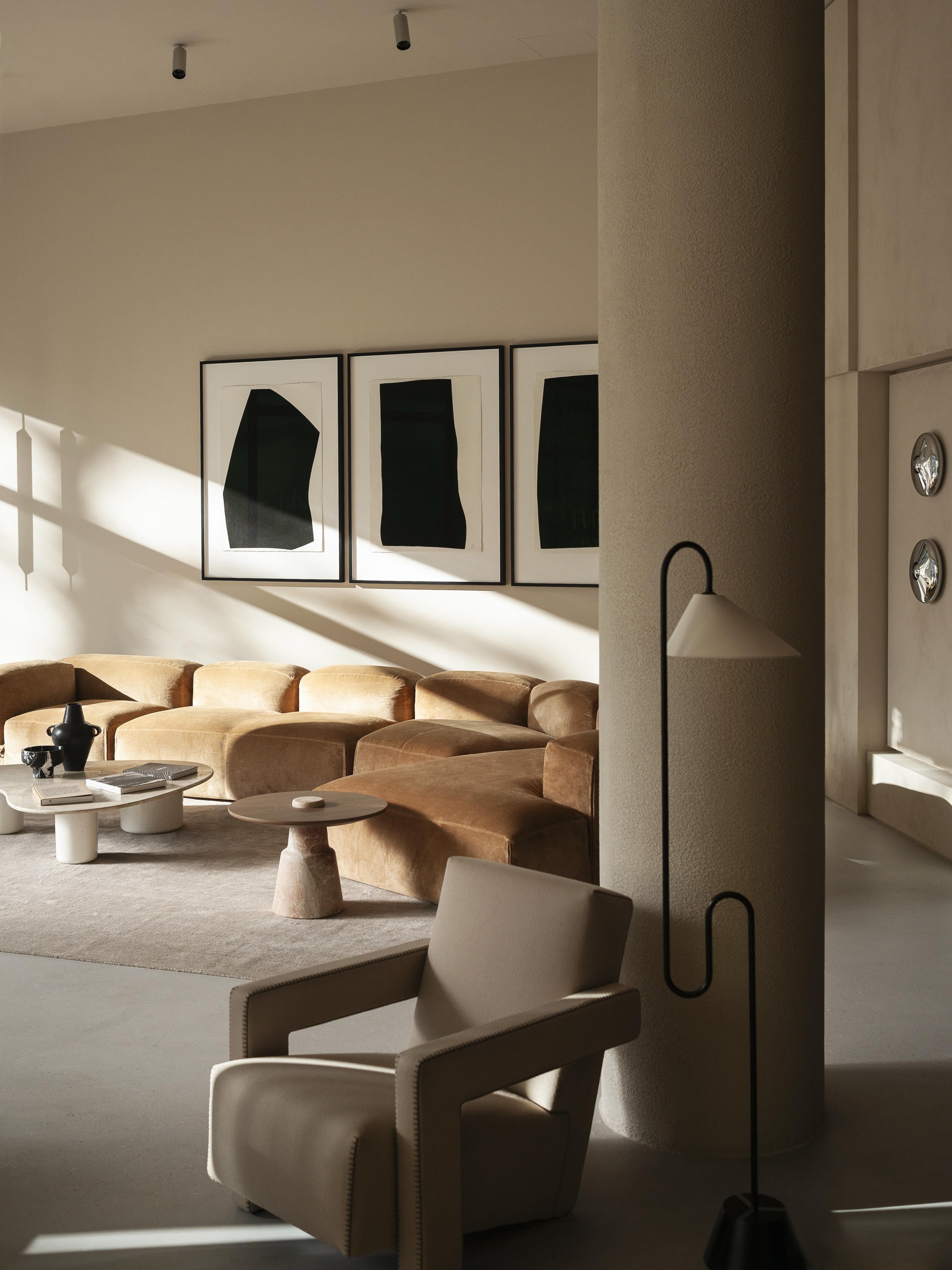
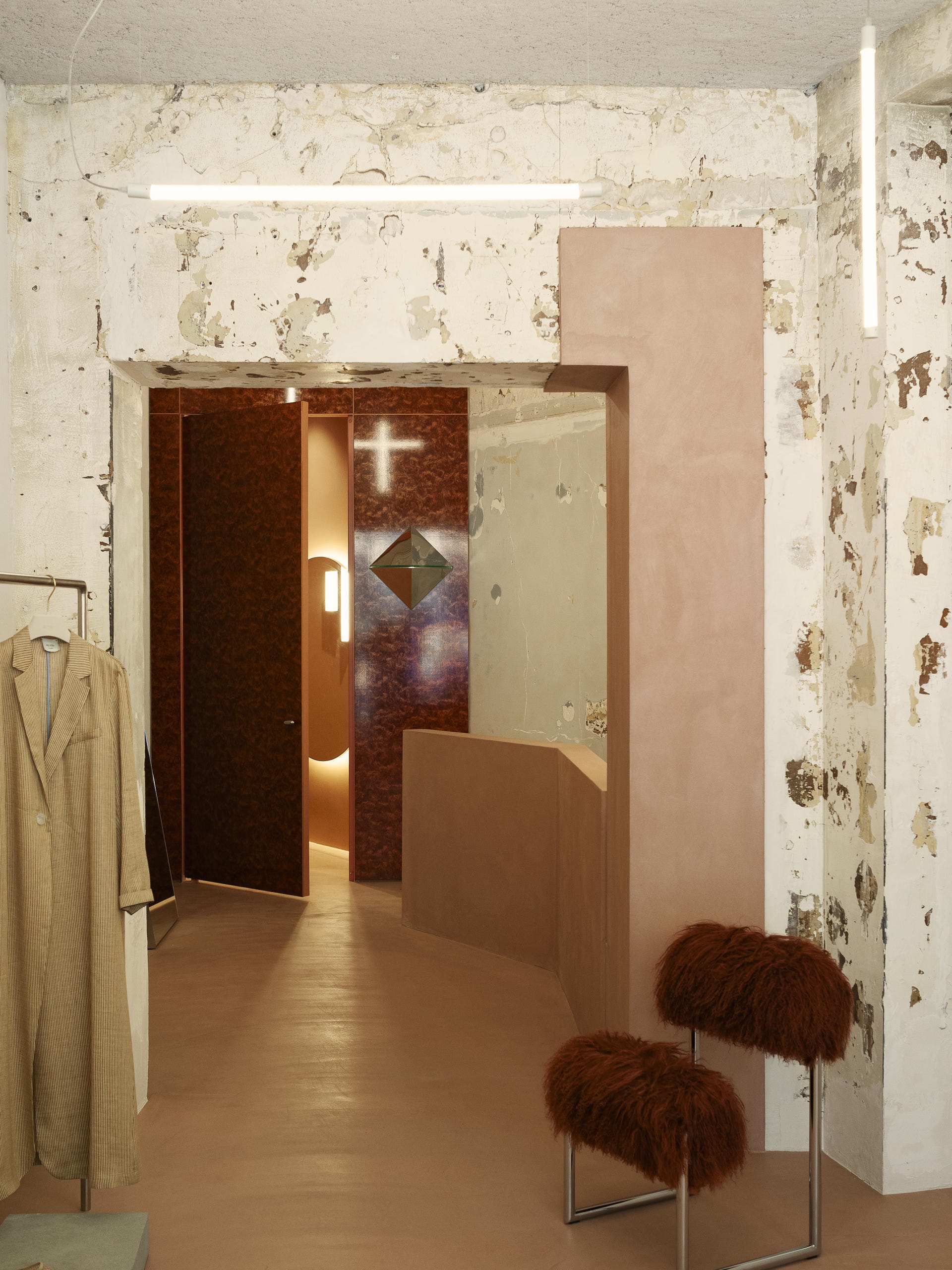
We select materials through a balance of research and experimentation, considering their tactile qualities, structural performance, and relationship with light. Often, we like to juxtapose contrasting materials – refined and raw, warm and cool – to create tension and depth. This dialogue allows each element to enhance the others and contributes to a layered and nuanced result.

© Andrea Ferrari
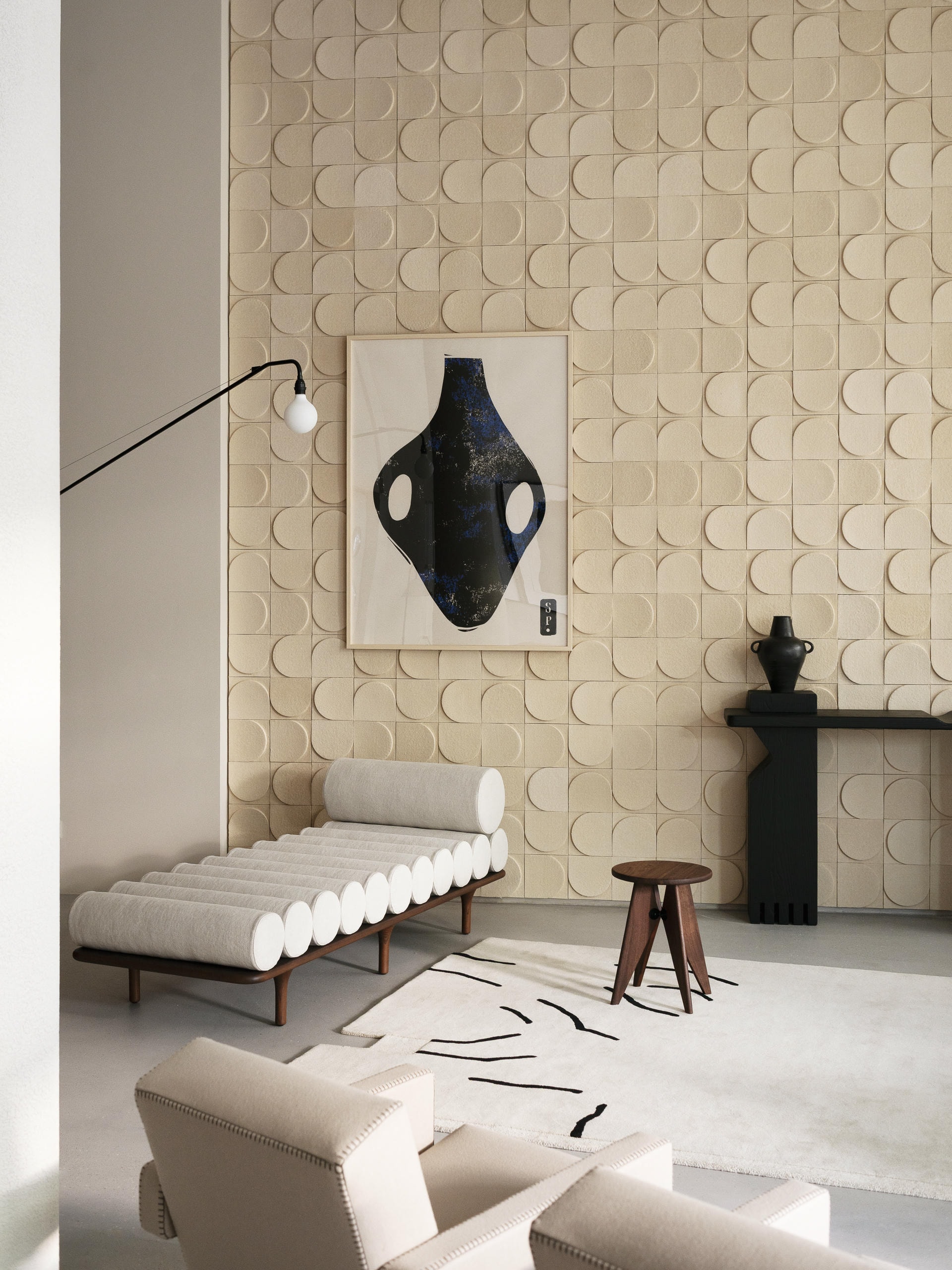
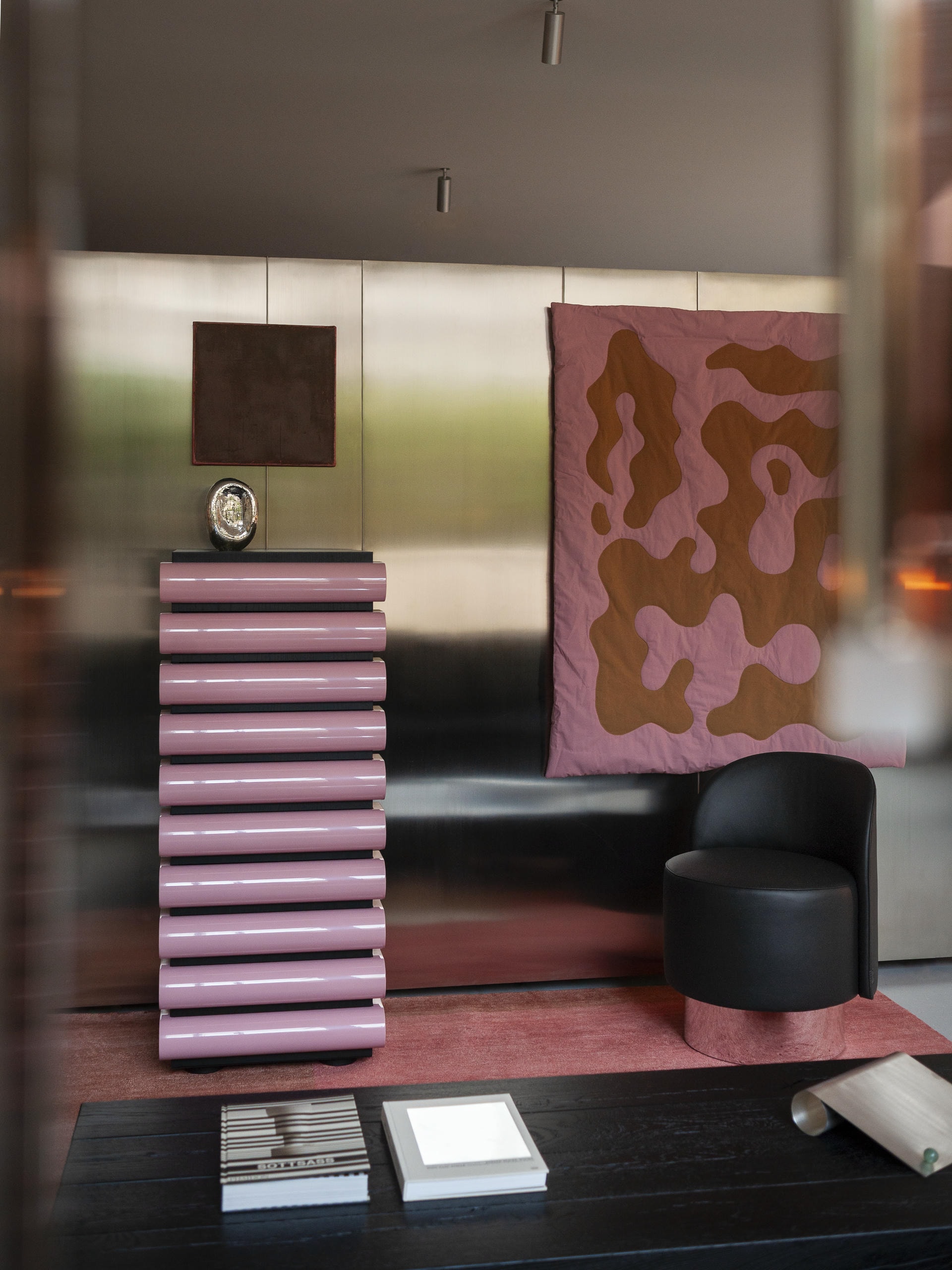
We pay meticulous attention to proportions and custom details. Many of our projects involve bespoke elements – furniture, lighting, surfaces, or architectural features – designed specifically for a space and developed in collaboration with manufacturers and artisans. Ultimately, the technical strength of our work comes from a rigorous yet flexible approach: combining detailed drawings, prototypes, and on-site supervision to translate a clear creative vision into spaces and objects that are functional, durable, and emotionally resonant.
© Andrea Ferrari
Purposeful and soulful.
I think we covered it all!
Experiment with materials and get your hands dirty!
I don’t believe there are design movements that are as clearly defined as those found in art; we would probably have to invent them. I believe our approach is sculptural yet delicate, rich in references yet grounded in formal rigor—a balance of opposites.
It is difficult to confine it to a single definition, and that is precisely what makes it beautiful, as it evolves together with us.
Many masters inspire us, each for different reasons: Munari for his light-hearted and playful approach to design, Sottsass for his genius and ability to see things from new and irreverent perspectives.
Giò Ponti for the elegance of his shapes and colors, and Scarpa for his attention to detail and his vision that embraces the Eastern aesthetic that is so dear to us, among art, Giorgio Morandi, and the Arte Povera movement for the conceptual approach and the use of materials.
We love the works of Rooms studio.
William Kentridge, Rachel Whiteread, Louise Bourgeois, Haris Epaminonda.
“Experiment with materials and get your hands dirty!”
The Questions
(The Proust Questionnaire is a set of questions answered by the French writer Marcel Proust.
Other historical figures who have answered confession albums are Oscar Wilde,
Karl Marx, Arthur Conan Doyle, Stéphane Mallarmé, Paul Cézanne…)
Arianna: Being in nature, reading or drawing
Chiara: Equilibrium + sun
Arianna: Death
Chiara: Stagnation
Arianna: Wanting to always be on the side of what is right
Chiara: Impatience
Arianna: Stupidity and ignorance, especially when they take power
Chiara: Insensibility
Arianna: Greta Thunberg
Chiara: Lama Michel Rinpoche
Arianna: Extreme simplicity in things that could be complicated
Chiara: Curiosity
Arianna: Thrilled
Chiara: Calm
© Andrea Ferrari
© Andrea Ferrari
Arianna: Hyperactivity, multitasking
Chiara: Perfection
Arianna: Knowing how to listen
Chiara: Integrity and sense of humor
Arianna: Being able to be true to oneself
Chiara: Intuition
Arianna: Iconographic
Chiara: “Allora,” in english “So,”
Arianna: Flying or singing (more realistic!)
Chiara: Singing
Arianna: Not expecting to change others
Chiara: None
Arianna: Having a career and a family and being able to devote time and passion to both
Chiara: The next one
Arianna: The moon
Chiara: A flower
Arianna: In many places I love, alternating
Chiara: Near the sea and a desert
Arianna: Photographs and stones
Chiara: Time
Arianna: No longer having self-esteem
Chiara: Meaninglessness
Arianna: Making pottery and travelling
Chiara: Meditation
Arianna: Creativity in everyday life
Chiara: Being eclectic
Arianna: Being present
Chiara: Loyalty
Arianna: Calvino, Némirovsky and Woolf
Chiara: I’d rather not say
© Andrea Ferrari
© Andrea Ferrari
Arianna: Lady Oscar
Chiara: I don’t have any
Arianna: Cleopatra
Chiara: Joan of Arc
Arianna: Doctors and activists in Palestine and all war zones
Chiara: My parents
Arianna: Mine, and also Stella and Chandra (moon in Sanskrit)
Chiara: Maitri
Arianna: It depends on the person
Chiara: Indifference
Arianna: Not having lived in New York at the age of thirty
Chiara: None
Arianna: Together with the person I love, but very old!
Chiara: We won’t die
Arianna: The road to hell is paved with good intentions (Baudelaire)
Chiara: “Come in cielo, così in terra” in English “on earth as it is in heaven”
“Research is essential, but so is instinct.”
© Andrea Ferrari © Andrea Ferrari © Andrea Ferrari © Andrea Ferrari
SHARE :