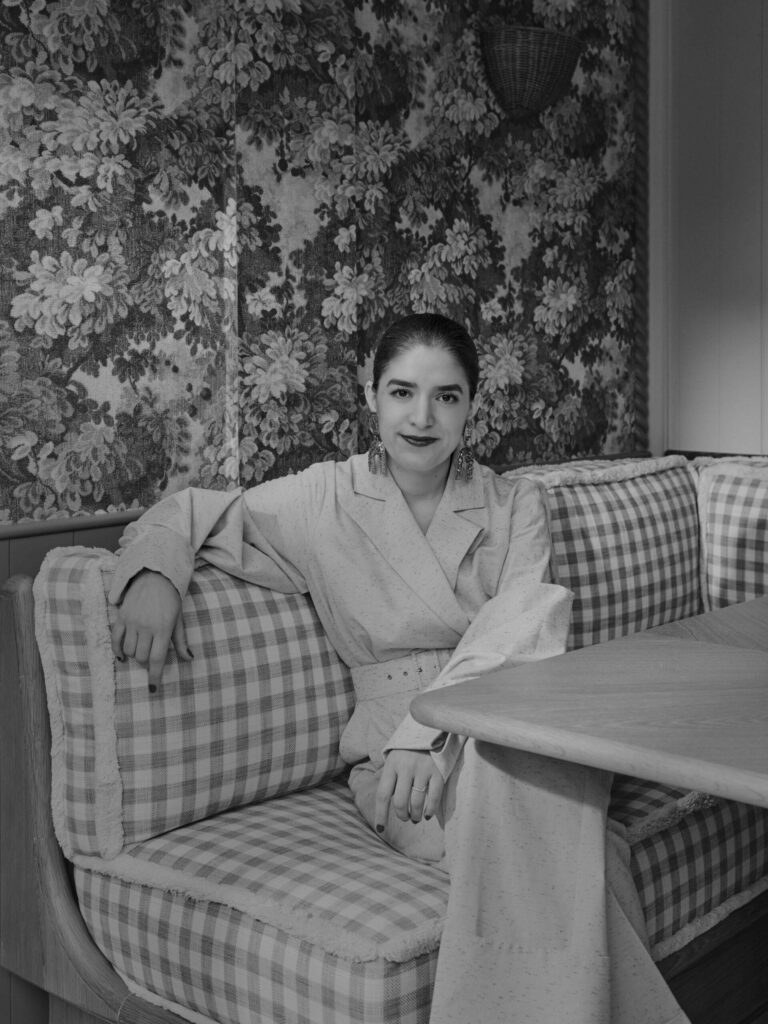
Stephanie Barba Mendoza
Stephanie Barba Mendoza is the founder and creative director of a London-based interior design practice established in 2020. Known for a vibrant and opulent design language, the studio delivers high-end residential and commercial projects internationally, supported by a multidisciplinary team of designers. Its portfolio includes private residences in London, Antwerp, and Miami, as well as boutique hotels across Europe and members’ clubs in Hanoi and Mexico City.
Born and raised in Mexico, Barba Mendoza began her career in London before joining the internationally acclaimed Martin Brudnizki Design Studio, where she led a diverse range of hospitality, residential, and retail projects worldwide. Over nearly two decades in the industry, she has refined an adventurous aesthetic that now defines her independent practice.
Her work is distinguished by a confident use of colour and pattern, a respect for honest materials, and close collaboration with artisans and craftspeople globally. Balancing contemporary and classical references through thoughtful layering of materials, colours, and antiques, Barba Mendoza creates interiors that are expressive, playful, and deeply connected to both client vision and sense of place.
“What began as curiosity evolved into spatial storytelling.”
INTERVIEW

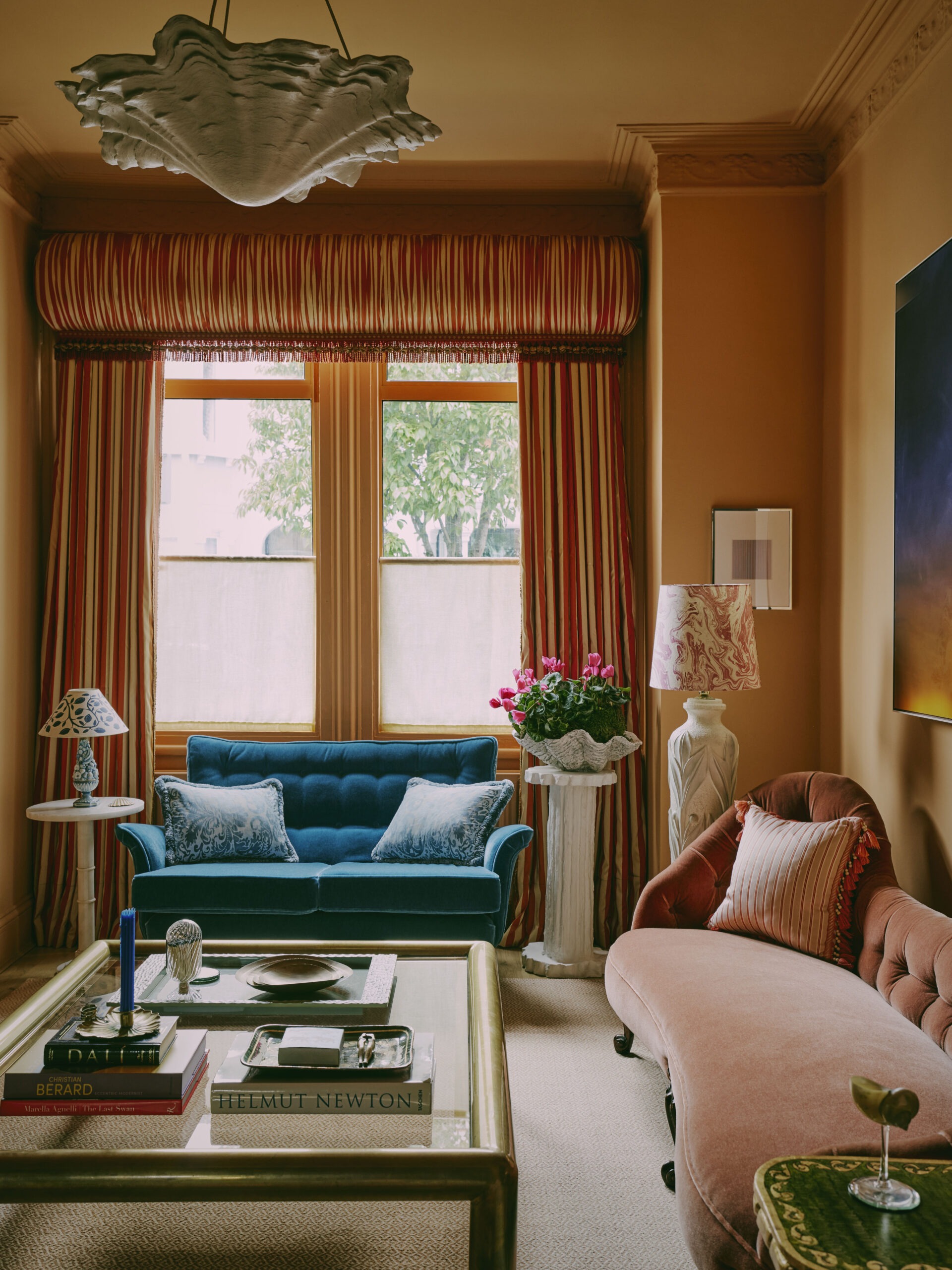
Kingsley Road, private residency © Kensington Leverne
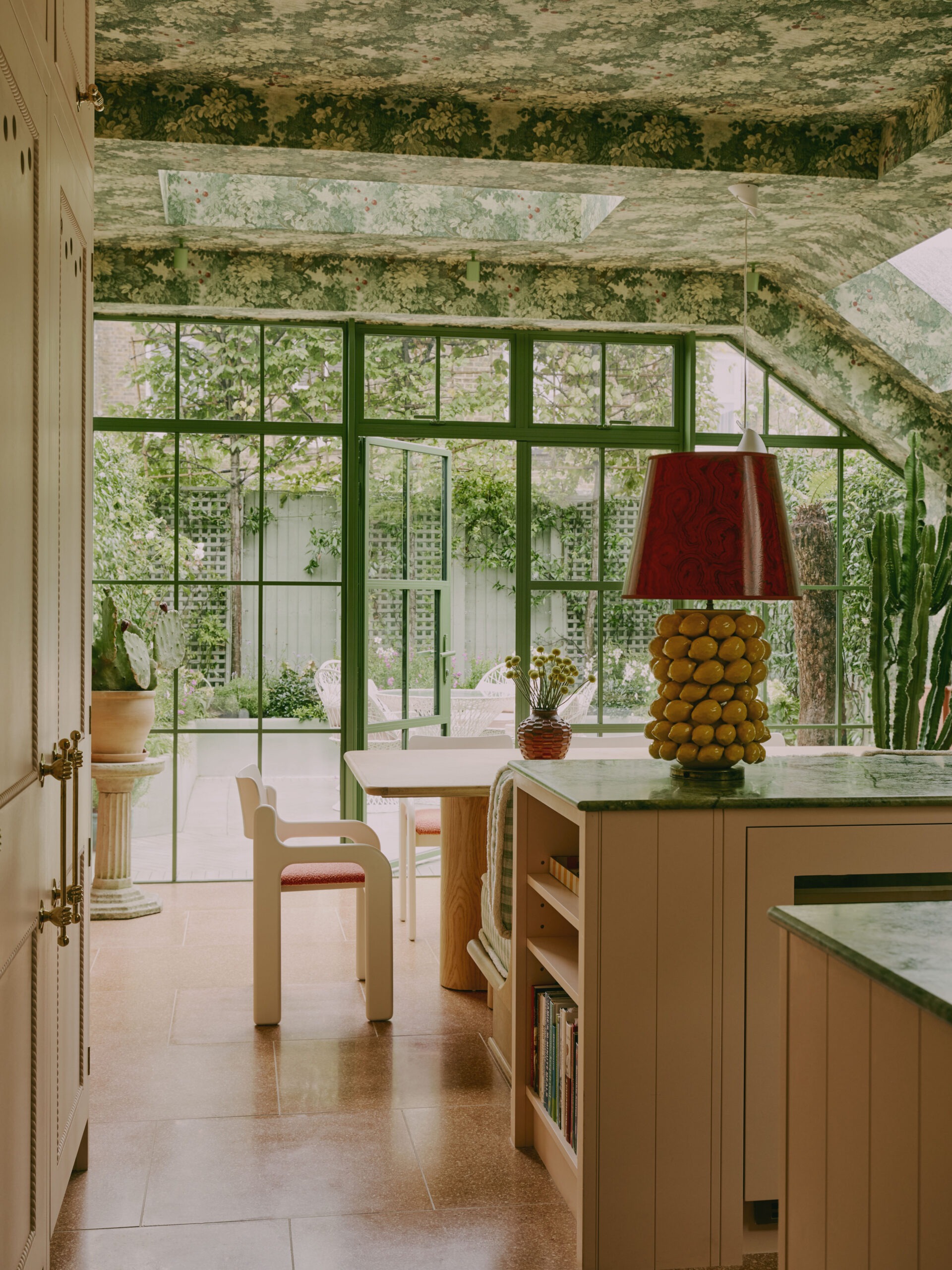
I would prefer to say that I don’t have a signature style, as I believe we should be chameleons in our studio and take on very different projects. The commonality or mantra in our work is that we start each project afresh, avoiding formulaic designs. We are a very creative studio and love to push ourselves into the finer details, ensuring our work is highly bespoke. I believe our projects possess a unique soul and warmth.
I was always the kid who loved art class, knowing that I would dedicate my life to something in the creative realm. I started studying architecture at university because, in Mexico, interior design wasn’t a well-developed career. Usually, architects would specialise in interiors. After nearly two semesters in architecture, I realised I wasn’t interested in building skyscrapers; rather, I loved the intricacies of interiors: architectural details, furniture, composition, colour, and texture.
I have been working as an interior designer for over 18 years. Nearly 10 of those years were spent with Martin Brudnizki, who has been a real mentor to me. He also gave me a lot of freedom, and I owe so much of my formative years in hospitality design to him and Pascale Belot, the design director.
A successful interior starts with practicalities that may not be immediately seen but are certainly felt, such as the flow of a space and its functionality.
For example, in a members’ club, creating intimacy allows for private conversations while still feeling part of the collective and having the energy of a vibey space. The visual aspects of the course, the harmony between textures and colours, weave a narrative throughout the project. The details, warmth, and lighting are crucial; without a great lighting scheme, an interior cannot succeed. We’ve all sat at a restaurant table with an unflattering spotlight above our heads, a definite no for me.
Additionally, the ability to evolve, explore, and remain current without being repetitive is vital.
favorite pieces from the Philia Collection
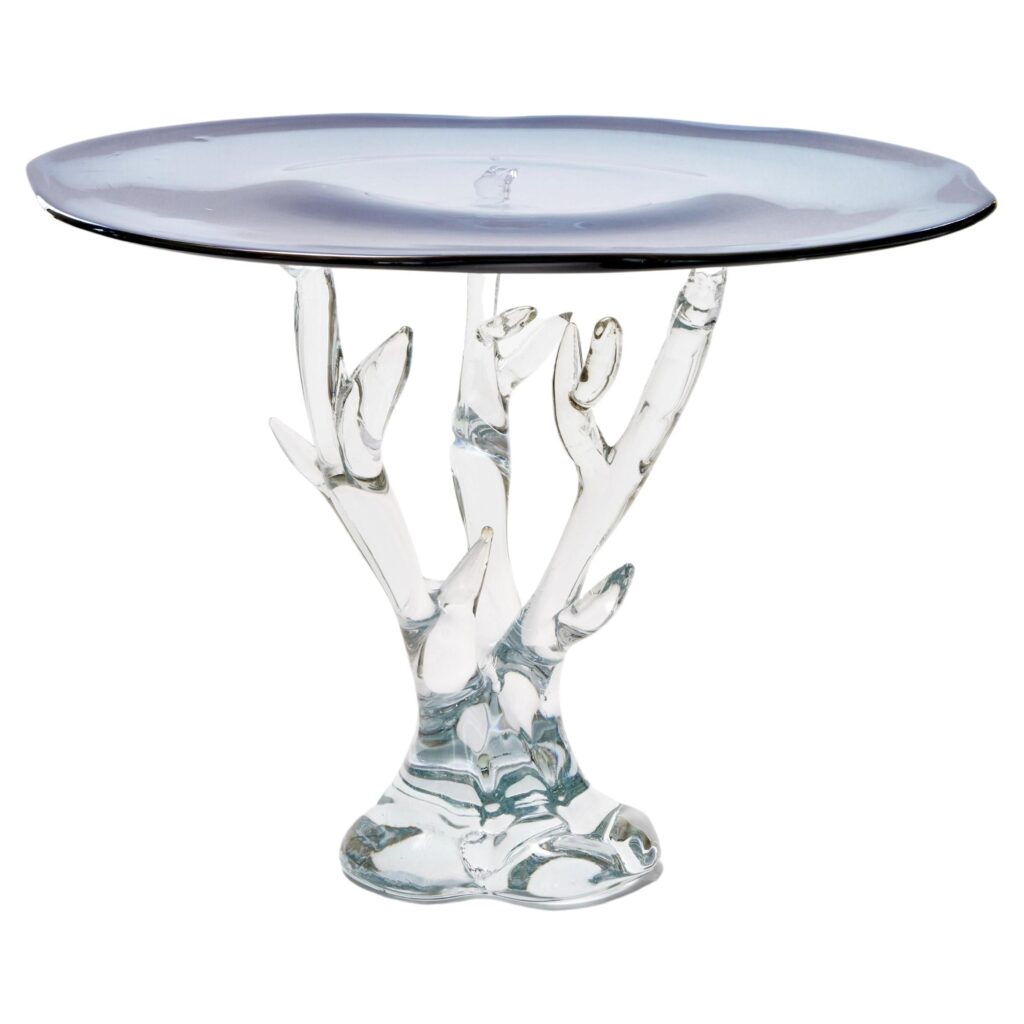
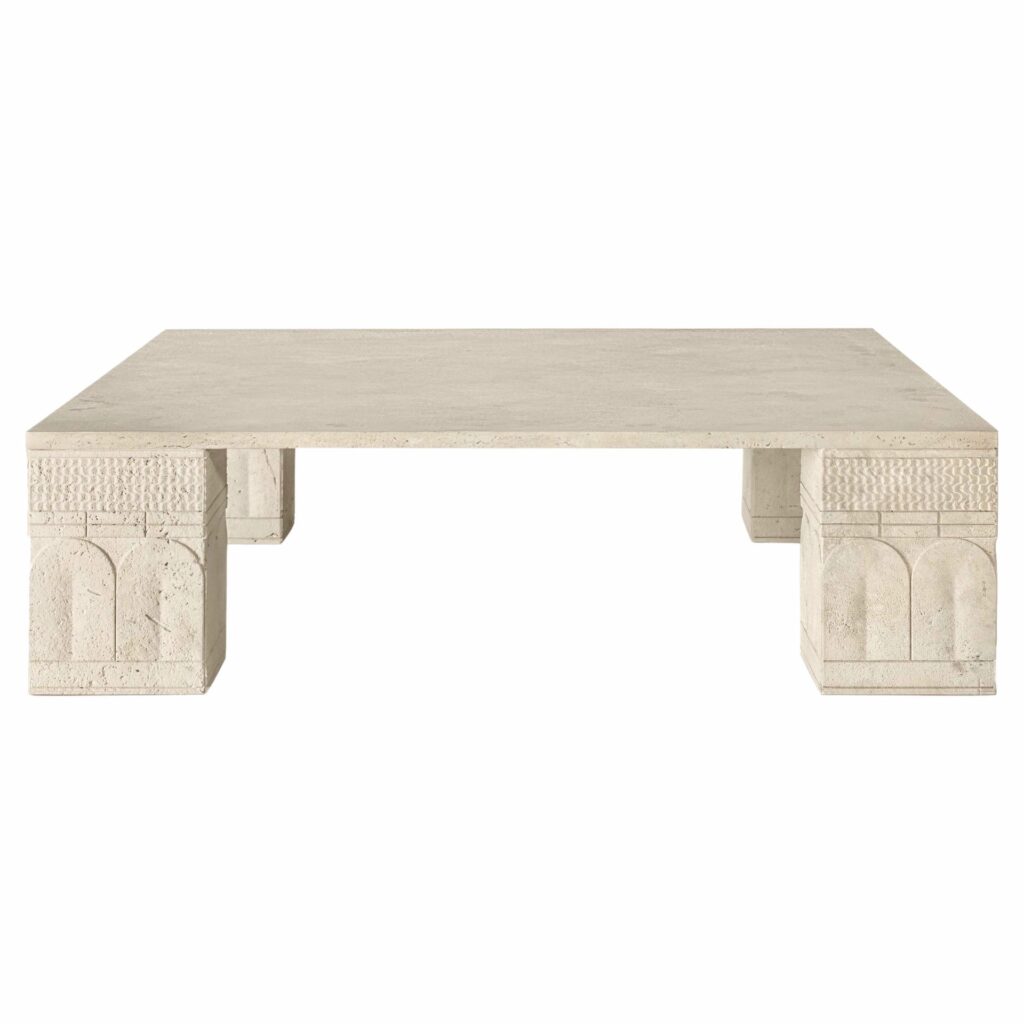
The first thing is the client brief, looking at the building (if existing) and its context. From there, we create a narrative for the space—what is the thread that will link all the spaces together and solidify the design? Inspiration could come from anywhere, and it may be something small or simple that becomes the foundation of it all. Each project is uniquely different.
All projects become like your children, it’s a bit like having to choose a favourite. The house in Antwerp was particularly special, as the client and I had incredible synergy. The project I did with my brother in Mexico City holds great significance as well; it was wonderful to create something together.
We have several projects wrapping up by the end of this year and in Q1 of 2026, which we’re very excited about, including those in Lisbon, Vienna, Amsterdam, and Porto.
Don’t forget about your ceilings; they are one of the largest surfaces in a room that you can design!
The best advice I received was to resist the temptation of taking projects solely to ‘keep the lights on.’ Early on, there is a fear that if you say no, the work will stop coming. But I learned that true success comes from alignment. My clients’ needs in terms of style and vision should match my strengths as a designer. It is better to pass on a project than to deliver a result that is anything less than exceptional.

Kingsley Road, private residency © Kensington Leverne
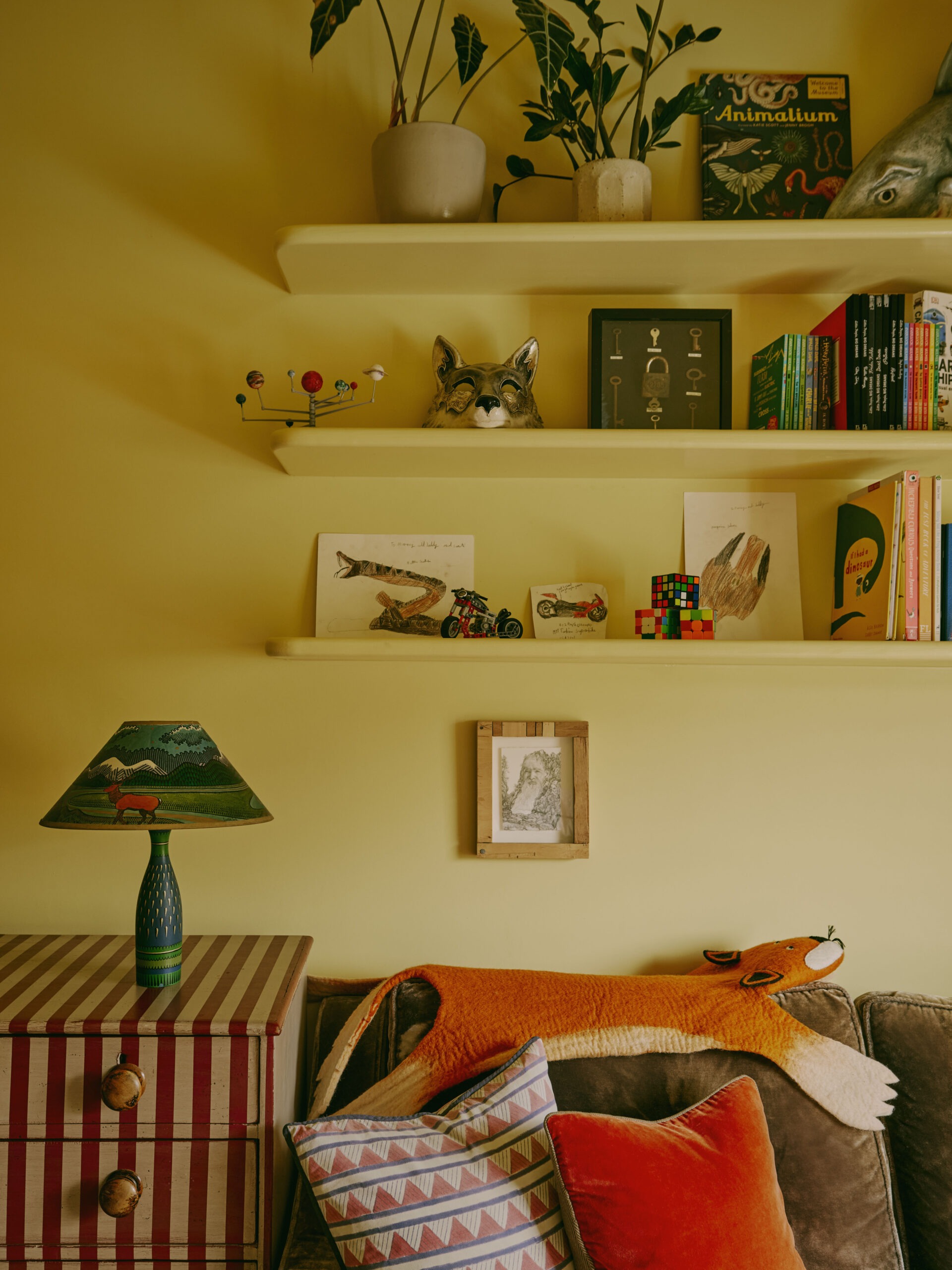
Work with different people and designers. Identify what it is that you like and thrive at. Follow your intuition; I truly believe that creativity is largely about intuition.
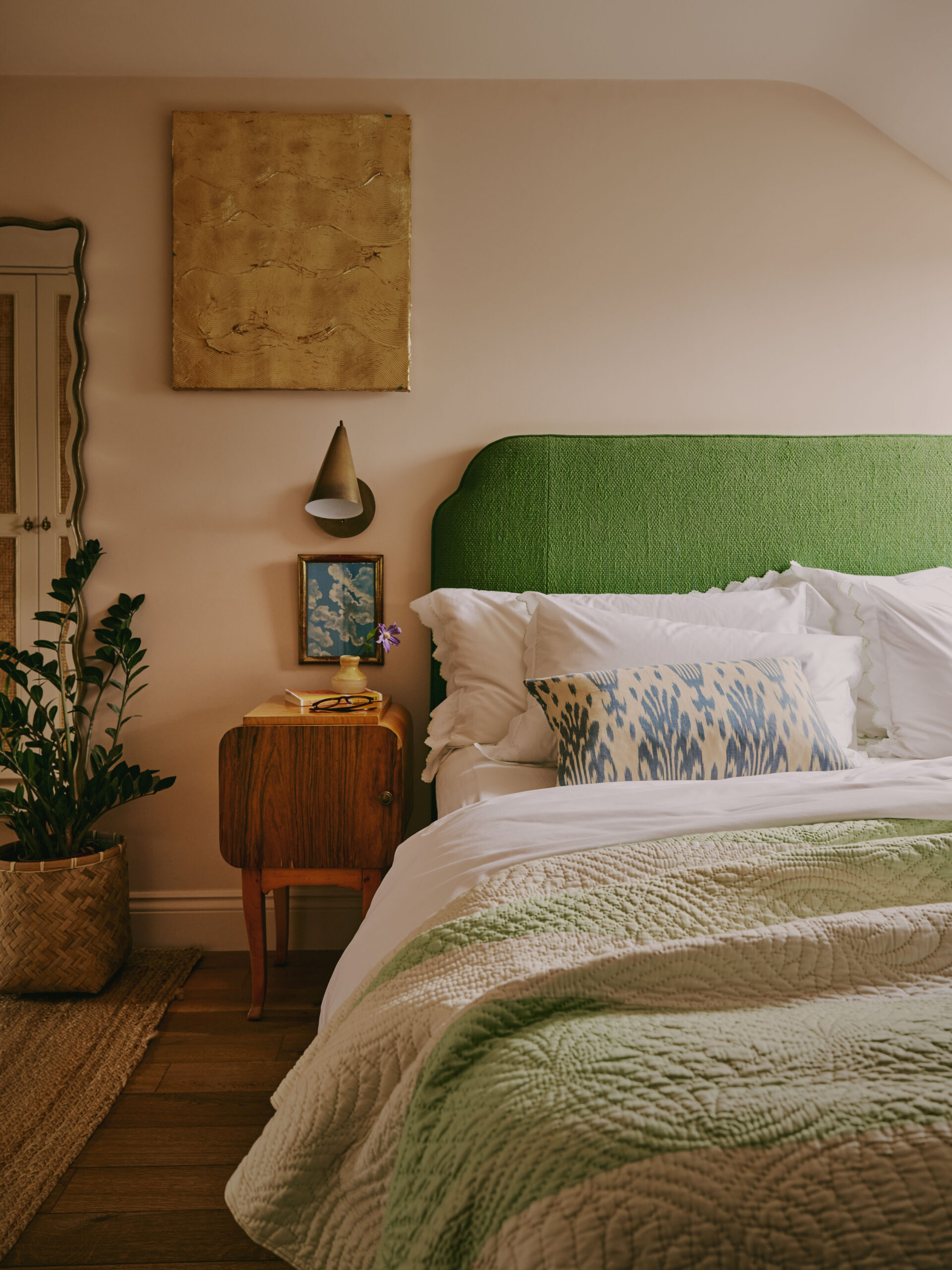
Kingsley Road, private residency © Kensington Leverne
The most profound lesson was realizing that creative talent is merely the entry ticket to this industry. As my business grew, I understood that being a good designer is a necessary but not sufficient condition for success.
To execute complex visions, you need a rigorous process and a cohesive team. I learned that structure doesn’t stifle creativity; it is actually the foundation that allows the design to land exactly as intended.
I highly recommend the book “Butter” by Japanese writer Asako Yuzuki, which is based on a true crime story. I really enjoyed reading it. One of my all-time favourites is the autobiography of Peggy Guggenheim: “Out of this Century – Confessions of an Art Addict”.
We are wrapping up several F&B projects in Lisbon, Vienna, Porto, and Amsterdam. Later this year, we are completing a house in Primrose Hill and a members’ club in Vietnam. The year 2026 is shaping up to be significant for us, with many projects finishing and others beginning.
Thank you so much Stephanie, for this lovely interview!
Share article :