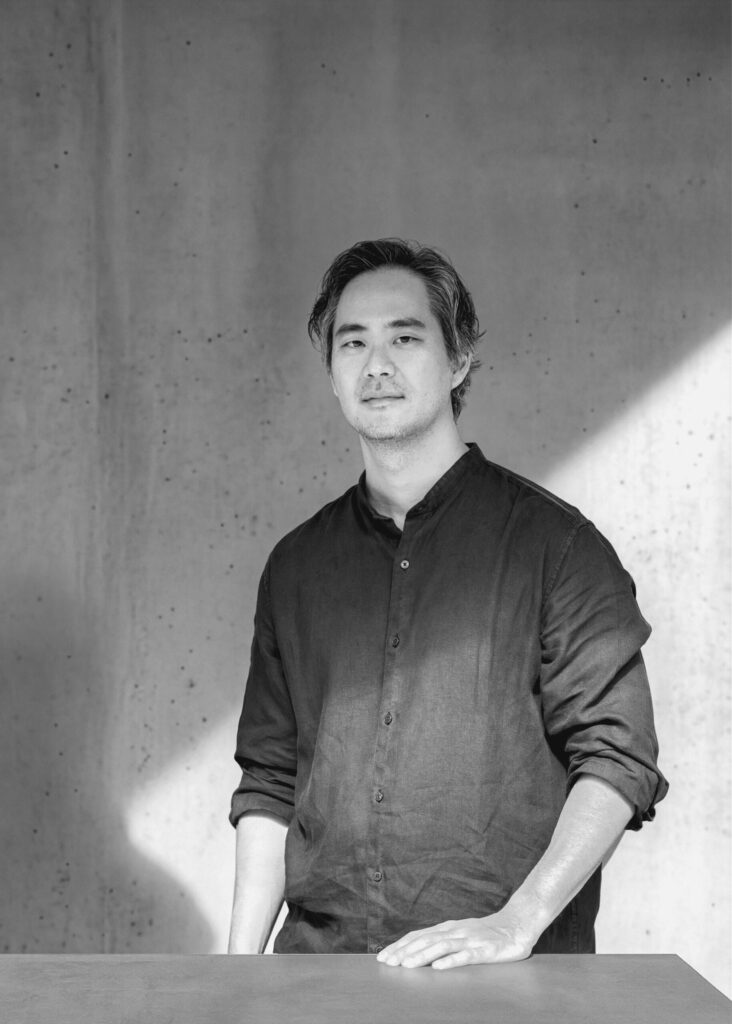
Rogerio Shinagawa
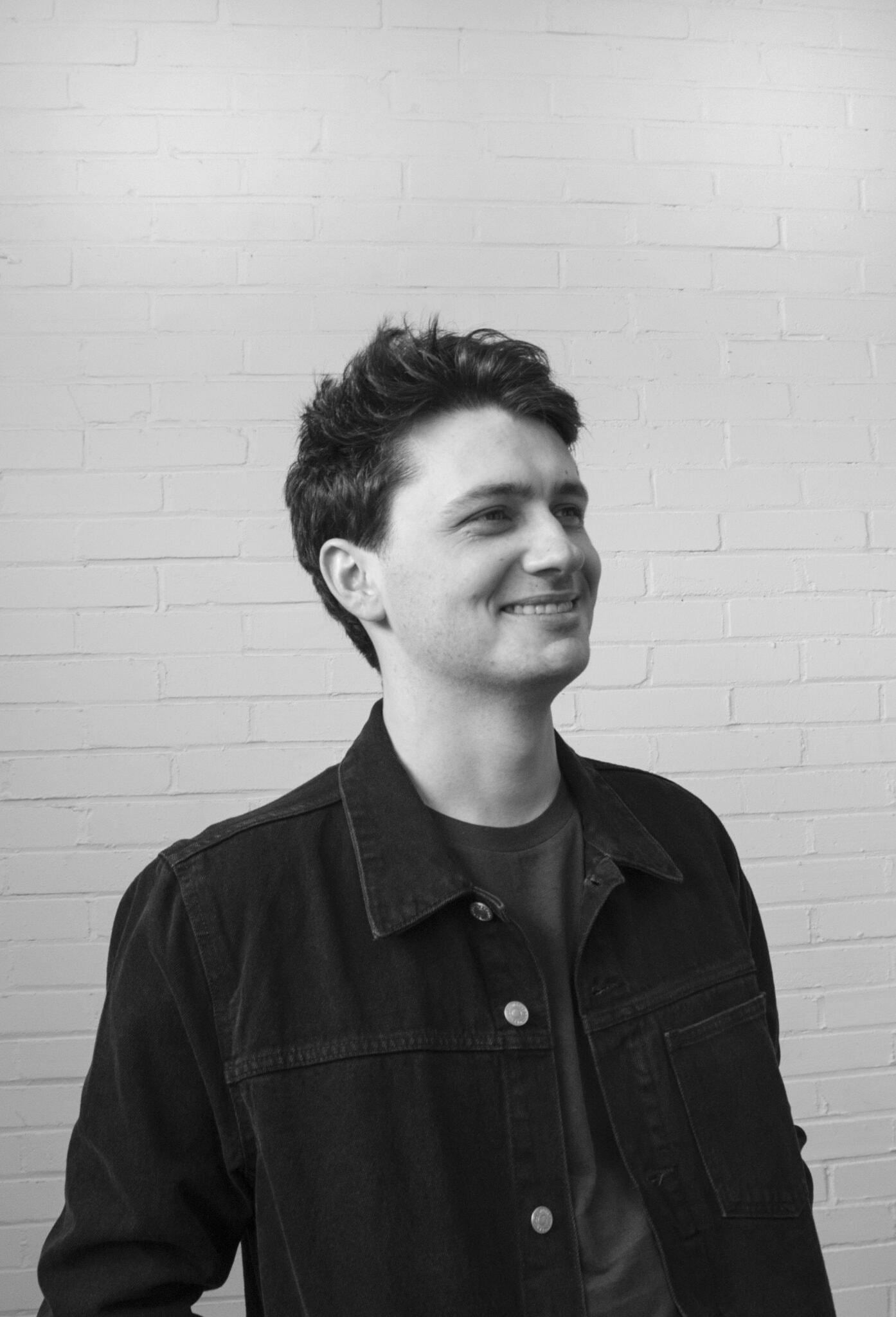
Rogerio Shinagawa is a Brazilian architect and founder of Shinagawa Arquitetura, a São Paulo–based studio specializing in contemporary residential architecture and interiors. After graduating in Architecture and Urbanism from PUC Campinas and completing part of his academic training at the Faculty of Architecture of the University of Porto, he established his own practice in 2015. His background, combined with an early exposure to architecture through his family home, shaped a design approach grounded in careful observation and sensitivity to the experience of living.
Each project is conceived as a response to its context and the people who inhabit it, balancing spatial clarity, natural light, and material expression to create environments that feel both timeless and deeply personal. Through a process that prioritizes dialogue over stylistic formulas, Shinagawa develops architecture distinguished by quiet sophistication, precision, and lasting functionality. His work has been featured in ArchDaily, Casa Vogue, and Casa e Jardim, and has received international recognition through the DNA Paris Design Awards, INT Interior Design Awards, LOOP Design Awards, and BLT Built Design Awards.
“To design is to give form to listening.”
INTERVIEW
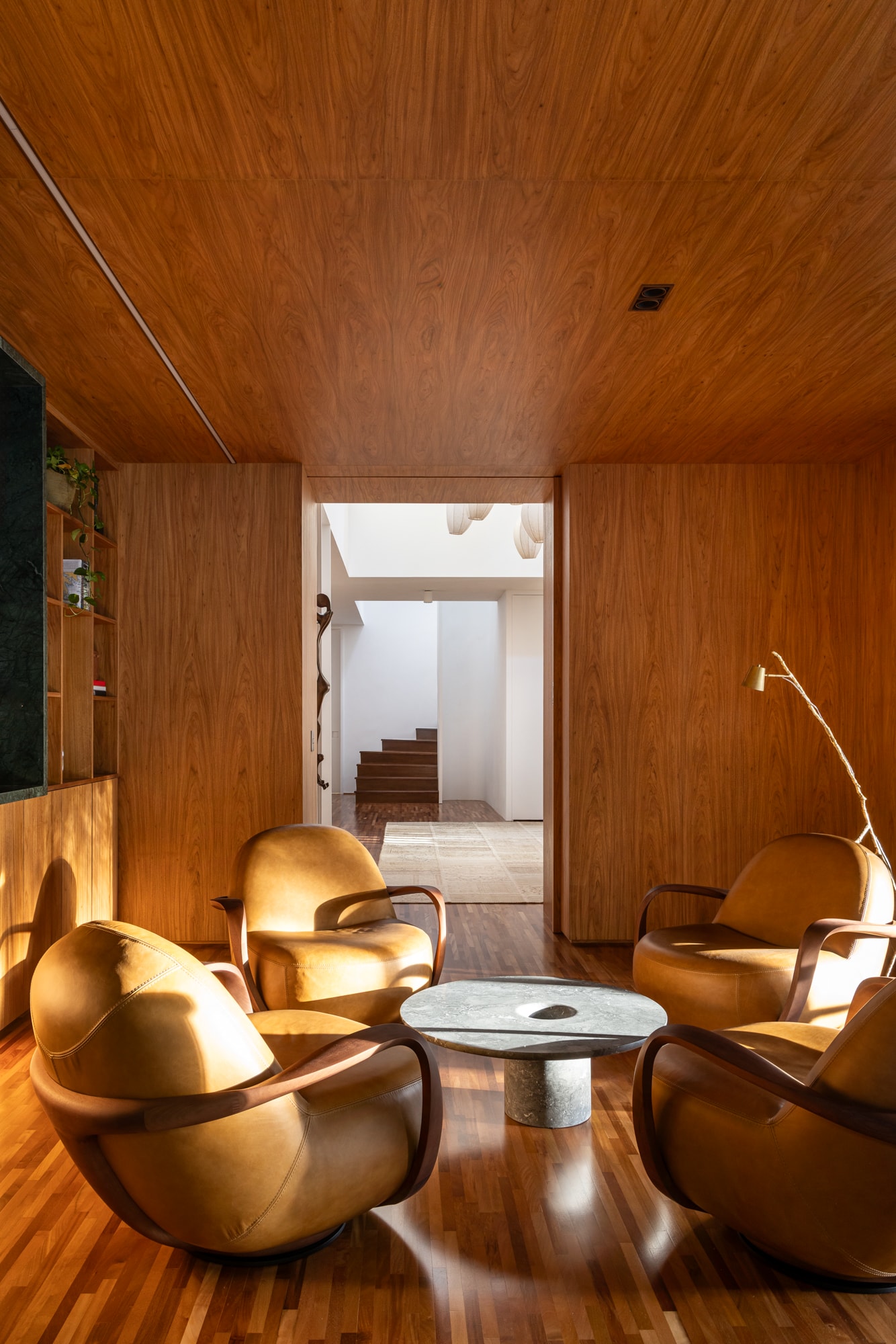
Proportion is not an isolated decision. It is born from the whole: the height of a ceiling, the depth of a room, the way light enters and moves through the space throughout the day, the relationship between solid and void, the visual weight of materials, the scale of the furniture, and the rhythm between more enclosed and more open spaces.
When these elements are balanced, the space simply works. The user feels it: a calm they cannot necessarily explain, but that is there.
From a very young age, I was always creative. I loved drawing, building, and imagining spaces. But architecture was not my original plan. It came as a second choice when I was deciding on a degree, and that is exactly where the surprise happened. When I started university and began to understand what the profession truly involved, I felt I had found myself in a way I had not expected.
What fascinated me most was realising that architecture is a radically interdisciplinary field. It brings together exact sciences and humanities, technique and sensibility, and transforms all of it into something concrete and tangible: a house, a space, a place where someone will live. That ability to unite so many different languages into a single physical and emotional result still fascinates me as much as it did at the beginning.
The starting point is always listening. Before any design gesture, I need to understand who the people are that will inhabit that space: their way of life, their desires, their routines, and what they hope to feel at home. That understanding does not come from a briefing meeting alone; it comes from genuine conversation, from paying attention to what is said and to what is left unsaid.
Alongside that, there is the analysis of the place. The site, the sun orientation, the wind, the vegetation, and the relationship with the surroundings: all of this is design information. It is when the client and the place come together that the project begins to speak for itself, and my role is to know how to listen to what it says.
I do not identify with a fixed style, and I believe that is a conscious choice. Each project is born from a specific context: a site, a family, a climate, and a quality of light. It would be limiting to bring the same formal answer to such different situations.
What remains constant is a contemporary language that seeks connection: with the place, with the light, and with the people who will live there. I am interested in creating spaces that provoke emotion, comfort, warmth, and sometimes surprise. Spaces that feel inevitable, as though they could not have been any other way.
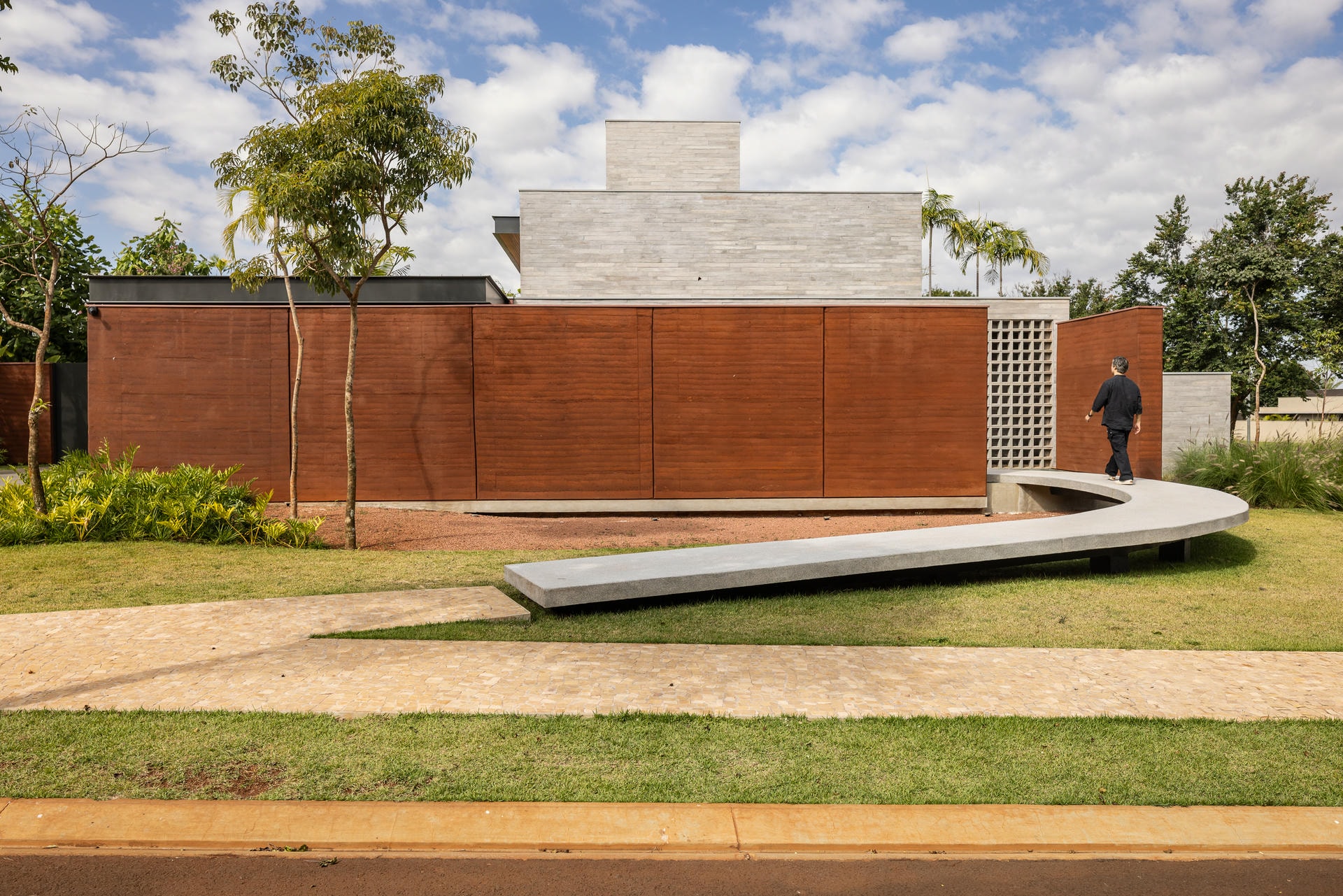
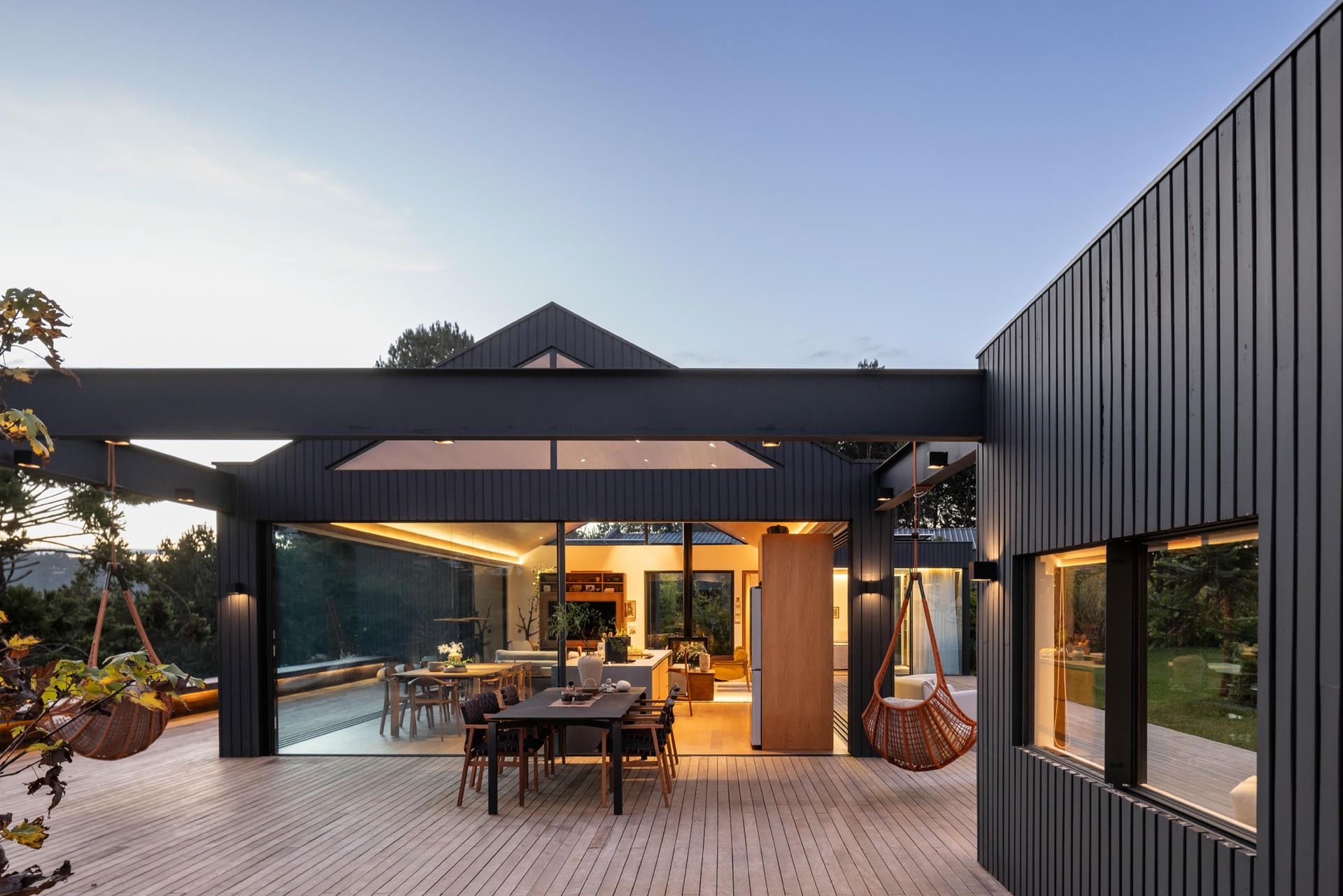
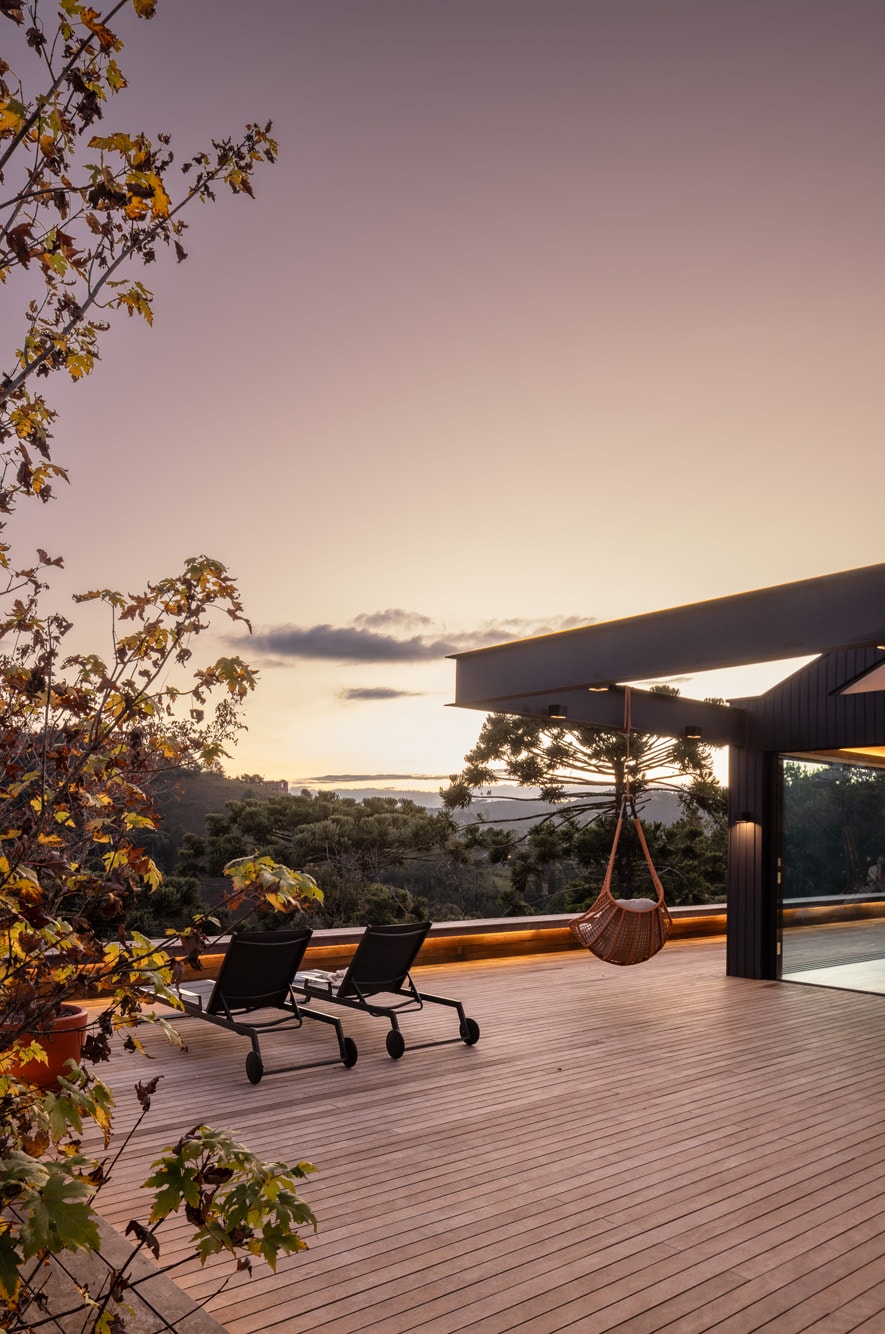
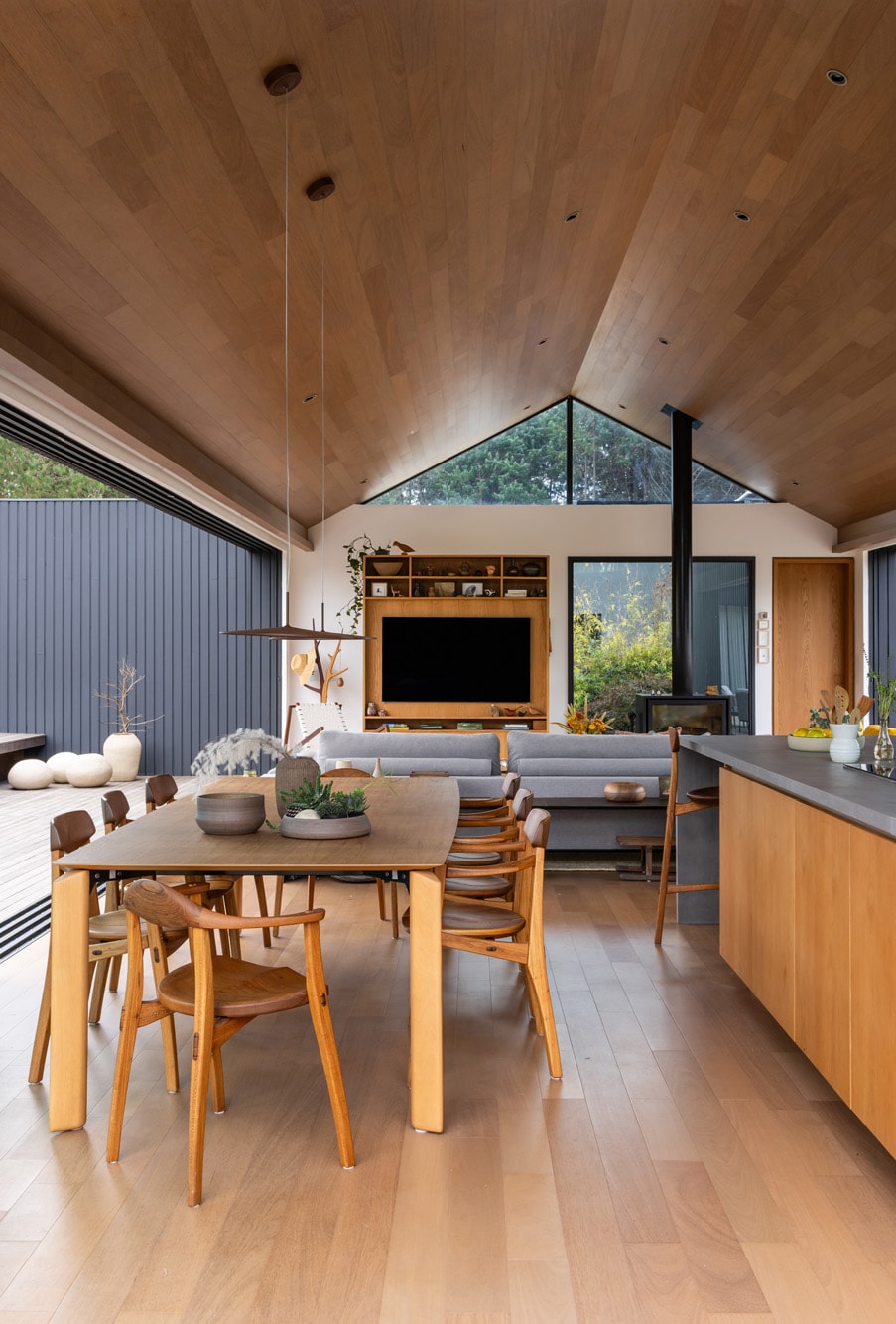
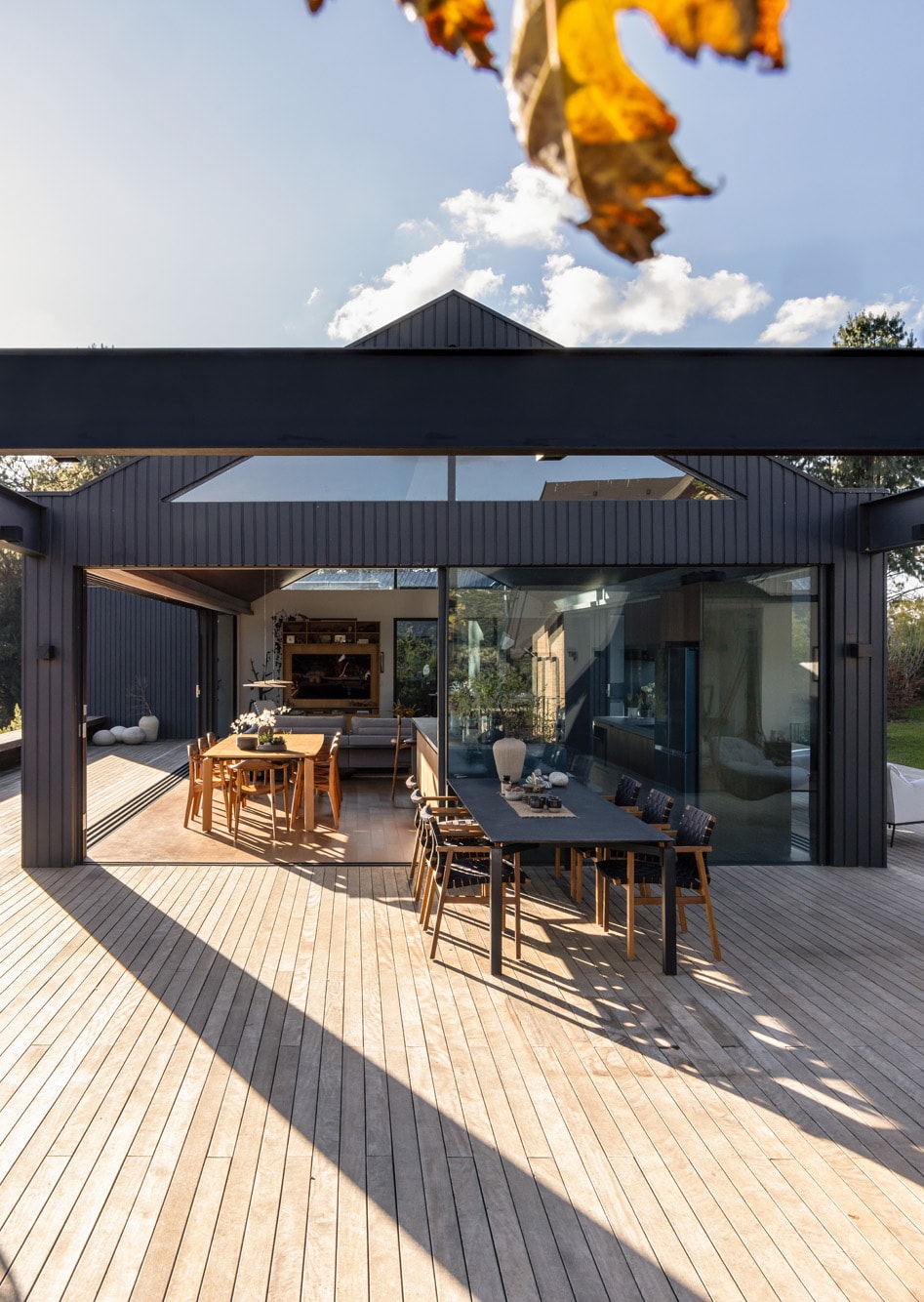
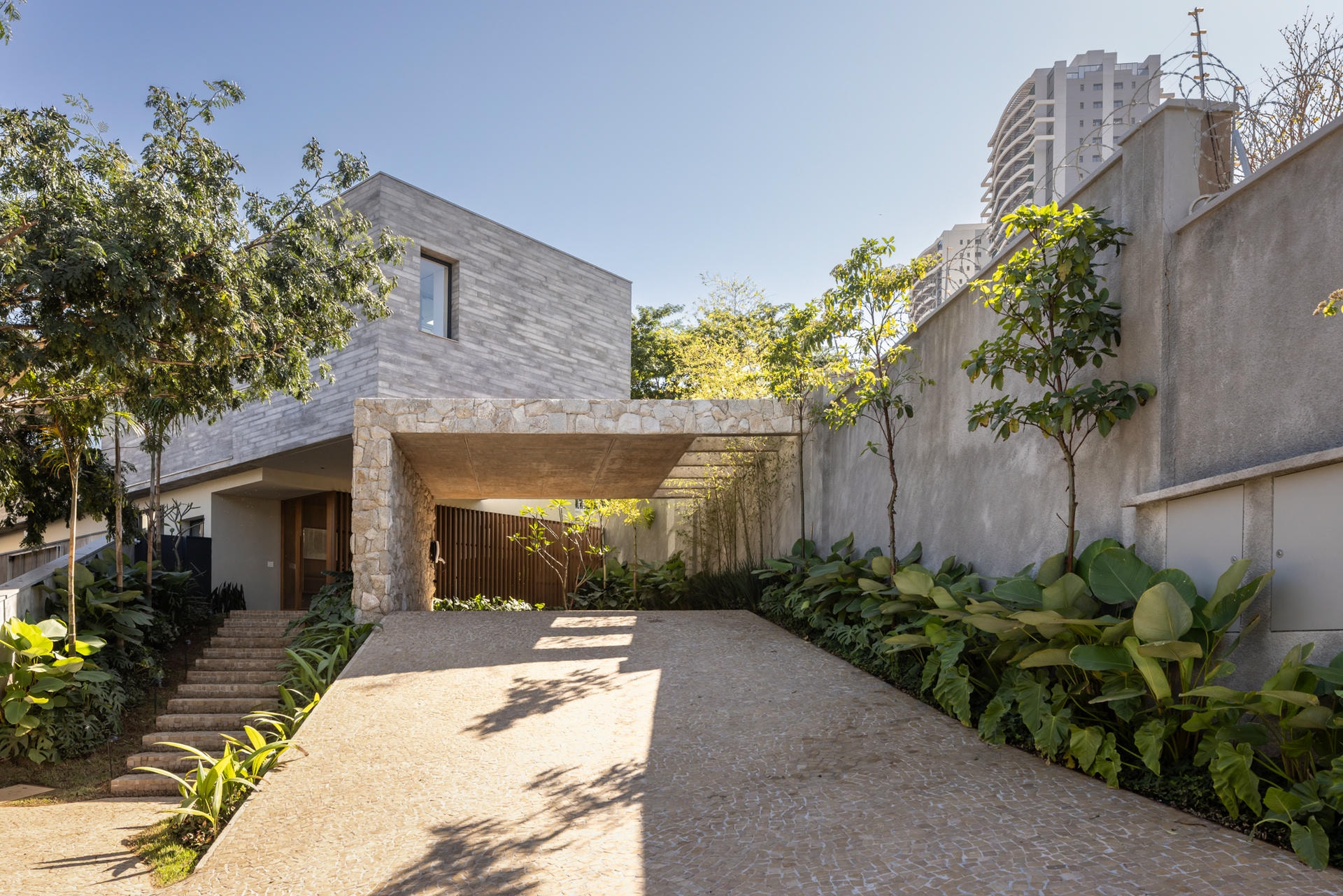
I feel a particular pride in projects where we realise, after completion, that the architecture has truly become part of the residents’ lives. Casa Tikira, located in the Serra da Mantiqueira mountains, is a project that marked me deeply. The central challenge was to conceive a house that belonged to that place, not one that simply occupied it, but one that was born from it.
The siting was carefully considered to preserve the existing vegetation and respect the topography of the land, and that ended up determining the entire spatial logic of the house. Materiality was another central theme: we chose materials that dialogue with the surroundings, that age well, and create a continuity between the built environment and the landscape.
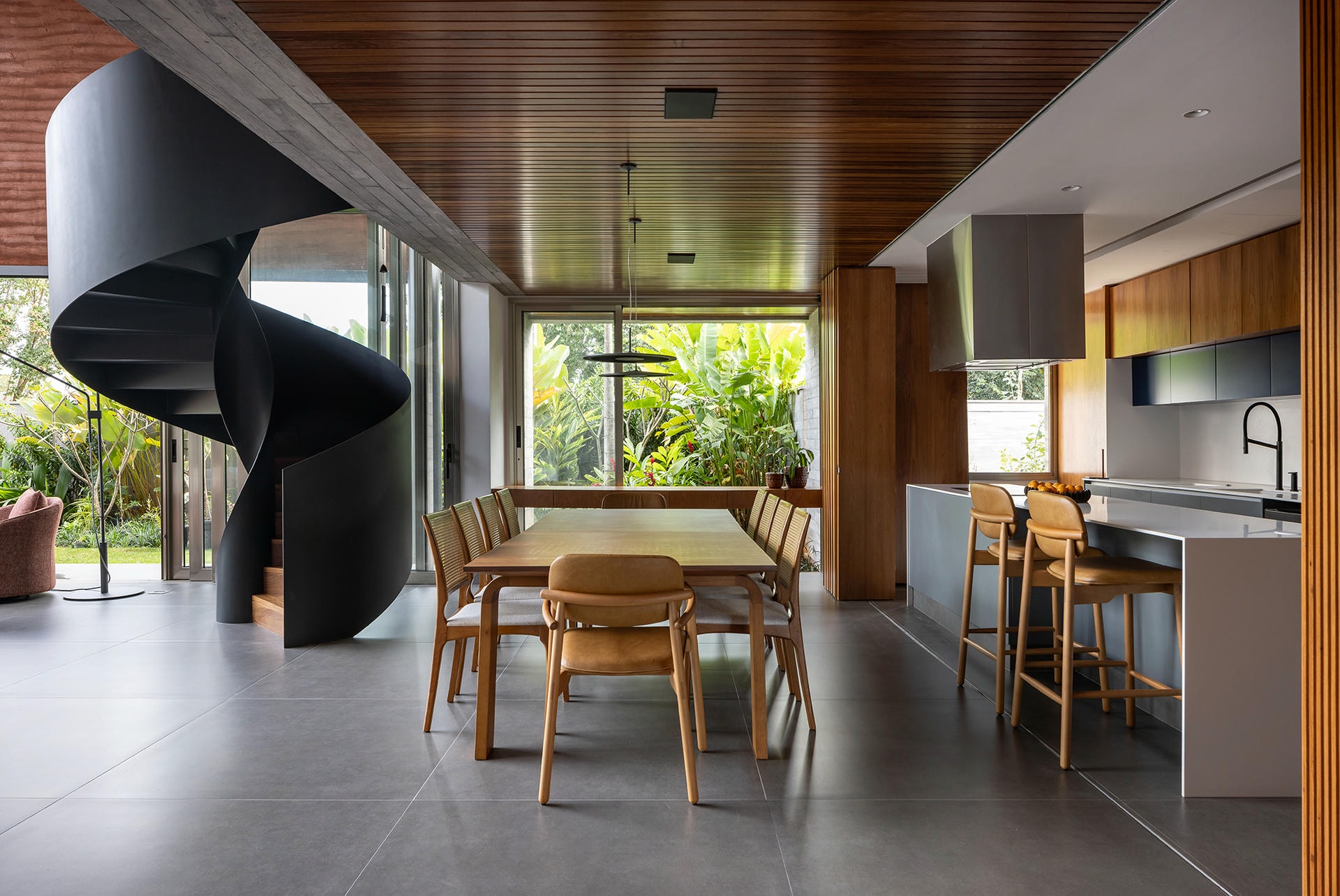
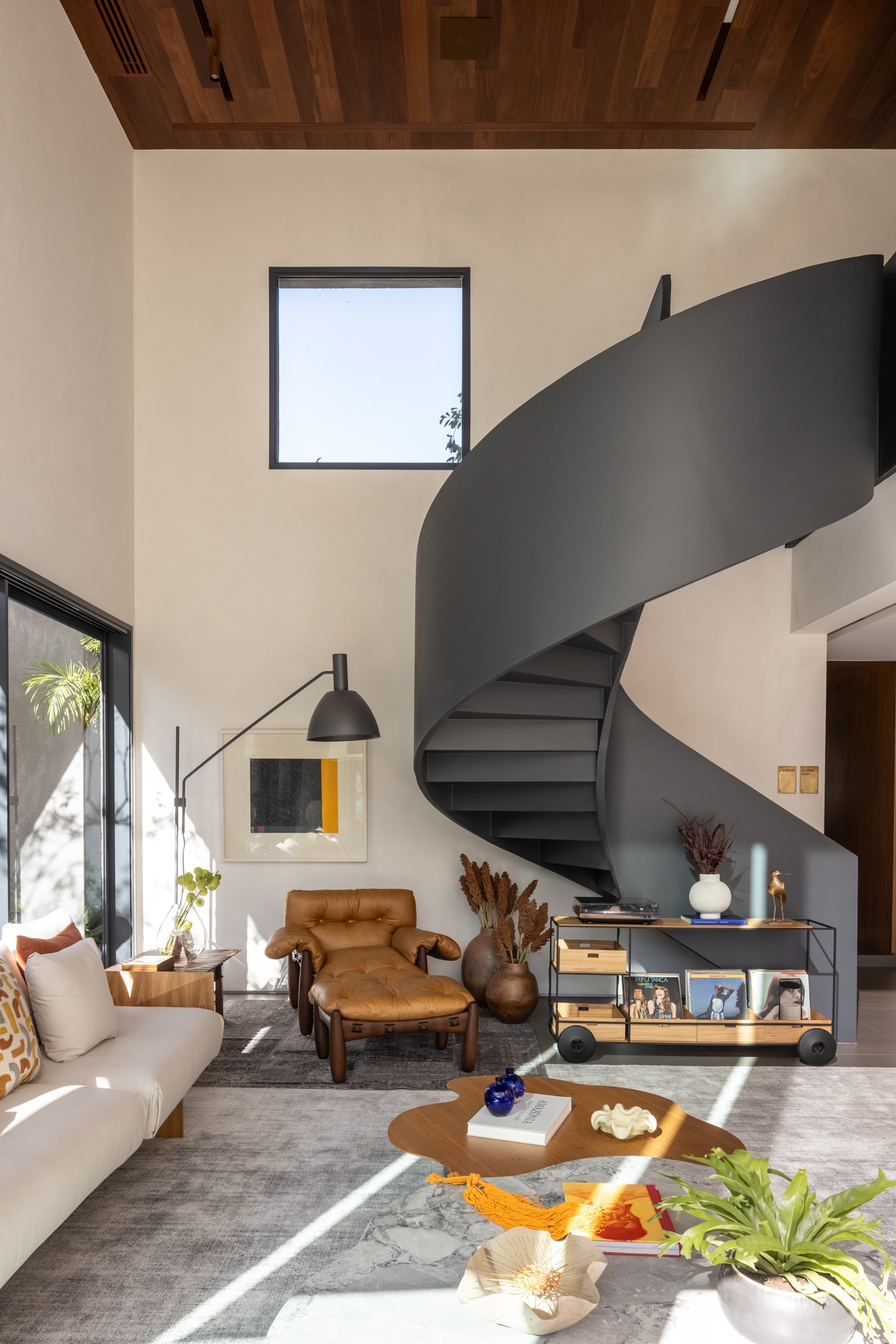
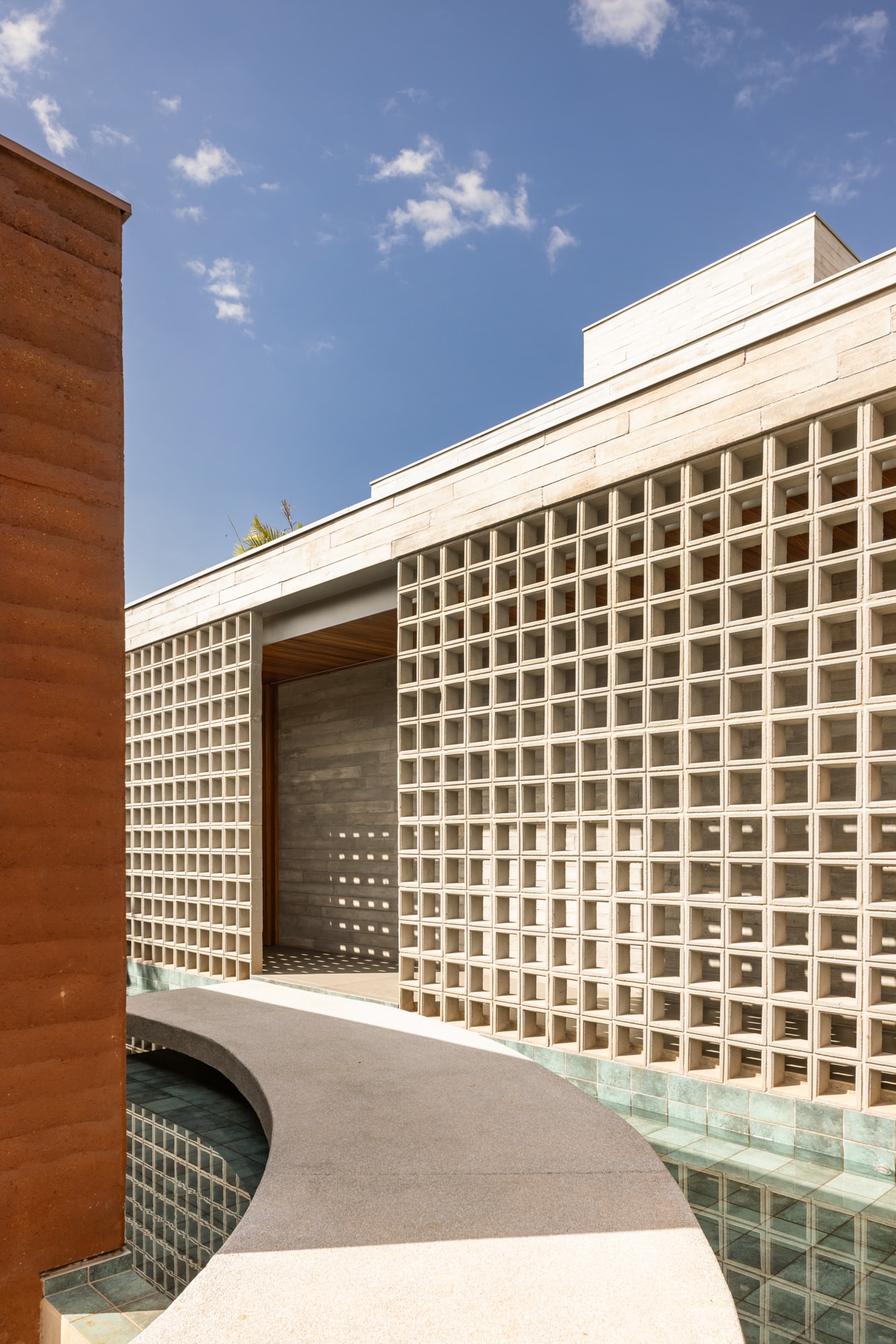
Casa Aura and Casa Oasis, in a very different context, also left a mark. There, the work was about the internal experience of the house as a journey, with moments of compression, openness, light, privacy, and conviviality.
What I am most proud of, in the end, is the feedback from the residents: the sense that the house works, and that it changes with the seasons, with the light, and with time. When a project has that living relationship with its place and with those who inhabit it, it is a sign that something essential was done right.
Over the years, I realised I moved further and further away from isolated formal gestures, solutions designed purely for visual impact, and towards something more complete and more subtle. Today, I am much more interested in the total experience of space: how light changes throughout the day, how materials transform with time, and how a sequence of rooms within a house can create rhythm and emotion.
These are the details that make a difference in daily life and are often not immediately noticed, but remain in the experience of those who inhabit the space.
What has remained constant from the beginning is the attention to people. Functionality, clarity, and constructive care continue to be non-negotiable principles. Architecture can and should be beautiful, but it must serve those who live in it.
It is hard to narrow it down, but if I had to synthesise, I would choose three works that continue to teach me something every time I think about them.
The Glass House by Lina Bo Bardi, in São Paulo, interests me for the way it resolves architectural and human questions at the same time. It has a modern, almost radical clarity, yet it coexists with the land, the vegetation, and the experience of living in a deeply sensitive way. There is a generosity in the project that moves me.
The Church of the Light by Tadao Ando is a work that demonstrates how light can be the very material of a project. With very few elements, Ando constructs an intense and unforgettable spatial experience. It is a lesson in restraint.
The Leça Swimming Pools by Álvaro Siza are a reference for precision and humility in the face of the landscape. Siza shows that intervening in a place does not mean dominating it, but understanding its limits, its matter, and its scale. The architecture there exists almost as an extension of the rock.
The part I enjoy least is when architecture moves away from creation, thought, and exchange.
Bureaucratic processes, approvals, and documentation are part of the profession and are necessary, but they often consume energy that could be devoted more closely to the project, the construction site, and the human relationships involved in building a space.
There are weeks when the project recedes into the background, waiting while documents circulate. That weighs on you.
My inspirations come from many places: travel, conversations, art exhibitions, reading, and everyday life observed with attention.
But there is one formative factor I believe was decisive: I grew up in a house designed by an architect, and that taught me, even before university, that space influences the way we live. My grandmother painted, and my mother had a deep appreciation for art. There was a natural presence of looking, of colour, of composition, and of making in my surroundings.
That environment of attentiveness to things made with care stayed with me. I think that is why, in my projects, there is always a concern with what a space makes you feel, not only with what it looks like.
If I had to put it in one sentence, it would be:
To design is to give form to listening.
For me, listening is the principle that runs through everything I do.
Listening to the client: not just what they ask for, but what they need and sometimes cannot name.
Listening to the place: its light, its topography, its memory.
Listening to the project itself as it develops, with the openness to revisit decisions when something is not right.
The architecture that interests me is born from that attentive listening. Not from an imposed idea, but from a response that emerges from the dialogue between all of these voices.
Identity. We live in a moment of great homogenisation, where projects increasingly resemble one another regardless of where they are. References circulate rapidly through social media and end up generating a kind of global aesthetic that belongs nowhere in particular.
What I miss most is architecture that could only exist where it exists. Architecture that responds to the local climate, the local culture, the available materials, and the way the people of that place live.
Context should not be a detail. It should be the starting point.
I wish someone had told me that the profession does not only involve designing. Architecture depends on relationships: with clients, teams, suppliers, builders, places, regulations, deadlines, and the unexpected.
The drawing is essential, but it only becomes real when we can navigate all of these layers with clarity, patience, and responsibility. I have learned that being an architect also means knowing how to communicate, negotiate, listen, and sustain an idea throughout the entire process.
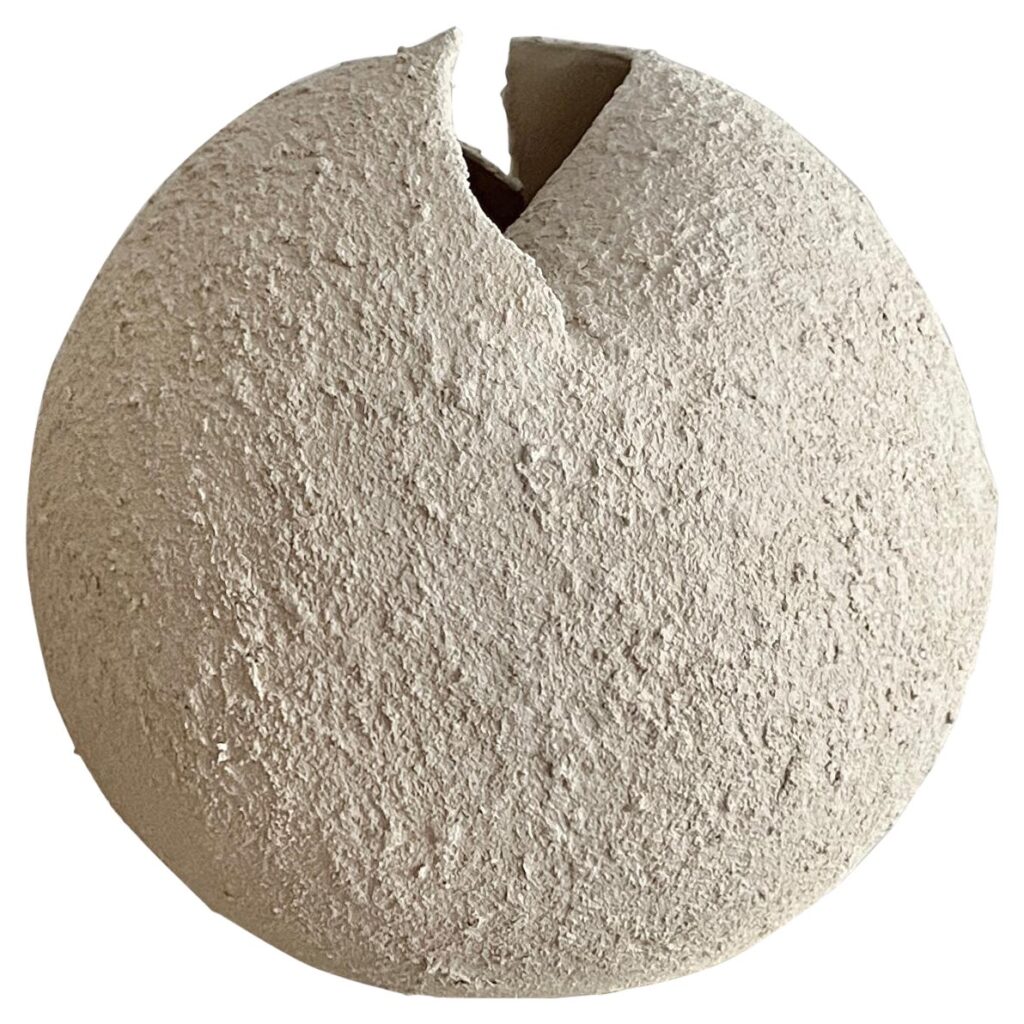
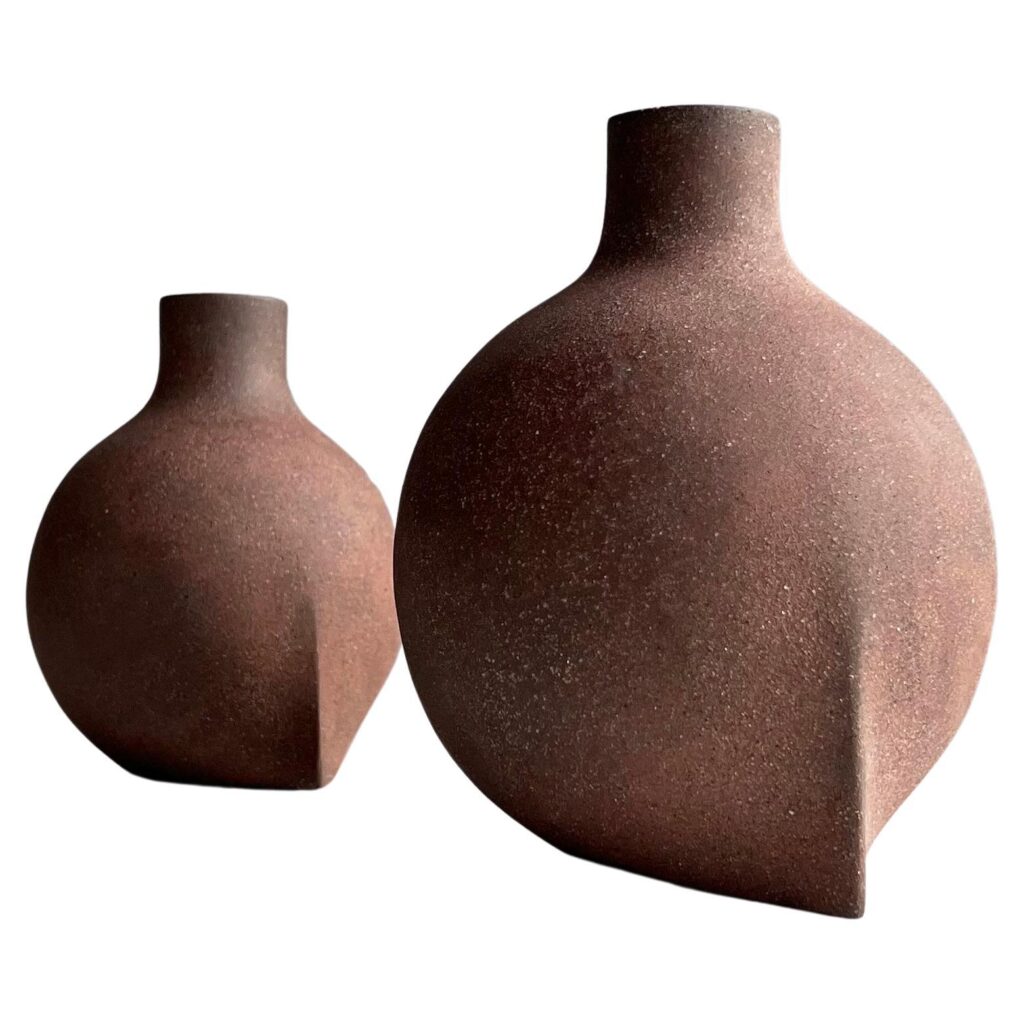
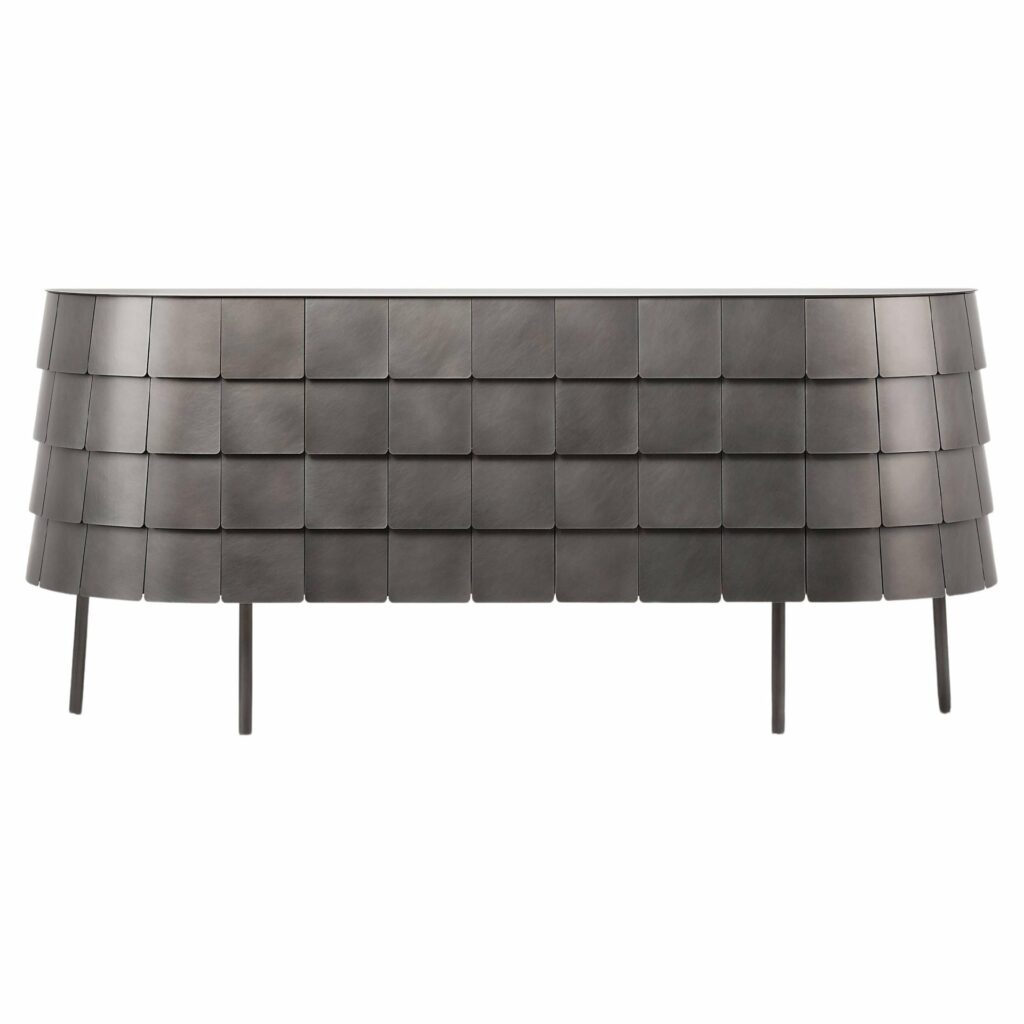
favorite pieces from the Philia Collection
I chose these pieces because they seem to exist between object, sculpture, and architecture. They have presence, material strength, and the ability to transform the atmosphere around them. I am especially drawn to pieces that create a dialogue with space, pieces that do not simply occupy a room, but establish tension, balance, and a sense of permanence within it.
Thank you so much Rogerio, for this lovely interview!
Share article :