Diettert Collet
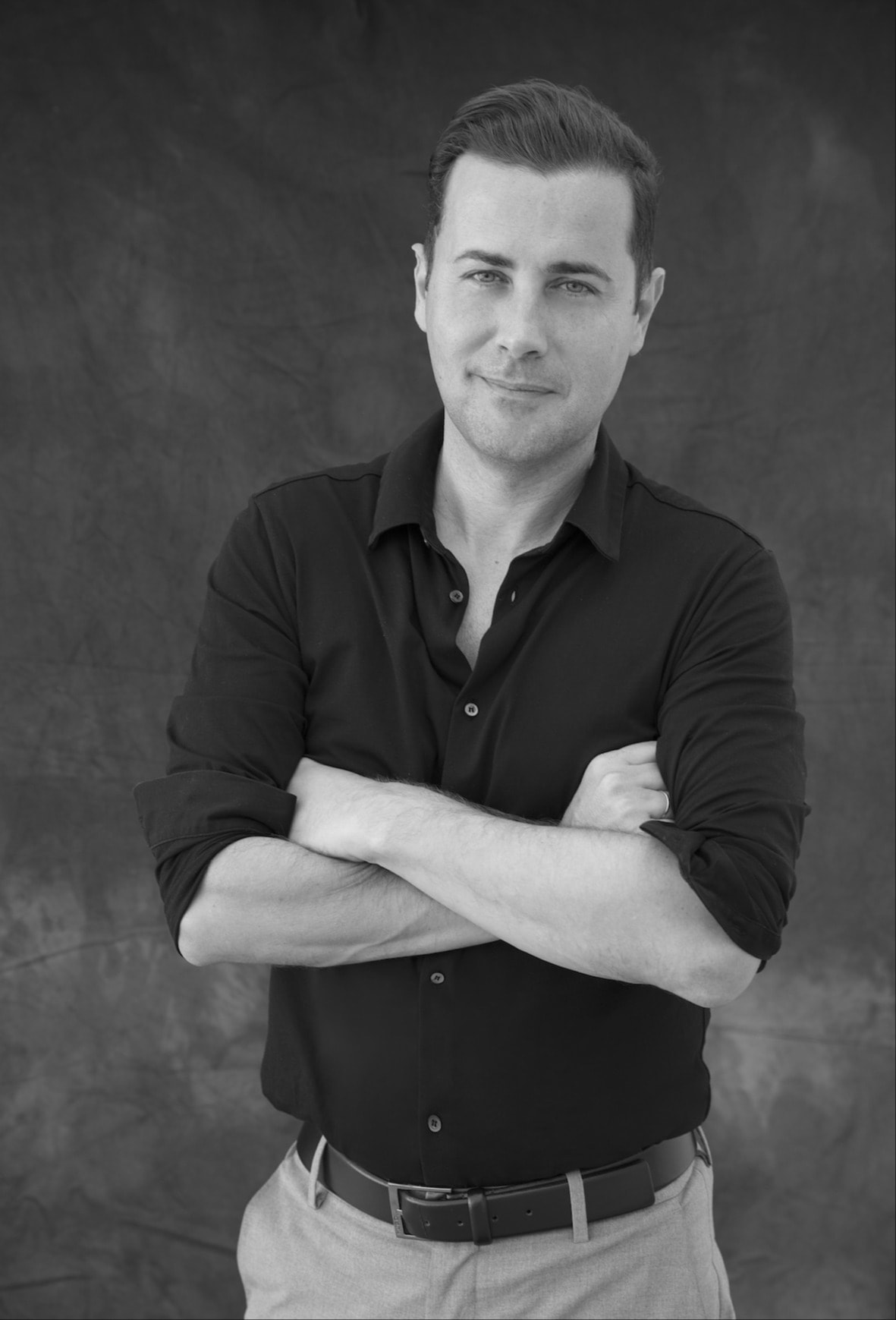
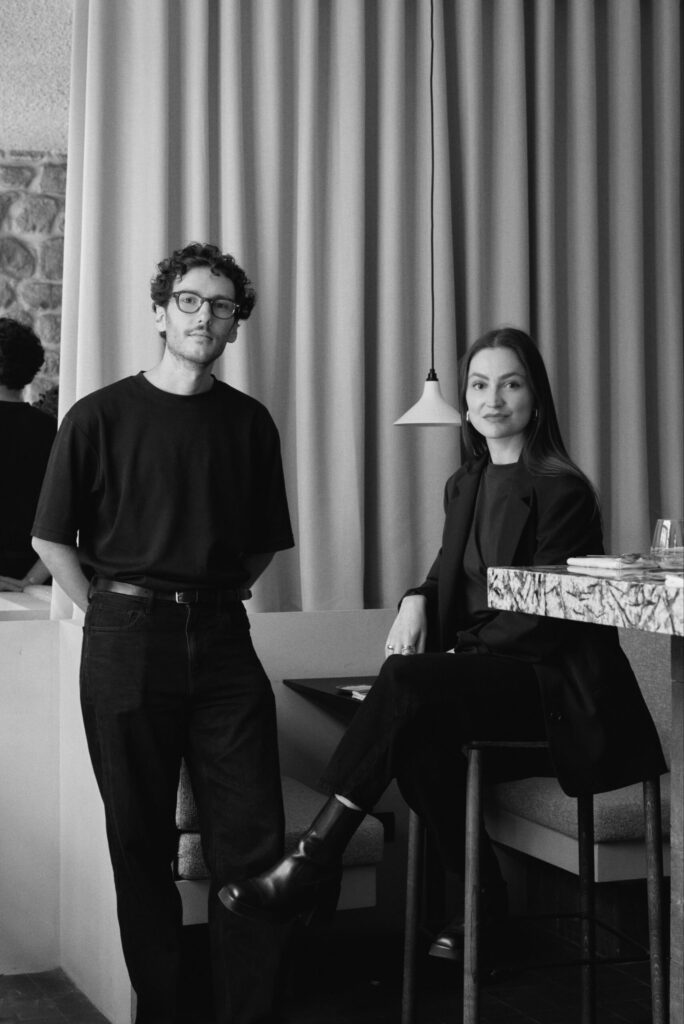
Emma Collet and Thomas Diettert are French architects and the founders of Diettert Collet, established in 2021 following their graduation from the École Nationale Supérieure d’Architecture de Paris-Val de Seine. Their practice is shaped by an international background, having developed experience in both France and Japan through collaborations with studios such as LVMH, Studio KO, Franklin Azzi, and M. Chiba Tokyo.
Since founding Ono Studio, Collet and Diettert have worked across a range of residential and commercial projects, encompassing renovation and new construction. Their approach is rooted in a careful dialogue between architecture and interior design, with a strong emphasis on materiality, detail, and spatial coherence.
Characterised by a refined aesthetic and a deep attention to craftsmanship, their work reflects a considered balance between functionality and atmosphere, resulting in spaces that are both precise and quietly expressive.
“Light needs materiality to evoke emotion, and materiality needs light to be fully revealed.”
INTERVIEW

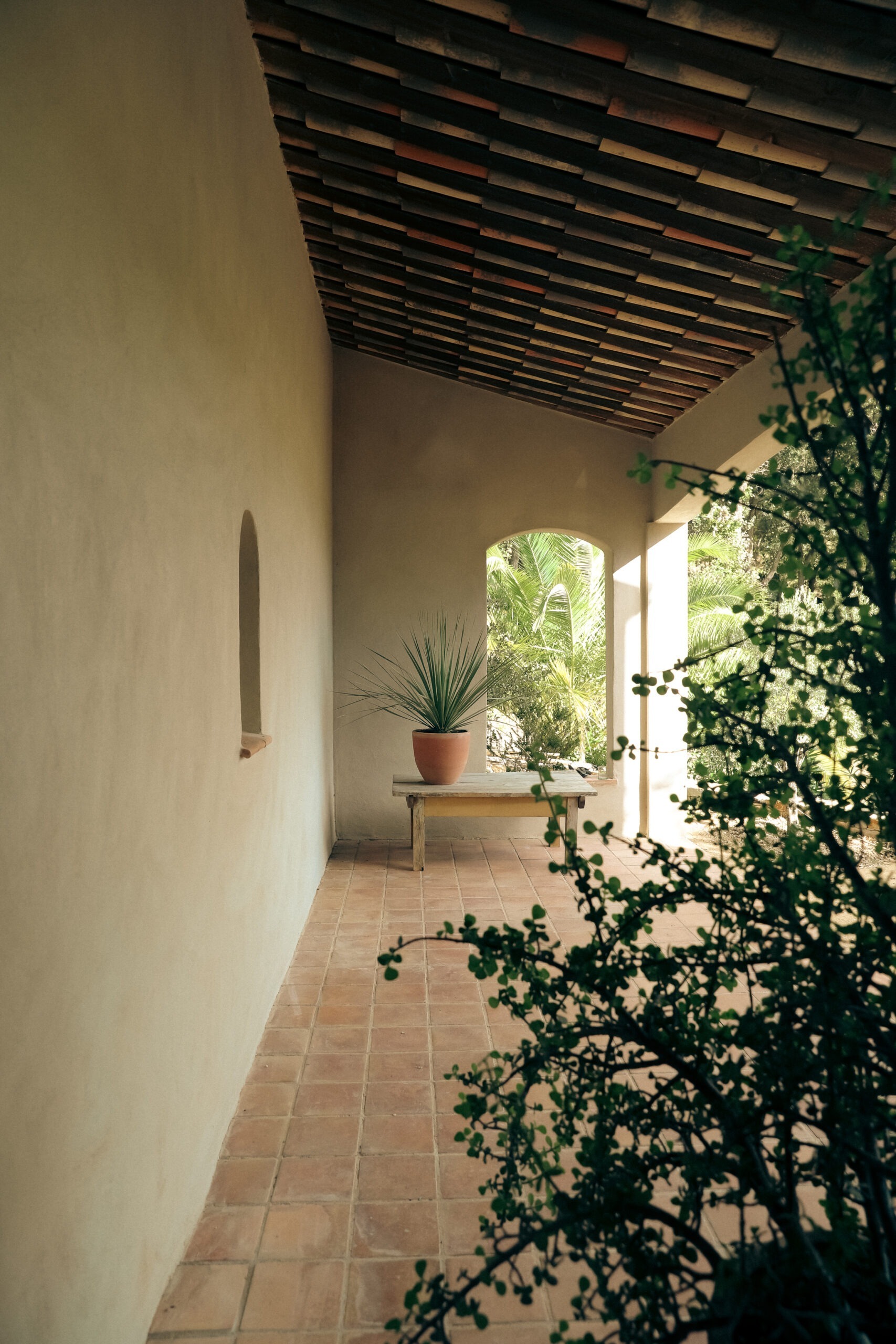
Maison LN, Gulf of Saint-Tropez, 2023 © Diettert Collet

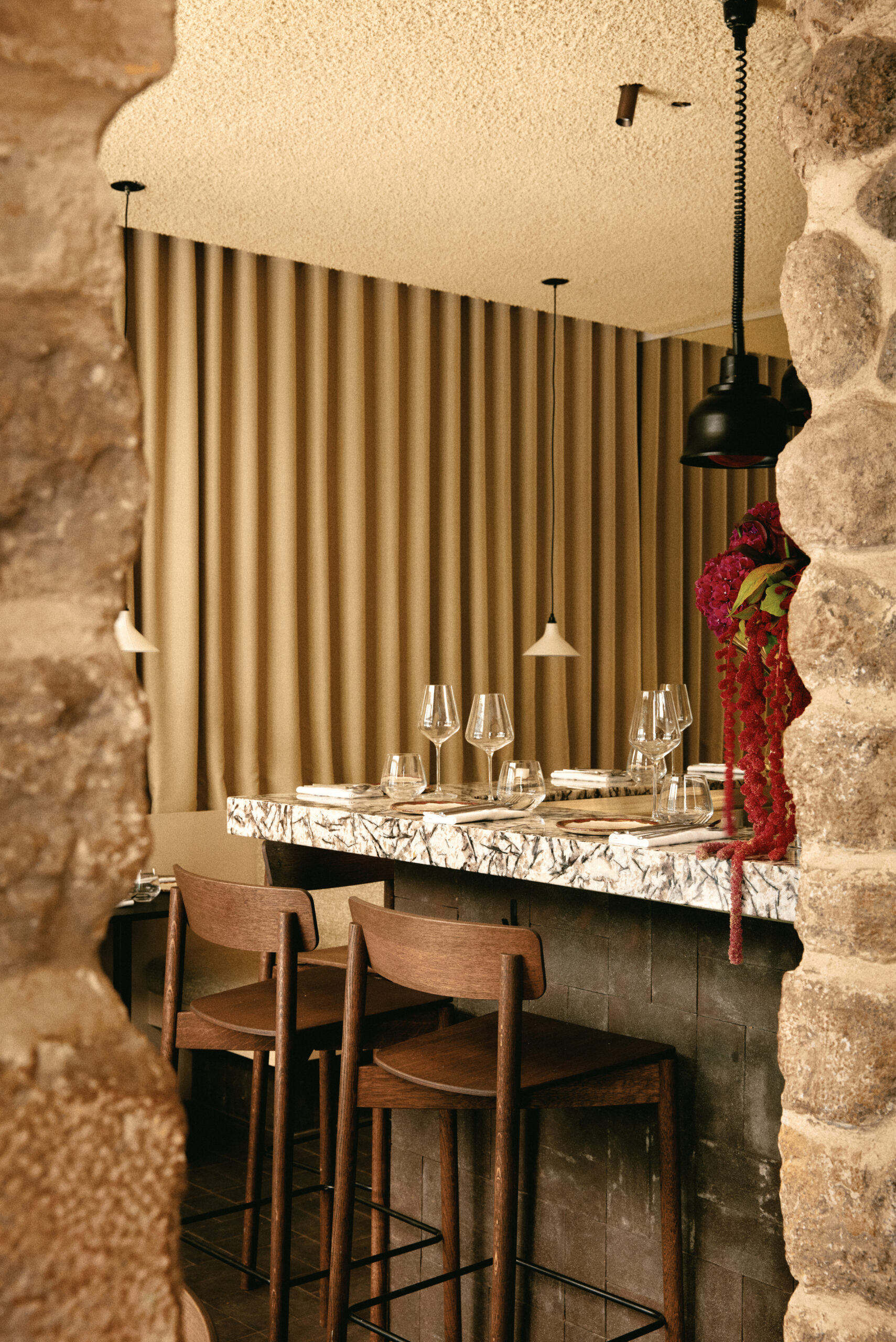
The project we’re most proud of is undoubtedly the Babi restaurant project in Paris (11 Rue Mandar, 2nd arrondissement). It was our first restaurant project. We took great pleasure in creating, together with the full trust of our clients, a place for sharing.
Seeing the restaurant come to life on opening night was a true gift for us. There’s nothing more rewarding than seeing people spend time in a project you’ve created and enjoying it.
Emma: I always wanted to do this job. Since childhood, I was drawn to playing with three-dimensional forms, and then I did a lot of graphic art. After high school, I wanted to study subjects that covered a wide range of disciplines, both artistic and technical, and allowed for a certain open-mindedness. I also wanted a job that would allow me to create every day.
Thomas: I didn’t specifically want to be an architect as a child. I was always interested in many different fields of study. When it came time to choose what to study, I wanted a multidisciplinary program where I could express myself by creating something tangible. I had a revelation in my first year of architecture school, I realized that was the job for me.
We always start a project by considering its context, the site, and the program. We don’t have a preconceived idea of the volume before starting the project. Most of the time, it’s the work of the plan within a context that leads us to the final volumes.
Our clients don’t always have a defined vision of what they want to do, or sometimes their vision isn’t aligned with the site or the available space.
We think that our role as architects is also to propose ideas to the client that aren’t necessarily part of their initial vision. Our proposal might surprise them, but if it respects the existing site while integrating their program, the client can ultimately be delighted. That’s why the most successful projects are those where clients and architects have complete trust in each other.
We always strive for a balance between rationality and sensitivity, through a certain rigor in our designs and volumes, even in our interior projects. We enjoy creating a dialogue between the old and the new by using natural, raw materials and clean lines in our projects.
For us, a project must be relevant to its time without succumbing to trends; it must remain timeless to evoke emotion.
We have a passion for Carlos Scarpa’s work for his attention to detail and precision. We also admire the work of Geoffrey Bawa and Alberto Ponis for their relationship to context.
One of our favorites is the Katsura Villa in Kyoto, Japan, and 17th-century Japanese villas in general, which are totally fascinating. They are complete works of art, and their design still resonates with contemporary architecture.
Lack of time. A project needs time to grow.
Anything that evokes emotions is inspiring for us. We either draw or photograph what moves us. We also visit many places. This allows us to gather information and, without even realizing it, create a library of inspiration and references. Inspiration is present everywhere around us, and it’s not necessarily architecture.
We are trying to find a balance between the old and the contemporary. For us, a renovation project is successful when contemporary architecture enhances the existing structure. It’s about revealing the qualities of what already exists, preserving its strengths, and integrating the new project’s program into the site. This is also how a project can be timeless, when it blends several eras coherently.

Restaurant Babi, 11 Rue Mandar, Paris 2ème arrondissement, 2025 © Oracle

Respect the place. Therefore, our approach to the project is contextual. We look for the strengths of the site or the existing structure, and try to use them as a basis for our design. There is a right balance to be found in order to create a project that works, between use, aesthetics, technique, and durability over time.
A mantra would be to try to get to the essential when designing. Not doing too much is often the most difficult thing!
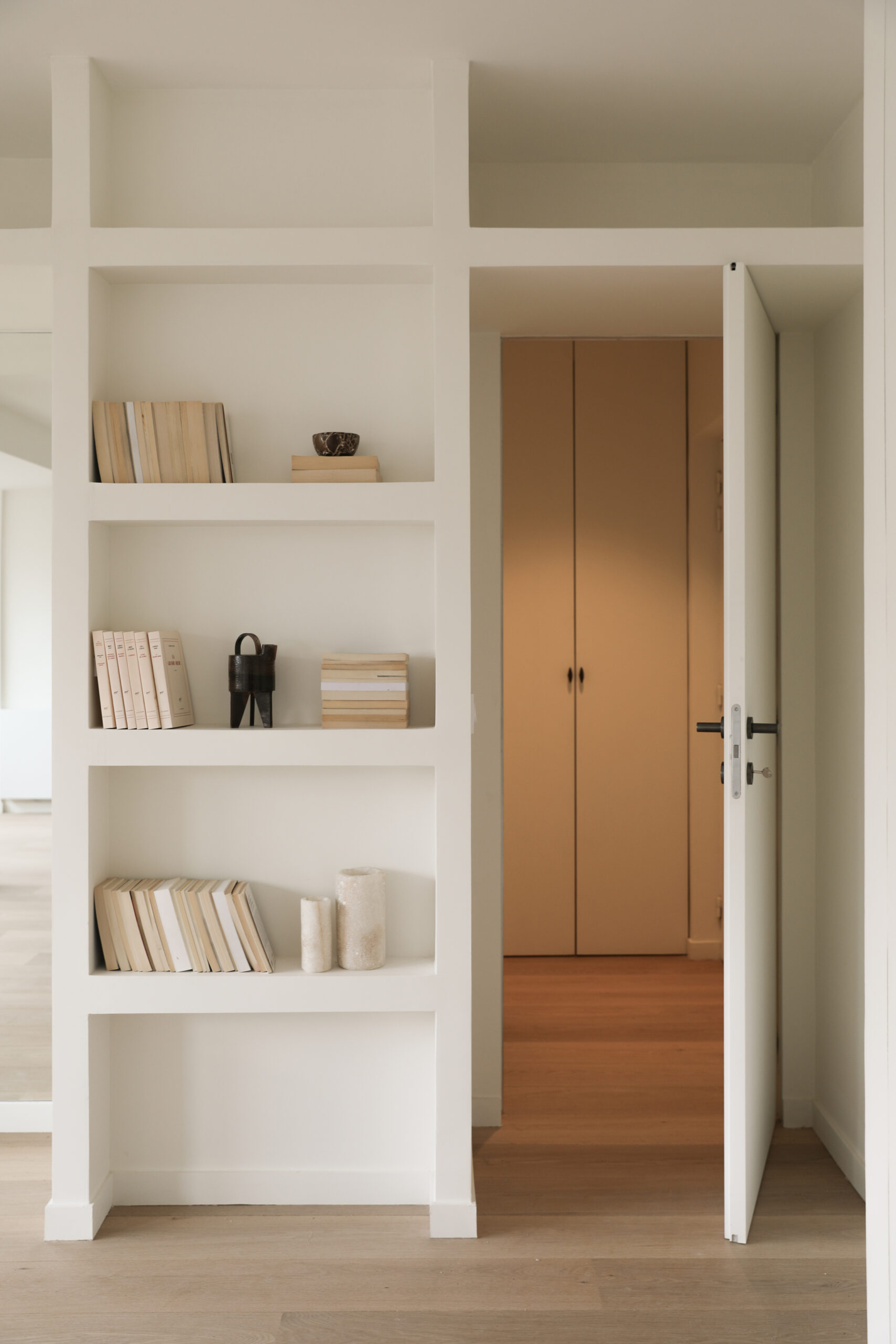
Appartement Montsouris, Paris, 2024 © Diettert Collet
Probably more context and sensitivity. The same buildings are duplicated all over the world, without taking the time to understand or adapt to the context. It is the project that must adapt to the place and the people who will live there, not the other way around.
We place importance on light and darkness in the design of our projects because they define architectural spaces. They accentuate certain forms and create emotions.
Well-crafted lighting makes a place more poetic, while shadows add depth to the space and enhance intimacy.
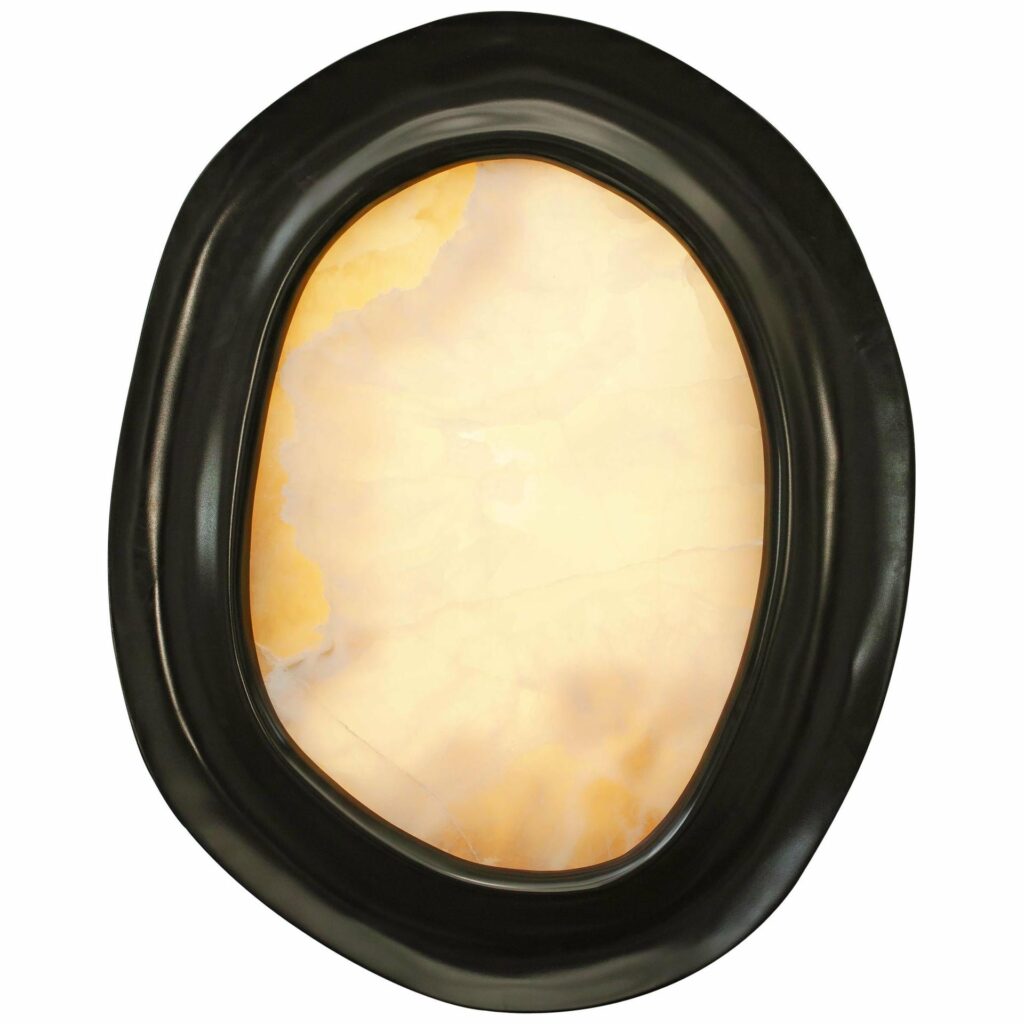
We enjoy playing with materials to transform natural and artificial light, using different textures—rough, smooth—and mirrors that subtly capture light. It is this interplay between shadow, light, and materiality that allows us to create an atmosphere of serenity in a project.
Don’t listen to advice! That’s the best advice we’ve ever received, haha.
More seriously, learn to be proud of your first projects, even if they don’t immediately reflect all your abilities or desires. That will come with time. It’s important to believe deeply in what you do and not get discouraged. Easier said than done 🙂

Thank you so much Emma and Thomas, for this lovely interview!
Share article :