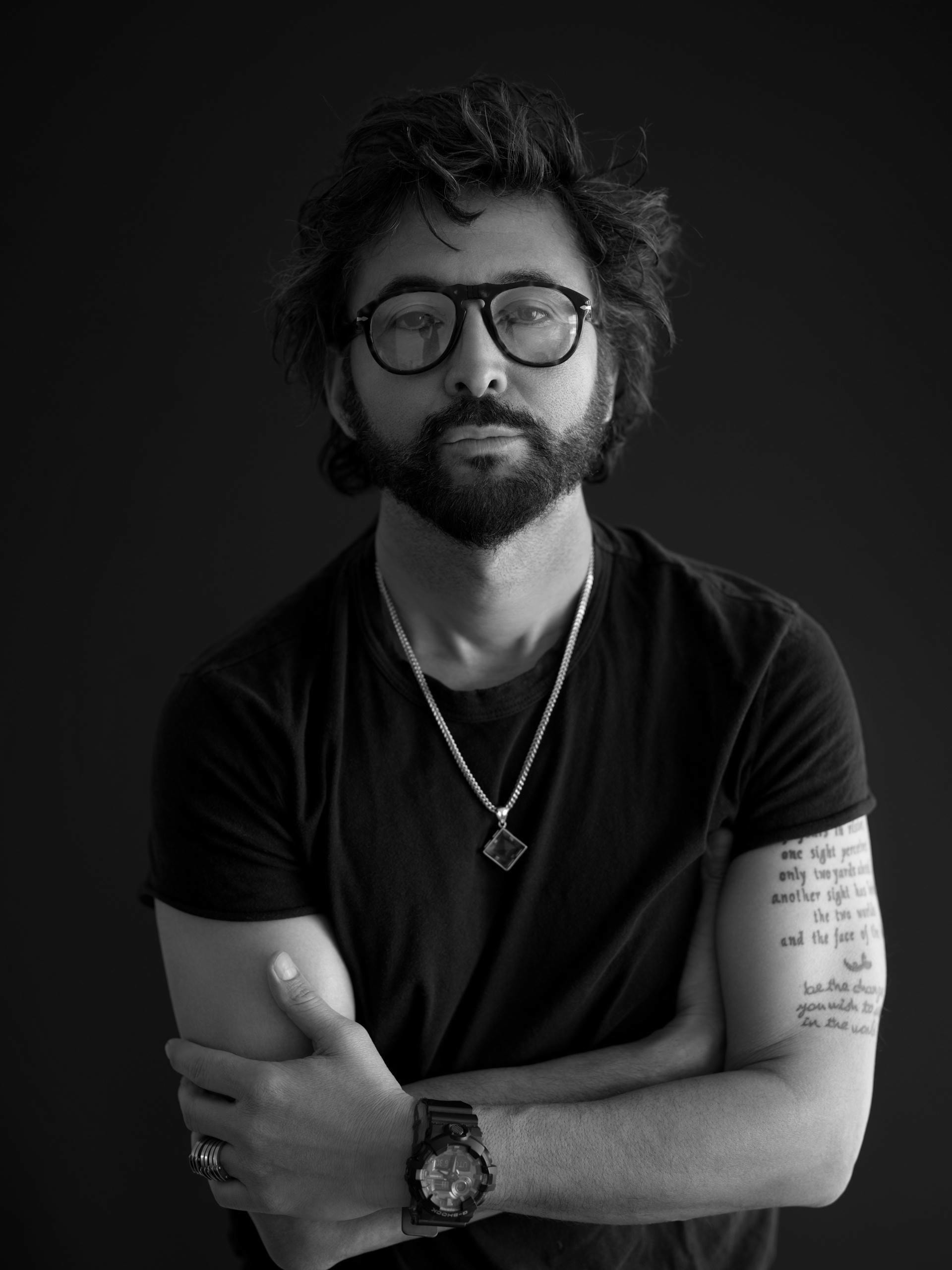
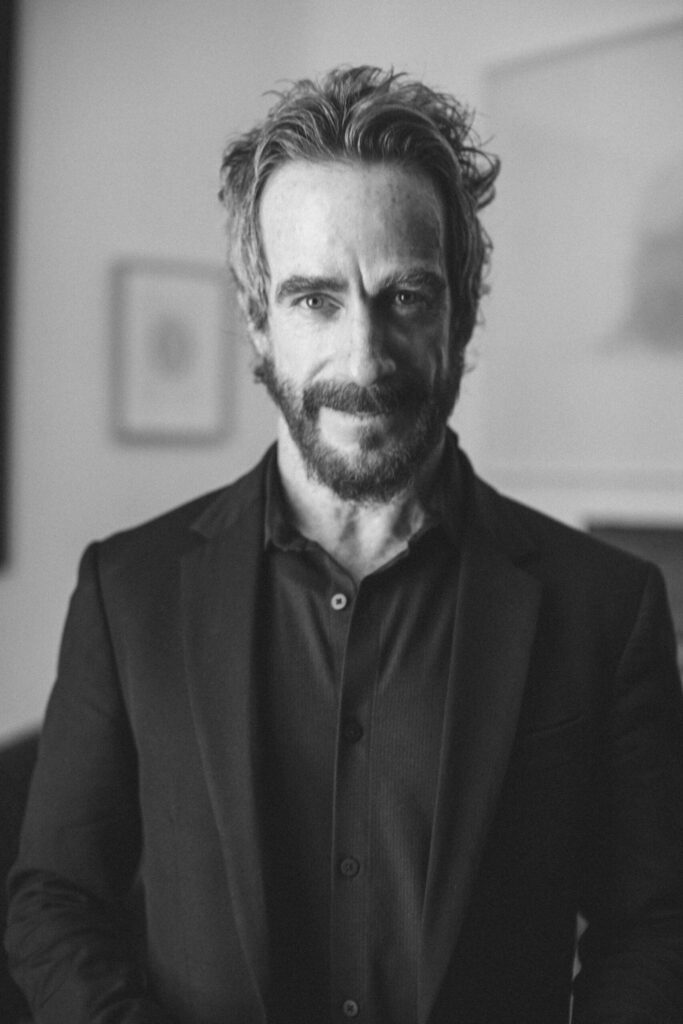
Michel Rojkind
Michel Rojkind is a Mexican architect and founder of Rojkind Arquitectos, an internationally acclaimed practice based in Mexico City. Since establishing the studio in 2002, he has developed a multidisciplinary approach that brings together architecture, urban strategy, business innovation, and design to create projects that respond to contemporary social and cultural challenges. His work is driven by collaboration and experimentation, transforming architecture into a platform for dialogue, community, and meaningful public engagement.
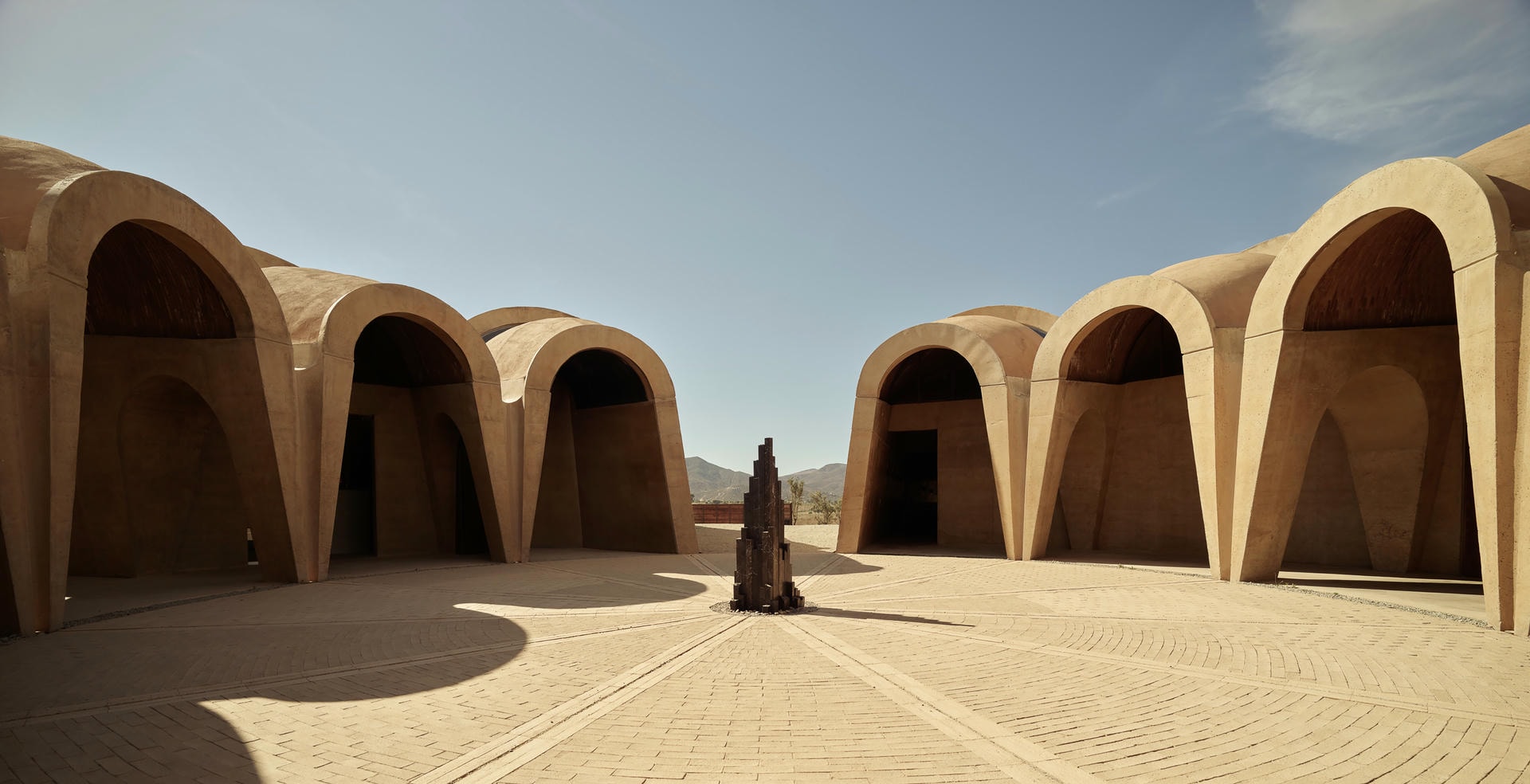
Spanning cultural institutions, hospitality, commercial, and residential projects, Rojkind’s portfolio includes landmarks such as the Cineteca Nacional, Mercado Roma, HighPark, the José Cuervo Metadistillery, and The Ledger in Bentonville, Arkansas. His work has earned widespread international recognition, with numerous awards and publications highlighting his contribution to contemporary architecture. Through Rojkind Arquitectos, he continues to explore architecture as a catalyst for innovation, shaping spaces that foster connection while redefining the relationship between people, cities, and the built environment.
“Architecture surviving the architect. That is the only kind of success I believe in anymore.”
INTERVIEW

Pictograma © Fernando Marroquin
Human interaction is almost always the project itself. I have come to believe that the most important work of architecture is often not the building. It is the relationship between what the building contains and what the building does not. A threshold, the zone where a cultural institution gives up control over its perimeter, where a public space belongs to people before they have decided to consume anything, is what I try to design first.
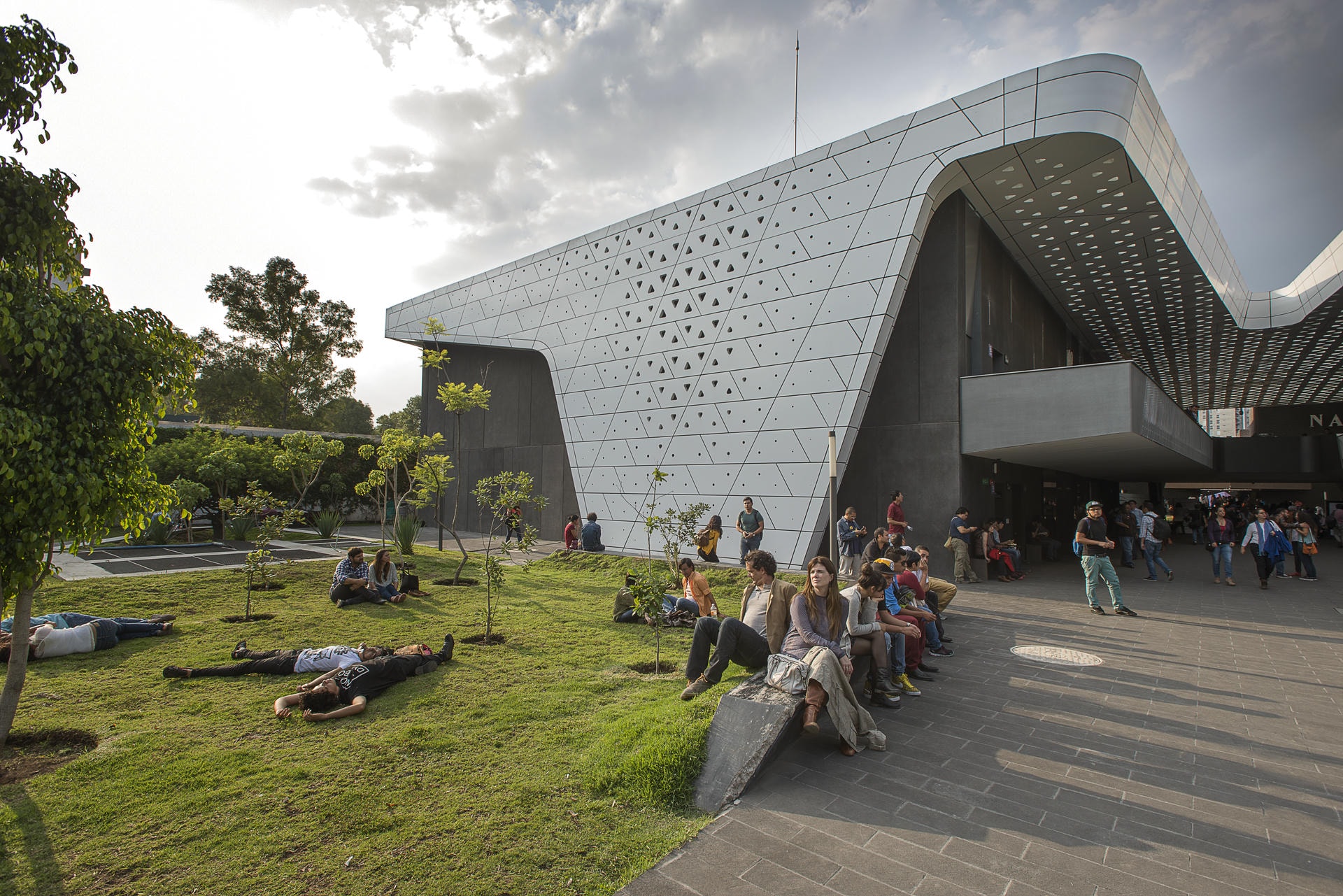
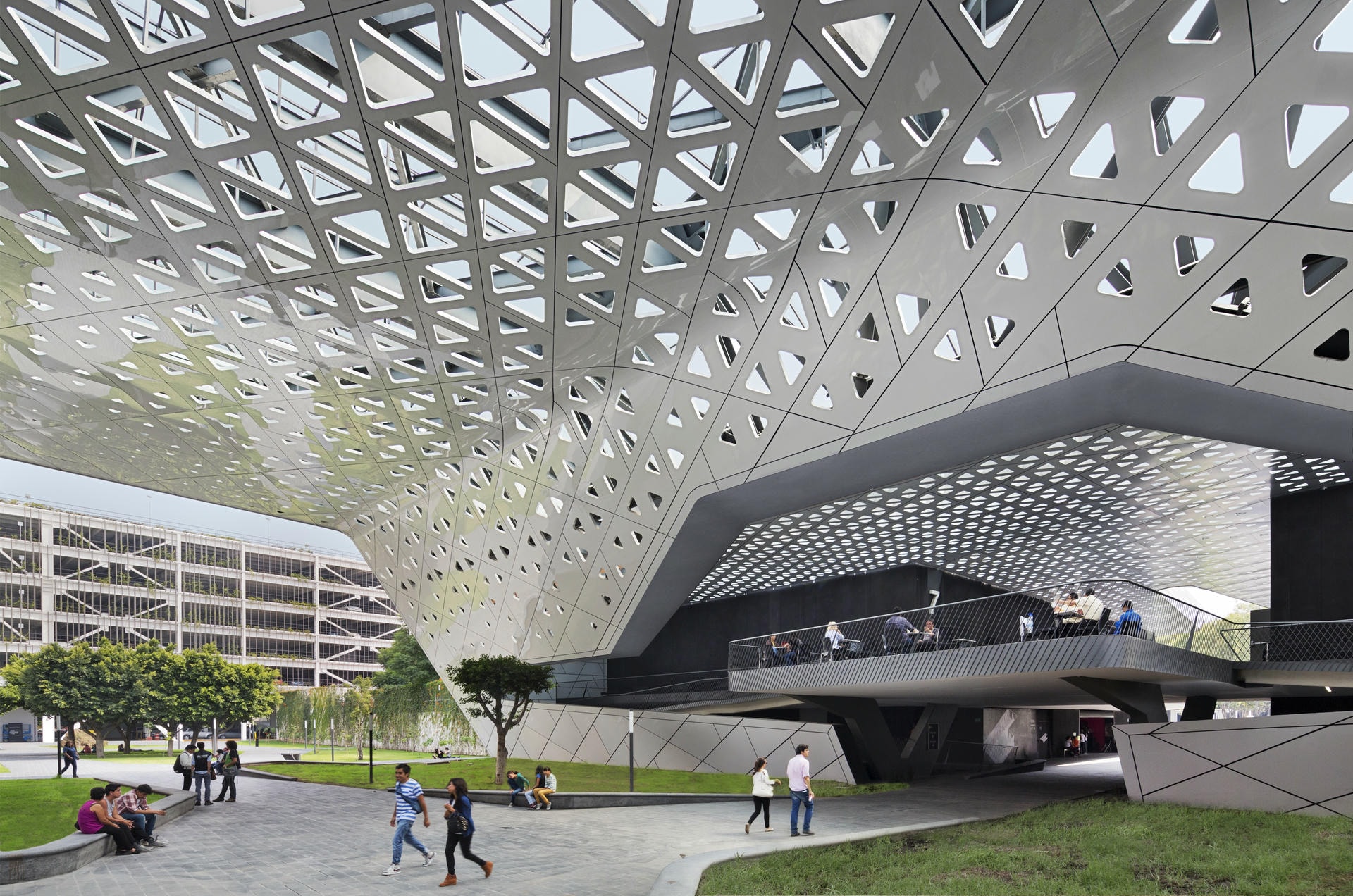
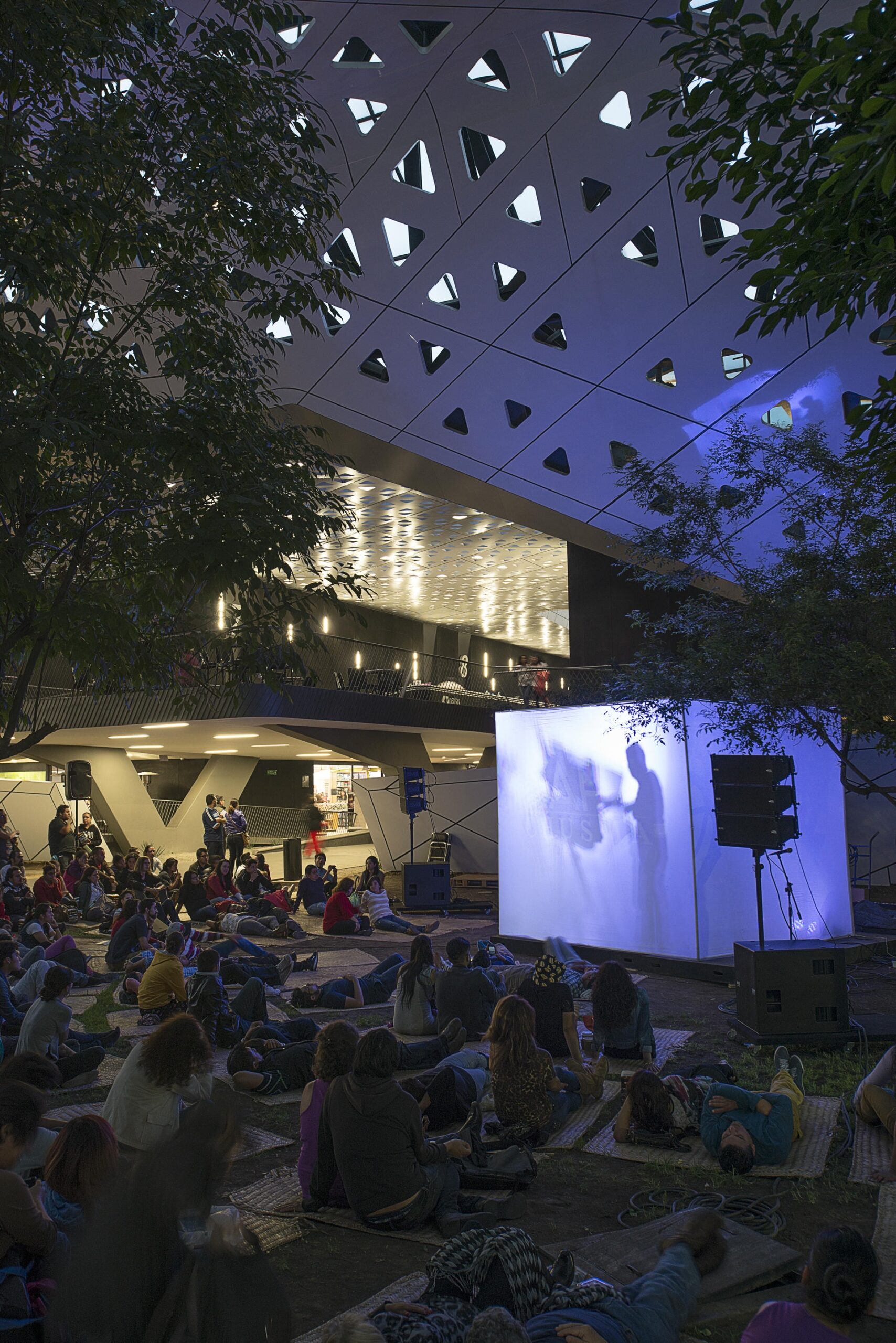
At Cineteca Nacional (The National Film Institute), there is an elderly man who arrives most afternoons, sits on a bench under the continuous roof, and reads for two hours. He has no ticket. He is not there for a film. That man, more than any review, is the building. Designing for human interaction means designing for that man. Someone you have never met, who will not be consulted, but whose capacity to be somewhere without being asked to be somebody is the measure of whether the architecture is real.
Not at all. Before I was an architect, I was a drummer. I toured with a band through my early twenties, and music was the thing I expected my life to be organized around. Architecture arrived slowly, then all at once. The first project I ever completed was a speculative house I designed with my brother while I was still a student. It sold before we finished it, which was both a shock and a lesson. Over the years that followed, I was pulled closer to architecture through conversations rather than through any single decision — co-founding in 1998 with Isaac Broid and Miquel Adrià, sitting at a table with a Mexican generation that was reopening the profession for voices like mine. I did not choose architecture so much as architecture became the place my questions fit. Touring the many countries as a drummer taught me to watch how bodies move through cities and the importance of how spaces and buildings made you feel. That turned out to be an architectural education.
The first question I ask every client, before I draw a line, is: what are you giving back to the community? Not the building. Not the brief. The community. If the client cannot answer that question, or if the answer they give is a formality rather than a real commitment, I have learned that the project will not become architecture. It will become construction with a brand on it. Translation comes after. Once the reciprocity is real, I treat the brief itself as a design problem. The Nestlé Chocolate Museum was commissioned as a factory tour and store but became a cultural institution. The National Film Institute was commissioned as a movie theater renovation and became one of the most inhabited public spaces in Mexico City. In each case, the first act of architecture was to rewrite the question. And follow up with reciprocity.
I do not think about style. I think about method. The sentence I have come to use to describe what my practice does is: design the brief, design the team, and design the building simultaneously, because the only way to build what does not yet exist is to invent how to build it together. The forms that result are the record of that method, not its cause.
A big part of that method is the insistence on local craft. Every project of mine is digital in its design and local in its fabrication. We learn from the community, its culture, its craft, and work it into the brief. I believe strongly in the cross-pollination between digital design and craft. Everybody learns from each other.
If my buildings share something across twenty-five years of my practice, it is probably a willingness to let each project invent its own formal language in response to what the brief, the team, and the local builders were capable of imagining together with us, rather than applying a signature from outside.
It is hard to choose one, so let me name two that belong together.
Cineteca Nacional is the project I return to most often when I need to remember why I do this. It was the hot potato commission, handed to me in the last nine months of the Felipe Calderón administration, politically complicated, inherited by a government that had other priorities. Two important elements of the original design were never completed. And yet, fourteen years after opening, it is one of the most inhabited cultural projects in Mexico City. Not because it is formally spectacular, but because the decision at the beginning was to make the ground plane a continuous public surface that anyone could cross without a ticket. The architecture succeeded at the level that matters, which is the level of everyday civic life. What excites me now, looking back, is how incomplete it is. It is still not what it was supposed to be. And it has still mattered.
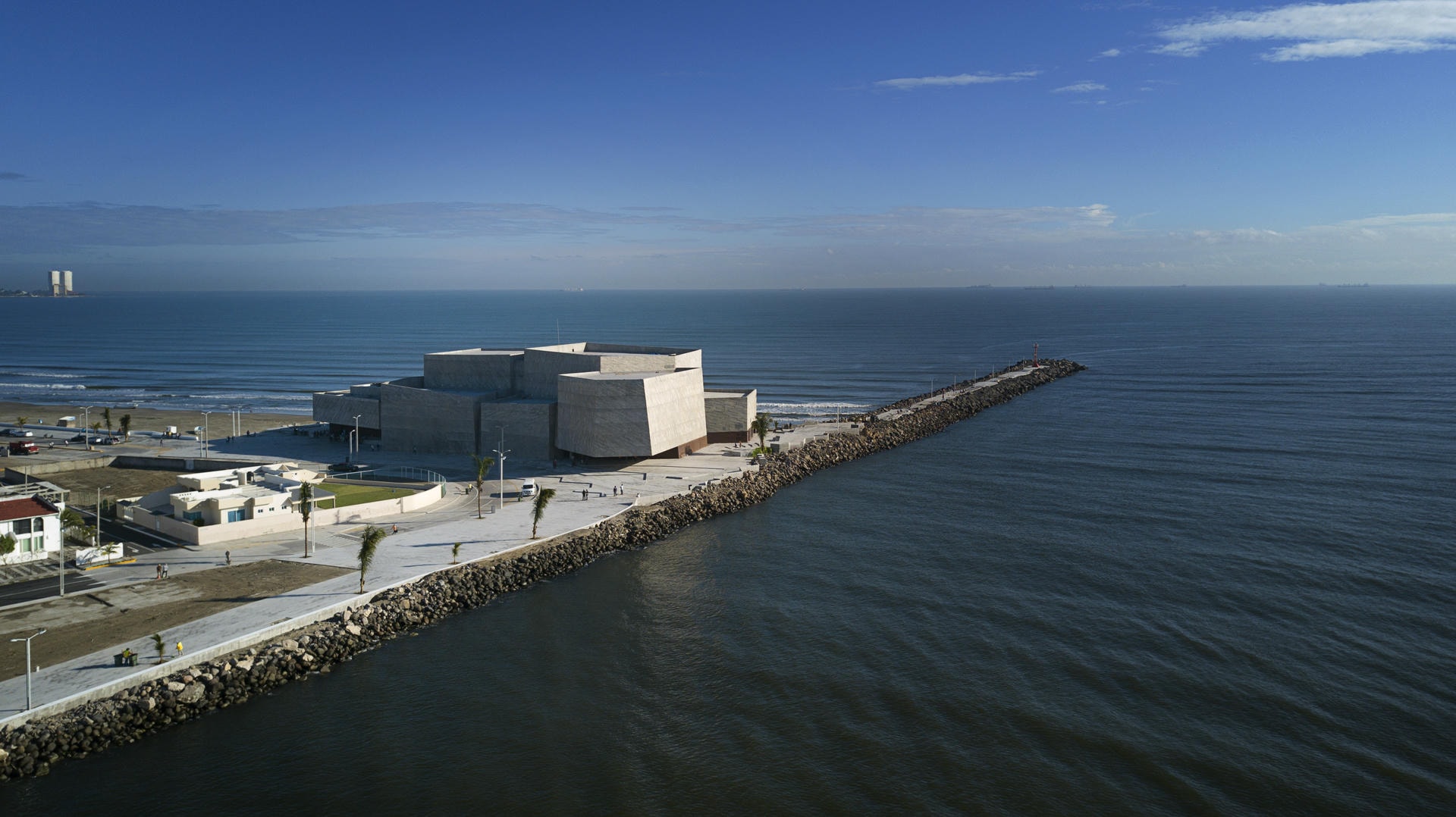
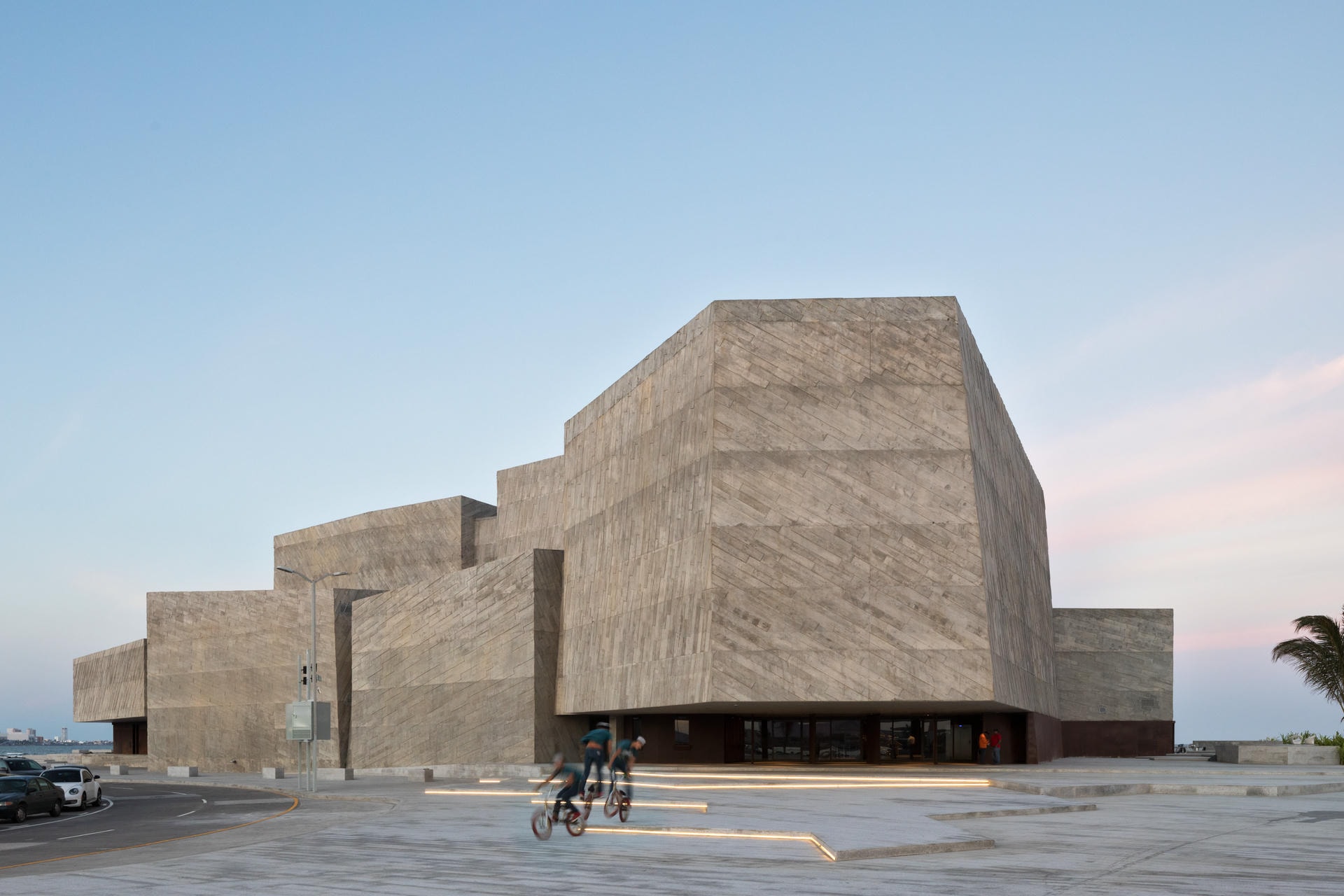
Foro Boca, in Boca del Río, Veracruz, is the quieter counterpart. Completed in 2017 as a concert hall and cultural center for a small city in a region that had very little cultural infrastructure outside the capital. The client was the municipal government. From the first meeting, the mayor’s office answered the reciprocity question concretely: the building would host the local philharmonic, host book fairs, screen films projected onto the façade, open its plazas to public activation. Years later, all of those things are still happening. Administrations have changed. The building has been defended across political transitions, which is the hardest test any civic building can face. It is, quietly, the longest-running active reciprocity in my body of work. If I had to say what excites me about these two together, it is this. Both are civic buildings. Neither one was perfect. Neither one was protected by my authorship once I handed it over. What sustained them was that the institutions around them chose, year after year, to keep them alive as public places. That is architecture surviving the architect. That is the only kind of success I believe in anymore.
My family and friends always, they keep being my first source of inspiration.
Beyond that: walking through Mexico City on foot. Not a specific neighborhood, not a single route. The act itself. Our city never resolved its modernity, which means every block holds at least three centuries of decisions in tension with each other. Colonial convents next to brutalist apartment blocks next to informal markets next to new glass towers. Walking through that density re-centers me because it reminds me that the cities I love are not the ones that got it right. They are the ones that kept arguing with themselves and looking for new directions.

Foro Boca © Jaime Navarro
Watching reciprocity be revoked by a client I chose carefully. I once designed a rooftop farm on top of a supermarket in Santa Fe, Toluca, connecting farmers to the urban food chain. It worked. Farmers had income, the store sold their food, and the community could meet the people who grew what they ate. Years later, the client called me back to expand the building because of its success, only to find out that they proposed demolishing the farm for more car parking. I refused to be the architect of that erasure. I left the project. The farm was demolished anyway. The least enjoyable part of the work is not a difficult client meeting or a tight budget. It is the slow realization that a reciprocity you negotiated carefully at the first meeting can be revoked without anyone even considering it a breach.

Deko Center
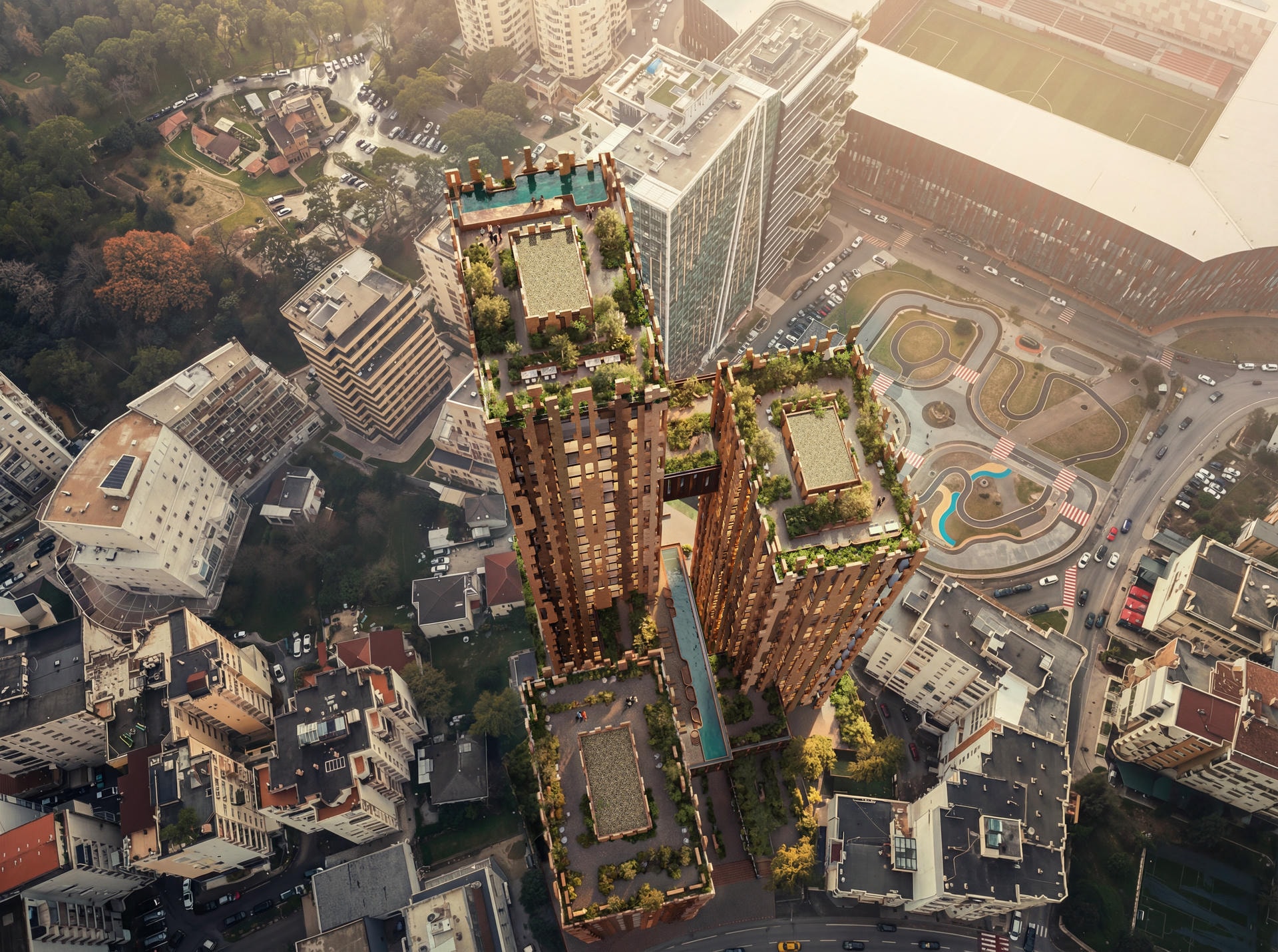
They keep changing over time… because I start to see things in different ways as I revisit them.
But some of my favorites would be: UNAM, Mexico City’s National University by Mario Pani and Enrique del Moral. The first place I understood that Mexican modernism could be monumental and civic at once, without borrowing its confidence from anywhere else. Lina Bo Bardi’s SESC Pompéia in São Paulo. The building that changed my idea of what a cultural institution could be, a factory reimagined as an entire civic ecosystem, with a generosity I have tried to learn from ever since.
Carlo Scarpa’s Brion Tomb in San Vito d’Altivole. Every line earned. Every junction considered. The building that proves craft and architecture are the same discipline when practiced at the highest level. Ryue Nishizawa’s Teshima Art Museum, holding Rei Naito’s Matrix. Architecture as atmosphere rather than object. It taught me that sometimes the strongest building is the one that disappears. Jørgen Bo and Vilhelm Wohlert’s Louisiana Museum of Modern Art in Denmark. A model of how art, landscape, and architecture can share a horizon without any one of them dominating.
Whether the building gives something back to people who did not commission it. The commissioning client is satisfied or unsatisfied, but they were always going to be one or the other, and their opinion is temporary, but the buildings stay. What matters over time is the person who walks by the building for years, who sits in its shade, who crosses its threshold without being asked to consume, who lives near it and watches it become part of the neighborhood. If the building holds that relationship well, if the reciprocity is real and sustained, then to me, the architecture exists. If it does not, it is just a structure with a facade.
There is a second thing I have come to pay attention to, which I describe to myself in the language of hardware and software. The hardware of a building is everything the architect and the builders produce, the walls, the roof, the ground plane, the steel, the concrete, the light. The software is what the institution running the building programs into it afterwards, the activations, the events, the civic life, the community uses that turn the object into a place.
I have learned, sometimes painfully, that architects can deliver the hardware at a very high standard and still watch the software never arrive. A façade designed as a stage for cultural programming, handed to a marketing team that only knows how to sell, can sit empty for ten years. The hardware is ready. The software never came.
So the thing I now watch most carefully, once a building is in use, is whether the institution that inherited it is actually running the software. Foro Boca runs its software year after year, a place for other things to happen, book fairs, films on the façade, the philharmonic, public activation, and that is why it is alive. Other buildings I have designed are technically open but operationally dormant. The architecture is not complete until the programming is. And the programming is not something I control. It is something I hope, design for, and ultimately have to hand over. The measure of a project I am looking at most closely these days is whether the people who inherited the hardware are imaginative enough to keep writing the software.
Reciprocity. Most new projects are designed to extract from a site more than they return. Density that replaces neighborhoods rather than intensifying them. Commercial programs that treat cities as customer bases. Speculative housing built to sell, not to operate. The word I now use for what is missing is also the word for what is opposing us: voracity. The appetite that cannot be filled. What buildings today lack most is the discipline of asking, before anything else, what they are giving back to the community they are imposing themselves on. A building that cannot answer that question is not architecture. It is real estate with better drawings.
There is a second thing, which is harder to name but I think matters as much. Buildings today lack depth, because the culture around them has lost depth. We are living inside a moment that has traded the slow work of meaning for the fast work of impact. What used to be tragedy, collective ritual, or shared mythology is now resolved through likes, symbolic bets, and fleeting attention. Architecture has not been immune to this. We design for the photograph. We publish for the algorithm. We compete for spectacularity. And when someone proposes a project that does not photograph well, that does not fit inside a post, that requires time to be understood, the system discards it. Not because it is bad, but because it does not generate immediate impact.
So, what I think architecture needs most, beyond reciprocity, is the courage to be critical. To ask what a building is for. To refuse the brief when the brief is subtractive. To insist on time, on slowness, on civic meaning that does not register in a feed.
We need architects who are willing to be demanding of the culture they are working inside, rather than decorative about it. A profession that has given up on asking what is this for? is not a profession. It is a service industry. Returning culture to its depth begins, I believe, with buildings that take themselves seriously as moral objects again, and with architects willing to say no when saying no is the only honest answer.

The Ledger © Tim Hursley
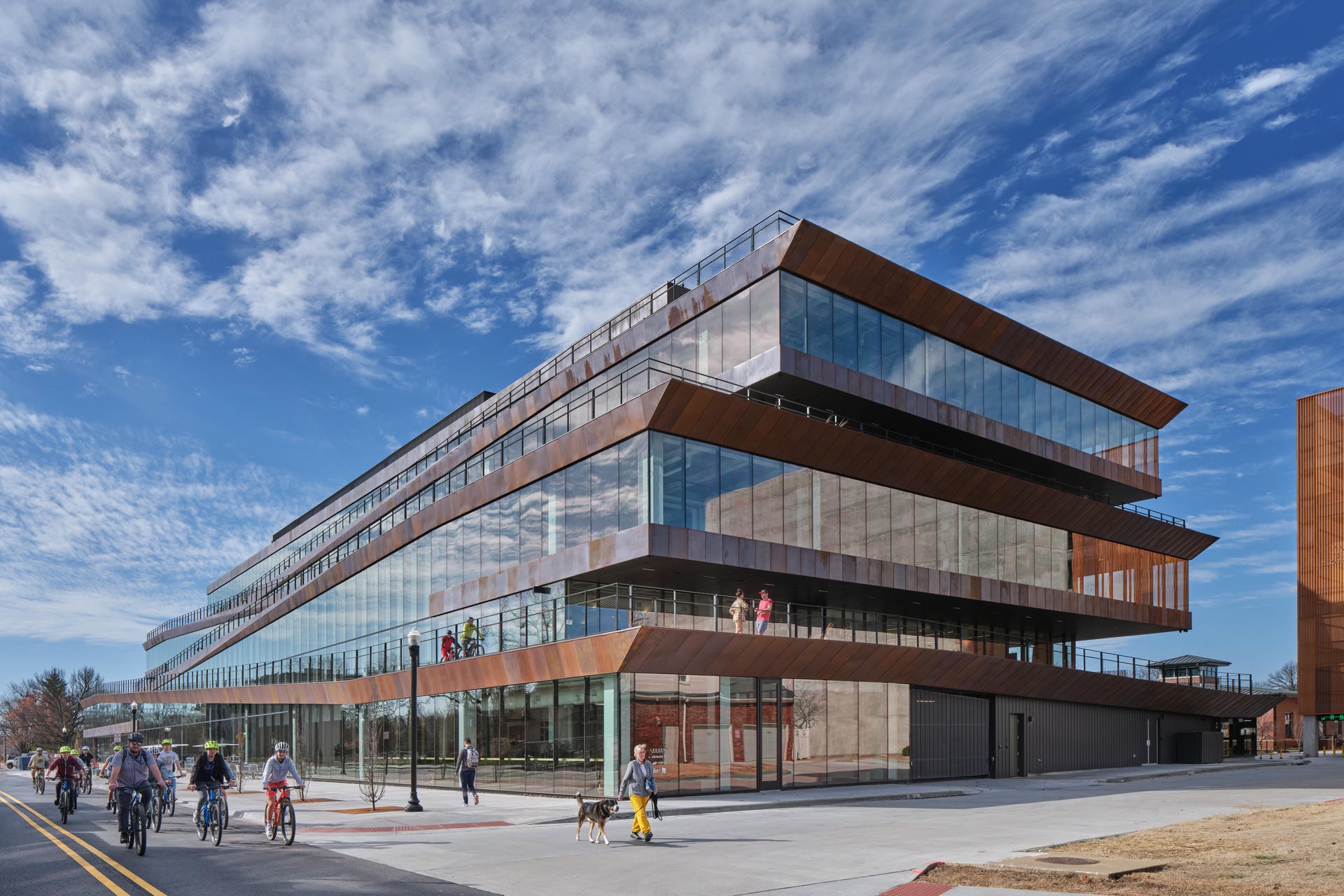
¿Y por qué no? — and why not. It was said to me in 2001 by a hojalatero, one of the Mexican metal workers who rebuild car bodies, when I showed him the drawing of the first house I designed as a solo architect. He was not supposed to be a co-author. He became one. That sentence, asked by someone who had been underestimated his whole working life, is the first sentence of my practice. I ask it every time someone tells me a project is impossible.

Foro Boca © Paul Rivera
More than selecting pieces, what stands out to me is PHILIA’s curatorial framework. Their work operates less like a traditional gallery model and more like a system of relationships, rhizomatic, distributed, and non-hierarchical. Art and design are treated as parallel forms of inquiry rather than separate domains, and their selections reflect a commitment to material research, spatial thinking, and cultural hybridity. This creates an environment where objects are not just presented but positioned within a larger intellectual and cultural ecology.
I would not give advice, exactly. I would tell a younger version of myself what took me twenty-five years to understand, which is that the thing worth protecting, across every project and every commission and every year the market tries to reduce you to a service, is the capacity to imagine. Not style. Not success. Not the next publication. The capacity itself.
We have been told, in the current moment of the world, that imagination is a luxury. Imagination is not the soft counterpart to hard reality. It is the survival technology by which societies that have exhausted their conventional options find any options at all. It is the only capacity that lets us answer a brief the world has already written by saying: what if we wrote a different one?
The advice, then, is not about architecture specifically. It is about the courage to keep imagining when the culture around you has stopped. We are living inside a moment that has traded depth for impact, ritual for entertainment, collective meaning for fleeting attention. Buildings are one of the few remaining instruments that can still carry depth, because they take time to build, time to inhabit, and time to become part of a neighborhood. Architects who understand this have a responsibility I did not fully see when I was starting out. We are keeping alive, in physical form, the possibility that humanity can still build things that mean something beyond their cost.
So what I would tell a younger architect is to insist that the buildings you make have something to give back to the people who did not commission them. To refuse the briefs that are subtractive. To build teams that outlast commissions. To hold on to the capacity to imagine when everyone around you is telling you it is impractical. That capacity, protected across decades, is what the profession is for. And bringing culture back to its depth, back to what drives humanity, which is the belief that what we build together can matter, begins with architects willing to say, one project at a time, and one refusal at a time, that imagination is not a luxury. It is the infrastructure on which everything meaningful still depends.
Thank you so much Michel, for this lovely interview!
Share article :