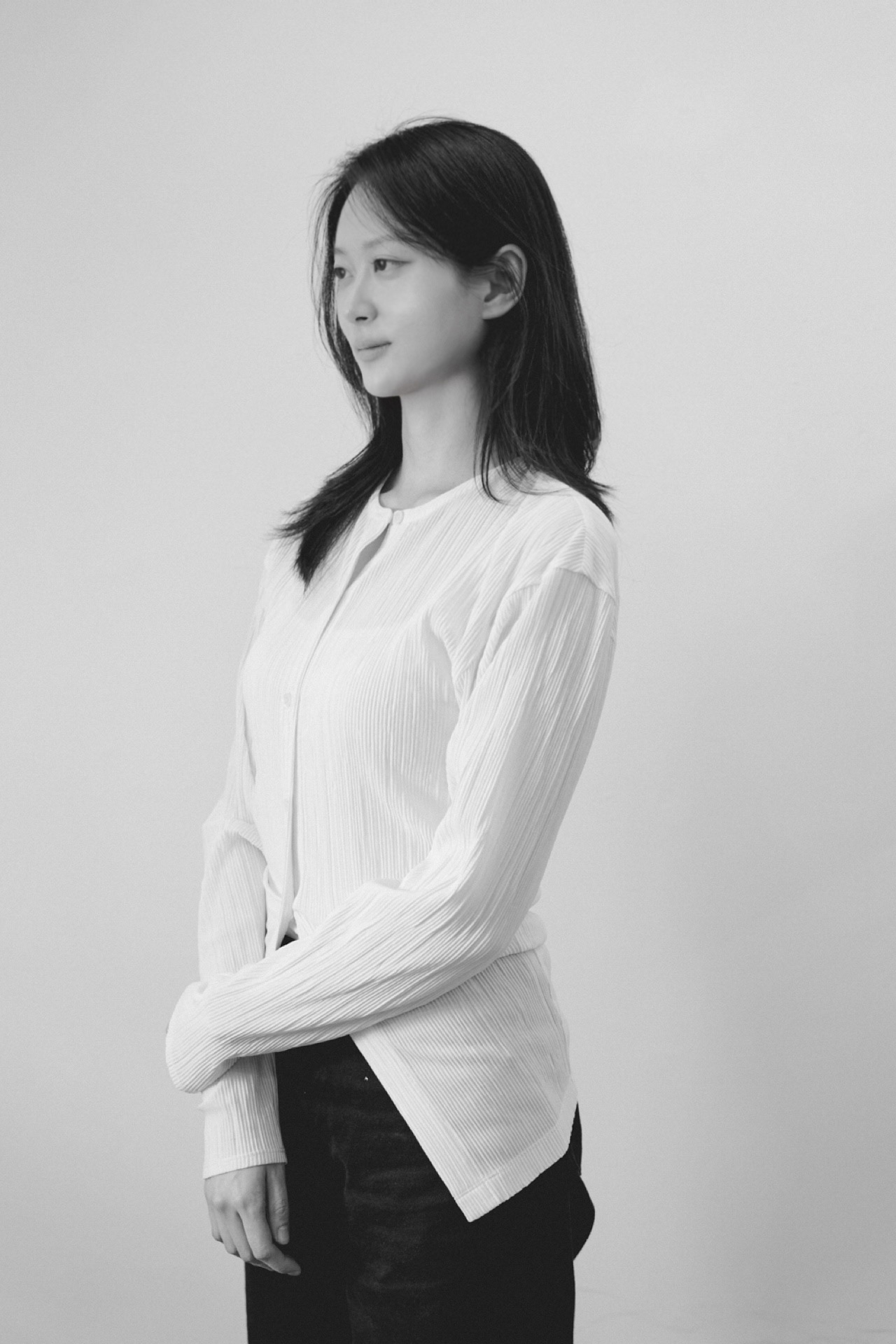
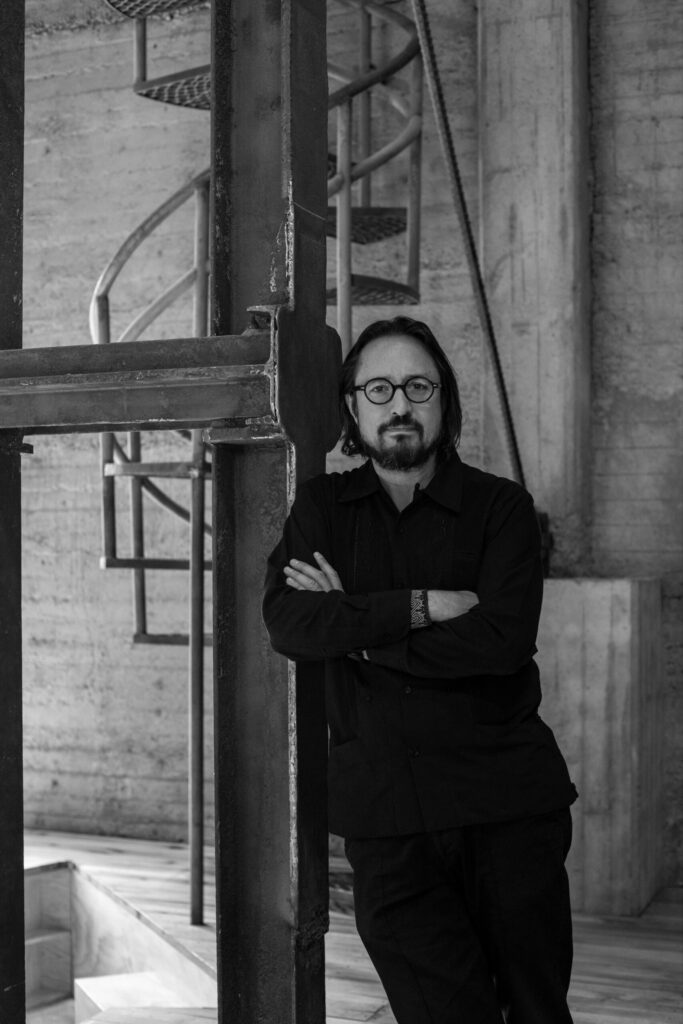
Javier Sánchez
Javier Sánchez is the founding partner and principal of JSa, the Mexico City-based architecture studio he established while studying at Columbia University’s Graduate School of Architecture, Planning and Preservation (GSAPP). Raised in a family of architects, he has developed a practice that spans housing, cultural, commercial, and mixed-use projects, while playing a significant role in the regeneration of Mexico City’s historic neighbourhoods through architecture and urban development.
Over the past three decades, Sánchez has become widely recognised for his work in heritage rehabilitation and for creating resilient, mixed-use environments that respond to the evolving needs of contemporary cities. Increasingly focused on architecture’s environmental responsibilities, his recent work explores self-sustaining design strategies that integrate social, cultural, and ecological considerations. Rooted in the rich urban fabric of Mexico City, his practice continues to demonstrate how architecture can shape more connected, inclusive, and enduring communities.
“Time is the best critic for architecture.”
INTERVIEW

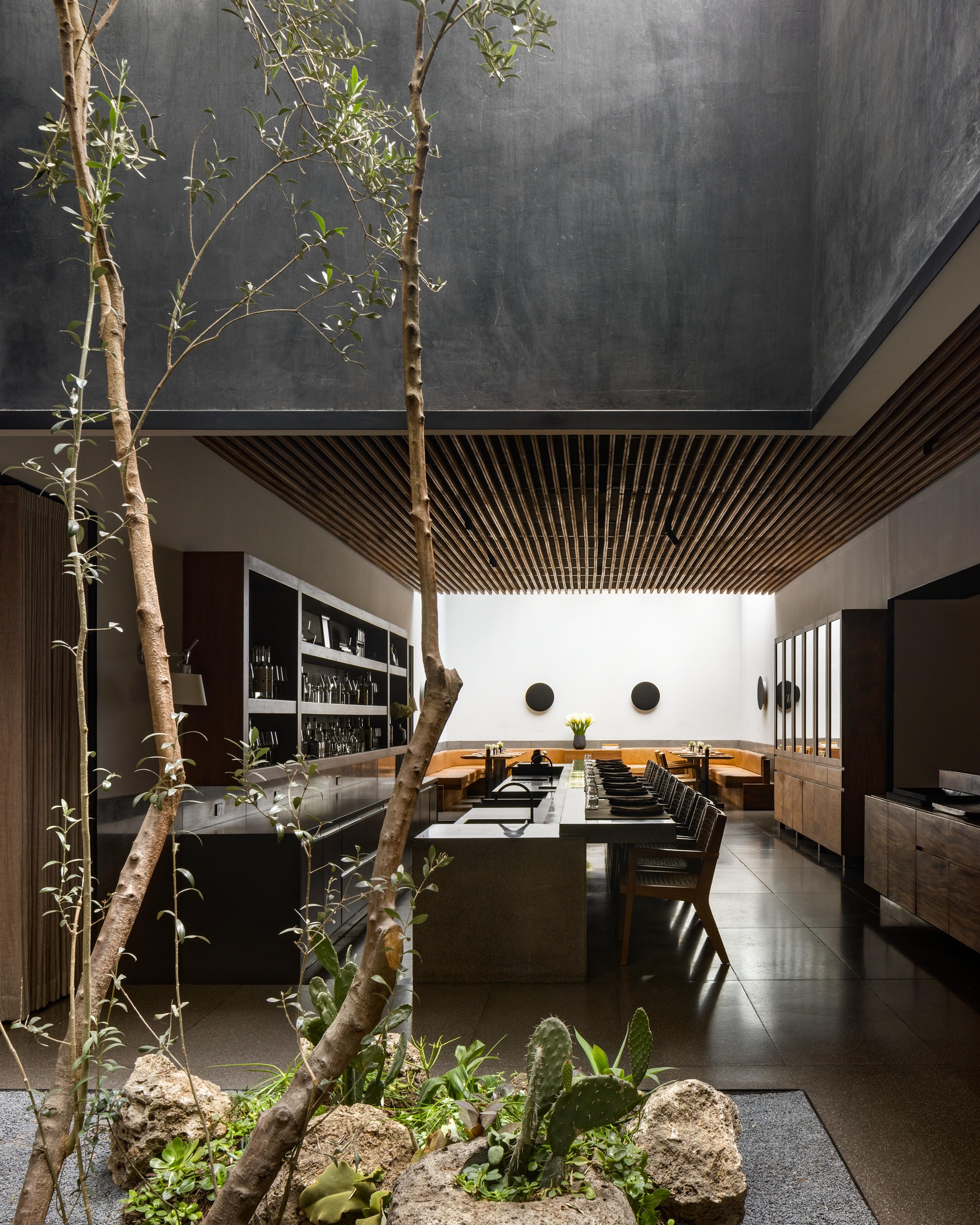
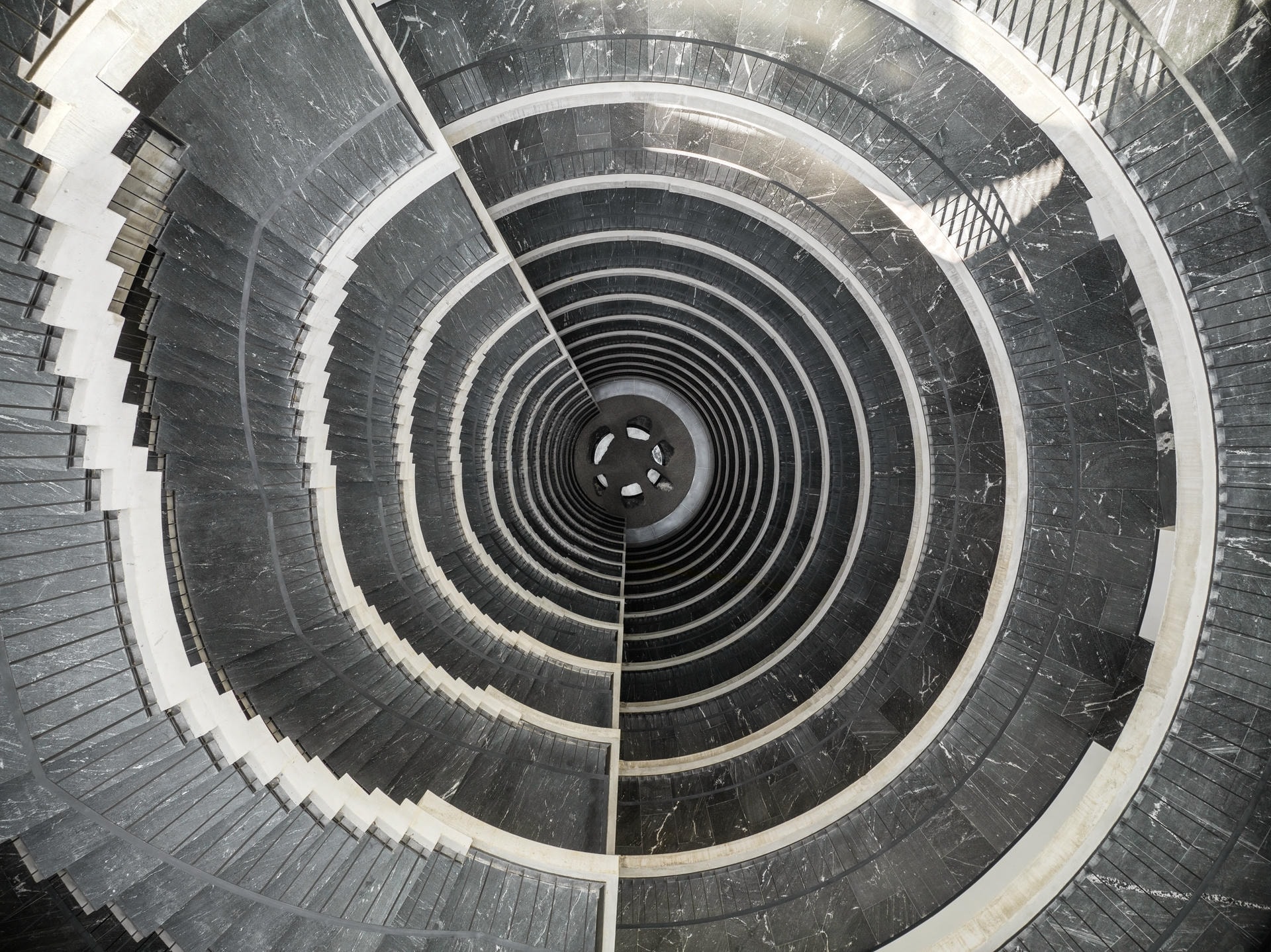
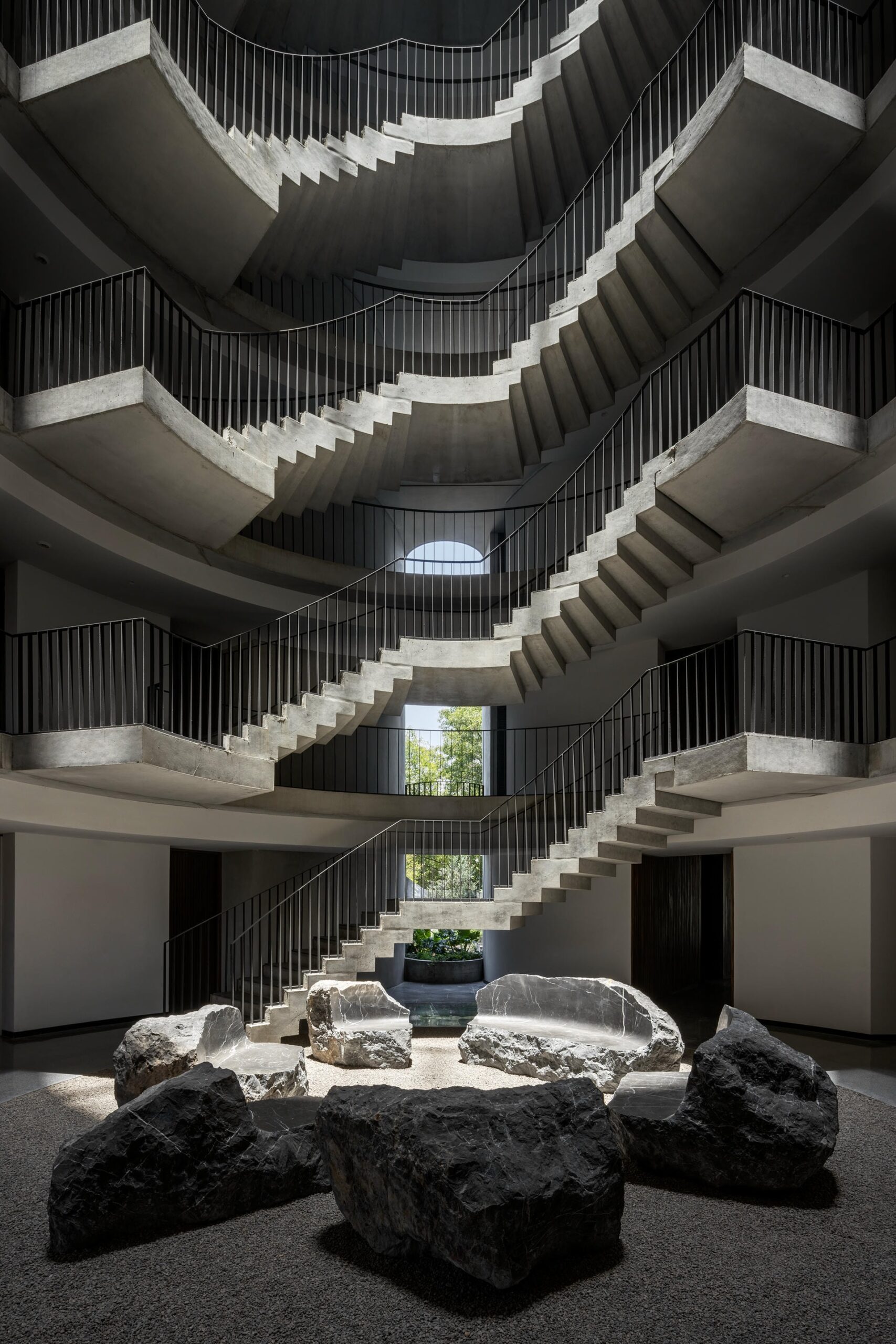
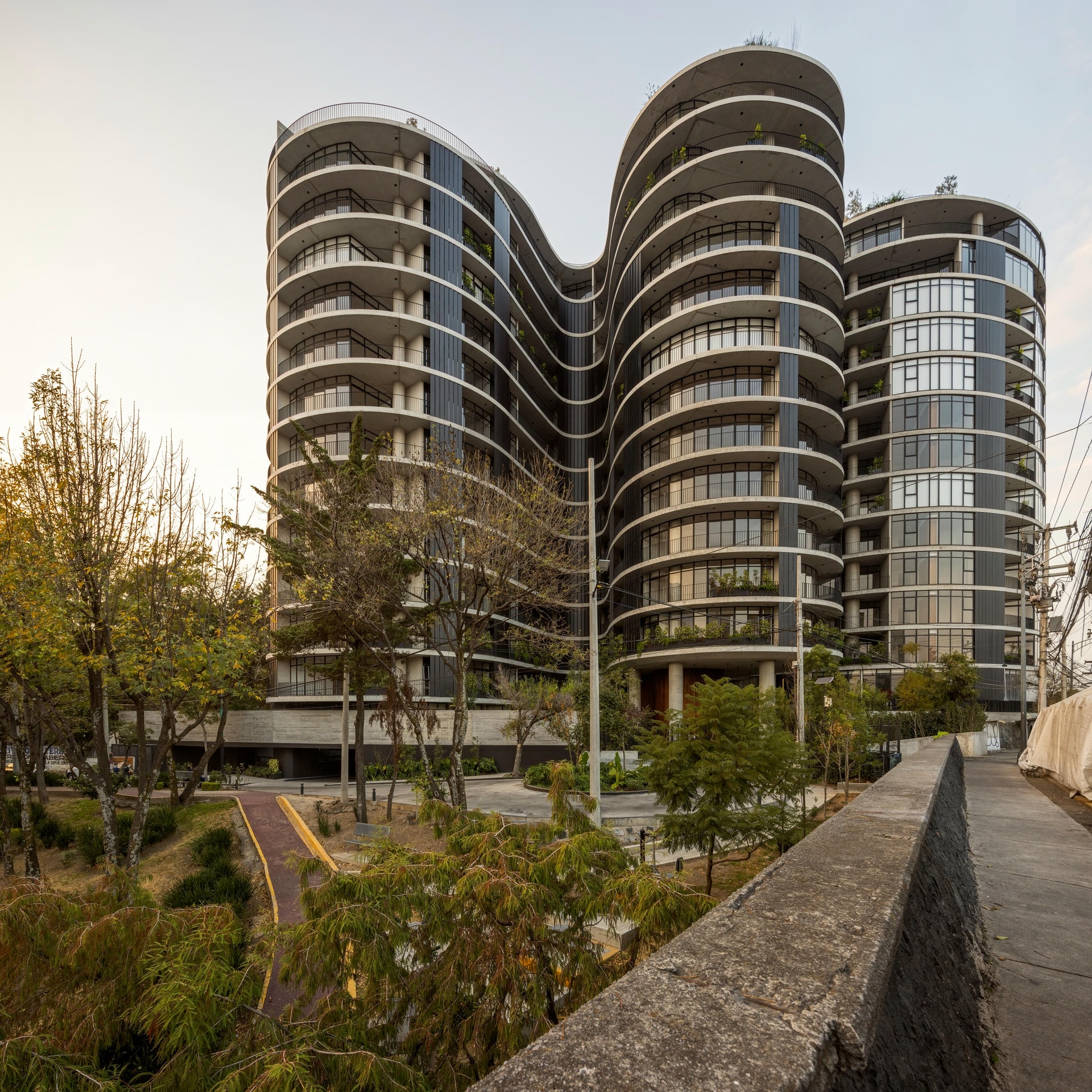
Pedre, Mexico City © Rafael Gamo, courtesy of JSa
My journey started with my father, as did his with his own father, so I had the privilege to experience and learn about architecture as I was growing up. I learned about the way of life of an architect, the ideals, the purpose, the battles, and the everyday reality of the profession. It wasn’t a sudden decision; it was more like a slow inheritance.
I believe architects carry with them ideas that they find compelling. Things we have experienced in life or would like to experience. We also like to have a conversation with the site, with our time and culture, and with the client and their aspirations. We try to respond to all these elements to create purpose and meaning, and to communicate that effectively. That way, the conversation builds upon itself and helps us navigate the project from start to finish.
I would say it is versatile in nature, as it reflects a specific time and place. We are not married to single ideas or motifs. Instead, we aim for an architecture that becomes atemporal. It’s about finding a core idea and building from there, letting that idea evolve without forcing a signature style.
We try to disappear. To become part of the context first. And then, surprise and express other ideas through how the building is lived, used, and experienced. But not at the surface level. It’s about something deeper: how light moves, how users appropriate the space, how a project unfolds in time.
In the end, it is one project. It has its own language, its own rules, and those carry through from structure to skin to furniture. Maintaining that consistent narrative is the real challenge. And the real reward. You know you’ve succeeded when you can’t easily separate the structure from the space it creates.
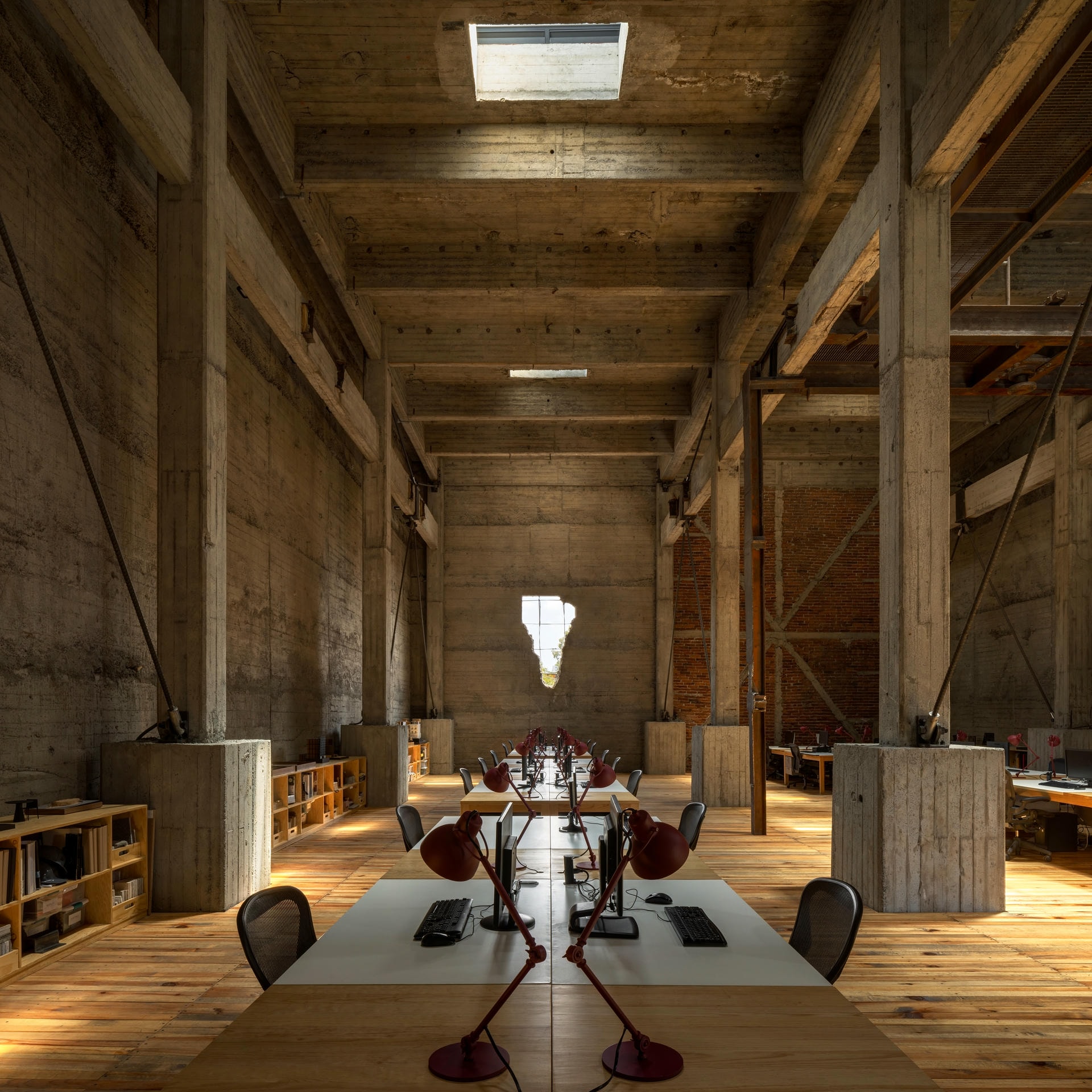
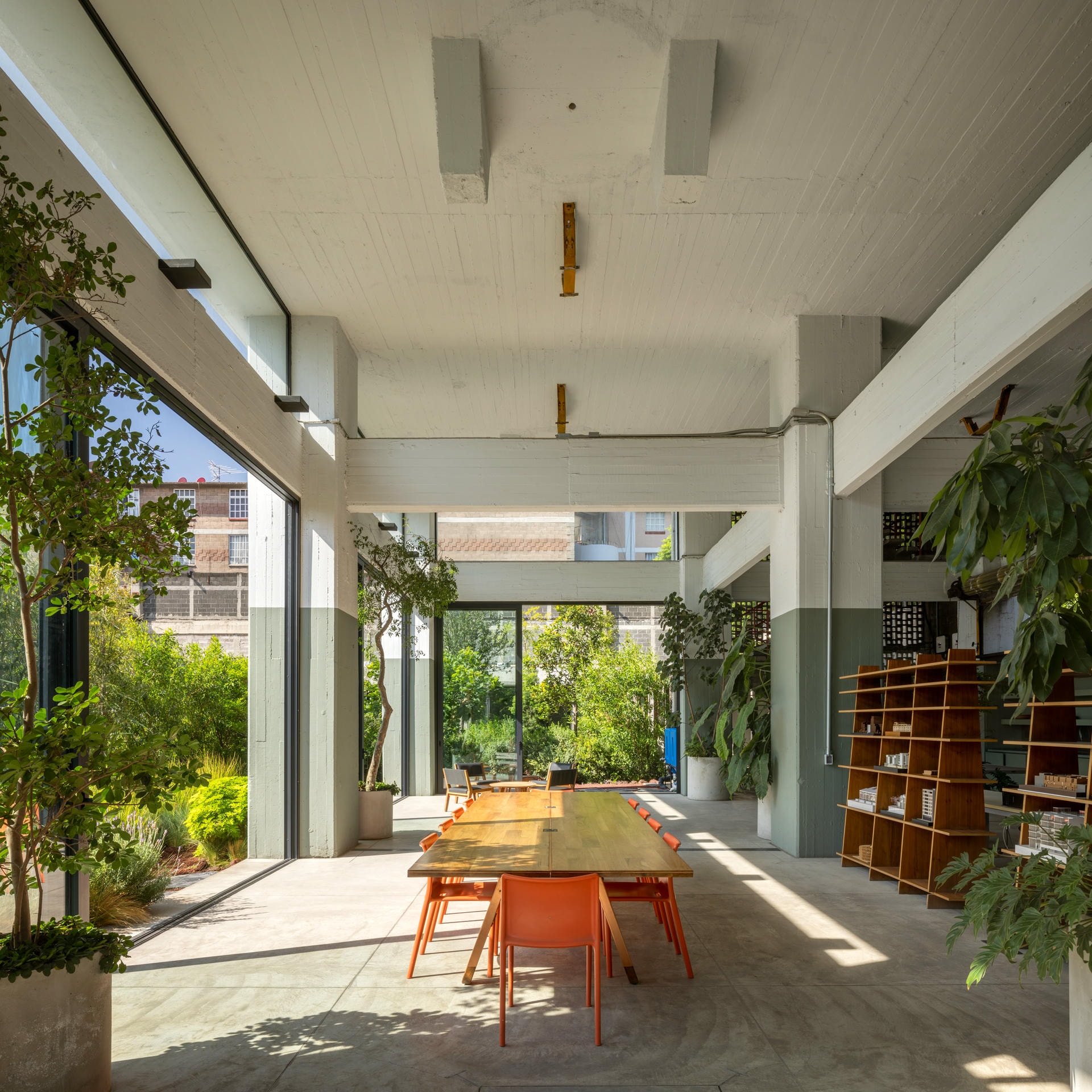
Our office space at The Ice Factory is more than an office, it is a laboratory that allows us to think about the values and ideas that appear in our projects. It is also a school. We share it with academics and fellow architects. We enjoy seeing it evolve constantly; it already holds many stories, and new ones are written there every day.

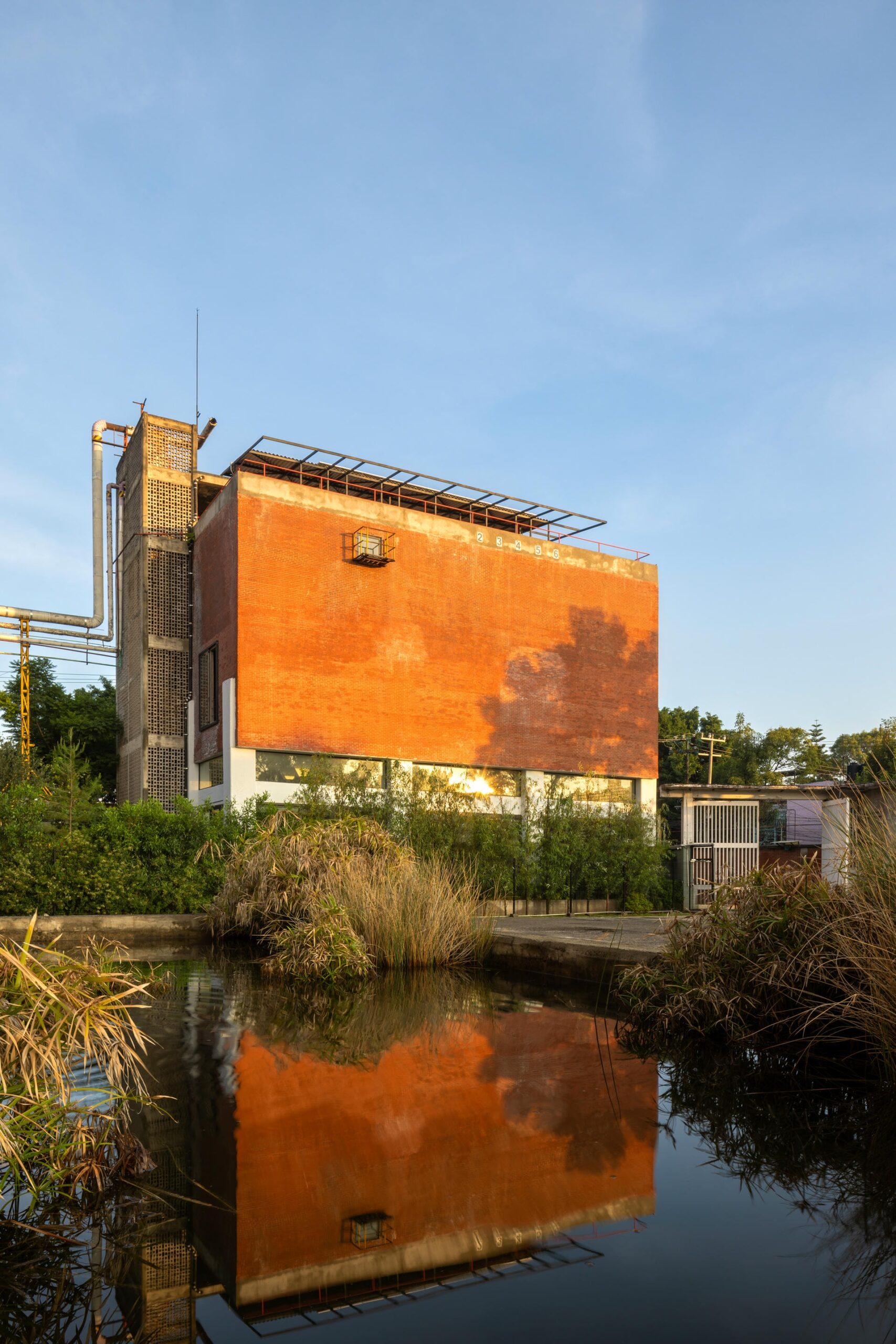
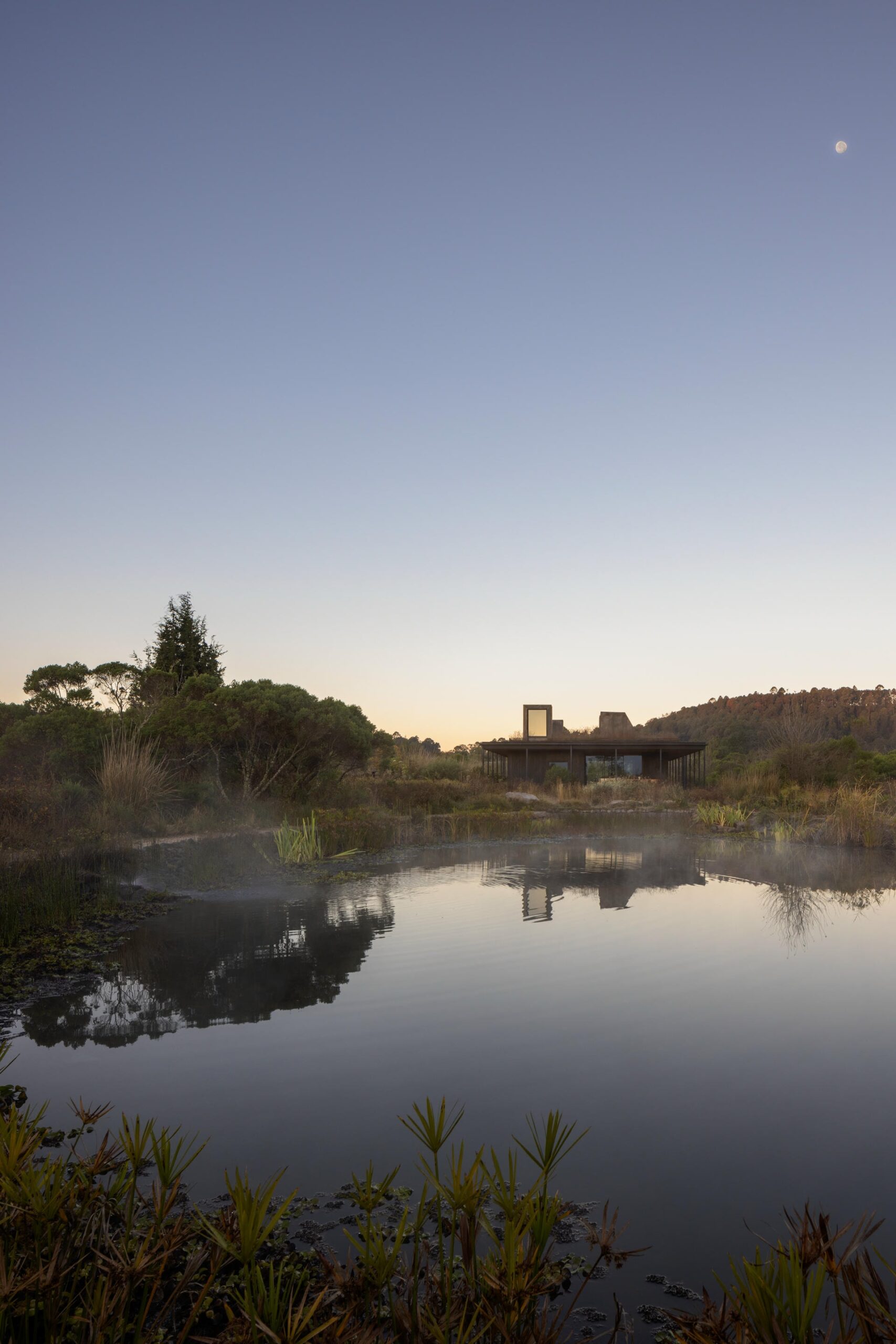
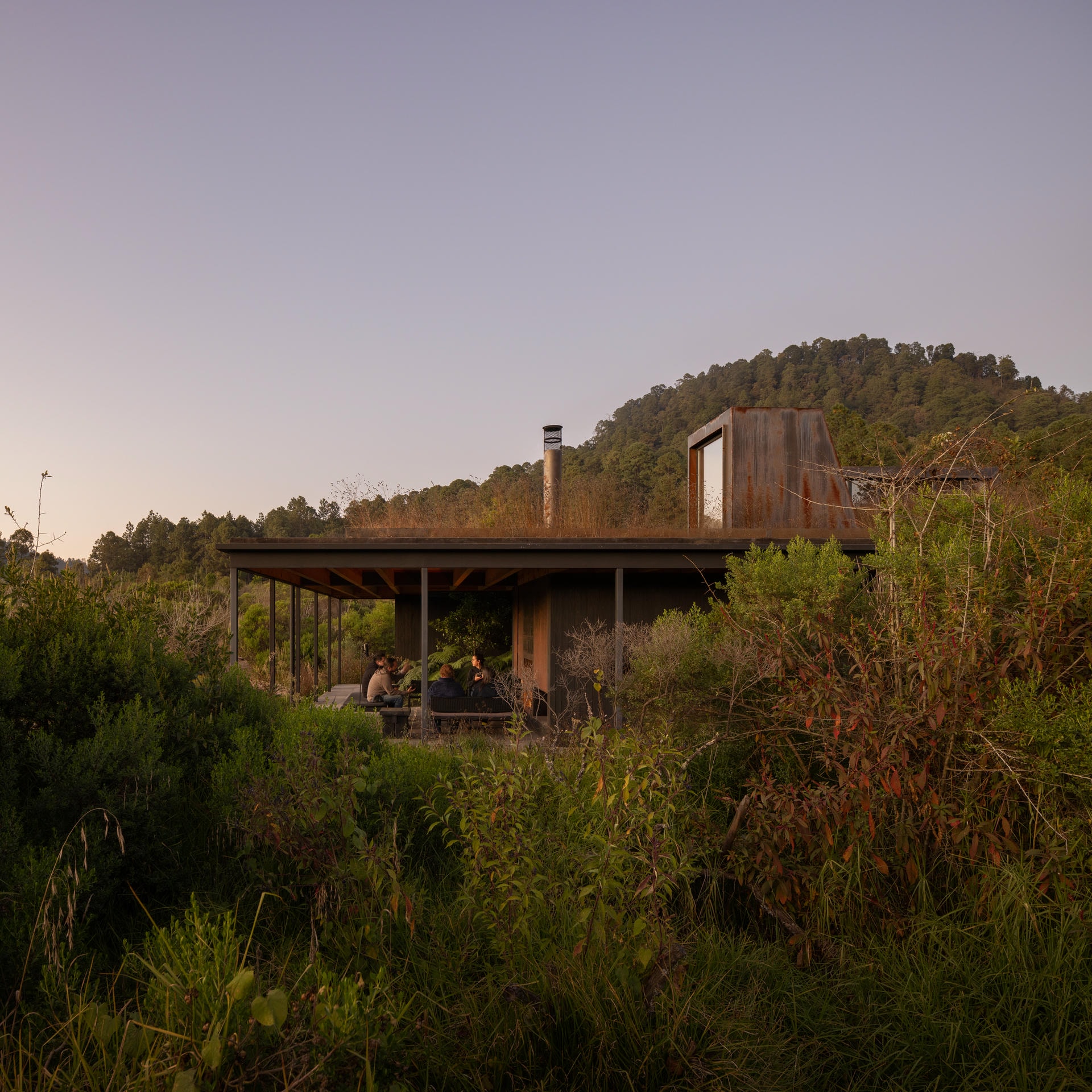
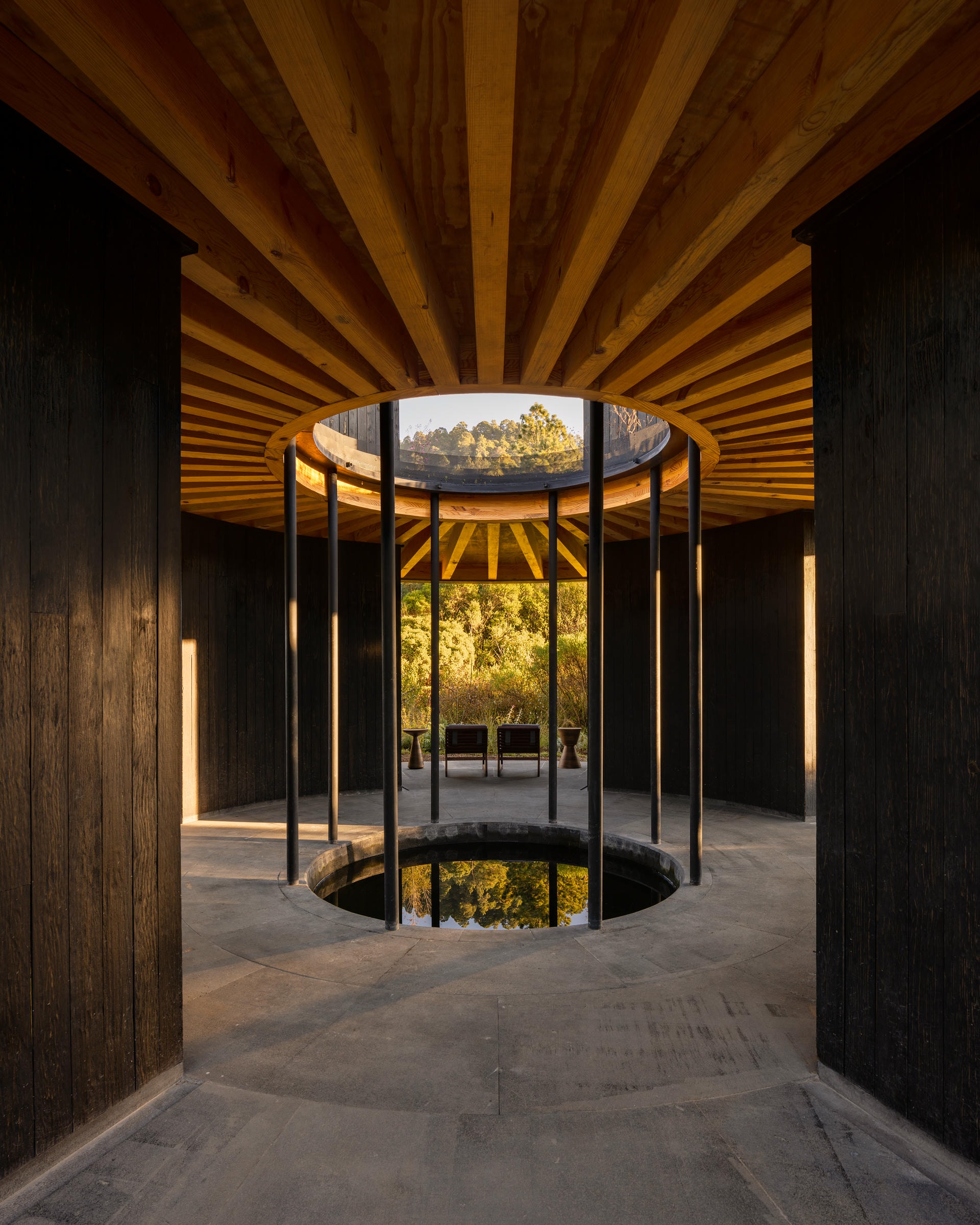
Rain Harvest Home © Rafael Gamo, courtesy of JSa

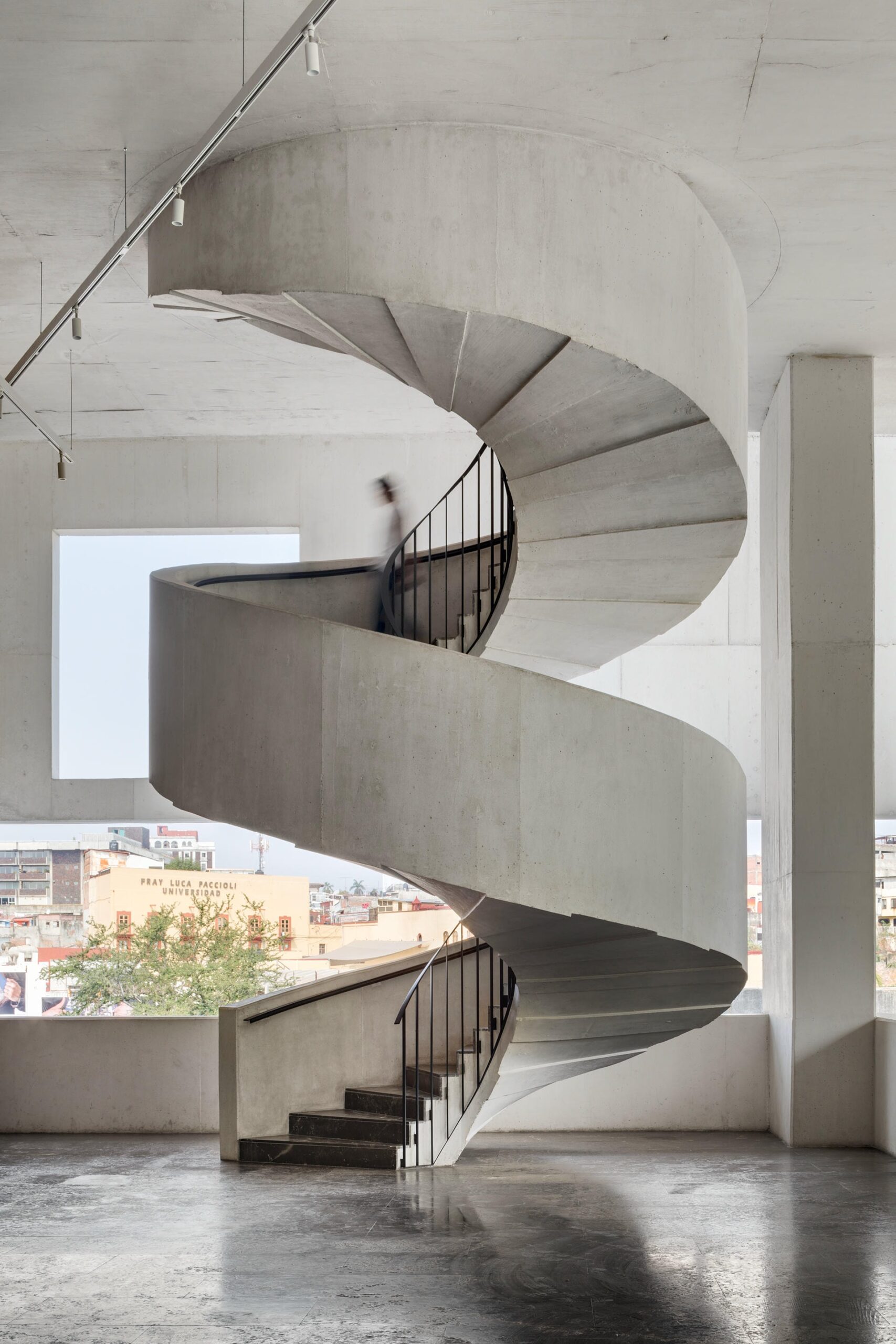
Pedre, Mexico City © Rafael Gamo, courtesy of JSa
More than single architectural works, I love cities, and especially neighborhoods. Places with diverse people and mixed uses, with public space, with parks, rich in history, with explicit layers that tell the story of their evolution.
Any architecture that promotes and fosters this vision of a ‘soft city’ is tuned to what I believe in. So my favorite “works” are really the lived-in urban fabrics.
Dealing with clients who undermine the potential of architecture. Those who see it only as a product or a budget line, rather than as a cultural and human act.
Walking the city. Always. It calibrates, inspires, and energizes us. No matter how stuck we feel, an hour of walking brings us back to why we do this.
“Time is the best critic for architecture.” Trends fade, but a building that is true to its place and its purpose only gets better with age.
Good architecture is always better in real life than in photographs or renderings. Travel as much as you can and visit buildings in person.
A photograph can give you an idea, but only being there, using the space with others, feeling the atmosphere, the acoustics, and the wear of materials, teaches you what architecture truly is.

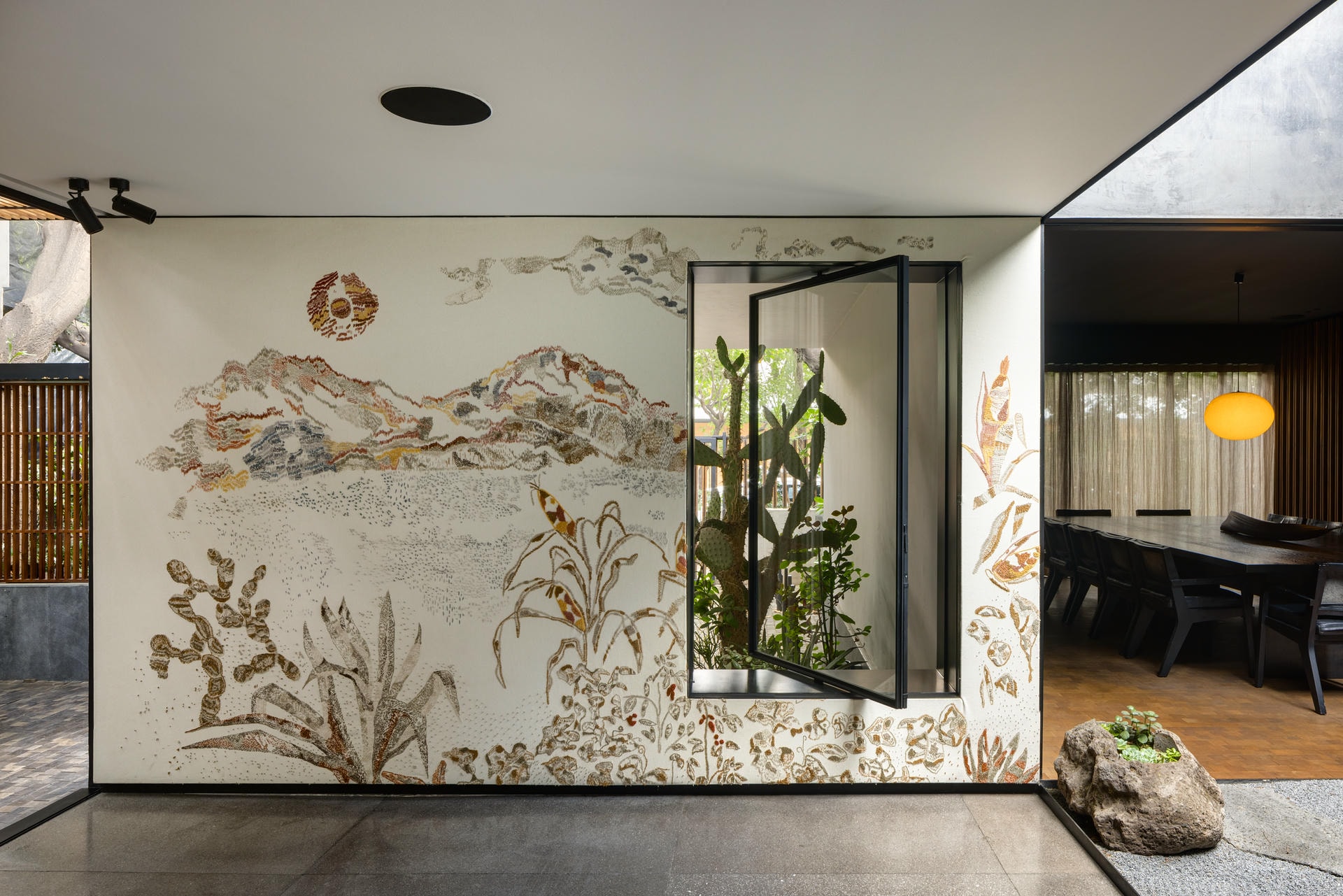
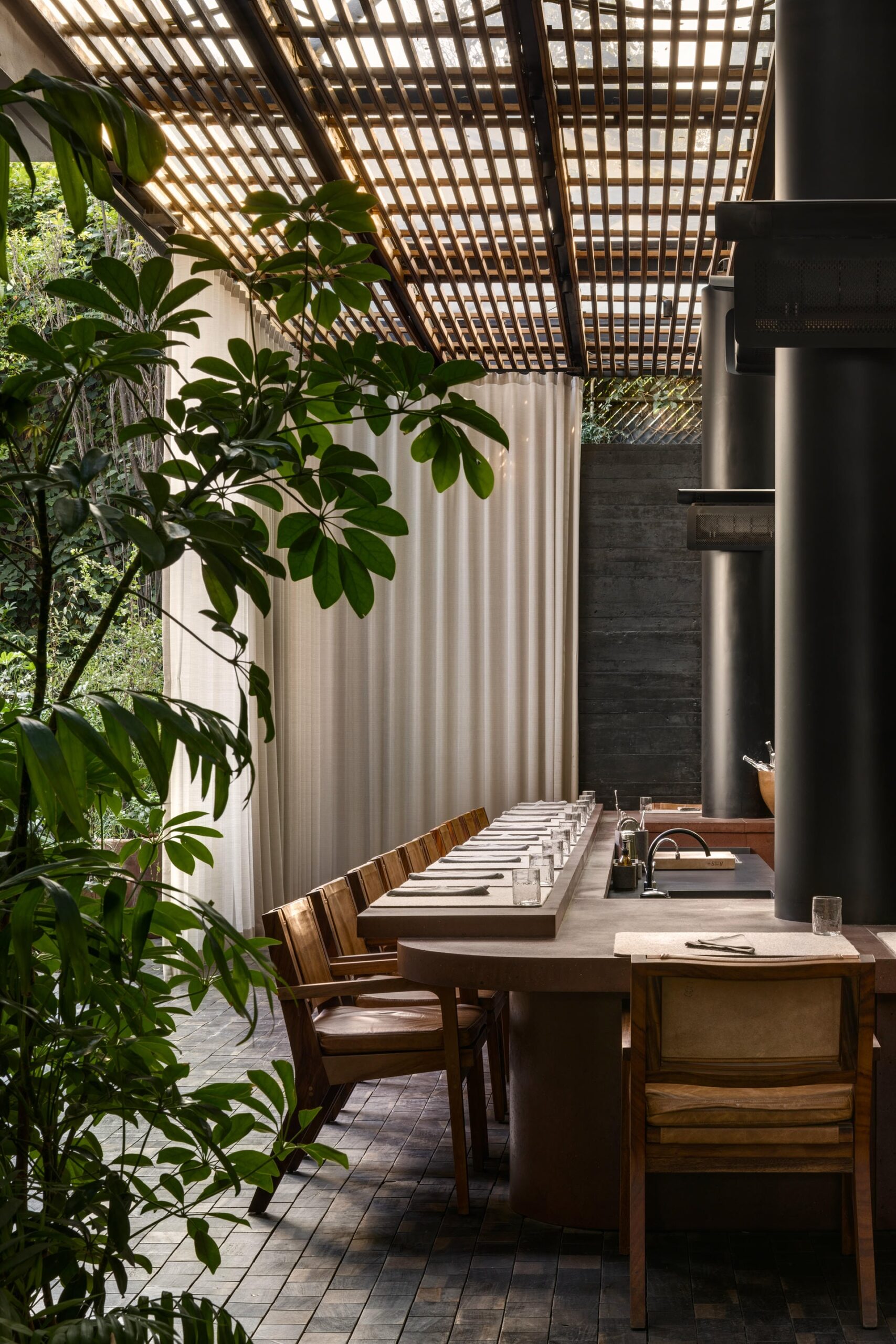
Pujol, Mexico City © Rafael Gamo, courtesy of JSa
Thank you so much Javier, for this lovely interview!
Share article :