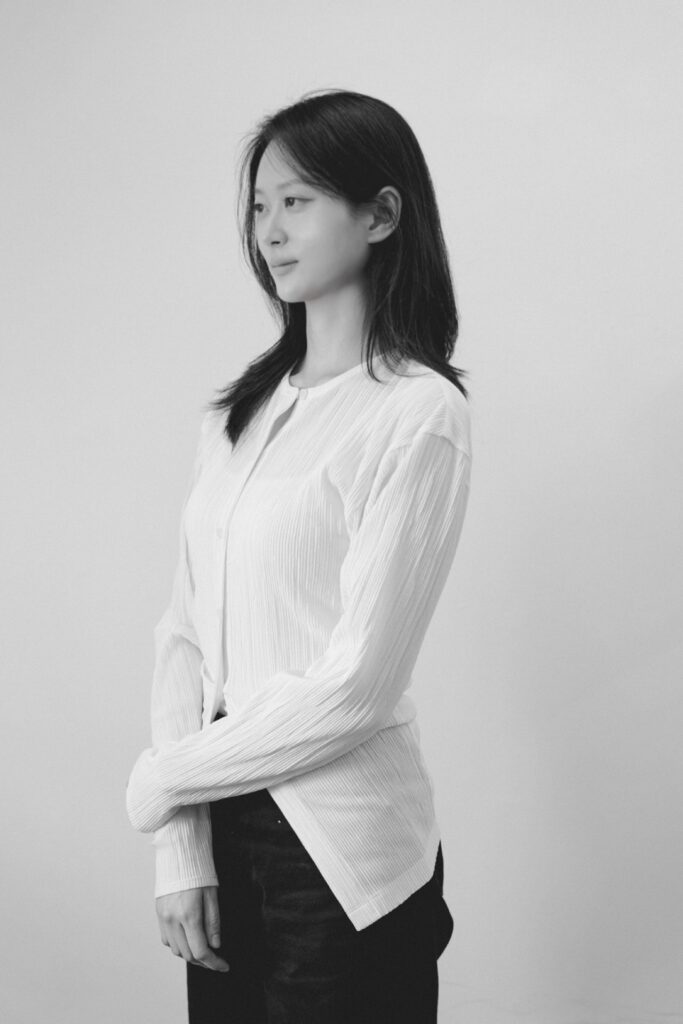
Chaeyoung Lee
Chaeyoung Lee is a Seoul-based furniture and object designer. After studying Woodworking & Furniture Design and the Aesthetics of Art, she developed a craft-driven design practice rooted in narrative and intention.
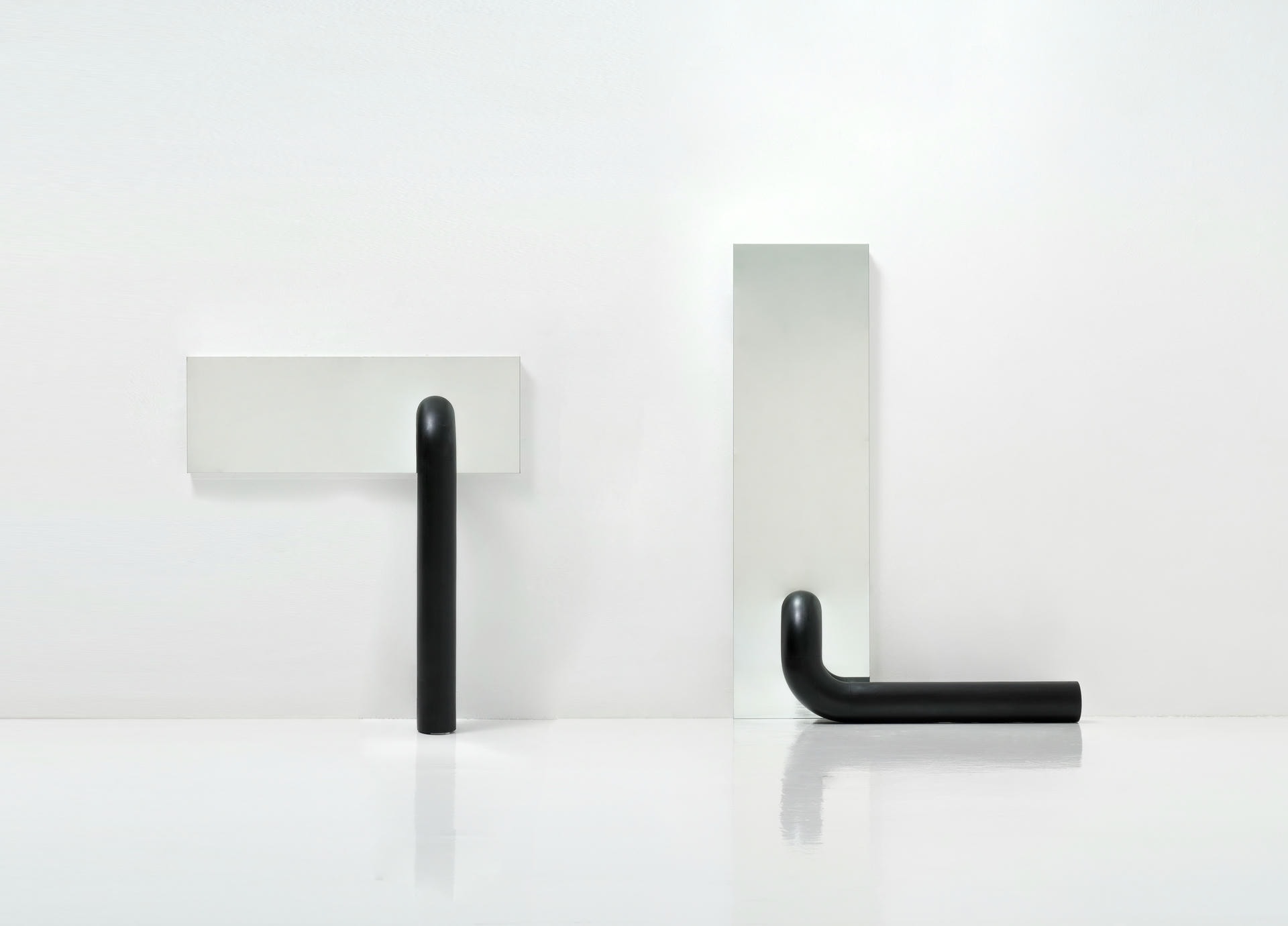
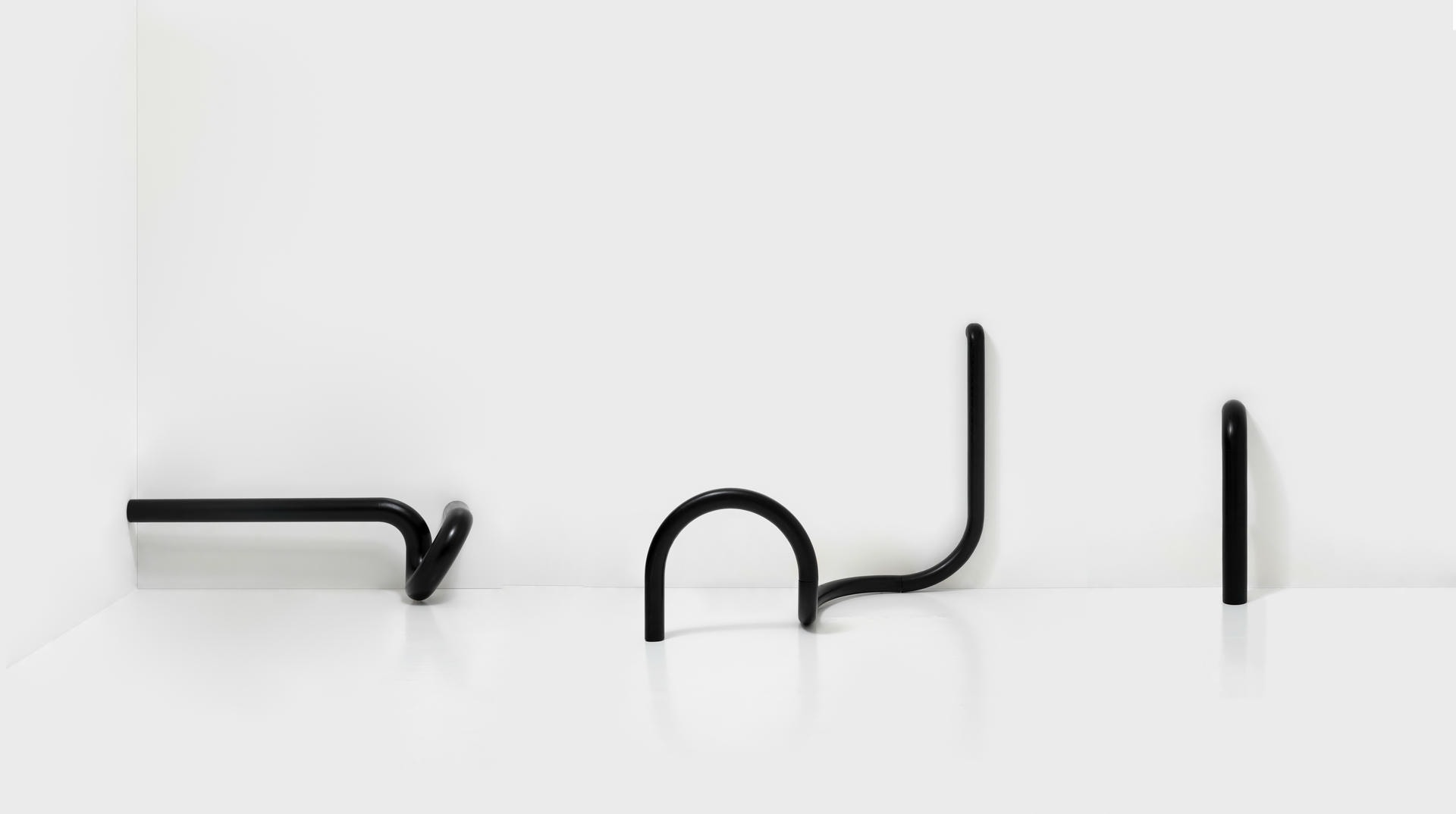
Her work explores the translation of abstract thoughts into tangible, visual, and tactile experiences. Through furniture and objects, she gives form to everyday moments and examines the attitudes and emotions embedded within them.
Her practice continues to evolve as a way of engaging with life and the world—bridging the everyday and the artistic through making.
Interview
I was born in Korea, and I am currently based in Seoul.
My aunt is a painter, so my earliest memories of art come from visiting my grandmother’s home, which was always filled with her paintings. She often drew portraits of us, and we spent a lot of time drawing together.
I studied Furniture Design and Art Studies in college and continued my practice through a master’s program. I currently work as a designer at a furniture studio while developing my own projects.
I’ve always loved making things I could directly shape with my hands. It felt natural to deepen that curiosity and eventually build a creative practice around it.
My work sometimes begins from a line of thought, and other times from an image. I like archiving, so I constantly collect images, texts, and small observations from daily life. Anything that catches my eye becomes material. When these fragments suddenly connect, the process naturally moves on to sketches, models, technical drawings, and 3D modeling.
I don’t follow a strict routine. Since finishing an exhibition recently, I’ve been spending more time planning new work at my desk. I usually turn on a playlist, dim the lights, and pick up where I left off. Most of my time goes into research, sketching, and organizing texts that eventually develop into physical work.
Materials are not just means to an end—they help me visualize ideas and discover new directions. Since I studied Woodcraft and Furniture Design, wood feels familiar and intuitive. But I approach materials openly, choosing different ones depending on each project’s tone and needs.
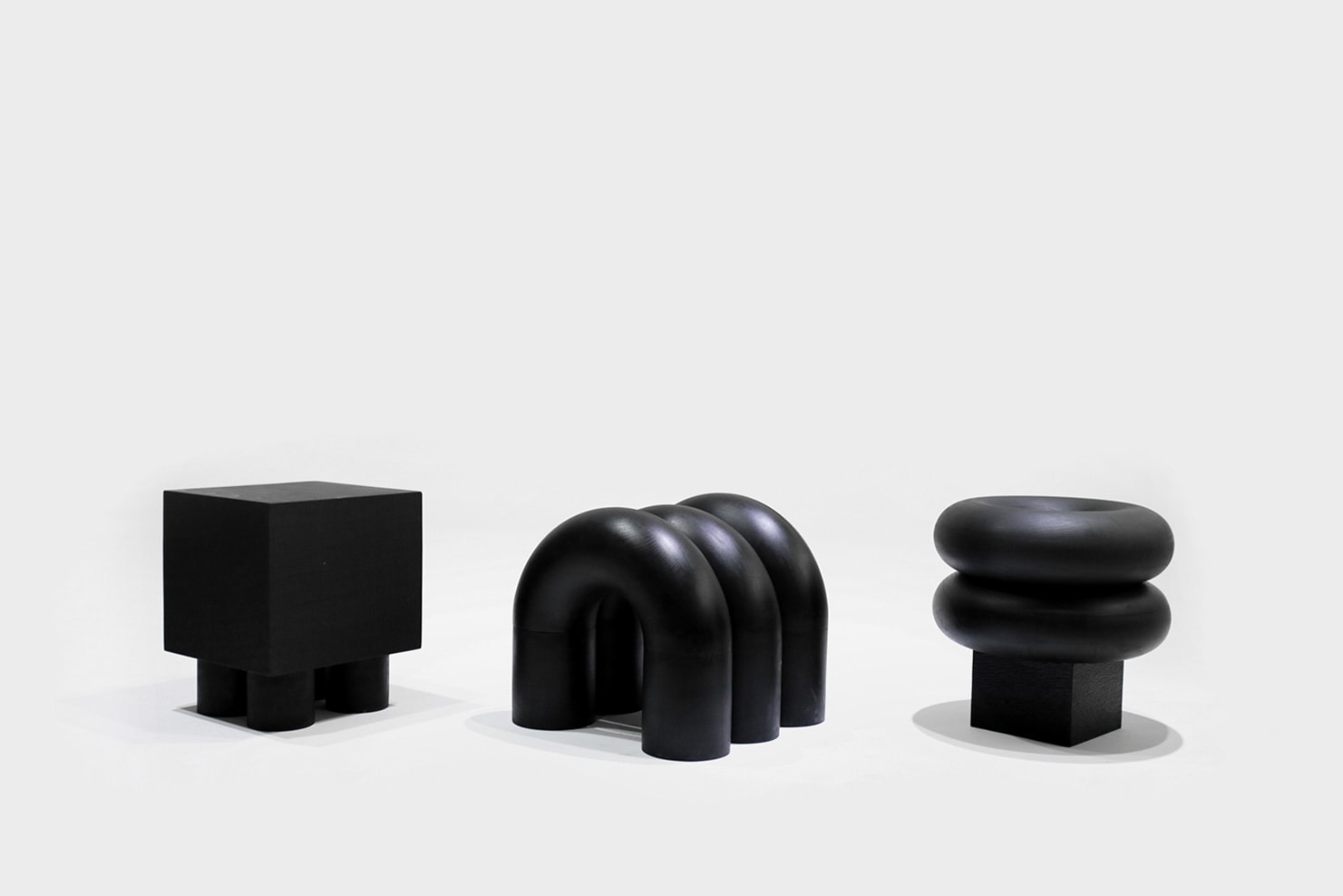
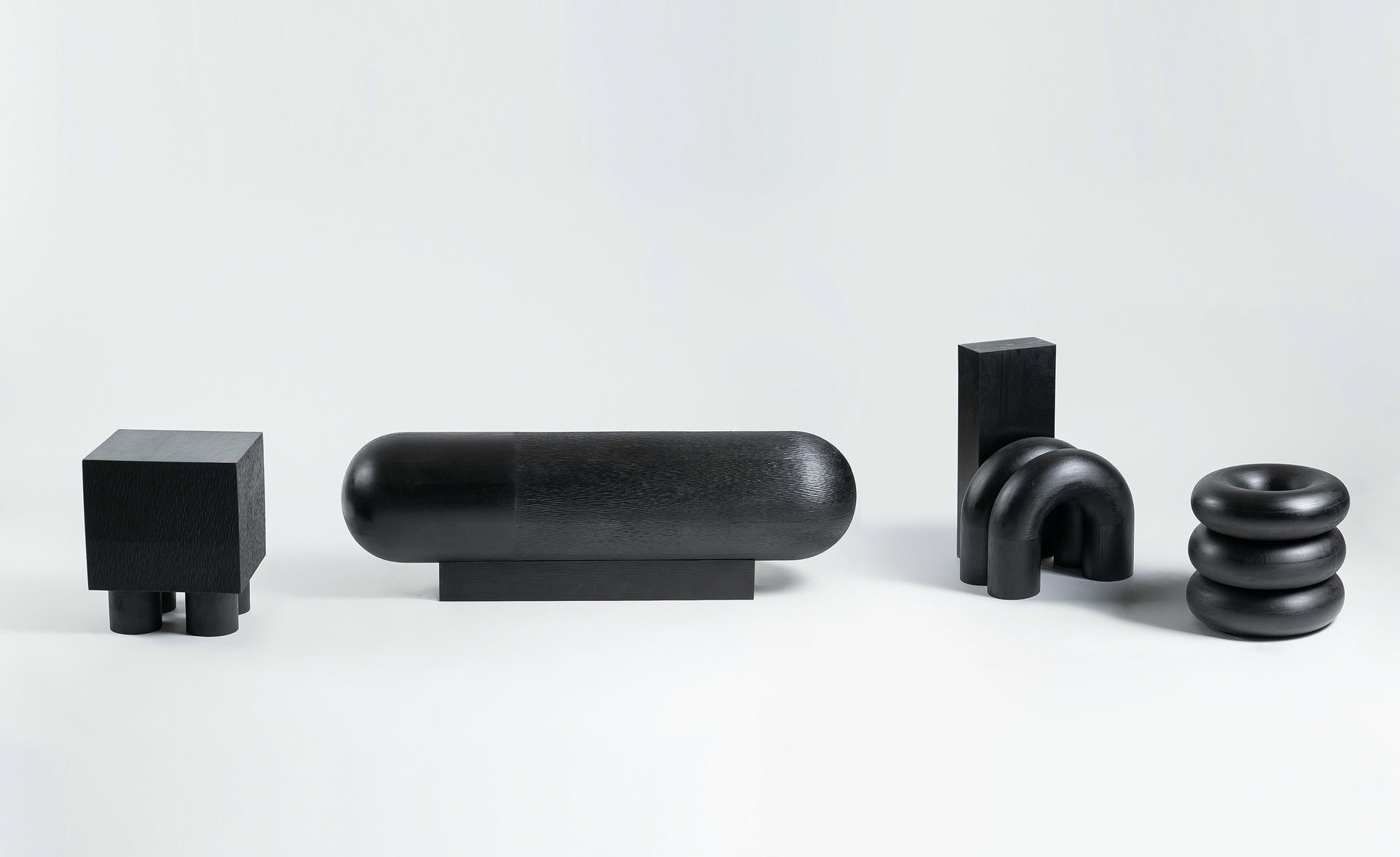
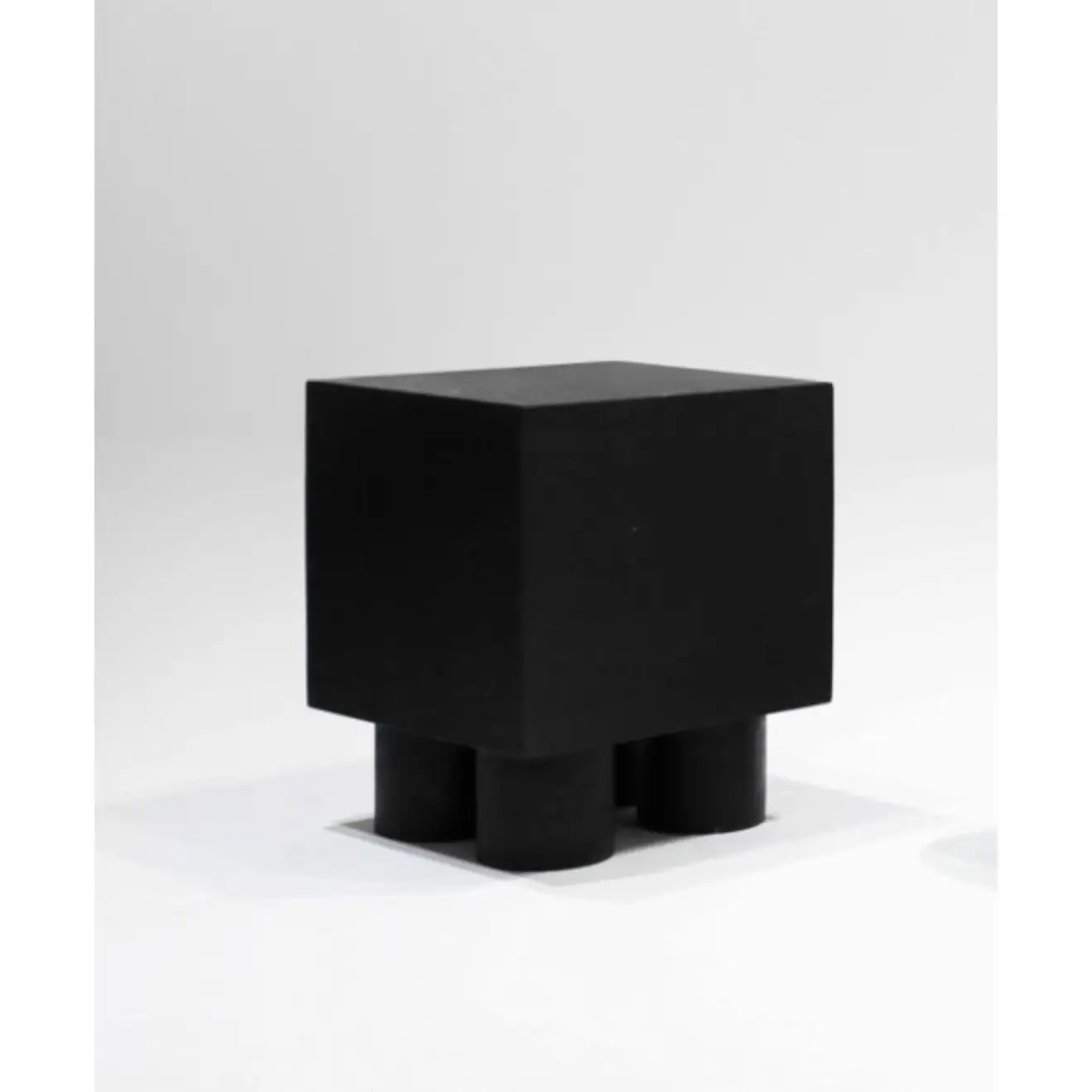
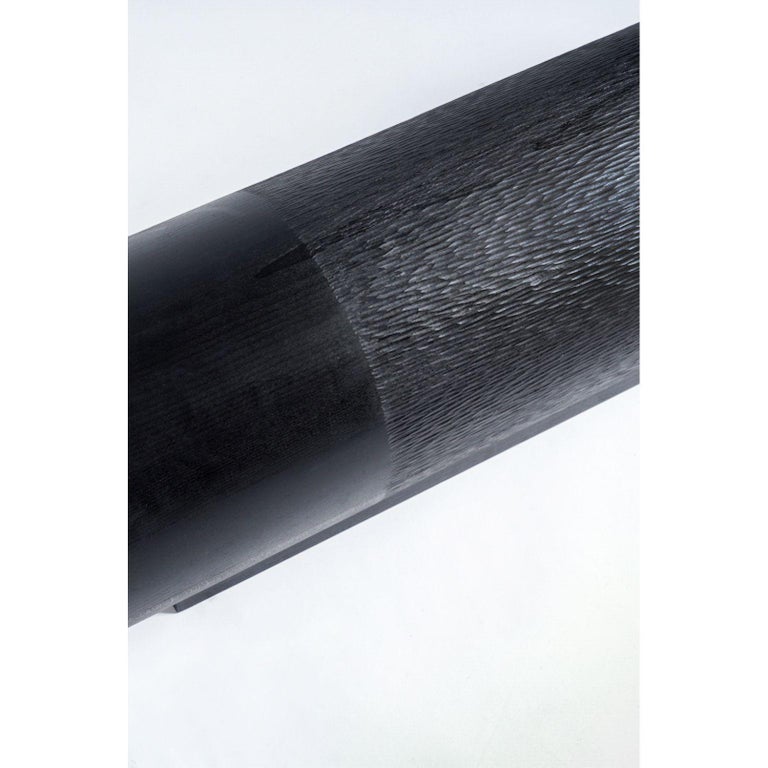
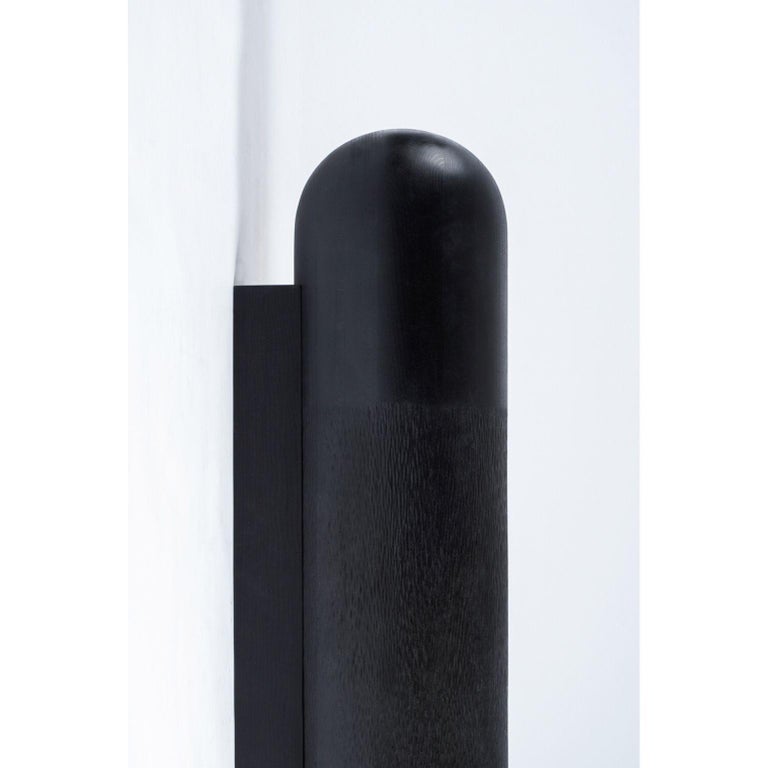
I mainly work with wood and metal, emphasizing the physical traces left during the making process. Surface treatments like ebonizing, wood carving, and the Black-C technique allow time itself to accumulate on the surface, revealing the gestures behind the work. The focus is on the material’s responsiveness created through direct interaction between the material and action.
I haven’t been presenting my work for very long, so this is advice I also give myself: don’t be afraid to try anything. You never know how or when certain attempts will connect and form something meaningful. It helps to see every experience as part of the process.
If I had to choose, I would say Bauhaus. I value material honesty and craftsmanship, and my material choices directly relate to the ideas I want to express.
Artist Junghwa Seo has been a major influence. As my teacher throughout college and graduate school, he taught me how to observe material properties with honesty and how to build a coherent body of work through an exploration of process.
I appreciate Kwangho Lee. He works in multiple series with different expressive modes, yet they all feel connected when viewed together. I also admire his fearless use of color, which contrasts with my own approach.
I’ve been inspired by Lee Ufan. I appreciate the existential thinking embedded in his work, and I find it meaningful how a single core idea can unfold into diverse forms.
Processuality.
I hope my work can be a small source of inspiration for others. I look forward to continuing my practice and sharing new stories in future conversations.
“You never know how or when certain attempts will connect and form something meaningful.”
The Questions
(The Proust Questionnaire is a set of questions answered by the French writer Marcel Proust.
Other historical figures who have answered confession albums are Oscar Wilde,
Karl Marx, Arthur Conan Doyle, Stéphane Mallarmé, Paul Cézanne…)
Continuous possibility.
Stagnation.
Hesitation.
Presumption.
My mom.
Time spent thinking.
Curious.
Conformity.
Calmness of mind.
Calmness of mind.
It’s okay.
Effortless acceptance.
To be a little softer with myself.
Maintaining curiosity.
A small, observant animal—like my hedgehog.
Seoul.
My laptop—it holds all my thoughts.
Disconnection.
Design.
Persistence.
Embracing heart.
Alain de Botton.
Characters from Guardians of the Galaxy.
Maurice Merleau-Ponty.
Someone close to me who lives with quiet integrity.
Song — a name that feels quiet and grounded.
Staying up all night.
Worrying too much in the past.
With a sense of relief.
Whatever.
“I hope my work can be a small source of inspiration for others.”
SHARE :