Léonie Alma Mason
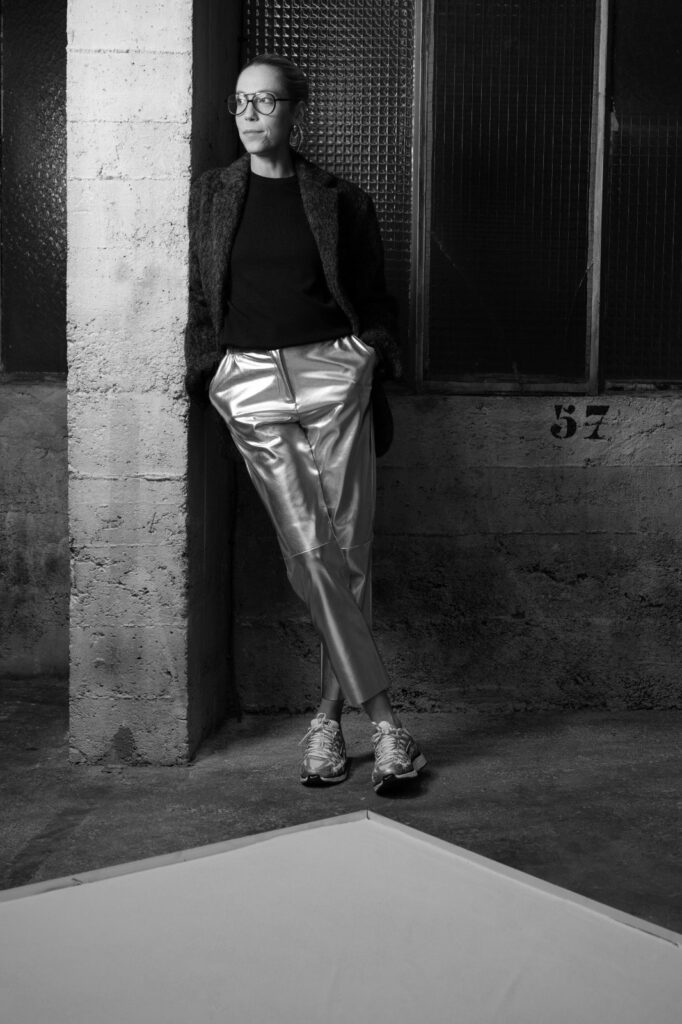
“Beauty emerges from intention.”
INTERVIEW
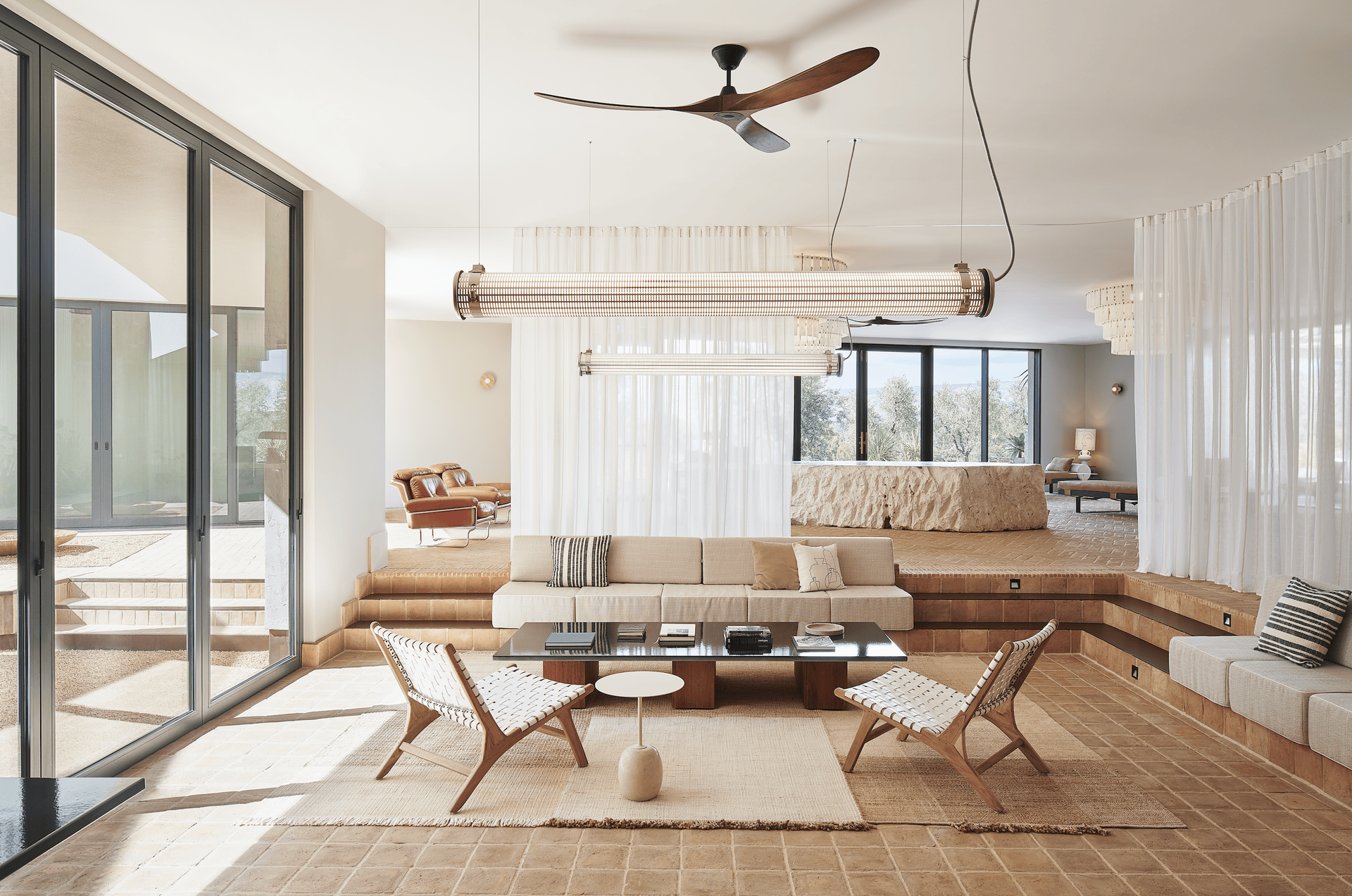
I always begin with what I call the “imprint” of a place — its atmosphere, history, proportions, light and the emotions it evokes. This initial reading becomes the foundation of the entire project.
Travel and observation are an important part of my creative process. Throughout the years, I have built a personal visual library made of places, landscapes, artworks, buildings and encounters collected around the world. These memories often resurface unexpectedly and inform the way I approach a project.
Drawing also plays a central role at the beginning of every design process. Before moving into technical development, I like to sketch by hand. It allows me to capture an intuition, a proportion or a feeling in a very direct and instinctive way. For me, drawing is not only a design tool; it is a way of thinking and observing.
From there, I build a rich body of references drawn from contemporary art, design, architecture, craftsmanship and culture. At this stage, I am not looking for a style, but rather for connections, contrasts and narratives that can enrich the identity of the space.
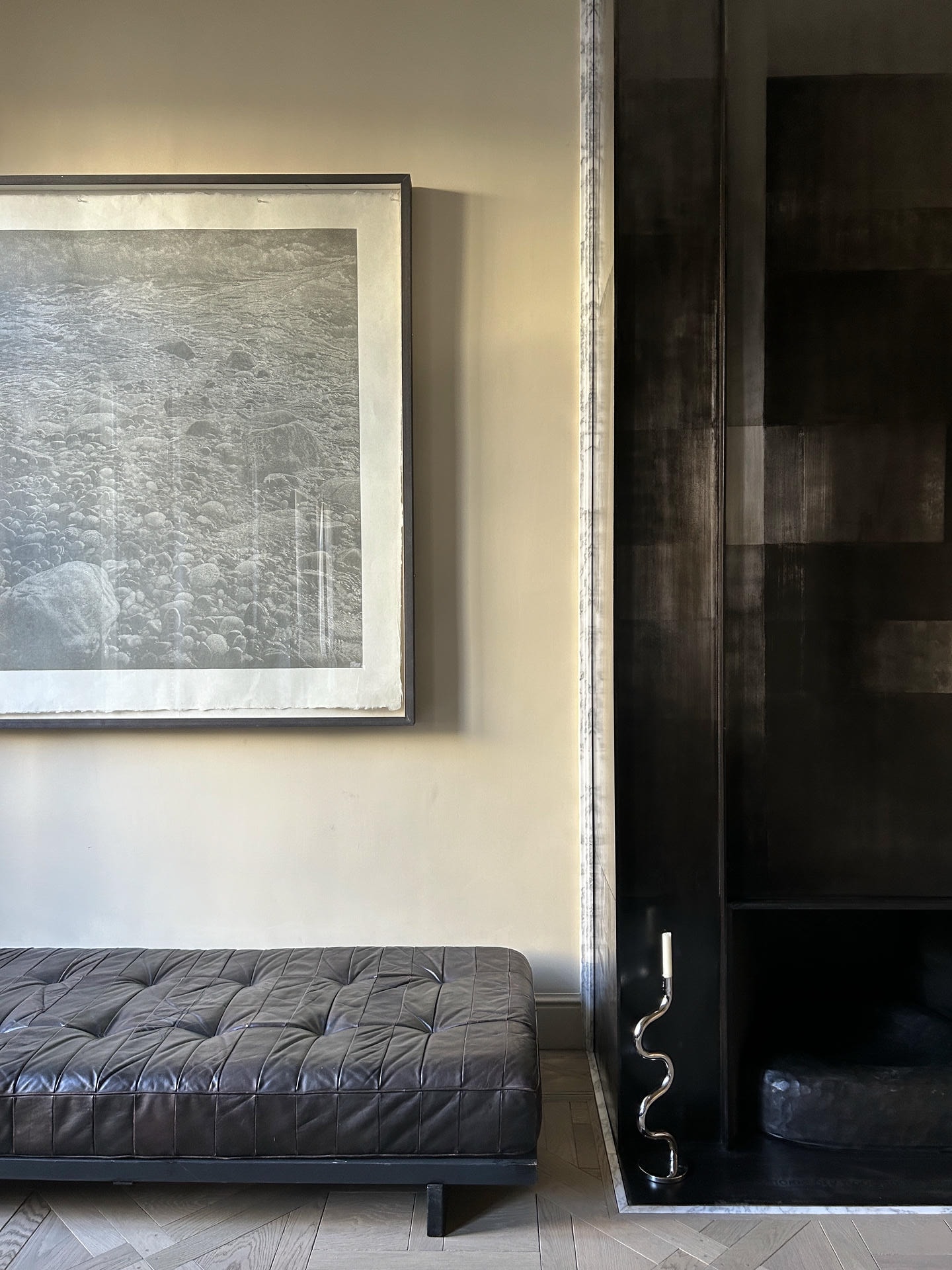
Ultimately, I see every project as a composition — one where architecture, furniture, art and materiality come together to tell a singular story.
Actually, I think that without being fully aware of it, my relationship with interior architecture started in childhood through the places where I grew up, the museums I explored, the sculptures I modelled with my artist grandmother, the churches with wonderful marble I visited in Tuscany, and the landscapes I crossed. Travel has always played a fundamental role in the way I perceive space and beauty. Discovering different cultures, architectures, materials, and ways of living has continuously shaped my sensitivity and nourished my imagination. Some of my strongest memories are linked to places: a monastery in Italy, a museum, a desert landscape, a city observed at dawn.
Drawing was also an essential part of that early education. From a very young age, I spent hours sketching and observing. Even today, drawing remains one of my favourite ways of understanding a place. It slows down the gaze and allows me to absorb proportions, details and atmospheres in a much deeper way.
Rather than a single defining moment, I would describe it as a gradual shift in perspective. Over time, I realised that what interested me most was not simply designing interiors, but creating complete environments. Architecture became a starting point for a broader exploration involving art, furniture, objects, craftsmanship and the stories they carry.
As projects evolved, I found myself paying as much attention to the pieces inhabiting a space as to the space itself. Curating artworks, sourcing unique objects, designing furniture or creating ceramic pieces became a natural extension of the design process. That realisation has profoundly shaped the direction of my work. It led me to think beyond interiors and to build a more holistic creative universe where space, objects and art are in constant dialogue.
Looking back, that shift in mindset was probably the most defining moment of my career.
For me, a successful interior is one that feels both natural and inevitable — as if every element has found exactly where it belongs. Beyond aesthetics, it is about creating a coherent atmosphere where architecture, materials, light, furniture, art and objects work together seamlessly. The most successful spaces are not necessarily the most spectacular; they are the ones that feel authentic, balanced and deeply connected to the people who inhabit them.
In our practice, I believe the same principle applies. Success comes from listening carefully, remaining curious and approaching every project with the same level of attention and commitment, regardless of its scale. It also comes from cultivating a strong point of view while remaining open to dialogue and collaboration.
Ultimately, whether in design or in business, I believe consistency is key: creating meaningful experiences, paying attention to every detail, and staying true to the vision that guides your work.
I wouldn’t define LA.M through a particular style, but rather through a way of looking at and composing spaces.
Our work is deeply informed by travel, observation, and drawing. Together, they constitute a personal vocabulary through which we read places and compose interiors. Travelling has taught me to pay attention to cultures, craftsmanship, landscapes and ways of inhabiting space, while drawing remains one of my most instinctive tools for observing, understanding and capturing the essence of a place.
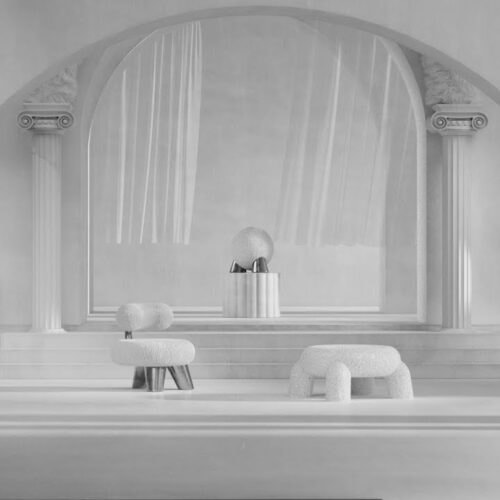
Our work is nourished by a wide range of influences, from architecture and craftsmanship to contemporary art and collectible design, which remain our strongest sources of inspiration. We are fascinated by the dialogue between disciplines and by the way art, objects, materials and light can shape the atmosphere of a space.
What defines our approach is a careful balance between refinement and restraint. We pay close attention to proportions, textures and details, curating interiors with the same sensitivity one would curate a collection. Every element is considered for its presence, its materiality and its ability to contribute to a cohesive whole.
Rather than pursuing a recognizable aesthetic, we seek to create spaces that feel layered, thoughtful and deeply rooted in their context — interiors where every detail has meaning and where beauty emerges naturally from intention.
One idea consistently guides our work: every detail matters. Whether we are designing a space, selecting a material, placing a piece of furniture or choosing an artwork, we believe that the strength of an interior lies in the dialogue between all its elements. Nothing should feel accidental or disconnected.
We are drawn to spaces that feel composed rather than decorated — where architecture, objects, light, textures and art contribute to a coherent atmosphere. The most successful interiors are often the ones that reveal themselves gradually, through thoughtful details and carefully considered choices.
Ultimately, our approach is less about creating visual impact and more about creating a lasting emotional resonance. If we had to summarise it in a single sentence, it would be: “Beauty emerges from intention.”
« Open your eyes »
Be curious, cultivate yourself to create your own creative world, forget to be shy, and take your pencil to draw in a free way.
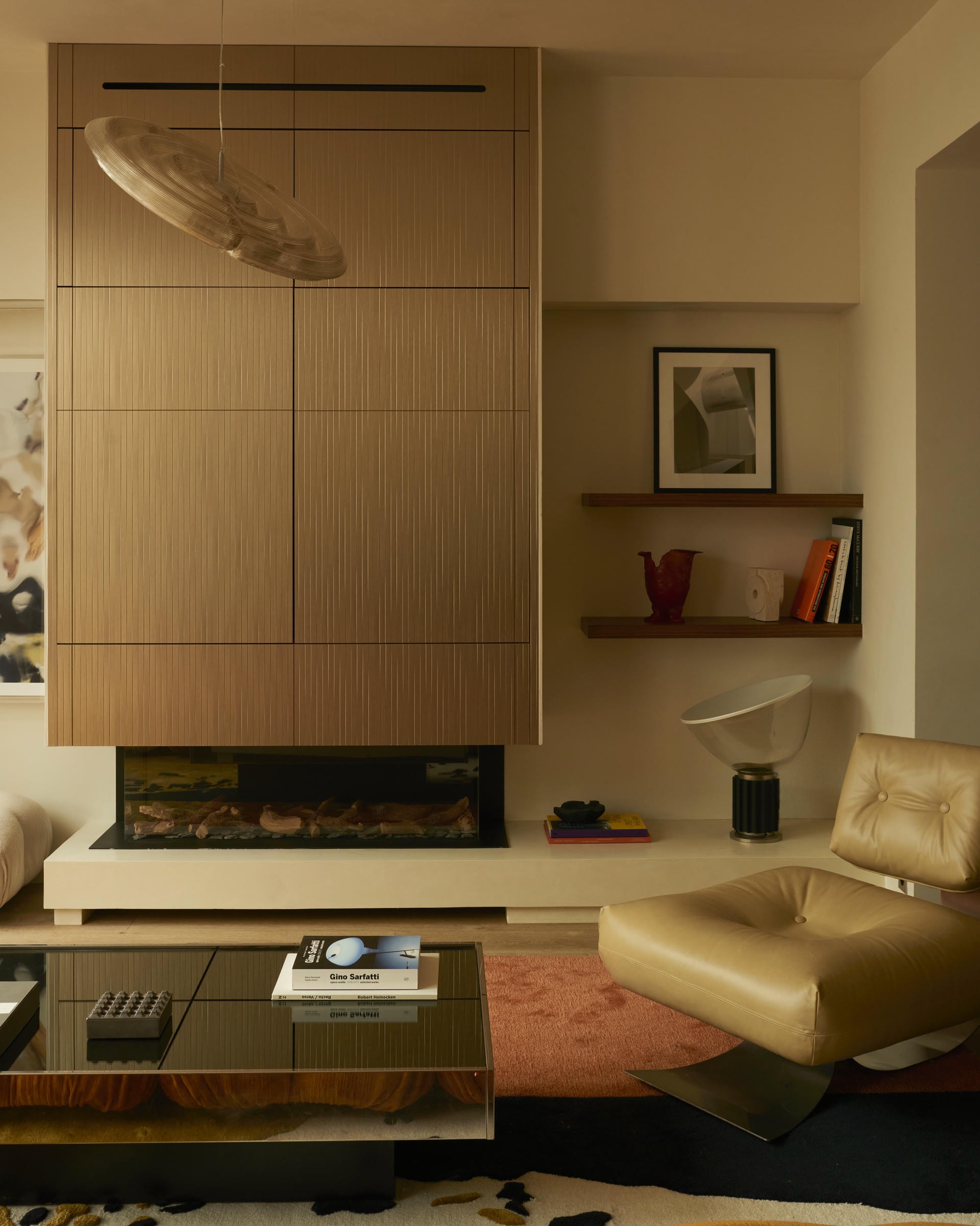
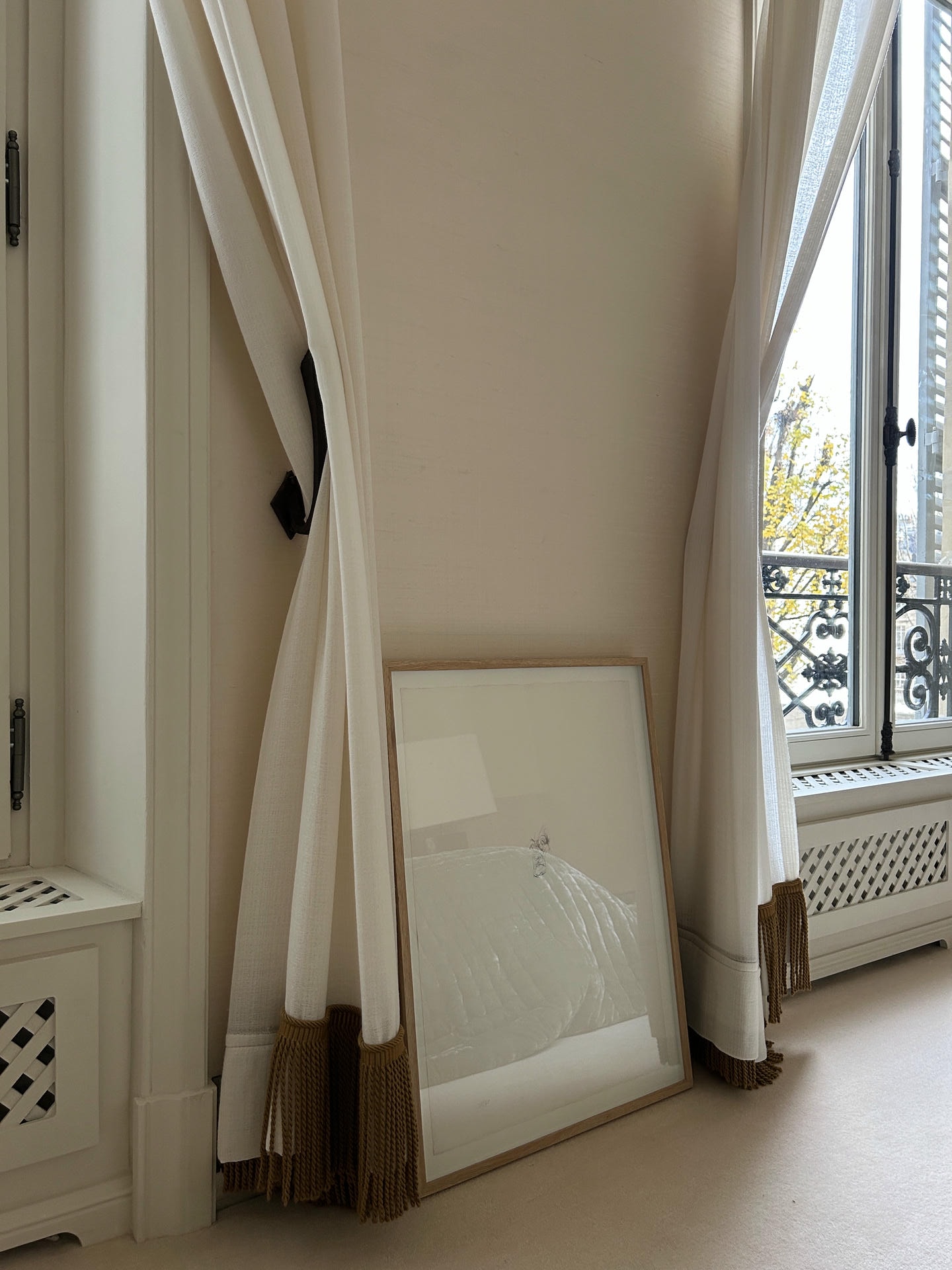
One of my favourite recent projects was a collector’s apartment in Paris, for which I was given complete creative freedom. The apartment had previously belonged to Napoleon III, and its rich history became a major source of inspiration throughout the design process.
My approach focused on restoring the elegance of its original proportions while reinterpreting its character through a contemporary lens. Particular attention was given to materials, finishes, and the overall sense of refinement, with the ambition of creating a dialogue between the apartment’s heritage and a more current way of living.
What made this project especially meaningful was the role of art. Drawing heavily from art history, I conceived each room almost as a composition, carefully considering the relationship between architecture, furniture, and artworks. The placement of each piece was part of a larger narrative, allowing the collection to become an integral element of the space rather than a final addition.
More than an interior design project, it was an opportunity to tell a new cultivated story within an extraordinary setting.
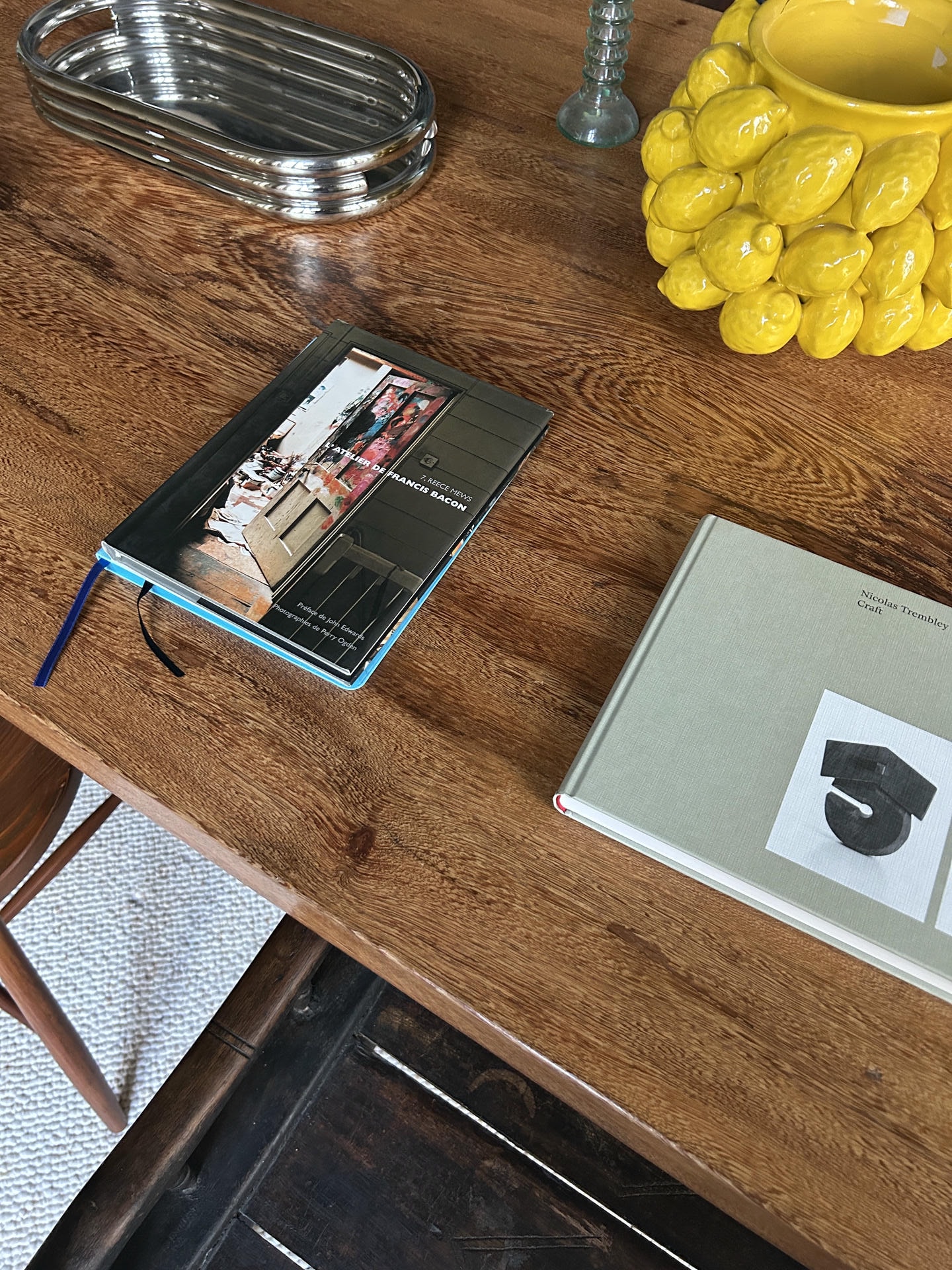
In Praise of Shadows by Tanizaki Junichiro.
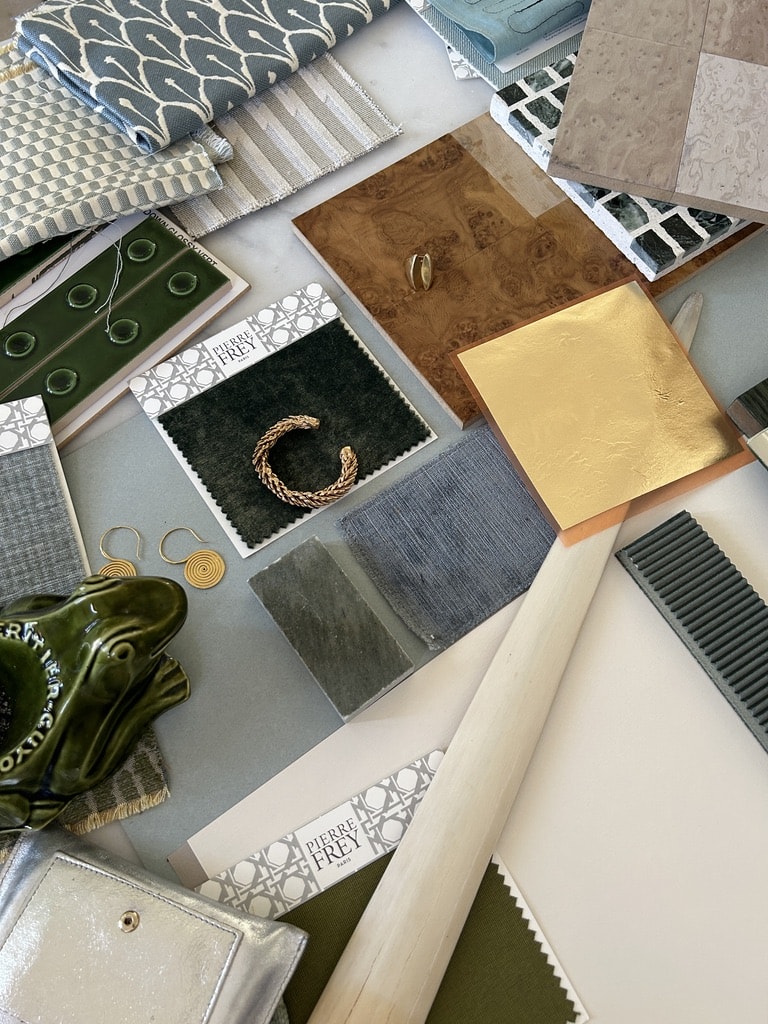
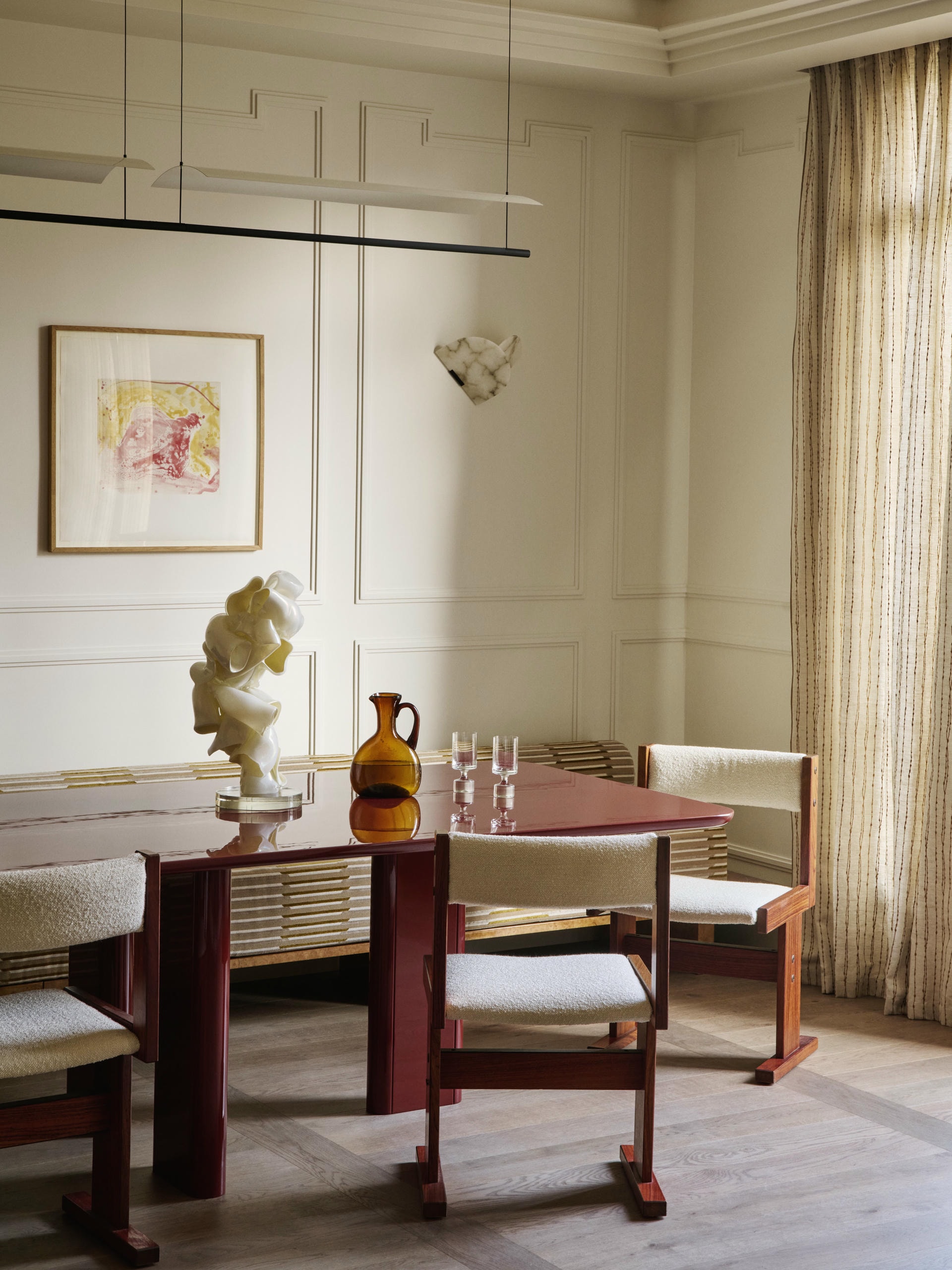
Bringing softness and human warmth with beautiful fabrics.
We are currently working on several exciting projects that will be completed over the coming months. Among them is a highly unusual private residence in Tangier, Morocco, as well as a panoramic rooftop restaurant in Paris designed as a place to gather, dine, and celebrate while overlooking the city.
Alongside these projects, we are entering a new chapter for LA.M. In September, we will open a new space in the Marais district of Paris that fully reflects our vision and way of working. More than a studio, it will bring together our interior architecture and design practice with a gallery space open to the public by appointment. The idea is to create a place where architecture, art, furniture, objects and craftsmanship can coexist and engage in dialogue. A space that reflects the broader universe we have been building over the years and our belief that interiors are enriched by the presence of meaningful objects, artworks and curated details.
For us, this opening is more than a new address; it represents a natural evolution of the studio and an opportunity to share our world in a more complete and tangible way.
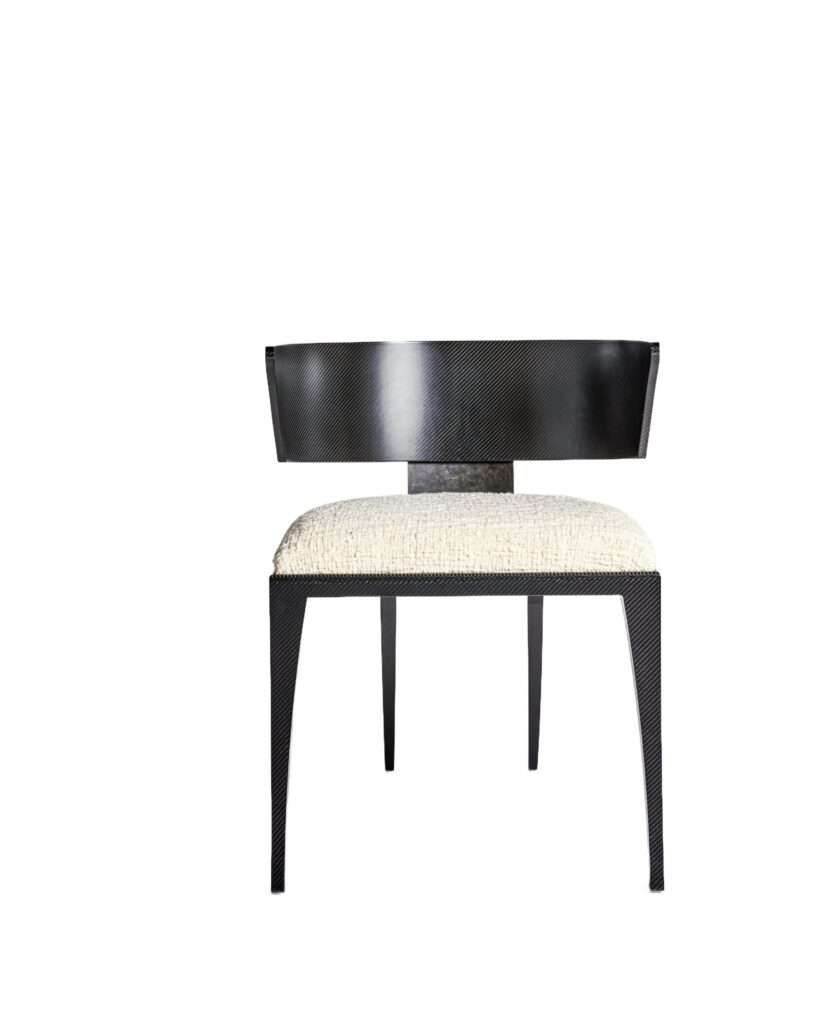
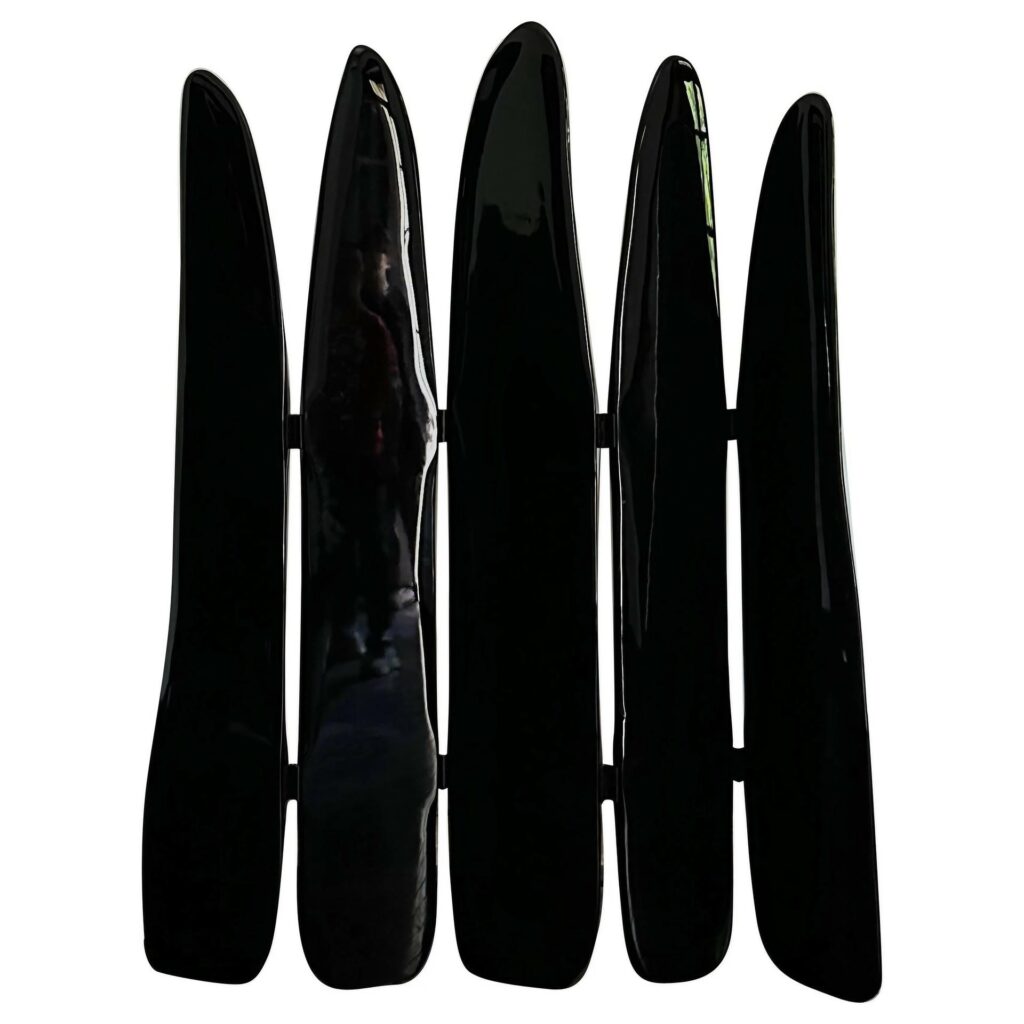
Thank you so much Léonie, for this lovely interview!
Share article :