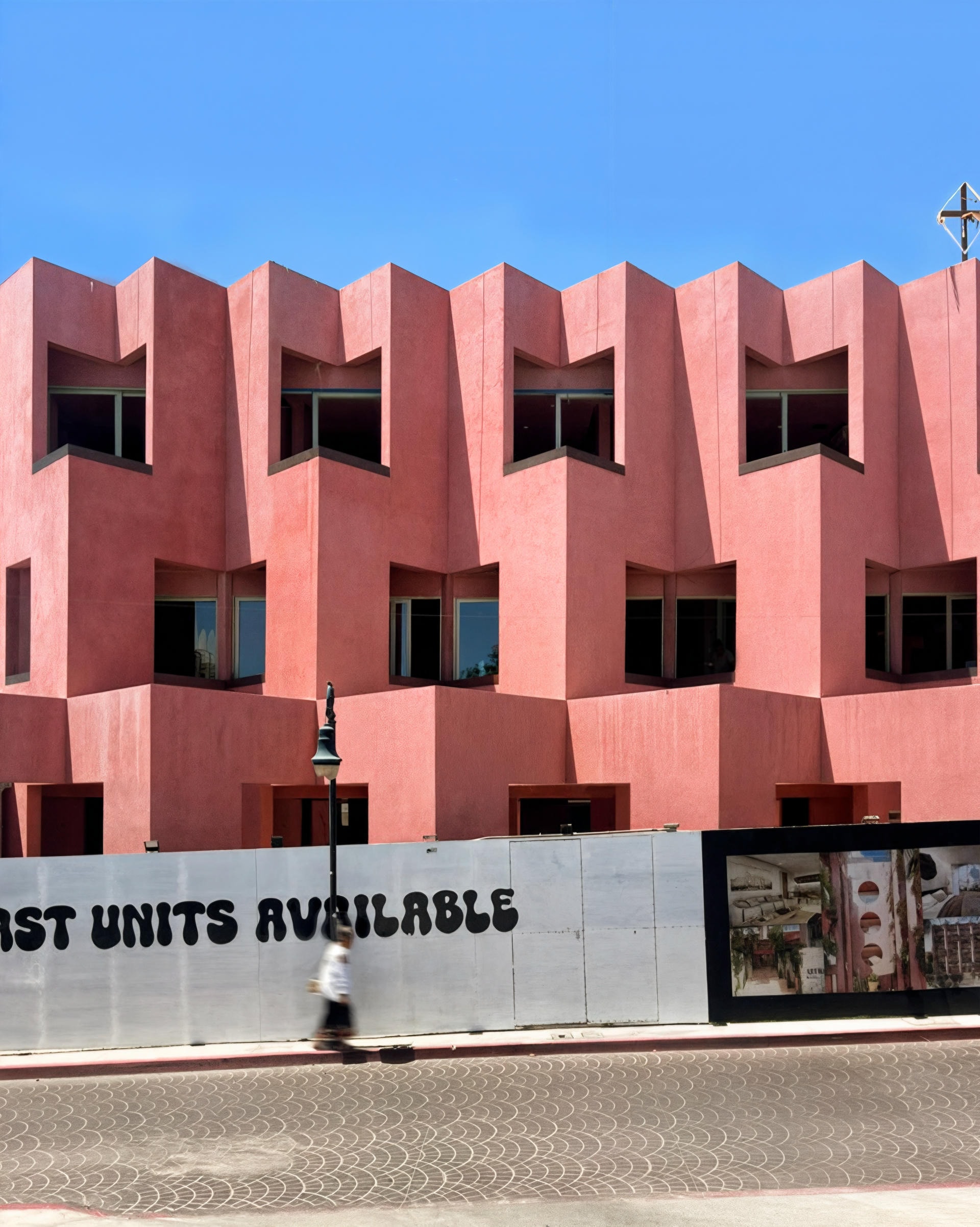
RA! Arquitectura
RA! Arquitectura is an architecture studio founded in 2017 in Mexico City by Cristóbal Ramírez de Aguilar, Pedro Ramírez de Aguilar, and Santiago Sierra. The practice focuses on planning and building spaces rooted in human experience, where architecture emerges from memory, the body, and lived conditions rather than from predetermined form.
RA!’s work is developed through careful readings of context, habit, emotion, and environment. Each project is conceived as a narrative that unfolds through sequences of space, prioritizing atmosphere, use, and emotional resonance alongside technical precision. Rather than pursuing a fixed formal language, the studio approaches each commission through inquiry, experimentation, and iteration, allowing projects to respond specifically to their place and users.
The studio’s work has received national and international recognition, including the CAM-SAM Grand Prize, Architectural MasterPrize, Félix Candela Award, A+ Architizer Awards, LOOP Design Awards, and the Simon Architecture Prize awarded by the Mies van der Rohe Foundation. RA!’s projects have been widely published in international media such as Domus, Divisare, Dezeen, Designboom, ArchDaily, and Arquine, reflecting an active presence across the Americas, Europe, and Asia.
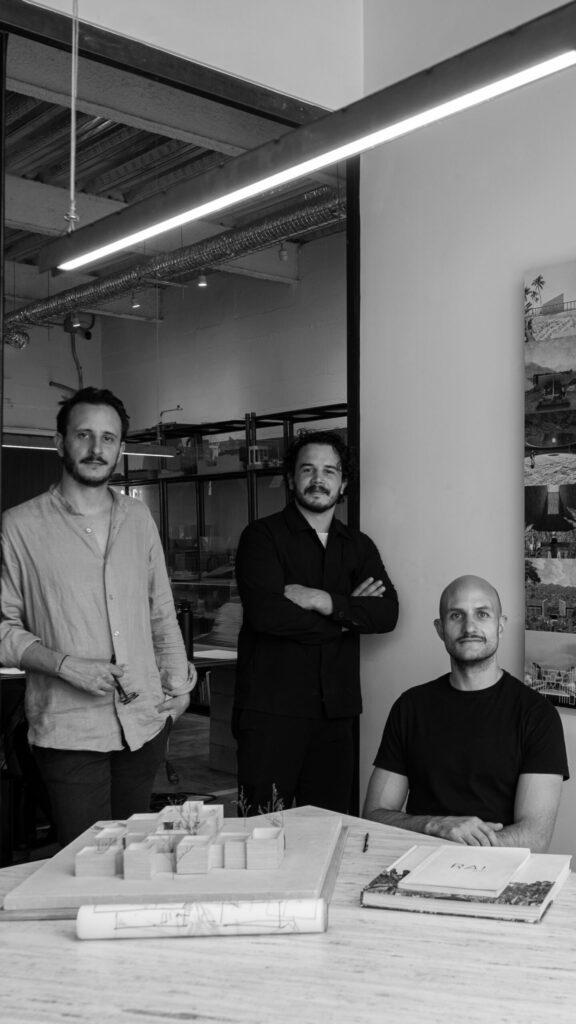
“Spaces are not imposed; they are discovered.”
INTERVIEW

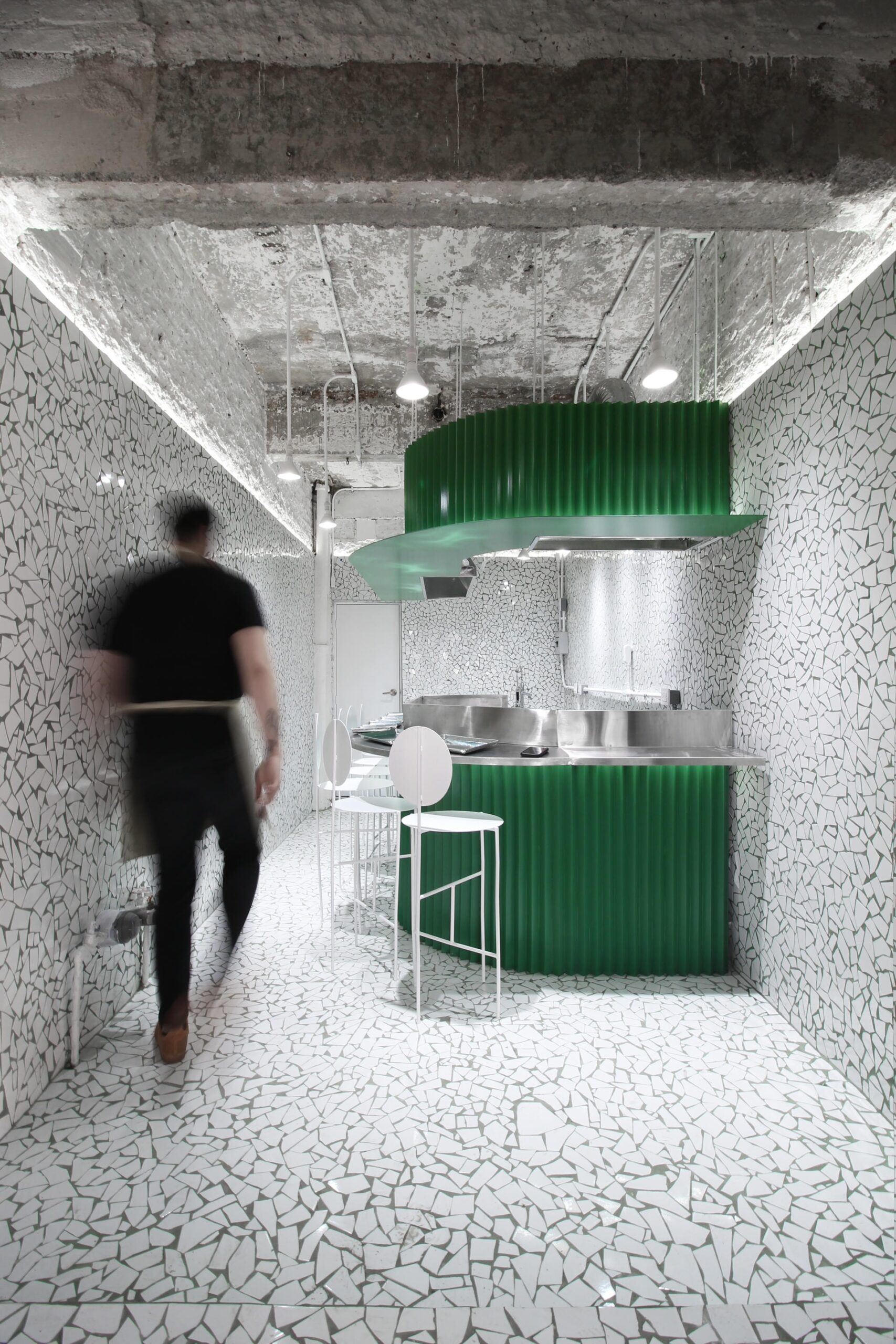
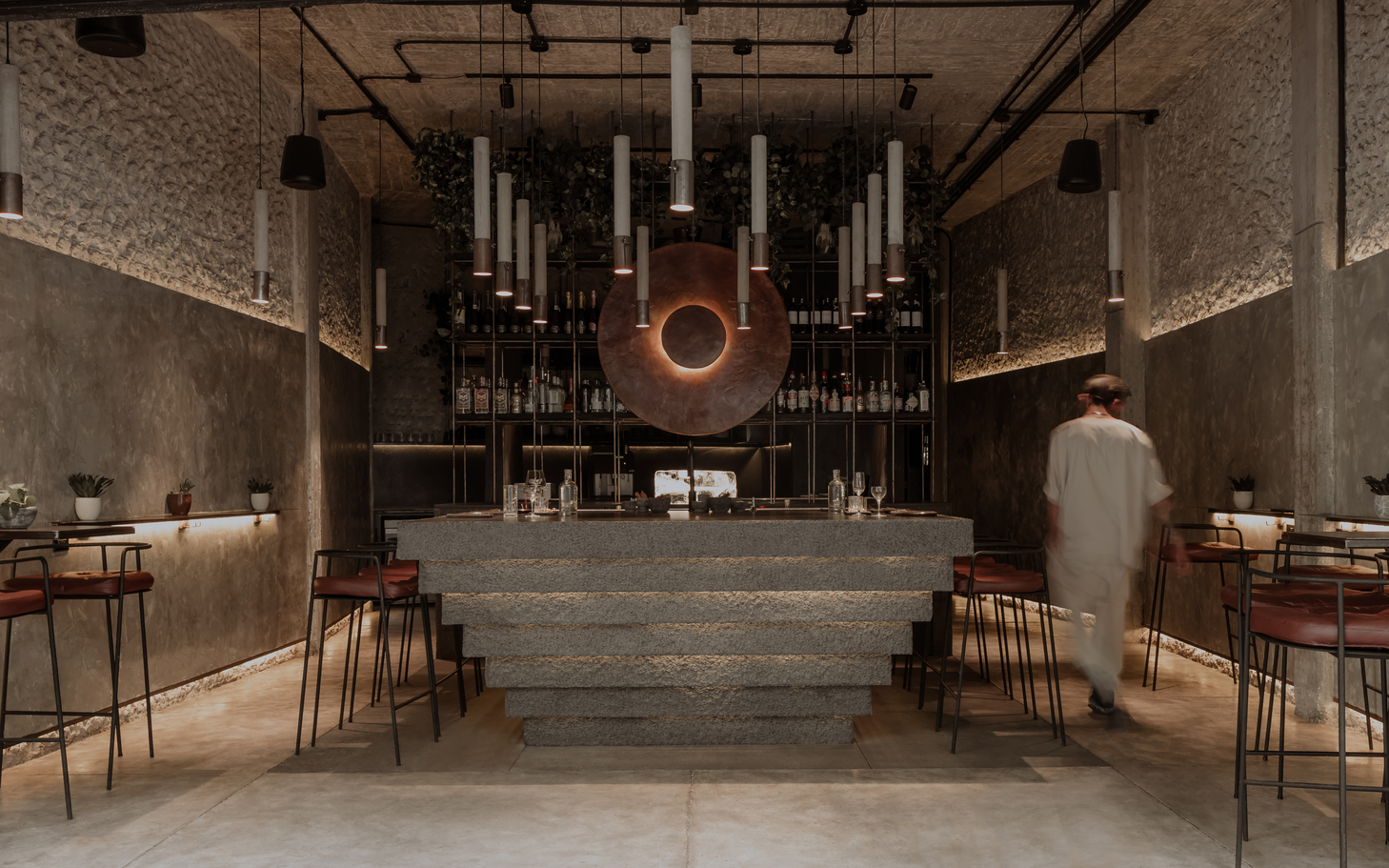
Bar TANAA © Ariadna Polo
As a practice led by three founders, our first step is to gather as much information about the site as possible. History, regulations, climate, competition, and architectural precedents are key factors we study carefully. For us, understanding the site is essential before starting to design. Even though we often feel eager to begin drawing or imagining possible forms, we discipline ourselves to first understand the place. Once this foundation is clear, we explore multiple ideas. We work with a concept in architecture called the Parti, which represents the main idea of the project. It is the concept that gives logic and meaning to every decision that follows. To define this backbone, we force ourselves to iterate and question our initial instincts. By exploring options beyond our first choice, we avoid becoming attached to rigid ideas. Once the Parti is defined, we develop it and communicate it to our clients through physical models, digital models, sketches, and plans.
Our story begins before architecture. First, we were friends and/ or brothers, and now family. Cristóbal and Pedro are brothers, and Santiago is a childhood friend of both. Over time, Santiago also became Cristóbal and Pedro’s cousin-in-law. Because of this, we have known each other since long before choosing our professional paths.
Becoming architects together and forming a family at the same time was a coincidence, especially since none of us came from a family background related to architecture or the arts.
Beyond understanding the site, it is essential for us to deeply understand our client, their intentions, and their vision. As architects, it is easy to believe that we always have the answers, but this is not true. The creator of a project is not always the architect. Some clients arrive with a very strong vision of what they want to achieve. In those cases, we see ourselves as a vehicle that helps carry that vision forward by asking the right questions and making selfless decisions.
When designing projects without a specific client in mind, such as hotels, restaurants, stores, or public projects, we ask ourselves more personal questions. How would we like to wake up, eat, sleep, or shop? These questions guide our decisions.
Laiva Plaza is our most recent project, built in San José del Cabo. It went through a particularly rich design process, as a team of four architects worked simultaneously, in addition to the three associates. Through workshops, we collaborated closely with our clients on every decision. They are young developers who trusted our vision and allowed us to take risks. The hotel is now open and has developed a strong relationship with pedestrians and with the famous local art walk in San José. We are especially proud of this project because, through architecture, we created a place that enriches its context and contributes to the cultural and tourist life of the town.
We have always been deeply inspired by prehispanic architecture. We admire how it blends into nature while still standing out through its strong physical presence. This balance between form and context is something we find difficult to achieve in contemporary architecture.
The ruins of Yaxchilán in Chiapas are a powerful example of this contrast. The site has a profound connection to its surroundings through its materials and its placement within the jungle. At the same time, it displays a strong sense of order through composition, rhythm, ornament, and emotionally charged spaces. In its interiors, the interplay between darkness and light is especially moving to us.
Probably accounting. Running a practice that focuses heavily on creative and research-driven work sometimes makes administrative tasks feel mentally challenging. However, these tasks are essential in order to maintain a healthy and sustainable office.

Hacienda Wabi © Ariadna Polo
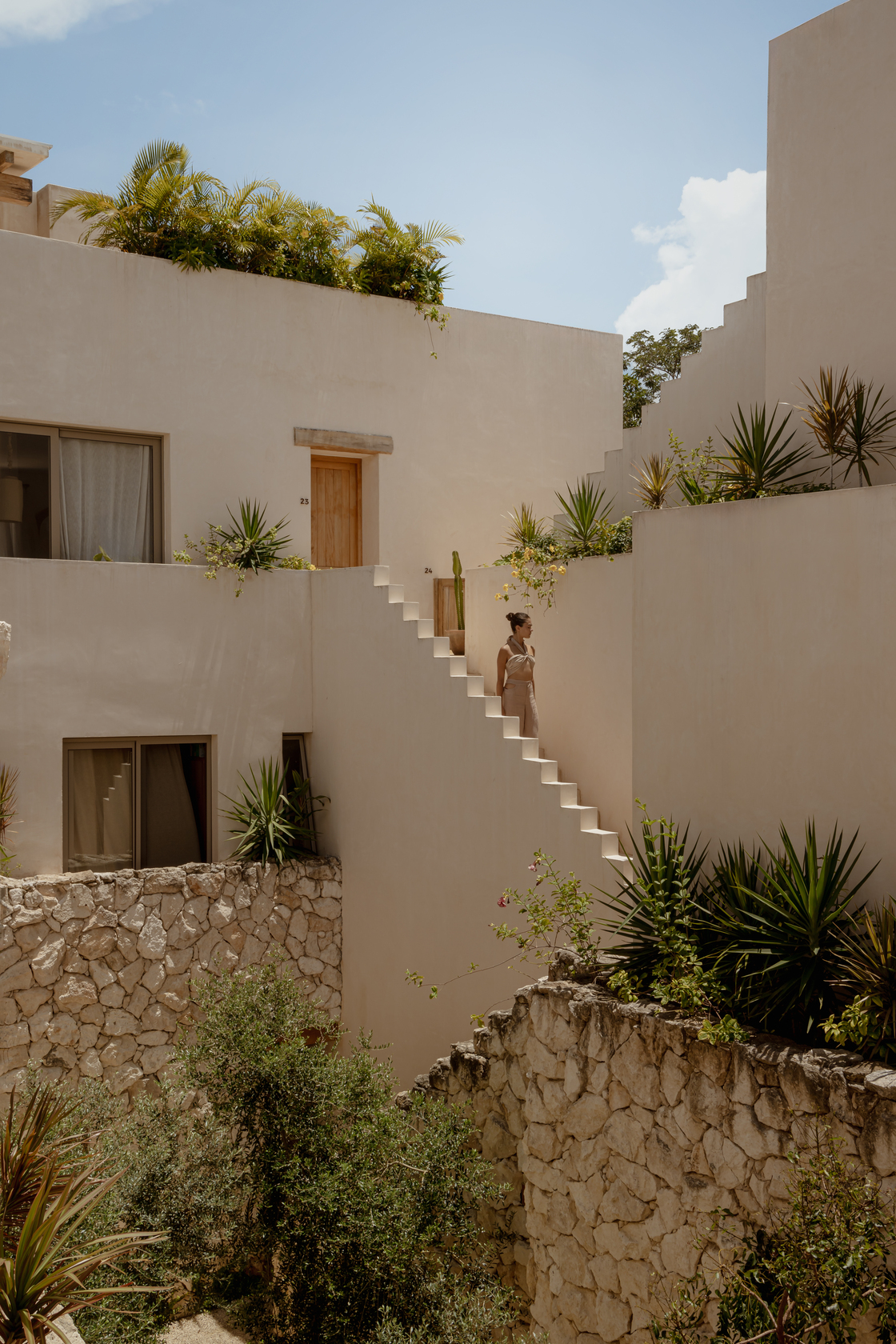
Traveling is one of our most important sources of inspiration. Experiencing other cultures and ways of thinking provides us with constant mental stimulation. We are also deeply inspired by cinematography. We love cinema and see many similarities between making architecture and making films. We believe in creating storyboards and narratives that move people emotionally and enrich the experience of inhabiting the spaces we design.

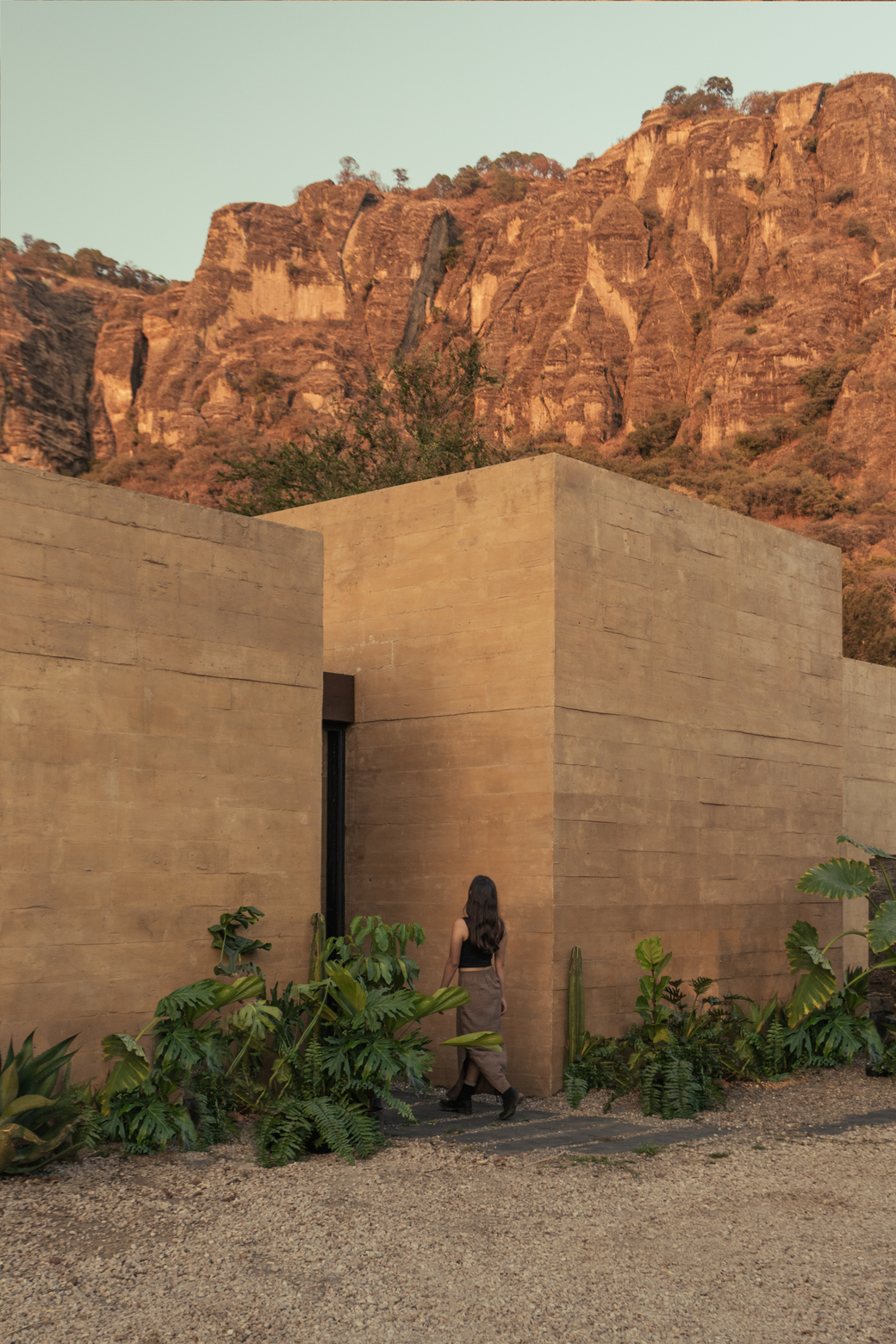
Casa LL © Mariana Achach
Choosing projects carefully. We are still learning this ourselves. At the beginning, it is natural to say yes to almost every project, especially when work is scarce. This is understandable and sometimes necessary. However, over time, it becomes important to gain clarity about where you want to go. Some projects may slowly push you away from your goals. You do not need to be everyone’s architect. There are projects that others might execute better or that you may not even enjoy doing. Once you accept that type of work, it often leads to more of the same. Focusing on what you truly enjoy and doing it with passion is ultimately more rewarding.
Context is fundamental to our work. We always analyze the territory where we are building. The information we gather during this process directly influences and guides the decisions we make in later stages of the project.
Flavor. We live in a world that is gradually losing its identity. More and more buildings lack color and texture, as if there is a collective belief that spaces must be pristine, white, and perfectly ordered. However, keeping spaces in this state is not only impractical but also uninteresting.
To use an example from popular culture, we recently saw how the Home Alone house was remodeled. It now appears white and empty. One of the most beautiful aspects of the original film was the warmth of the McCallister home, filled with chaos, memories, and disorder. This atmosphere allowed audiences to relate to the family, to imagine Christmas dinners and noisy conversations, and even to imagine the smell of the kitchen. In its current state, it is difficult to imagine a charming or emotionally rich scene taking place in that house.
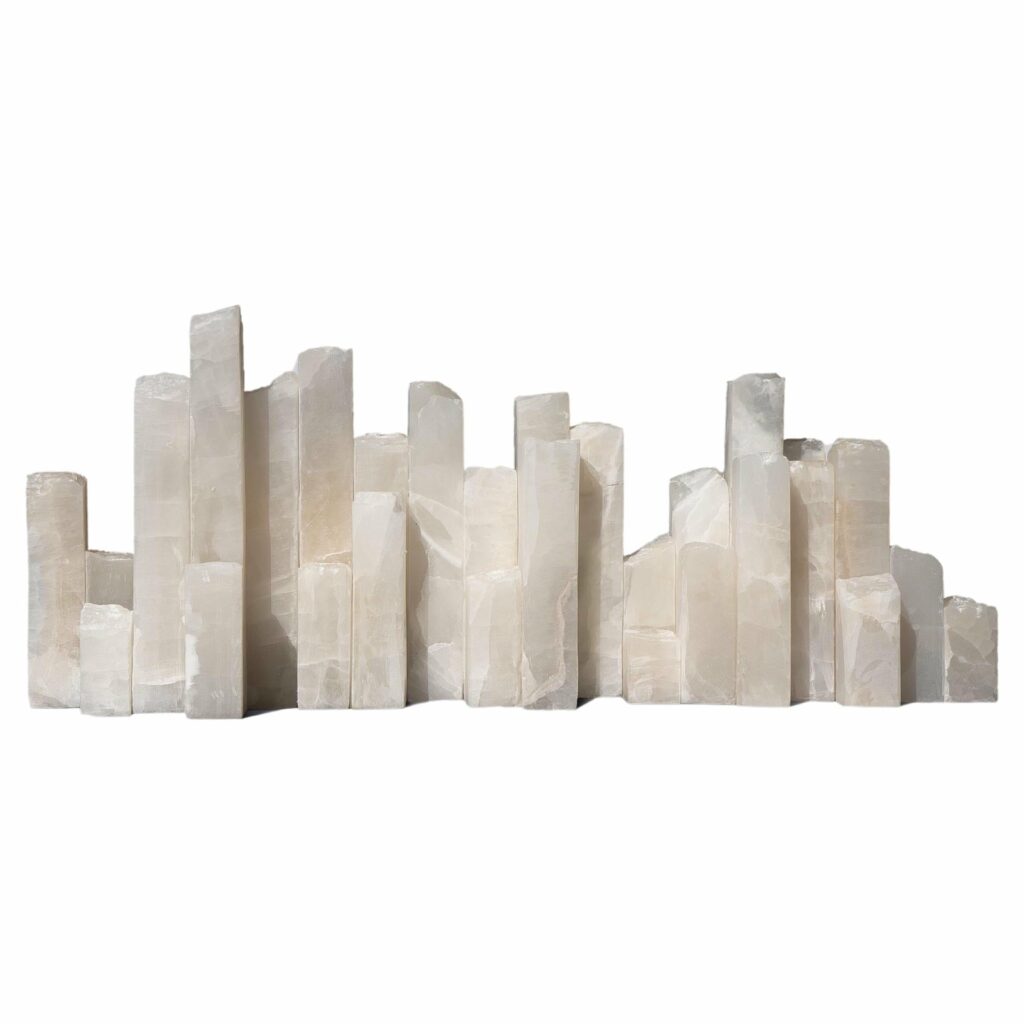
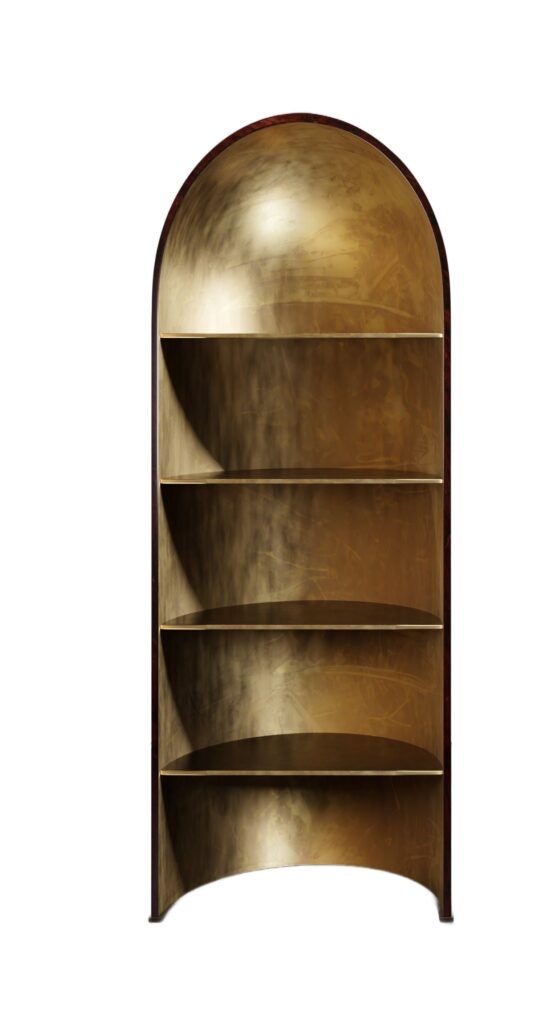
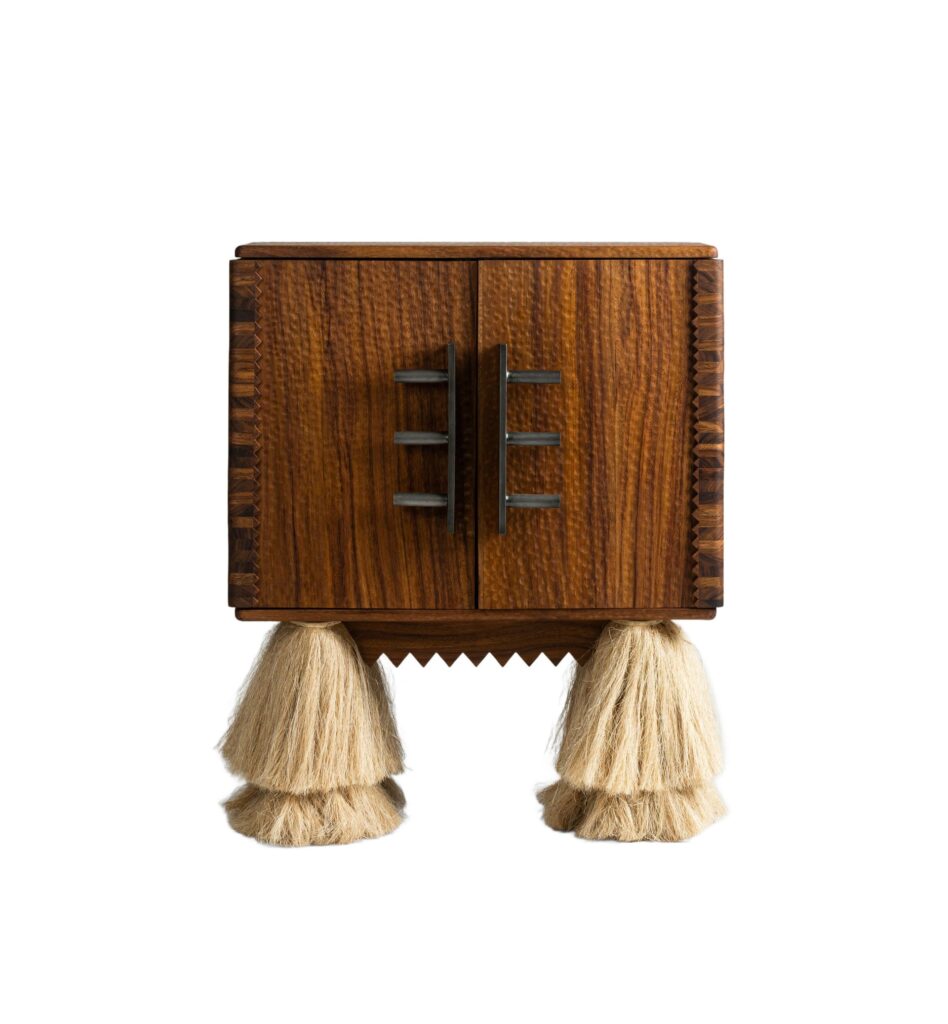
favorite pieces from the Philia Collection
As Santiago is one of the founders of RA!, we left Mesawa Pieces aside (otherwise, those would have been our three).
Thank you so much Cristóbal, Pedro, and Santiago, for this lovely interview!
Share article :