HCCH Studio
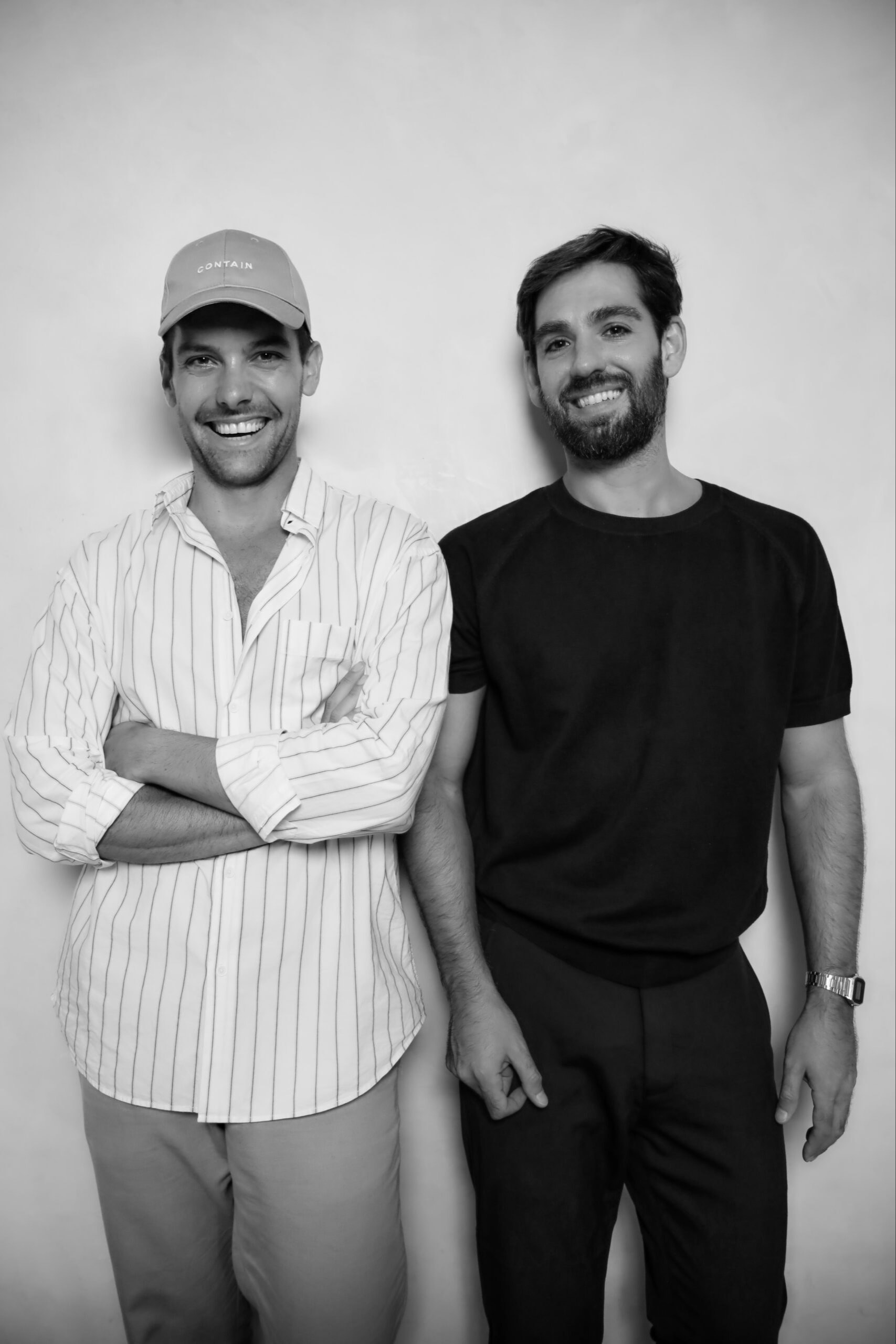
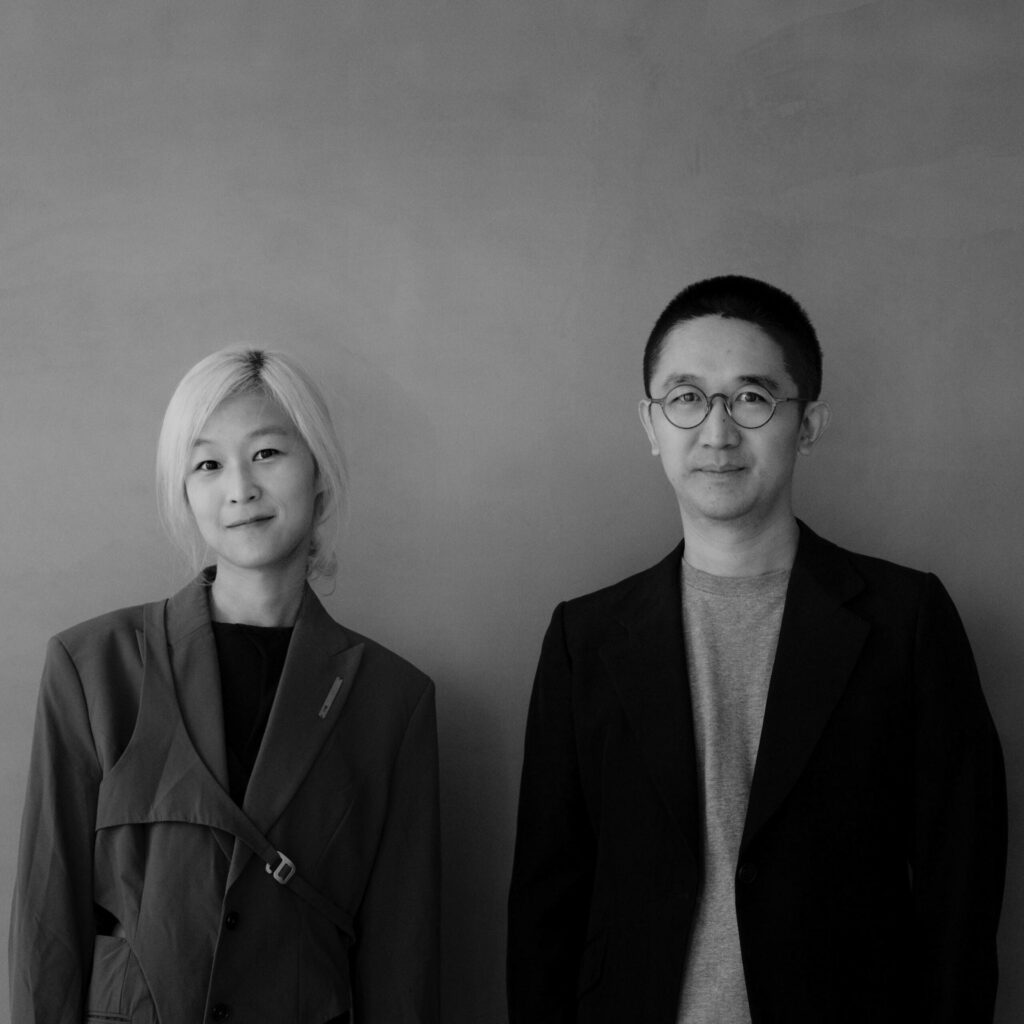
HCCH was founded by Hao Chen and Chenchen Hu in Shanghai in 2018. The studio observes, understands, and responds to its surroundings with boldness and imagination. By mediating and challenging existing paradigms of type, scale, material, and codes, HCCH seeks to explore and amplify the utmost character of each specific project.
Both Hao and Chenchen studied in Shanghai, Vienna, and Boston. They hold Bachelor’s degrees in Architecture from Tongji University and Master’s degrees in Architecture and Urban Design from Harvard GSD.
“Be bold and stay naive.”
INTERVIEW

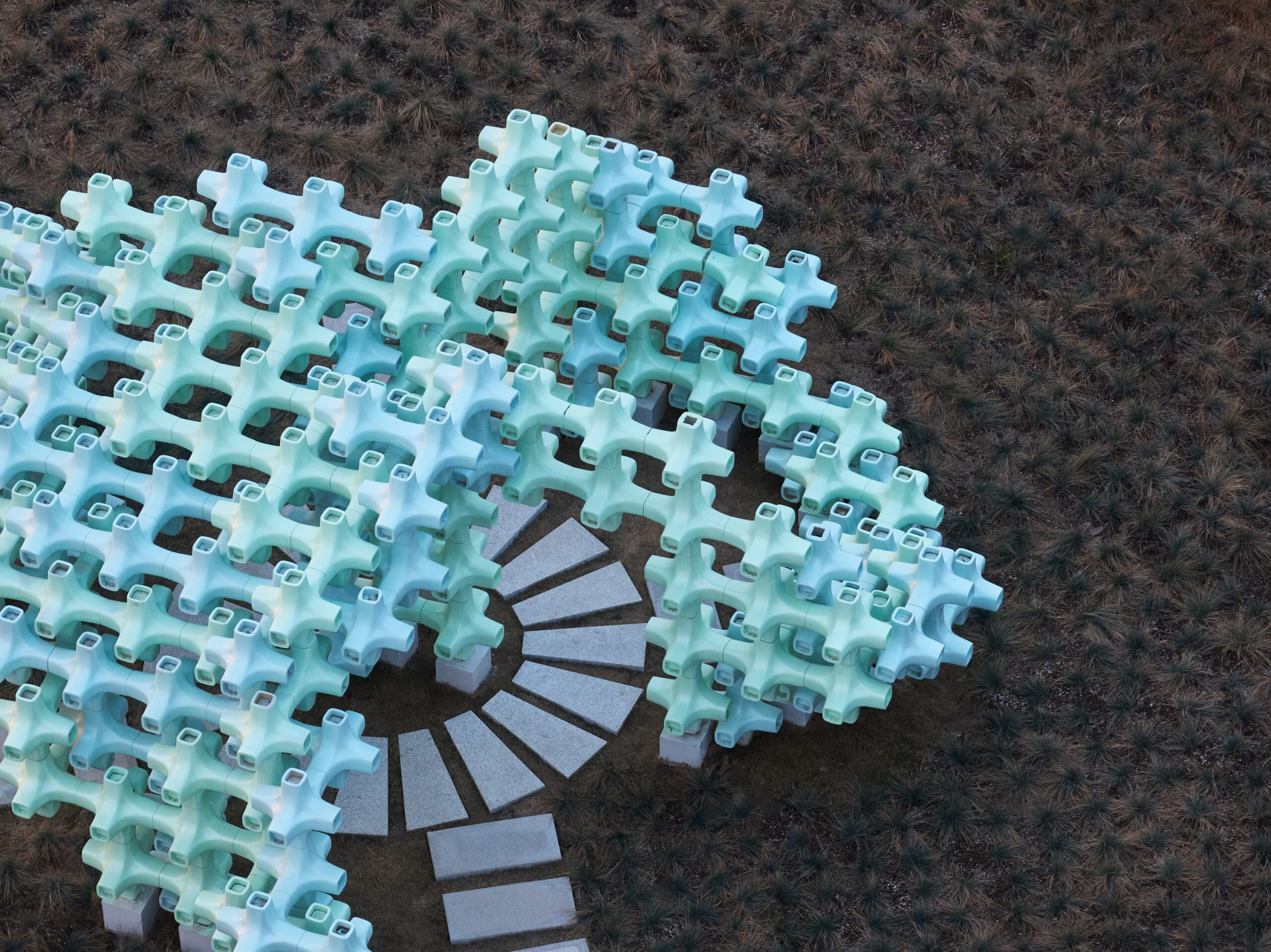
3D-printed plastic pavilion by the sea, Shanghai © Qingyan Zhu
Hao Chen: When I was in high school, I saw an image of Maison Bordeaux by Rem Koolhaas in a magazine. The flying beam, circular door, and elevator plate refreshed my understanding of the possibilities of our physical environment.
At that moment, as a teenager, I decided to become an architect to make cool stuff like Rem.
Chenchen Hu: When I was in middle school, I loved tonal drawing, making models, FLASH animations, geography, and playing Age of Empires. Then I thought it might be interesting for me to study something visual and spatial, like architecture.
We are interested in geometry and material, and how these elements could make up something more provocative as a physical space. But we would rather not confine ourselves to a certain style.

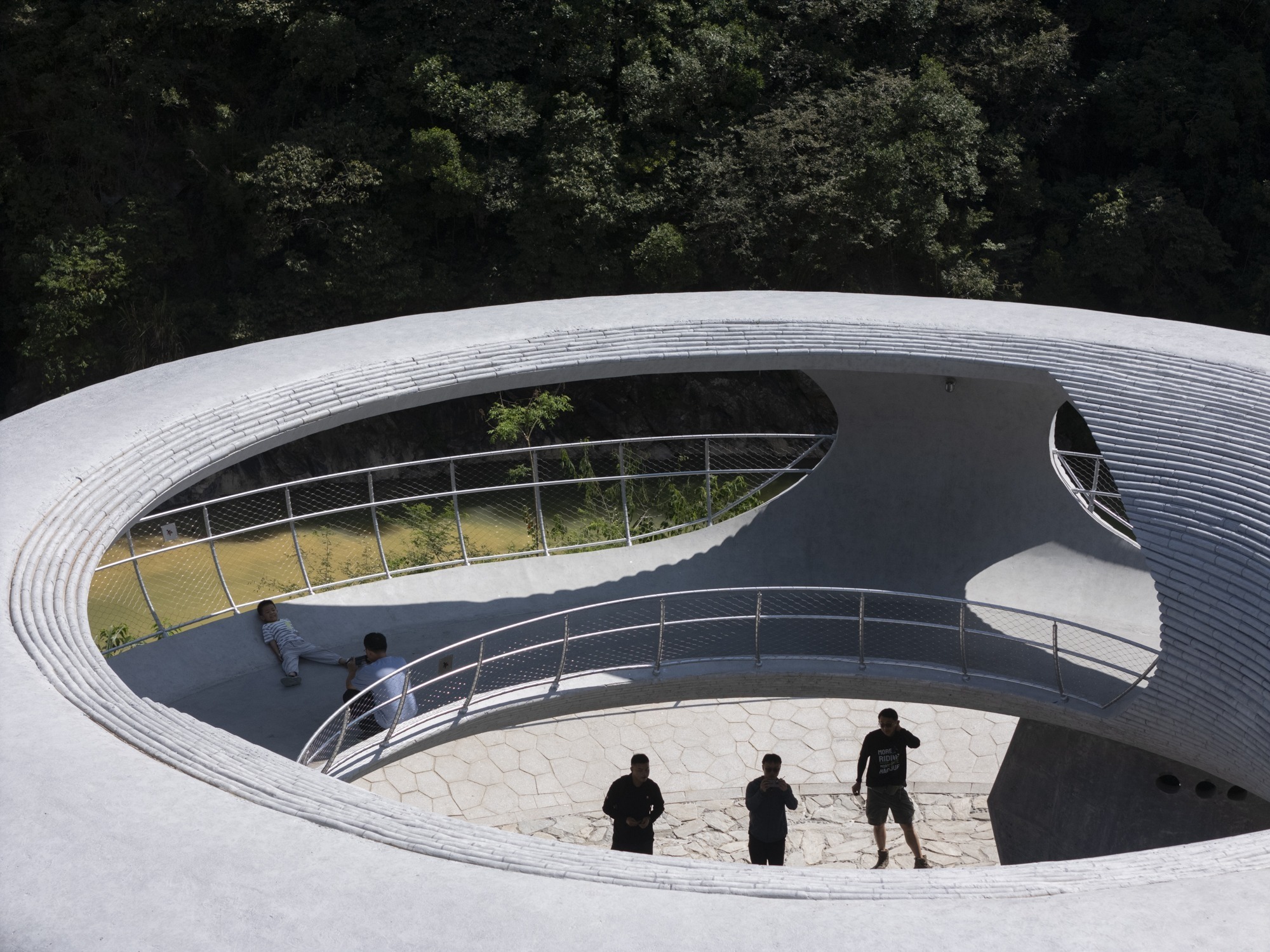
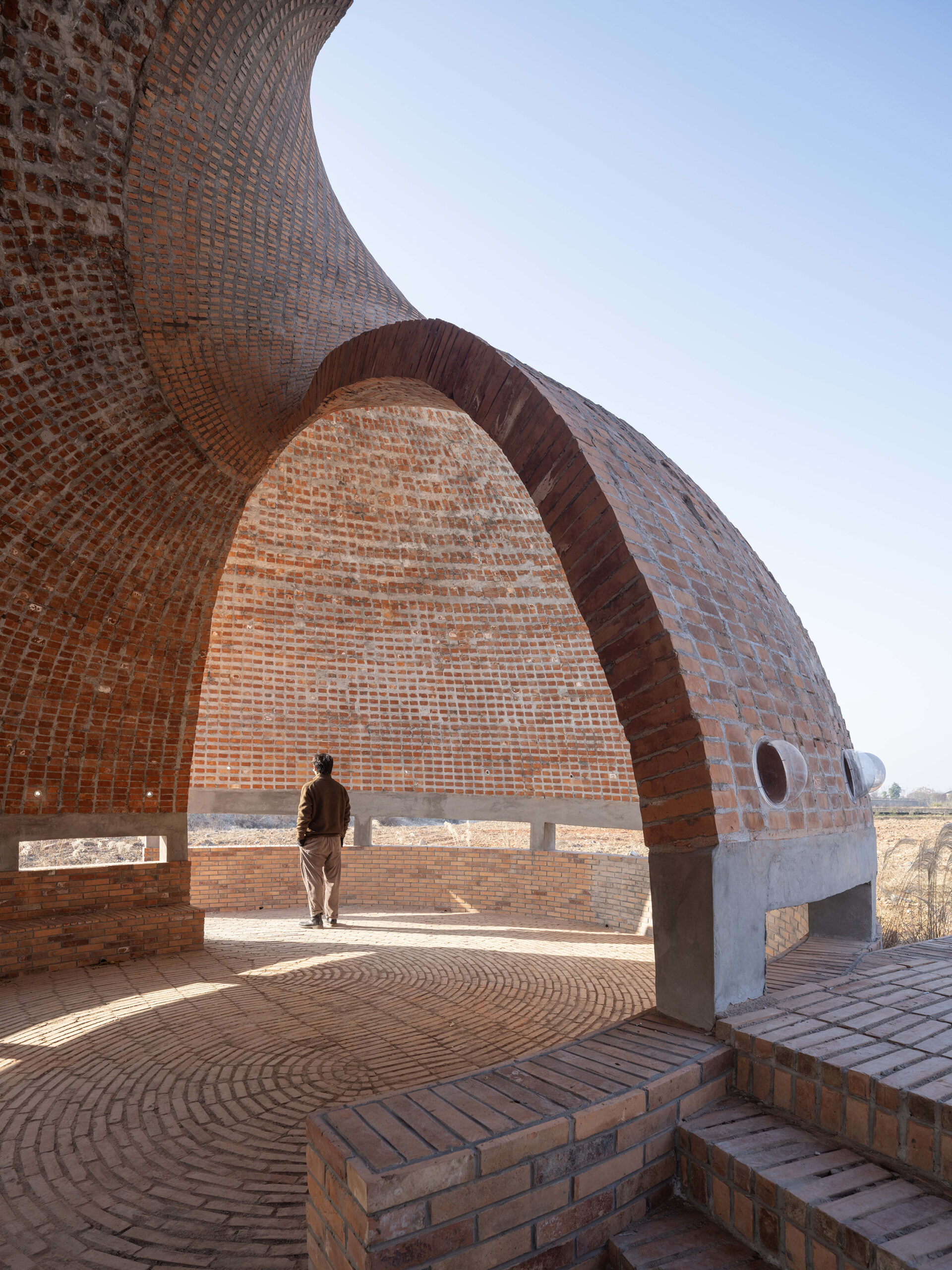
Twisted Brick Shell © Fangfang Tian
It’s hard to name a certain architecture as a favorite. We like Herzog & de Meuron and Toyo Ito’s early work. We also like the work of many Spanish and Latin American architects.
Buckminster Fuller’s work and architecture without architects are at two opposite poles, but we love both.
To compromise with the market, or even commercially, which is almost inevitable nowadays if one works on urban projects.
We talk to each other.
Honestly no.
Faith and optimism.
We don’t have a fixed formal language. Each project needs to be site-specific and inherited from the gene of something on the site.
Again, it’s an integrated result. If you are honest in your observation and make full use of the qualities you find on site, the result will naturally come along.
Be bold and stay naive.

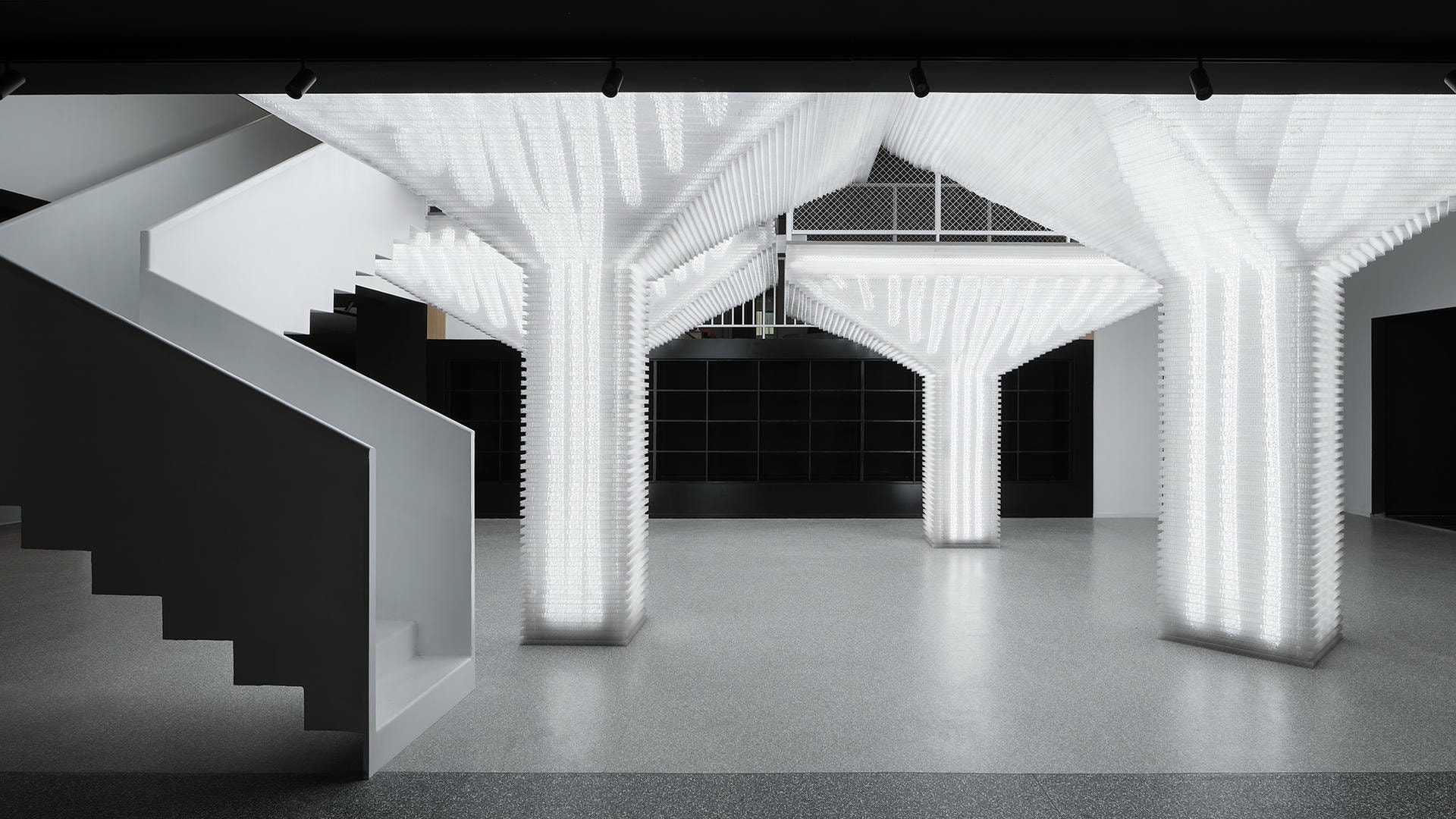
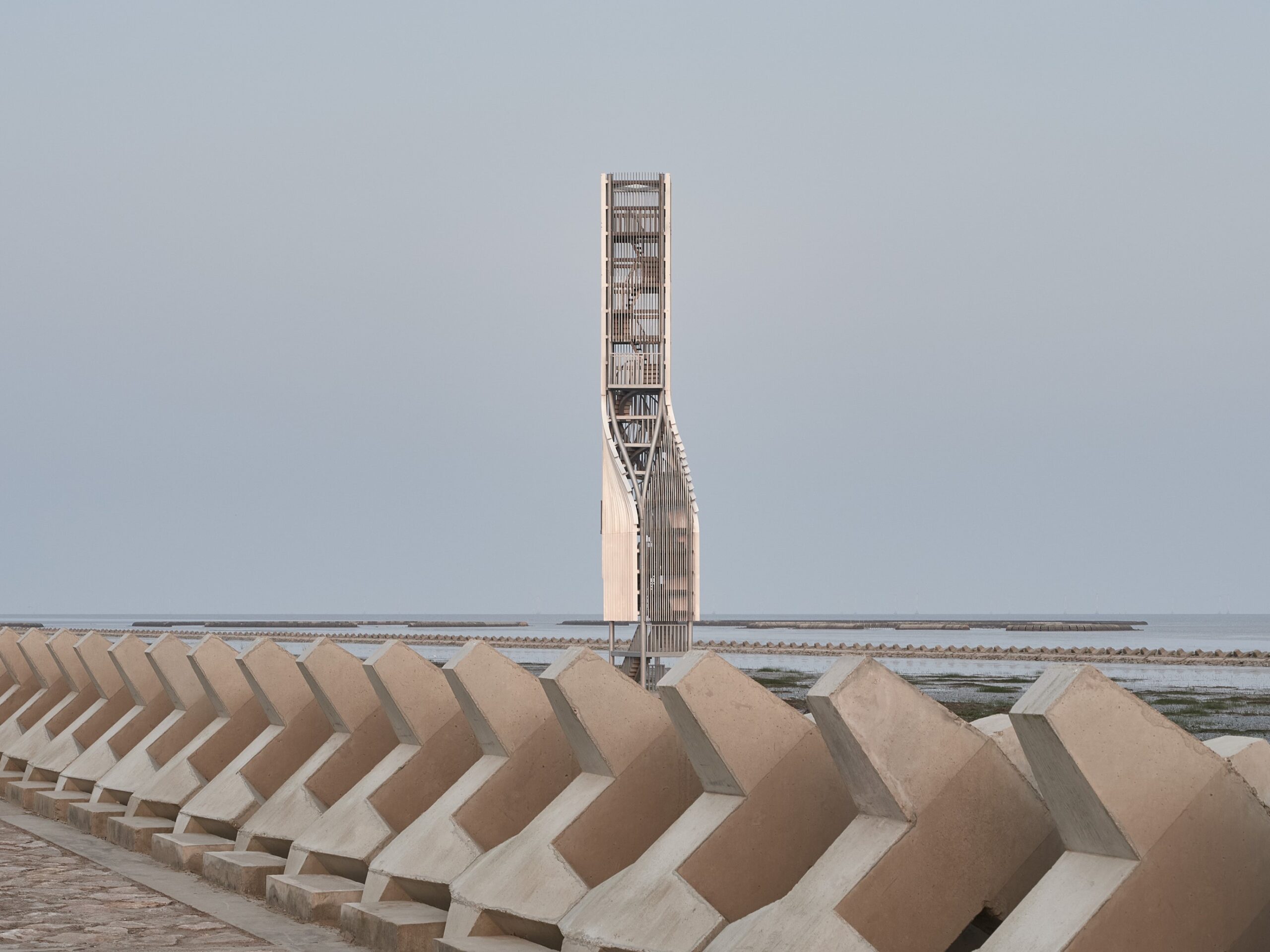
Twisting Tower © Qingyan Zhu
favorite pieces from the Philia Collection
We went through the pages and found so many of the works truly beautiful that making a choice felt difficult. Ideally, we would love to imagine designing a space that could house them all.
Thank you so much Hao Chen and Chenchen Hu, for this lovely interview!
Share article :