
Mike Fisher
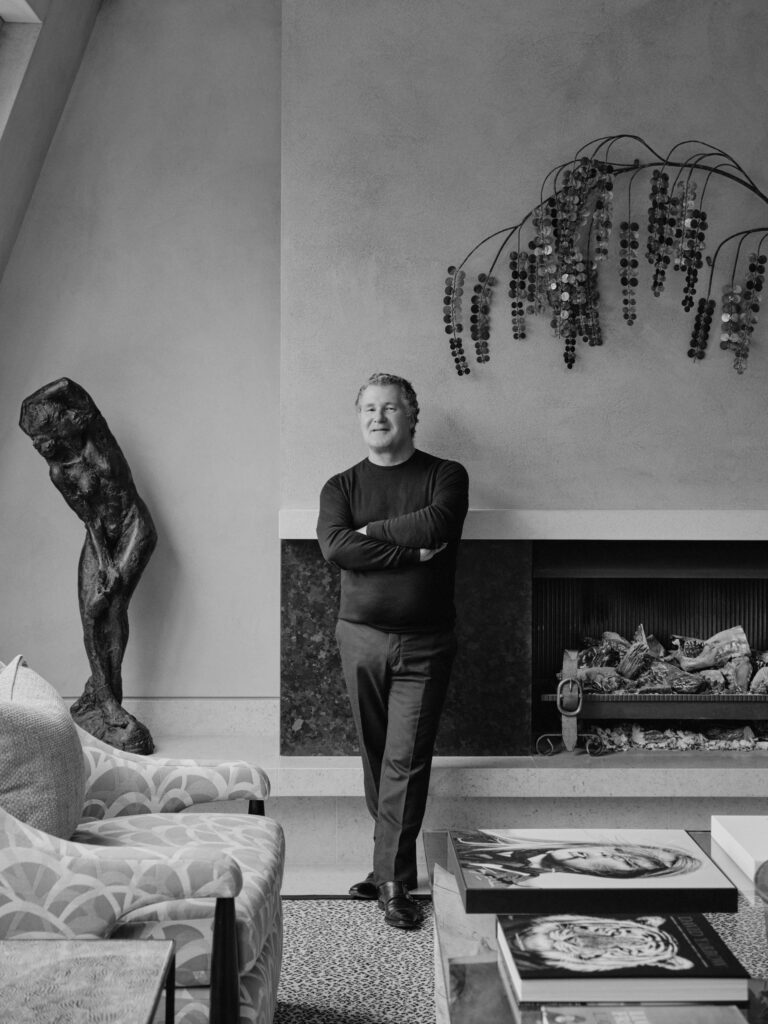
“Don’t copy what you see online; create what works for you — that’s where real design lives.”
INTERVIEW

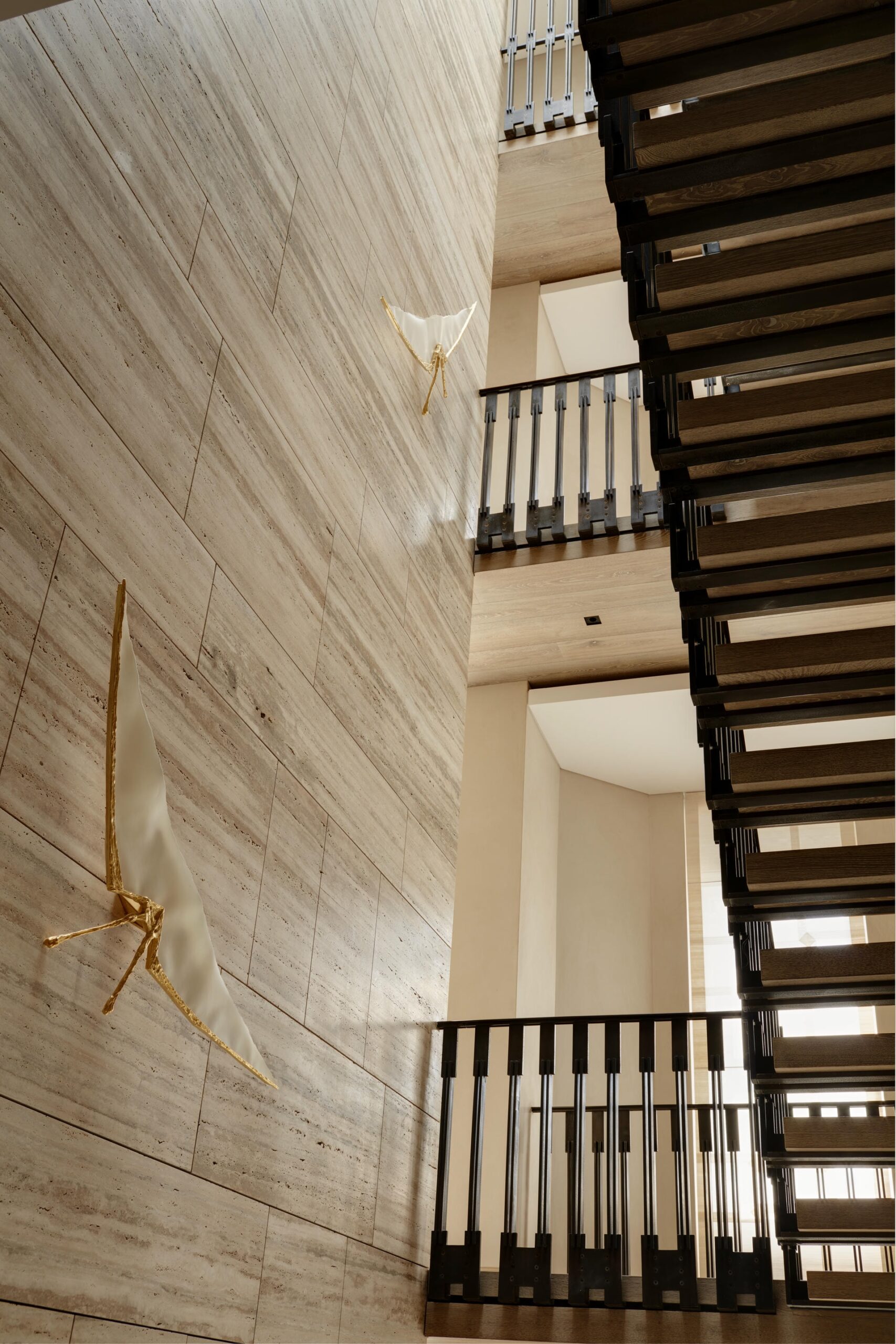
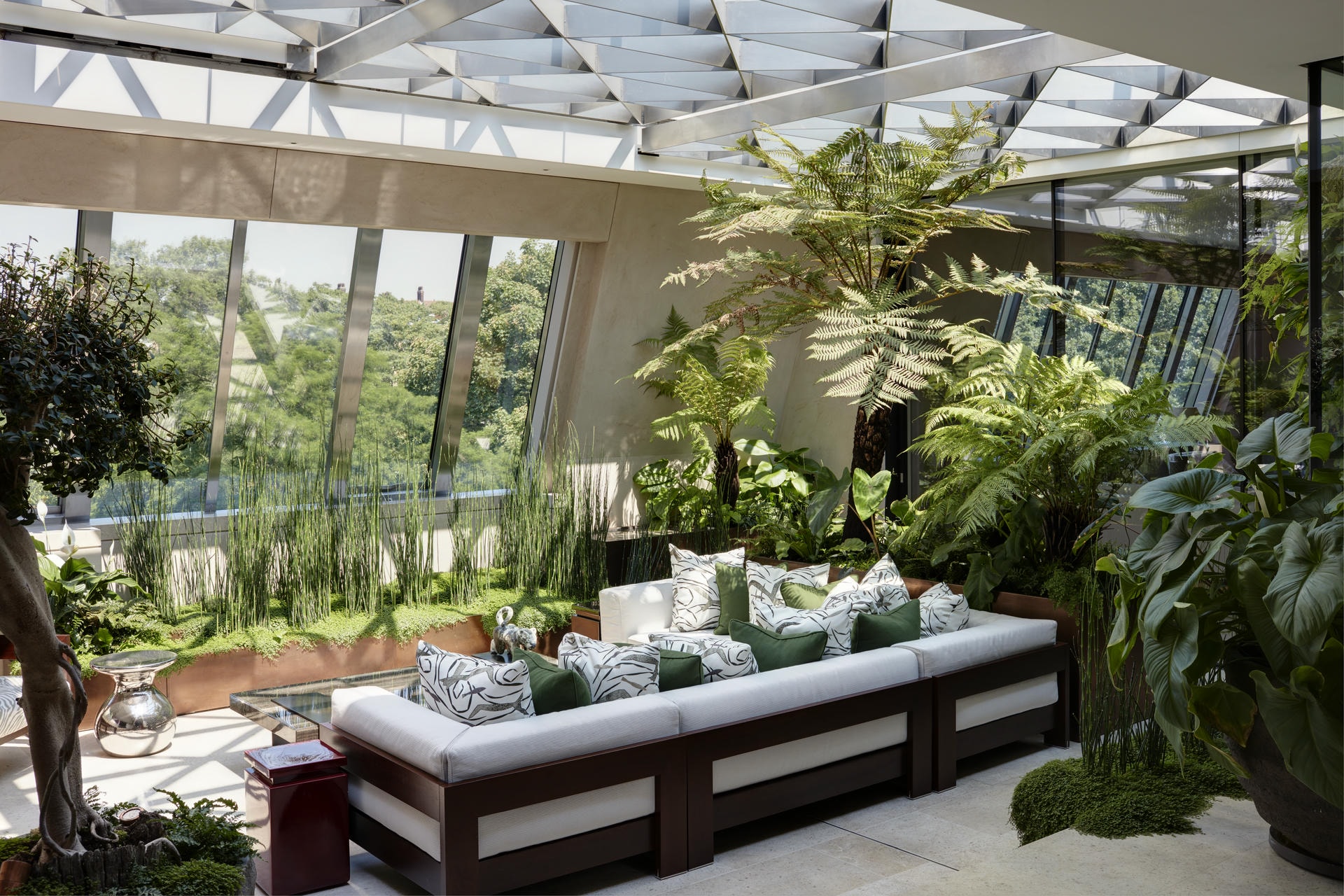
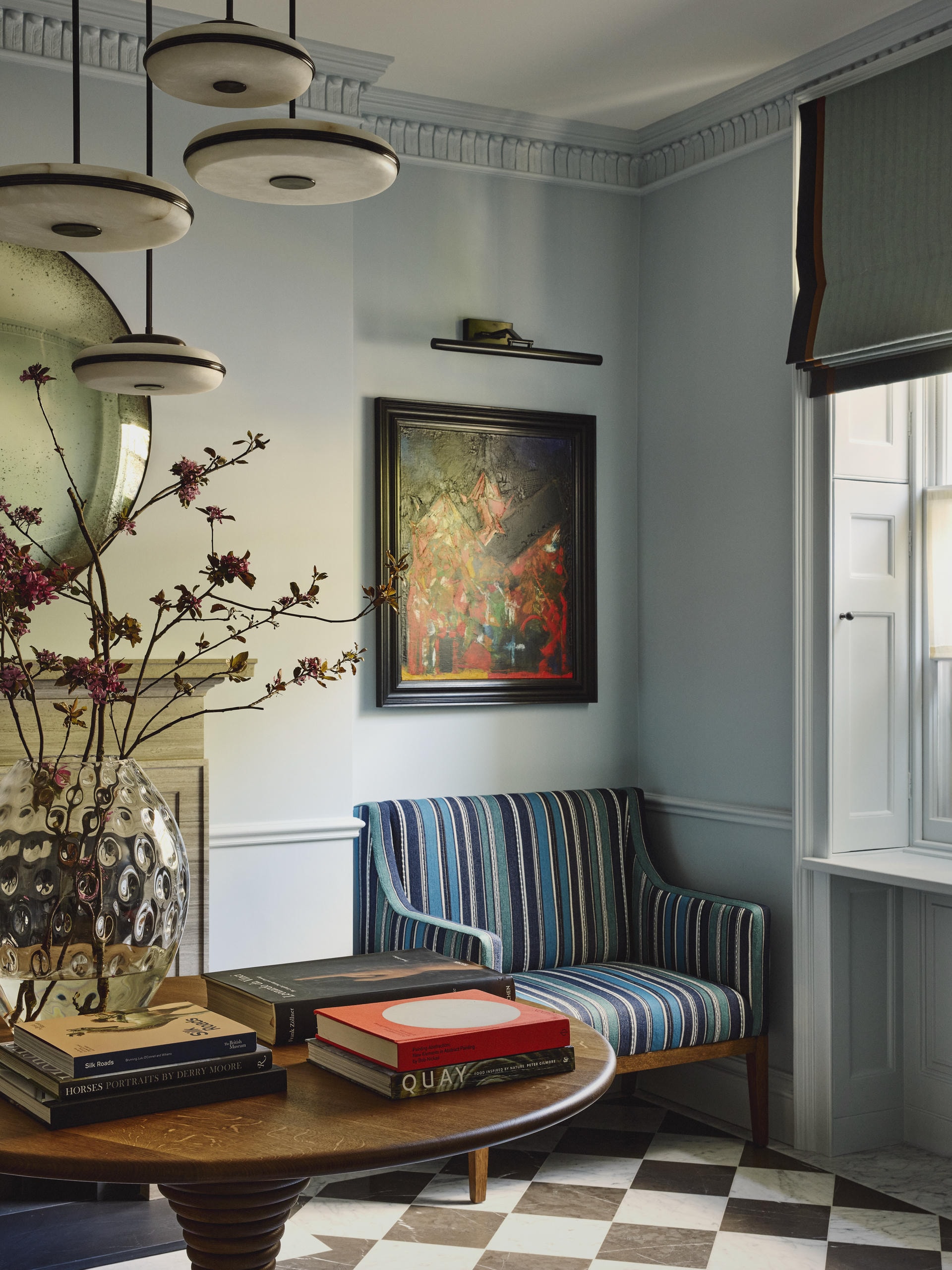
Kensington Leverne © Luke White
Deciding to walk away from a successful career as an architect in a large company and setting up on my own was a leap of faith and quite daunting. However, I was encouraged to do so by my partner. It’s something I would encourage anyone to do – it’s a thrilling experience to be able to create a successful business. I walk into the studio every day and still have to pinch myself that I created this.
As a child, I was obsessed with building things out of ‘Betta Bilda’, ‘Lego’, and ‘Meccano’ and other such toys, or else I was out in the woods constructing tree houses and dens – so I was destined to be a designer or a builder of some kind.
I originally trained as an architect and then as an urban designer, with dreams of building cities rather than interiors. However, after a stint in a large commercial practice designing everything from houses and schools to offices and hotels, I became rather jaded by the experience, as I was never able to see a project fully come to fruition. Eventually, I was given a very nice retirement home in Surrey to design, which included the interiors. Looking back now, the architecture was great, even winning some awards, but the actual interiors needed a lot of work, and it was clear that the interior world was something I still needed to fully understand.
Once I acquired my own property with my now-husband, I set up my own practice, where ‘Indigo’ was born, and we restored a lovely Gothic villa in Holland Park. I was fortunate that people liked the result, which led to further projects.
One project was a fantastic converted stables block in Bedfordshire and included the opportunity to collaborate with interior designer Ngila Boyd. I was delighted to work with her, as she is an extraordinarily talented designer, and she was the one who taught me a lot about taste and interior design. Through our partnership, I quickly learned that once planning permission has been achieved, it is the interior designer who really takes charge of the project, not the architect. If I wanted to have control and be successful, I would need to learn the skills of an interior designer – Ngila was a great mentor, and we worked together for many years as ‘Indigo Boyd’.
In 2005, Studio Indigo was born, with my dream of a small boutique studio and a team of five to encompass architecture and interior design – a holistic service that would seamlessly blend both practices. Today, we are a collective of nearly 45 incredibly talented architects and interior designers working globally across a variety of luxury projects.
A degree of talent and imagination is required, but an ability to actively listen and to interpret a client’s dream is vital. I want to interpret these dreams in an imaginative and original way that is very personal to them. My mantra is creating interiors that ‘surprise and delight’ but are also practical and comfortable.
The key to running a business is to have a vision. Our portfolio is deliberately diverse in style and typology, which allows us to cross-pollinate ideas between projects. This diversity keeps us engaged and challenged as a studio.
We encourage design initiative and responsibility from our team – it brings out the best in them, and they thrive on it. It takes a team to create an interior space. Being a collective of designers means we aren’t bound by stylistic constraints, resulting in very different projects that respond to the client and context.
The starting point is, of course, listening to the client and understanding the context. It sounds rather obvious, but the plan and a good spatial layout are the starting point of any design – get this right and everything else will naturally flow.
So often, architects design buildings that are created without considering how people will actually live or move within them. A good furniture layout tests the space and its functionality, and the design process develops by solving contextual problems.
What I find frustrating is when people try to copy images they’ve seen and try to recreate them in their own home, but beautiful interiors are a result of finding solutions that fit your space. Don’t copy what you see online; create what works for you – that’s where real design lives, and you create the next image that’s worth sharing.

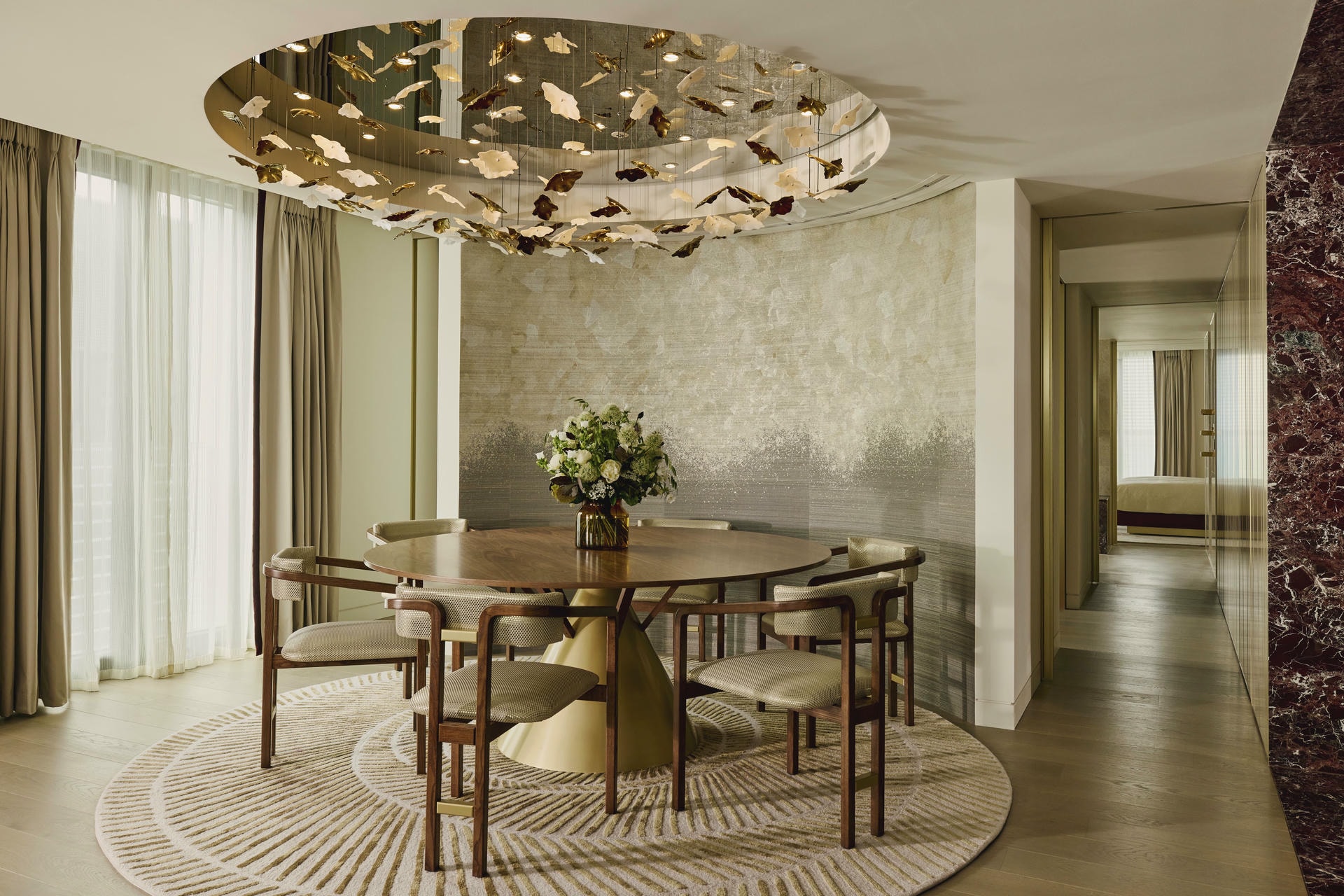
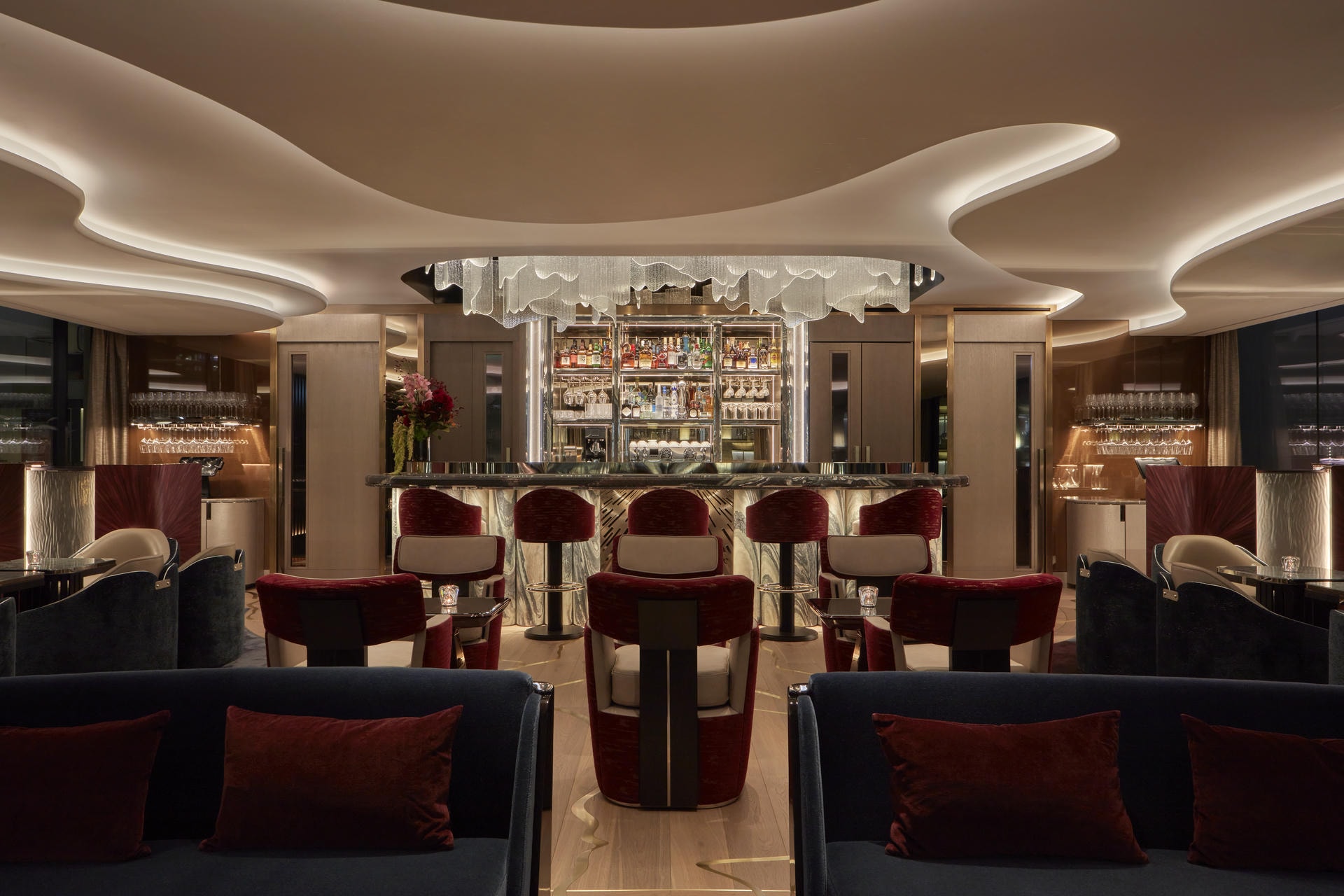
Mandarin Oriental Mayfair © Kensington Leverne
Our signature style at Studio Indigo is to be unique and respond individually to each client. This can take us in lots of different directions, which is exciting and new. Sometimes this can be quite traditional, and at other times contemporary. If there is a mantra, it’s probably one of quality of design that has longevity and is not too ‘of the moment’ as that invariably quickly dates and falls out of fashion.

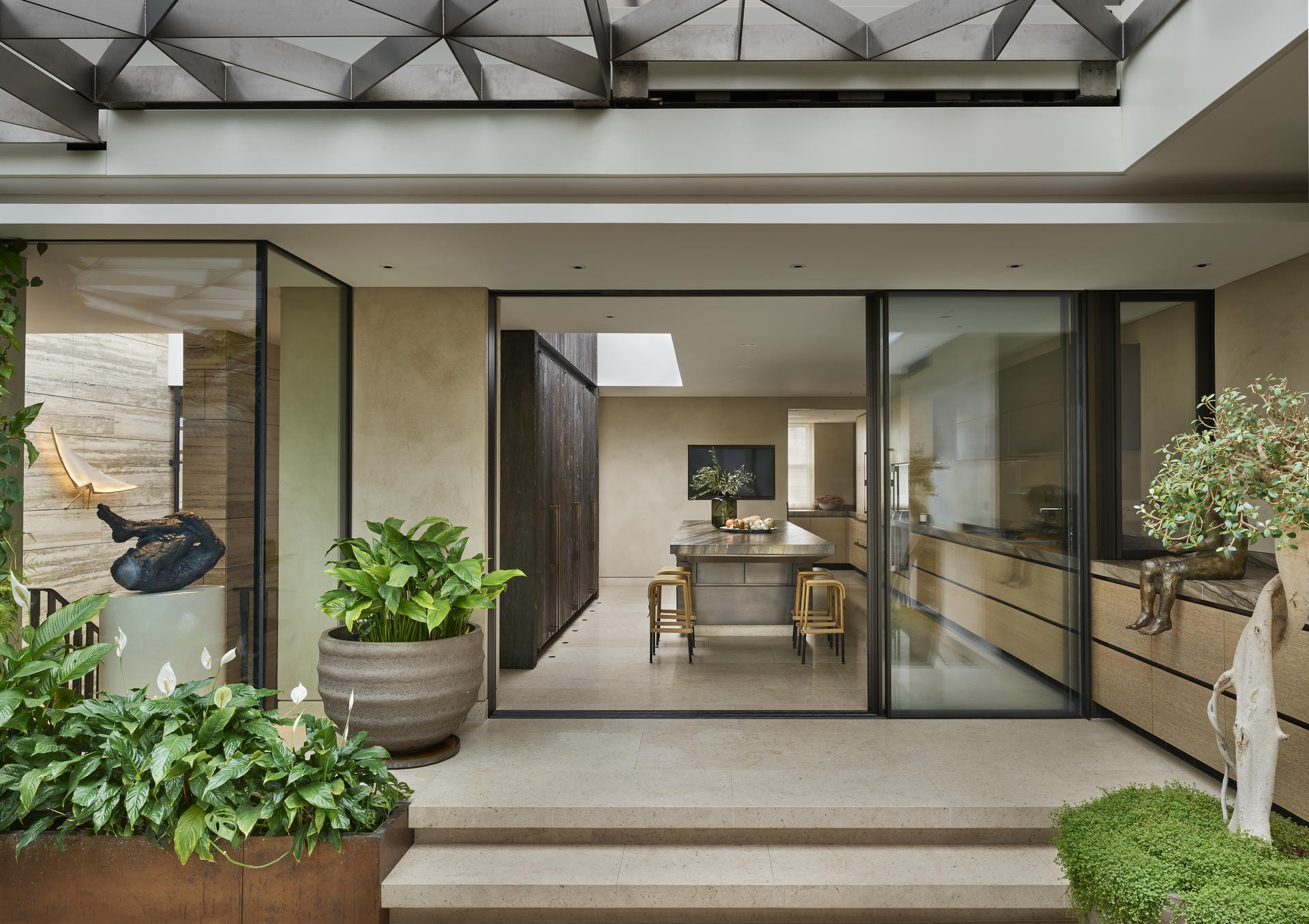
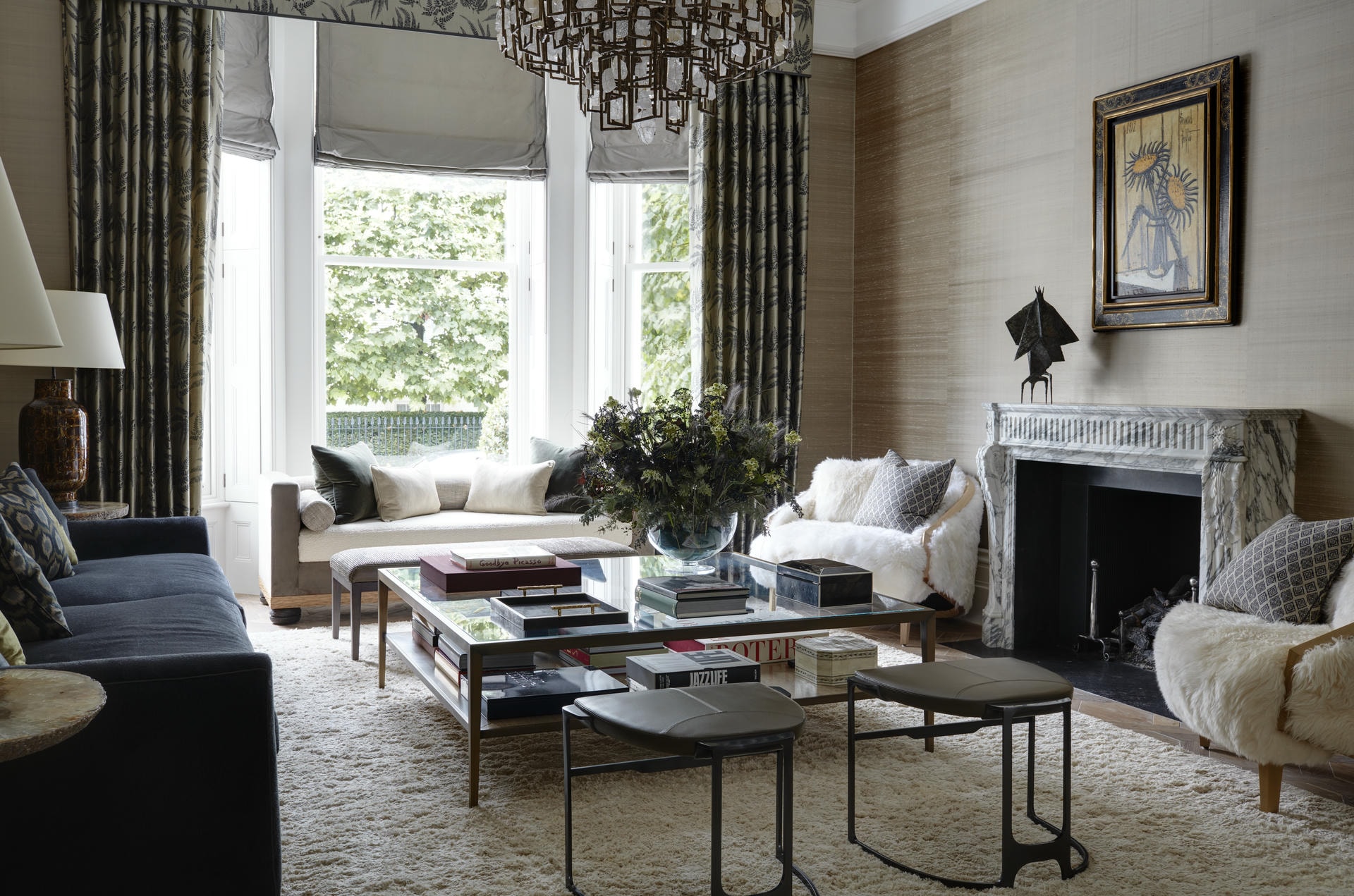
Kensington Villa © Darren Chung
Learn to have thick skin and be resilient. It’s very demanding to work as an interior designer, as it’s so personal and emotions can run high. But the process of creating a vision is amazingly rewarding and fulfilling.
All of my projects or clients’ interests me, otherwise we would not take them on as a job. Sometimes they might be quite complex and large, and at other times quite small and simple – but I love a design challenge, and that’s what motivates me. The more challenging a project, the more interesting and original the solution might be. Without upsetting my clients, it’s probably best I nominate one of my own projects as a favourite.
My home in London is a contemporary space built behind a retained historic façade. We used it as a vehicle to explore new ideas in designing space; we explored a wide array of materials and textures, and the interiors are filled with fascinating art and sculpture sourced from all over the world.
Start with the why behind your space. Before chasing a particular “look,” think about how you actually live in it; what works, what doesn’t, and what you need most. Solving those practical issues first often reveals the right aesthetic on its own. The most beautiful rooms are the ones that make daily life easier and more comfortable.
Luckily, I have received two pieces of great advice in my time, which I try to live by:
- Always follow your instincts and take your clients/team with you on the journey, and enjoy the process.
- Stop thinking about it and just do it.
Trusting your judgment and knowing which jobs to accept and those to turn down. You need to be able to build an honest and trusting relationship with a client so you can meet and exceed their expectations.
I am an avid reader and have a large library at home. My current book favourites are ‘Castle Howard: A Grand Tour of England’s Finest Country House’ by Christopher Ridgeway – I am a huge fan of Sir John Vanbrugh, and this is my favourite building in England… its interiors inspire me every day. The Irish Country House: A New Vision by Robert O’Byrne, with beautiful photographs by Luke White, illustrates some fabulous interiors, many of which I had never seen before.
For podcasts, I am a big fan of the Country House hosted by Rory and Geoff and, since I am also a news junky, ‘Americast’ with Justin Webb.
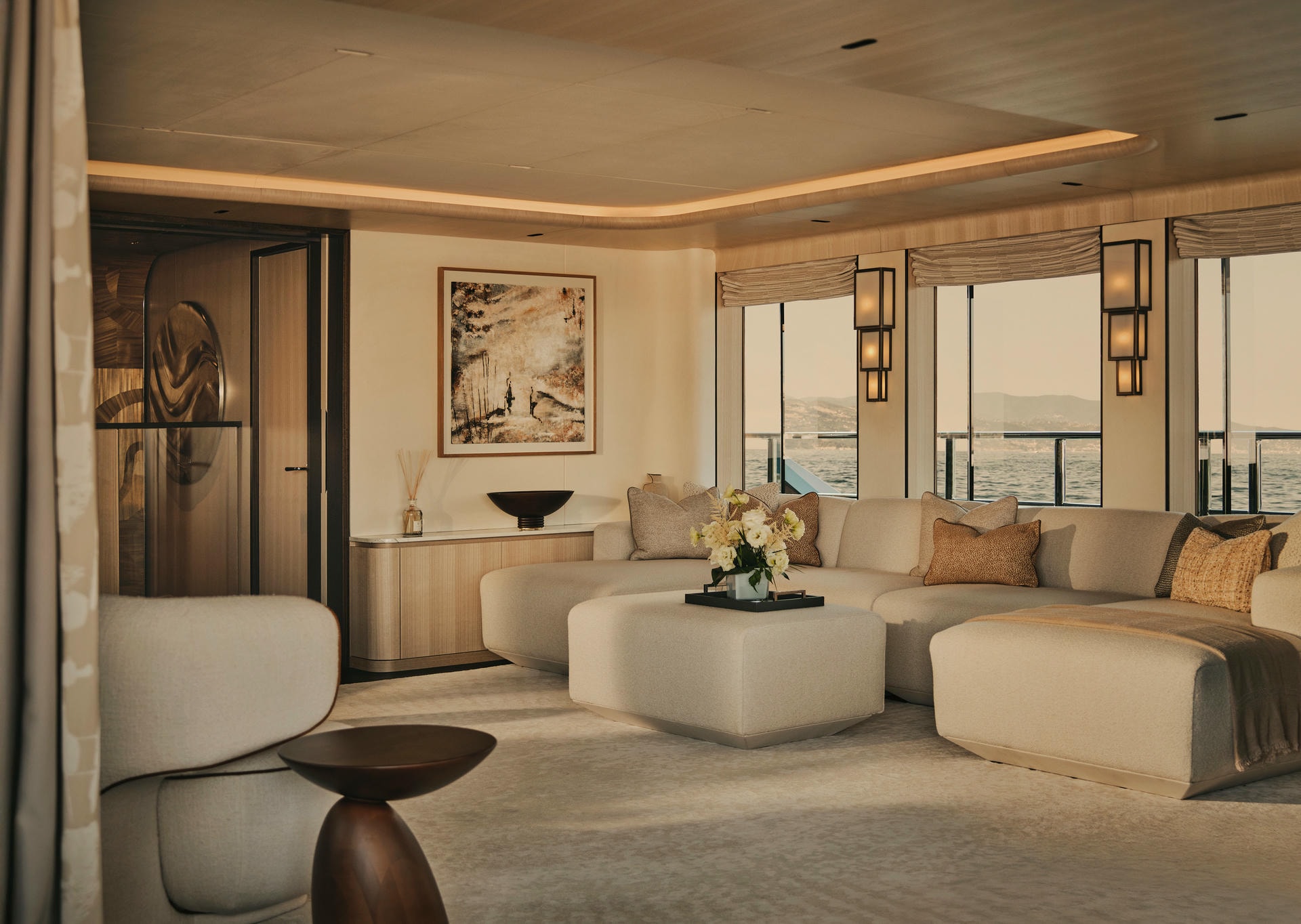
We are blessed with many exciting projects in the office, both in the UK and overseas. We are designing 12 new homes in Oxfordshire, a ski chalet in Switzerland, several houses in the South of France, a luxury health spa in Spain as well as a large house in Madrid, a residential development in India, a new yacht, a penthouse in London, a 5 star hotel and several large listed houses in London and the country – and so the list goes on! They all bring their own set of design challenges and excitement that keeps me and the office motivated and inspired.
Kensington Leverne © Luke White
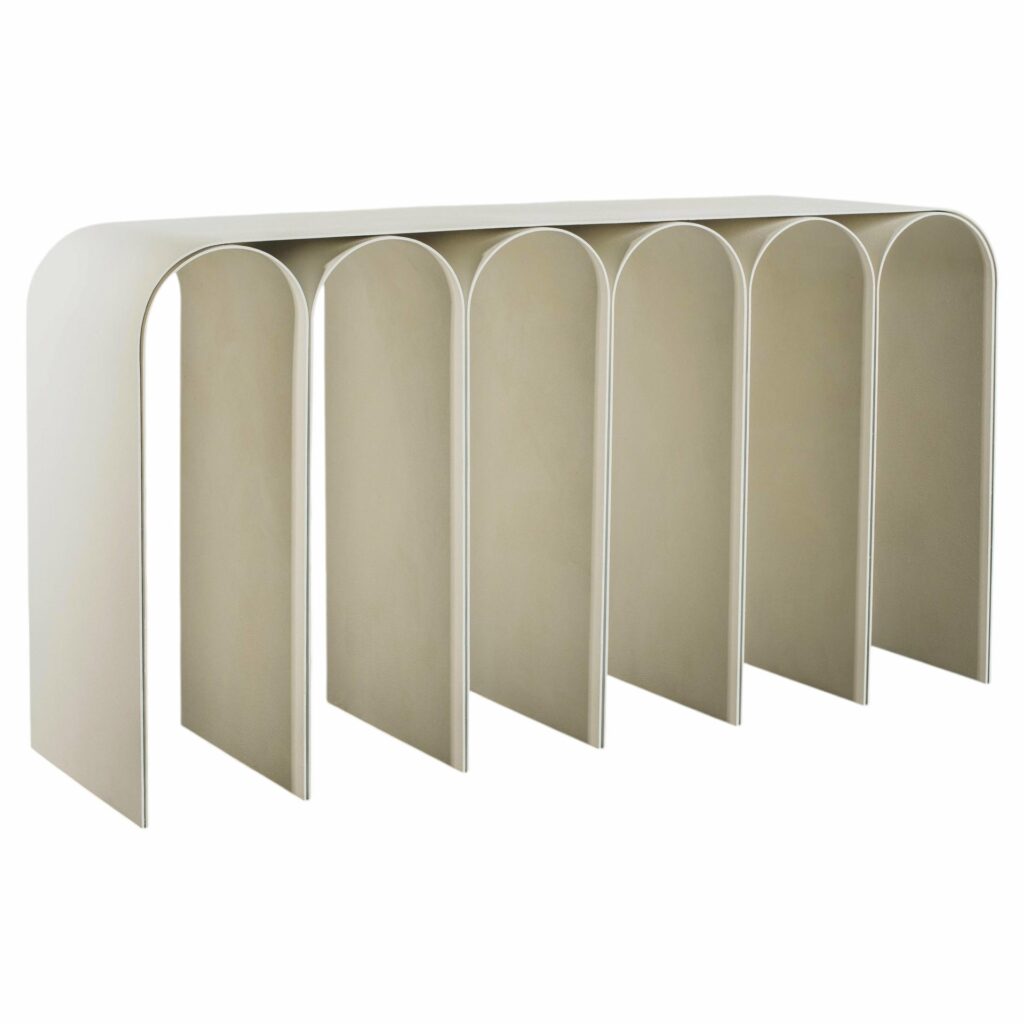
favorite pieces from the Philia Collection
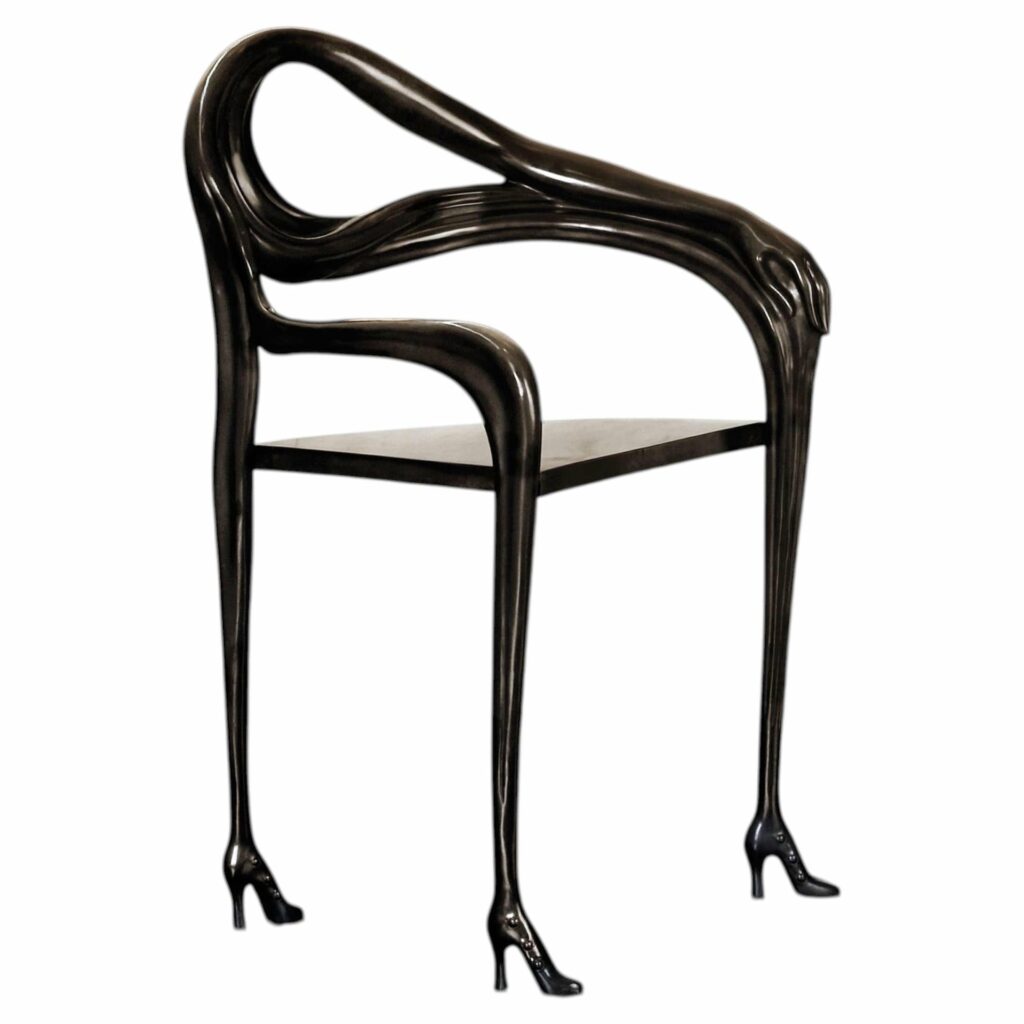
Leda Blacklabel Armchair, Limited Edition, Salvador Dalí
Every room needs a talking point and this chair has a bit of humour and makes me smile – interiors need to be joyful.
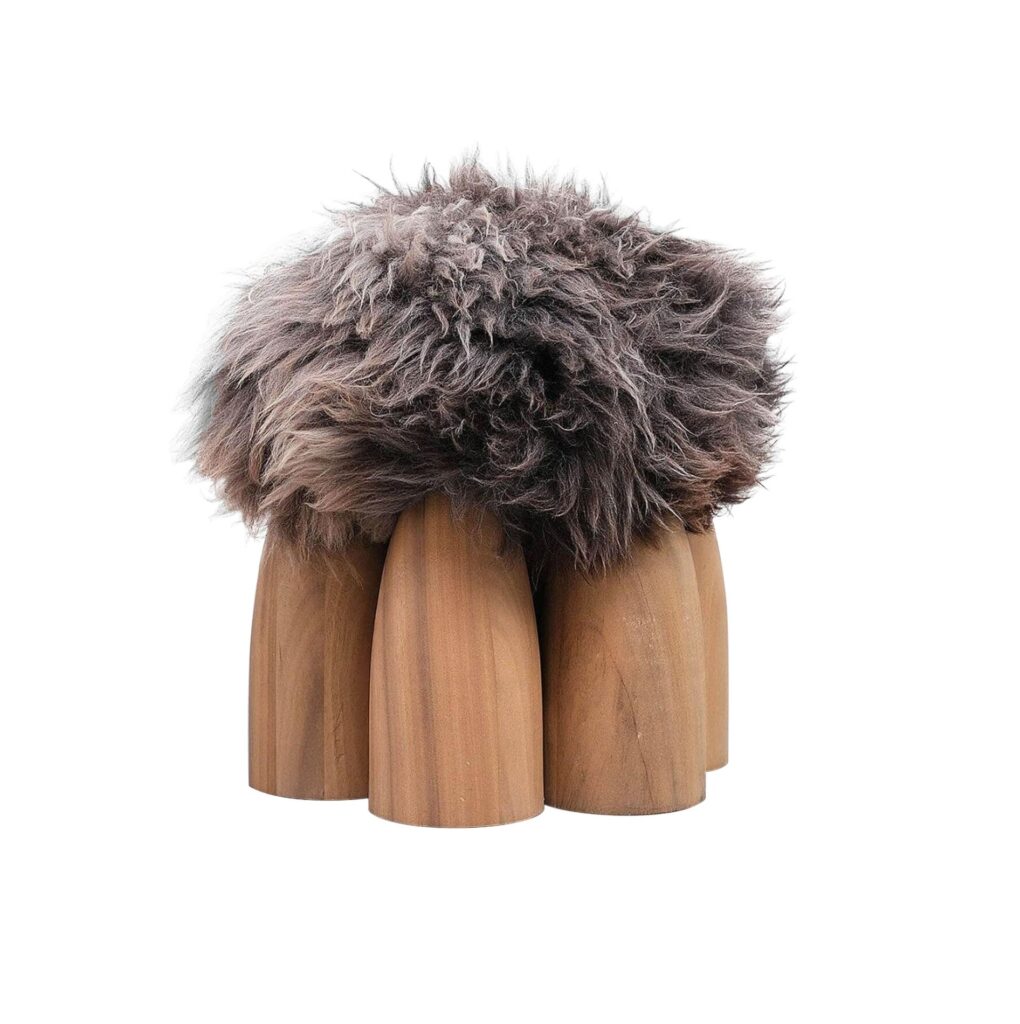
Senufo Ottoman in African Walnut by Arno Declercq
Wonderfully tactile and makes you want to reach out and touch.
Thank you so much Mike, for this lovely interview!
Share article :
As it appeals to the architect in me.