Ayşe Yasaman Demir
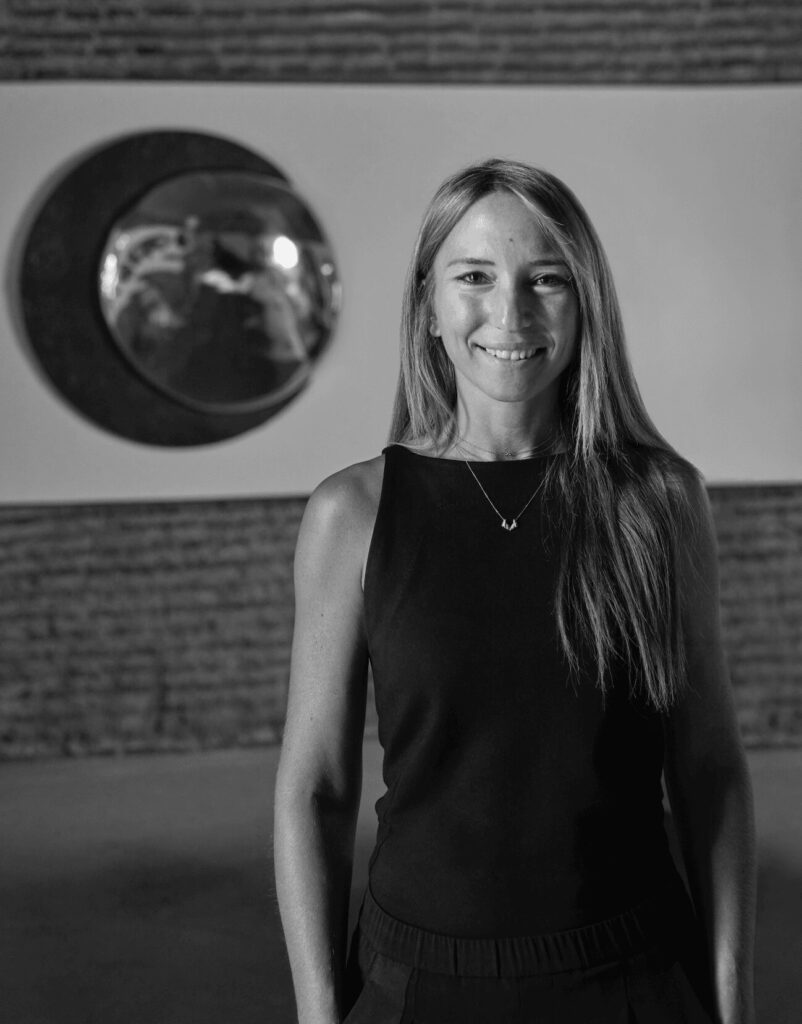
Ayşe Yasaman Demir is an Istanbul-based interior architect and designer whose practice spans interior architecture and collectible design. Through Studio Ayşe Demir, she creates sculptural mirrors and objects that explore the interplay between materials, light, and perception, bringing together artistic expression and functionality.
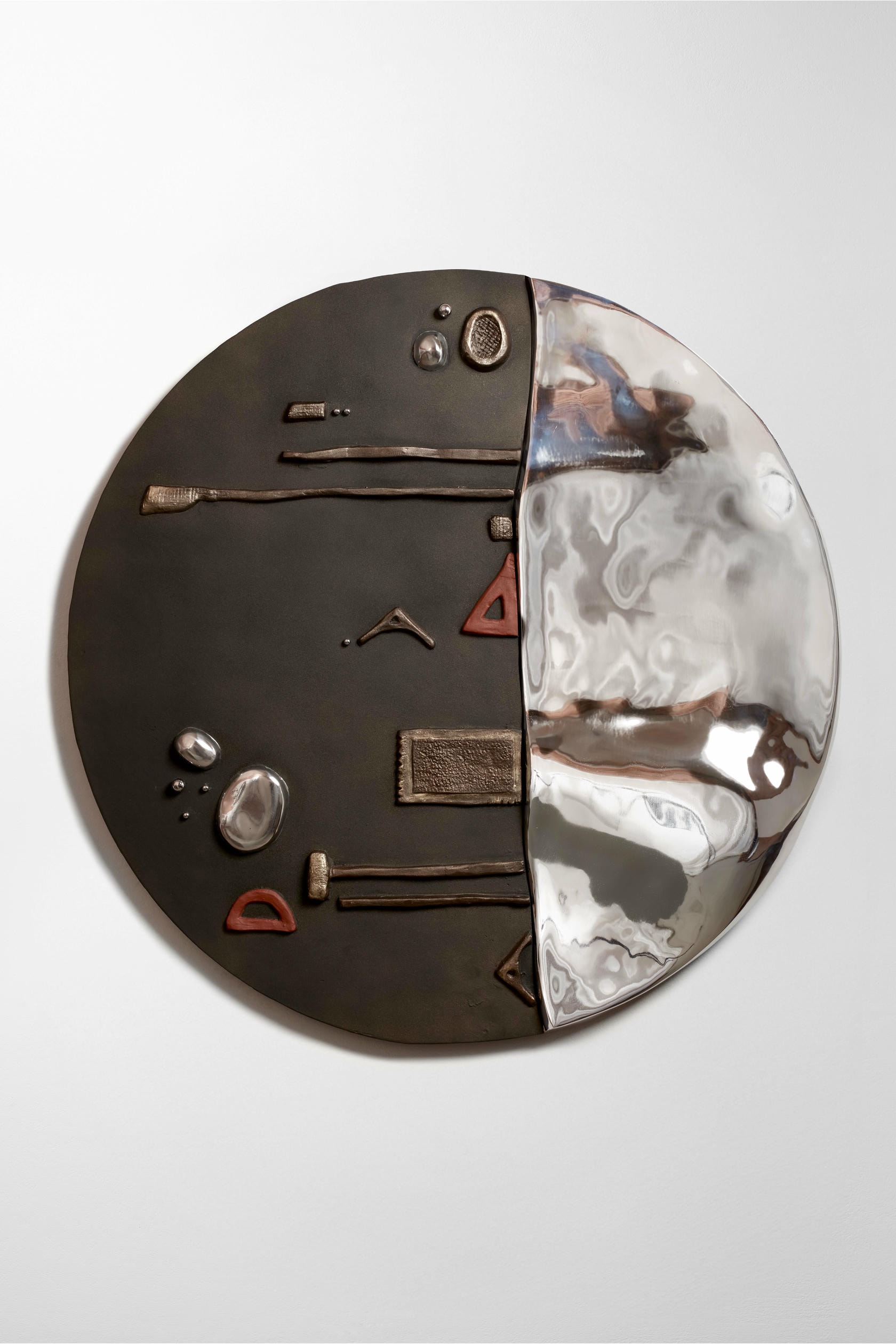
With craftsmanship and experimentation at the heart of her practice, Demir approaches each piece through an intuitive, hands-on process involving modelling, mould-making, casting, and careful finishing. Her work is characterised by organic forms, expressive surfaces, and a curiosity for the possibilities of different materials. Moving between sculpture and functional design, her creations invite a closer consideration of reflection, materiality, and the relationship between objects and the spaces they occupy.
Interview
I was born and raised in Istanbul, Türkiye, where I currently live and work.
One of my earliest memories is working with clay when I was around eight years old. I didn’t know it at the time, but looking back, there was already a fascination with shaping materials by hand and turning an idea into a physical object.
Yes. After studying interior architecture in Istanbul and London, and later completing a master’s degree in product design in Florence, I spent many years working across interiors, furniture, and object design. I have always enjoyed moving between different scales, from spaces to objects. In recent years, I have become increasingly focused on collectible design objects, while continuing my work in interior architecture.
I have always been drawn to the moment when an idea becomes something tangible. Design offers a way to combine imagination, craftsmanship, and problem-solving. What interests me most today is creating objects that evoke an emotional response rather than simply fulfilling a function.
My creative process is deeply rooted in making by hand. Every piece begins with an idea, but I rarely know exactly what the final object will look like from the start. I spend a lot of time refining forms until something feels right. When I get that feeling of excitement, the butterflies, I know the design is ready to move forward.
I then build the model myself, working directly with materials such as clay, foam, plaster, etc. This stage is very intuitive and physical; it allows the form to evolve naturally through the making process. I am often inspired by natural formations, erosion, imperfections, and the tension between fluidity and solidity. Rather than imposing a predetermined shape, I prefer to discover forms through the act of making itself.
There is no typical day. It depends entirely on what I am working on. When I am developing a new piece, I tend to become completely immersed in the process. Once an idea starts taking shape, I find it difficult to step away from it until I have resolved it. Time becomes irrelevant.
Outside of that, my days move between designing, overseeing production, meeting clients, and managing ongoing interior architecture projects.
I am drawn to metal because of its endless possibilities. It can be fluid, sculptural, reflective, rough, polished, heavy, or surprisingly delicate. I love how the same material can take on completely different characters depending on the finish and treatment. Working with metal feels a bit like having a playground to explore. The more I work with it, the more possibilities I discover.
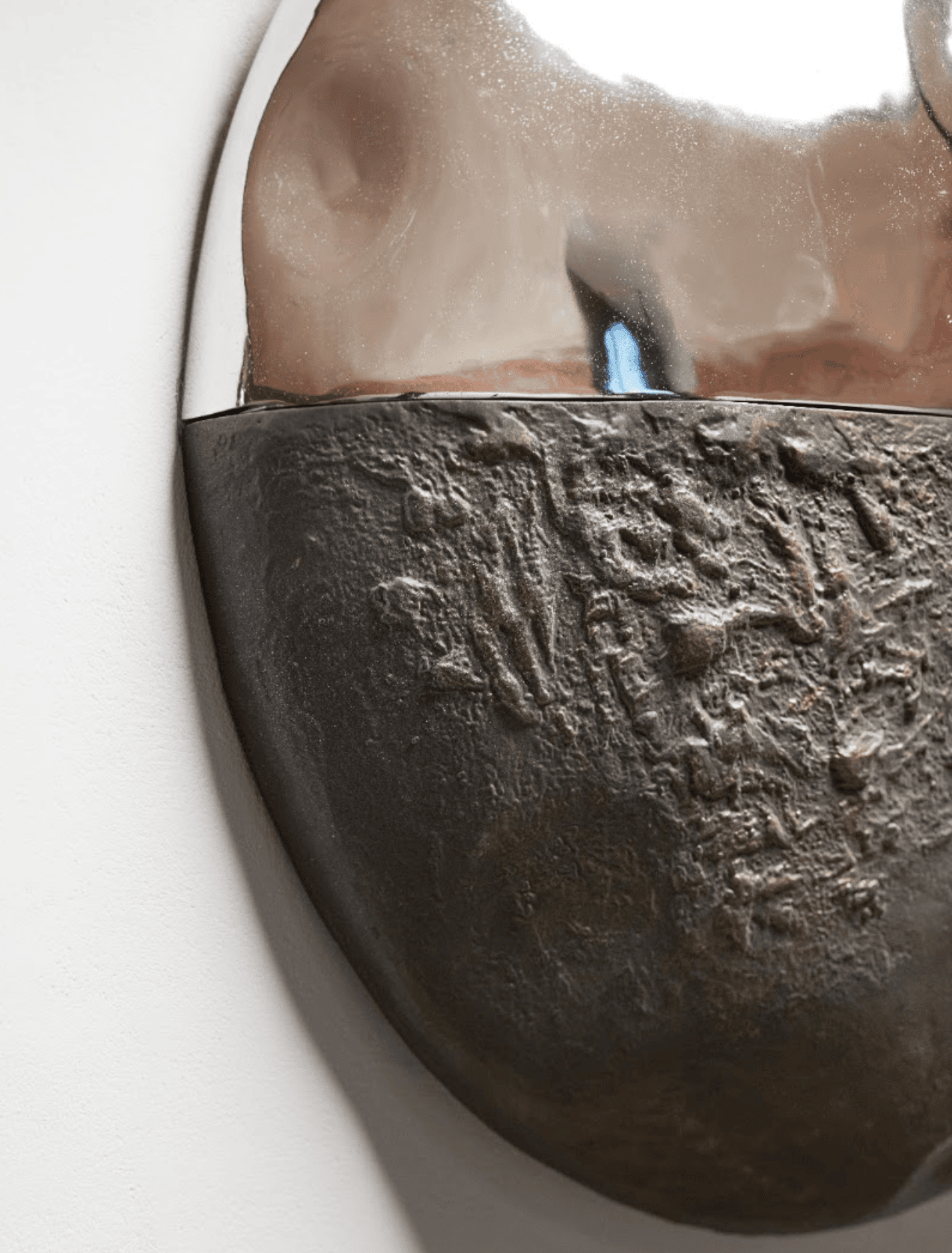
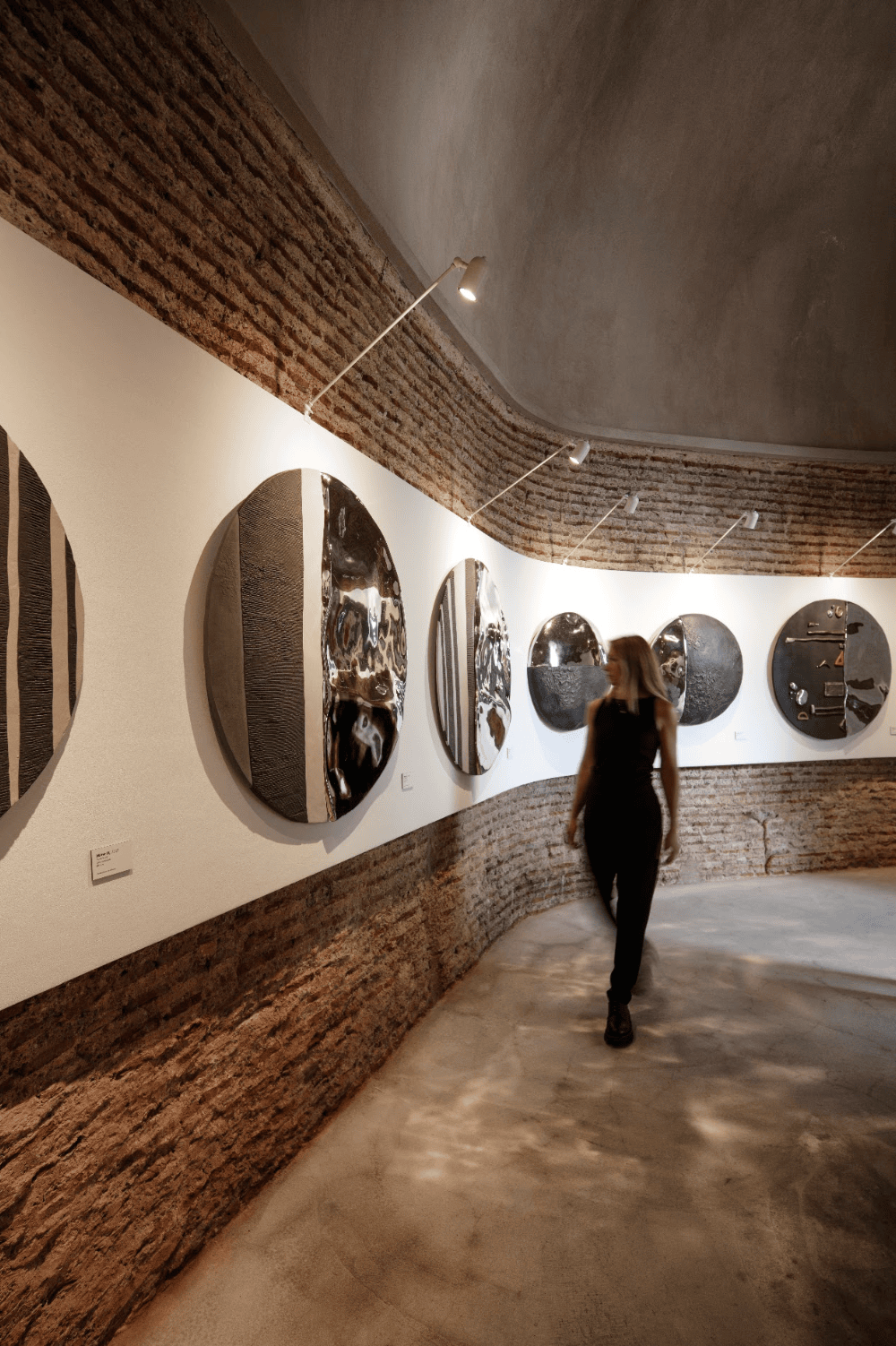
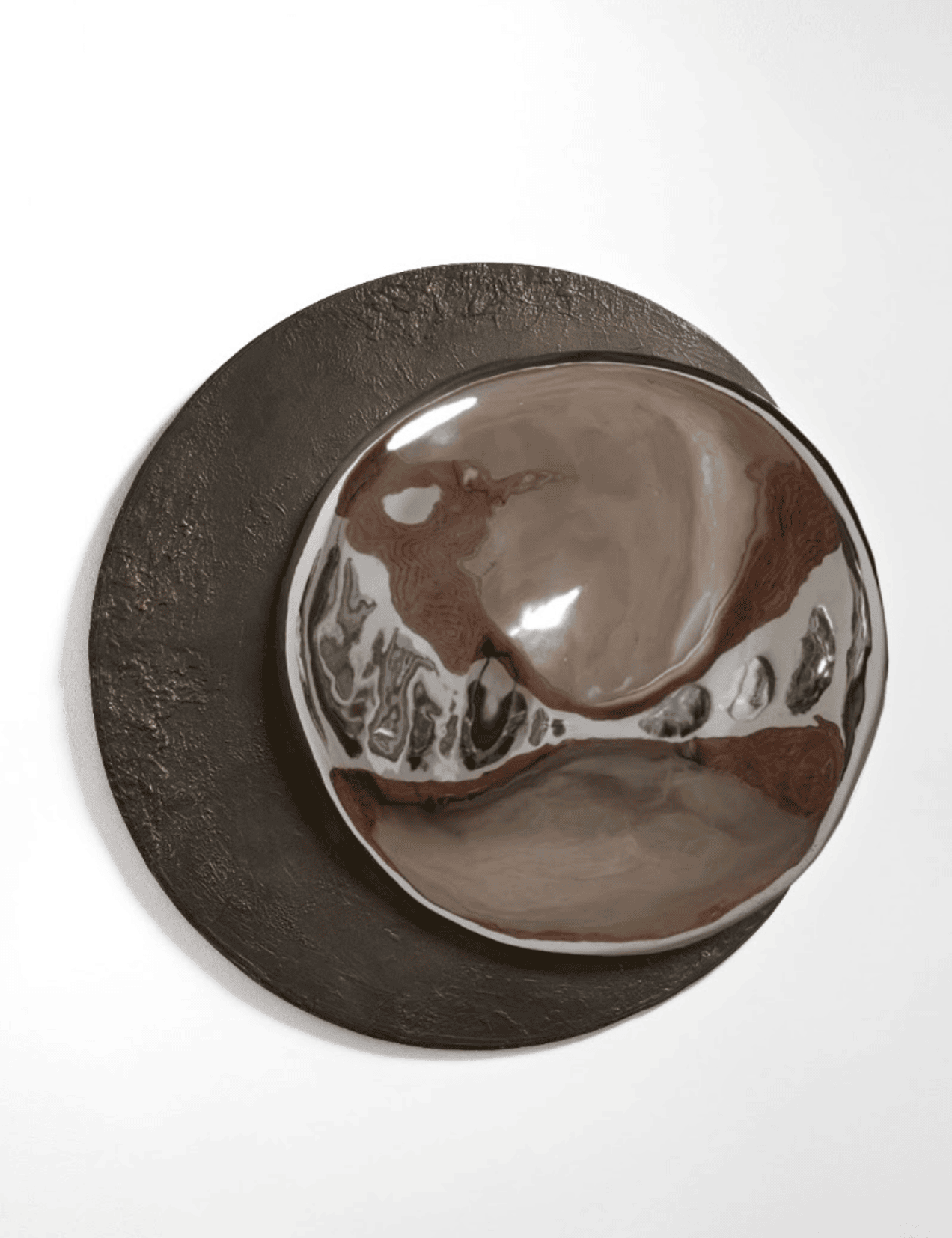
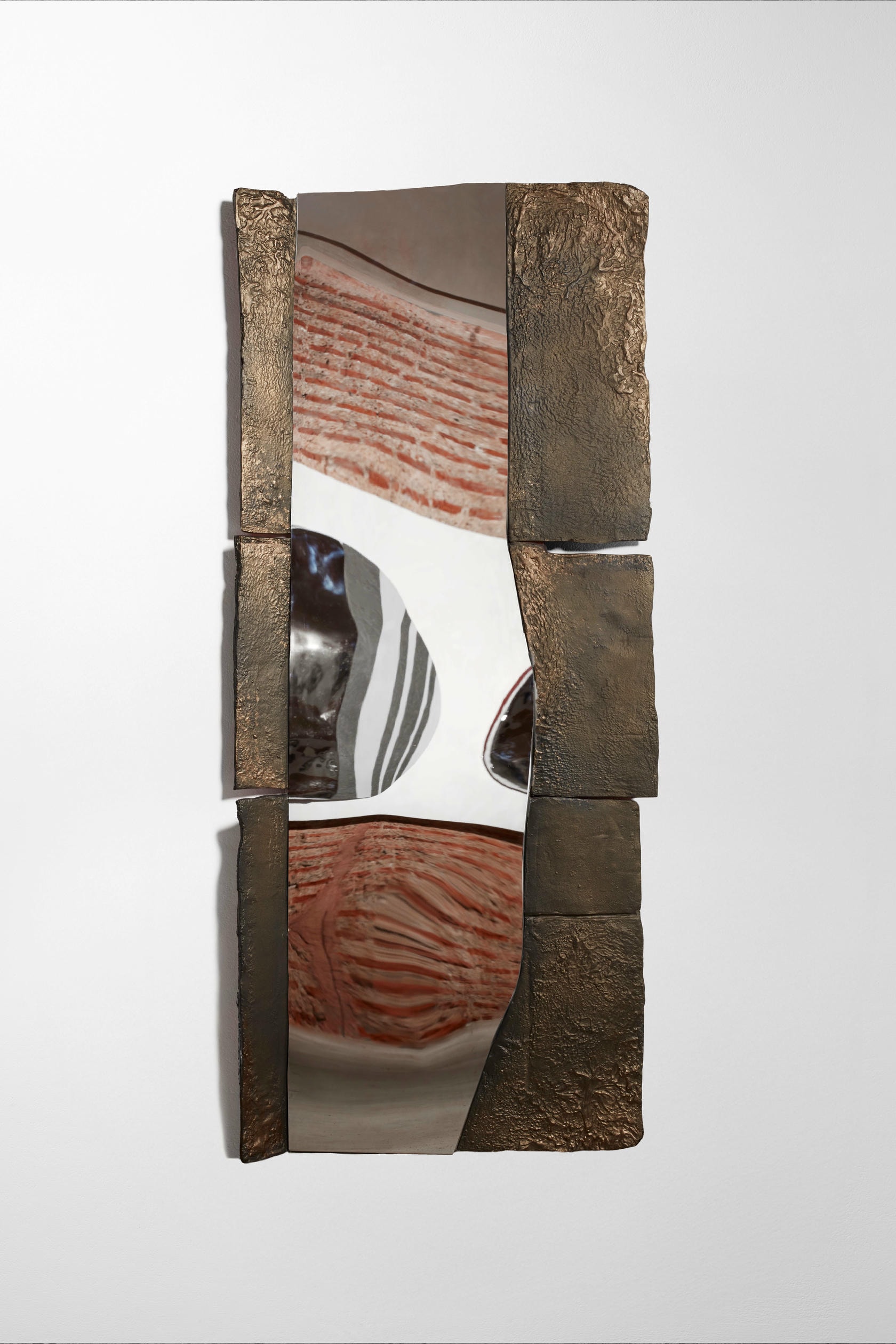
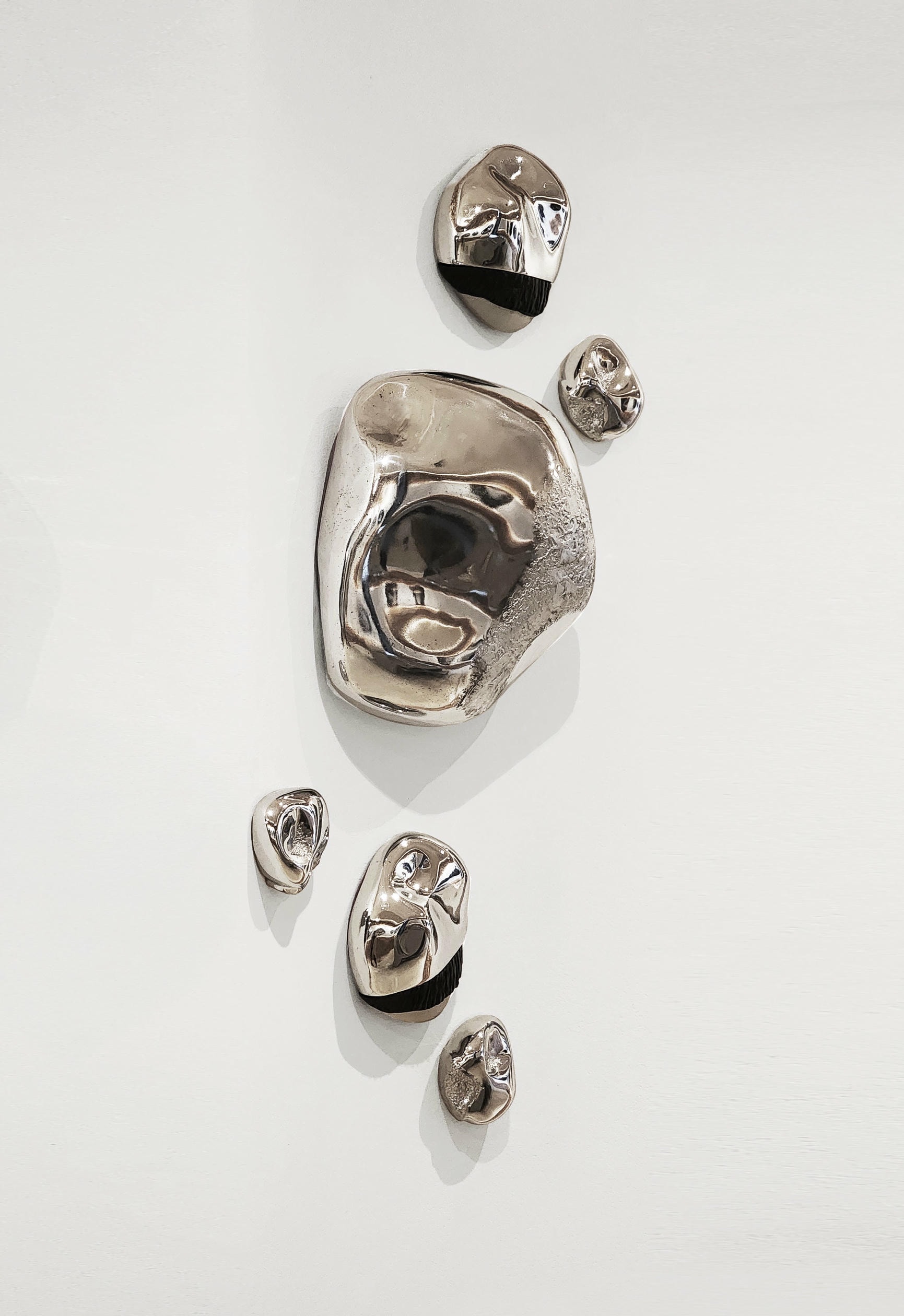
One of the defining technical aspects of my work is the translation of highly tactile, hand-modelled forms into cast metal. The textures, marks, and irregularities created during the modelling stage become permanently embedded in the final piece through the casting process. I primarily work with cast metals, which allow me to achieve both complex organic forms and a wide range of surface treatments. Reflective finishes, textured surfaces, and handcrafted details often coexist within the same object, creating a dialogue between sculpture and reflection. Because each piece is individually cast and finished by hand, subtle variations naturally occur, making every work unique.
My advice would be to first find what genuinely excites you. It could be a material, a surface, a form, a colour, or even a specific process. Once you find that spark, follow it with curiosity and persistence. I think the strongest work comes from a genuine fascination with something rather than from trying to fit into a trend or a category. If you stay close to what truly interests you, your own language will eventually emerge.
Biomorphic design, because of its organic, fluid forms.
I have always been fascinated by Paul Evans’ relationship with metal and surface.
Among contemporary designers, I am fascinated by Maarten Vrolijk’s poetic approach to glass.
Surreal playground.
“For me, a mirror is not just a reflection, but an experience.”
The Questions
(The Proust Questionnaire is a set of questions answered by the French writer Marcel Proust.
Other historical figures who have answered confession albums are Oscar Wilde,
Karl Marx, Arthur Conan Doyle, Stéphane Mallarmé, Paul Cézanne…)
Togetherness.
Death.
Discouraged easily.
Dishonesty.
Those who live fully.
Time.
Curious.
Certainty.
Honesty.
Confidence.
Go with the flow.
Magic.
Ease.
Authenticity.
Myself.
At sea.
Art objects.
Loneliness.
Sailing.
Perfectionism.
Acceptance.
Various.
Alice.
No one.
My daughter.
Ada.
Dishonesty.
–
Peacefully.
Trust the process.
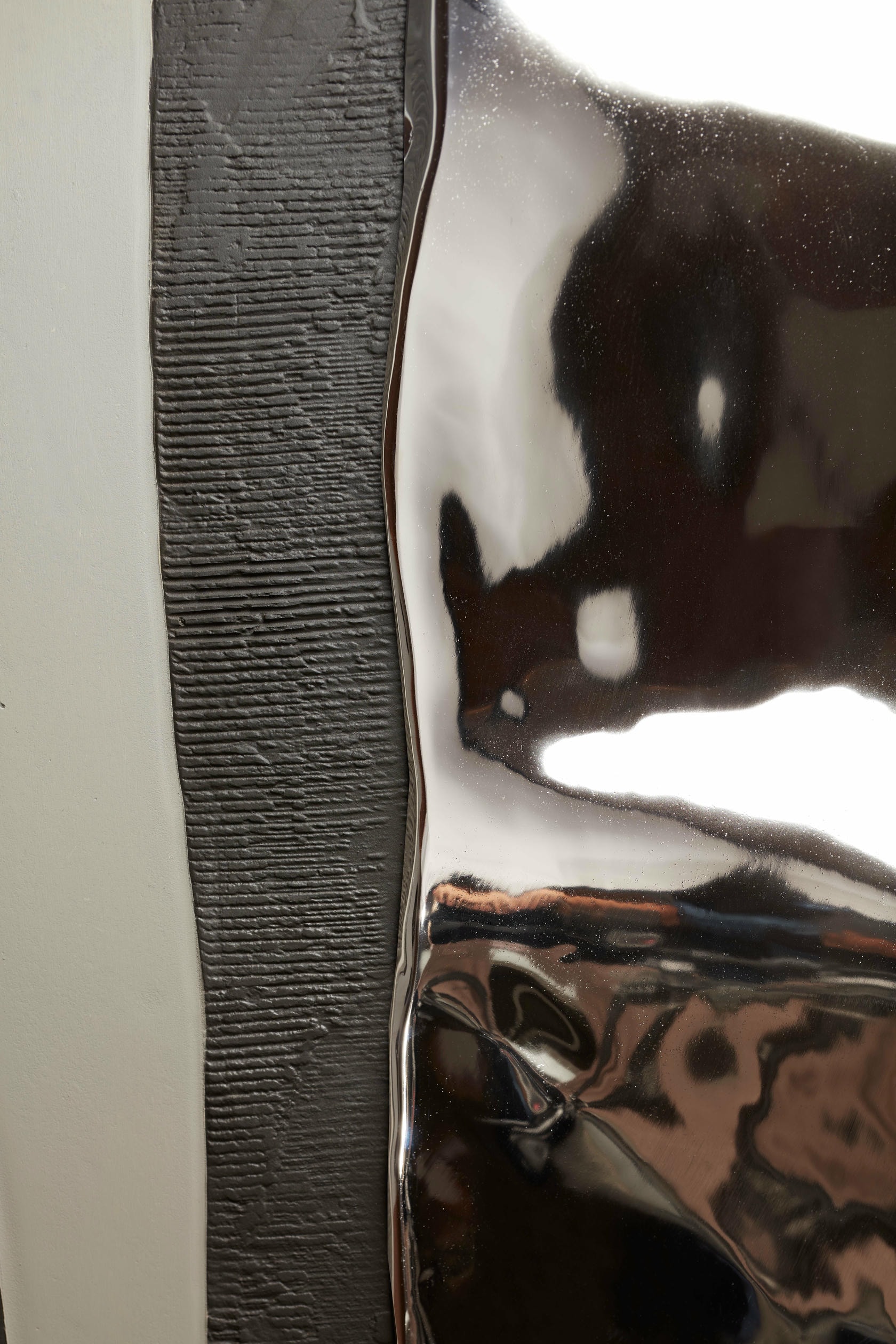
“The making process is where the design truly takes shape.”
SHARE :