Proctor & Shaw
Founded by John Proctor and Mike Shaw, Proctor & Shaw is a London-based architecture practice known for creating transformative spaces defined by thoughtful simplicity, refined materiality, and a sensitive use of light and form. The studio approaches each project with a balance of creative ambition and pragmatic thinking, delivering tailored architectural solutions shaped around the specific needs of its clients.
Before founding the practice, John Proctor graduated with Distinction from the University of Nottingham and worked with several award-winning UK studios, including Softroom, where he led the delivery of the Sackler Centre for Arts Education at the V&A Museum, recipient of an RIBA Award in 2010. Today, Proctor & Shaw continues to develop award-winning projects that combine careful craftsmanship with a deeply considered spatial experience.
“Embrace constraints and turn them into opportunities.”
INTERVIEW
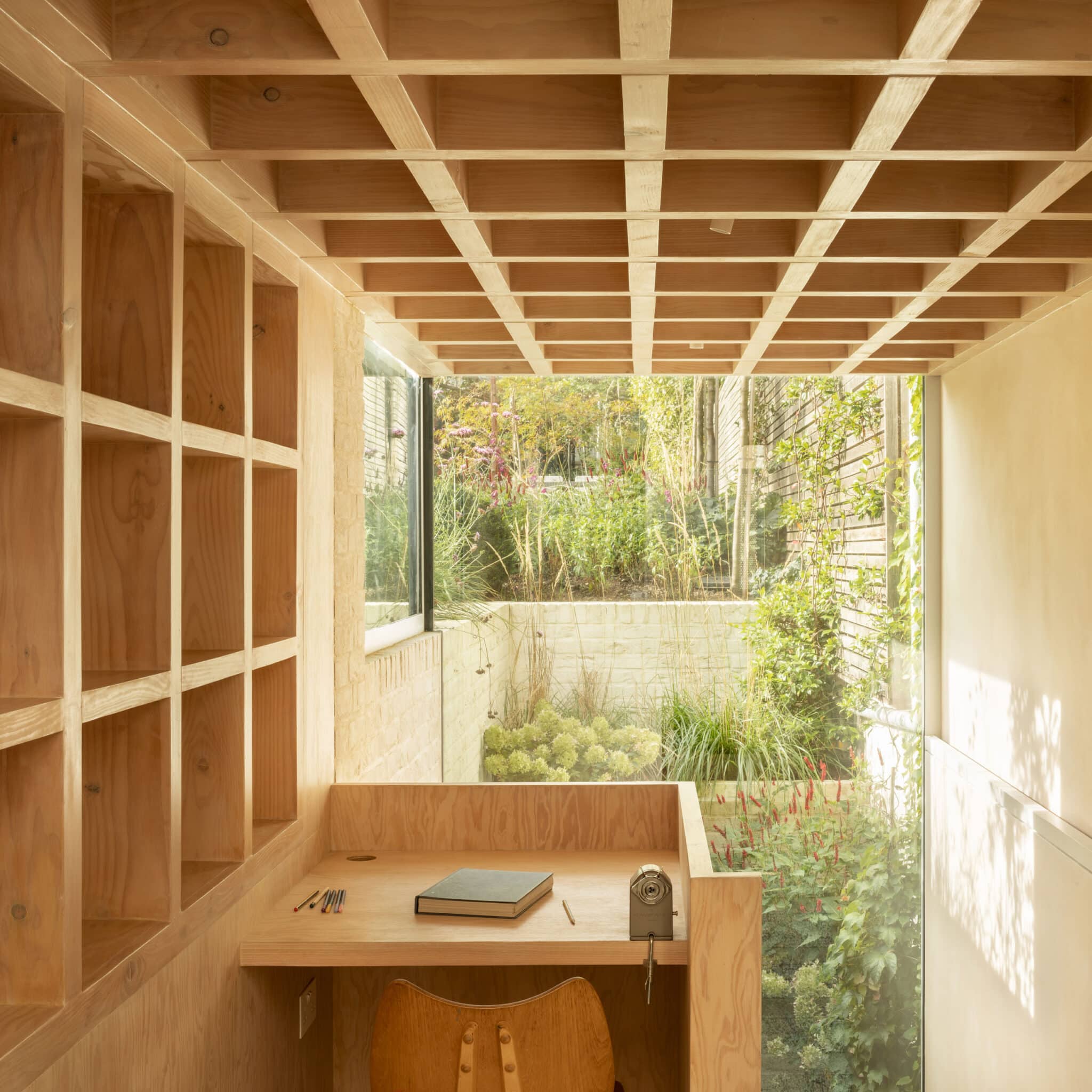
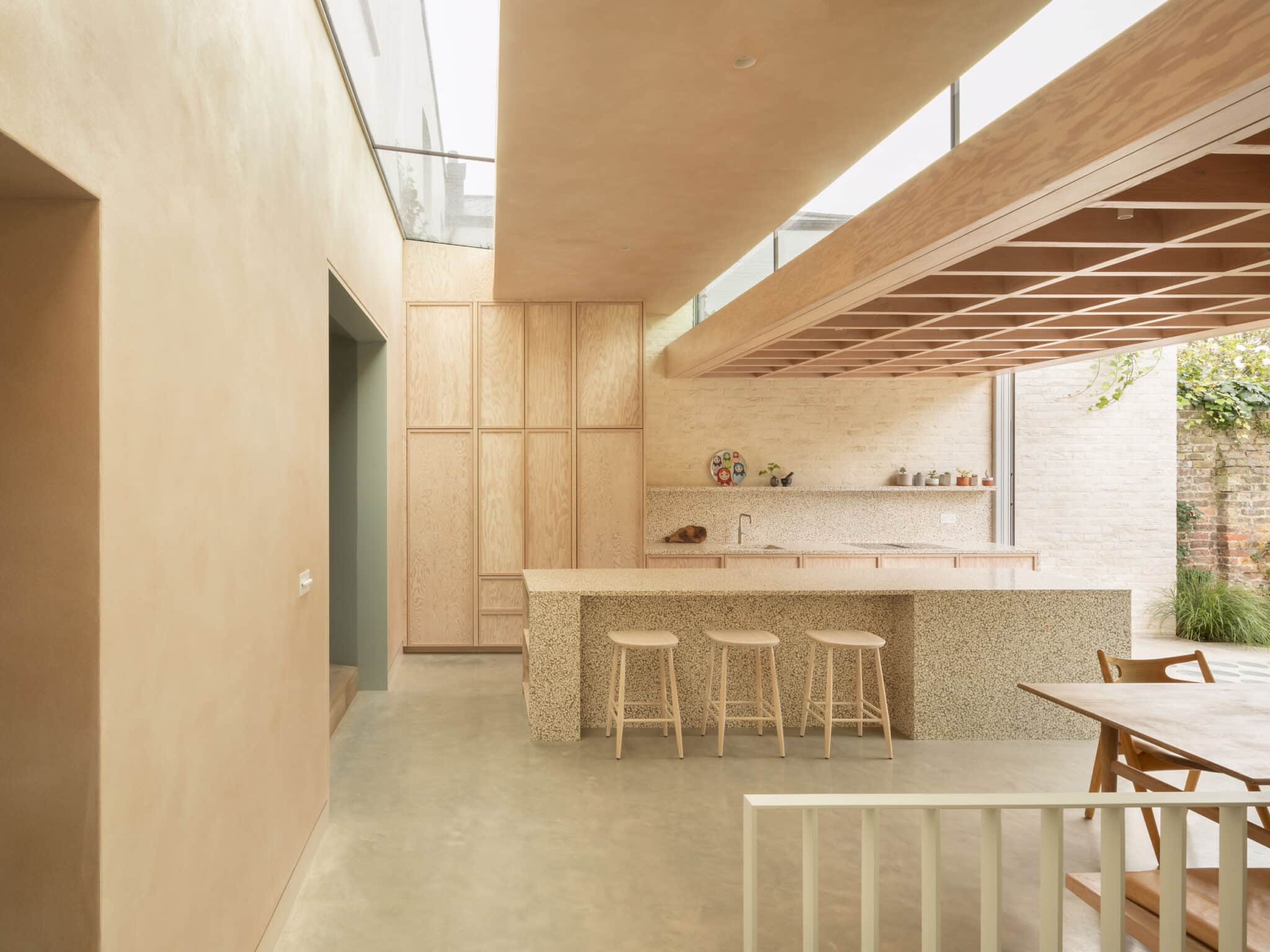
Our recent Heath House completion in Highgate, North London, was a fantastic job to work on. A refurbishment, extension, and large basement project to a Grade II Listed villa. It was volumetrically and technically complex to deliver, having to overcome statutory and tight physical constraints. The solutions adopted were bold and innovative, and constraints were turned into opportunities. A beautiful, restrained palette of Douglas fir, Natural clay-plaster, and terrazzo permeates the new spaces in a variety of ways.
Well, this would take me back to school. I was strong in science and maths, but was also artistically inclined and did well at Art and Design. When it came to thinking about my next steps for University education, I started to read about architecture, which appeared to complement my skill set. From that point onwards, for thirty years now, I have been practicing architecture and design.
It’s hard to single out one particular moment. However, one key decision I made was deciding to partner with Mike Shaw in 2017. I had previously started a small practice in 2014. Work was developing, but I realised I really wanted to share the experience of practicing architecture; have an equal partner to consult with over business decisions and challenge design concepts. All of our best designs are borne of discussion and collaboration.
We always strive for transformational change and to ensure the ‘infrastructural architecture’ is right. ‘Get the height and light right’ is, I suppose, a sort of mantra of ours. Once bold key moves have been made to unlock the potential of a space, it can then be finessed with material and craft.
We always start by assisting the client in organising a clear and challenging brief. This contains functional and aspirational elements. We then go to work in multiple ways. We look at loose plans and sections to discuss function and layout, we develop rough 3D models and sketches to talk about volume and light, and we discuss materials and images that we feel may set the emotional tone of a project. The excitement ensures that clear concepts start to emerge.
We are naturally quite minimal and modern, drawn to calm and contemplative spaces. There is enough energy and speed in life, and I believe that homes should be, in part, an antithesis to this.
“You can always make an average design good, a good design great, but you can’t work with bad clients.”
Be selective, do less work, but ensure that it is exceptional. Grow slowly.
Learning to accept the challenges of others’ making. We have learnt to walk towards design problems as they arise, and face them with a genuinely collaborative design spirit to make the design better.
Parallax by Steven Holl. The reverence, importance, and love he places on architecture and design are inspiring.
Embrace constraints and turn them into opportunities.
Heath House, Highgate – neighbouring window constraints (above) and a public sewer (below) required an innovative circulation and stair design to ensure the spaces were poetic. Front and back terrazzo basement stairs meet on a vertically constrained landing that has exposed Douglas fir roof joists that turn down to form shelving for a unique workspace. Despite being compressed, the space is luxurious and is a joyous moment in the home.
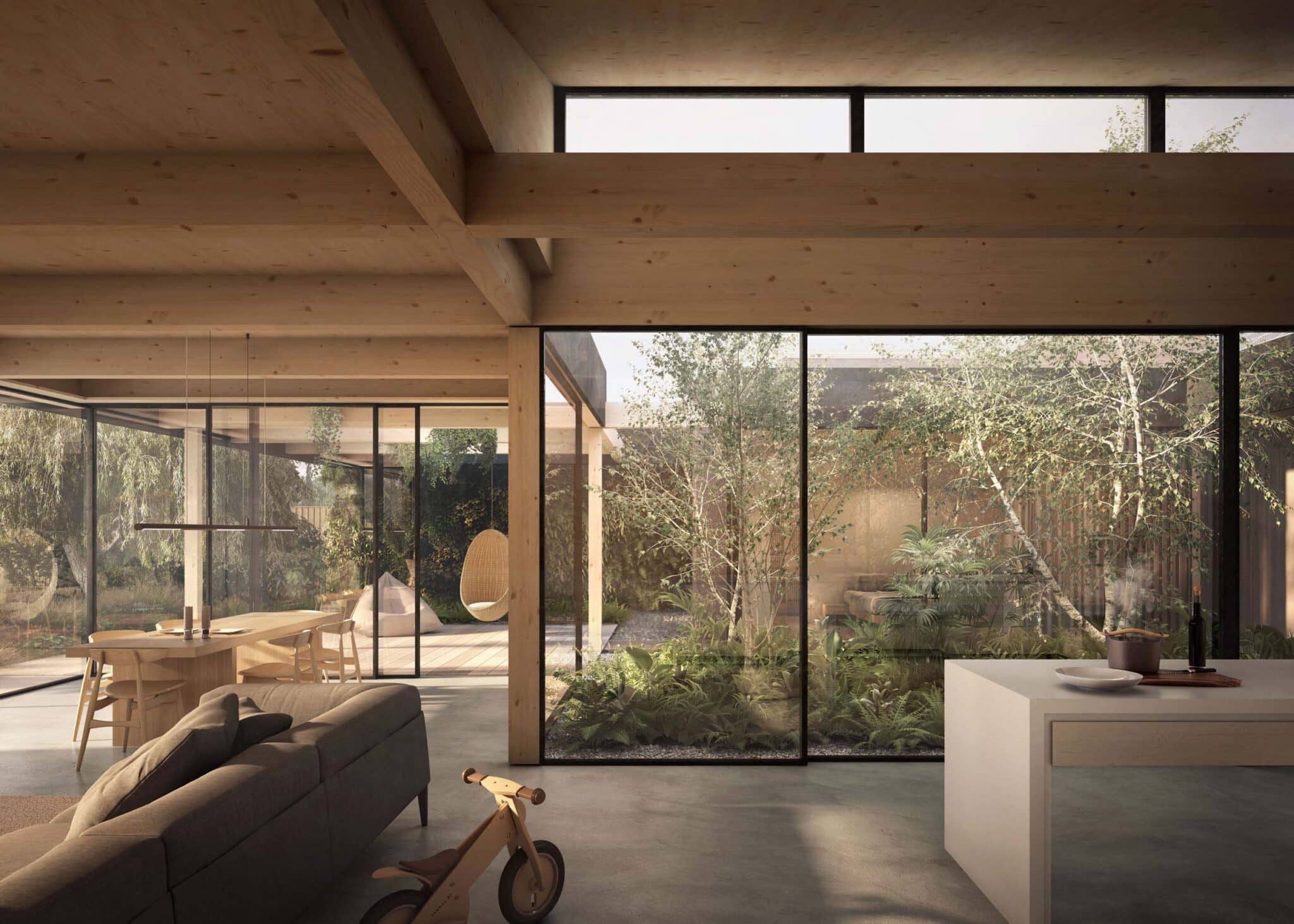
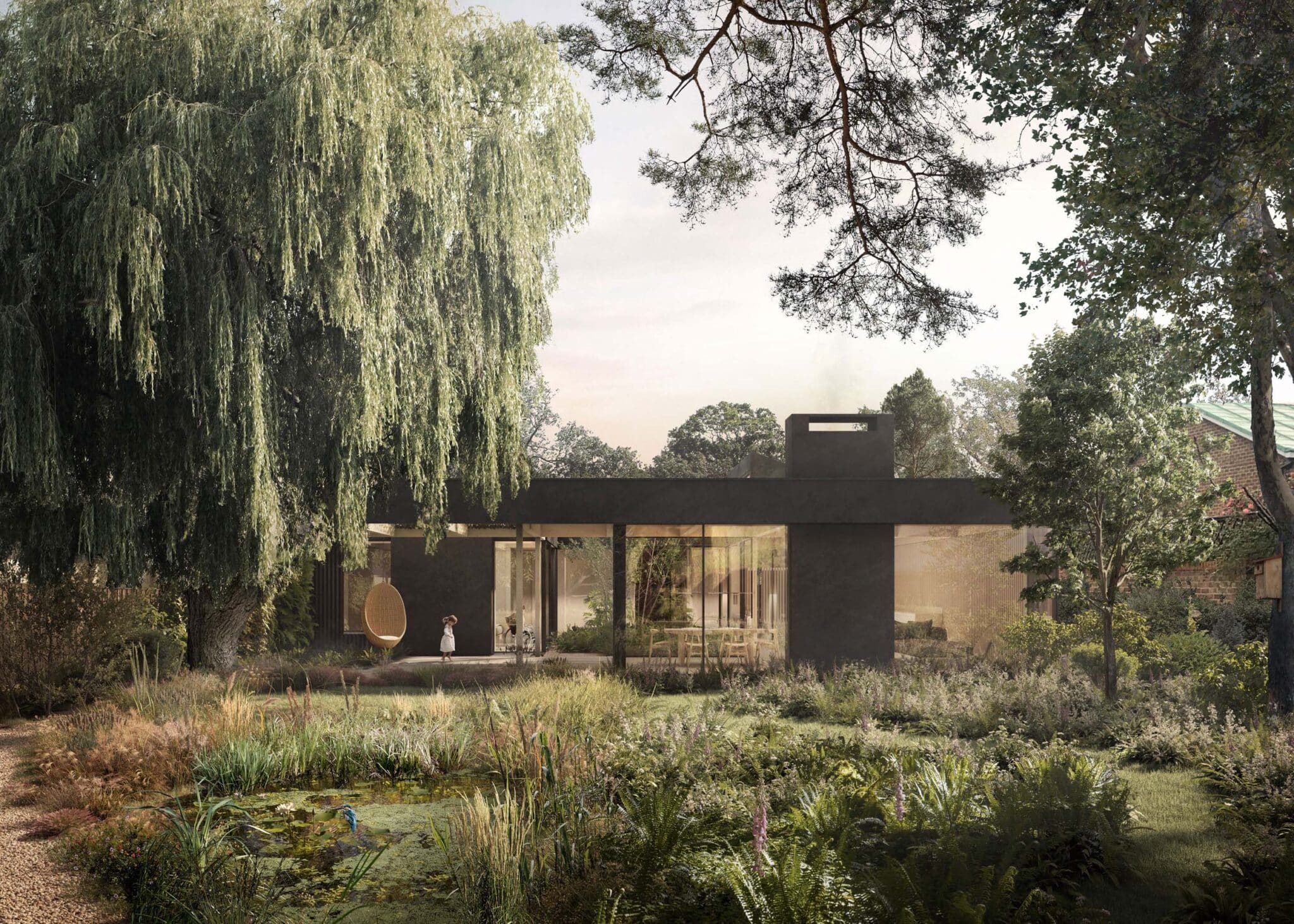
We are nearing completion on our 2nd new build house in Richmond, West London. Mid-century inspired timber-framed courtyard home for a family of four.
Thank you so much John, for this lovely interview!
Share article :