David Jimenez
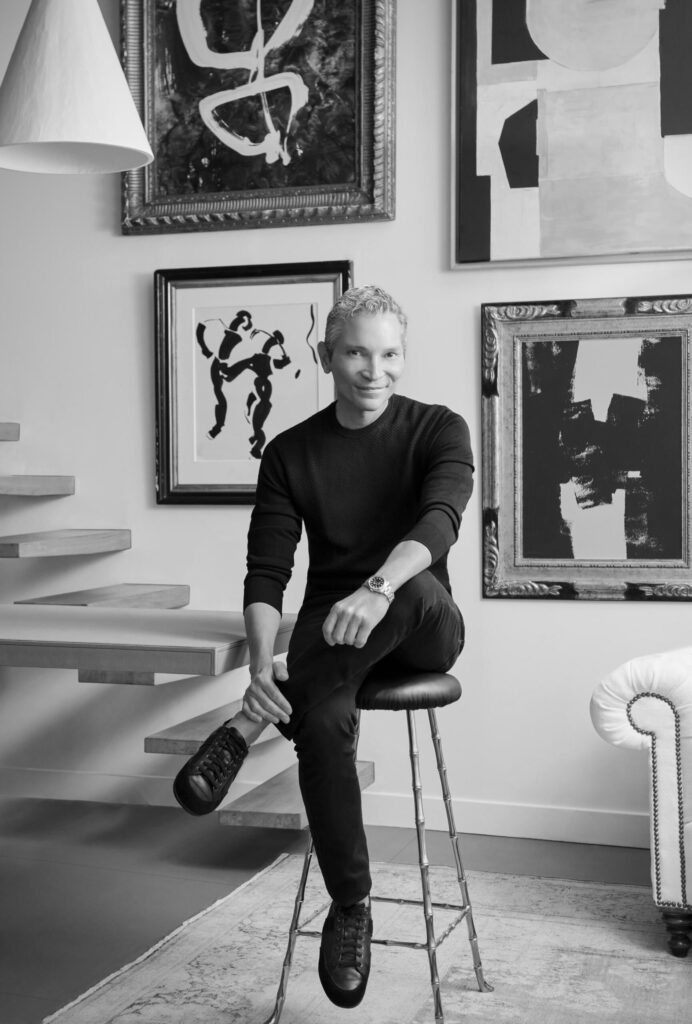
David Jimenez is an American interior designer and creative director based in Paris. Before founding David Jimenez Studio, he held artistic leadership roles at Pottery Barn, RH and Williams Sonoma, helping shape the creative direction of some of America’s most recognised home furnishings brands. His studio now undertakes residential and commercial projects across Europe and the United States, combining art, antiques and contemporary furnishings in interiors that feel layered, personal and comfortable.
Since moving to France, Jimenez has drawn inspiration from French architecture, craftsmanship and the rituals of everyday life. His work has appeared in publications including AD, Elle Decor, Veranda, House Beautiful and The New York Times. His book, Parisian by Design: Interiors by David Jimenez, was published by Rizzoli in 2022, and he is a two-time honoree of the 1stDibs 50. He divides his time between Paris, the French countryside and his international projects.
“The most memorable homes aren’t defined by a particular style. They quietly tell the story of the people who live there.”
INTERVIEW

Château de Saintines
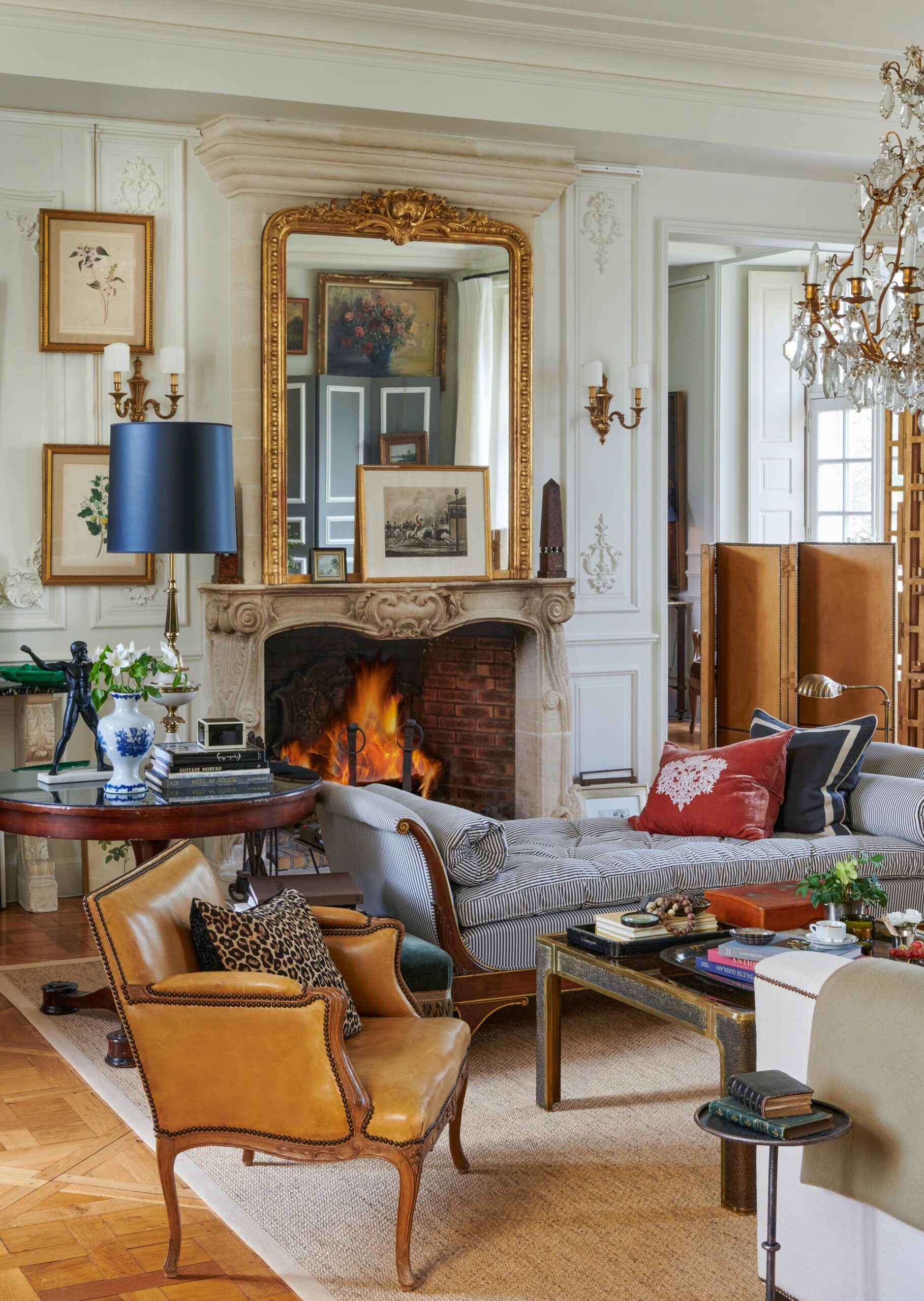
The most memorable rooms reveal something about the people who live in them: how they live, what they collect, where they have traveled, and what brings them pleasure.
I try to listen closely and understand what feels meaningful to each client.
Sometimes the conversation has very little to do with furniture. We end up talking about family traditions, favorite hotels, collections they’ve built over time, or how they hope friends will gather in their home. It helps me understand what matters most to them, and those discoveries find their way into the finished design. That’s when the work feels especially rewarding.
I’ve enjoyed reinventing spaces since I was old enough to move the furniture around my parents’ living room. I was always fascinated by the way a room could make you feel and how even a small change could completely transform the experience of a space.
My professional journey took a less traditional path. I began working with brands including Pottery Barn, RH, and Williams Sonoma, helping to reimagine the store experience by creating installations that inspired people to imagine new possibilities for their own homes.
Interior design became a natural extension of that work, and I eventually founded David Jimenez Studio, based in Paris and New York, with projects throughout the United States and Europe. The studio brings together everything I love: architecture, furniture, art, objects, and lighting, while giving me the privilege of helping clients create homes that feel deeply personal and meaningful.
My first visit to Paris changed everything. It sparked a lifelong love of France that eventually led me to relocate here and build a new life and career.
Moving to Paris changed the way I see design. Life here has taught me to slow down, notice the details, and appreciate the quiet beauty of everyday life. I find inspiration everywhere. It might be a florist carefully wrapping a bouquet in kraft paper and twine, the way morning light catches the limestone façades along the Seine, or a beautifully worn brass doorknob on a carved doorway in Le Marais.
Another defining moment was creating my book, Parisian by Design. Looking back, I realized the projects shared something in common. Whether in Paris, the French countryside, or the United States, they all reflected my desire to create homes that feel warm, layered, and connected to their surroundings.
It also became an opportunity to celebrate the remarkable artists and craftspeople I’ve worked alongside. Whether collaborating with a centuries-old French weaving house, developing custom furniture with a talented maker to achieve the perfect leather patina, or watching a florist transform her tiny shop into a work of art each morning before opening her doors, these relationships enrich every project. Spending time with people who have devoted their lives to mastering a craft has taught me as much as any design course ever could.
I begin by listening and observing.
I want to understand the architecture, the natural light, how the rooms connect, and how the client hopes to live in them.
I don’t generally begin with a keyword or a fixed visual concept. Sometimes the starting point is an existing piece of furniture, a work of art, a textile, or simply the feeling created by the architecture.
From there, I begin thinking about the rhythm and atmosphere of the rooms. I spend quite a bit of time on furniture placement because it shapes the way people move through a home, gather together, and experience the space.
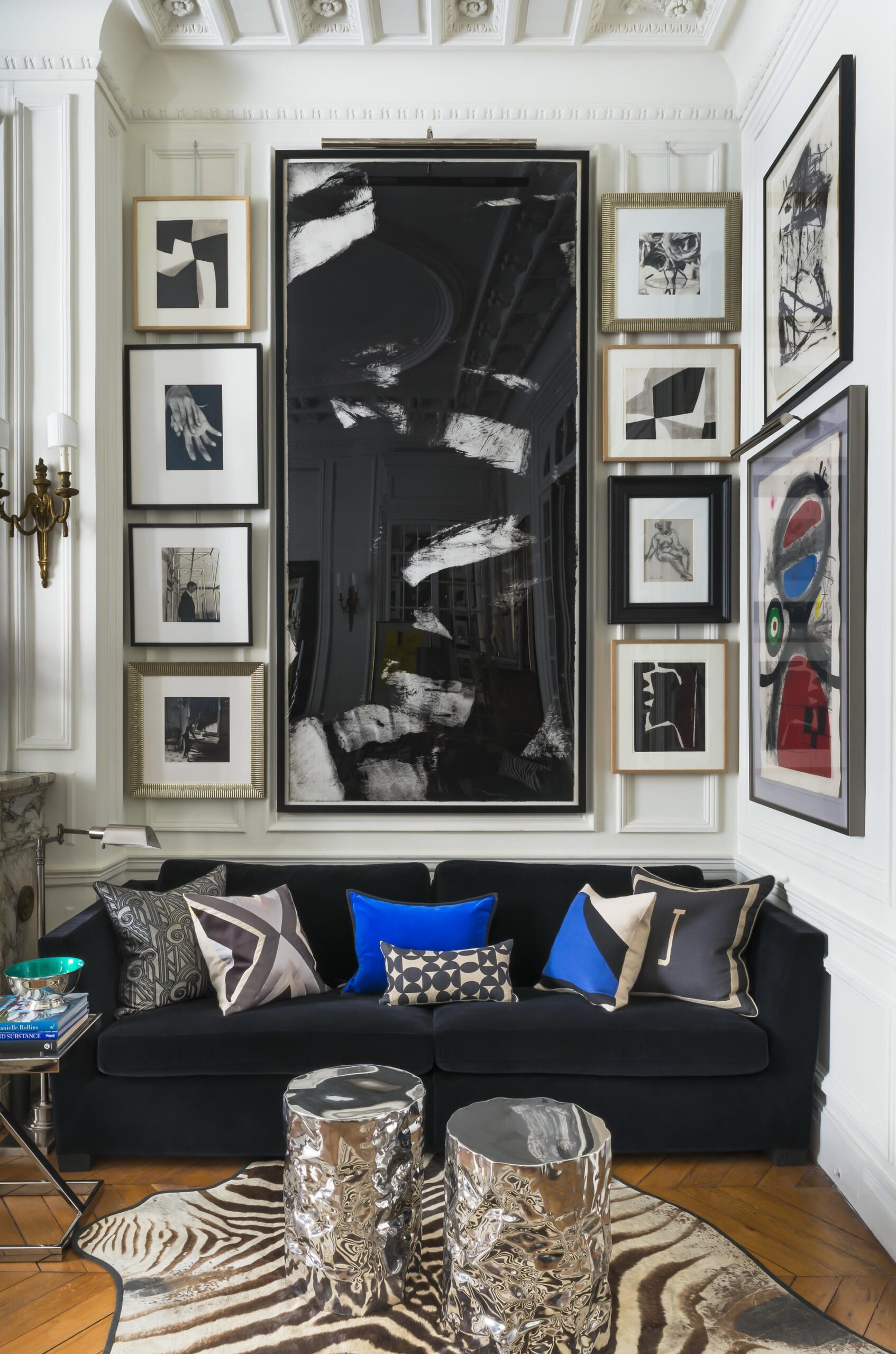
The decorative layers develop gradually as art, antiques, lighting, and collected objects begin to find their place.
I also like to leave room for discovery.
Some of my favorite pieces have appeared unexpectedly during a late-night online search, a Sunday morning at the Paris flea market, an afternoon wandering the shops on Rue du Bac, or while exploring the antique stores between 24th and 27th Streets in Chelsea, New York. Those discoveries often become the pieces that give a home its personality because they were never part of the original plan.

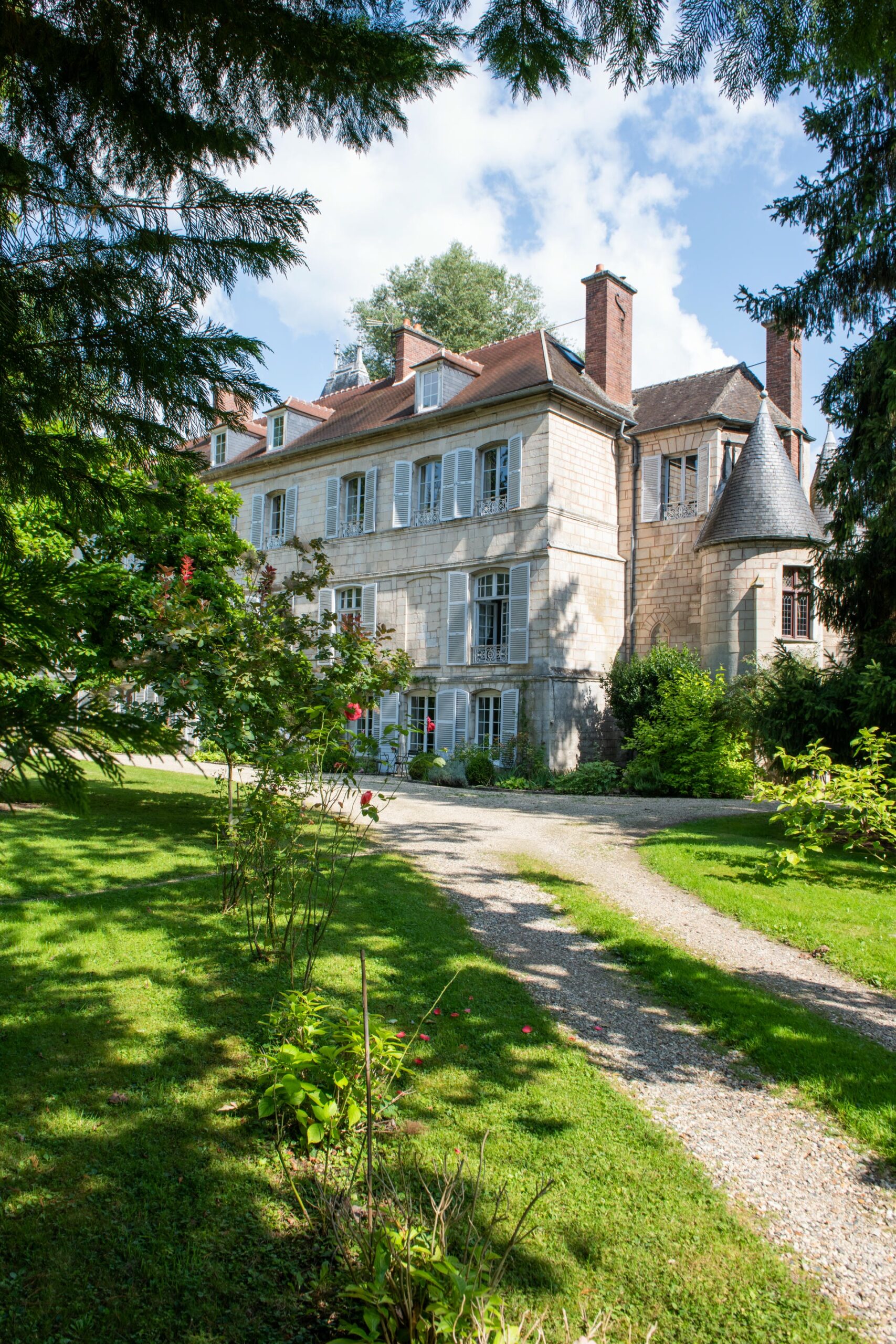
Château de Saintines

Avenue Marceau
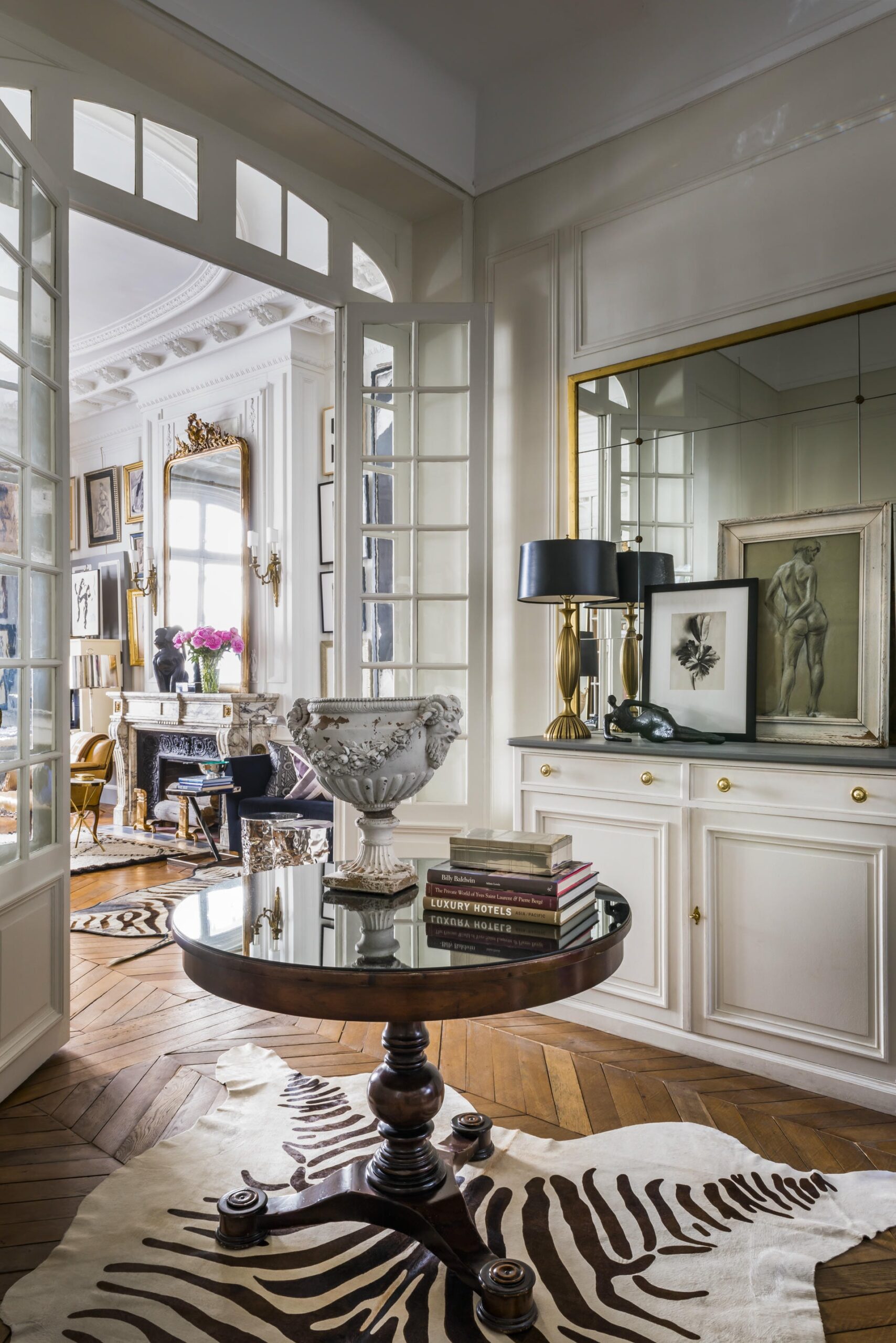
One of the hardest lessons has been learning that not every good idea belongs in a room. I love beautiful things, so editing does not always come naturally. Earlier in my career, I sometimes thought one more beautiful piece would make a room more interesting. Over time, I came to appreciate how a little restraint can give the most important pieces room to breathe.
I’ve also learned not to force a room into becoming something it doesn’t naturally want to be. The architecture usually gives you clues. I simply try to remain open enough to notice them.
I’m always a little hesitant to define my work as a particular style because I want every project to respond to its architecture, its location, and the people who call it home.
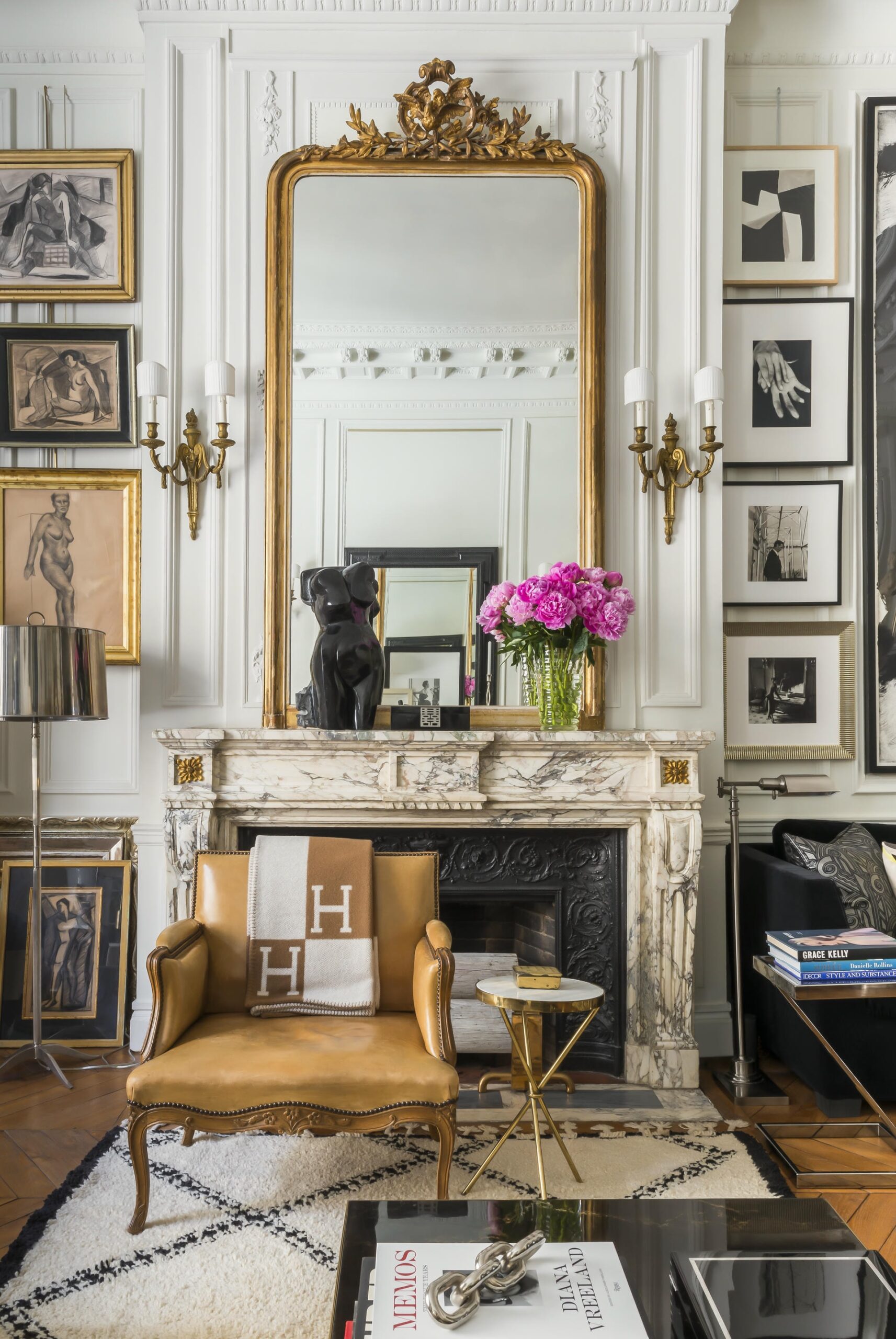
That said, I’m drawn to interiors that feel timeless, collected, and comfortable. I love mixing periods, combining antiques with contemporary pieces, and placing objects of great pedigree beside things discovered simply because they moved me and feel like they were intended to be together.
A thought I often return to is that a beautiful room should feel assembled over time, even when it has been carefully considered from the start.
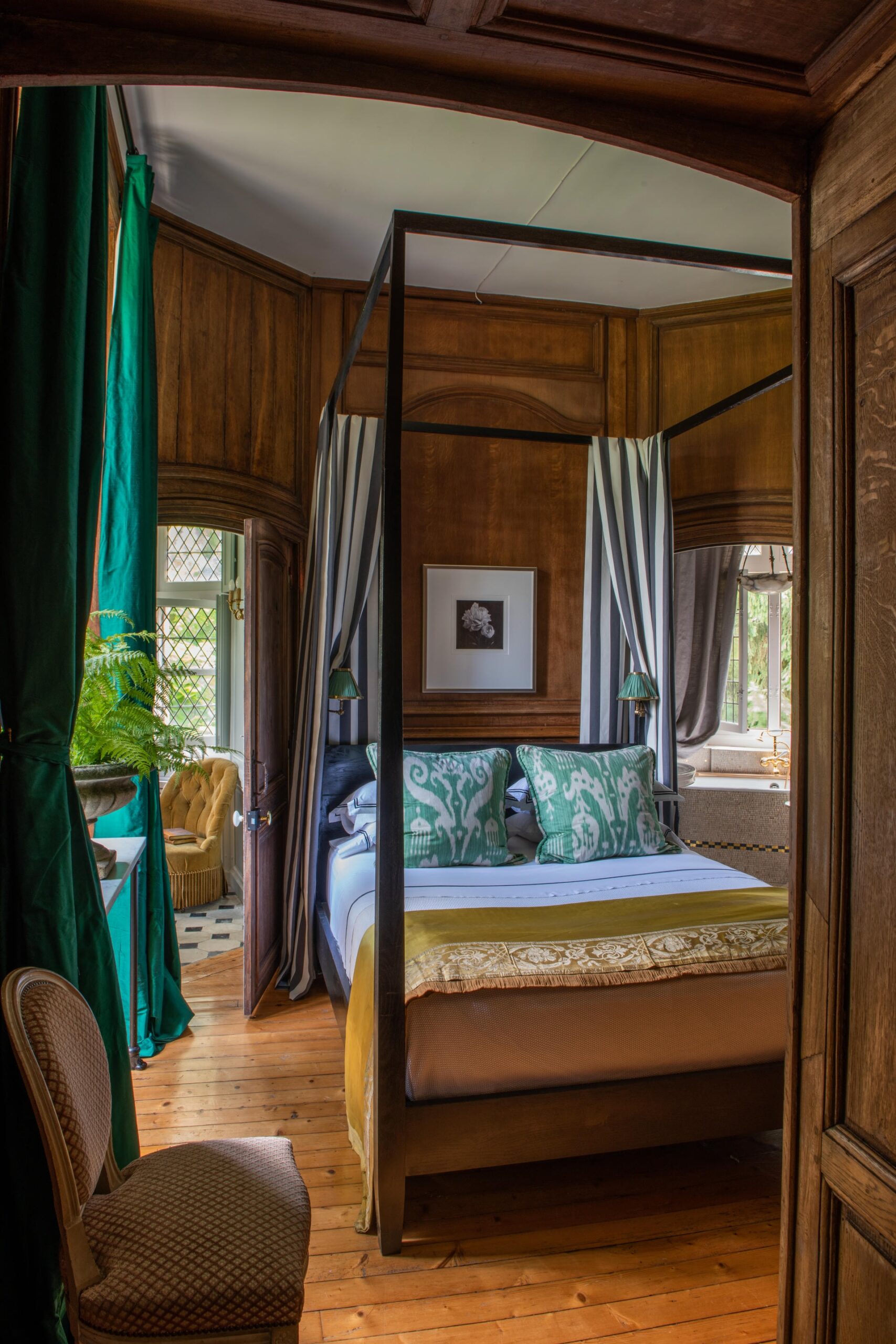
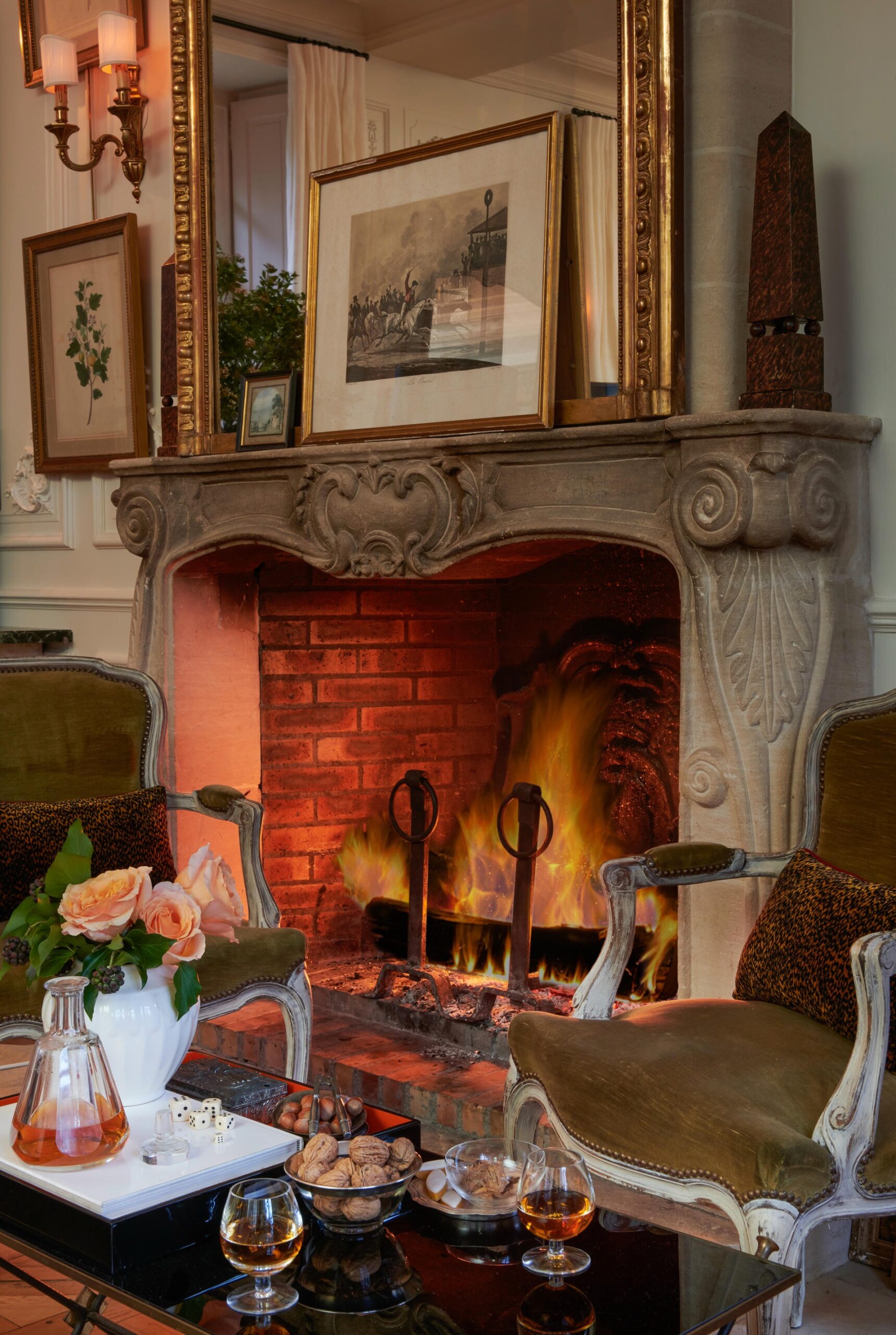
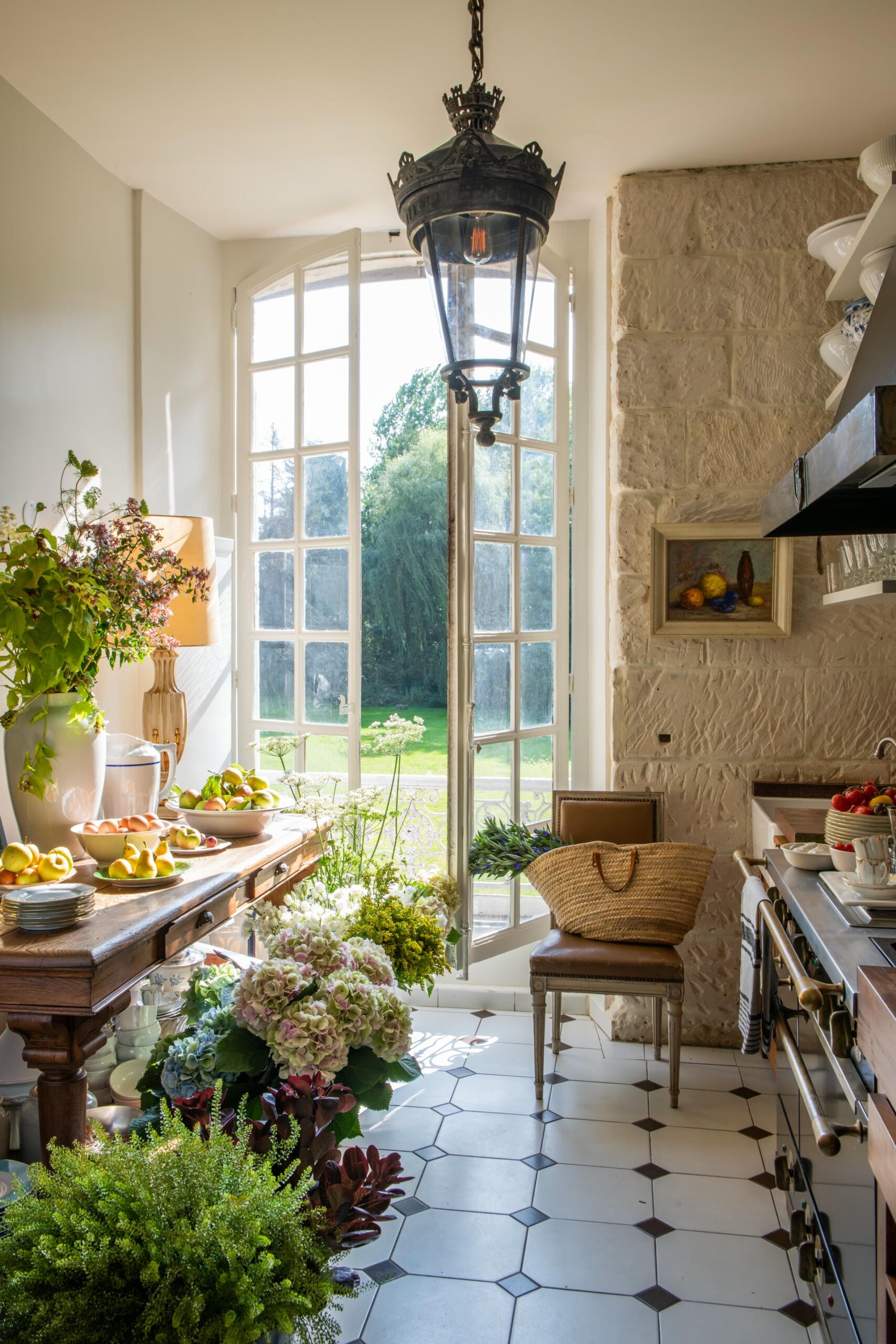
Château de Saintines is one of the projects closest to my heart.
The apartment is in a centuries-old manor house on the grounds of a 16th-century château about an hour north of Paris.
From the moment I walked up the driveway and saw the towers and classical harmony of the buildings, I was swept away. The apartment has beautiful symmetry, parquet floors, and an enfilade in which one room leads gracefully into the next.
My intention was to create a home that felt comfortable and personal, but also connected to the countryside and the French way of life. I found many of the antiques, paintings, mirrors, and lighting in nearby villages. Through those discoveries, I developed friendships with local antiquaires, upholsterers, gilders, and craftspeople.
The home became much more than a design project. It became a way of discovering the region, building friendships, and gradually becoming part of its community. Many of those friendships continue today, and they remain one of the most meaningful parts of the experience.
The best advice I received was that you don’t need to have every answer at the beginning of a project. What matters is having a clear vision and surrounding yourself with talented people who can help bring it to life.
I’ve often thought of an interior designer much like a film director. You’re bringing together craftspeople, artisans, architects, lighting specialists, upholsterers, painters, and installers, each with their own expertise. Watching those individual talents come together to create something larger than any one person could accomplish is deeply rewarding.
Be curious.
Curiosity has also guided nearly every meaningful chapter of my career. It has led me into unfamiliar shops, conversations with craftspeople, new cities, and opportunities I never could have planned. I try to stay open, ask questions, and remain willing to be surprised.
Pay attention.
A beautifully set table at a neighborhood bistro, the way a linen curtain softly puddles onto a worn wood floor, an unexpected color combination in a simple bouquet of flowers—those moments often find their way into your work months or even years later.
I’m often asked, especially by young designers, how to get work published. One of the best investments you can make is documenting your projects beautifully. Look for a photographer whose work you admire, someone who understands natural light but also knows how to shape it when the sky turns gray. Stay with that photographer if you can. Over time, you develop a rhythm and a shared point of view. They begin to understand what catches your eye, and the consistency gives your portfolio a visual language that becomes part of your identity.
Most of all, be patient with yourself. A career develops one relationship, one room, and one lesson at a time.

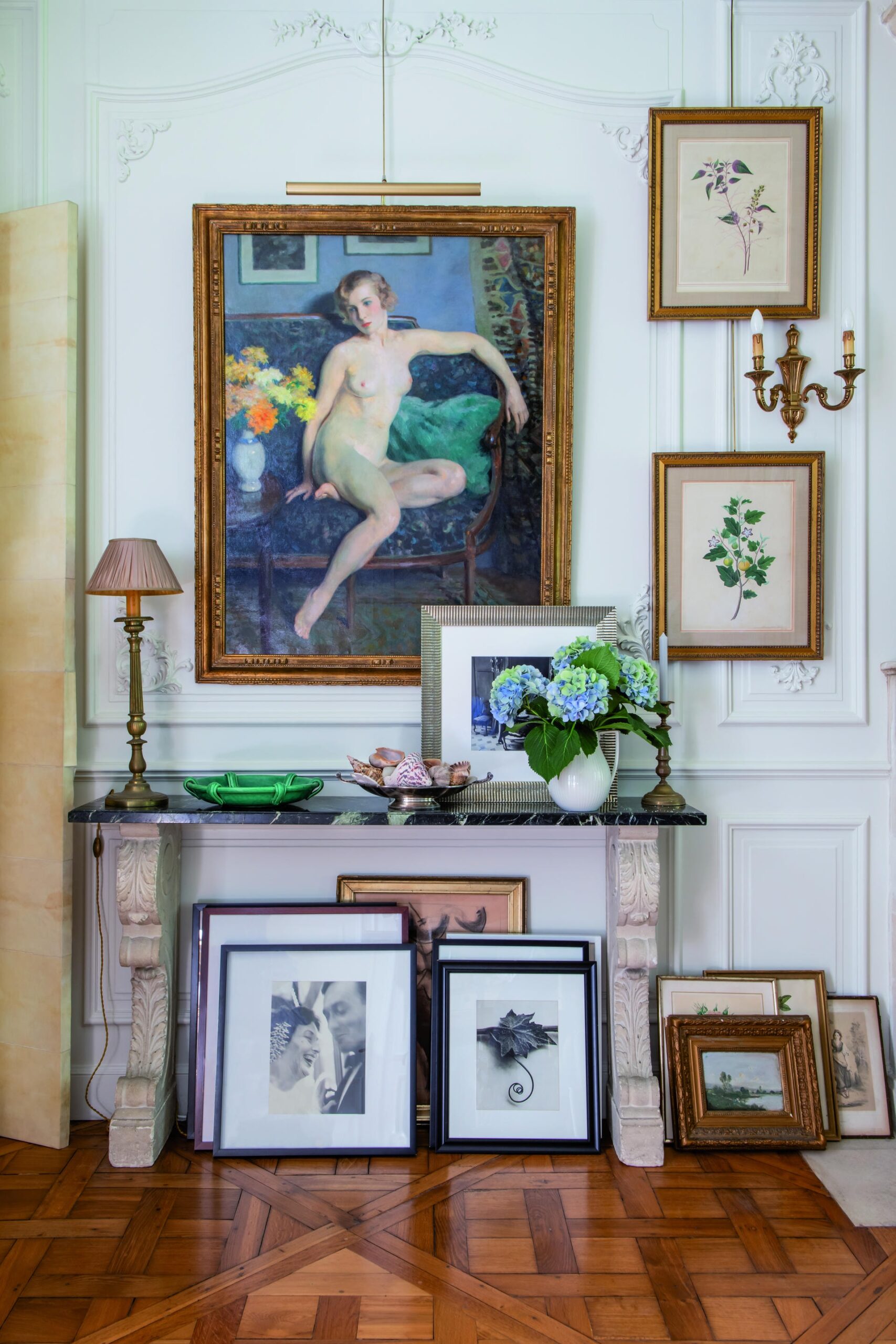
Avenue Marceau bar vignette
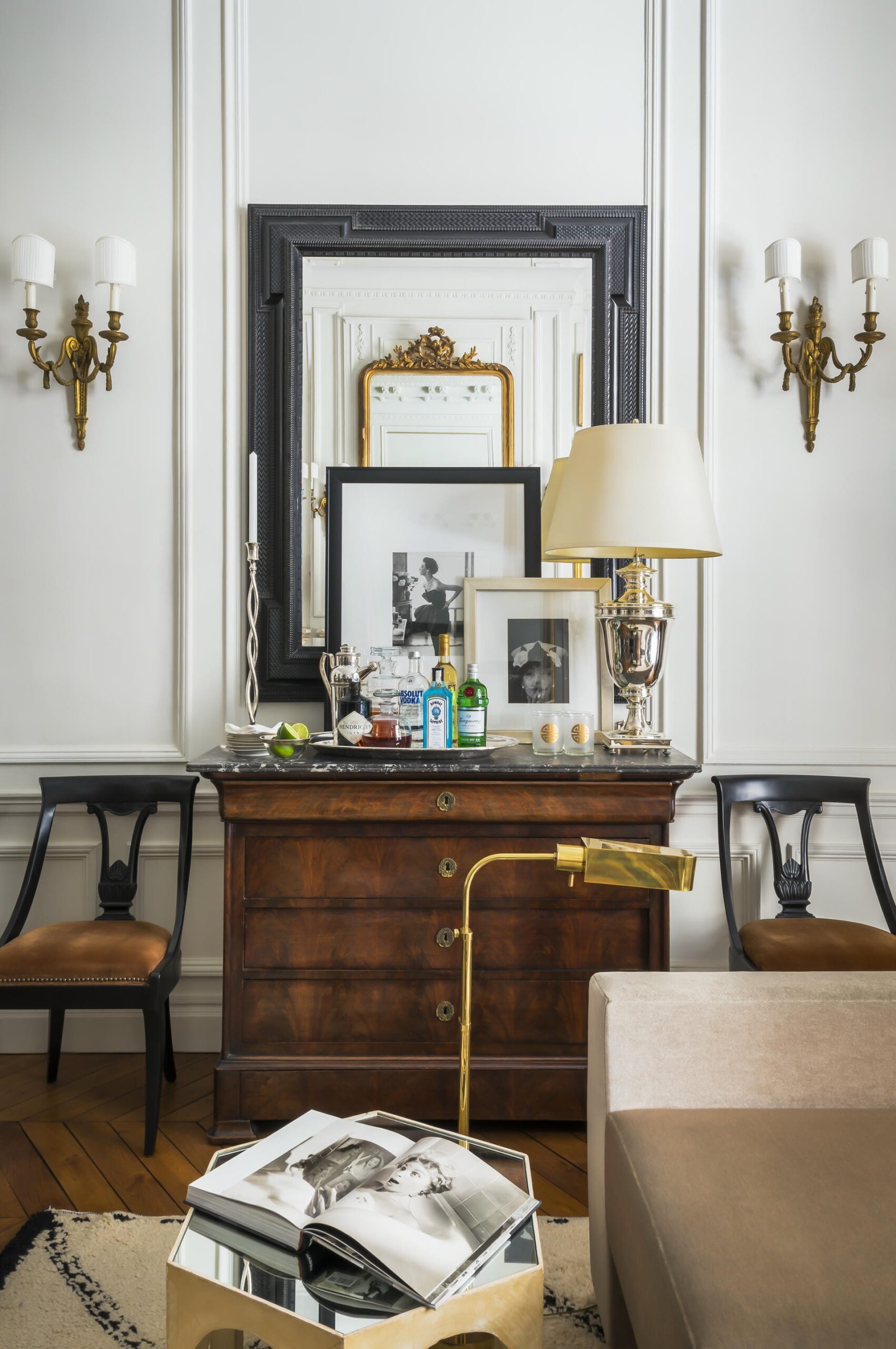
One of my favorite design ideas is giving furniture more than one purpose.
In my Avenue Marceau apartment, an early 19th-century marble-top chest of drawers serves as a gracious bar when friends come over. Flanked by two side chairs, it also becomes extra seating during larger dinners. I first noticed a similar arrangement years ago in a photograph of an old Hollywood Hills home, and the idea stayed with me. I’ve recreated it in several homes over the years because it feels both elegant and practical. It makes entertaining feel effortless.

Château de Saintines
I return again and again to books about the great decorators, collectors, and tastemakers of the past. I am inspired by books on Madeleine Castaing, Yves Saint Laurent and Pierre Bergé, and the interiors of Henri Samuel. I also love auction catalogues, particularly those devoted to remarkable personal collections. The catalogues from Christie’s sale of Hubert de Givenchy’s collection and Sotheby’s sales of the collections of the Duke and Duchess of Windsor are wonderful examples. They allow you to understand not only the individual objects, but also the eye and personality of the people who assembled them.
On a completely different note, I recently finished The Creative Act: A Way of Being by Rick Rubin. I found myself underlining nearly every chapter. It’s one of those rare books that gently changes your perspective on creativity and the many places inspiration can come from.
I also enjoy exploring books well beyond interior design. Art, architecture, gardens, travel, fashion, and biography all influence the way I see. Sometimes it’s nothing more than a beautiful color combination, an interesting seating arrangement, or a passing detail that stays with me.
I’m currently working on a mix of residential and commercial projects in the United States and Europe, including homes on Park Avenue in Miami, Montauk, and Paris, as well as the redesign of the lobby and common areas of a historic Fifth Avenue building in New York. Each has its own architectural character and presents a different creative challenge, which keeps the work endlessly interesting.
The greatest satisfaction comes from creating spaces that become more meaningful as people live in them.
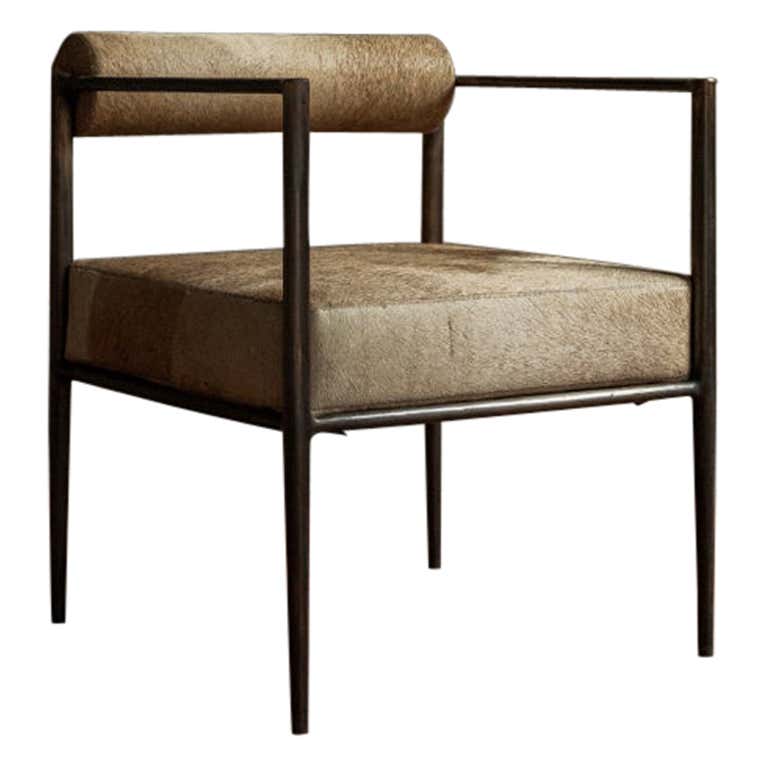
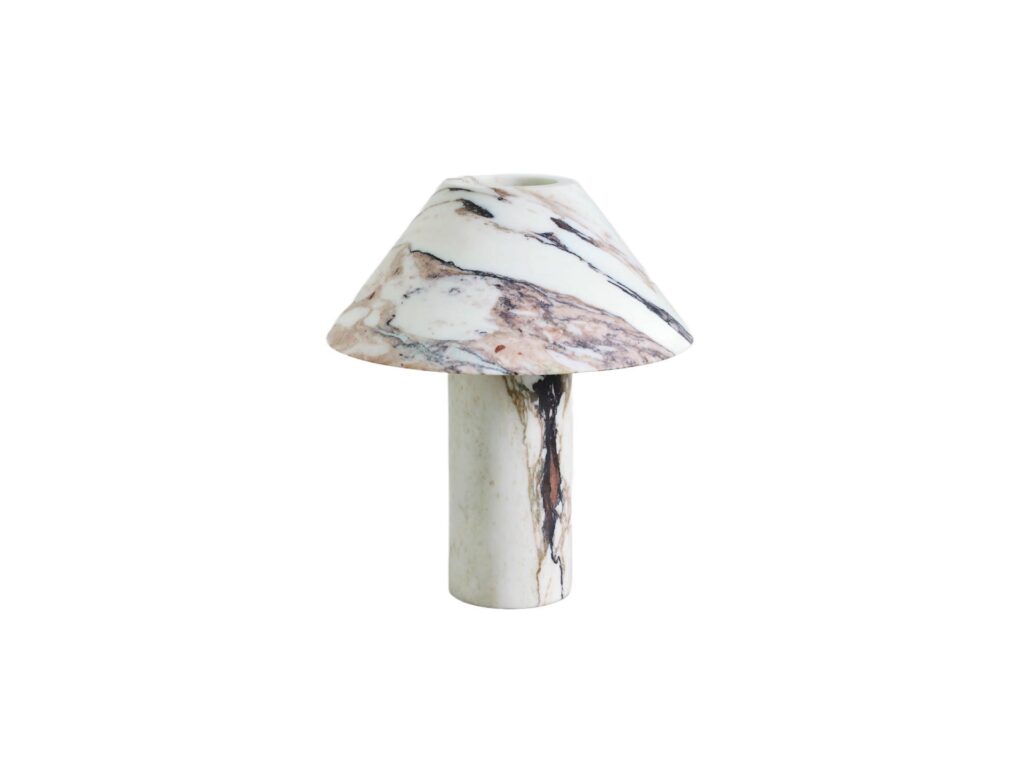
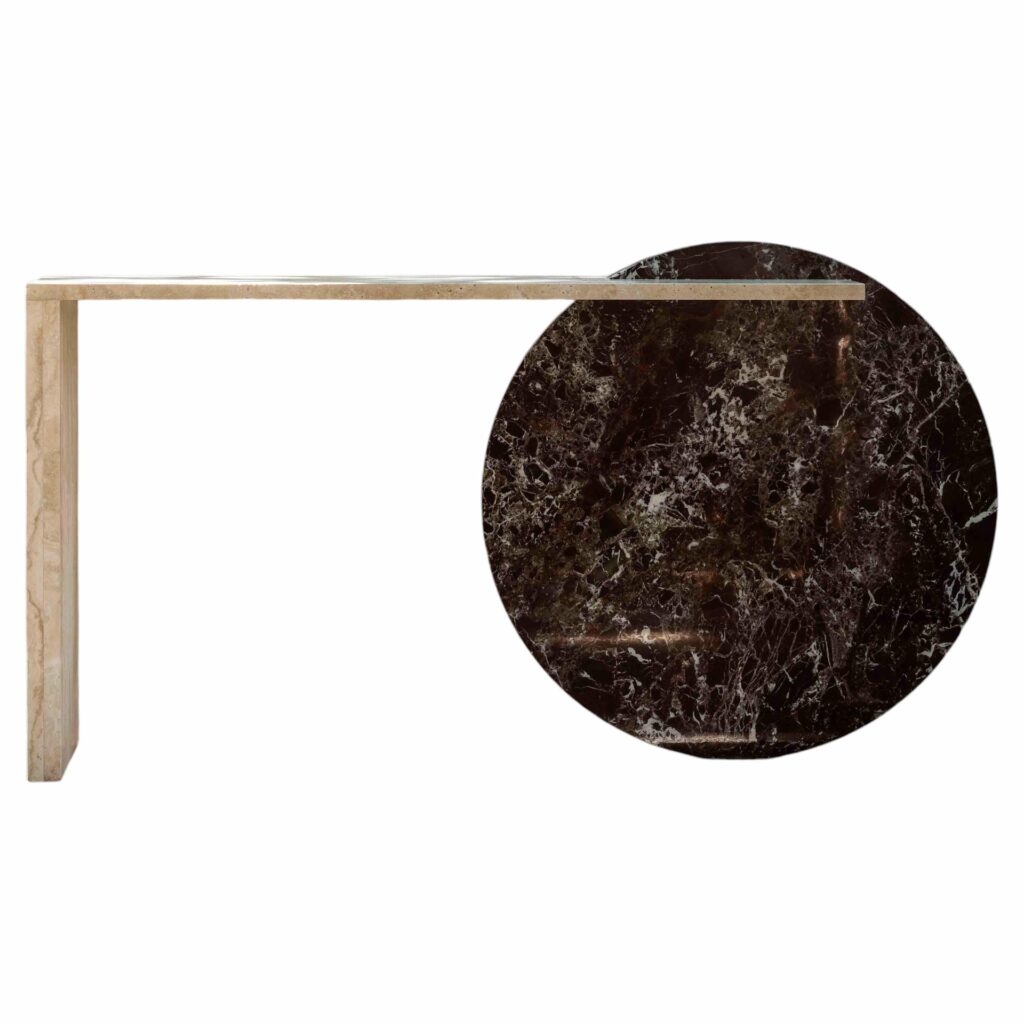
favorite pieces from the Philia Collection
I was drawn to pieces that have a sculptural presence while still feeling at home alongside antiques and furnishings from other periods.
Thank you so much David, for this lovely interview!
Share article :