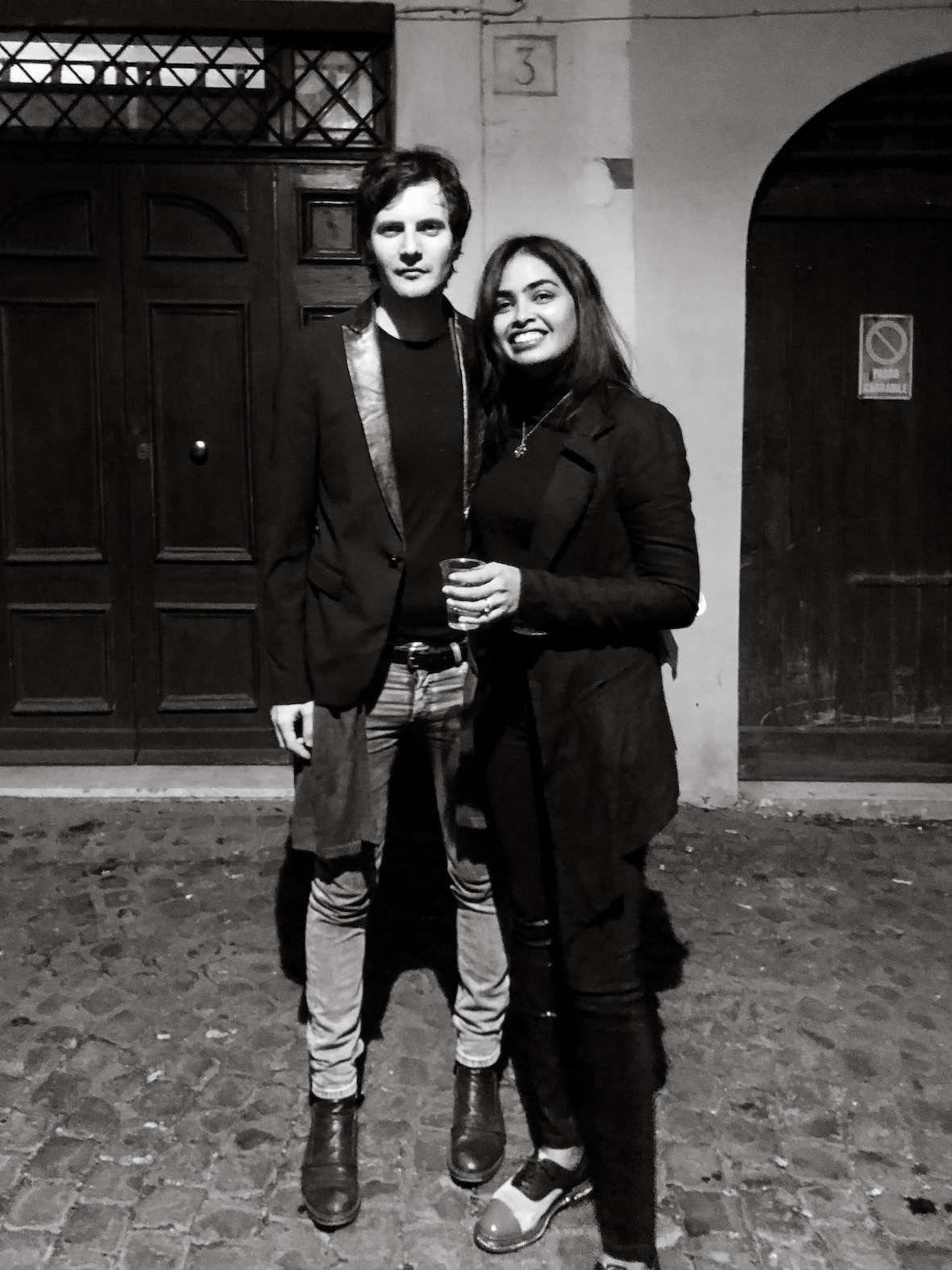
Huma Sulaiman
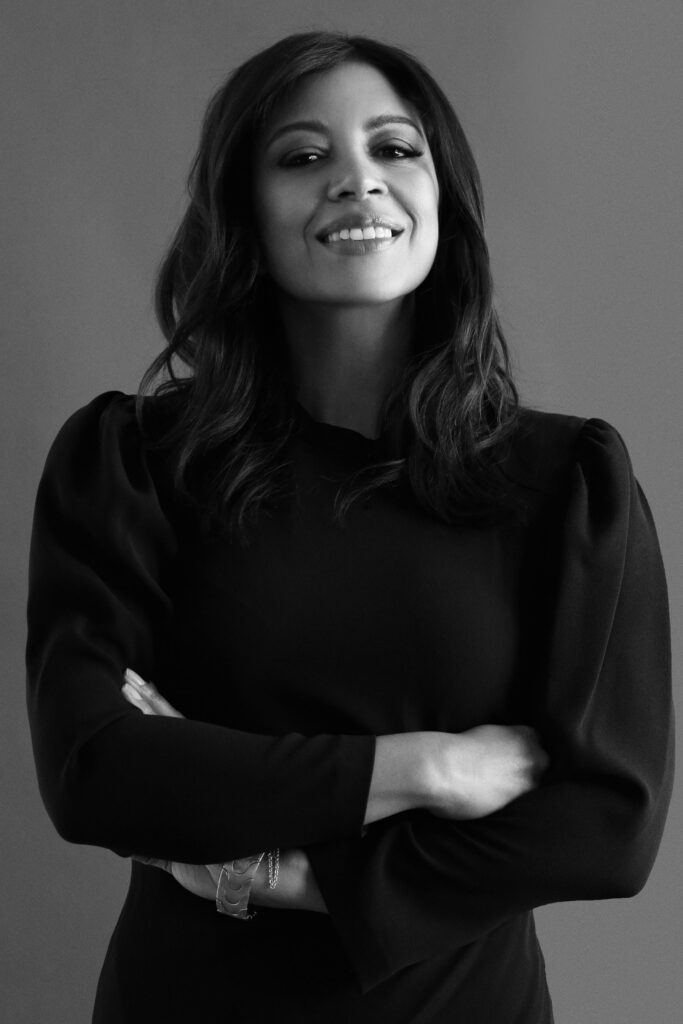
Huma Sulaiman is a Bangladeshi-American interior and product designer, curator, and founder of Huma Sulaiman Design, an award-winning studio specializing in interior architecture and design. Born in Dhaka, Bangladesh, to a diplomatic family, she grew up across multiple continents, developing an early appreciation for different cultures, histories, and architectural traditions. Originally trained as a software engineer, she transitioned into design after being invited to work on a project for a leading hotel chain. Today, her studio operates from Laguna Beach and West Hollywood, California, undertaking residential and commercial projects across the United States and internationally.
Her approach to design is shaped by a lifelong fascination with global decorative arts, craftsmanship, and the relationship between culture and space. Drawing on her extensive travels and multicultural upbringing, she brings together diverse artistic influences to create interiors that reflect a strong sense of identity and place. Expanding her practice beyond interior design, she recently launched Thús Huma, a decorative arts gallery in Los Angeles dedicated to celebrating artisanal craftsmanship and exploring the intersection of art, design, and cultural heritage.
“Design is the art of bringing together architecture, material, craftsmanship, and memory to create a place that feels uniquely your own.”
INTERVIEW

© Jenna Peffley
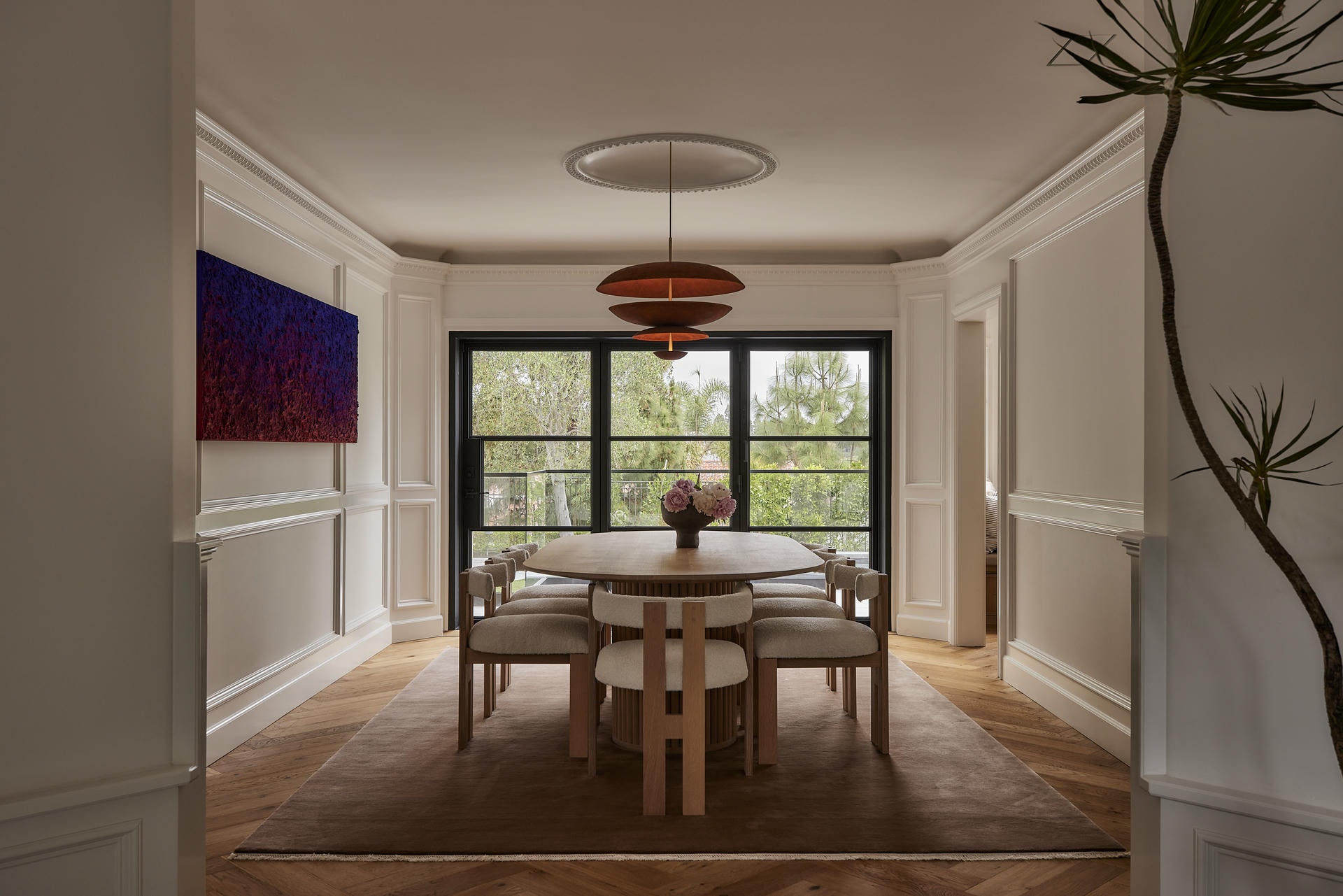
My journey into interior design was an organic one—almost as though design found me rather than the other way around. I was born in Dhaka, Bangladesh. My father was a diplomat; we were raised between Bangladesh our home base and Europe before moving to the United States as an adult. Growing up, whenever my father was stationed in Dhaka, we lived within the residential section of Louis Kahn’s monumental parliamentary complex, where architecture and design quietly shaped my worldview from an early age.
My father was an avid student of art history, and our dinner table conversations revolved around art, history, politics, and culture. Those conversations instilled in me a deep appreciation for the richness of different civilizations, the stories embedded in objects and architecture, and the way design reflects the identity and history of a place. Combined with the experience of living across cultures, they nurtured a lifelong curiosity about craftsmanship, architecture, and the narratives that define a space.
Although creativity was always woven into my life, I initially pursued a career in software engineering. The turning point came unexpectedly in 2011, when a friend visited my home—which, unknowingly, had become my first design portfolio. They saw something special in the way I had curated the space and introduced me to a leading hotel chain looking for a designer. That single opportunity changed the course of my life. It felt less like changing careers and more like finally embracing what had always been my true calling. From that moment, my design studio was born.
My home being featured in Architectural Digest, very early in my career, was a defining moment for me. At the time, I was still finding my voice as a designer and building my studio, so having my work recognized by such an influential publication gave me an incredible sense of validation and confidence.
You have to learn the business. I came into design from a completely different career, so I had to learn along the way that being a designer and being a business owner require very different skills. You have to understand the financial side, contracts, negotiations, operations, team building, client relationships, and how to create systems that support your creative vision.
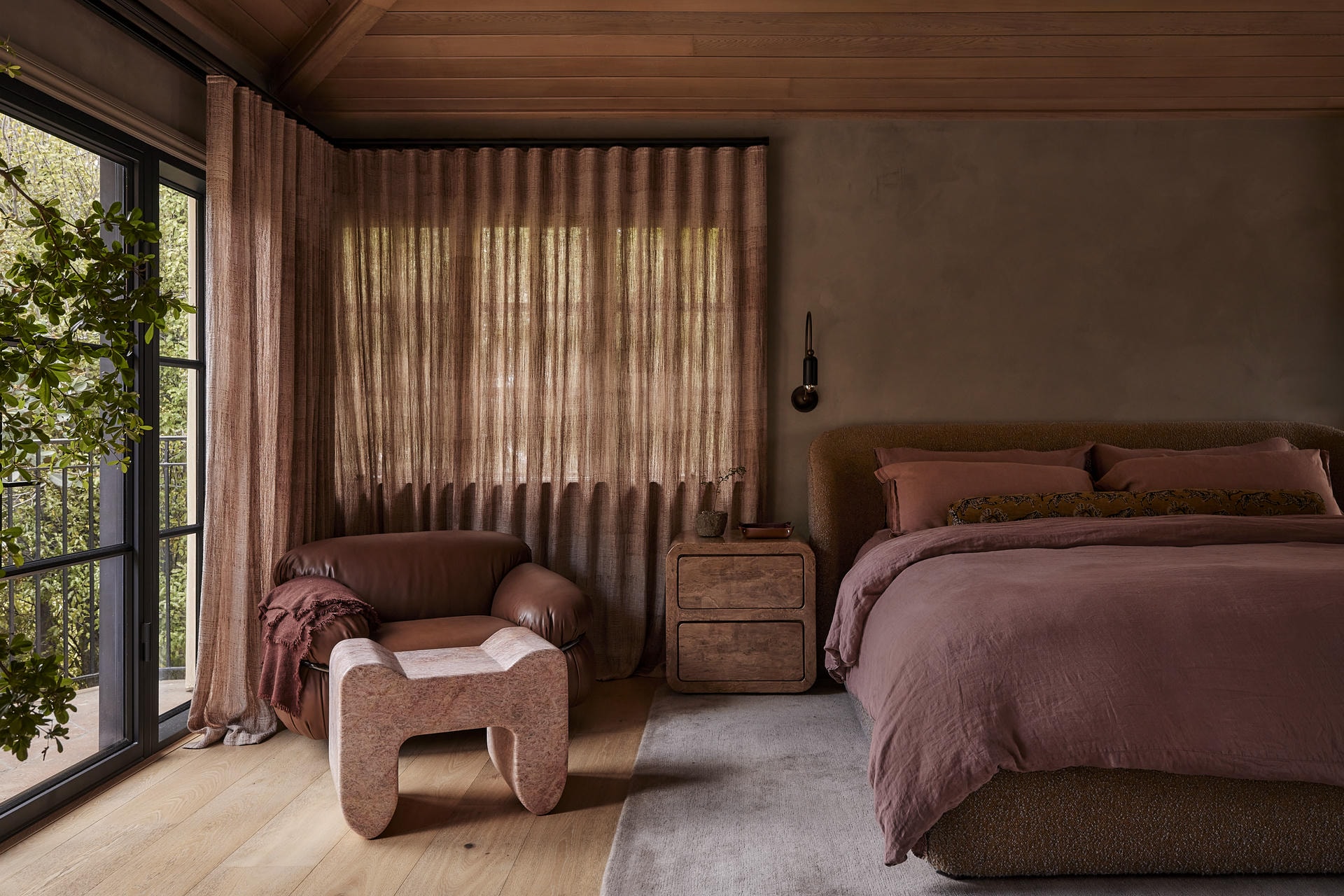
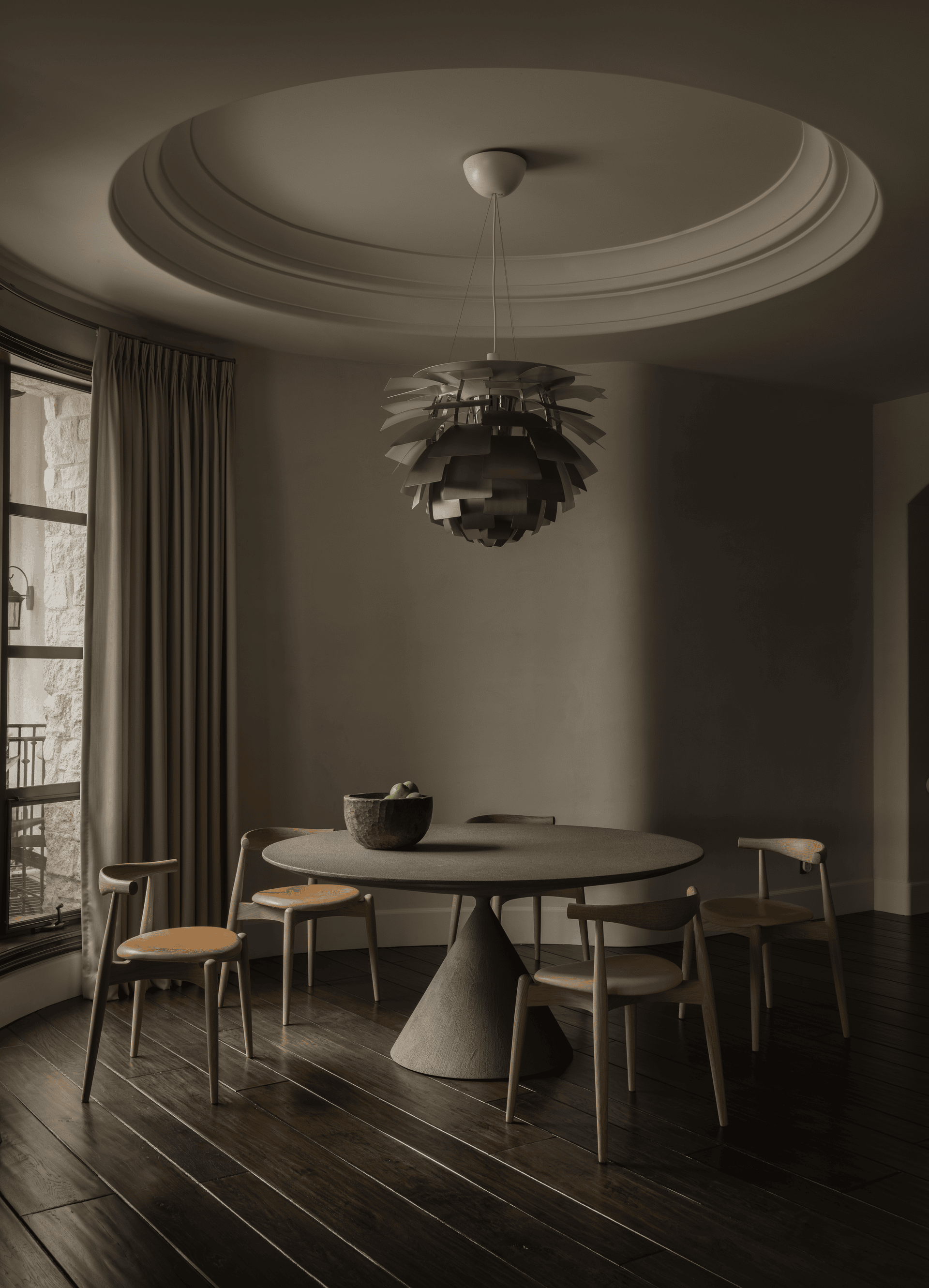
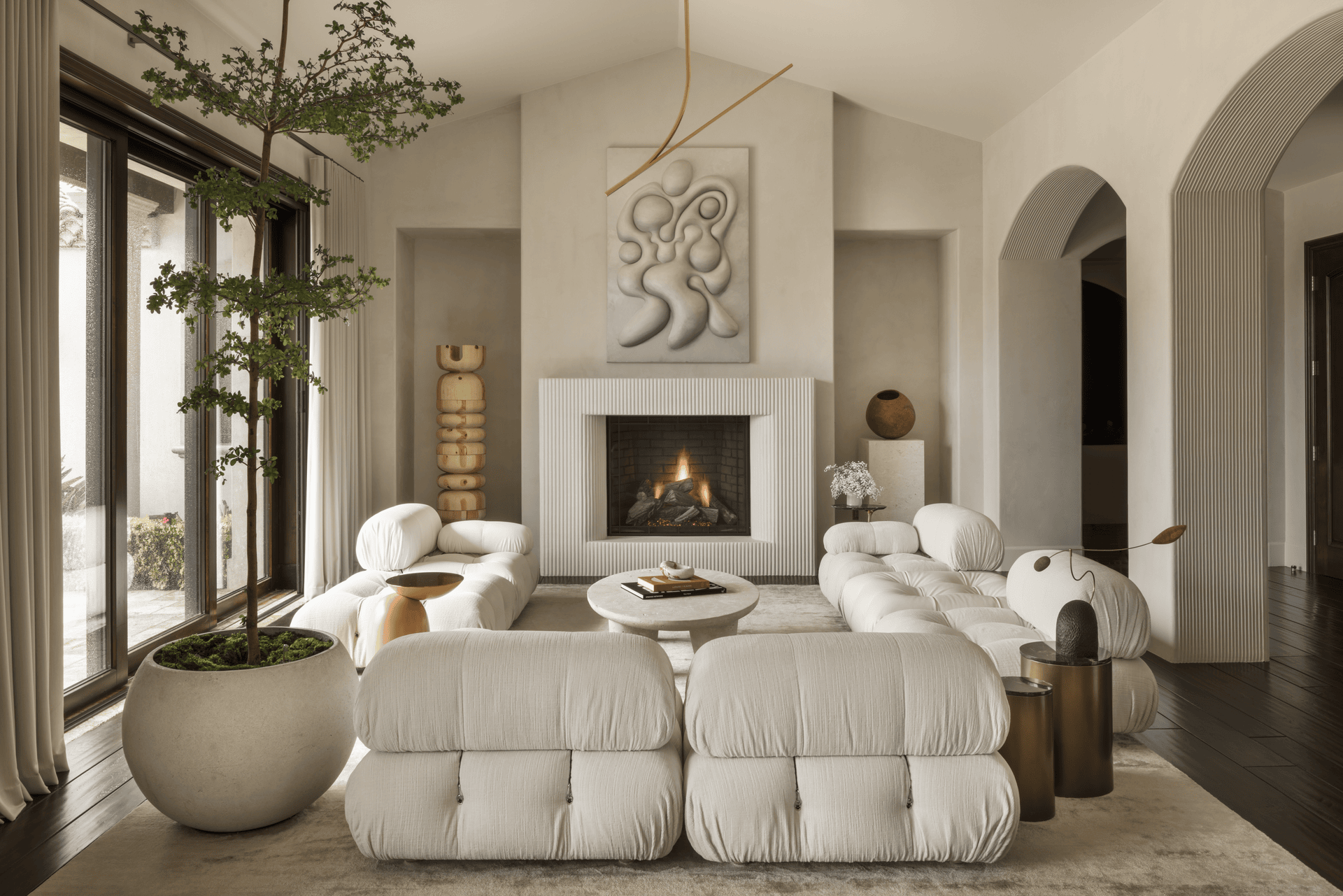
My aesthetic is quite versatile and global, shaped by the places I have lived, traveled, and experienced—from South Asia and the Middle East to Europe and beyond. I am more interested in how different influences can come together than in creating a space that fits neatly into a particular style category.
I am drawn to things that have character—beautiful materials, craftsmanship, objects with a story, and sometimes even things that are a little unexpected or imperfect. I like mixing periods, cultures, textures, and materials rather than having everything feel too coordinated.
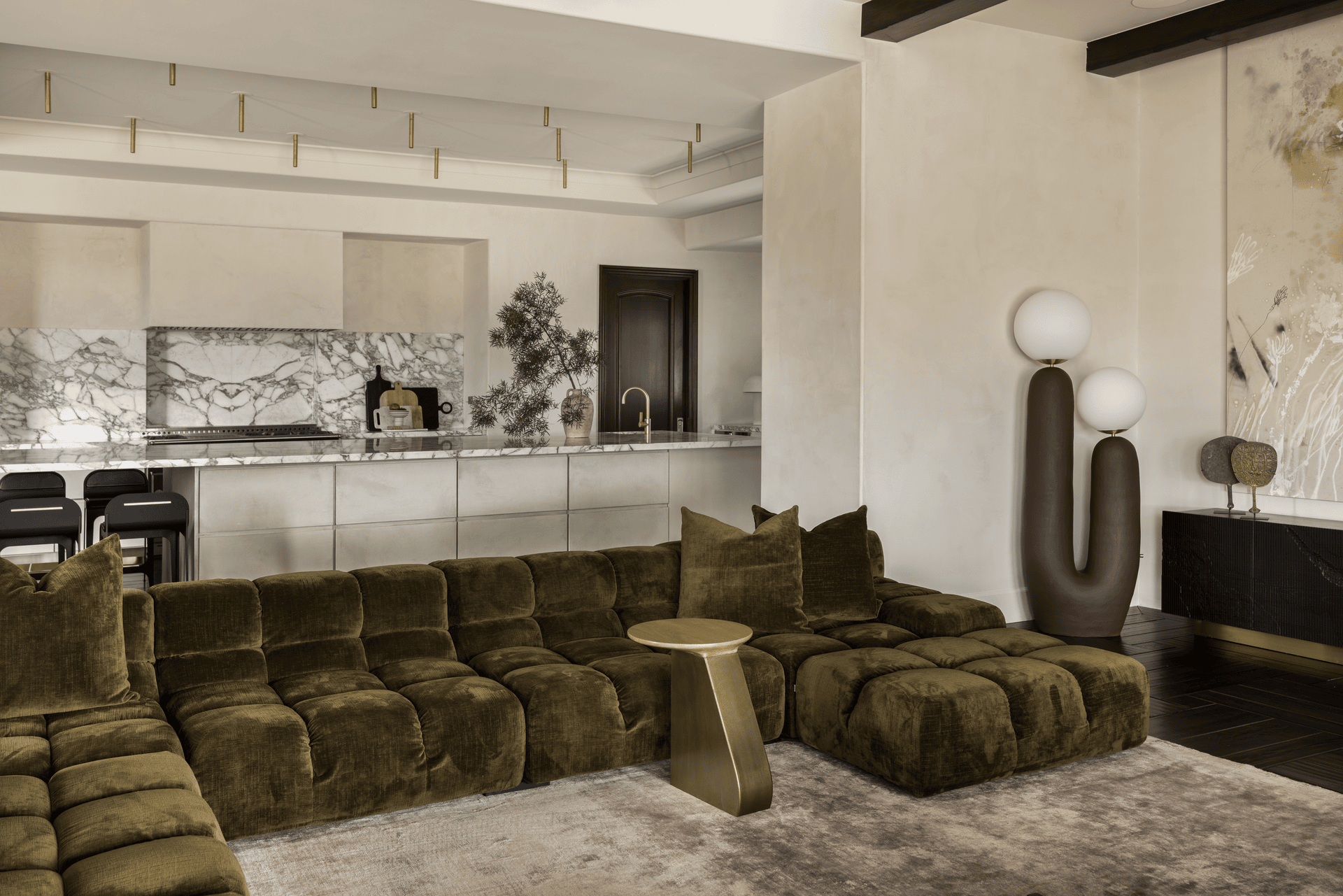
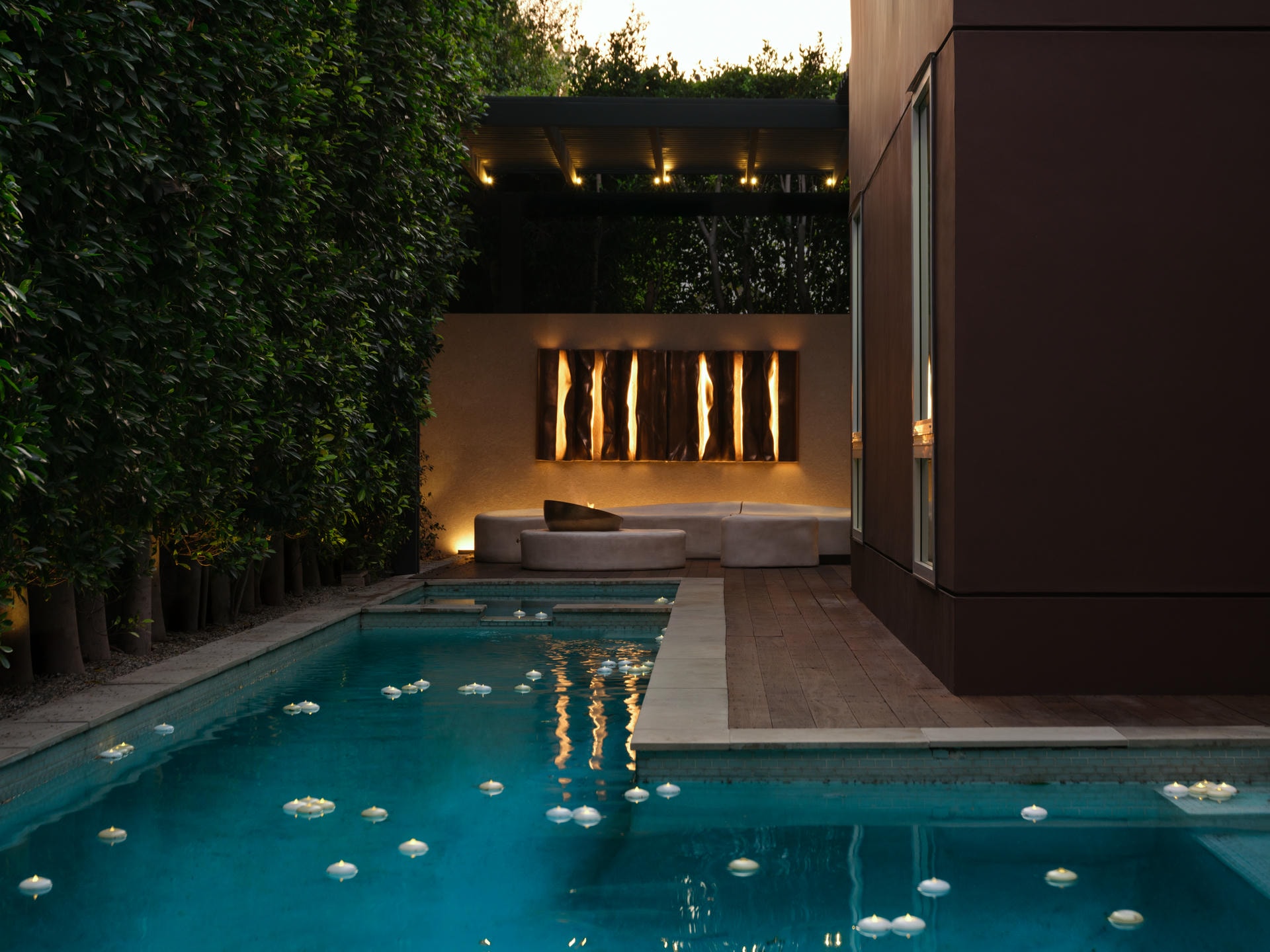
We always begin with the architecture. Before thinking about furniture, materials, or a particular aesthetic, we listen—to the architecture, to the history of the space, and most importantly, to our client. Understanding how they live, what they need, what they are drawn to aesthetically, and what they want the space to evoke becomes the foundation for the design.
Our process begins with a deep discovery phase that includes a conversation with the client, a site survey, and immersive research through imagery, materials, art, and objects. I don’t necessarily begin with a single keyword or trend. Instead, I look for the story and the emotional thread that can connect all of the elements.
I often think of myself as a composer. The architecture, materials, furniture, art, lighting, color, texture, and the client’s personal history are all individual notes. My role is to bring them together in a way that feels effortless and harmonious—creating contrast and tension where appropriate, but ultimately making everything feel as though it belongs together.
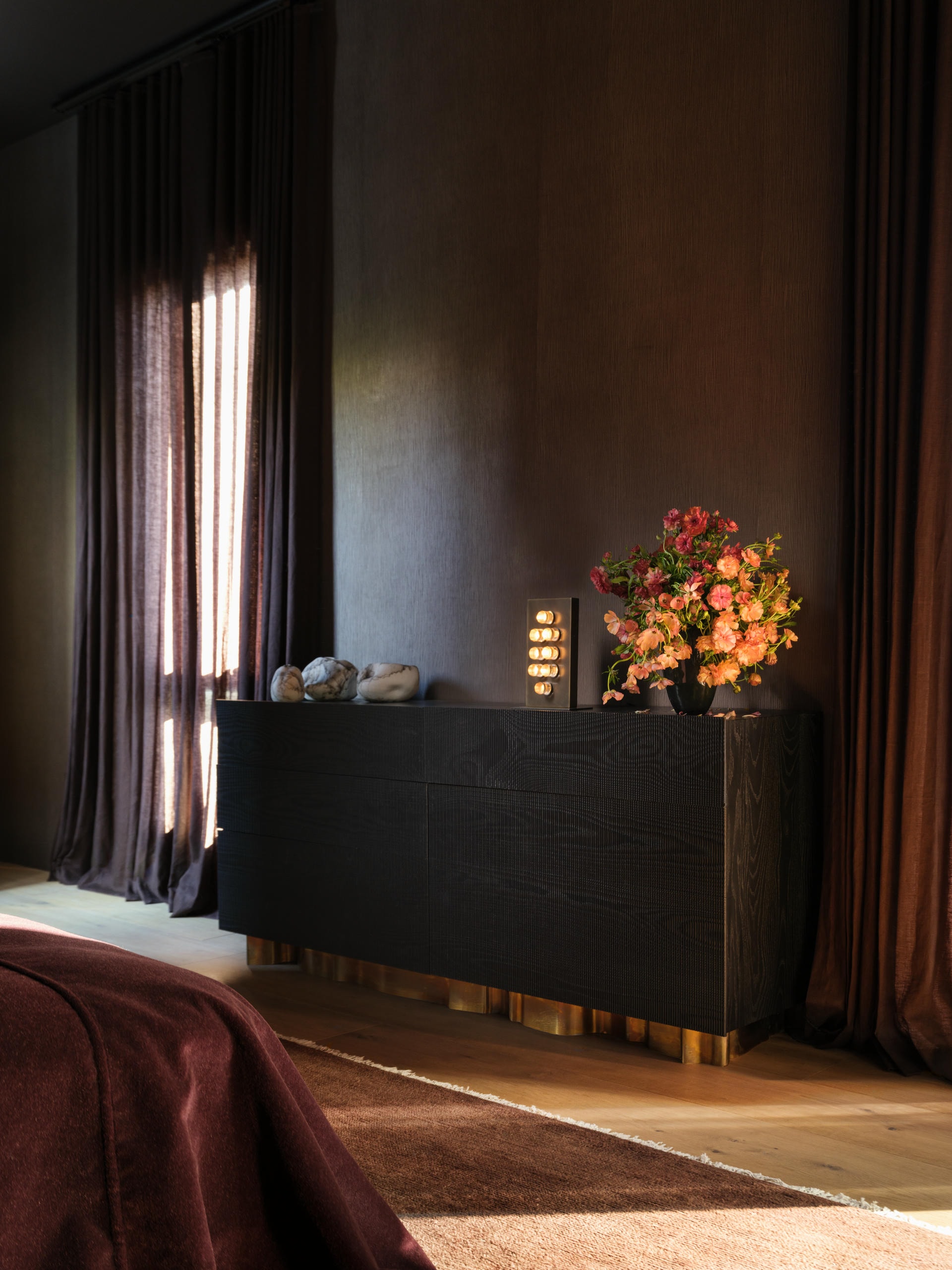
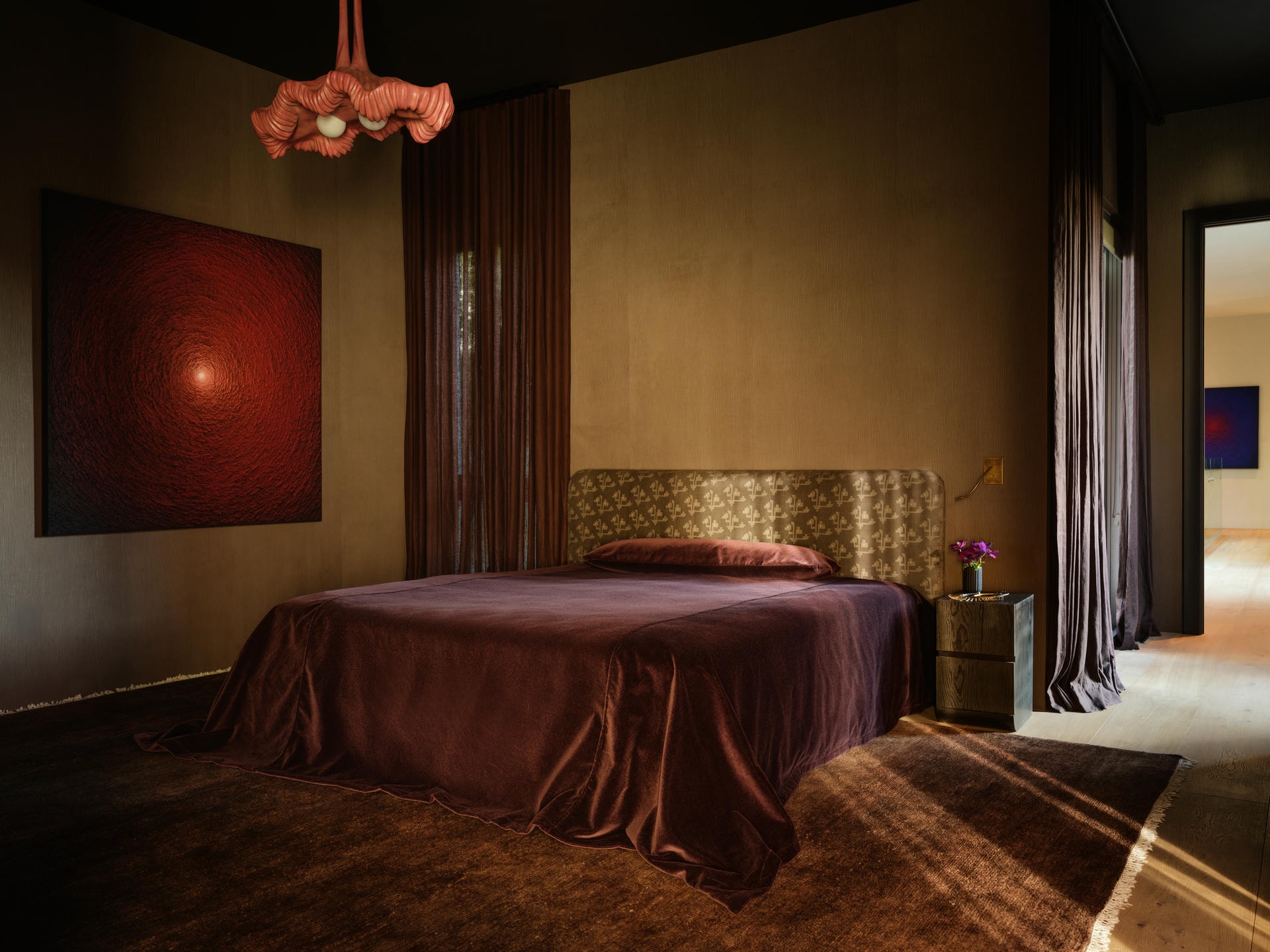
From there, the project evolves through design development, where we refine the vision through drawings, renderings, material palettes, and global sourcing. We are constantly editing and layering, balancing function with beauty and the unexpected with the familiar. The goal is never to create a space that simply looks beautiful; it is to create something that feels deeply personal, considered, and timeless—a space where every element has a reason for being there.
It is very hard to choose just one because every project has its own story and presents a different creative challenge. The ones that remain particularly special to me are the projects I get to return to—to visit with the family, attend their gatherings and parties, and see them creating memories in a place that we had the privilege of helping bring to life. There is something incredibly special about designing a home and then watching it become part of someone’s life. Knowing that a place we helped create has become the backdrop for their family’s celebrations, everyday moments, and memories makes these projects particularly close to my heart.
One of the hardest lessons for me has been learning to find a balance between work and life. I truly love what I do, and when you are passionate about your work, it can be very easy for it to become all-consuming. Design is not something I simply leave at the office—it is part of how I see the world, so I am constantly thinking about ideas, materials, spaces, and the next project.
Over time, I have learned that stepping away is just as important as being immersed in the work. Giving myself space to travel, spend time with family and friends, experience art and culture, and simply live allows me to return to my work with a fresh perspective and renewed creativity.
I am still learning that balance, but I have come to understand that life outside of design doesn’t take away from the work—it enriches it. The experiences, relationships, and memories we collect become part of our creative vocabulary and ultimately make us better designers.
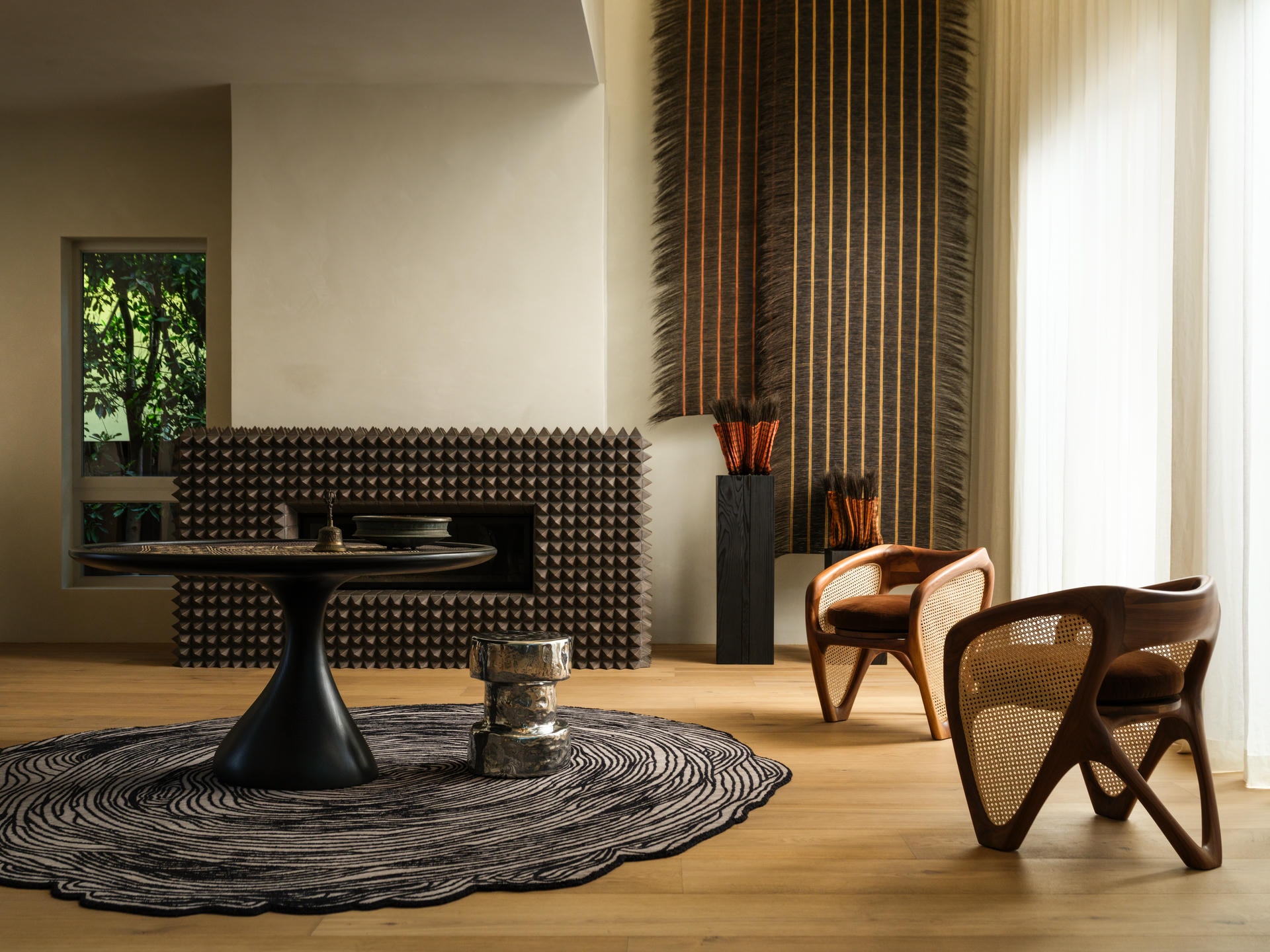
One of the best pieces of advice I have received is simple: learn as much as you can and never be afraid to ask for help. You don’t have to know everything, and you certainly don’t have to do everything yourself.
That has been especially meaningful in my own journey because I came into design from a completely different career. I had so much to learn, and I quickly realized that some of the greatest lessons come from surrounding yourself with people who know more than you do—whether they are architects, artisans, craftspeople, contractors, artists, or members of my own team.
I think there can be a tendency, especially when you are building something of your own, to feel that you have to carry everything yourself. I have learned that asking for help is not a weakness; it is actually a strength. It allows you to learn faster, collaborate better, and ultimately create something much greater than you could on your own.
My advice would be to be authentic and give yourself permission to find your own path. Spend as much time as you can gathering experience and learning from everyone around you. Be a sponge—observe, ask questions. I would also encourage young designers not to feel pressured to follow every trend. Trends come and go, but your point of view is what will ultimately define you. Design should reflect your curiosity, your experiences, and the things that matter to you.
Most importantly, remember that everyone’s journey is different. There is no single formula for becoming a successful designer. Follow what genuinely interests you, stay curious, and allow your own experiences to shape your voice. Sometimes the most unexpected path can lead you exactly where you are meant to be.
Unreasonable Hospitality by Will Guidara. At its heart, the book is about creating experiences that go beyond what is expected—understanding that the smallest, most thoughtful details can leave the most lasting impression. It teaches the importance of paying attention, anticipating people’s needs, and creating moments that make someone feel genuinely seen and cared for.
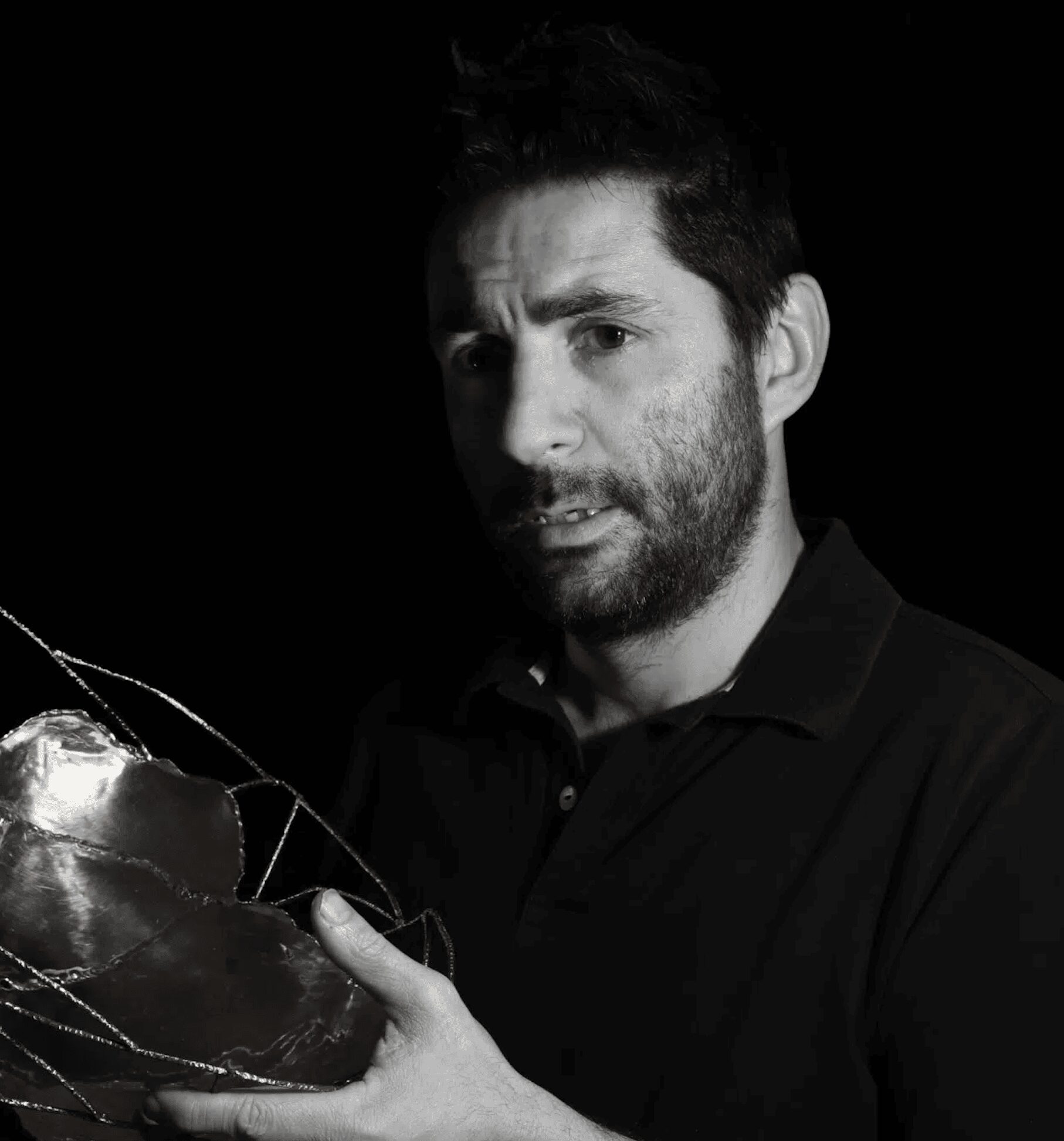
Don’t be afraid to experiment and bring craftsmanship into unexpected places.
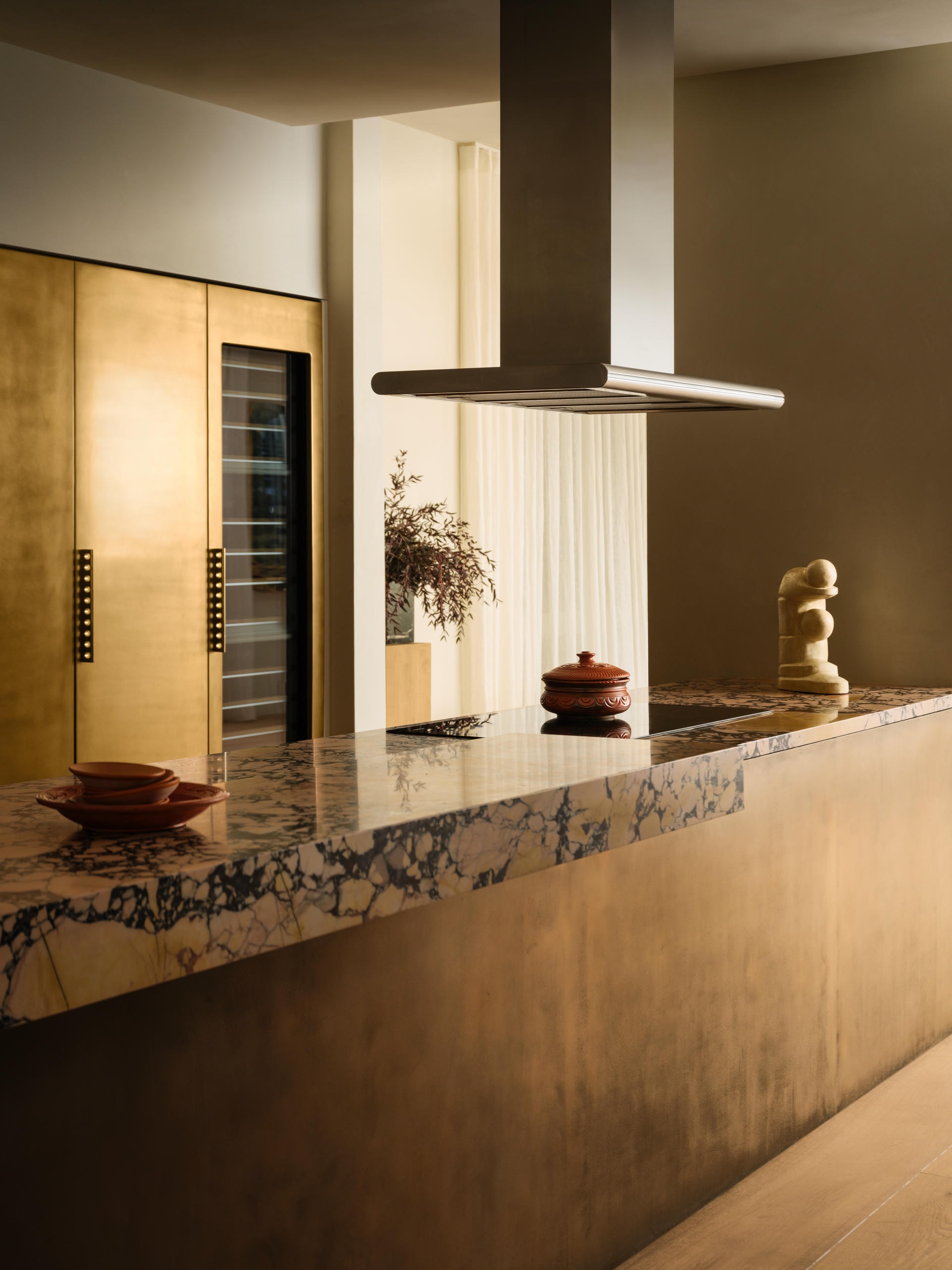
One of my favorite ways to create something truly distinctive is to look beyond conventional applications of materials and invite artists and craftspeople into spaces where you might not traditionally expect to find their work. A kitchen, for example, doesn’t have to be limited to standard cabinetry finishes.
In this project, we worked with an artist whose practice is traditionally focused on creating art and commissioned them to create the finish for the kitchen cabinetry. The result transformed something functional into something deeply artistic and unexpected.

Kitchen Finish by Artisan
We have several exciting projects underway, including projects in the Hamptons, Lido Island, and Utah, each with its own architectural language and creative direction. But I am especially excited about something that is very close to my heart—our recently completed experiential gallery, Thús Huma.
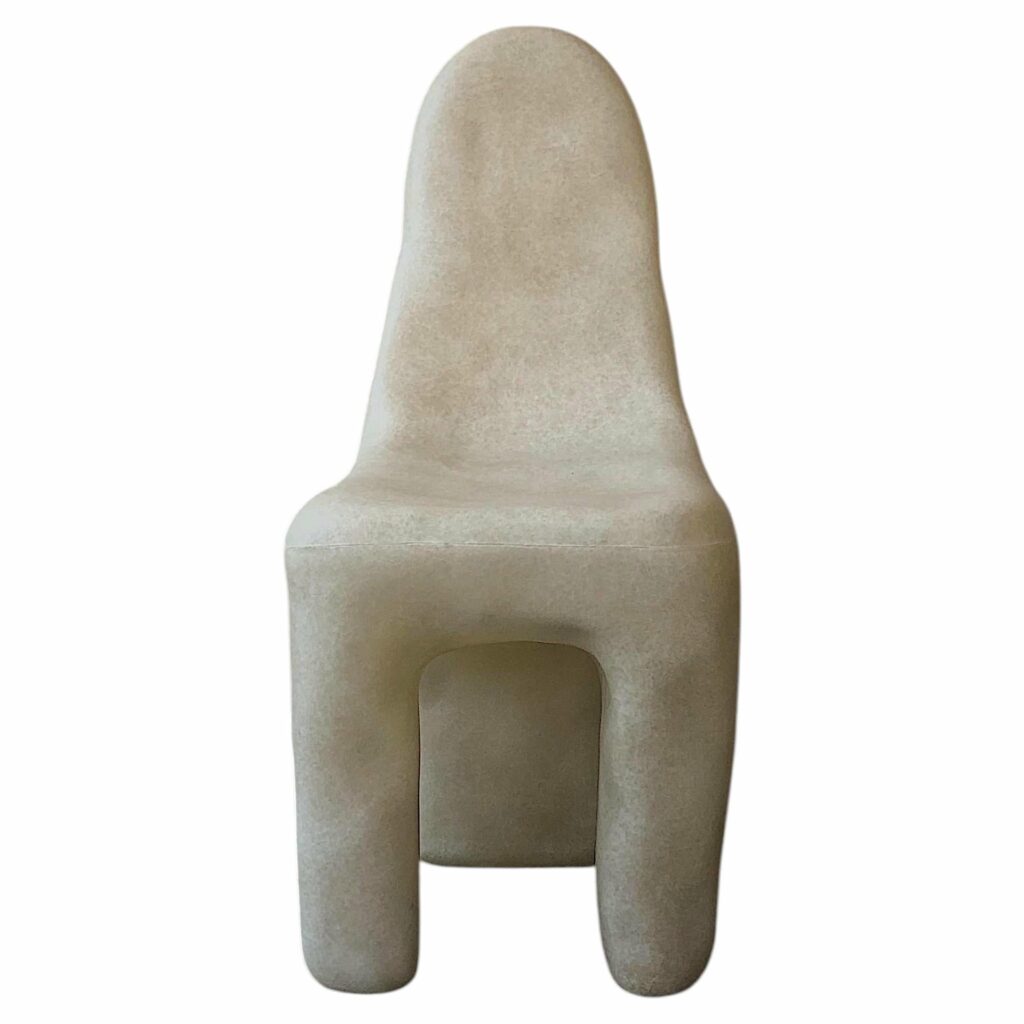
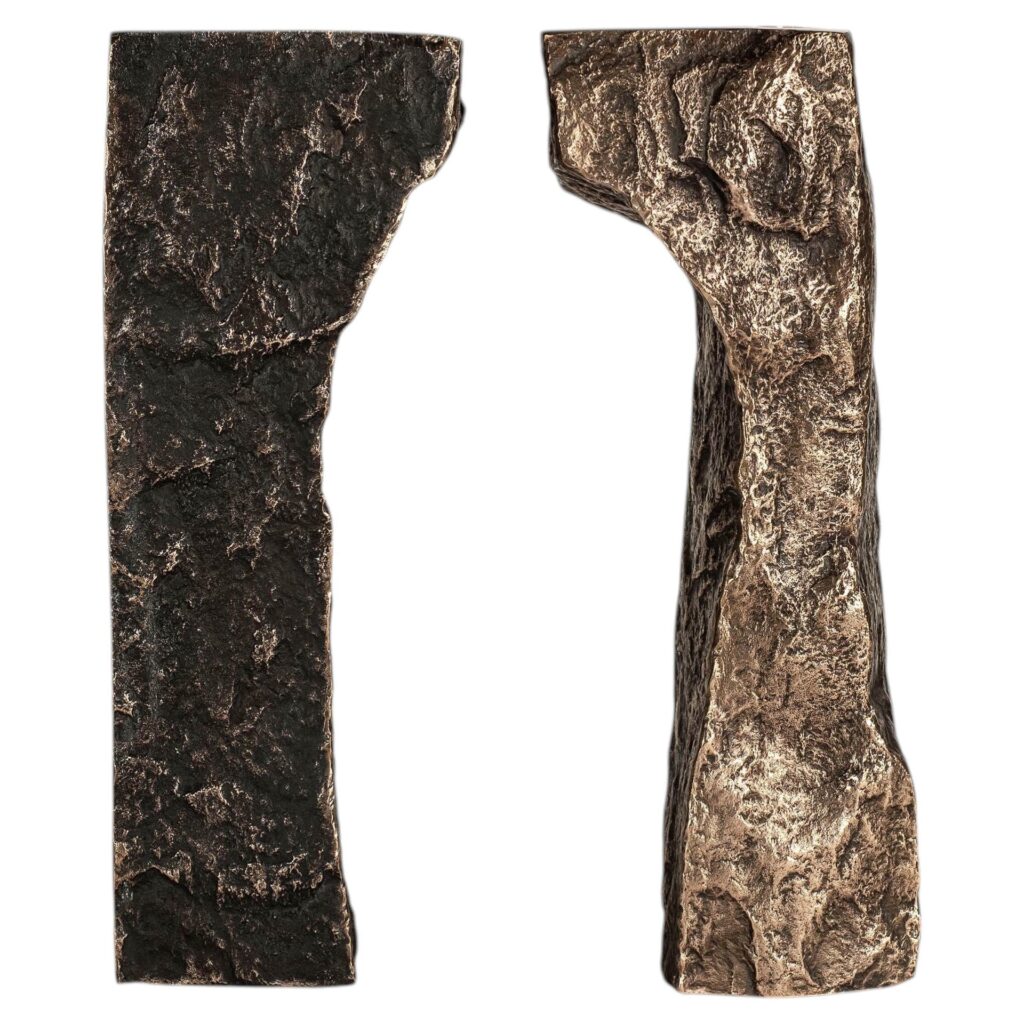
Thús Huma is a layered, thoughtfully curated space that brings together my own design work with exceptional pieces by global artists, artisans, and makers. It is an extension of how I see design—a place where craftsmanship and culture are reinterpreted. The space holds a curated rhythm of meaning: artful compositions, one-of-a-kind designs, and moments that transcend trend or tradition.
A particularly meaningful part of Thús Huma has been the opportunity to collaborate with craftspeople from Bangladesh. My cultural heritage has always been an important part of my creative language, and I wanted to find a way to keep those traditions alive while giving them a contemporary voice. Bringing the skill, craftsmanship, and stories of Bangladeshi artisans into the space allows me to honor where I come from while continuing to explore where design can go.
Thank you so much Huma, for this lovely interview!
Share article :