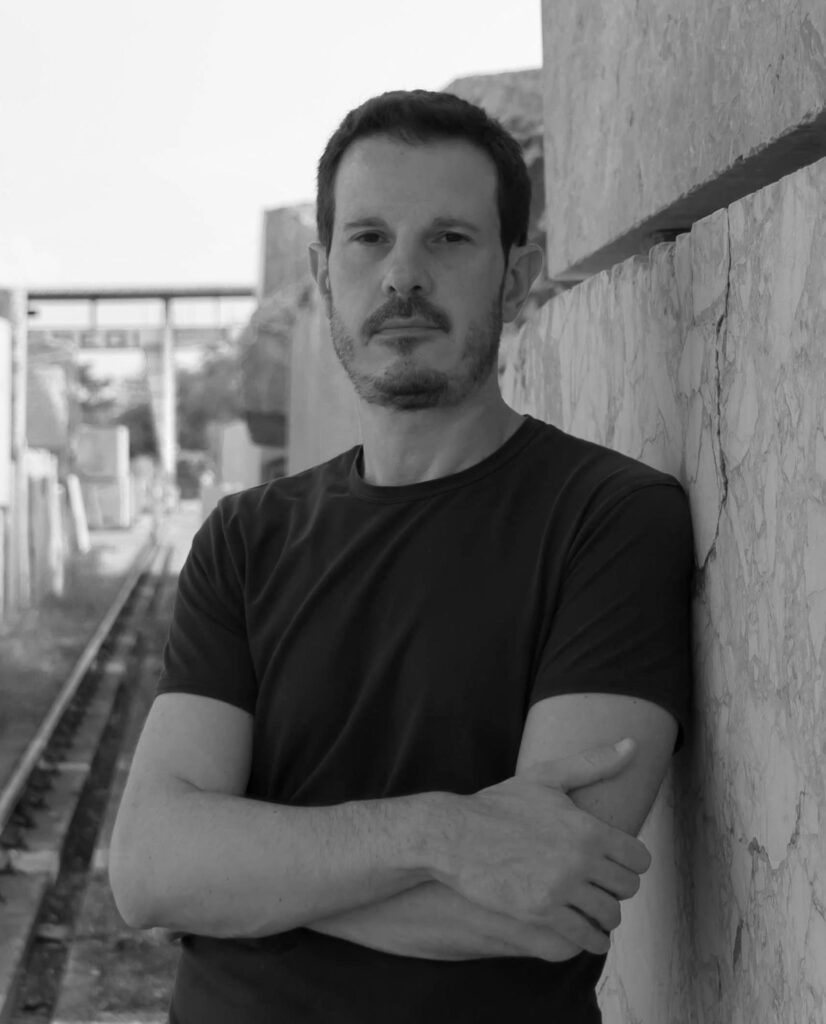
Giorgio Bonaguro
Interview
I was born in the South of Italy, but I’m based in Milan today. Over the years, though, Brazil has become like a second home to me — a country I chose and that deeply influences my work. My identity as a designer is very much shaped by this duality: the Italian heritage of craftsmanship and rational design, combined with the vibrant culture, materials, and landscapes of Brazil.
My very first memory connected to the art world goes back to a childhood holiday in the mountains, when I visited the Casa Museo Augusto Murer. I was impressed not only by the architecture of the house itself, designed by architect Giuseppe Davanzo, but also by the works of Maestro Murer. What fascinated me was his ability to create using such a wide range of materials and to move seamlessly between different techniques, from painting to sculpture. That experience left a lasting impression and sparked my curiosity for the dialogue between space, material, and artistic expression.
Yes, I have always been connected to the world of design, although my path has evolved over time. I first studied engineering, but from the beginning, I was fascinated by the intersection between art, architecture, and craftsmanship. Over the years, I have worked on different scales—ranging from product and furniture design to limited-edition collectible pieces—always keeping a strong focus on materials and their expressive potential.
From an early age, I felt a natural attraction to drawing. What truly led me to design was the desire to connect this passion with the tangible world of objects—something that could be both functional and poetic.
It is a dialogue between intuition and research. I usually start from a spark — it can be an architectural detail, a natural landscape, or a piece of art that resonates with me. From there, I begin sketching and creating simple 3D models, allowing forms and proportions to emerge in a very instinctive way. At the same time, I carry out research into materials, techniques, and cultural references, often drawing on both my Italian heritage and my deep connection with Brazil.
A typical day starts with something very simple yet meaningful: bringing my daughter to school. When I return, I dive into the creative work — sketching, refining ideas, or developing details with workshops and artisans. At lunchtime, I pause to share a meal with my wife, a moment of balance, and then I continue working through the afternoon until evening. My days flow between family, creation, and collaboration, which constantly nourish each other.
I am deeply fascinated by materials that carry history and identity. Stone, wood, or rattan are not just surfaces — they embody cultural roots, traditions, and craftsmanship.
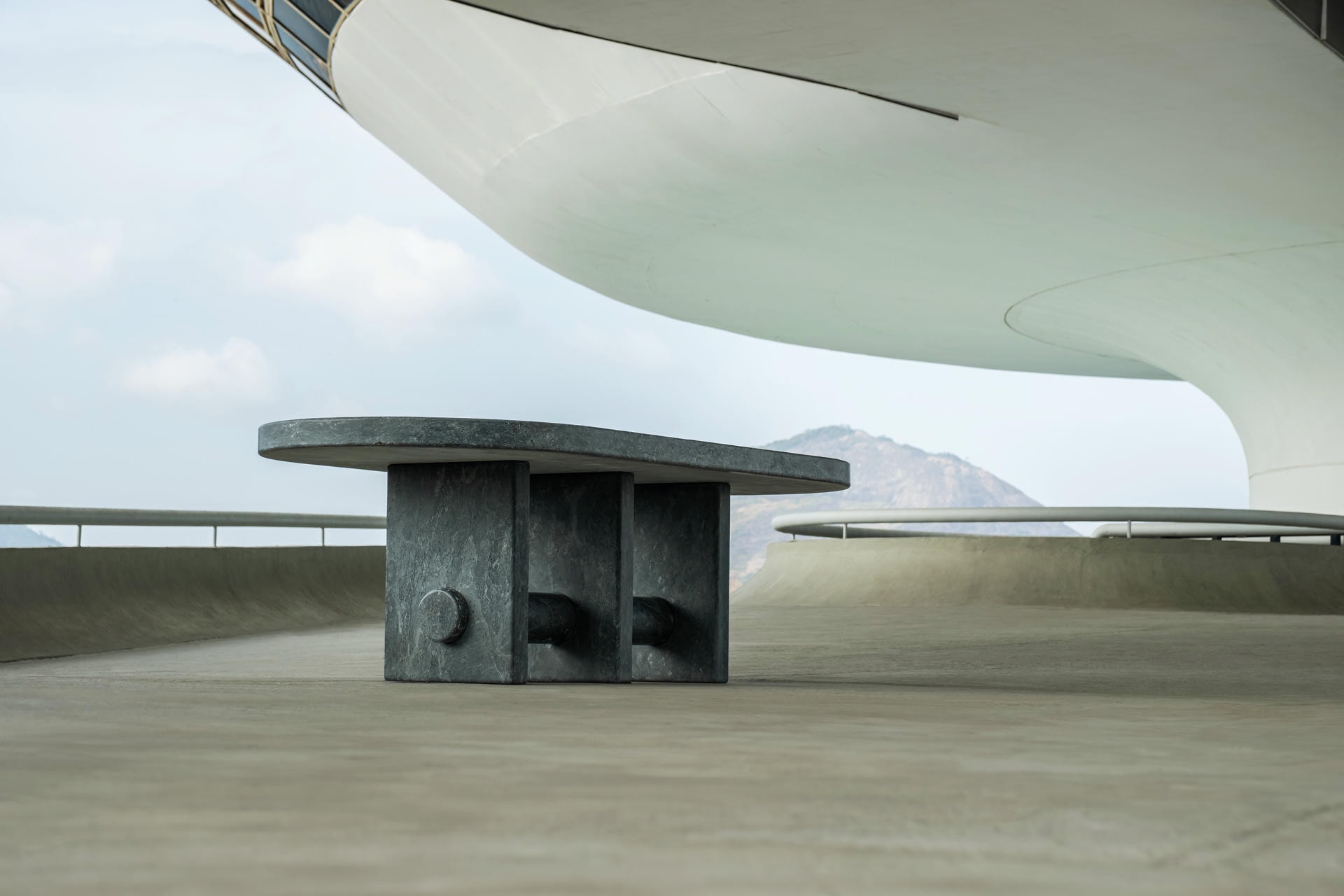
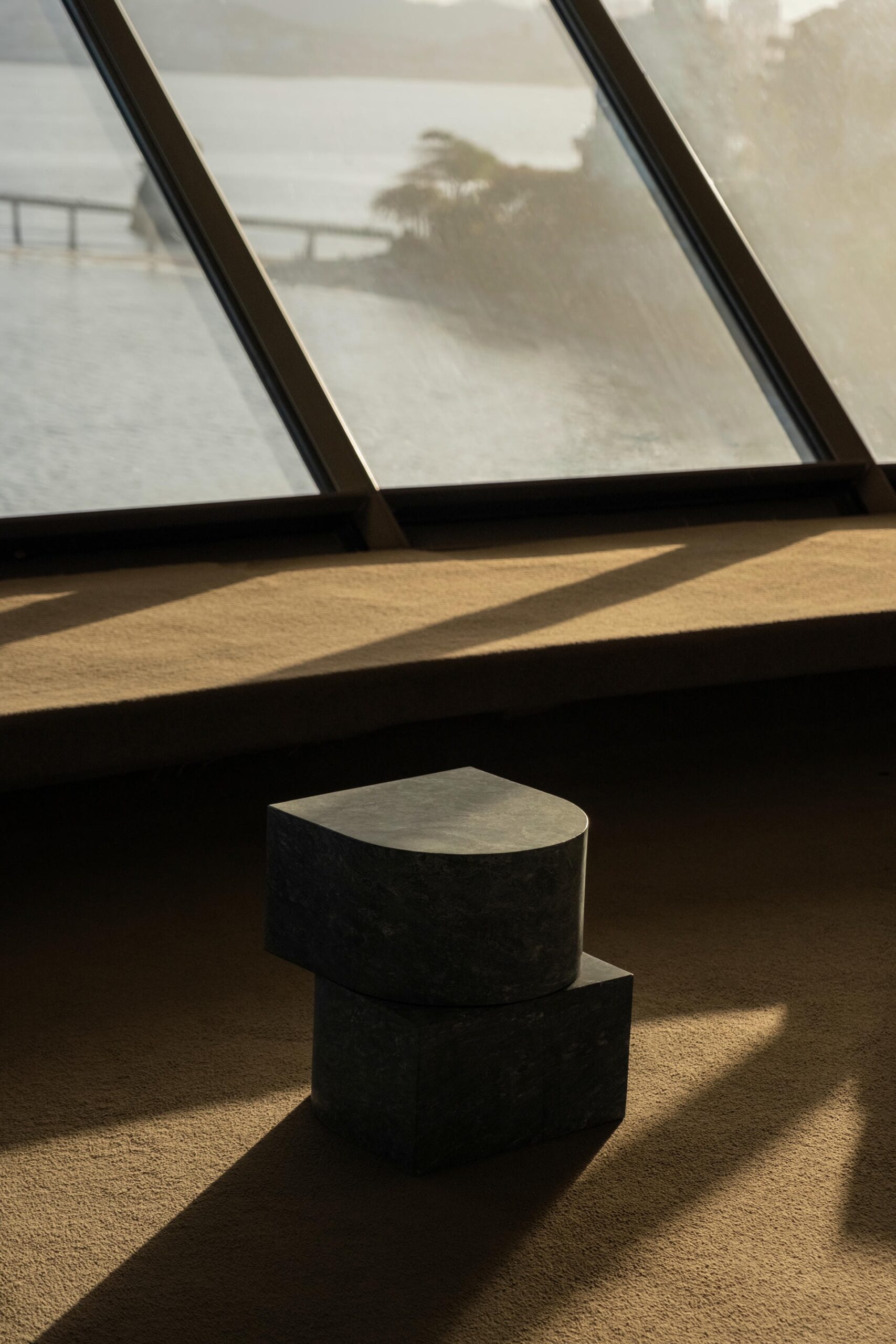
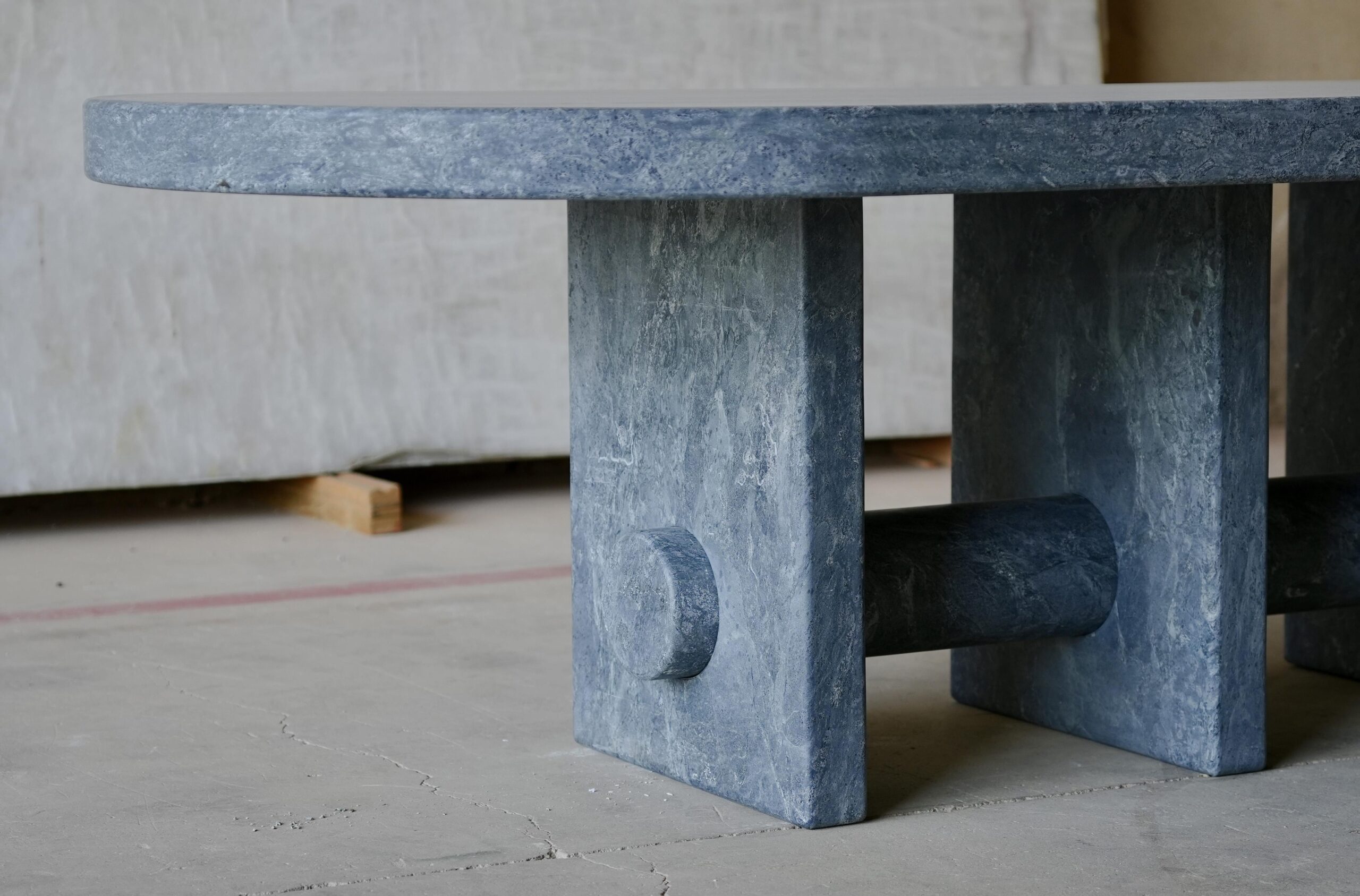
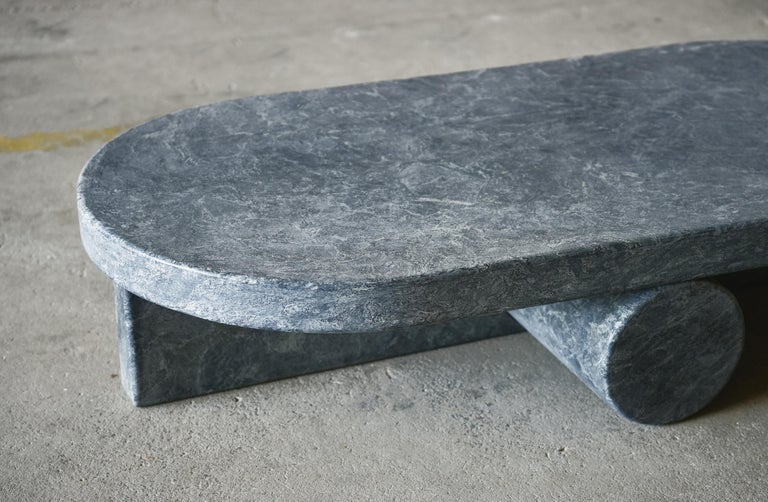
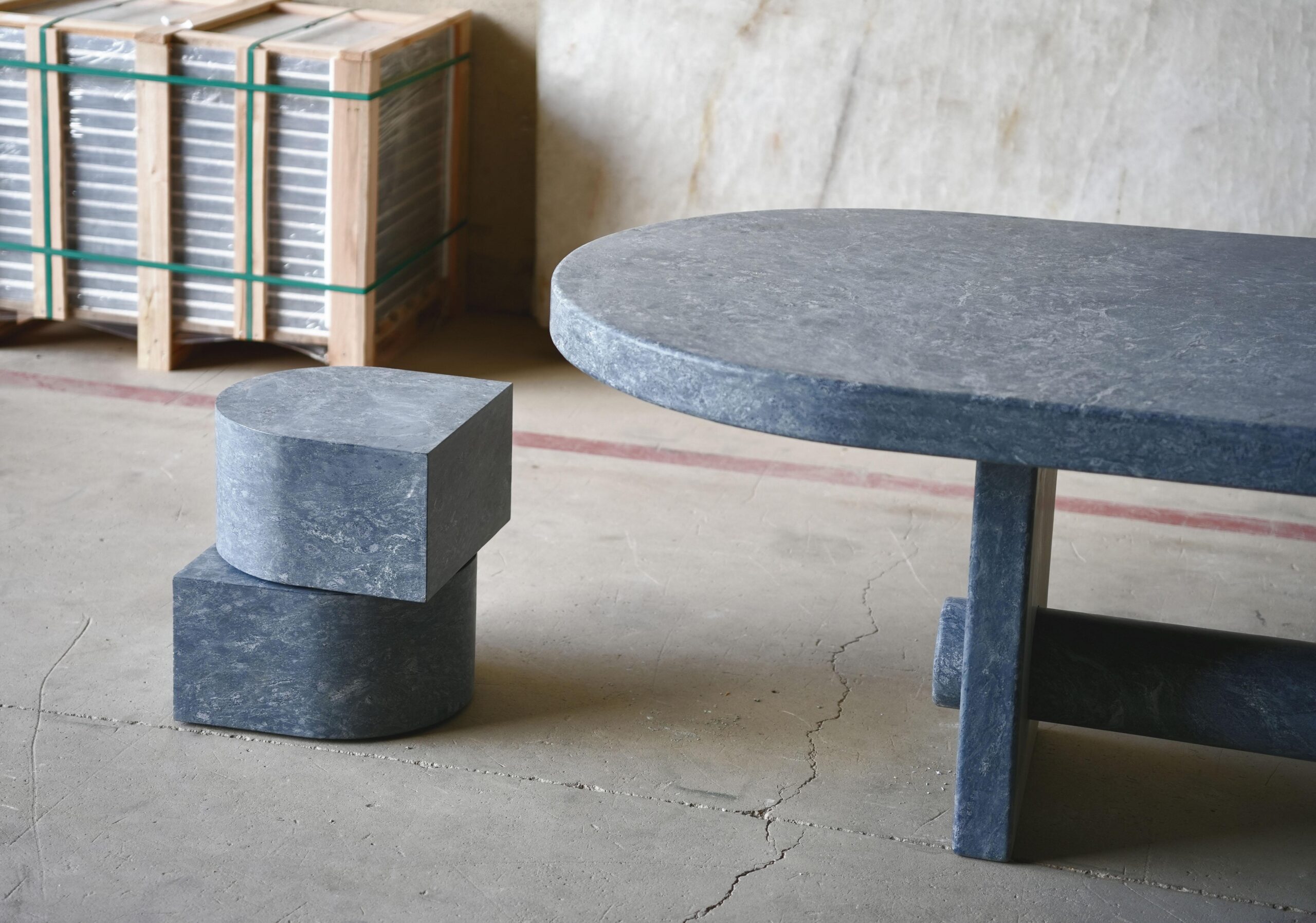
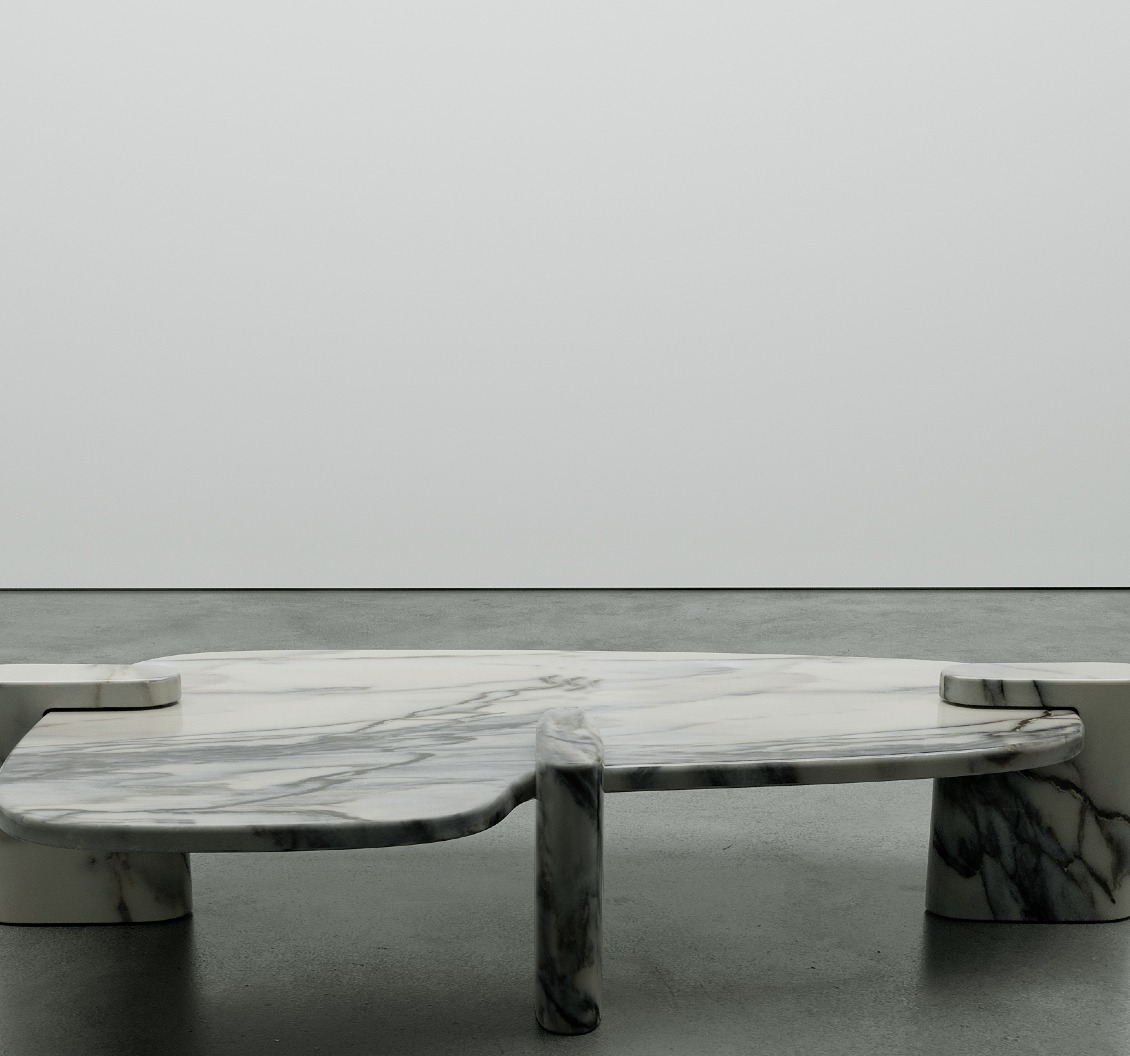
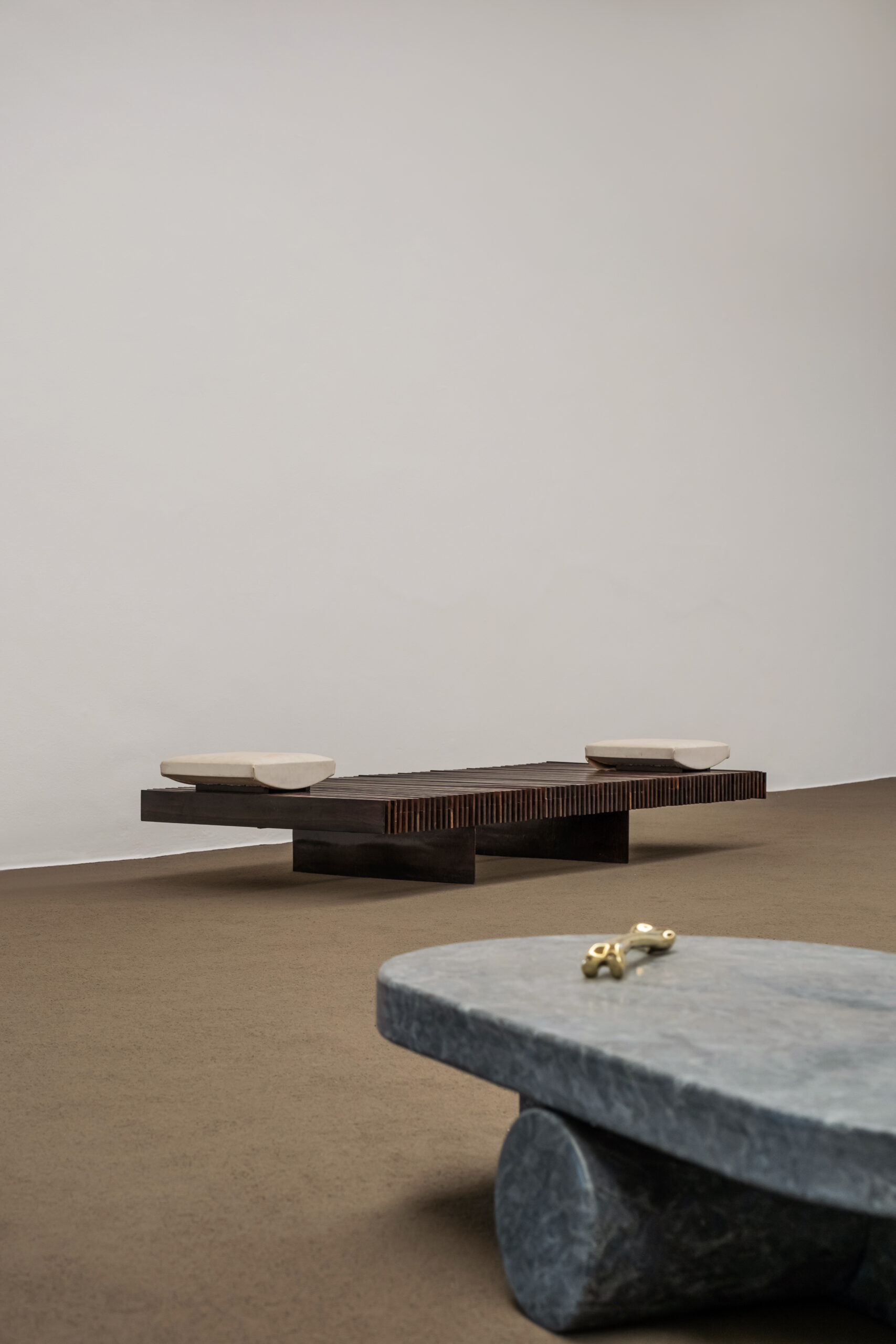
Stone, for example, connects me to both Italian and Brazilian heritage: from the quarries of the Apuan Alps to the soapstone of Minas Gerais. Working with these materials means embracing their weight, their texture, and their imperfections, and transforming them into timeless pieces that merge art and design.
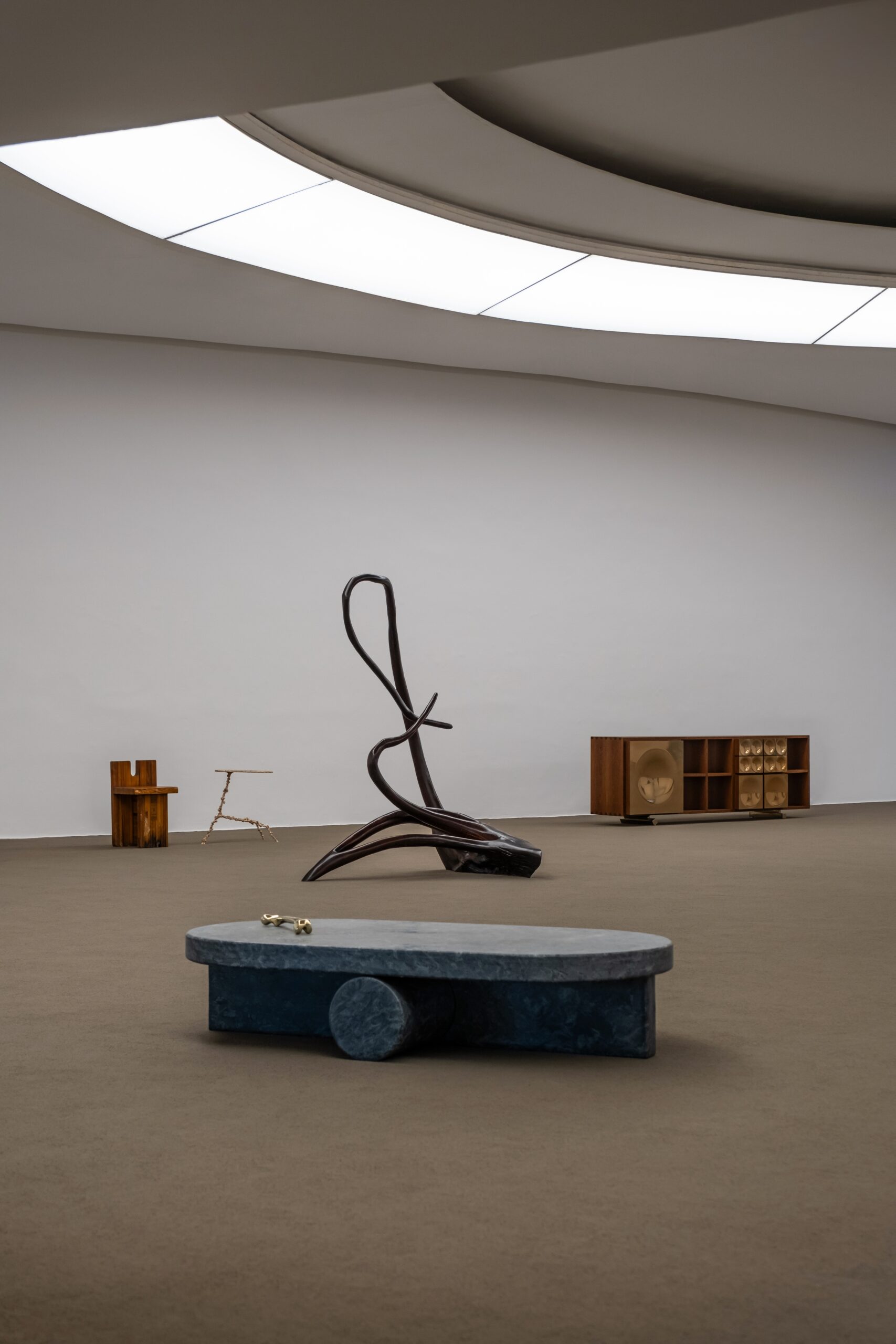
The technical particularities of my work lie in the balance between artisanal skill and contemporary processes. Many of my pieces are made of stone, which requires precision, patience, and close dialogue with the craftsman to respect the natural veins and structure of the material.
Stay curious and cultivate both patience and discipline. Sculptural design is not only about form, but about understanding materials — their limits, their strengths, and their poetry. Spend time observing architecture, art, and nature, but also spend time with artisans: their knowledge is invaluable. Don’t be afraid of simplicity. Often, the most powerful works are born from essential gestures.
Italian modernism and Brazilian Brutalism.
Oscar Niemeyer, Carlo Scarpa, Massimo Vignelli, Bruno Munari.
Sabine Marcelis, Hector Esrawe, Raphael Navot.
Henrique Oliveira, Richard Serra, Heb Ritts, Sebastiao Salgado, Giuseppe Penone.
Synthesis of materials and shapes.
Be curious.
“The most powerful works are born from essential gestures.”
The Questions
(The Proust Questionnaire is a set of questions answered by the French writer Marcel Proust.
Other historical figures who have answered confession albums are Oscar Wilde,
Karl Marx, Arthur Conan Doyle, Stéphane Mallarmé, Paul Cézanne…)
Serenity, family and friends.
Be alone.
Hesitation.
Indifference.
Alvaro Siza.
Traveling far just to see architecture or exhibitions.
Quietly focused.
Adaptability.
Modesty.
Being Multi-tasking.
« Scusa ».
Be patient.
Anxiety.
To create freely.
A Toucan.
In a Portuguese or Brazilian beach.
My family.
Loneliness.
Walking in nature.
Obstinacy.
To love me as I am.
Alessandro Baricco, Jorge Amado.
Batman.
Lina Bo Bardi.
My parents.
Laura, Marco.
Ignorance.
Accept too much.
Sleeping close to the people I love.
« Não já temos ».
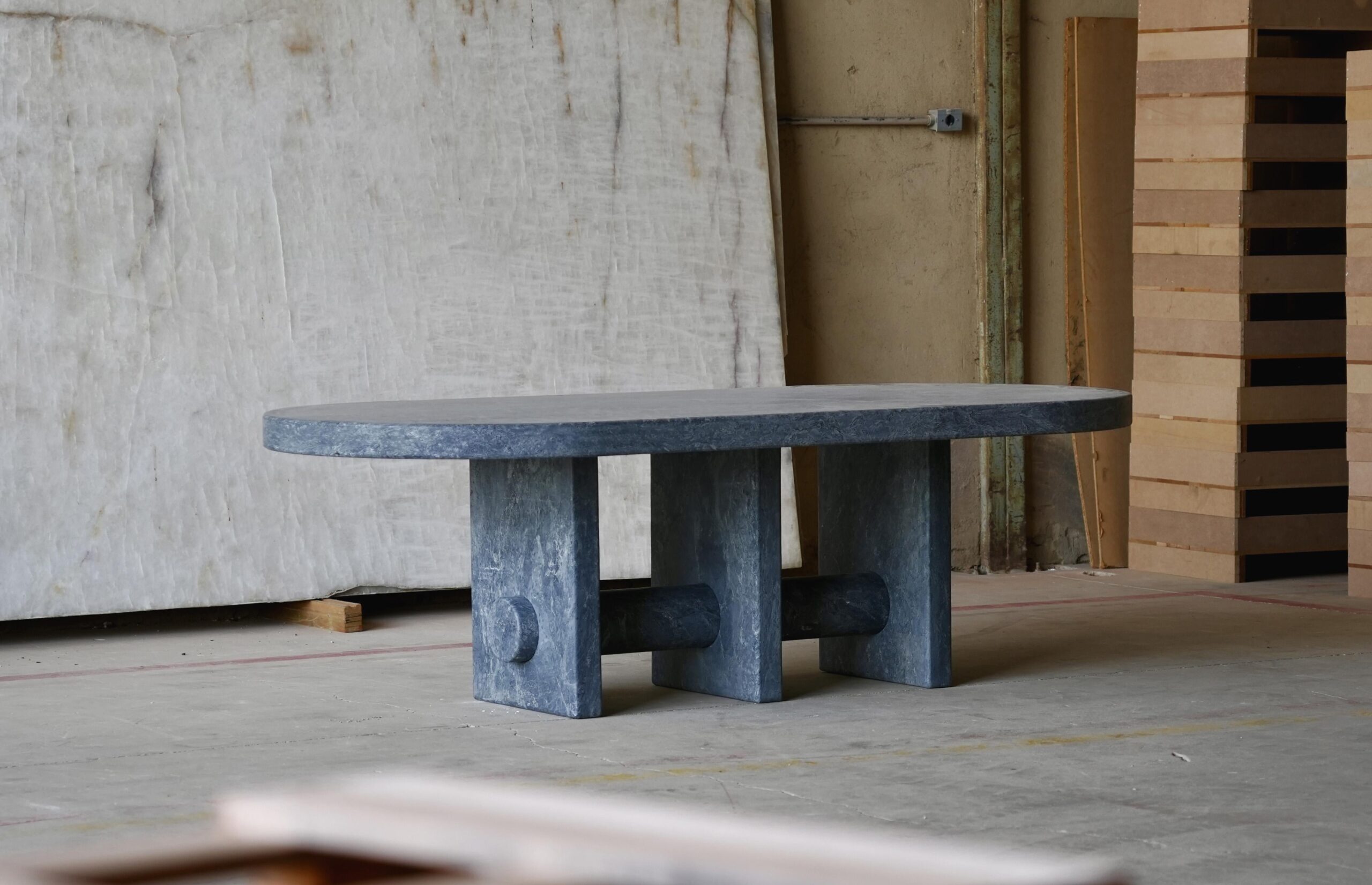
“What truly led me to design was the desire to connect this passion with the tangible world of objects — something that could be both functional and poetic.”
SHARE :