Kirsten Blazek
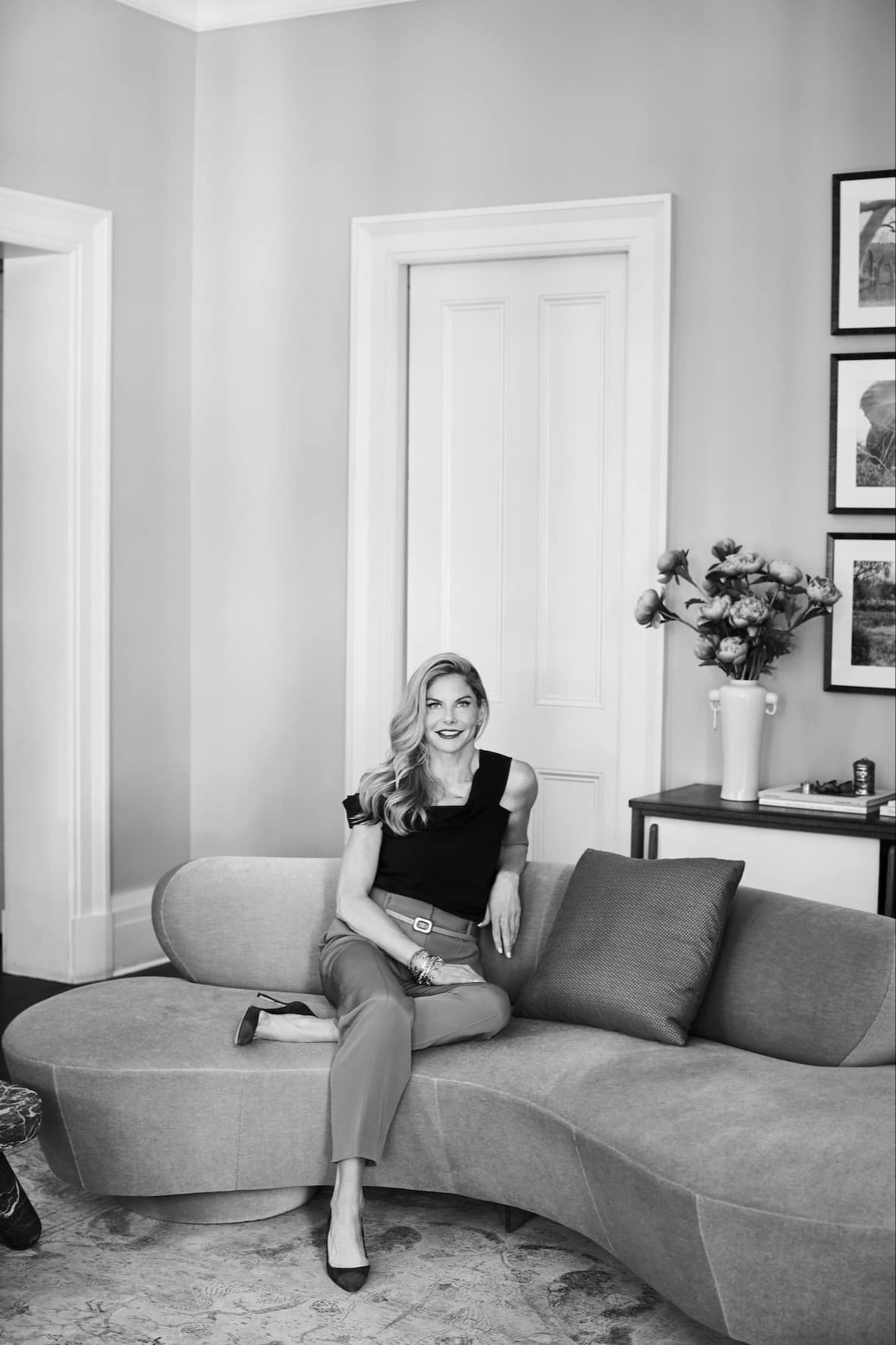
Kirsten Blazek is an interior designer and the founder and principal designer of A1000XBetter, a Los Angeles-based design firm known for its eclectic and highly personal interiors. Her work brings together vintage furnishings, rich colours, layered textures, and influences from the American Southwest, creating spaces that balance individuality, comfort, and functionality. The studio’s projects have been featured in publications including Architectural Digest, Domino, Dwell, House Beautiful, and Martha Stewart.
In her book A1000xBetter: Rebel By Design, Blazek shares her approach to creating authentic and livable interiors, encouraging readers to embrace their own sense of style. Through a selection of projects and practical insights, she explores the role of colour, pattern, art, and meaningful objects in shaping spaces that reflect the people who inhabit them.
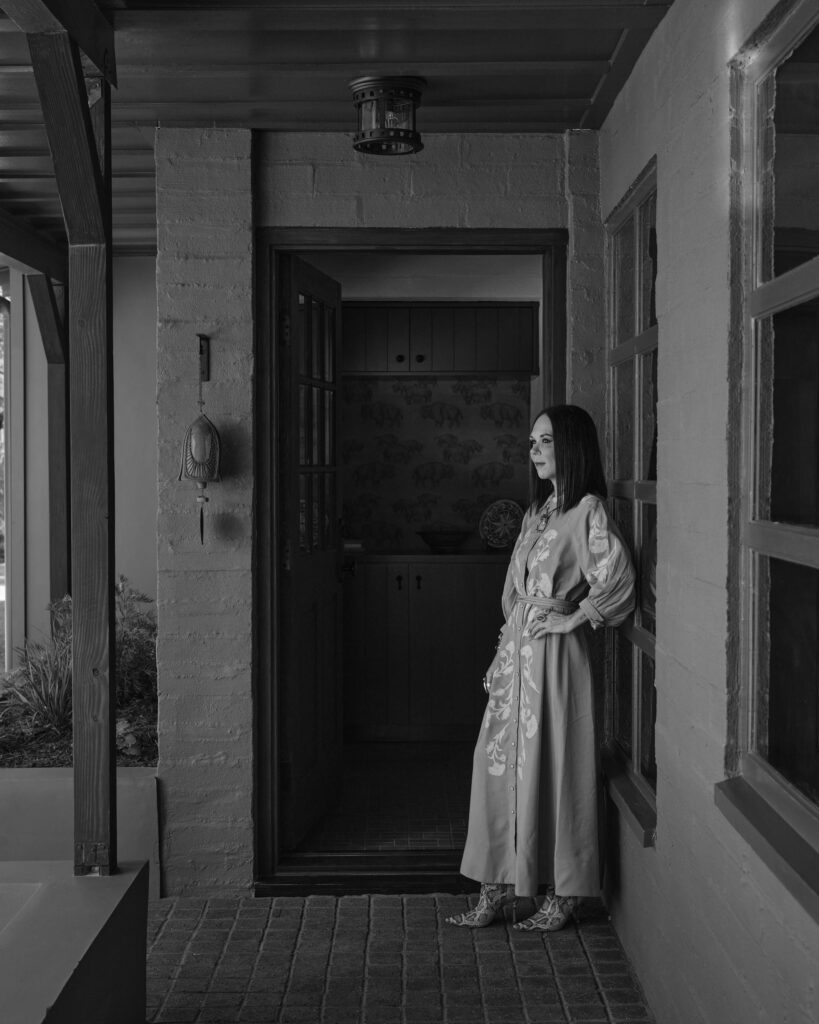
“Every project should reflect the people who live there while honoring the essence of the home itself.”
INTERVIEW

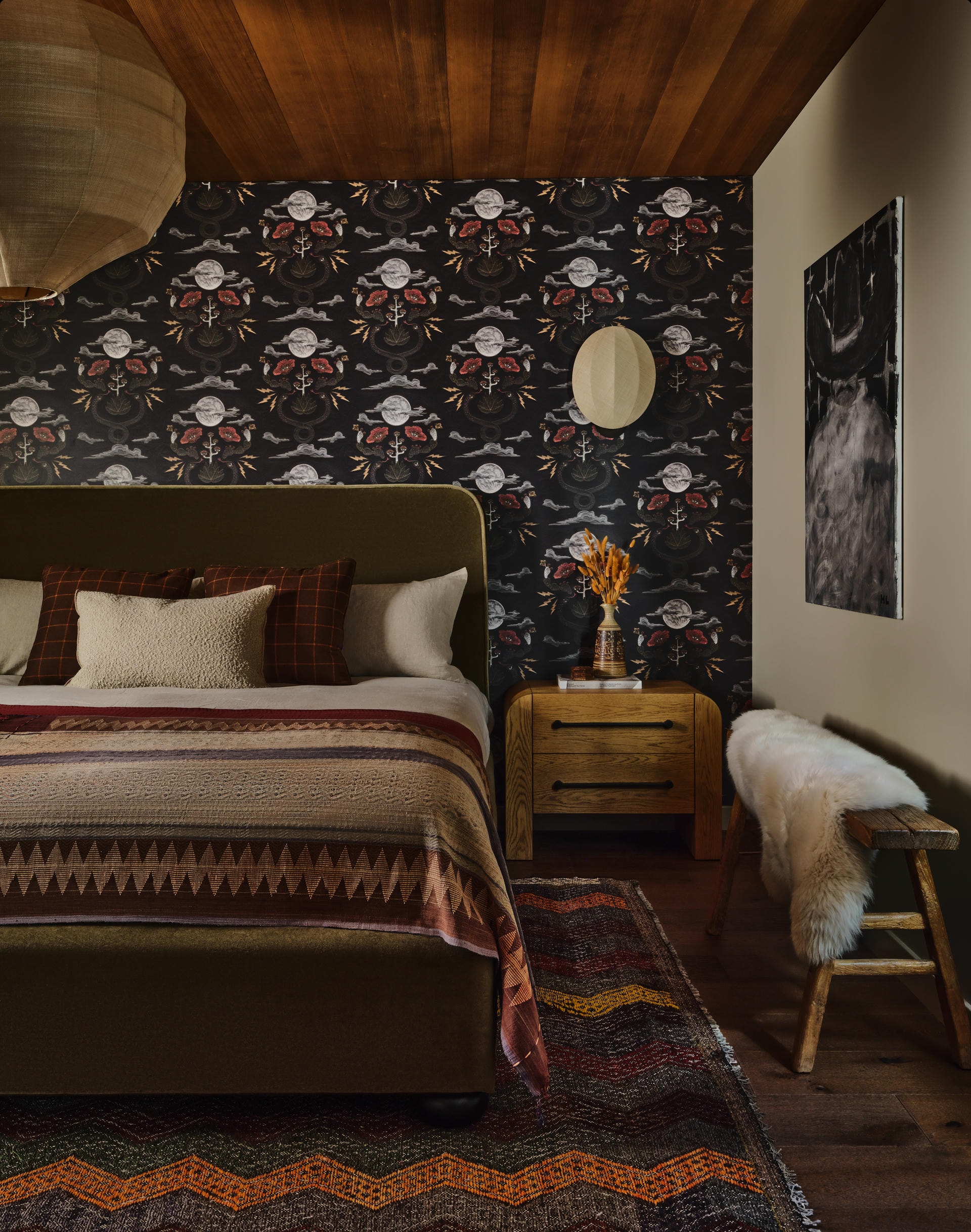
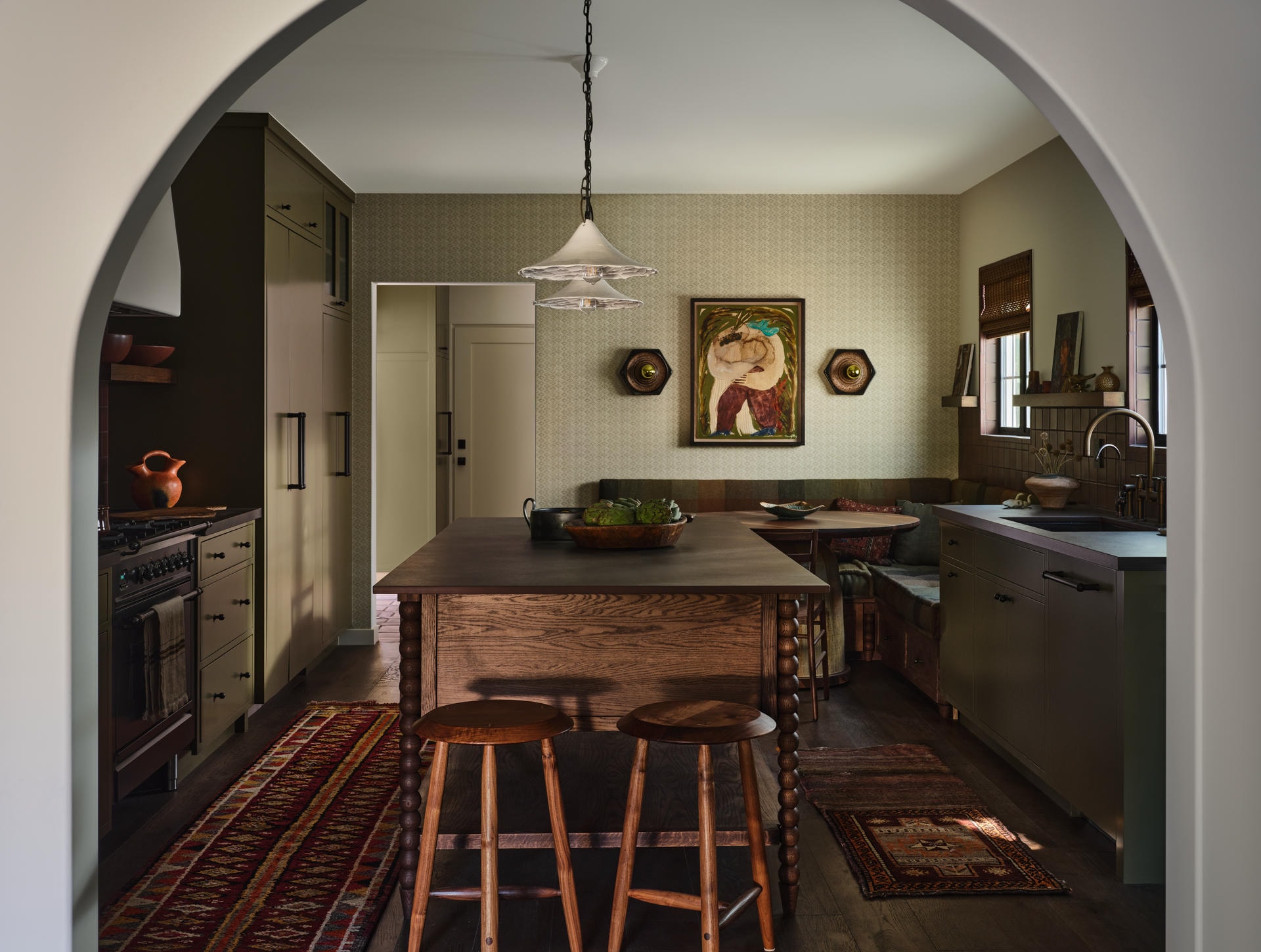
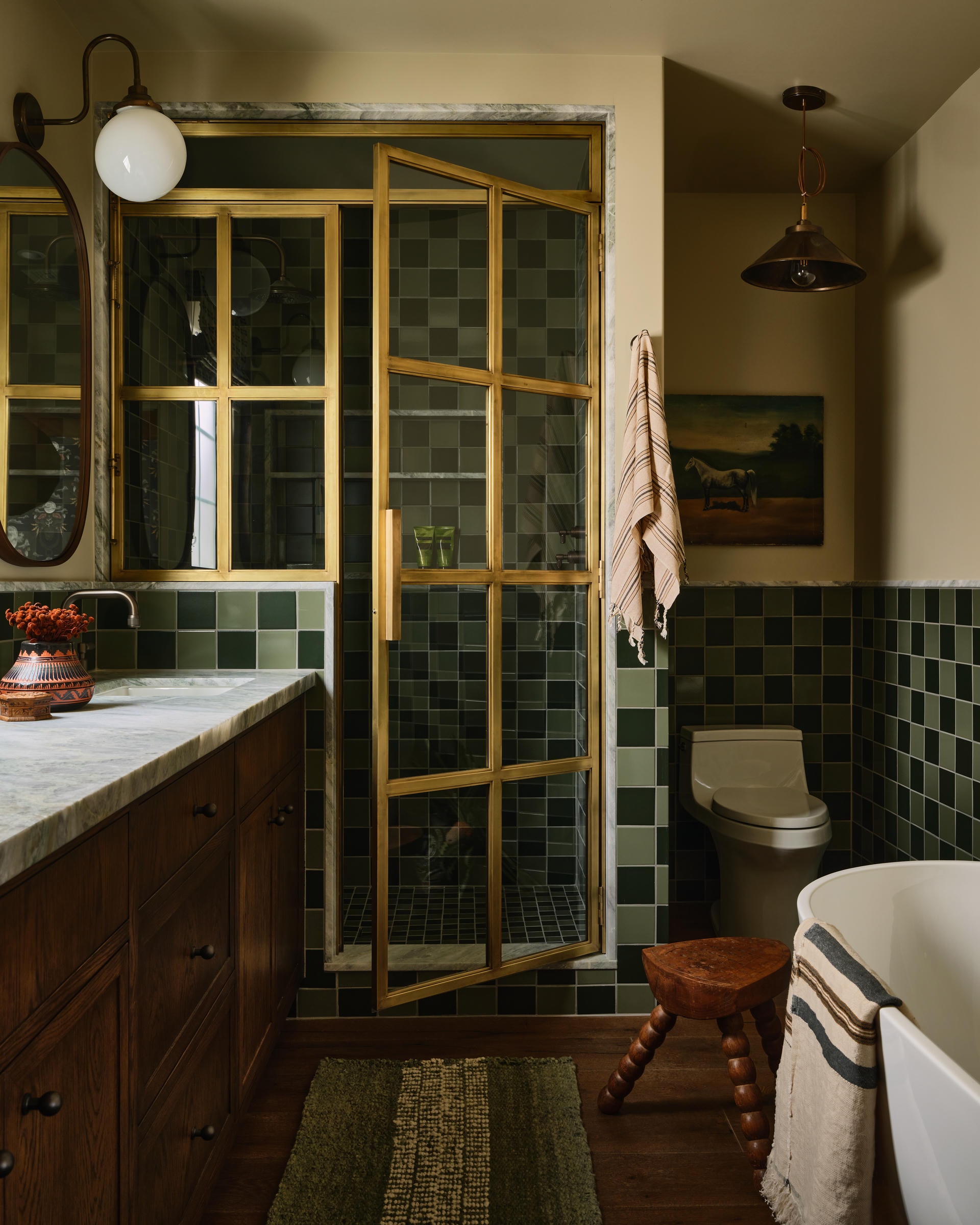
Ojai Residence © Michael P.H. Clifford
Design wasn’t my first career. I grew up in Scotland, studied nursing at the University of Edinburgh, and worked as a registered nurse in both Scotland and the U.S. After my children were born, I stepped away from my career to focus on raising them.
Following my divorce, I found myself at a turning point and knew it was time to build something new. Although I had always been creative, I’d taken the more practical route early on. This time, I decided to trust my instincts and explore a career in design.
I spent a short time working at a friend’s design firm before taking on a handful of small decorating projects of my own. Those projects naturally evolved into home staging, where I found an opportunity to do things a little differently. We developed a more design-driven approach to staging in Los Angeles, which quickly gained attention and led to more and more interior design commissions.
Over the next few years, my team and I gradually shifted away from staging to focus entirely on residential design. The past decade has been incredibly busy, balancing the demands of growing a business while raising two children as a single mom, but it’s also been deeply rewarding. I’m grateful every day that I’ve been able to turn a lifelong passion for creating beautiful homes into a career.
It’s been more of a gradual evolution, not really a specific moment in my career yet.
I think the best interiors come from really listening to your clients. Every client has a different way of living, and my role as a designer is to understand what matters to them and translate that into a home that feels both beautiful, functional and authentic. Every house has its own character, whether it’s the architecture, the history, or the landscape surrounding it. I never want to fight against those things. Instead, I try to embrace them by bringing the outdoors in, paying attention to the light, the setting, and the location, and creating spaces that feel like they truly belong where they are.
The same philosophy applies to my business. Authenticity has always been at the heart of what we do. We don’t follow trends or create homes that all look the same. Every project should reflect the people who live there while honoring the essence of the home itself. I think that’s what creates spaces that feel timeless rather than temporary.
I begin every project by understanding the client’s budget because that helps establish a realistic framework for every decision that follows. Once we’ve aligned on that, we begin gathering inspiration, creating mood boards, and developing a color palette that reflects both the client and the home.
From there, the process becomes much more intuitive. I don’t have a formula that I apply to every project. I trust my instincts and let the architecture, the surroundings, and the client’s lifestyle guide the direction. I think when you’ve been designing for a long time, so much of it becomes second nature. You develop a feeling for what belongs in a space, and I always try to follow that intuition while making sure every decision supports the overall vision.

Ojai Residence © Michael P.H. Clifford
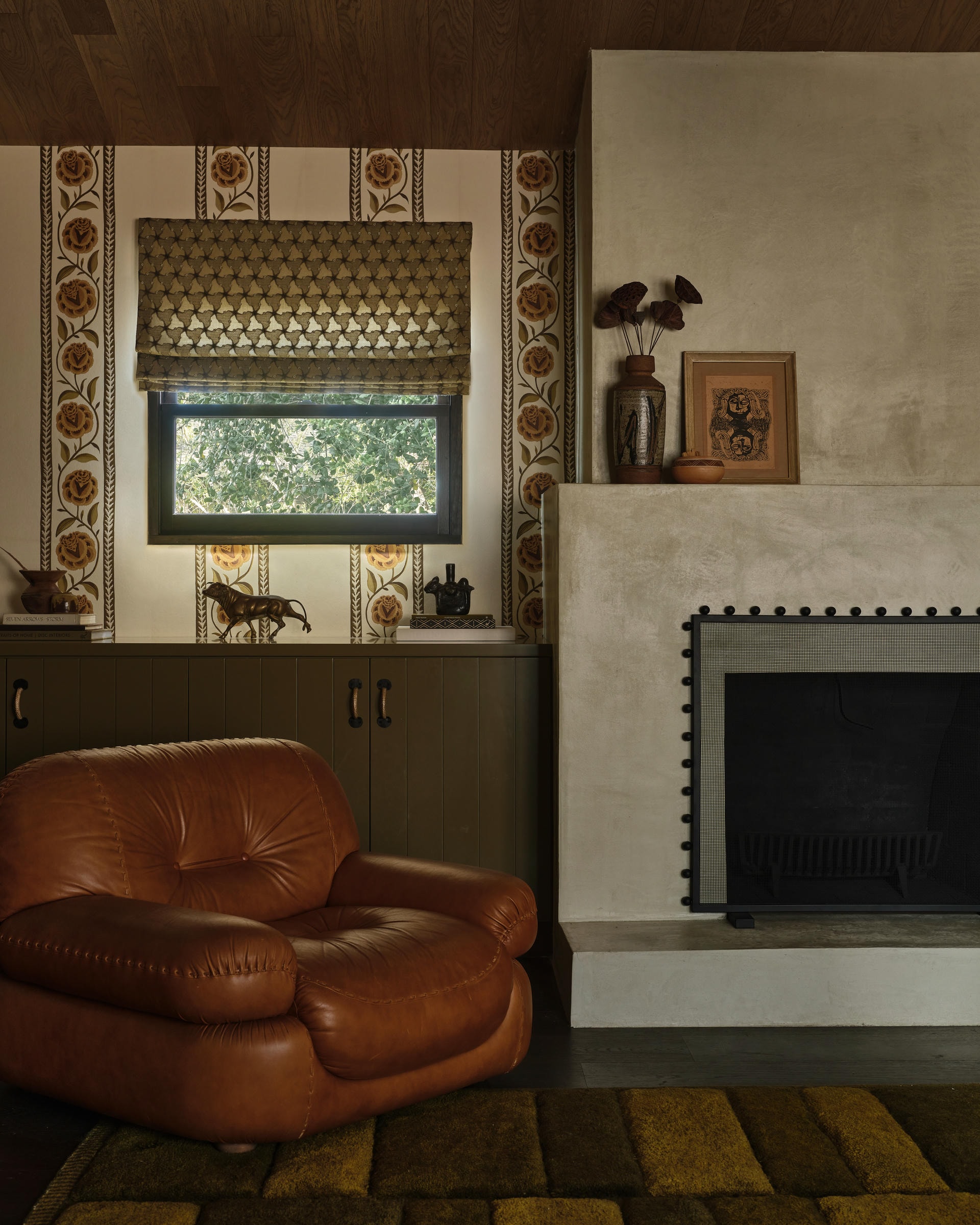
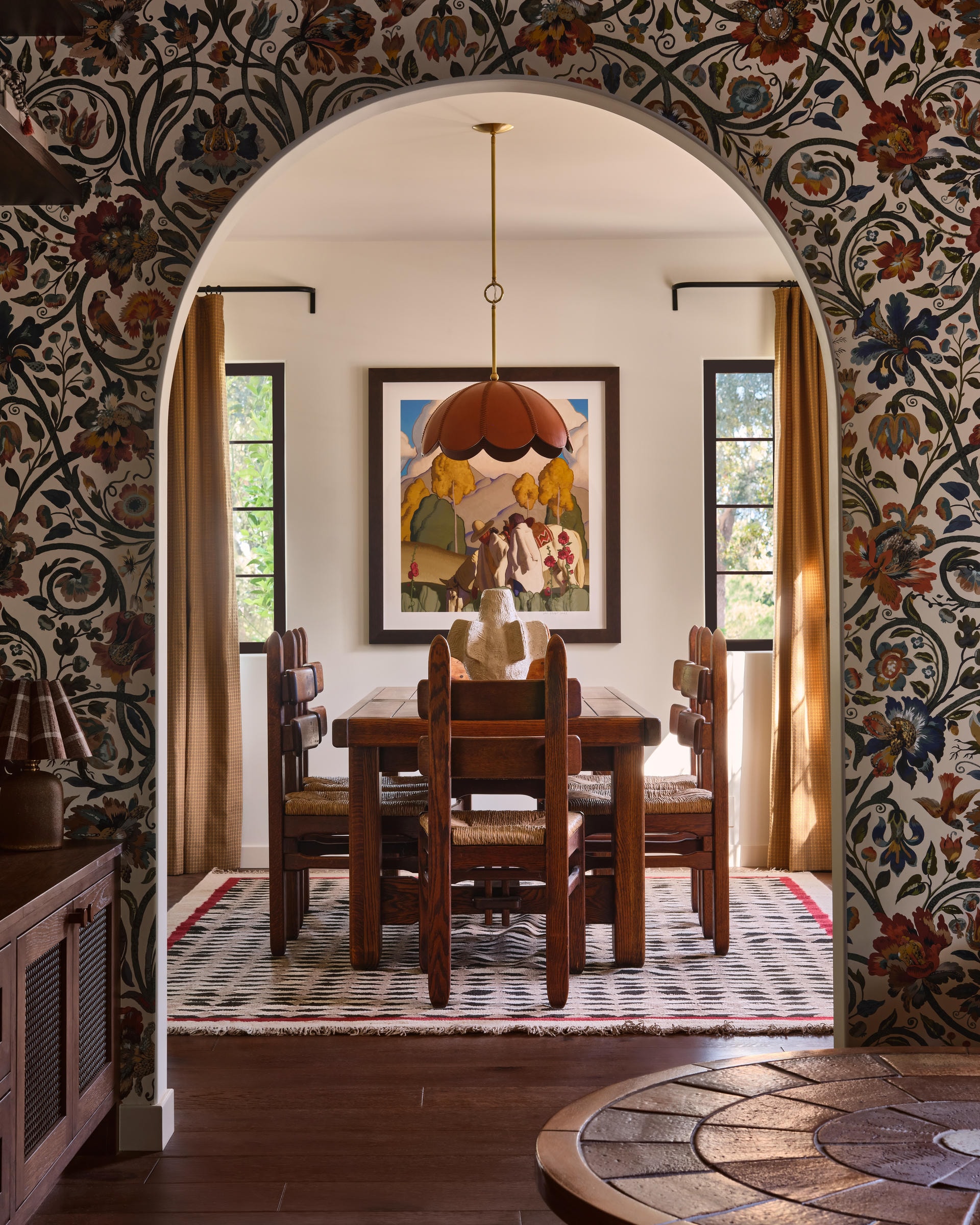
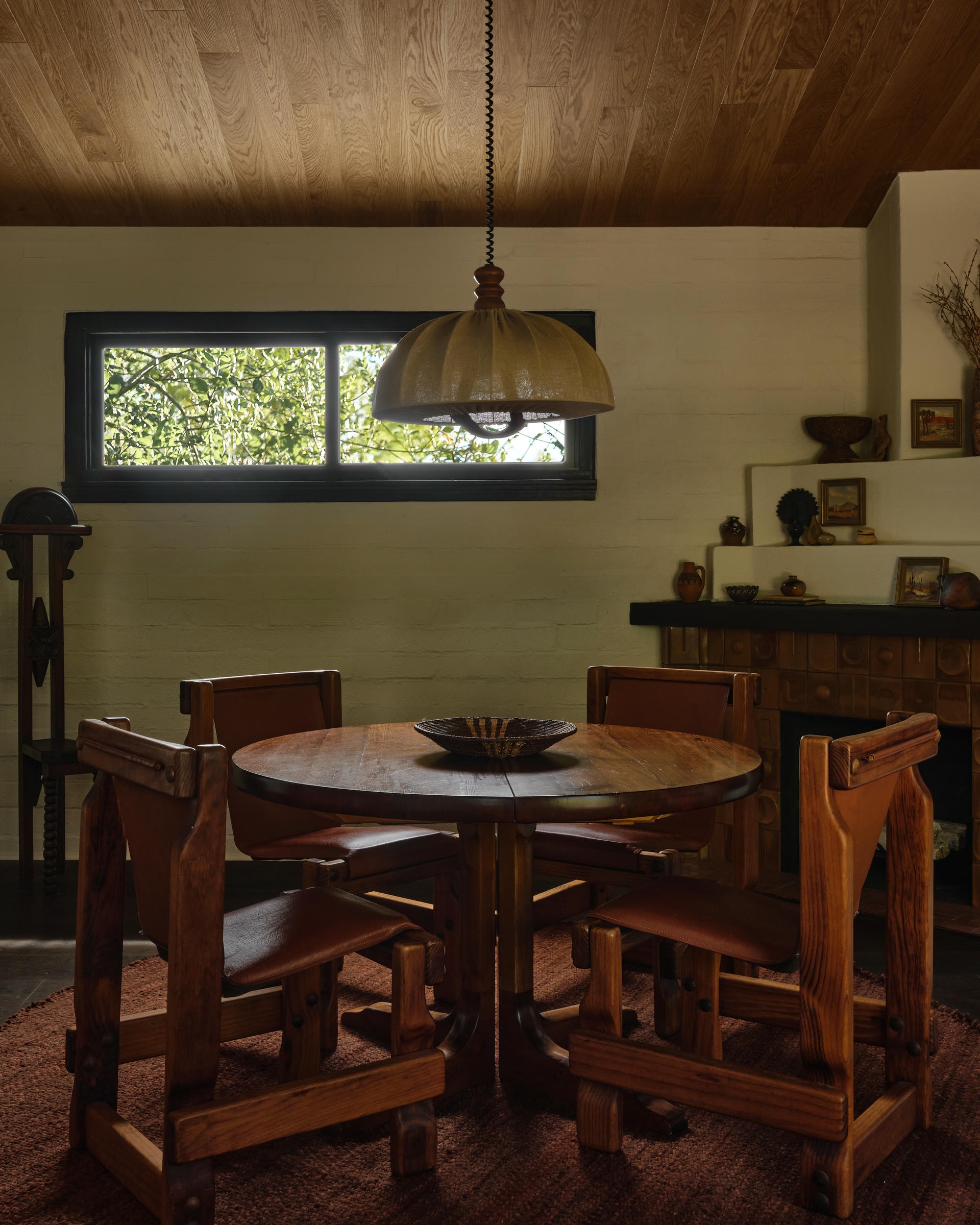
Lima Residence. Paint: Dunn-Edwards. Rug: Salam Hello. Window treatments: Zak and Fox © Michael P.H. Clifford
I don’t think I have one signature style because my taste is always evolving. My personal style has changed over the years too. I’ve been a goth, a hippie, and I’ve always had a bit of a rock-and-roll edge. Fashion has always been just as important to me as interiors because they’re both ways of expressing who you are.
Since moving from Scotland to California, I’ve developed a real love for the Southwest and Western style. The colors, materials, and craftsmanship have become a huge source of inspiration. You’ll rarely see me without stacks of turquoise jewelry and a pair of cowboy boots, and I think that appreciation for authenticity and character naturally finds its way into my work.
One thing that has never changed is my love of vintage. When I first started staging homes, I built my inventory by spending weekends treasure hunting at the Rose Bowl Flea Market, the PCC Flea Market, and every thrift store I could find. I still get the same excitement today when I find something special.
To me, vintage pieces are what make a home feel collected rather than decorated. They bring history, personality, and a sense of ease that new furniture often can’t. I’m especially drawn to mid-century furniture because the craftsmanship is incredible and the designs still feel fresh today. There is almost always a vintage or mid-century piece in my projects because I think those are the elements that give a home its soul.
One of my favorite projects is my own home. It’s tucked into the foothills of the Sierra Madre at the base of the San Gabriel Mountains. Even though it’s only a short drive from Los Angeles, it feels like a completely different world. The neighborhood is filled with mature trees, wildlife, and even the occasional bear, and it has the charm of a quiet mountain town rather than a busy city.
The house was built in 1947 on a beautiful 13,000-square-foot lot surrounded by California oaks, eucalyptus, and pine trees. From the beginning, I knew I wanted to preserve the home’s original character and honor its adobe roots instead of trying to turn it into something it wasn’t. We reconfigured much of the house, expanding the kitchen and creating a spacious primary suite, but every decision was made with the goal of keeping the home’s spirit alive. I wanted the architecture to lead the design rather than compete with it.
As a designer, I’ve always been drawn to the Southwest, and over the years I’ve collected a lot of California pottery, vintage furniture, and art that inspired the direction of the interiors. I mixed those pieces with mid-century furniture, earthy colors, natural materials, and my favorite brands, including Pampa, Soho Home, Mid Century LA, and Salam Hello. More than anything, this home reflects how I love to live and how I love to design. The design is connected to its surroundings, filled with pieces that have meaning, and feels as though it has evolved naturally over time.

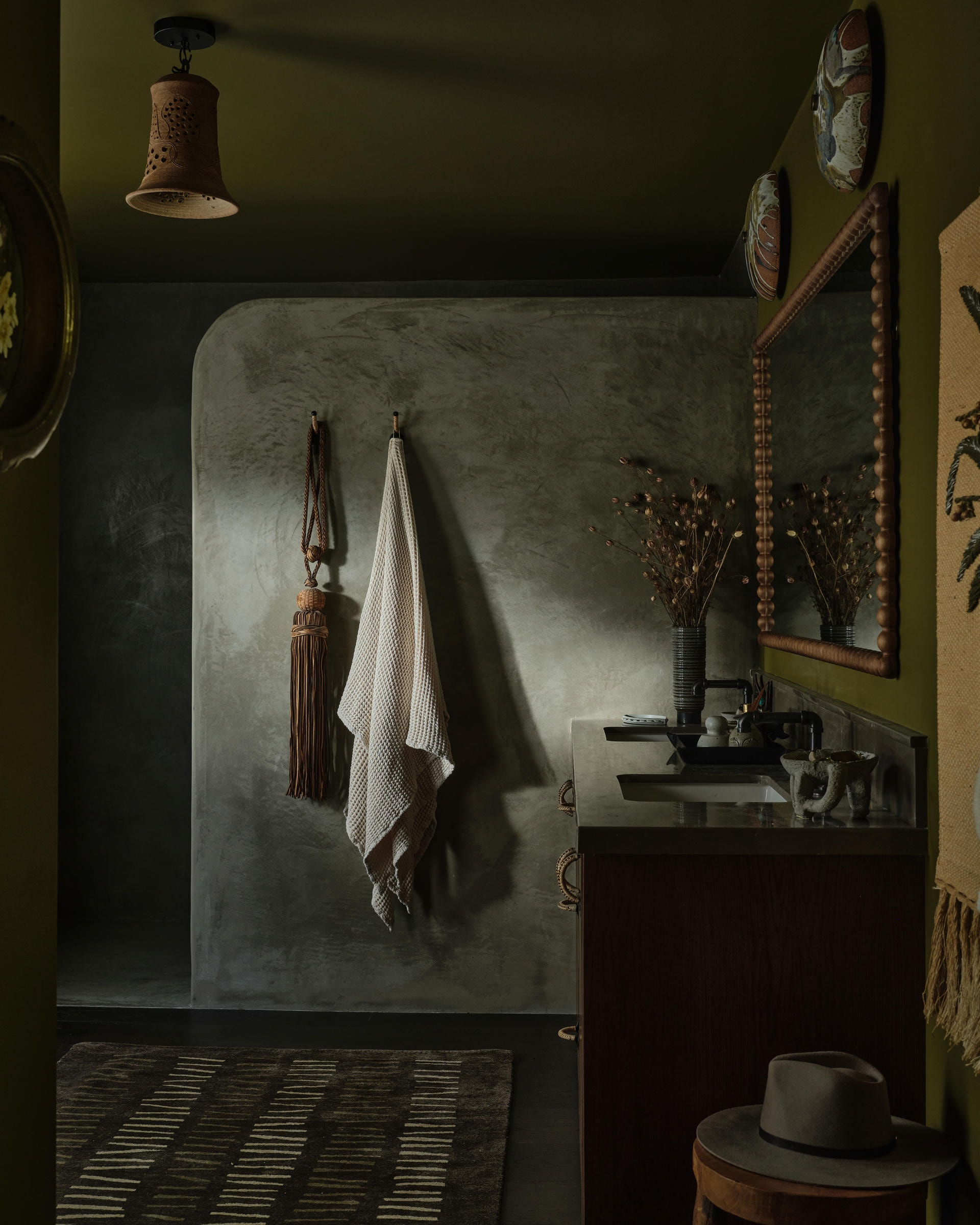
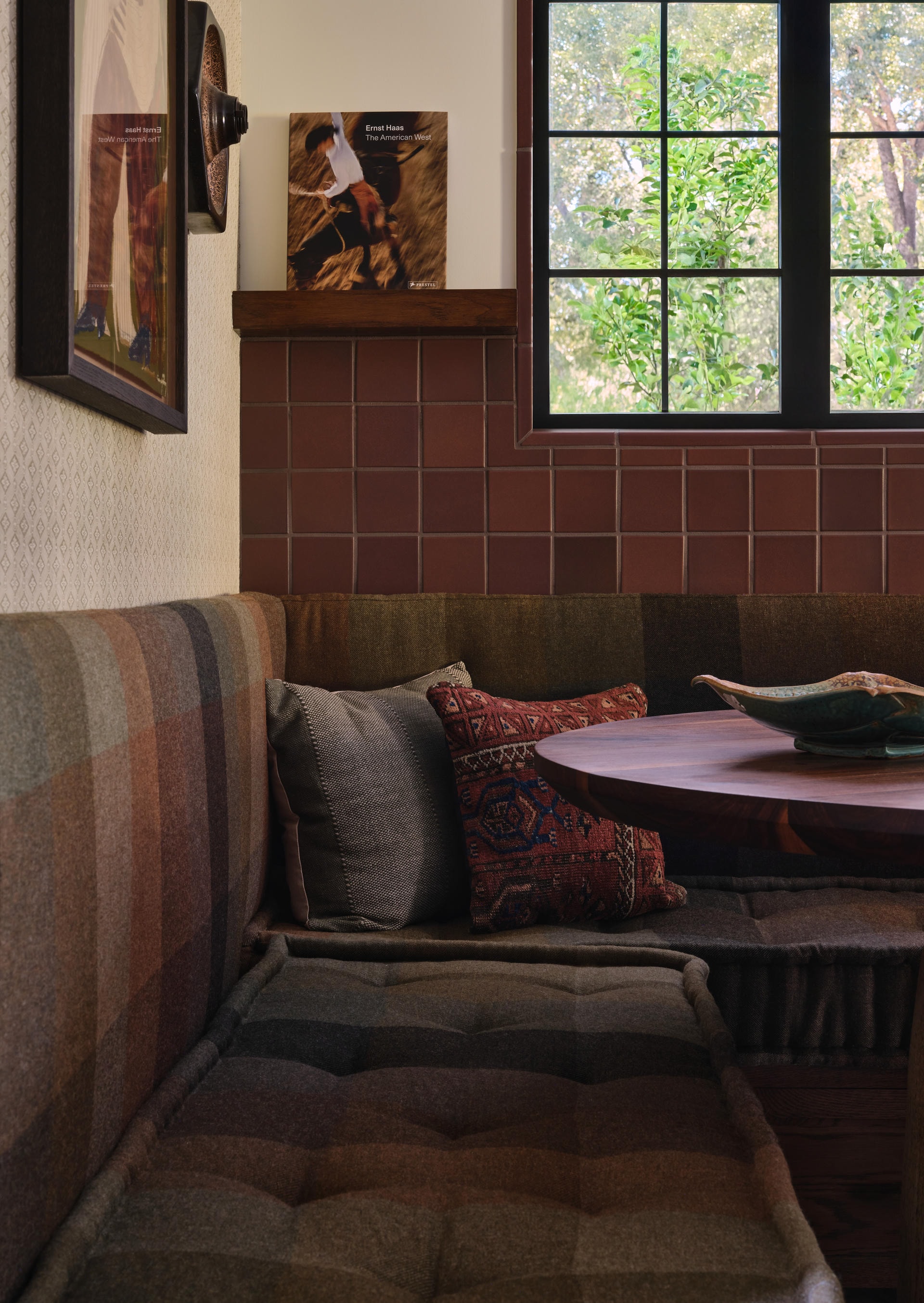
Lima Residence. Paint: Dunn-Edwards © Michael P.H. Clifford
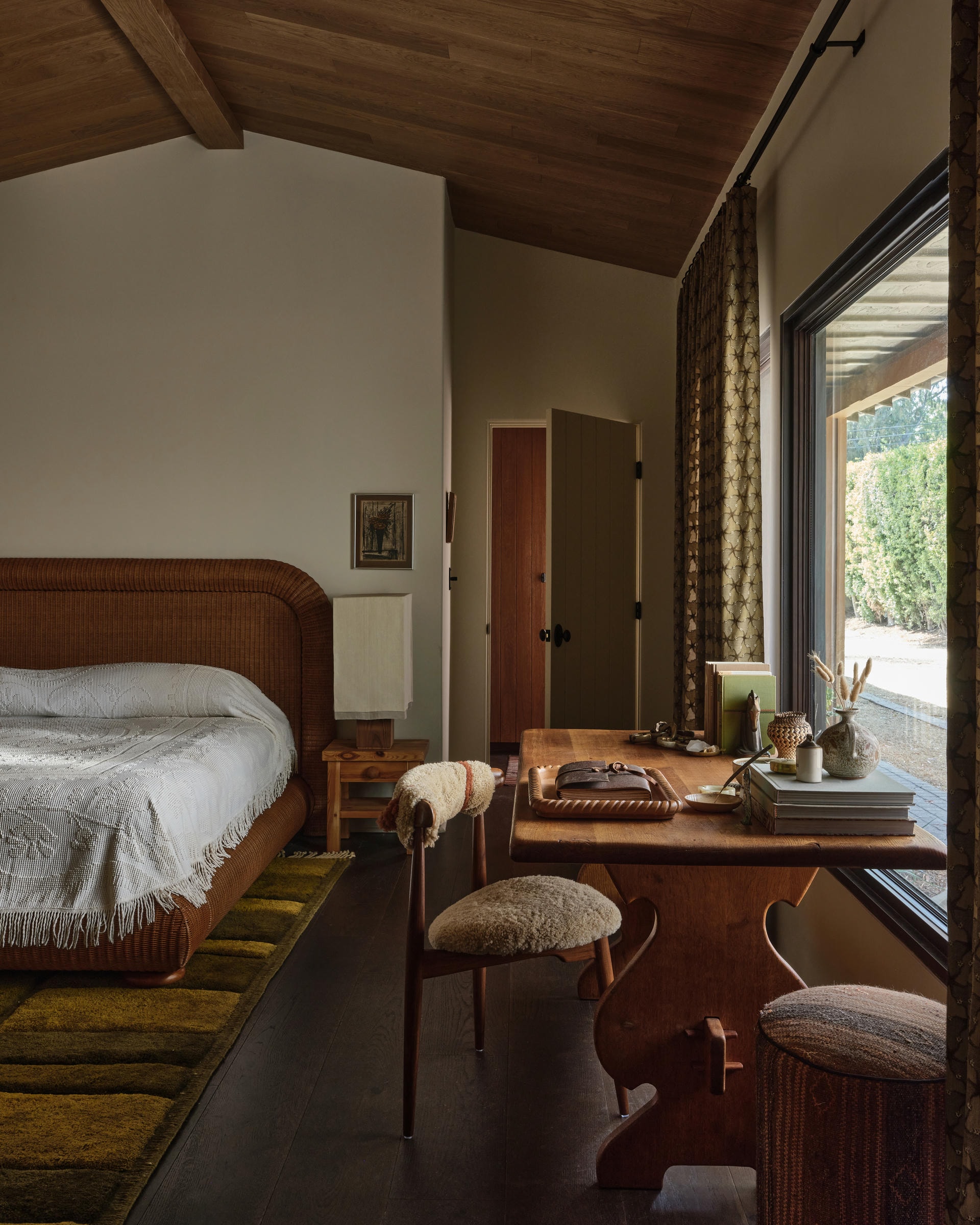
Ojai Residence © Michael P.H. Clifford
I’ve learned to focus my time and energy on the parts of the business that I do best, the creative work, the vision, and working with clients. For everything else, I’ve built a team of talented people who help me grow professionally and lead to a successful firm. Letting go and trusting others wasn’t always easy, but it has made both my business and my work so much stronger.
The best piece of advice I’ve received as a designer is to trust myself and my intuition. I didn’t attend design school, and while I may not have formal technical training, I’ve learned that my eye for design, instincts, and gut feelings are what guide me forward. If you have a natural eye for design, your intuition will often lead you exactly where you need to go.
My advice to beginner interior designers is to immerse yourself in as many different experiences as possible. Travel, visit museums and galleries, study the architecture of places that interest you, and pay close attention to the details of the world around you. Inspiration can come from anywhere, so train yourself to look at things through a design lens. Notice the colors, materials, proportions, and emotions that resonate with you. The more you observe and absorb, the more you will develop your own perspective and point of view.
Podcast: I’ve Had It with Jennifer Welch keeps me sane and always makes me laugh. I appreciate the candid, unfiltered nature of their conversations and their willingness to say what many others are thinking.
Book: In the Company of Nature: Regenerating Business, Community and the Living World by Frieda Gormley of House of Hackney. I’m drawn to its exploration of nature, creativity, and the ways businesses and communities can work more harmoniously with the living world.
My most important design tip is to lean into your authenticity and don’t compromise on the ideas, influences, and details that genuinely excite you.
The dining room from our Lima project is a perfect example. It reflects a strong, personal perspective rather than following a formula, and that authenticity is ultimately what gives the space its character and charm.
We have several exciting projects currently underway, including a mid-century ranch in Palm Springs, a Craftsman home in Eagle Rock, and a mid-century modern residence in South Pasadena. We’re also beginning a ground-up construction project in the South Bay this November.
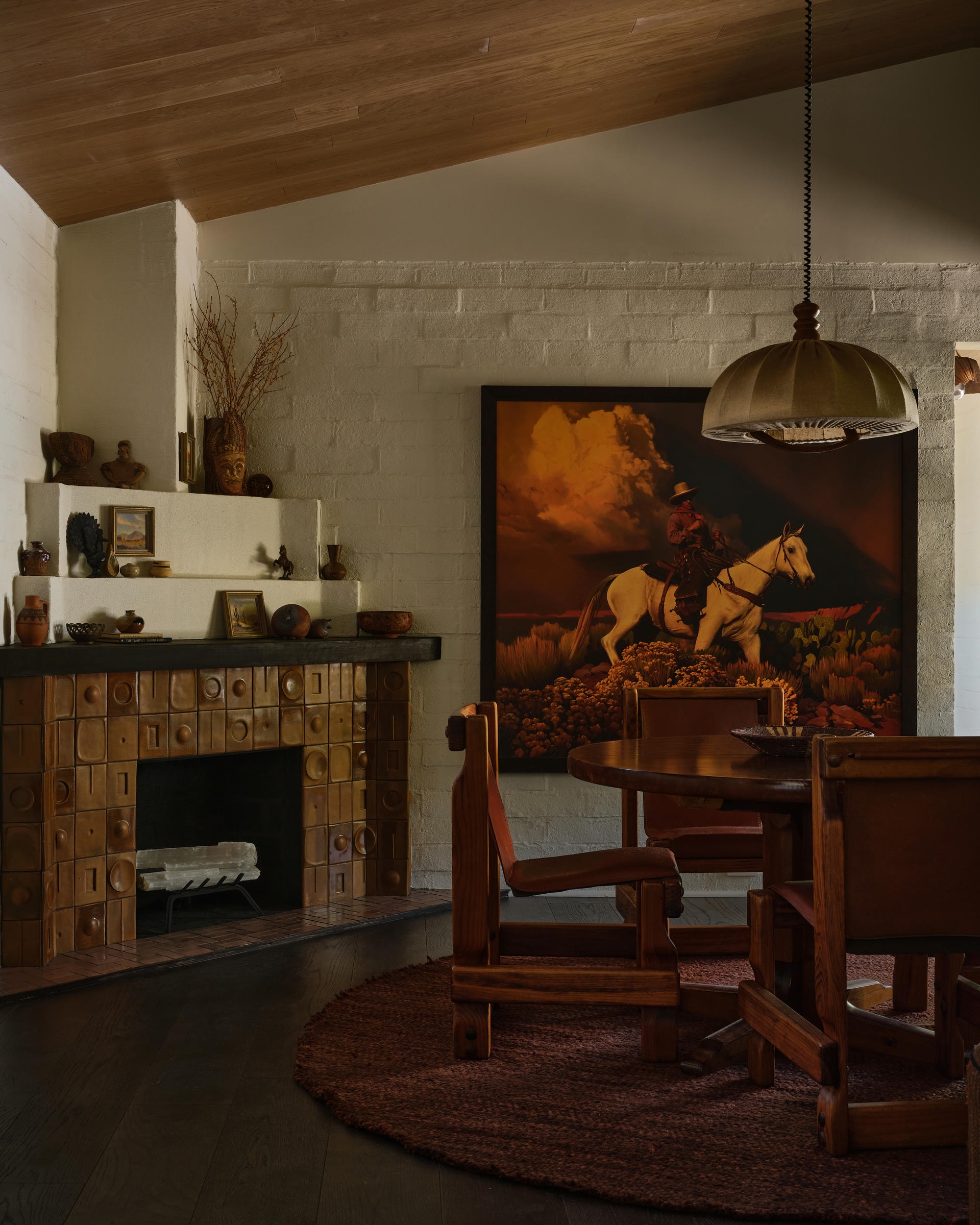
Lima Residence. Paint: Dunn-Edwards © Michael P.H. Clifford

Thank you so much Kirsten, for this lovely interview!
Share article :