Maria Tyakina
Maria Tyakina is a Rotterdam-based furniture and object designer whose practice explores sensorial perception through sculptural forms and material experimentation. A graduate of the Royal Academy of Art in The Hague, she develops collectible pieces that challenge habitual ways of engaging with objects, balancing expressive gestures with refined craftsmanship. Working across materials including stone, metal, wood, and glass, Tyakina creates a distinctive design language where form, gravity, and texture become central to the experience of each piece.
Guided by a deep curiosity for the physical qualities and narrative potential of materials, Tyakina’s work investigates balance, movement, and the relationship between object and user. Through close collaboration with skilled artisans and manufacturers, she transforms raw materials into timeless collectible furniture and objects distinguished by architectural clarity, tactile richness, and sculptural elegance.
Interview
I was born in a small town in the central part of Russia. 10 years ago, I moved to The Hague, the Netherlands, where I now live and work.
I grew up in a remote area, where art was a rarity. So my first experience with art would come from books and film. The first museum I visited was of a local artist who worked with stone and wood. He worked the big pieces of wood and stone into bodily images. It was a beautiful union of nature and human labor.
I was lucky to set out early on pursuing design; however, it did take me years before I could earn from design. I started my education in Interior Architecture at the age of 17, and later in my studies, I chose to transition into furniture and object design. I realized that it was the building and the time that I spent making is what me satisfaction and meaning.
Ever since childhood, I have been fascinated with objects and seeing how others live.
I find great interest in how things are made, the stories they convey, and the interweaving that exists between identity and the objects we own. I find that objects help me to make sense of the physical world and to create the stories around experiences and project them through the material.
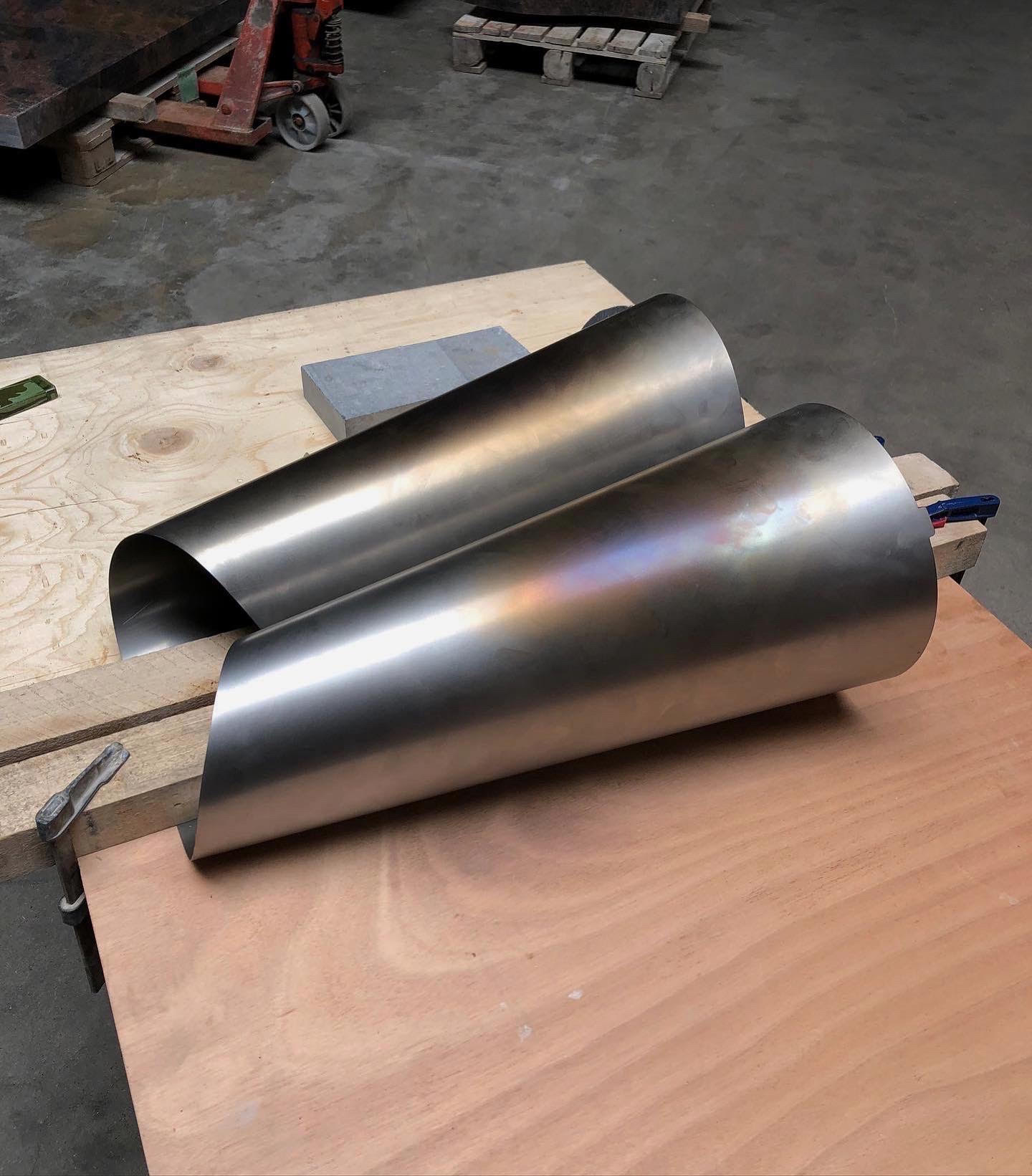
It is hard to verbalize the thinking process, but when I have an idea, I need to start doing it immediately. The practical part of my work includes experiments with materials, construction, form, and techniques. I would say that my process is very visual. I usually make models, material tests, and collages to help start the project. My process includes physically building things as well as working in a digital environment with the help of 3d modeling and printing.
I try to choreograph the timing of the studio work in a way that I can do multiple tasks at once. It is the happiest days when I feel that I have been juggling well; however, I find time spent in a studio not working is also very beneficial: to reflect, to find inspiration, to try things that are not a priority.
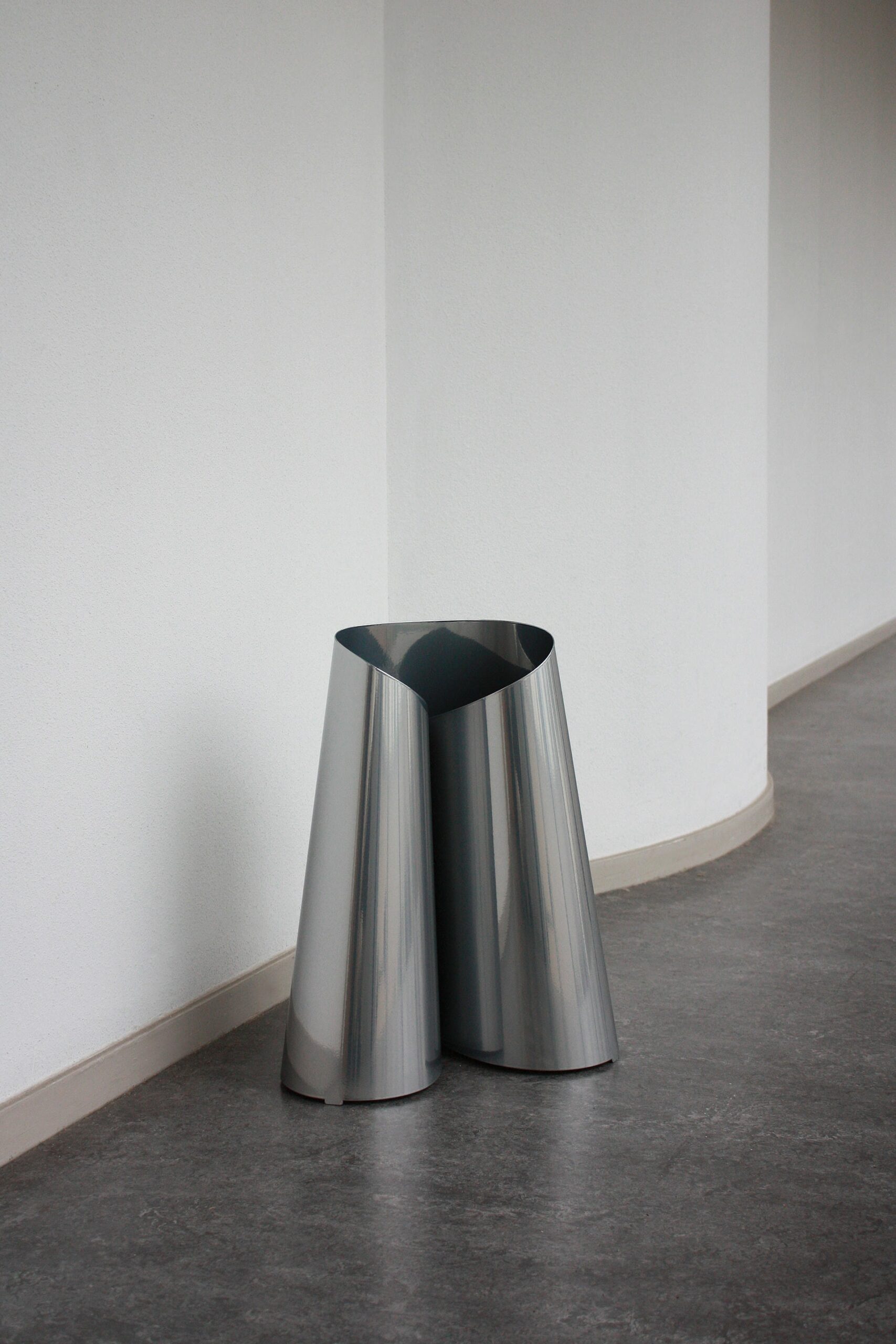
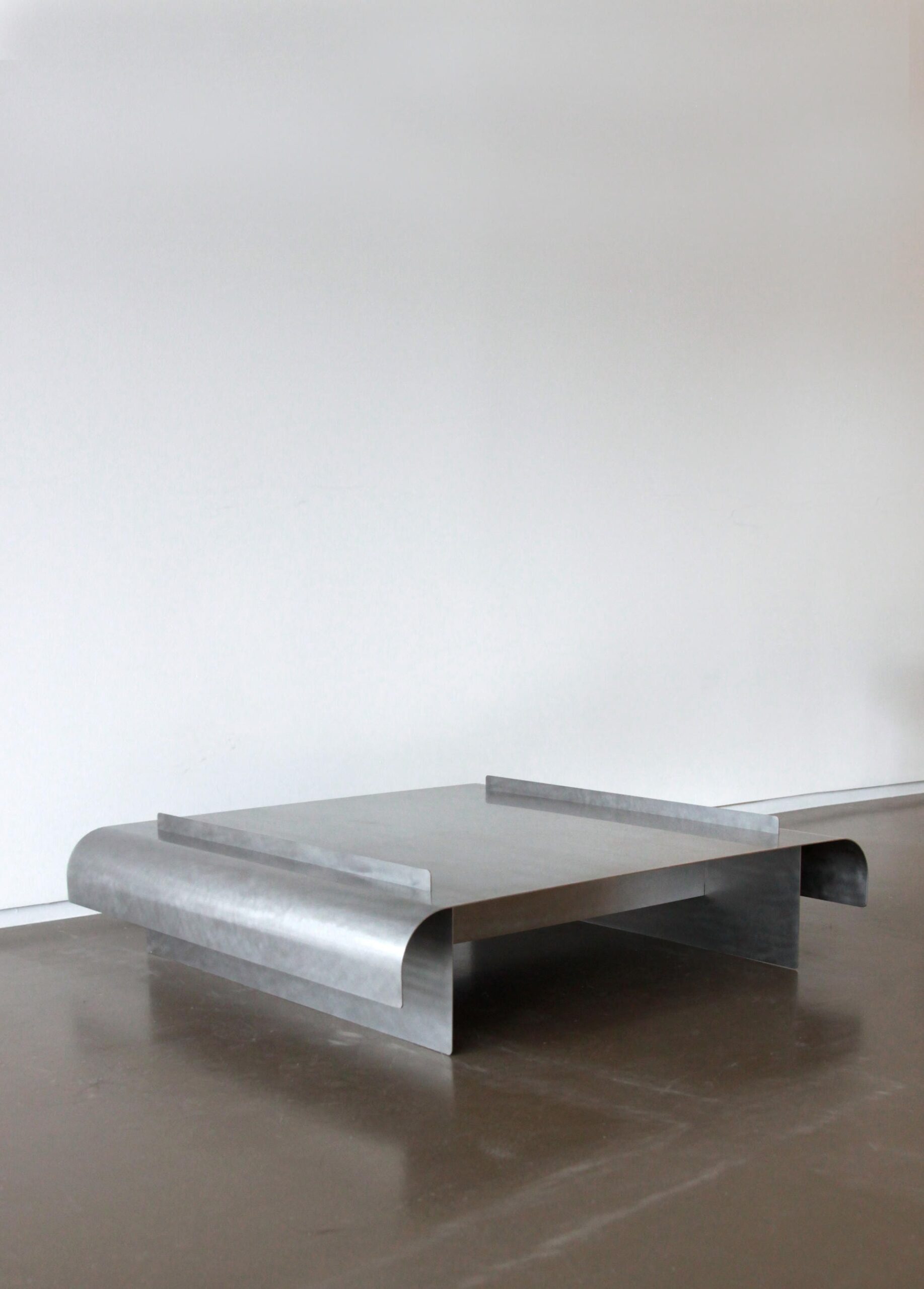
I like to work with materials that have their own specific character and the way it wants to behave. There is always an element of the unexpected when working with wood, metal, or ceramics. Those materials teach you a lot about acceptance. At the same time, I find this uncontrollable aspect is what adds movement and life to the form. I usually choose materials that can have longevity and can age beautifully.
When making things, I am trying to balance rational and intuitive. It is the rational side that strives for efficiency when it comes to producing pieces and choosing the techniques and materials, and the intuitive/emotional side comes into play when it is about the expression of the piece. Both, I find, play an important role in creating a meaningful experience between people and objects.
Advice is tricky. Maybe don’t get affected by what anyone says; it could be the wrong person at the wrong time. Be selective of who you accept advice from.
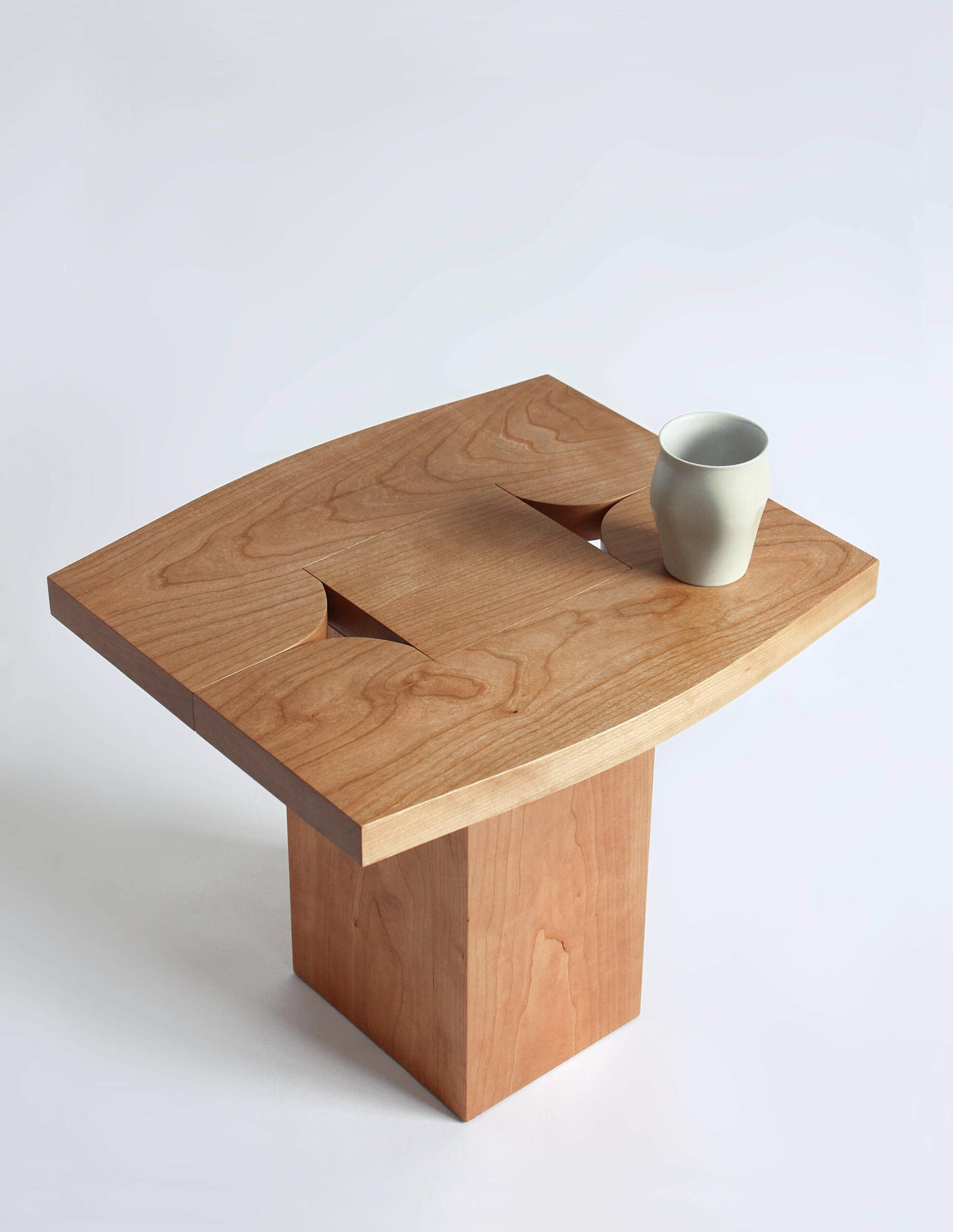
I like exploring my personal notions, so it would be difficult for me to subscribe my work to a particular movement. I can only view it gradually when it is being made. It might look different to people viewing the work from the outside perspective.
I like exploring my personal notions, so it would be difficult for me to subscribe my work to a particular movement. I can only view it gradually when it is being made. It might look different to people viewing the work from the outside perspective.
Martin Szekely, Lin Cheung, Franchesca Torzo.
Richard Serra, Maria van Kesteren, Kishio Suga, Yves de La Tour d’Auvergne.
Dear things.
“I find that objects help me to make sense of the physical world and to create the stories around experiences and project them through the material.”
The Questions
(The Proust Questionnaire is a set of questions answered by the French writer Marcel Proust.
Other historical figures who have answered confession albums are Oscar Wilde,
Karl Marx, Arthur Conan Doyle, Stéphane Mallarmé, Paul Cézanne…)
Moments, when you can enjoy the luxury of time, also happiness for me, is in the making
Losing memory
I try not to deplore, but there are always things to improve. I would, for example, want to worry less about things that are outside of my control or try to put less judgment on myself
Snobbery
My grandmother, who is a person of great courage and an independent thinker
Stationary
Finding special moments in the mundane activities
Hardworking
Same qualities I value in a person: curiosity, humbleness, open-mindedness, sensitivity, courage
Same qualities I value in a person: curiosity, humbleness, open-mindedness, sensitivity, courage
I feel I say the word “things” too much, for the lack of a better word
Writing. I envy people who can create worlds out of words, gifted storytellers
If it needs to be one thing, probably allow myself to make more mistakes
My friends and sometimes my work
Maybe a tree, seeing this world change for hundreds of years
Somewhere in a remote area, in nature, having a quiet life. I couldn’t wait to move to the city when I was younger; now I cannot wait to move back to nature
Probably it is things that I find, natural objects like a unique branch or a stone. I admire and respect things, but I don’t feel a strong need to possess them. When it is time to part ways, we must be able to let things move forward
A feeling of not belonging
Being in the studio, making things, learning
Knowing a lot of facts about random subjects
Their depth and drive to explore and improve, their passions and generosity
Jevgeni Zamjatin, Kurt Vonnegut, Margaret Atwood, Fans Kafka
It is hard to choose just a few, first, that came to mind are Jack Londons Martin Eden, and Winston Smith of 1984 by George Orwell
Nobody, I can learn from people but it would unnatural for me to identify with somebody else
People who fight injustice. I do wish there were less need for heroes in this world
Never thought of it
Waiting and uncertainty
Shielding myself from experiences
I wouldn’t like to choose it
“Be prepared to appreciate what you meet.”- F. Herbert
“When making things, I am trying to balance rational and intuitive.”
SHARE :