Gisbert Pöppler
Interview
I grew up in West Germany, near the North Sea, and moved to Berlin only two months before the wall came down. Joining the creative chaos of reunification, I studied architecture and established my studio.
As a child, my parents built our home. A modern Glasshouse in a tiny village of 200 people with a windmill. Art and design were simply part of our household, which I merely accepted. Then I went to an American high school as an exchange student for a year, where I visited Frank Lloyd Wright’s Falling Water, and I realized how much power design has.
I spent a year caring for the elderly as my civil service duty; other than that, I have always worked in the design field.
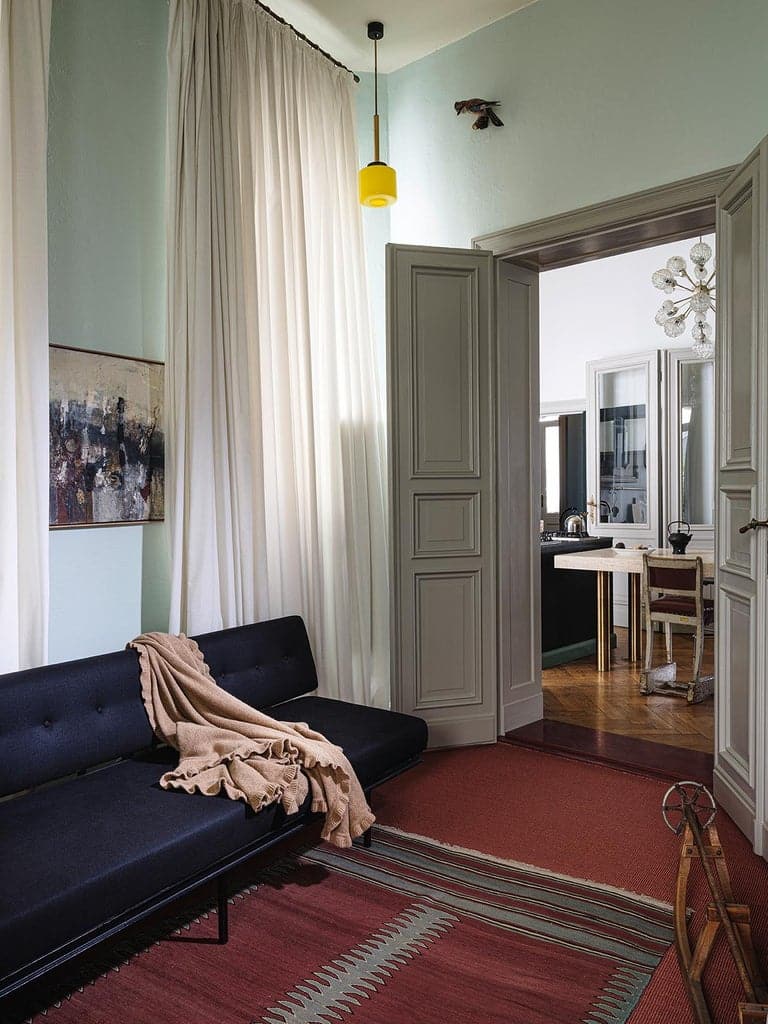
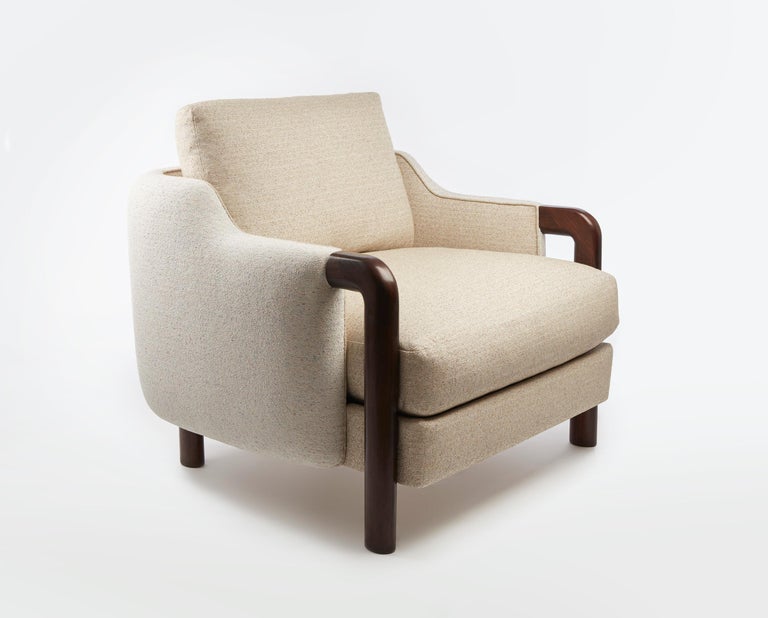
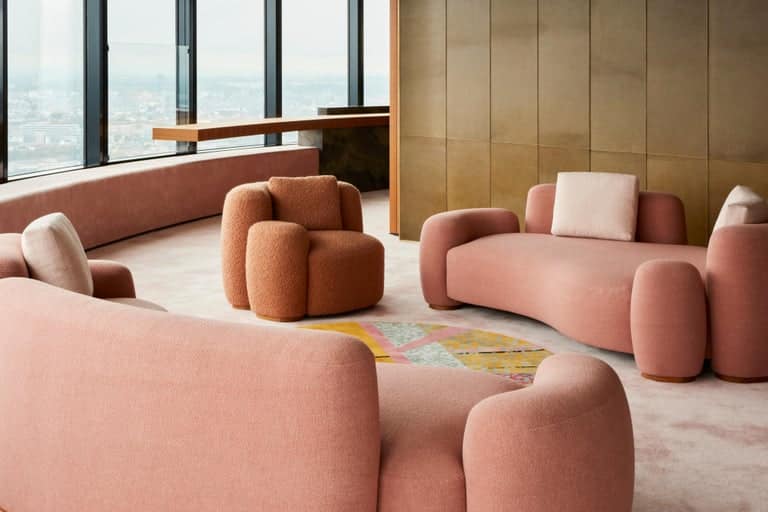
I search for the right pieces on every interior design project, but don’t always find them. So, one day, I realized I had to design my own things, and this became very exciting!
I start with intuition – a combination of natural inclination, experience, and knowledge. I analyze, ask many questions along the way, listen carefully, and work from there. I love to experiment with new materials and techniques I come across during the process.
A typical day for me is full of communication. I meet with my team and discuss our work, what we are doing, what needs to be done, and many fine things dealing with each project or design. Lunch is very important in the studio as the entire team leisurely exchanges ideas and experiences together. The daily routine consists of coming up with ideas and finding ways to communicate them.
I love working with the senses, and I love craftsmanship. The materials I choose often have more to do with how they can be worked with and enjoyed as opposed to simply selecting from a finished palette.
I value comfort and function as much as the design. A lot of energy is spent building prototypes and making changes during this process to ensure each piece functions as well as it looks. You have to love using it as well as seeing it, especially if it’s a collector’s piece.
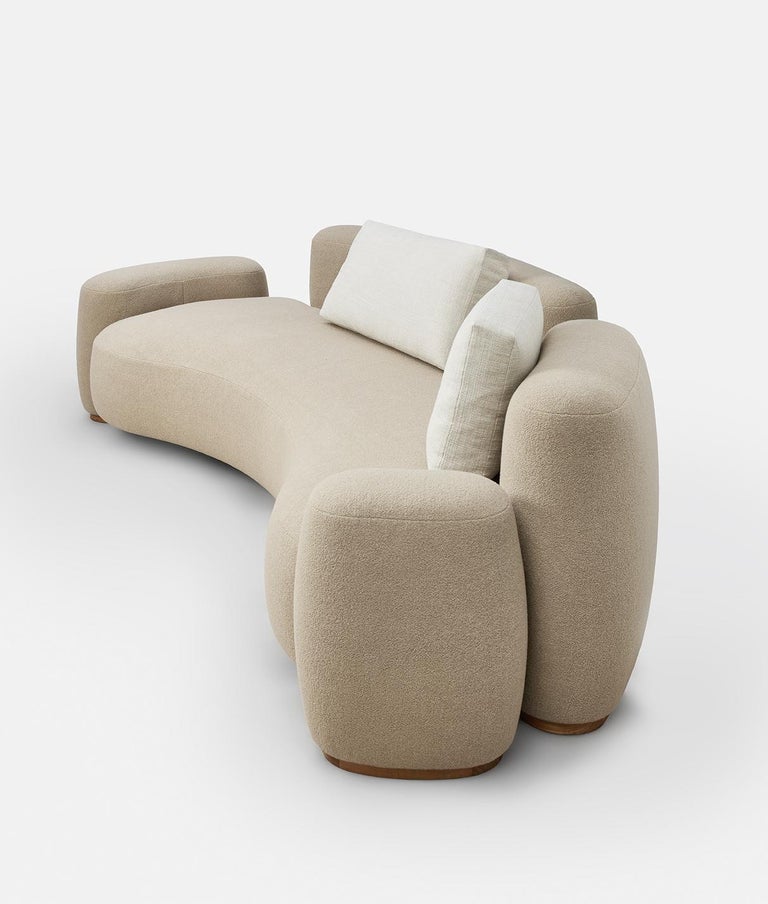
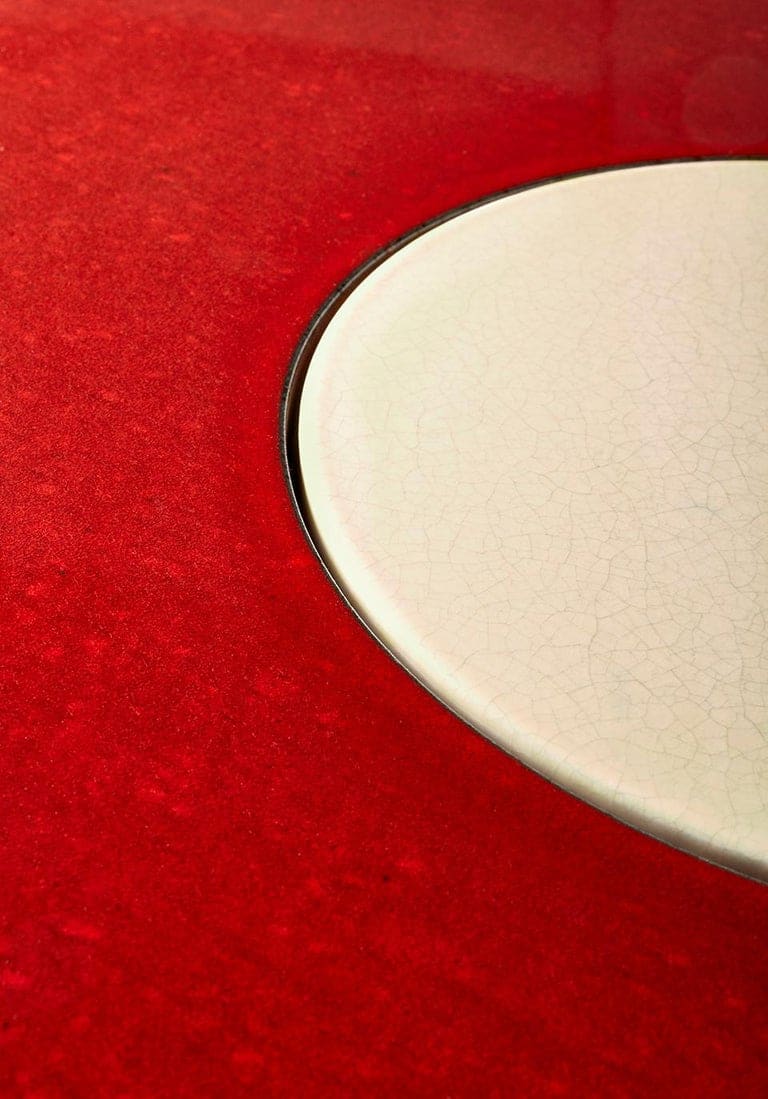
Well, of course, everyone expects their first work to be a masterpiece, and they should go about designing with this intention. That being said, it is good to move on and be open to whatever pops up in the process; sometimes, the obstacles steer the design in a good direction.
My work is very postmodern; I enjoy being free from the rigidity of modernism, and at the same time, I like to interpret classic forms with reduced ornament.
Yves Saint Laurent for creative style and Philip Johnson for attitude towards design.
Tom Ford.
The Artist Sarah Morris and the countertenor and break-dancer Jakub Józef Orliński.
Confident.
The Questions
(The Proust Questionnaire is a set of questions answered by the French writer Marcel Proust.
Other historical figures who have answered confession albums are Oscar Wilde,
Karl Marx, Arthur Conan Doyle, Stéphane Mallarmé, Paul Cézanne…)
Daisies
Public speaking
That I fear public speaking
Ignorance
Emmanuelle Charpentier
Gardening
Curious
Flawlessness
The feminine side
The masculine side
Très chic
I would speak more languages – starting with French
Backward Salto
My Studio
A Bird
Villa l’Esquillette on the Côte d’Azur
My ideas
Losing the joy of life
Watering my flowers
I am not easily bribed
Companionship and conversation
Otfried Preußler
Le Petit Nicolas by René Goscinny
Henri Matisse
Cecilia Bartoli
Frieda, Andrin
The “ugly” we find acceptable
Not speaking French or Russian
Happy in old age
Everyone has a different flaw
SHARE :