We are both based in Mumbai, India – born and brought up in this city.
MAGAZINE · INTERVIEW
Studio Indigene
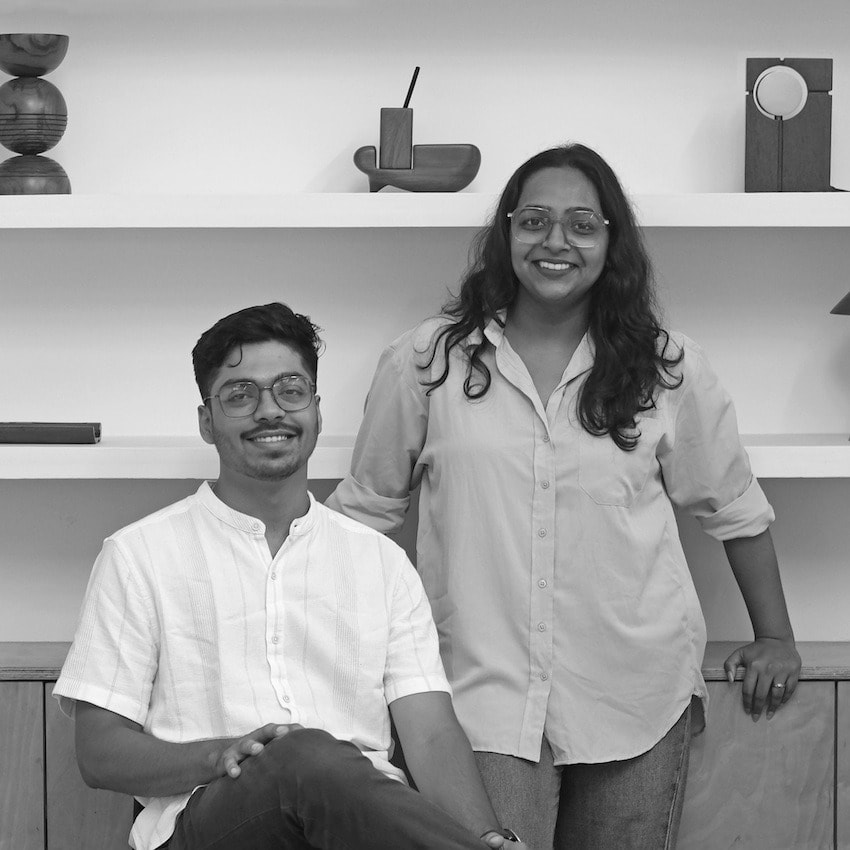
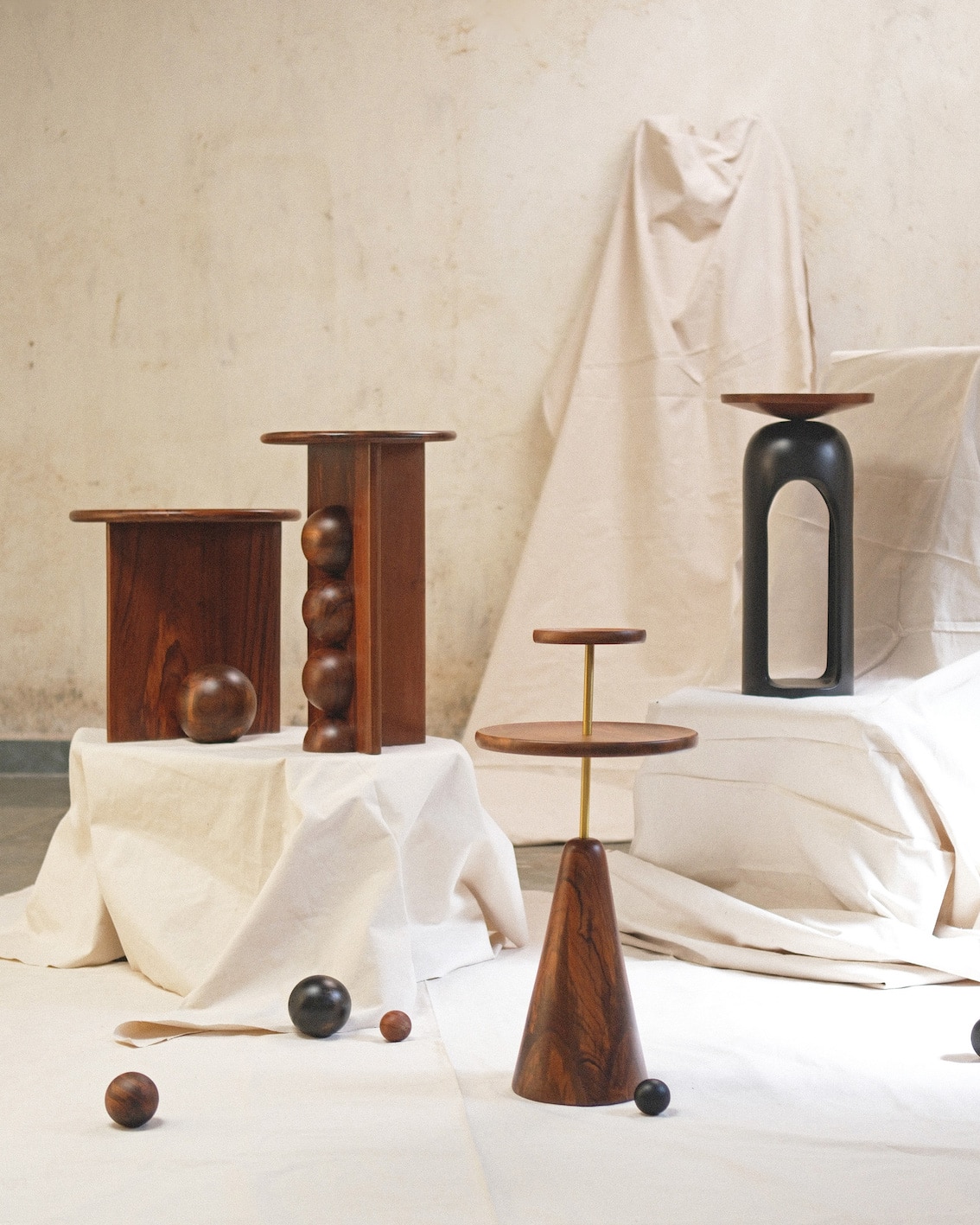
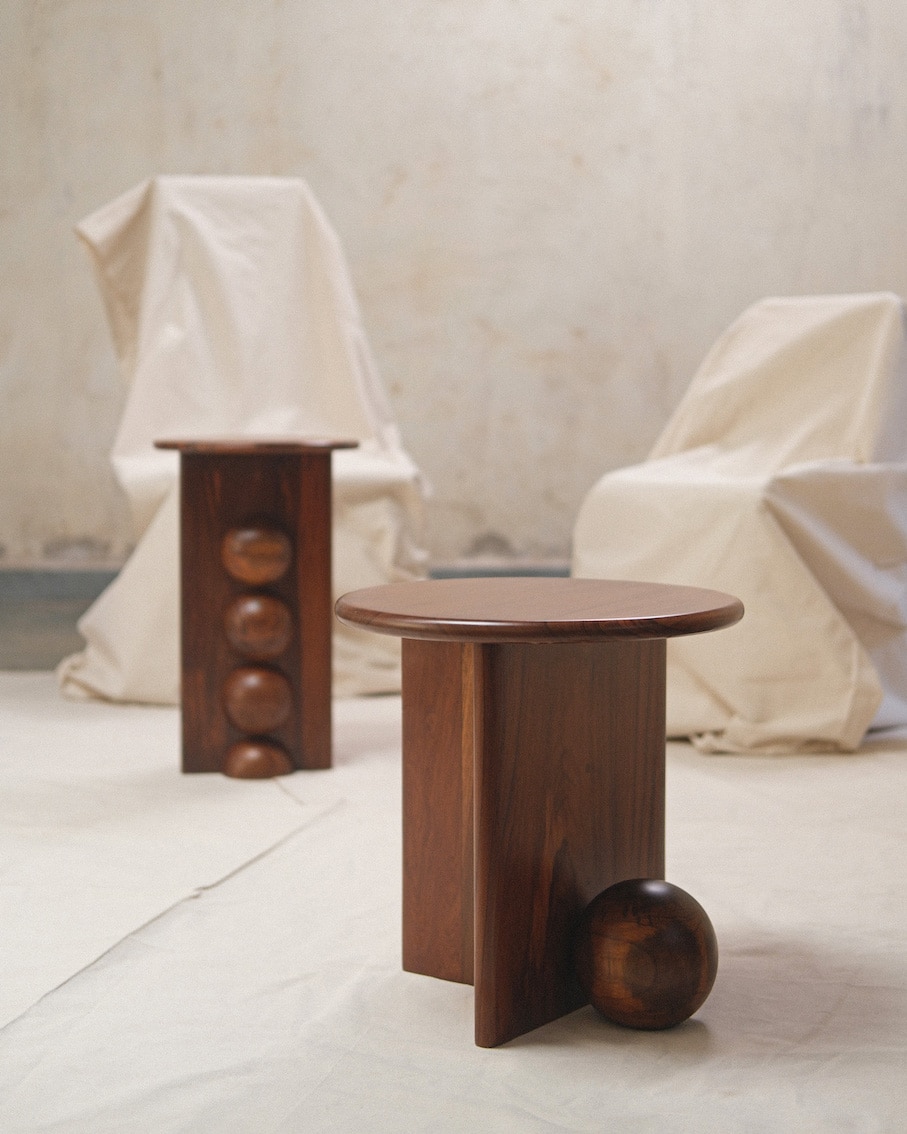
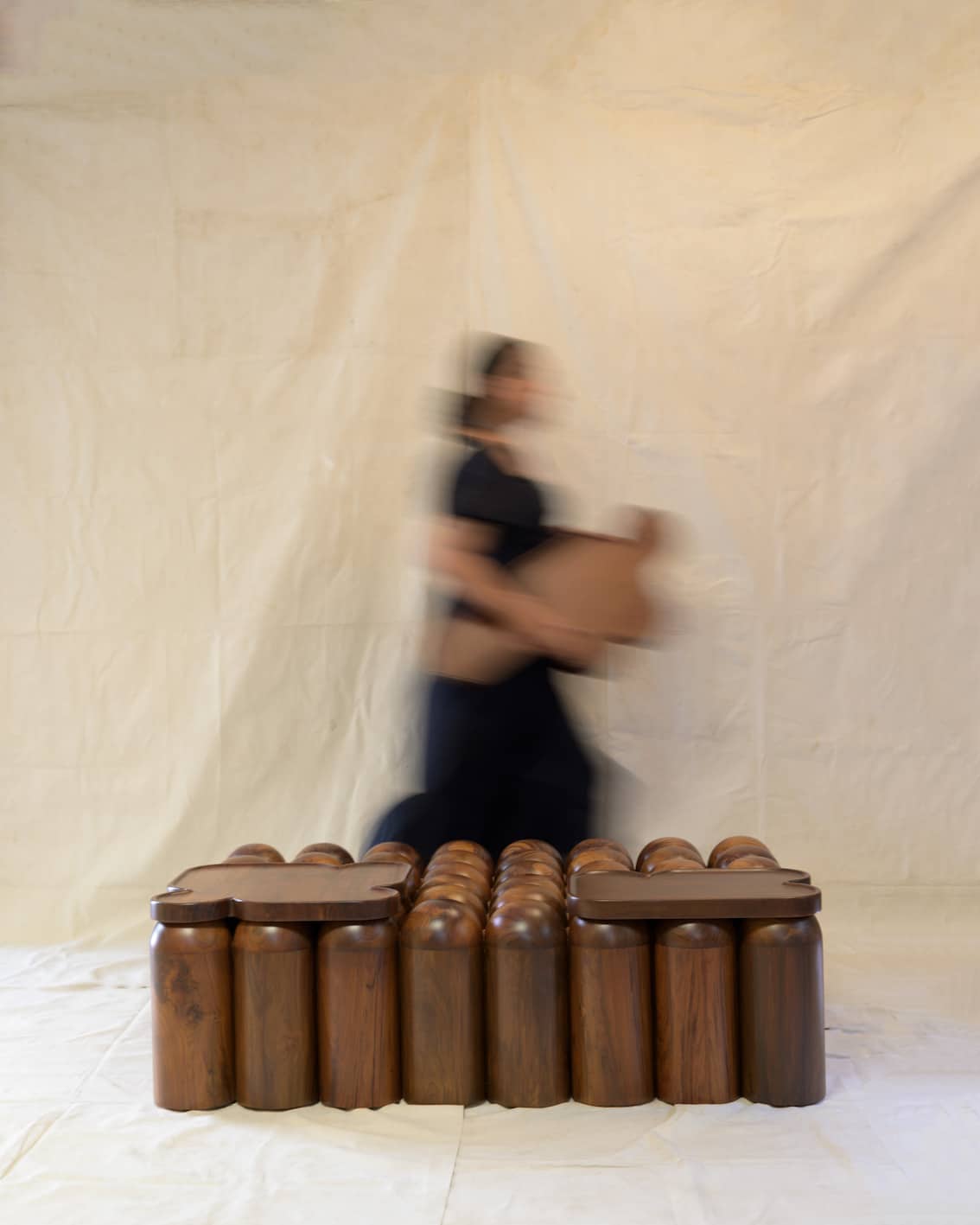
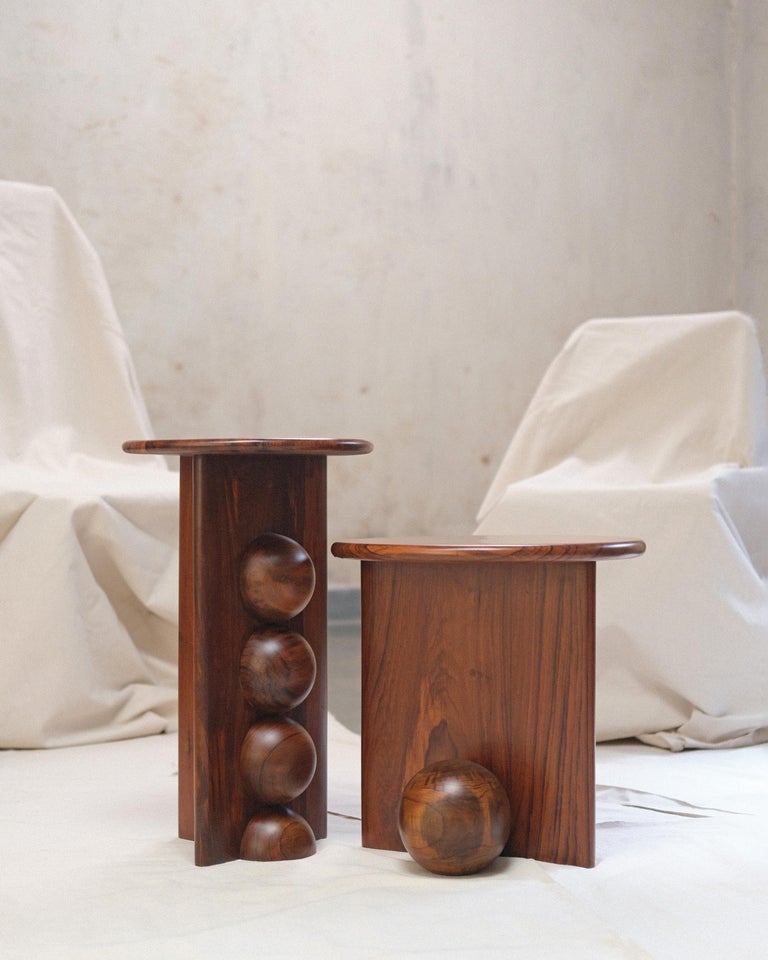
Studio Indigene is an Indian design studio founded by architects Tanvi Deolekar and Shubham Mestry, whose practice explores the relationship between sculptural form, craftsmanship, and everyday function. Working across furniture and objects, the studio creates minimalist designs distinguished by clean lines, refined proportions, and a thoughtful exploration of volume.
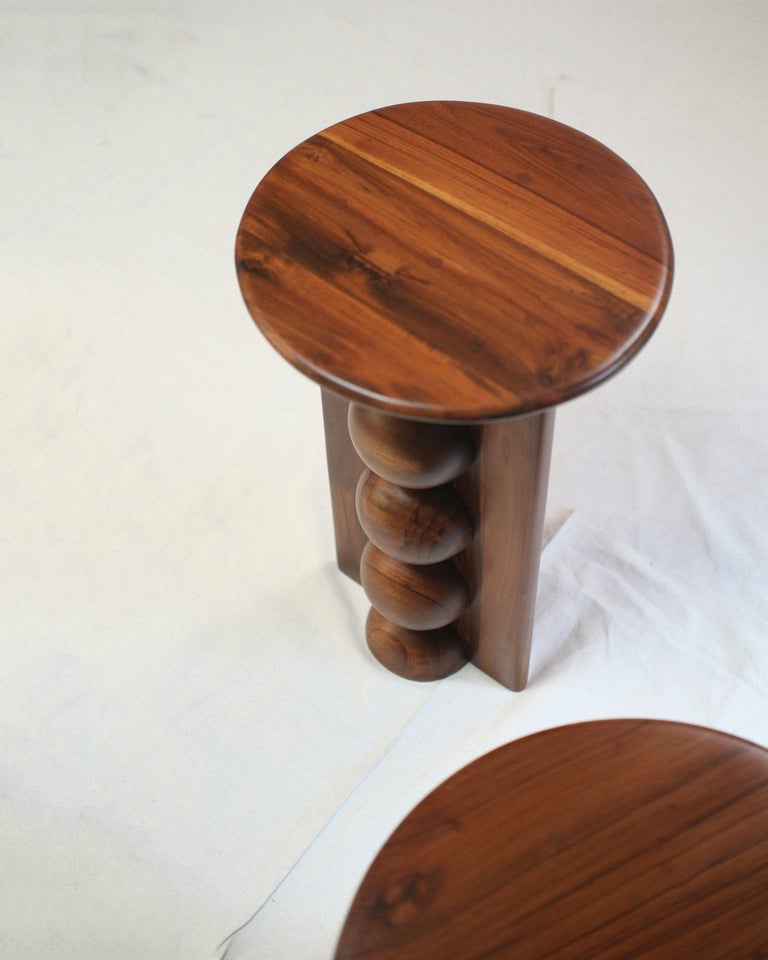
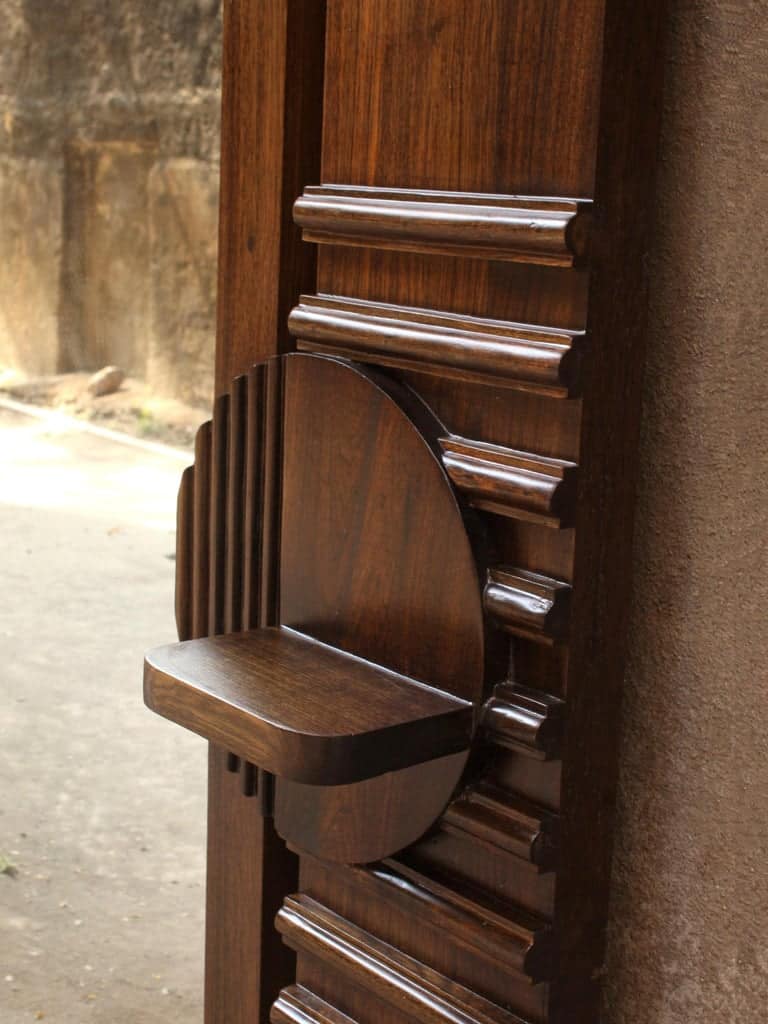
Working closely with skilled woodworkers, Studio Indigene combines traditional craftsmanship with contemporary design, primarily using wood alongside a restrained palette of materials. Guided by a deep appreciation for material authenticity, the studio creates timeless pieces that celebrate tactile beauty, artisanal expertise, and the expressive character of handcrafted objects.
Let's know more about
Interview
Where were you born and where are you from?
What is your first memory connected to the art world?
Having studied Architecture, we were introduced to design, which is where our journey began.
Have you always worked in the art/design field?
Yes, while we have never really taken up a job in the design field, we started Studio Indigene right after we graduated from Architecture school, and hence have been working ever since as designers, studio and business runners, and everything that goes with it.
What led you to design creation?
As students of architecture, we were not only exposed to space-making and large-scale structures but also to the design and detailing of the smallest products. This part of the design was amusing and engaging to us – we realized the impact the smallest objects could make on their user and space. This is how we came about to explore product and furniture design. We wanted to explore how we could apply our education and design sensibilities to create objects of a varied scale and functionality. But this was not only limited to our desire to create, but to build a business based on products we created – we see the freedom to design for our brand as the ultimate gift we have given ourselves and hope to keep building Studio Indigene and to keep creating more works.
How would you describe your creative process and its influences?
We have an experience of 5 years now, which began right after we graduated and started the studio. As young designers, we often ponder the same question and realize that we are yet to come up with a core philosophy. While we started on the journey of building a design studio with certain ideas, these ideas have now evolved or even changed. We like to think of ourselves as designers, not too rigid, willing to let our philosophies change with every learning and experience. As for our creative process, we simply sit down with a pencil and paper and sketch till we feel like we might have something worth turning into a piece in real life.
Could you describe a typical day of your work?
A typical workday begins with packaging and dispatch, followed by meetings or calls with clients. Some days involve sitting down at the drawing boards, and some days involve spending hours and hours at the workshop with our artisans. We also work on our social media accounts ourselves, which involves photoshoots and generating creatives.
Why did you choose the specific materials you work with?
We envision designs that correspond to the commonly recognized principles of design yet have a narrative that forms distinctive identities. These designs will stand the test of time and will have limitless lives. We often like to think of Indigene products as heirloom pieces, made with a passion for design and craftsmanship, a quiet but prized part of one’s possessions, waiting to be passed on – to this idea, wood corresponds perfectly in our minds. A wooden piece exudes an emotional quality, in its skilled making and in the attachment a user forms with the piece.
What advice could you give to beginning artists who would like to create sculptural design works?
While we feel artists must explore, find their mediums, and keep creating, we would like to offer some advice.
Firstly, one has to be patient for their work to be received and recognized. However, this does not mean one should be passive – propagating and advertising your work actively must also be something a creator must undertake.
Opportunities to keep making more works will come only if an artist/designer actively tries to reach out to the right audience.
What contemporary designers do you appreciate?
Paul Matter, Ashiesh Shah, Ravi Vazirani.
If you had to summarize your creations in one word or sentence, what would it be?
Objects that aspire to form distinctive identities in their simple structure and materiality.
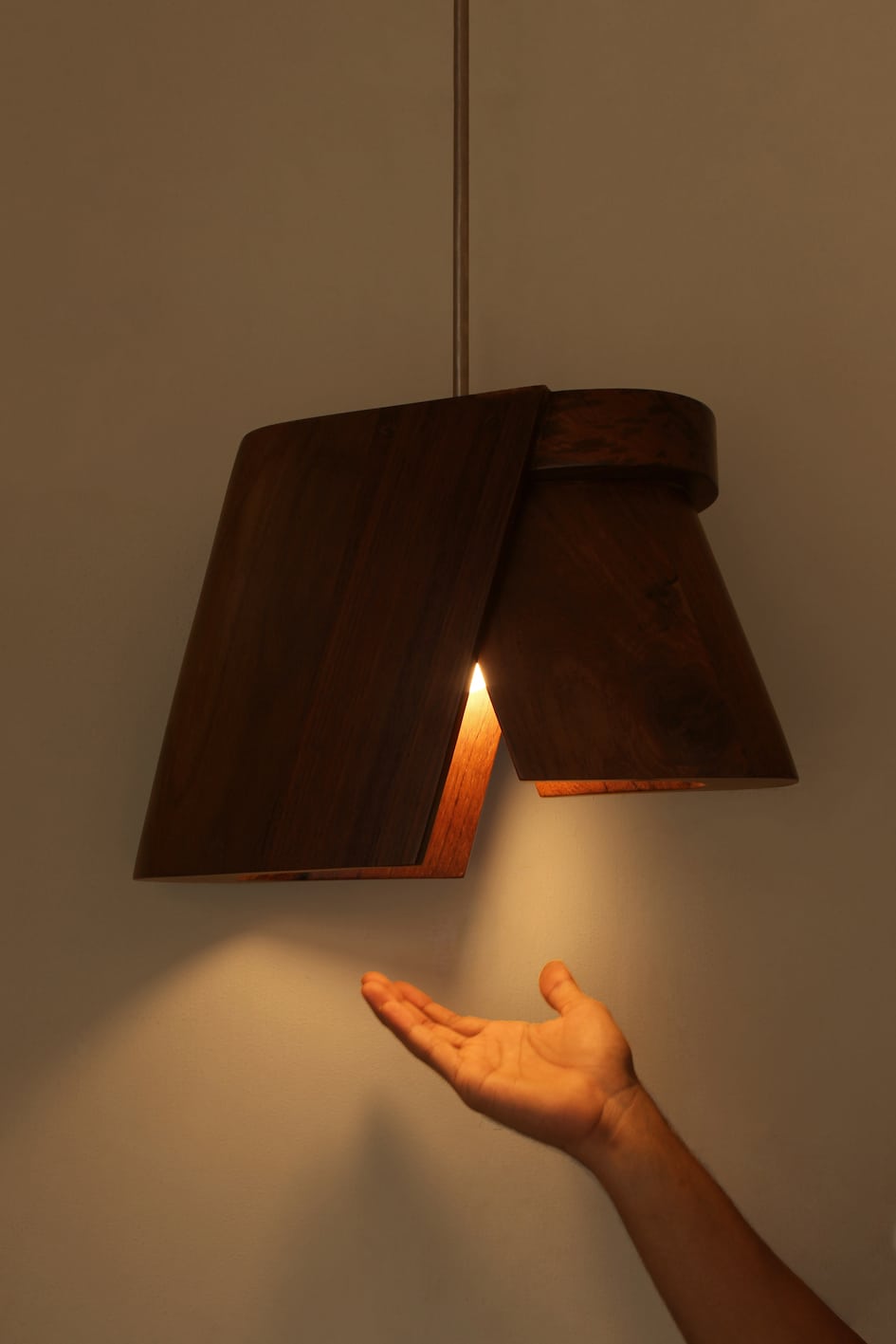
“We often like to think of Indigene products as heirloom pieces, made with a passion for design and craftsmanship.”
The Questionnaire
The Questions
(The Proust Questionnaire is a set of questions answered by the French writer Marcel Proust.
Other historical figures who have answered confession albums are Oscar Wilde,
Karl Marx, Arthur Conan Doyle, Stéphane Mallarmé, Paul Cézanne…)
What is your idea of perfect happiness?
All stray animals fed and taken care of
What is your greatest fear?
Losing hope
What is the trait you most deplore in yourself?
Self-doubt
What is the trait you most deplore in others?
Pretentiousness
Which living person do you most admire?
Each other – Shubham & Tanvi
What is your greatest extravagance?
House in the hills
What is your current state of mind?
Occupied
What do you consider the most overrated virtue?
Balance
What is the quality you most like in a man?
Reliability
What is the quality you most like in a woman?
Reliability
Which words or phrases do you most overuse?
Thank you
Which talent would you most like to have?
No talents, but skills – business building, delegation
If you could change one thing about yourself, what would it be?
Apologetic nature
What do you consider your greatest achievement?
Building Studio Indigene
If you were to die and come back as a person or a thing, what would it be?
A cat (hopefully become friends with our cats)
Where would you most like to live?
A small European town
What is your most treasured possession?
Our data (drawings, schematics, media)
What do you regard as the lowest depth of misery?
Losing hope
What is your favorite occupation?
Designing
What is your most marked characteristic?
Perseverance
What do you most value in your friends?
Support through thick and thin
Who are your favorite writers?
Dan Brown, Enid Blyton (from childhood), J. K. Rowling
Who is your hero of fiction?
Batman
Which historical figure do you most identify with?
We do not think of ourselves as significant enough
Who are your heroes in real life?
Our parents
What are your favorite names?
–
What is it that you most dislike?
Repeating mistakes once made
What is your greatest regret?
We believe we haven’t lived enough to answer this
How would you like to die?
Quickly
What is your motto?
Live and let live
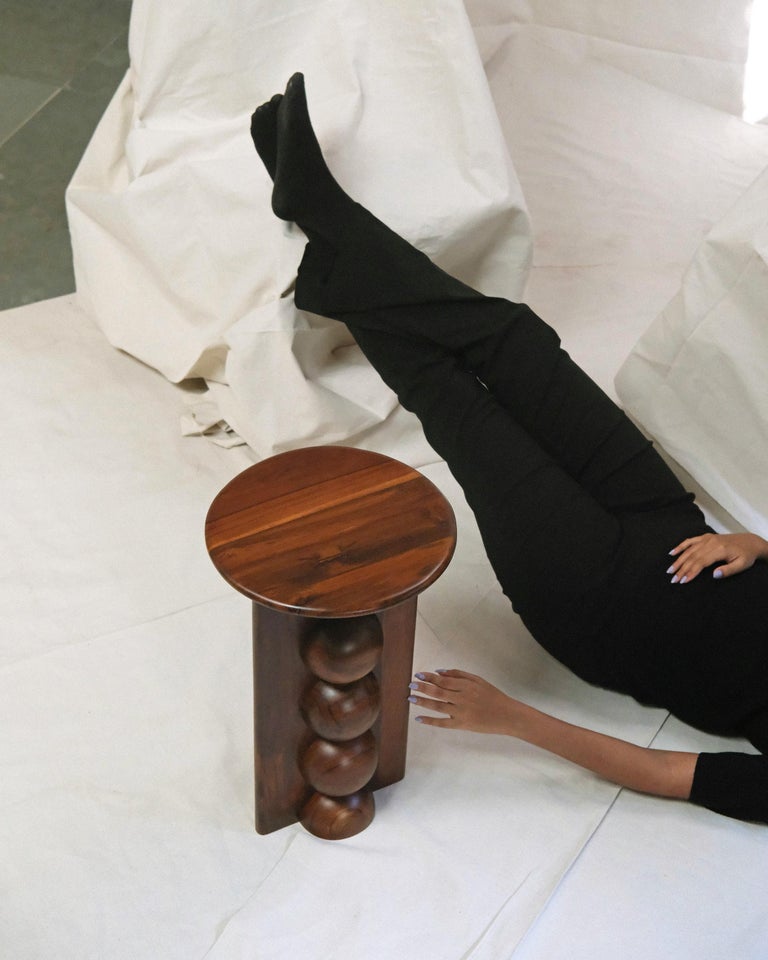
“We realized the impact the smallest objects could make on their user and space.”
SHARE :